
The best Kilimanjaro routes for September 2026-2027 are typically Machame, Lemosho, and Rongai, as this month falls within the dry season, offering excellent trekking conditions, clear skies, and lower chances of rain. These routes are favored for their higher success rates due to acclimatization profiles and their scenic beauty, providing a rewarding climbing experience during this optimal period.

September on Kilimanjaro: A Prime Climbing Window
Climbing Mount Kilimanjaro is a dream for many adventurers, and choosing the right time of year significantly impacts the experience. September stands out as one of the most sought-after months for an ascent. It marks the end of the dry season, offering a delightful combination of clear, crisp weather, minimal rainfall, and stunning panoramic views from the summit. For those planning their climb in 2026 or 2027, understanding which routes perform best during this favorable period is crucial for maximizing your chances of success and enjoying the journey.
The weather on Kilimanjaro is characterized by distinct wet and dry seasons. September falls squarely within the second dry season, which typically runs from June to October. This period is renowned for its stable weather patterns, making it ideal for trekking. Expect sunny days, cool to cold temperatures (especially at higher altitudes), and dry trails underfoot. While higher elevations will always be cold, the reduced humidity and precipitation make the climb more comfortable and safer compared to the rainy seasons.
When considering the best Kilimanjaro routes for September, the focus shifts towards routes that offer good acclimatization, stunning scenery, and reliable weather support. While most routes are technically feasible, some are better suited to the conditions and offer a more enjoyable experience. We will explore the top contenders, detailing their unique characteristics, advantages, and why they are particularly well-suited for a September climb in 2026-2027.
Why September is Ideal for Your Kilimanjaro Climb
September is often hailed as one of the best months to climb Kilimanjaro, and for good reason. The meteorological conditions are highly favorable, presenting a significant advantage for trekkers aiming for the summit of Africa’s highest peak.
- Dry Conditions: September is part of the longer dry season (June to October). This means significantly less rainfall, especially on the upper slopes and summit area. Trails are generally dry and less muddy, making the ascent and descent more comfortable and reducing the risk of slips and falls.
- Clear Skies and Visibility: The dry air often leads to clearer skies, offering impressive panoramic views of the surrounding landscape, including Mount Meru and the vast plains of Tanzania. This is especially rewarding during sunrises and sunsets, and from the summit itself.
- Moderate Temperatures: While Kilimanjaro is always cold at high altitudes, September typically offers moderate daytime temperatures in the lower and middle sections of the mountain. Nights and summit temperatures will still be freezing, but the lack of heavy rain and persistent cloud cover makes the cold more manageable.
- Lower Humidity: The dry season generally means lower humidity, which can make the strenuous climb feel slightly easier as your body can regulate temperature more effectively.
- Reduced Crowds (Compared to Peak Season): While September is popular, it might see slightly fewer crowds than the absolute peak months of July and August, potentially offering a more serene trekking experience.
For those planning their expedition in 2026 or 2027, booking your September climb well in advance is recommended, as it remains a highly desirable month. Early booking ensures availability on your preferred route and with your chosen tour operator.
Top Kilimanjaro Routes for September Climbs
When selecting the best Kilimanjaro route for September, it’s essential to consider factors like acclimatization profile, scenery, camping versus hut accommodation, and overall success rates. Based on these factors and the favorable September weather, the following routes are consistently recommended:
1. Machame Route: The Popular Choice for Success
The Machame Route is arguably the most popular route on Kilimanjaro, and for good reason. It is known for its high success rates, spectacular scenery, and challenging yet rewarding climb. It’s an excellent option for September, offering a great balance of acclimatization and beauty.
- Duration: Typically 6 or 7 days. A 7-day itinerary is strongly recommended for better acclimatization and higher success rates, especially during any month, including September.
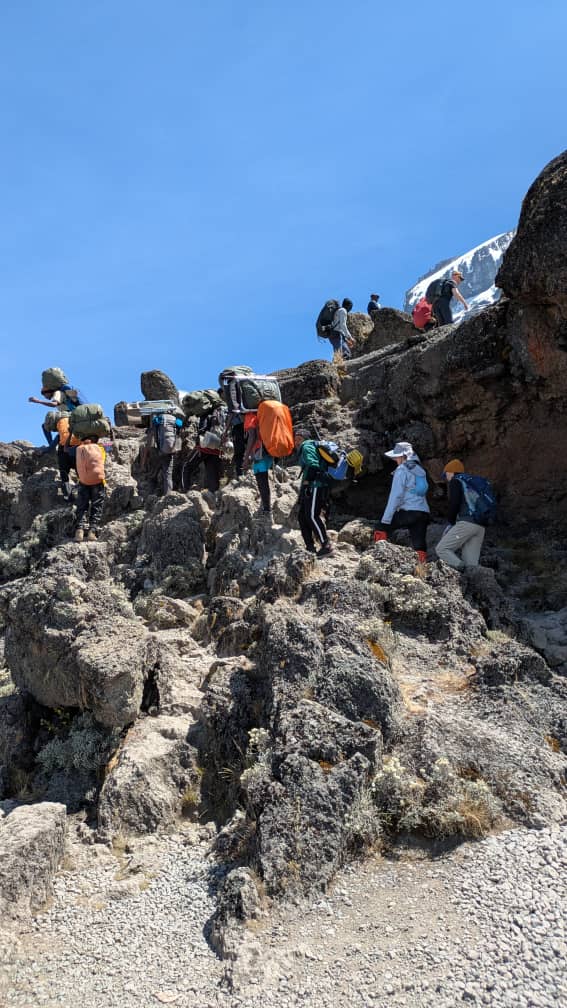
- Scenery: Machame is renowned for its diverse and stunning landscapes. You’ll trek through rainforest, moorland, alpine desert, and arctic zones, with dramatic views of the Shira Plateau and the Southern Circuit.
- Acclimatization: The route follows a “climb high, sleep low” principle, which is crucial for acclimatization. This pattern is particularly beneficial during September’s stable weather, allowing your body to adjust more effectively.
- Accommodation: Camping only. You’ll stay in tents, which is part of the adventure for many climbers.
- Difficulty: Considered a challenging route, especially the final ascent to Stella Point and Uhuru Peak. However, its well-designed acclimatization profile makes it manageable for fit individuals.
- Why it’s great for September: The dry weather ensures the trails are in good condition, and the clear skies offer incredible vistas. The “climb high, sleep low” strategy works very effectively with the predictable September conditions.
A 7-day Machame climb in September 2026 or 2027 provides a solid foundation for reaching the summit. The route offers a progressive ascent that allows your body to adapt to the altitude, significantly boosting your chances of success. The dramatic landscapes are a constant reward, making the physical exertion worthwhile.
2. Lemosho Route: The Most Scenic and High Success Rate
The Lemosho Route is often considered the most beautiful route on Kilimanjaro. It offers a longer, more gradual ascent, starting in the lush rainforest on the western side of the mountain before joining the Machame route. Its extended duration and excellent acclimatization profile make it a top choice for September.
- Duration: Typically 7 or 8 days. An 8-day itinerary is highly recommended for the best acclimatization and the highest success rates.
- Scenery: Unparalleled. Lemosho provides stunning views from the start, traversing diverse ecosystems and offering dramatic panoramas of the Shira Plateau and the vast plains. The western approach offers unique perspectives.
- Acclimatization: Its longer duration allows for superior acclimatization. The route’s path, especially in the initial days, is designed to help trekkers adjust gradually to the altitude, a critical factor for summit success in September 2026-2027.
- Accommodation: Camping only.
- Difficulty: Moderate to challenging. The physical demands are significant, but the extended acclimatization period makes it more achievable for a wider range of trekkers.
- Why it’s great for September: The longer duration means more time to acclimatize, which is always beneficial, regardless of the month. The dry conditions of September mean you can fully appreciate the spectacular scenery without the hindrance of rain. The clear skies enhance the already impressive views.
For those seeking the most scenic journey with the highest probability of summit success during September 2026-2027, the 8-day Lemosho route is an exceptional choice. It offers a more relaxed pace, allowing for deeper appreciation of the mountain’s beauty and better physiological adaptation.
3. Rongai Route: The Best Option from the North
The Rongai Route approaches Kilimanjaro from the north, near the Kenyan border. It is the only route that ascends from the drier northern side, making it a unique option, especially if there’s a slight chance of lingering showers from the preceding rainy season, though September is typically very dry. It’s known for its relatively gentle slope and good acclimatization.
- Duration: Typically 6 or 7 days. A 7-day itinerary is recommended for improved acclimatization.
- Scenery: Offers a different perspective, with landscapes that are generally drier and more arid than the southern routes. It provides excellent views of the Kenyan plains and, on clear days, Mount Meru.
- Acclimatization: Rongai has a decent acclimatization profile, especially on its longer itineraries. It offers a more gradual ascent compared to some southern routes.
- Accommodation: Camping only.
- Difficulty: Moderate. It is considered one of the easier routes in terms of physical exertion, though altitude is still a major factor.
- Why it’s great for September: While the southern side is usually dry in September, the northern side of Rongai can sometimes be even drier, offering a consistent trekking experience. It’s a solid choice if you’re looking for a less crowded route with good success rates during the dry season.
The 7-day Rongai climb in September 2026-2027 is a good option for trekkers who prefer a slightly less crowded mountain and a route that is generally less steep. Its reliable conditions make it a dependable choice for this popular climbing month.
Other Routes and Their Suitability for September
While Machame, Lemosho, and Rongai are often highlighted as the best, other routes can also be climbed in September. However, their suitability might depend on specific preferences and priorities.
Marangu Route: The ‘Coca-Cola’ Trail
Marangu is the oldest and perhaps most famous route. It’s known for its unique hut accommodation (no camping) and its more direct, steeper ascent.
- Duration: 5 or 6 days.
- Accommodation: Huts.
- Difficulty: Moderate to challenging. The shorter duration and steeper climb mean poorer acclimatization, leading to lower success rates compared to longer routes.
- Suitability for September: While possible, the 5-day Marangu is generally not recommended due to its poor acclimatization profile, which is a significant factor for summit success regardless of the season. The 6-day option is better but still less ideal than Machame or Lemosho. The dry weather of September might make the ascent more pleasant, but the acclimatization remains the primary concern for summit success.
Northern Circuit & Shira Route: Extended and Scenic Options
These are longer, more expensive, and highly scenic routes that offer excellent acclimatization. They are excellent choices for any time of year, including September.
- Northern Circuit: The longest route (9-10 days), offering the best acclimatization and highest success rates. It circles the mountain, providing diverse views.
- Shira Route: Similar to Lemosho but starts at a higher altitude, leading to a faster initial ascent to the Shira Plateau. Typically 7-8 days.
- Suitability for September: Both routes are fantastic for September due to their extended durations, ensuring superior acclimatization. The clear skies will make the extensive views from these routes even more spectacular. They are excellent, albeit pricier, options for 2026-2027 climbs.
Comparing Key Factors for September Climbs (2026-2027)
Choosing the best Kilimanjaro route for September involves weighing several critical factors. Here’s a comparison table to help you decide for your 2026-2027 expedition:
| Route | Typical Duration (Days) | Scenery | Acclimatization Profile | Accommodation | Success Rate (Approx.) | Best For September? |
|---|---|---|---|---|---|---|
| Machame | 6-7 | Excellent (diverse ecosystems, Southern Circuit views) | Good (‘climb high, sleep low’) | Camping | 70-80% (7-day) | Yes – Popular, reliable, good success |
| Lemosho | 7-8 | Exceptional (most scenic, diverse, remote start) | Very Good (longer, gradual ascent) | Camping | 80-90% (8-day) | Yes – Top scenic and success choice |
| Rongai | 6-7 | Good (drier northern side, Kenyan views) | Fair to Good | Camping | 65-75% (7-day) | Yes – Less crowded, reliable conditions |
| Northern Circuit | 9-10 | Outstanding (longest, most diverse, highest success) | Excellent (slowest, most gradual) | Camping | 90%+ (9-10 day) | Yes – Ultimate scenic and success |
| Marangu | 5-6 | Moderate (less diverse, more direct) | Poor (shorter, steeper) | Huts | 40-60% (5-day) | No – Lower success rate due to acclimatization |
| Shira | 7-8 | Very Good (similar to Lemosho but starts higher) | Good (but starts higher than Lemosho) | Camping | 75-85% (8-day) | Yes – Scenic, good alternative to Lemosho |
Note: Success rates are approximate and depend heavily on individual fitness, acclimatization, operator quality, and weather conditions. For September 2026-2027, prioritizing longer routes (7+ days) is always advisable for better acclimatization.
Planning Your September 2026-2027 Kilimanjaro Expedition
A successful Kilimanjaro climb, especially during the popular month of September, requires meticulous planning. Here’s what you need to consider for your 2026-2027 trip:
Booking Your Climb
Book in advance, especially if you are targeting September. This is a peak month, and reputable tour operators fill up quickly. Aim to book at least 6-12 months ahead for September 2026 or 2027 to secure your spot and preferred dates.
When choosing an operator, look for companies with a strong safety record, experienced guides, fair treatment of porters, and a commitment to environmental sustainability. Top Guide Adventures is a trusted operator in Tanzania, known for its personal attention and dedicated support for every client. You can reach them via WhatsApp +255616946642 or email at topguideadventures@gmail.com or info@topguideadventures.com.
Choosing Your Route & Duration
As detailed above, for September, the Machame and Lemosho routes (7-8 days) are highly recommended for their balance of scenery and acclimatization. The Rongai route (7 days) is also a solid choice. Longer durations (7+ days) are crucial for better acclimatization and higher summit success rates, regardless of the specific route chosen for September 2026-2027.
Physical Fitness and Training
Kilimanjaro is a strenuous trek. While no technical climbing skills are required, excellent cardiovascular fitness is essential. Start training at least 3-6 months before your climb. Focus on:
- Aerobic exercises: Hiking (with a backpack), running, cycling, swimming.
- Strength training: Focus on legs and core.
- Practice hikes: Simulate the climb by doing long hikes with significant elevation gain, wearing your hiking boots and carrying your daypack.
Essential Gear for September
Packing correctly is vital for comfort and safety. For September, you’ll need gear suitable for cold, dry conditions, with layers for varying temperatures.
Kilimanjaro Packing List Essentials (September)
- Layering System: Base layers (merino wool or synthetic), mid-layers (fleece or down jacket), outer layer (waterproof and windproof jacket and pants).
- Insulated Jacket: A warm down or synthetic jacket for evenings and summit night.
- Headwear: Warm beanie, sun hat, balaclava or neck gaiter.
- Gloves: Warm, waterproof gloves and thinner liner gloves.
- Footwear: Broken-in, waterproof hiking boots; comfortable camp shoes or trainers.
- Socks: Several pairs of warm hiking socks (wool or synthetic).
- Sleeping Bag: Rated to at least -10°C (0°F), preferably -15°C (5°F).
- Backpack: Daypack (30-40L) for essentials during the day, and a duffel bag (80-100L) for porters to carry.
- Trekking Poles: Highly recommended for reducing strain on knees.
- Headlamp: With extra batteries.
- Sun Protection: High SPF sunscreen, sunglasses, lip balm.
- Hydration: Water bottles or hydration reservoir (at least 3 liters capacity). Consider insulated covers to prevent freezing.
- Personal Items: Toiletries, personal first-aid kit, camera, power bank.
Altitude Sickness (AMS)
Altitude sickness is the most common reason for not reaching the summit. Proper acclimatization is key. Symptoms include headache, nausea, dizziness, and fatigue. Recognize the symptoms, communicate them to your guide, and be prepared to descend if necessary. Choosing a longer route like Lemosho or Machame (7+ days) for your September 2026-2027 climb significantly reduces the risk.
Health and Vaccinations
Consult your doctor or a travel clinic 4-6 weeks before your trip regarding recommended vaccinations and malaria precautions. While Kilimanjaro itself is not a malaria zone, areas around the base might be. Diamox (acetazolamide) can be prescribed to help with acclimatization, but it’s not a substitute for slow ascent and proper hydration.
The Summit Night and Day: What to Expect in September
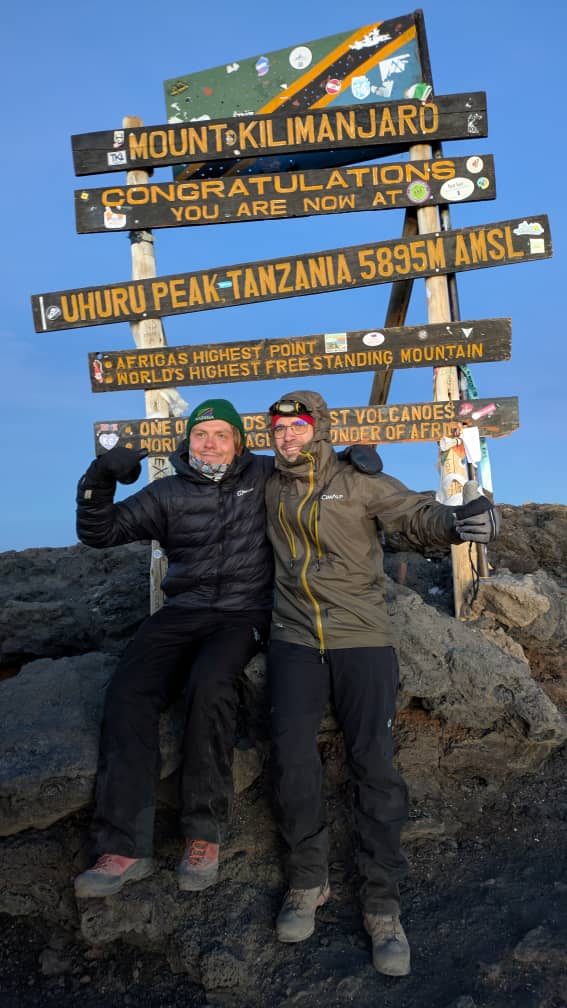
Summit night is the most challenging part of the climb. It typically begins around midnight after a few hours of sleep. You’ll ascend in the dark, using headlamps, aiming to reach Stella Point (5,739m / 18,829ft) by sunrise, and then continuing to Uhuru Peak (5,895m / 19,341ft), the true summit.
In September:
- Cold: Expect temperatures to be between -10°C and -20°C (14°F to -4°F), potentially colder with wind chill. Proper layering is absolutely critical.
- Wind: While generally dry, wind can be a significant factor, making it feel much colder.
- Visibility: If you reach Stella Point at sunrise, you’re likely to be rewarded with an absolutely spectacular view as the sun rises over the clouds and the African continent. The clear September skies offer the best chance for this iconic experience.
- Terrain: The path to Stella Point is steep and consists of scree (loose gravel). From Stella Point to Uhuru Peak, the terrain flattens out considerably, but you’ll be walking on snow and ice.
The descent is often overlooked but can be just as demanding, especially on the knees. Proper footwear and trekking poles are invaluable. Descending via the Mweka route is standard for most southern-based routes like Machame and Lemosho.
Cost Considerations for September 2026-2027 Climbs
The cost of climbing Kilimanjaro varies significantly based on the route, duration, operator, and inclusions. September, being a popular month, might command slightly higher prices due to demand.
Key cost factors include:
- Park Fees: These are fixed by the Tanzanian government and are a substantial portion of the total cost.
- Operator’s Margin: This covers guides, porters, cooks, food, equipment, transportation, and profit. Higher-end operators with better safety records, higher guide-to-client ratios, and better porter welfare often charge more.
- Route and Duration: Longer routes like Lemosho and Northern Circuit are more expensive due to more days of service.
- Group Size: Private climbs are more expensive per person than group climbs. Shared or group departures for September 2026-2027 can offer cost savings.
General price ranges (per person):
- Budget Operators: $1,200 – $1,800 USD (often fewer inclusions, lower staff ratios, potentially lower safety standards).
- Mid-Range Operators (Recommended): $1,800 – $2,800 USD (good balance of quality, safety, and inclusions). This is where operators like Top Guide Adventures typically fall, offering excellent value.
- High-End/Luxury Operators: $2,800 – $5,000+ USD (premium service, smaller groups, higher comfort levels, extensive inclusions).
What’s usually included:
- Park entrance fees, rescue fees, camping/hut fees
- Professional guides, assistant guides, cooks, porters
- All meals on the mountain
- Boiled water
- Tents, cooking equipment
- Transfers to/from the mountain
- Basic accommodation before/after the climb (sometimes)
What’s usually excluded:
- Flights to/from Kilimanjaro International Airport (JRO)
- Visa fees
- Travel insurance (mandatory)
- Tips for guides, porters, and cooks (a significant amount, budget around $250-$350 per climber)
- Personal gear (sleeping bag, clothing, boots, etc.)
- Lunches, dinners, and drinks in town
- Optional expenses (e.g., souvenirs, extra hotel nights)
- Helicopter rescue fees (if not covered by insurance)
For detailed pricing and customized itineraries for September 2026-2027, it is best to contact tour operators directly. Top Guide Adventures can provide a personalized quote based on your chosen route and dates.
Making the Final Decision for Your September Climb
September offers an exceptional opportunity to climb Kilimanjaro, combining favorable weather with stunning scenery. When selecting the best Kilimanjaro route for September in 2026-2027, prioritize routes that offer robust acclimatization profiles and longer durations to maximize your summit success and enjoyment.
The Lemosho and Machame routes, particularly with 7 or 8-day itineraries, stand out as top choices. They provide the best balance of scenic beauty, challenging yet rewarding trekking, and the critical acclimatization needed for the altitude. The Rongai route is a good alternative, especially if you prefer a less crowded experience and are comfortable with its slightly different landscape.
Remember that even with the best route and timing, success depends on your physical preparation, mental fortitude, and the quality of your tour operator. Choosing a reputable company like Top Guide Adventures ensures you have experienced guides, adequate support staff, and a commitment to safety, all contributing to a memorable and successful climb.
Start your planning early for September 2026 or 2027. Research thoroughly, train diligently, pack wisely, and get ready for an unforgettable adventure on the Roof of Africa. If you have specific questions or are ready to plan your Kilimanjaro climb, reach out to Top Guide Adventures. You can connect via WhatsApp +255616946642 or email topguideadventures@gmail.com / info@topguideadventures.com. They are dedicated to providing a personalized and supportive experience for your Kilimanjaro journey.
“,
“faq_schema”: [
{
“question”: “What are the best Kilimanjaro routes for September 2026-2027?”,
“answer”: “The best Kilimanjaro routes for September 2026-2027 are Machame, Lemosho, and Rongai. These routes are recommended because September falls within Kilimanjaro’s dry season, offering clear skies, minimal rain, and excellent trekking conditions, which contribute to higher success rates and a more enjoyable climb.”
},
{
“question”: “Why is September a good month to climb Kilimanjaro?”,
“answer”: “September is considered one of the best months to climb Kilimanjaro because it is part of the dry season (June to October). This period offers stable weather, significantly less rainfall, clear skies providing excellent visibility and stunning views, and generally dry trails. While it remains cold at higher altitudes, the lack of rain and humidity makes the climb more comfortable and safer.”
},
{
“question”: “Which Kilimanjaro route has the highest success rate in September?”,
“answer”: “Routes with longer durations and better acclimatization profiles generally have the highest success rates. For September, the 8-day Lemosho Route or the 9-10 day Northern Circuit offer superior acclimatization and thus the highest chances of reaching the summit. The 7-day Machame route also offers good success rates.”
},
{
“question”: “Is September a crowded month on Kilimanjaro?”,
“answer”: “September is a popular month for climbing Kilimanjaro, falling within the dry season. While it can be busy, it may see slightly fewer trekkers compared to the absolute peak months of July and August. Booking well in advance (6-12 months) is recommended for September 2026-2027 to secure your preferred route and operator.”
},
{
“question”: “What is the weather like on Kilimanjaro in September?”,
“answer”: “In September, Kilimanjaro typically experiences dry weather with clear skies and good visibility. Daytime temperatures can be pleasant in the lower regions, but nights and summit temperatures will be very cold, often ranging from -10°C to -20°C (14°F to -4°F), especially on summit night. Wind chill can make it feel even colder.”
},
{
“question”: “What is the recommended duration for a September Kilimanjaro climb?”,
“answer”: “For a September climb, it is highly recommended to choose a route with a duration of at least 7 days. Longer routes like Lemosho (7-8 days), Machame (7 days), or Northern Circuit (9-10 days) provide better acclimatization, which is crucial for summit success and mitigating altitude sickness, regardless of the favorable weather conditions in September.”
},
{
“question”: “What gear is essential for a September Kilimanjaro climb?”,
“answer”: “Essential gear for a September climb includes a robust layering system (base, mid, and outer waterproof/windproof layers), a warm insulated jacket, warm headwear and gloves, broken-in waterproof hiking boots, warm socks, a sleeping bag rated to at least -10°C (0°F), trekking poles, a headlamp, and high SPF sunscreen. Given the dry conditions, focus on warmth and protection from wind.”
},
{
“question”: “How much does it cost to climb Kilimanjaro in September 2026-2027?”,
“answer”: “The cost for a September 2026-2027 Kilimanjaro climb typically ranges from $1,800 to $2,800 USD per person for reputable mid-range operators, covering park fees, guides, porters, food, and camping equipment. Budget operators may be cheaper but often compromise on safety and service. High-end operators can cost $2,800+. This typically excludes flights, visas, insurance, and tips.”
}
]
}
“`
Check Availability for Best Kilimanjaro Routes For September 2026-2027
Ready to compare dates, prices, and the best option for your group? Send the package name and travel month so the team can reply with a clear quote, availability, and what is included.
What Does Kilimanjaro Rainforest Look Like? A Trekkers Visual Guide 2026-2027
The Kilimanjaro rainforest is a vibrant, humid zone of dense vegetation, towering trees, and diverse plant life found on the mountain's lower slopes. It's the first major ecosystem trekkers...
View package details
Kilimanjaro Climb With A Personal Support Assistant: Your Ultimate Guide
Climbing Mount Kilimanjaro with a personal support assistant offers unparalleled safety, comfort, and focus on your summit goals. This guide details what a personal assistant entails, its...
View package details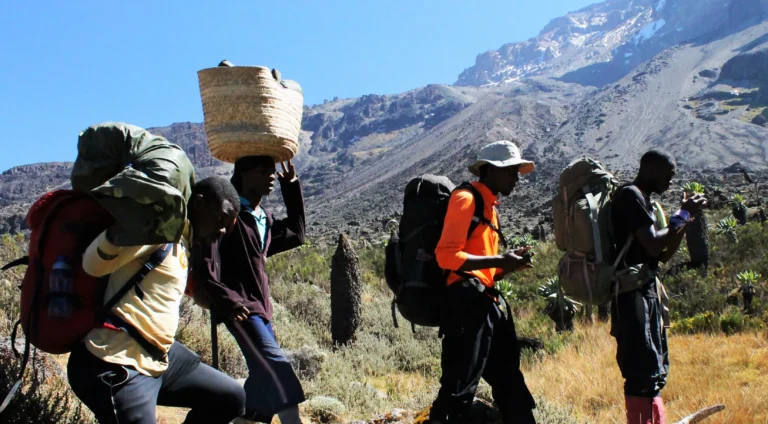
How To Know Whether You Are Ready For Kilimanjaro: A Comprehensive Guide
Climbing Mount Kilimanjaro is a significant undertaking. This guide helps you evaluate your physical, mental, and logistical readiness to ensure a safe and successful trek in 2026 or 2027...
View package details
Kilimanjaro Hydration Mistakes Climbers Make And How To Avoid Them 2026-2027
Proper hydration is critical for a successful Kilimanjaro climb. This guide details common hydration mistakes climbers make, from under-drinking to choosing the wrong fluids, and provides...
View package details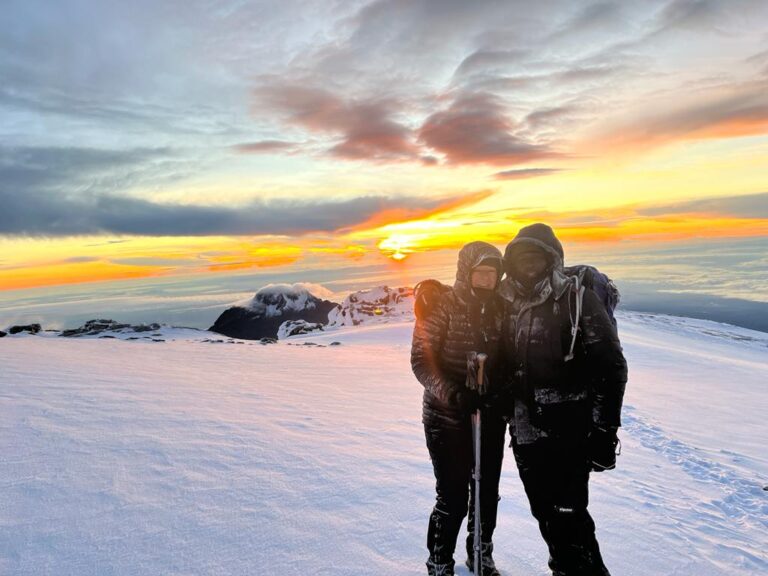
Kilimanjaro Altitude-Sickness Mistakes 2026-2027
Kilimanjaro Altitude-Sickness Mistakes is explained with current 2026-2027 planning, price, itinerary and booking information.
View package details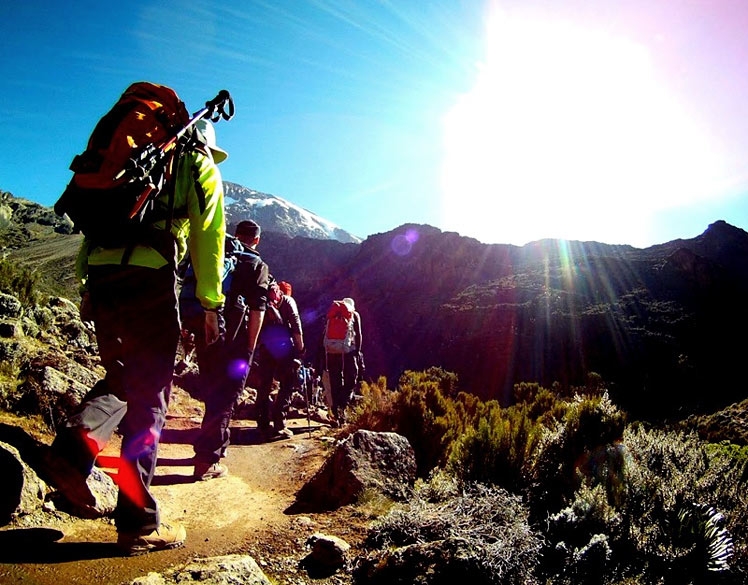
Kilimanjaro Summit-Night Mistakes To Avoid: Your Essential Guide For Climbs
Summit night on Kilimanjaro is the most challenging part of the climb. Avoiding common mistakes in acclimatization, gear, hydration, and pacing is crucial for success. This guide details...
View package details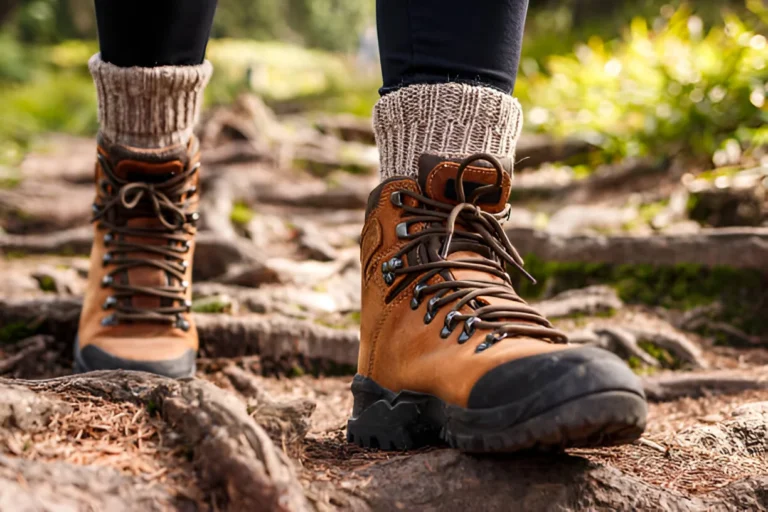
Kilimanjaro Training Mistakes That Reduce Summit Success 2026-2027
Kilimanjaro Training Mistakes that Reduce Summit Success is explained with current 2026-2027 planning, price, itinerary and booking information.
View package details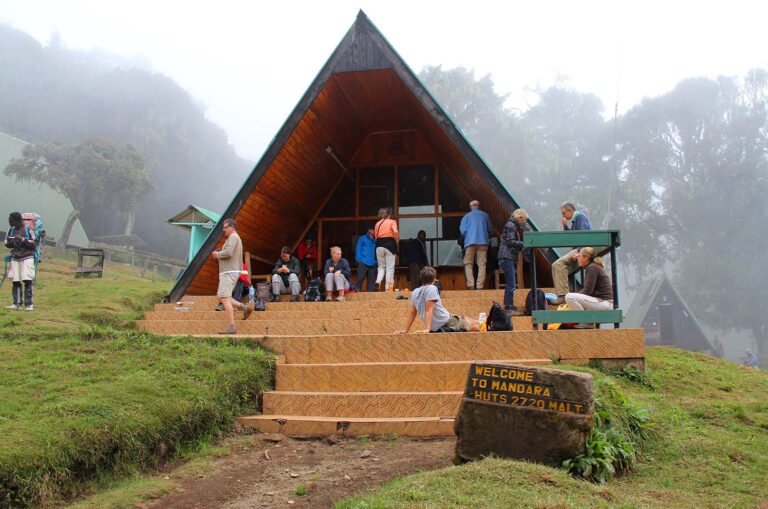
Kilimanjaro Personal Porter Vs Standard Support 2026-2027
Kilimanjaro Personal Porter vs Standard Porter Support is explained with current 2026-2027 planning, price, itinerary and booking information.
View package details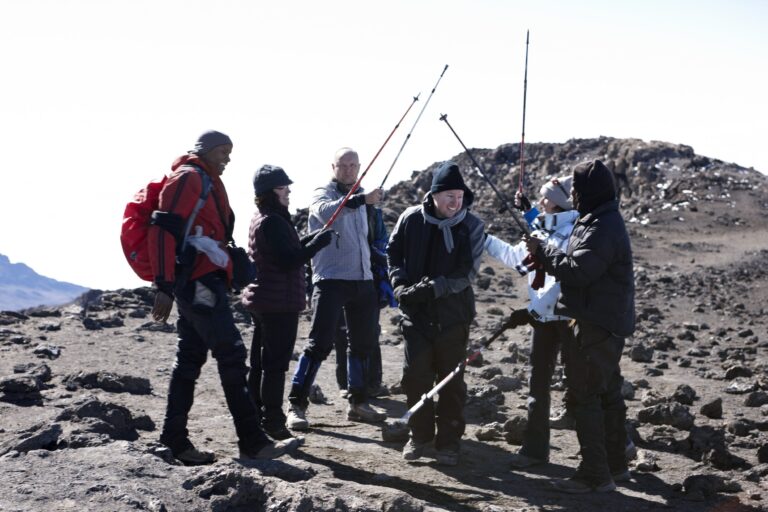
Kilimanjaro Airport Vs Arusha For Climbers: The Definitive Guide 2026-2027
A comprehensive comparison of Kilimanjaro International Airport (JRO) and Arusha Airport (ARK) for trekkers planning a Mount Kilimanjaro climb, detailing pros, cons, and booking advice for...
View package details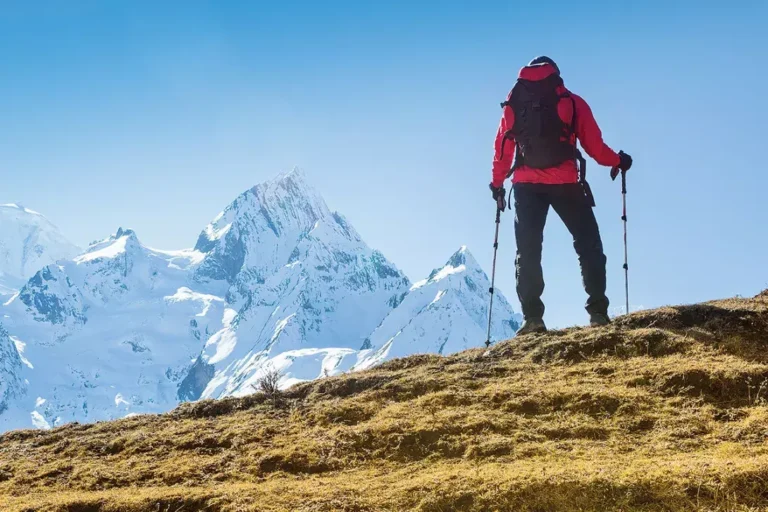
Kilimanjaro Climb For Retired Couples: Planning Your Adventure 2026-2027
Planning a Kilimanjaro climb as a retired couple is an achievable and rewarding goal. This guide offers in-depth advice on route selection, physical preparation, essential gear, and the...
View package details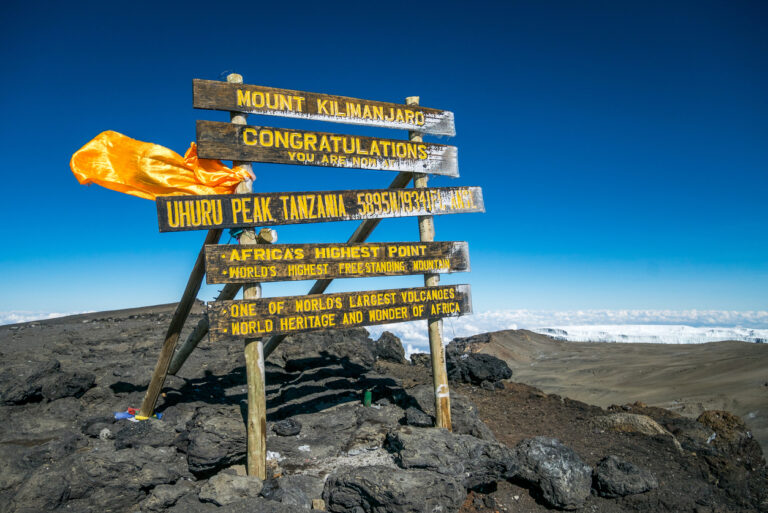
Kilimanjaro Training Plan For Climbers Over 60 2026-2027
Kilimanjaro Training Plan for Climbers over 60 is explained with current 2026-2027 planning, price, itinerary and booking information.
View package details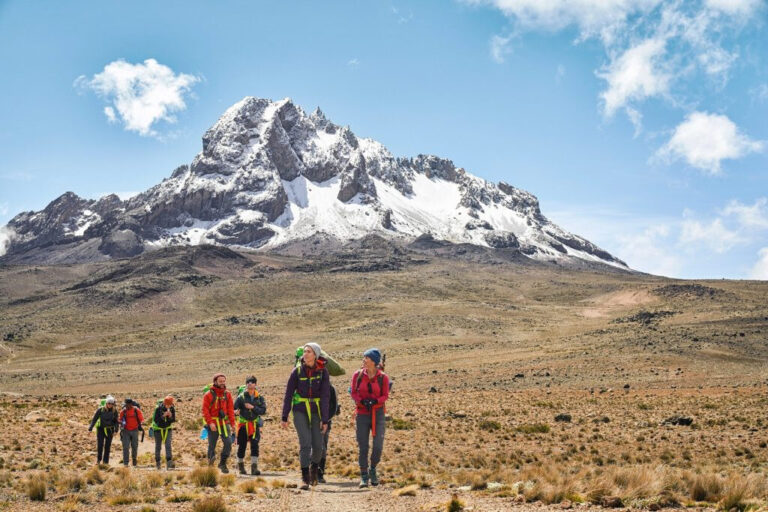
Can A 16-Year-Old Climb Kilimanjaro? Your Essential Guide 2026-2027
Discover if a 16-year-old can summit Kilimanjaro. This comprehensive guide covers age requirements, health, fitness, essential gear, and planning for younger trekkers aiming for Africa's...
View package detailsNo related package matches those filters. Clear one or more filters to see the other topic-matched options.



