
A February Kilimanjaro Private Summit Expedition offers excellent weather conditions, with dry spells and clear skies, making it an ideal time for a challenging yet rewarding climb to Uhuru Peak. Top Guide Adventures specializes in organizing these exclusive private treks, providing personalized support, expert guides, and flexible itineraries for your 2026 or 2027 adventure. Expect a comprehensive package covering park fees, accommodation, meals, crew, and safety measures, tailored to your group’s needs for a successful summit attempt.
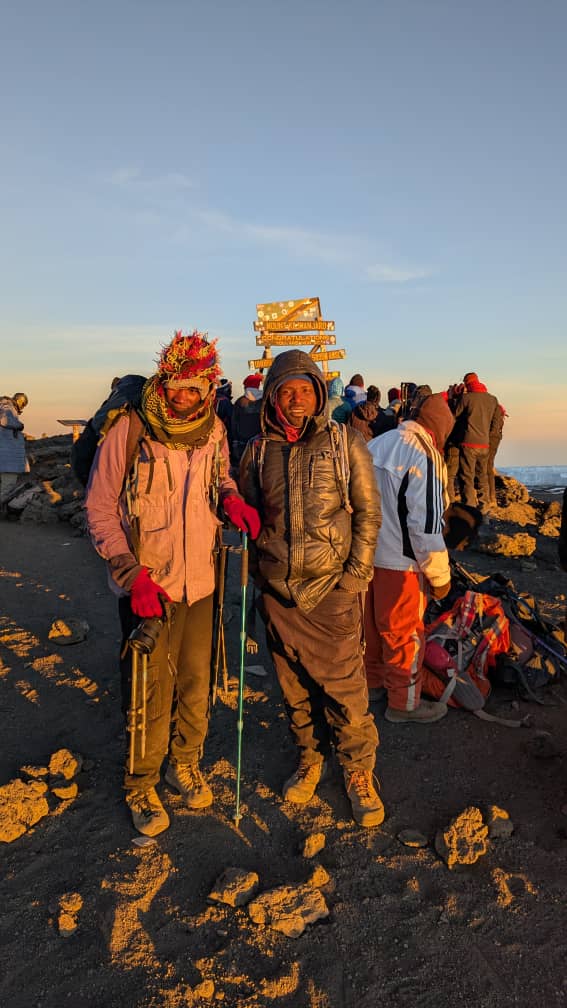

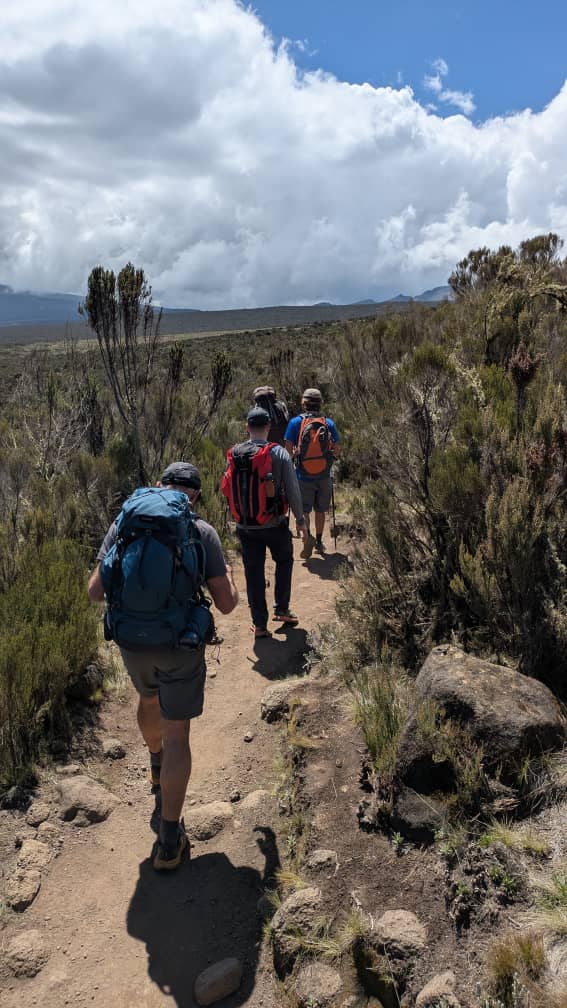
Your February Kilimanjaro Private Summit Expedition: A Deep Dive with Top Guide Adventures
Choosing to summit Kilimanjaro is a significant undertaking, and selecting the right time and the right expedition partner is crucial for success and enjoyment. A February Kilimanjaro Private Summit Expedition stands out as a prime choice for many aspiring climbers. This month falls within Kilimanjaro’s second dry season, typically offering stable weather, moderate temperatures, and clear views – conditions that significantly enhance the trekking experience and increase the probability of reaching the Roof of Africa.
At Top Guide Adventures, we understand that a private expedition is about more than just the climb; it’s about a personalized journey. Whether you’re planning for 2026 or 2027, a private expedition ensures your group has dedicated guides, flexible pacing, and the highest level of attention to safety and comfort. This article is designed to provide you with an exhaustive guide to planning and executing your February Kilimanjaro Private Summit Expedition, covering everything from route selection and preparation to packing and post-climb celebrations.
Why February is a Premier Month for Kilimanjaro Climbs
Kilimanjaro experiences distinct wet and dry seasons, influenced by its equatorial location and significant altitude. February is situated squarely within the shorter, but highly regarded, dry season (January to March). This period is characterized by:
- Clear Skies and Excellent Visibility: February often boasts some of the clearest skies of the year. This means spectacular sunrise and sunset views from higher altitudes and, more importantly, unobstructed panoramas of the surrounding landscape, including Mount Meru and, on exceptionally clear days, Kenya’s Great Rift Valley.
- Dry Trails: The lack of significant rainfall means the trekking paths are generally dry and less muddy. This improves footing, reduces the risk of slips, and makes the trek more comfortable.
- Moderate Temperatures: While the summit remains frigid, the lower and middle altitudes in February are typically pleasant. Daytime temperatures can range from mild to warm, making the approach stages more enjoyable. Evenings and nights at higher camps are cold, but manageable with proper gear.
- Lower Humidity: Compared to the long rainy season (April-May), February offers lower humidity, which can make breathing easier, especially at altitude.
These conditions make a February Kilimanjaro Private Summit Expedition particularly attractive for climbers who prioritize good weather and clear views for their summit attempt. It’s a window of opportunity that many choose for their special adventure.
The Advantage of a Private Expedition for Your February Climb
Opting for a private expedition with Top Guide Adventures for your February Kilimanjaro Private Summit Expedition offers distinct benefits:
- Personalized Pace: Your group dictates the pace. This is invaluable for acclimatization, allowing slower trekkers to maintain a comfortable rhythm without feeling rushed by a larger group.
- Dedicated Support Team: You have your own dedicated lead guide, assistant guides, and porters. This ensures maximum attention to your group’s needs, safety, and well-being.
- Flexibility: While standard itineraries exist, a private climb allows for minor adjustments to meal times, rest stops, or even the start date within February to better suit your group’s preferences.
- Privacy and Comfort: Trekking with your chosen companions provides a more intimate experience. You’ll share tents with your group members, fostering a sense of camaraderie.
- Exclusive Experience: A private expedition feels more tailored and exclusive, allowing you to focus entirely on the challenge and beauty of Kilimanjaro.
For those planning their climb in 2026 or 2027, securing a private expedition slot in February is advisable, as this popular month fills up quickly, especially for dedicated private groups.
Choosing the Right Route for Your February Kilimanjaro Private Summit Expedition
While weather is generally good across all routes in February, the choice of route significantly impacts the climbing experience, acclimatization profile, and scenery. For a private expedition, you have the flexibility to choose a route that best suits your group’s fitness, time, and desired level of challenge. The most popular routes for private expeditions in February include:
The Marangu Route (Coca-Cola Route)
Often chosen for its perceived ease and unique accommodation in dormitory-style huts rather than tents. It’s the oldest route and the only one with huts. However, its direct ascent means a lower acclimatization rate, leading to a lower summit success rate compared to longer routes. It’s also generally more crowded.
- Pros: Hut accommodation (more comfortable for some), slightly shorter duration (5-6 days).
- Cons: Lower acclimatization rate, lower success rate, more crowded, less scenic than other routes.
- Best for: Climbers seeking basic comfort and a shorter trek, though not ideal for acclimatization.
The Machame Route (Whiskey Route)
Widely considered one of the most scenic routes, Machame is also known for its excellent acclimatization profile, often referred to as “climb high, sleep low.” It typically takes 6-7 days for a private expedition, significantly increasing success rates.
- Pros: Excellent acclimatization, stunning scenery, high success rates (especially with 7 days), good camping experience.
- Cons: Can be busy, requires camping.
- Best for: Most climbers, including those new to high-altitude trekking, seeking a balance of scenery, acclimatization, and success. A February Kilimanjaro Private Summit Expedition on Machame is a top choice.
The Lemosho Route
Lemosho is a longer and more remote route, offering incredible scenery and a slow, steady ascent that is excellent for acclimatization. It typically requires 7-8 days for a private group.
- Pros: Excellent acclimatization, very scenic, remote and less crowded, high success rates.
- Cons: Longer duration, more expensive due to logistics.
- Best for: Climbers who want a more in-depth wilderness experience and prioritize acclimatization and success over duration.
The Shira Route
Similar to Lemosho but starts at a higher altitude, potentially reducing the initial hiking time but also posing an immediate acclimatization challenge. It also requires 7-8 days.
- Pros: Stunning high-altitude plateau scenery, good acclimatization if managed carefully.
- Cons: Starts at a high altitude, which can be challenging for some; longer duration.
- Best for: Experienced trekkers comfortable with higher starting altitudes, seeking dramatic landscapes.
The Rongai Route
Rongai approaches Kilimanjaro from the north, near the Kenyan border. It’s a good option during wetter seasons as the northern side receives less rain, though February is dry everywhere. It’s generally less scenic than western routes but offers a different perspective.
- Pros: Less crowded, good acclimatization, can be a good alternative if other routes are exceptionally busy.
- Cons: Less scenic on average, starts from the north which might require additional travel logistics.
- Best for: Climbers seeking a less crowded experience or those who have climbed other routes before.
The Northern Circuit
This is the longest route, circumnavigating the mountain and offering the best acclimatization profile and highest success rates. It typically takes 9-10 days for a private expedition.
- Pros: Highest success rate, excellent acclimatization, most scenic, most remote, unique perspective of the mountain.
- Cons: Longest duration, most expensive.
- Best for: Those who want the ultimate Kilimanjaro experience, prioritizing success, acclimatization, and a deep connection with the mountain environment. A February Kilimanjaro Private Summit Expedition on the Northern Circuit is for the most dedicated.
For a February Kilimanjaro Private Summit Expedition, Top Guide Adventures strongly recommends routes that offer longer durations (6 days minimum, preferably 7 or more) for optimal acclimatization and success. The Machame and Lemosho routes are excellent choices for most private groups aiming for a February summit in 2026 or 2027.
Expert Tip for Route Selection
When booking your February Kilimanjaro Private Summit Expedition, discuss your group’s fitness level, prior trekking experience, and comfort with camping with your Top Guide Adventures consultant. We can help you choose the route that maximizes your chances of a safe and successful summit, ensuring you enjoy the journey as much as the destination.
Preparing for Your February Kilimanjaro Private Summit Expedition
Successful preparation is as vital as the climb itself. For a February Kilimanjaro Private Summit Expedition, comprehensive preparation involves:
Physical Training
Kilimanjaro is a high-altitude trek, not a technical climb, but it demands significant cardiovascular fitness and leg strength. Focus on:
- Cardiovascular Endurance: Aim for at least 3-4 sessions per week of activities like hiking (with a backpack), running, cycling, or swimming.
- Strength Training: Focus on leg muscles (squats, lunges) and core strength.
- Hiking Practice: Undertake long hikes (4-6 hours) with elevation gain, carrying a weighted backpack (5-10 kg). This simulates trek conditions and tests your gear.
- Stair Climbing: Excellent for building leg strength and endurance.
Acclimatization Strategy
This is the single most important factor for summit success. Your chosen route’s profile is key, but personal habits matter:
- Ascend Slowly: “Pole Pole” (slowly, slowly) is the mantra. Don’t overexert yourself, especially on the first few days.
- Hydration: Drink plenty of water (3-5 liters per day). Dehydration exacerbates altitude sickness.
- Avoid Alcohol and Smoking: These hinder acclimatization.
- Eat Well: Maintain energy levels with nutritious meals.
- Listen to Your Body: Report any symptoms of altitude sickness (headache, nausea, dizziness) immediately to your guide.
Mental Preparation
The climb can be mentally taxing, especially during the summit night. Be prepared for:
- Patience: The pace is slow, and the days are long.
- Resilience: You will face fatigue, cold, and discomfort.
- Positive Attitude: A strong mindset is your best tool against the challenges.
Gear and Packing
Proper gear is essential for comfort and safety during a February Kilimanjaro Private Summit Expedition. Layering is key.
Essential Gear Checklist:
- Base Layers: Moisture-wicking thermal underwear (merino wool or synthetic).
- Mid Layers: Fleece jackets or down vests for insulation.
- Outer Layer: Waterproof and windproof jacket and trousers (Gore-Tex or similar).
- Summit Suit: A heavy-duty down jacket is crucial for summit night.
- Footwear: Broken-in, waterproof hiking boots.
- Socks: Several pairs of wool or synthetic hiking socks.
- Headwear: Warm beanie, sun hat, balaclava or neck gaiter for warmth and sun protection.
- Gloves: Warm, waterproof outer gloves and thinner liner gloves.
- Sleeping Bag: Rated for -15°C to -20°C (4-season bag).
- Trekking Poles: Essential for stability and reducing strain.
- Headlamp: With extra batteries.
- Sunglasses: High UV protection.
- Sunscreen: High SPF.
- Lip Balm: With SPF.
- Water Bottles/Bladder: At least 3 liters capacity. Insulated covers are recommended.
- Toiletries: Biodegradable soap, toothbrush, toothpaste, wet wipes, hand sanitizer.
- Personal First-Aid Kit: Including blister treatment, pain relievers, and any personal medications.
- Snacks: High-energy snacks like nuts, dried fruit, energy bars.
- Camera and Power Bank: For capturing memories.
Top Guide Adventures provides a detailed packing list upon booking your February Kilimanjaro Private Summit Expedition. We also offer gear rental options for items like sleeping bags and trekking poles.
The Itinerary: A Typical 7-Day Machame Route for a Private February Expedition
A 7-day Machame route is a popular choice for a February Kilimanjaro Private Summit Expedition, balancing acclimatization, scenery, and success probability. Here’s a sample itinerary:
Day 1: Machame Gate (1,800m/5,905ft) to Machame Camp (3,050m/10,007ft)
- Trek: 5-7 hours, ~11 km/7 miles
- Description: After breakfast in Moshi and a briefing, drive to Machame Gate. Register and begin your trek through the lush rainforest. The trail is steep but rewarding.
Day 2: Machame Camp to Shira Camp (3,850m/12,631ft)
- Trek: 4-6 hours, ~5 km/3 miles
- Description: Ascend out of the forest into a moorland zone. The path involves some scrambling over rocky ridges. Shira Camp is situated on a plateau with stunning views.
Day 3: Shira Camp to Barranco Camp (3,970m/13,025ft)
- Trek: 5-7 hours, ~10 km/6 miles
- Description: A day of “climb high, sleep low.” Traverse across the Shira Plateau, then descend towards the Great Barranco Gorge. You’ll hike up to Barranco Camp, known for its dramatic landscape.
Day 4: Barranco Camp to Karanga Camp (4,035m/13,238ft)
- Trek: 4-5 hours, ~5 km/3 miles
- Description: Conquer the Barranco Wall, a challenging but manageable climb. After reaching the top, the trail continues through alpine desert to Karanga Camp, located in a valley.
Day 5: Karanga Camp to Barafu Camp (4,640m/15,223ft)
- Trek: 4-5 hours, ~4 km/2.5 miles
- Description: The landscape becomes increasingly barren. The trek leads you to Barafu Camp, your base for the summit push. Rest and prepare for the strenuous night ahead.
Day 6: Barafu Camp to Summit (Uhuru Peak, 5,895m/19,341ft) then to Mweka Camp (3,100m/10,171ft)
- Trek: 7-9 hours to summit, 5-7 hours to Mweka Camp, ~15 km/9 miles total
- Description: A very early start (around midnight) for the summit. Ascend through scree and rock towards Stella Point, then continue to Uhuru Peak. Descend back to Barafu Camp for a short rest, then continue down to Mweka Camp.
Day 7: Mweka Camp to Mweka Gate (1,640m/5,380ft)
- Trek: 3-5 hours, ~10 km/6 miles
- Description: Descend through the rainforest to Mweka Gate. Celebrate your achievement with your guides and crew, then transfer back to your hotel in Moshi.
This itinerary is a guideline. For your February Kilimanjaro Private Summit Expedition, Top Guide Adventures can tailor durations and specific camp locations based on your group’s needs and the chosen route.
Understanding the Costs of a February Kilimanjaro Private Summit Expedition
The cost of a February Kilimanjaro Private Summit Expedition can vary significantly based on the route chosen, the duration, the number of people in your group, and the level of service provided. Top Guide Adventures offers competitive pricing for private expeditions, focusing on value and safety.
Key cost components typically include:
- Park Fees: These are fixed by the Tanzania National Parks Authority (TANAPA) and are a significant portion of the total cost. They include entry fees, camping/hut fees, and rescue fees.
- Crew Costs: Salaries for guides, assistant guides, and porters. A private expedition means a dedicated team for your group.
- Food and Provisions: All meals and drinking water during the trek.
- Accommodation: Tents, sleeping mats, and sometimes dining tents. For Marangu, this includes hut accommodation.
- Logistics: Transportation to and from the mountain gate, transfers from the airport, and hotel accommodation before and after the climb.
- Equipment: Tents, cooking equipment, safety gear.
- Insurance: Most operators include emergency evacuation insurance.
Private Expedition Pricing Factors:
- Number of Trekkers: The per-person cost generally decreases as the group size increases, due to shared fixed costs like guide salaries and park fees.
- Route Duration: Longer routes with more days on the mountain will naturally cost more.
- Level of Service: While Top Guide Adventures provides excellent service across all private expeditions, some operators might offer different tiers (e.g., more porters per climber, higher quality food).
For a February Kilimanjaro Private Summit Expedition in 2026 or 2027, you can expect prices to range broadly. A 7-day Machame route private climb might typically fall in the range of $2,200 to $3,500+ per person, depending on the inclusions and group size. Shorter or longer routes, or more remote options like Lemosho or Northern Circuit, will adjust this range.
Get a Personalized Quote
To get the most accurate pricing for your February Kilimanjaro Private Summit Expedition, we recommend contacting Top Guide Adventures directly. We will provide a detailed quote tailored to your group size, chosen route, and desired dates for 2026 or 2027. Reach out via WhatsApp +255616946642 or email us at topguideadventures@gmail.com or info@topguideadventures.com.
Safety and Health on Your February Climb
Safety is paramount for any Kilimanjaro expedition, especially a private one where your group’s well-being is the primary focus of your dedicated team. Top Guide Adventures adheres to strict safety protocols:
- Experienced Guides: Our guides are certified in wilderness first aid and have extensive experience with altitude-related illnesses. They are trained to monitor climbers closely.
- Acclimatization: We build acclimatization into every itinerary, prioritizing routes and durations that promote gradual ascent.
- Emergency Oxygen: All our expeditions carry supplementary oxygen for emergency use.
- Medical Kit: Comprehensive medical kits are carried by guides.
- Communication: Satellite phones or walkie-talkies are used for communication between camps and with base operations.
- Evacuation Procedures: We have established procedures for emergency evacuations, often utilizing a specialized Kilimanjaro rescue service.
Altitude Sickness (Acute Mountain Sickness – AMS)
This is the most common hazard. Symptoms include headache, nausea, dizziness, fatigue, and loss of appetite. The best prevention is slow ascent and proper hydration. If symptoms appear, inform your guide immediately. They will assess the situation and may recommend descent, medication, or oxygen.
Other Health Considerations
- Vaccinations: Consult your doctor or a travel clinic about recommended vaccinations for Tanzania, such as Yellow Fever, Hepatitis A, Typhoid, and Tetanus.
- Malaria: Kilimanjaro is generally above the malaria zone, but Moshi and Arusha are considered risk areas. Take preventative measures if advised by your doctor.
- Travel Insurance: Ensure your insurance covers high-altitude trekking and emergency medical evacuation.
A February Kilimanjaro Private Summit Expedition with Top Guide Adventures prioritizes your health and safety above all else, ensuring you can focus on enjoying the climb.
What to Expect on Summit Night
Summit night is the most challenging part of the climb. For your February Kilimanjaro Private Summit Expedition, expect:
- Early Start: Typically around midnight from Barafu Camp.
- Extreme Cold: Temperatures can drop to -15°C to -20°C (-0°F to -4°F), with wind chill making it feel even colder.
- Steep Ascent: You’ll be climbing a steep scree slope in the dark, using your headlamp.
- Slow Pace: The pace is extremely slow, often just a few steps at a time, to conserve energy and aid acclimatization.
- Wind: Wind can be a significant factor, making it feel much colder and more difficult.
- Darkness: The climb is conducted in darkness, with only your headlamp and the stars for company, until you reach Stella Point around sunrise.
- Sense of Accomplishment: Reaching Uhuru Peak is an unparalleled feeling of achievement.
Your guides will be with you every step of the way, providing encouragement, monitoring your condition, and ensuring you have the support needed to reach the summit and return safely. The clear skies often seen in February make the sunrise from the crater rim a truly spectacular reward.
Post-Climb Celebrations and Kilimanjaro Tourism
After successfully completing your February Kilimanjaro Private Summit Expedition, you’ll likely want to celebrate and perhaps explore more of Tanzania. Top Guide Adventures can arrange:
- Hotel Stays: Relax and recover in comfortable accommodation in Moshi or Arusha.
- Tanzania Safari: Combine your climb with an unforgettable safari experience in the Serengeti, Ngorongoro Crater, Tarangire, or Lake Manyara. February is a great time for safaris, often coinciding with the start of the wildebeest calving season in the southern Serengeti.
- Zanzibar Holidays: Extend your trip with a relaxing beach vacation on the spice island of Zanzibar, known for its stunning beaches, rich history, and vibrant culture.
- Cultural Tours: Explore local markets, villages, and interact with communities around Kilimanjaro.
We offer tailor-made packages that combine your Kilimanjaro climb with other Tanzanian highlights, creating a complete adventure for 2026 or 2027.
Booking Your February Kilimanjaro Private Summit Expedition
Booking your February Kilimanjaro Private Summit Expedition with Top Guide Adventures is straightforward. We pride ourselves on offering personalized service and expert guidance from your initial inquiry to your safe return home.
Why Choose Top Guide Adventures for Your Private Expedition?
- Local Expertise: As one of Tanzania’s trusted tour companies, we have deep local knowledge and a commitment to responsible tourism.
- Experienced Guides: Our guides are not only skilled mountaineers but also passionate about sharing their love for Kilimanjaro and Tanzanian culture.
- Safety First: Your safety is our highest priority, with well-equipped teams and established protocols.
- Personalized Service: We offer dedicated support for every client, ensuring your private expedition is tailored to your needs.
- Excellent Value: We provide high-quality expeditions at competitive prices, with transparent inclusions.
Don’t miss the opportunity to conquer Kilimanjaro during the excellent weather window of February. Whether you are planning for 2026 or 2027, a private expedition ensures a focused, comfortable, and successful climb.
Ready to plan your dream expedition?
- Contact us for a personalized quote:
- WhatsApp: +255616946642
- Email: topguideadventures@gmail.com
- Backup Email: info@topguideadventures.com
We look forward to helping you achieve your summit goal on Kilimanjaro!
Check Availability for February Kilimanjaro Private Summit Expedition: Your Ultimate Guide…
Ready to compare dates, prices, and the best option for your group? Send the package name and travel month so the team can reply with a clear quote, availability, and what is included.
June Kilimanjaro Private Summit Package 2026-2027
June Kilimanjaro Private Summit Package is explained with current 2026-2027 planning, price, itinerary and booking information.
View package detailsMay Kilimanjaro Luxury Private Expedition: Your Ultimate Guide 2026-2027
Discover the unparalleled experience of a May Kilimanjaro luxury private expedition. This guide details everything you need to know for a successful 2026-2027 climb, focusing on premium...
View package details
May Kilimanjaro Private Climbing Expedition 2026-2027
May Kilimanjaro Private Climbing Expedition is explained with current 2026-2027 planning, price, itinerary and booking information.
View package details
April Kilimanjaro Private Couple Expedition: Your Ultimate Guide For 2026-2027
Discover everything you need to know for an April Kilimanjaro private couple expedition. This guide covers route selection, preparation, costs, and what to expect during your 2026-2027...
View package details
February Kilimanjaro Luxury Private Tour: Expert Planning For 2026-2027
Discover the ultimate way to conquer Mount Kilimanjaro in February with a luxury private tour. Top Guide Adventures offers bespoke experiences for 2026-2027, focusing on comfort, safety...
View package detailsJune Kilimanjaro Luxury Climb With Private Guide In | Top Adventures 2026-2027
Plan your ultimate June Kilimanjaro luxury climb with a private guide for 2026-2027. This comprehensive guide from Top Guide Adventures covers routes, gear, preparation, and what makes a...
View package details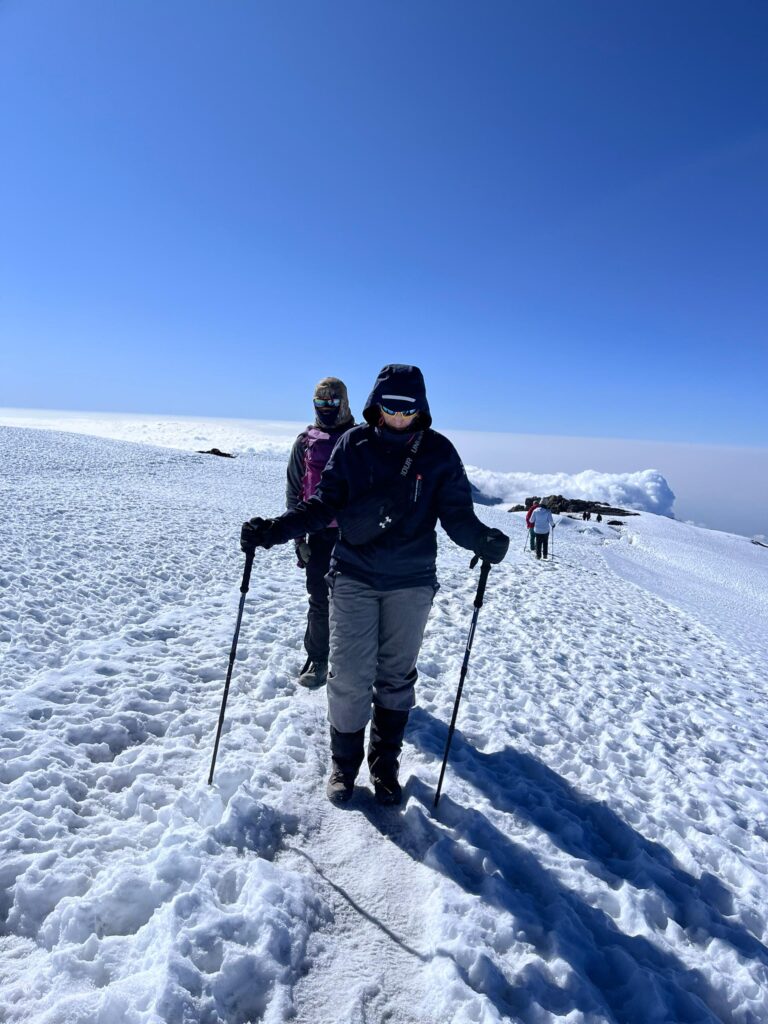
April Kilimanjaro Climb With Private Toilet Tent Guide
Discover everything you need to know about climbing Kilimanjaro in April with the comfort of a private toilet tent. This guide covers the best routes for the season, essential gear...
View package detailsPrivate Kilimanjaro Climbing Packages In April | Top Guide Adventures
Planning a private Kilimanjaro climb in April 2026 or 2027? Discover the advantages of a private package, ideal routes, weather expectations, and how Top Guide Adventures can tailor your...
View package details
March Kilimanjaro Private Climbing Package 2026-2027
March Kilimanjaro Private Climbing Package is explained with current 2026-2027 planning, price, itinerary and booking information.
View package details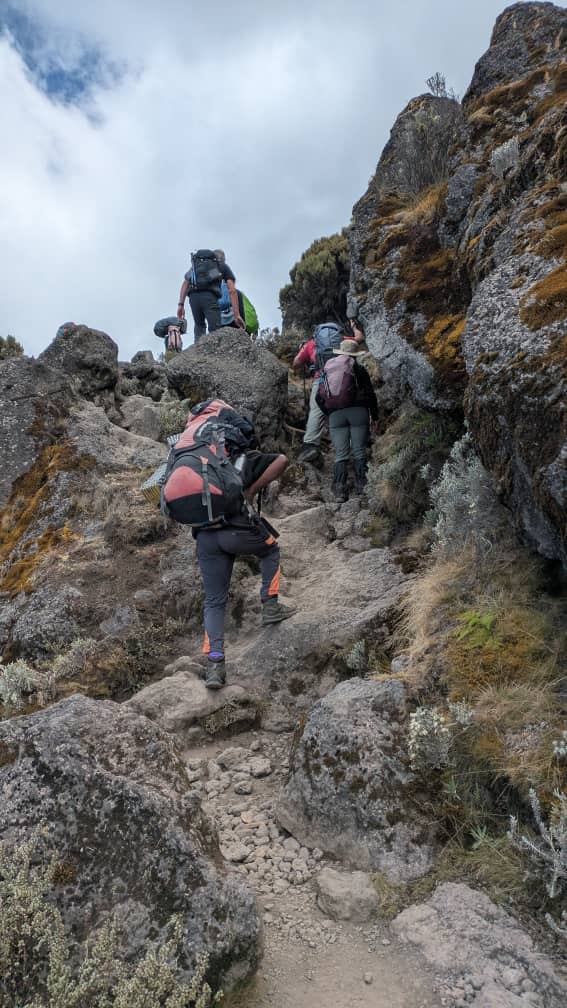
January Kilimanjaro Private Climbing Packages 2026-2027
January Kilimanjaro Private Climbing Packages is explained with current 2026-2027 planning, price, itinerary and booking information.
View package details
Late June Kilimanjaro Summit Expeditions: Your Ultimate Guide For 2026-2027
Discover the best conditions and crucial planning tips for a Late June Kilimanjaro summit expedition in 2026 and 2027. This comprehensive guide covers weather, routes, packing, and how to...
View package details
February Kilimanjaro Charity Expedition: Planning Your Climb 2026-2027
start a meaningful adventure with a February Kilimanjaro Charity Expedition. This guide covers planning for 2026-2027, route options, essential gear, and how to maximize your fundraising...
View package detailsNo related package matches those filters. Clear one or more filters to see the other topic-matched options.



