
A March Kilimanjaro private climbing package with Top Guide Adventures offers a personalized and supported ascent during a shoulder season, balancing good weather with fewer crowds, typically involving 6-9 day treks on routes like Machame or Lemosho, with comprehensive inclusions for a safe and memorable climb in 2026-2027.


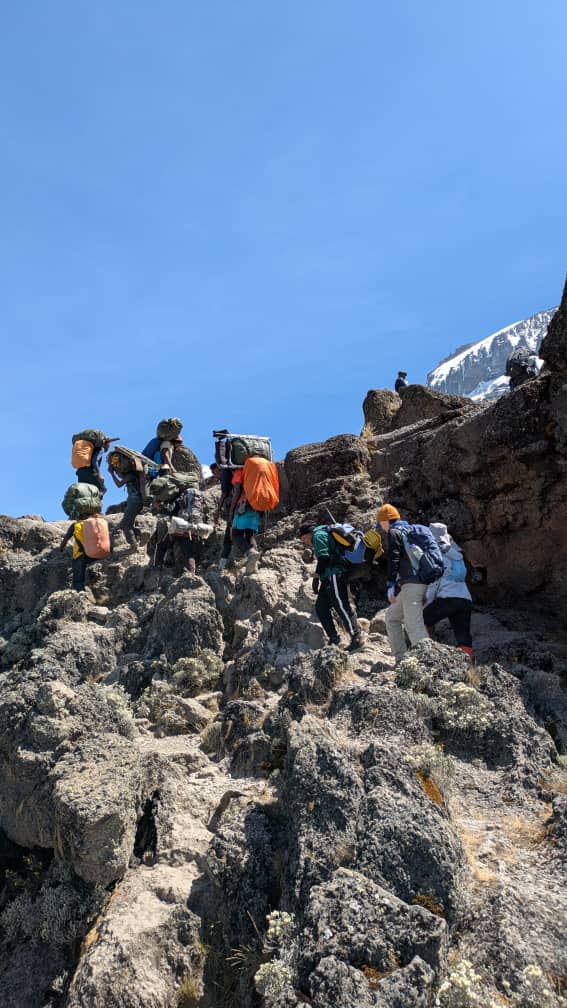
Understanding Your March Kilimanjaro Private Climbing Package
Choosing a March Kilimanjaro private climbing package means you’re opting for a dedicated experience on Africa’s highest peak. Unlike group climbs, a private trek ensures your itinerary, pace, and team are tailored specifically to your group’s needs. Top Guide Adventures specializes in these bespoke journeys, providing expert guides, quality equipment, and essential logistical support. March falls within Kilimanjaro’s first dry season, often offering clear skies and moderate temperatures, though it can also see some rainfall as the season transitions into the wetter months. This makes it a strategic time to climb, potentially avoiding the peak season crowds while still enjoying favorable conditions. When you book a private climb, you gain flexibility and personalized attention from our experienced team, ensuring your safety and enjoyment are paramount from the moment you arrive in Tanzania.
Why Choose March for Your Kilimanjaro Ascent?
March is an interesting month for climbing Kilimanjaro. It’s considered a shoulder season, marking the end of the main dry season and the beginning of the slightly wetter period. This offers a unique set of advantages for trekkers planning a March Kilimanjaro private climbing package:
- Fewer Crowds: While not as quiet as the peak dry season (January-February), March generally sees fewer trekkers than the busiest months. This means more solitude on the trails and a more personal experience on the mountain.
- Good Weather Window: The early part of March often retains excellent weather conditions from the preceding dry season. You can expect clear skies, good visibility, and comfortable daytime temperatures. As the month progresses, there’s an increased chance of brief rain showers, particularly in the lower and middle altitudes, which can help keep the trails lush and vibrant.
- Lush Scenery: Any rain that does fall in March contributes to the stunning beauty of Kilimanjaro’s diverse ecosystems. The forests and moorlands are vibrant and green, making the trekking experience visually rewarding.
- Potential for Better Value: As a shoulder season, there might be slightly more flexibility in pricing or availability for certain services, although private climbs are always custom-quoted based on group size and route.
For those planning their climb for 2026 or 2027, March presents a compelling option for a private ascent. It strikes a balance between favorable weather and a less crowded environment, ideal for those who prefer a more intimate trekking experience.
The Advantages of a Private Kilimanjaro Climb
Opting for a private Kilimanjaro climbing package over a standard group trek offers distinct benefits, especially when you partner with a reputable operator like Top Guide Adventures:
Personalized Experience
Your pace, your schedule. A private climb means the mountain is yours (and your group’s) to enjoy. You won’t be held back or rushed by others. Your guides will tailor the daily trekking hours and breaks to your group’s specific needs and energy levels. This is crucial for acclimatization and overall enjoyment.
Dedicated Support Team
With a private climb, you have a dedicated team of guides, porters, and a cook solely focused on your group’s success and well-being. This ensures constant attention to your needs, from meal preparation and camp setup to monitoring your health and ensuring timely acclimatization.
Flexibility and Customization
While standard itineraries exist, private climbs allow for minor adjustments. Whether it’s a specific dietary requirement, a desire for a slightly different camping spot (where permitted), or a focus on photography, your private package can be adapted. This level of customization is less feasible on larger group departures.
Enhanced Safety and Acclimatization Focus
Your guides’ primary responsibility is your safety. On a private climb, they can dedicate their full attention to monitoring each member of your group for signs of altitude sickness and ensuring the acclimatization schedule is strictly adhered to. This focused approach is invaluable for summit success.
When booking your March Kilimanjaro private climbing package for 2026 or 2027, ensure your chosen operator prioritizes these aspects. Top Guide Adventures is committed to delivering an exceptional private climbing experience.
Top Routes for a March Kilimanjaro Private Climb
Several routes ascend Kilimanjaro, each offering a different experience in terms of scenery, difficulty, and acclimatization profile. For a March Kilimanjaro private climbing package, Top Guide Adventures recommends routes that offer excellent acclimatization and scenic beauty. The choice often depends on your desired trek duration, budget, and preference for scenery.
Machame Route (7 Days Recommended)
The Machame Route, often called the ‘Whiskey’ route, is one of the most popular choices for private climbs due to its excellent acclimatization profile and stunning scenery. It follows a “climb high, sleep low” strategy, which significantly increases summit success rates.
- Duration: Typically 6 to 7 days. A 7-day itinerary is strongly recommended for optimal acclimatization.
- Scenery: Very scenic, traversing diverse landscapes from rainforest to alpine desert and arctic summit zone.
- Difficulty: Moderate to challenging. Requires good physical fitness.
- Pros for March: Good acclimatization, beautiful scenery, popular choice for private groups.
- Cons: Can be busy, though less so in March.
A 7-day Machame Route private climb in March 2026 or 2027 provides a solid balance of challenge, acclimatization, and scenic rewards.
Lemosho Route (8 Days Recommended)
The Lemosho Route is considered one of the most beautiful routes on Kilimanjaro. It offers a more remote and wild experience, especially in its early stages through the rainforest. It also provides excellent acclimatization opportunities.
- Duration: Typically 7 to 8 days. An 8-day itinerary is highly recommended for the best acclimatization and success rates.
- Scenery: Arguably the most scenic route, offering panoramic views and a true wilderness feel.
- Difficulty: Moderate to challenging.
- Pros for March: Excellent acclimatization, stunning and varied scenery, less crowded in the initial days compared to Machame.
- Cons: Slightly longer and potentially more expensive than Machame due to its location and duration.
For a truly unforgettable March Kilimanjaro private climbing package, the 8-day Lemosho Route is an outstanding choice for 2026-2027.
Marangu Route (5 or 6 Days)
Known as the ‘Coca-Cola’ route, Marangu is the oldest and most straightforward route. It’s the only route that offers accommodation in dorm-style huts rather than camping.
- Duration: 5 or 6 days. The 6-day option is better for acclimatization.
- Scenery: Less scenic than Machame or Lemosho, as it ascends and descends the same path.
- Difficulty: Moderate. Considered the easiest in terms of physical exertion due to its gradual slope.
- Pros for March: Huts offer comfort from potential rain.
- Cons: Poorer acclimatization profile, lower success rates on shorter durations, less scenic.
While possible for a private climb, Top Guide Adventures generally recommends Machame or Lemosho for a March Kilimanjaro private climbing package focused on success and experience, especially for 2026-2027 climbs.
Other Routes (Umbwe, Northern Circuit)
Other routes like Umbwe (challenging, for experienced climbers) and Northern Circuit (longest, best acclimatization) are also options for private climbs. The Northern Circuit is particularly good for acclimatization but requires more time (9-10 days).
When selecting your route for a March Kilimanjaro private climbing package, consider the trade-offs between duration, acclimatization, scenery, and cost. Top Guide Adventures can help you choose the perfect route for your 2026-2027 adventure.
What’s Typically Included in a March Kilimanjaro Private Climbing Package?
A comprehensive March Kilimanjaro private climbing package from Top Guide Adventures is designed to cover all essential aspects of your trek, ensuring a safe, comfortable, and successful climb. While specifics can be tailored, here’s a general overview of what you can expect:
Inclusions:
- Park Fees: All required Kilimanjaro National Park entry fees, camping/hut fees, and conservation fees. These are significant costs and are crucial for legal trekking.
- Professional Guides: Highly experienced, certified mountain guides who are trained in first aid and altitude sickness management. For private climbs, you’ll have a dedicated lead guide and assistant guides depending on group size.
- Support Crew: A team of strong and experienced porters to carry your main equipment, tents, food, and cooking gear. A cook will prepare all your meals on the mountain.
- Accommodation: Quality tents for camping routes (including a mess tent for dining and a toilet tent). For Marangu, accommodation is in park huts.
- Meals: All meals on the mountain, prepared by your dedicated cook. This includes breakfast, lunch, and dinner, often featuring a mix of local and international cuisine. Snacks and purified drinking water are also provided.
- Equipment: Use of high-quality camping equipment such as tents, sleeping mats, mess tent, and cooking gear. Some operators may also provide sleeping bags and walking poles.
- Safety Equipment: First-aid kits, emergency oxygen systems (usually a portable bottle with a mask), and communication devices (like satellite phones or radios for emergencies).
- Transfers: Airport transfers upon arrival and departure, and transportation between Moshi/Arusha and the mountain’s starting point.
- Pre- and Post-Climb Accommodation: Often includes one night’s accommodation in a hotel/lodge in Moshi or Arusha before and after the climb.
- Briefing: A pre-climb briefing to go over the itinerary, safety procedures, and answer any questions.
It’s vital to understand what is excluded as well. Common exclusions include:
Exclusions:
- Flights: International airfare to Kilimanjaro International Airport (JRO).
- Visas: Tanzanian visa fees.
- Travel Insurance: Comprehensive travel and medical evacuation insurance is mandatory.
- Personal Gear: Sleeping bags, hiking boots, clothing, backpacks, and other personal trekking equipment.
- Tips: Gratuities for guides, porters, and cooks. This is a significant part of their income and expected.
- Personal Expenses: Drinks (other than water on the mountain), souvenirs, laundry, and tips.
- Vaccinations and Medications: Personal medical expenses and required vaccinations.
- Summit Bonus: Some operators may have a summit bonus, but this is not standard.
When comparing offers for your March Kilimanjaro private climbing package for 2026 or 2027, carefully review the inclusion and exclusion lists to ensure you have a clear understanding of the total cost and what is provided.
Preparing for Your March Kilimanjaro Climb
A successful March Kilimanjaro private climbing package requires thorough preparation. While Top Guide Adventures provides expert guidance, your personal commitment to training and readiness is paramount.
Physical Training
Kilimanjaro is a demanding trek. Focus on cardiovascular fitness and leg strength. Start training at least 2-3 months before your climb.
- Cardio: Engage in activities like hiking (with a weighted pack), running, cycling, or swimming several times a week.
- Strength Training: Focus on leg exercises like squats, lunges, and step-ups. Core strength is also important.
- Hiking Practice: The best preparation is hiking on varied terrain, ideally with hills or inclines. Practice with the backpack you intend to use.
- Endurance: Aim for longer hikes (4-6 hours) on weekends to build stamina.
Acclimatization Strategy
Your March Kilimanjaro private climbing package itinerary is crucial for acclimatization. Choose a route that allows for a gradual ascent (minimum 7 days, preferably 8+). Listen to your body and communicate any symptoms of altitude sickness to your guide immediately.
Gear and Packing
Proper gear is essential for comfort and safety, especially in March when weather can be variable. Layering is key.
- Base Layers: Moisture-wicking thermal underwear (synthetic or merino wool).
- Mid Layers: Fleece jackets or vests for insulation.
- Outer Layer: Waterproof and windproof jacket and trousers (Gore-Tex or similar).
- Insulation Layer: A warm down or synthetic jacket for summit night and cold evenings.
- Footwear: Broken-in waterproof hiking boots with good ankle support.
- Headwear: Warm hat, sun hat, balaclava or neck gaiter.
- Gloves: Warm waterproof gloves and thinner liner gloves.
- Accessories: Sunglasses, headlamp with extra batteries, reusable water bottles or hydration reservoir, sunscreen, lip balm, personal first-aid kit.
Top Guide Adventures provides a detailed packing list upon booking your March Kilimanjaro private climbing package for 2026-2027.
Health and Vaccinations
Consult your doctor or a travel clinic 4-6 weeks before your trip regarding recommended vaccinations (e.g., Hepatitis A, Typhoid, Tetanus) and malaria prophylaxis. Diamox (acetazolamide) can be prescribed to aid acclimatization, but discuss this with your doctor.
Mental Preparation
Kilimanjaro is as much a mental challenge as a physical one. Be prepared for long days, cold temperatures, and altitude effects. A positive attitude and determination are vital. Your private climbing package ensures you have the support to overcome these challenges.
The Role of Your Guides and Support Crew
The success and safety of your March Kilimanjaro private climbing package hinge significantly on the expertise and dedication of your mountain crew. Top Guide Adventures employs highly skilled professionals who are passionate about Kilimanjaro and committed to your well-being.
Lead Guide
Your lead guide is the captain of your expedition. They are responsible for:
- Overall expedition management and decision-making.
- Monitoring the health and acclimatization of every climber.
- Navigating the route and ensuring safety protocols are followed.
- Communicating with park rangers and the support team.
- Providing insights into the mountain’s flora, fauna, and geology.
Our lead guides are seasoned professionals with years of experience on Kilimanjaro, often holding advanced first-aid and high-altitude certifications.
Assistant Guides
For private climbs, assistant guides are assigned based on group size. They work closely with the lead guide, assisting in monitoring climbers, carrying essential gear, and ensuring no one is left behind. They provide crucial support, especially on the challenging summit night.
Porters
The backbone of Kilimanjaro treks. Porters carry the bulk of the equipment, including tents, food, cooking gear, and personal duffel bags (up to a certain weight limit). They are incredibly strong and efficient, ensuring your campsite is set up before you arrive each day.
Cooks
Your personal cook prepares nutritious and delicious meals throughout your trek. They manage food supplies and ensure you have the energy needed for the climb. Meals are typically served in a dedicated mess tent, offering a comfortable space to relax.
The synergy between these individuals is what makes a private Kilimanjaro climb successful. Top Guide Adventures ensures fair wages and ethical treatment for all crew members, recognizing their vital contribution to your March 2026-2027 adventure.
Understanding Altitude Sickness on Kilimanjaro
Altitude sickness (Acute Mountain Sickness – AMS) is the most common challenge faced by Kilimanjaro climbers. Understanding its causes, symptoms, and prevention is critical for any March Kilimanjaro private climbing package.
Causes
AMS occurs when you ascend too quickly, and your body doesn’t have enough time to adjust to the lower oxygen levels at higher altitudes. Kilimanjaro’s summit, Uhuru Peak, sits at 5,895 meters (19,341 feet), where the oxygen pressure is about half that at sea level.
Symptoms
Symptoms can range from mild to severe and typically appear within 12-24 hours of reaching a higher altitude. Common symptoms include:
- Headache (most common)
- Nausea and vomiting
- Dizziness or lightheadedness
- Fatigue and weakness
- Loss of appetite
- Difficulty sleeping
- Shortness of breath
More severe forms include High Altitude Cerebral Edema (HACE) and High Altitude Pulmonary Edema (HAPE), which are life-threatening emergencies.
Prevention and Management
The best prevention is a slow and steady ascent. This is why choosing a longer itinerary (7-9 days) for your March Kilimanjaro private climbing package is so important. Top Guide Adventures emphasizes the following:
- Gradual Ascent: Follow the recommended itinerary, which includes acclimatization days.
- Hydration: Drink plenty of fluids (3-4 liters per day).
- Avoid Alcohol and Smoking: These can exacerbate altitude effects.
- Listen to Your Body: Communicate any symptoms to your guide immediately.
- Medication: Consult your doctor about Diamox.
- “Pole Pole”: This Swahili phrase means “slowly, slowly.” It’s the mantra for climbing Kilimanjaro.
If symptoms worsen, the only definitive treatment is immediate descent. Your guides are trained to make these critical decisions. This is a key reason why a private climbing package with experienced guides is invaluable for your 2026-2027 trek.
Pricing and Budget Considerations for Your Private Climb
The cost of a March Kilimanjaro private climbing package can vary significantly based on several factors. Unlike shared climbs where costs are spread, private treks are priced per group, making the per-person cost higher but offering exclusivity.
Key Cost Factors:
- Route Choice: Longer routes like Lemosho or Northern Circuit generally cost more due to more days on the mountain and higher park fees.
- Duration: A 7-day climb will be less expensive than an 8-day or 9-day climb.
- Operator’s Standard: Reputable operators like Top Guide Adventures invest in quality equipment, experienced guides, fair porter wages, and comprehensive safety measures, which are reflected in the price. Budget operators may cut corners, compromising safety and crew welfare.
- Group Size: While it’s a private climb, the cost is often calculated per person based on a minimum group size (e.g., 2-4 people). A larger private group might bring the per-person cost down compared to a solo private climber.
- Inclusions: Packages that include more nights of accommodation, gear rental, or pre/post-climb activities will naturally be more expensive.
Typical Price Range (Estimate for 2026-2027)
For a reputable operator like Top Guide Adventures offering a March Kilimanjaro private climbing package on a popular route like Machame or Lemosho (7-8 days), you can expect the price to range roughly from $2,000 to $3,500+ USD per person. This is an estimate, and actual quotes will depend on the specific details of your booking.
Important Note: Always clarify what is included. Ensure park fees, crew wages, quality food, and safety equipment are part of the package. Avoid suspiciously low prices, as they often indicate compromises on safety or crew welfare.
Top Guide Adventures provides transparent pricing for our March Kilimanjaro private climbing packages. We encourage you to contact us for a personalized quote for your 2026 or 2027 adventure.
Get Your Custom Quote
To receive a detailed and accurate quote for your March Kilimanjaro private climbing package, please reach out to Top Guide Adventures. We will tailor an itinerary and price based on your preferred route, duration, and group size. Contact us via:
- WhatsApp: +255 616 946 642
- Email: topguideadventures@gmail.com
- Backup Email: info@topguideadventures.com
Let us help you plan an unforgettable climb for 2026 or 2027.
Booking Your March Kilimanjaro Private Climb with Top Guide Adventures
Securing your March Kilimanjaro private climbing package with Top Guide Adventures is a straightforward process designed to ensure you have all the information and support needed for a successful booking. We pride ourselves on offering personalized service from the initial inquiry to the final descent.
Steps to Booking:
- Initial Inquiry: Contact us with your preferred dates, group size, desired route, and any specific requirements for your March 2026-2027 climb. Use the contact details provided above.
- Personalized Quote: We will provide a detailed itinerary and a transparent quote based on your requirements. We are happy to discuss options and answer all your questions.
- Itinerary Confirmation: Once you are satisfied with the proposed itinerary and quote, confirm your booking.
- Deposit Payment: A deposit is typically required to secure your booking and dates. This helps us confirm logistics and crew arrangements.
- Pre-Climb Information: Upon confirmation, you will receive comprehensive pre-departure information, including a detailed packing list, training advice, and visa guidance.
- Final Payment: The remaining balance is usually due a few weeks before your trek departure date.
- Arrival in Tanzania: We arrange airport transfers and a pre-climb briefing to ensure you are fully prepared and comfortable before heading to the mountain.
Why Choose Top Guide Adventures for Your Private Climb?
- Local Expertise: As a leading Tanzanian tour operator, we have intimate knowledge of Kilimanjaro and the surrounding region.
- Safety First: We prioritize your safety with well-trained guides, quality equipment, and emergency protocols.
- Ethical Operations: We are committed to fair treatment and wages for our guides and porters, adhering to the guidelines set by Kilimanjaro Porters Assistance Project (KPAP).
- Personalized Service: Your March Kilimanjaro private climbing package is crafted with your unique needs in mind.
- Proven Track Record: We have years of experience helping climbers achieve their summit goals. See our TripAdvisor reviews for testimonials.
Planning a Kilimanjaro climb is a significant undertaking. Partnering with Top Guide Adventures for your March Kilimanjaro private climbing package ensures you have a reliable, experienced, and supportive team by your side for your 2026-2027 expedition.
Frequently Asked Questions about March Kilimanjaro Private Climbs
Here are some common questions regarding private climbs in March:
Q1: Is March a good month to climb Kilimanjaro privately?
Yes, March is generally a good month. It’s a shoulder season, meaning fewer crowds than the peak dry season. The weather is often good, especially in early March, though there’s an increased chance of rain showers as the month progresses. This can make the landscape lush and beautiful.
Q2: What is the typical weather like in March on Kilimanjaro?
Weather in March can be variable. You can expect clear, sunny days, especially at higher altitudes. However, as it’s the transition from dry to wet season, expect some rain, particularly in the afternoons or evenings. Temperatures vary significantly with altitude, from warm in the rainforest to freezing at the summit.
Q3: How long should my private climb be in March?
For optimal acclimatization and success rates, a minimum of 7 days is recommended for routes like Machame. For routes like Lemosho, 8 days is ideal. Longer treks significantly increase your chances of reaching the summit safely. We strongly advise against 5 or 6-day climbs, especially for a March Kilimanjaro private climbing package.
Q4: What are the main differences between a private climb and a group climb?
A private climb offers exclusivity, flexibility in pace, and a dedicated support team solely for your group. Group climbs involve sharing the trek with other individuals, which can be more budget-friendly but offers less personalization and flexibility.
Q5: What is the success rate for private climbs in March?
Success rates are generally higher on private climbs due to the ability to set your own pace and the dedicated attention from guides. However, success is still highly dependent on proper acclimatization, physical fitness, mental fortitude, and choosing the right route and duration. Proper preparation is key for any March 2026-2027 climb.
Q6: Do I need special permits for a private climb?
No, the park permits are included in your package and are issued by Kilimanjaro National Park. Your operator handles all permit logistics. The key difference is that your trek is organized independently of other trekkers, not that you need separate permits.
Q7: What kind of gear should I pack for a March climb?
Layering is essential. Pack moisture-wicking base layers, insulating mid-layers (fleece, down jacket), and waterproof/windproof outer layers. Warm hat, gloves, sturdy hiking boots, and a good sleeping bag are crucial. We provide a detailed packing list upon booking.
Q8: Can I book a private climb for just one person in March?
Yes, it’s possible to book a solo private climb. However, the per-person cost will be significantly higher as you bear the full cost of the guides, porters, and logistics. Many solo travelers opt to join a scheduled group departure for a more budget-friendly option, but a dedicated private climb offers ultimate flexibility.
Choosing Top Guide Adventures for your March Kilimanjaro private climbing package ensures you receive expert advice and support throughout your planning and trekking journey for 2026 and 2027. We are dedicated to making your Kilimanjaro dream a reality.
Ready to plan your ultimate Kilimanjaro adventure? Contact Top Guide Adventures today for a personalized quote and expert advice on your March Kilimanjaro private climbing package. Let’s make your 2026-2027 climb an extraordinary success! Reach us via WhatsApp +255 616 946 642 or email us at topguideadventures@gmail.com.
”
}
“`
Check Availability for March Kilimanjaro Private Climbing Package 2026-2027
Ready to compare dates, prices, and the best option for your group? Send the package name and travel month so the team can reply with a clear quote, availability, and what is included.

May Kilimanjaro Private Climbing Expedition 2026-2027
May Kilimanjaro Private Climbing Expedition is explained with current 2026-2027 planning, price, itinerary and booking information.
View package details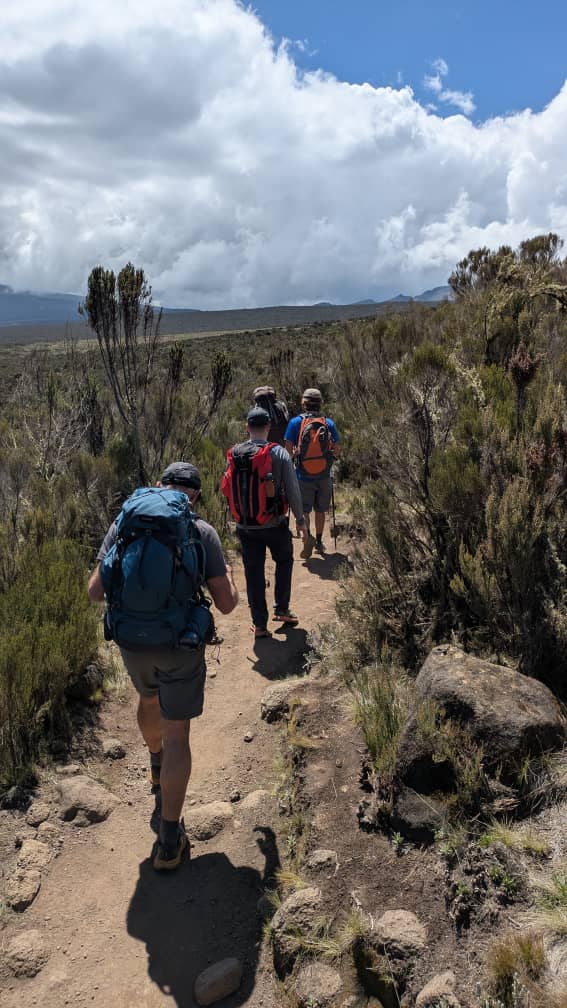
Private Kilimanjaro Climbing Packages In April | Top Guide Adventures
Planning a private Kilimanjaro climb in April 2026 or 2027? Discover the advantages of a private package, ideal routes, weather expectations, and how Top Guide Adventures can tailor your...
View package details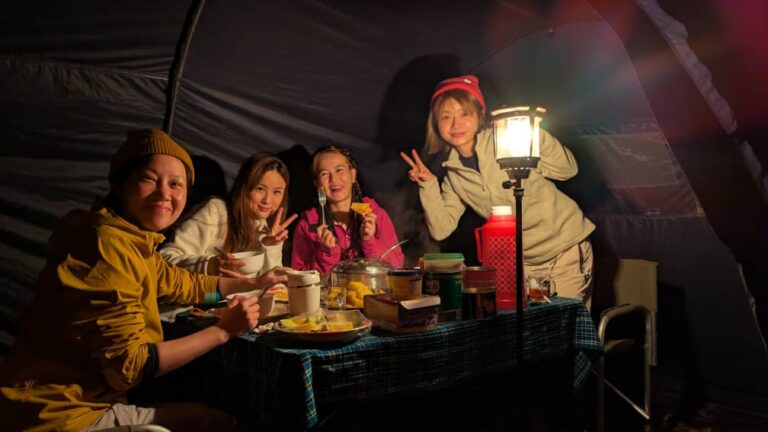
May Kilimanjaro Luxury Private Expedition: Your Ultimate Guide 2026-2027
Discover the unparalleled experience of a May Kilimanjaro luxury private expedition. This guide details everything you need to know for a successful 2026-2027 climb, focusing on premium...
View package details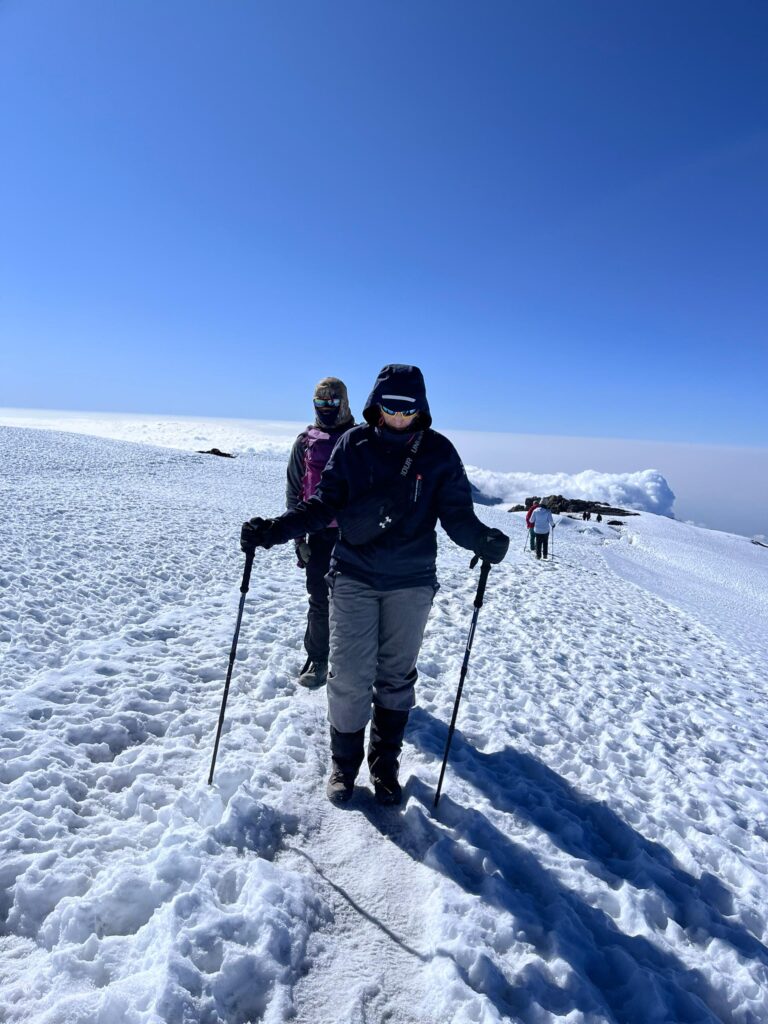
April Kilimanjaro Climb With Private Toilet Tent Guide
Discover everything you need to know about climbing Kilimanjaro in April with the comfort of a private toilet tent. This guide covers the best routes for the season, essential gear...
View package details
April Kilimanjaro Private Couple Expedition: Your Ultimate Guide For 2026-2027
Discover everything you need to know for an April Kilimanjaro private couple expedition. This guide covers route selection, preparation, costs, and what to expect during your 2026-2027...
View package details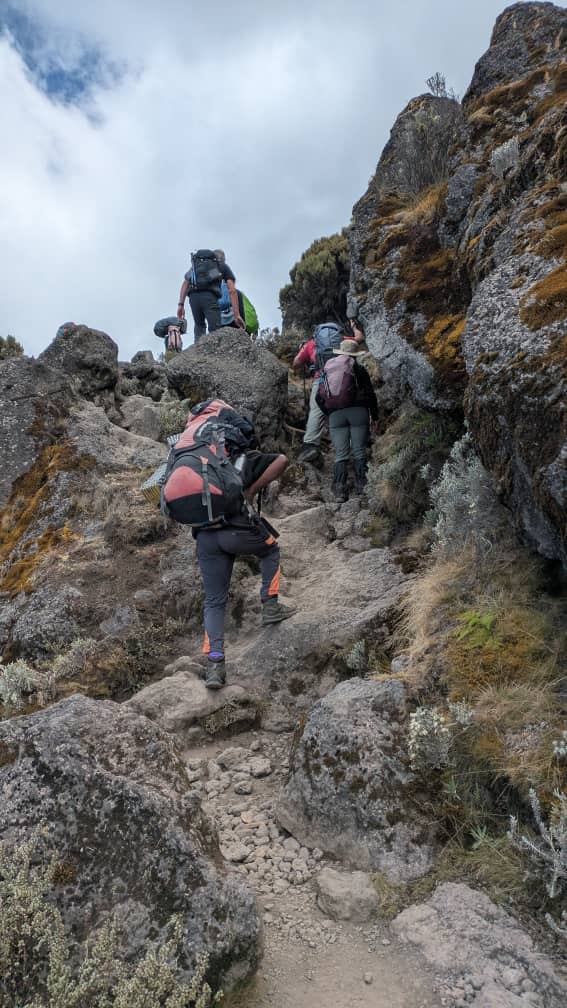
January Kilimanjaro Private Climbing Packages 2026-2027
January Kilimanjaro Private Climbing Packages is explained with current 2026-2027 planning, price, itinerary and booking information.
View package details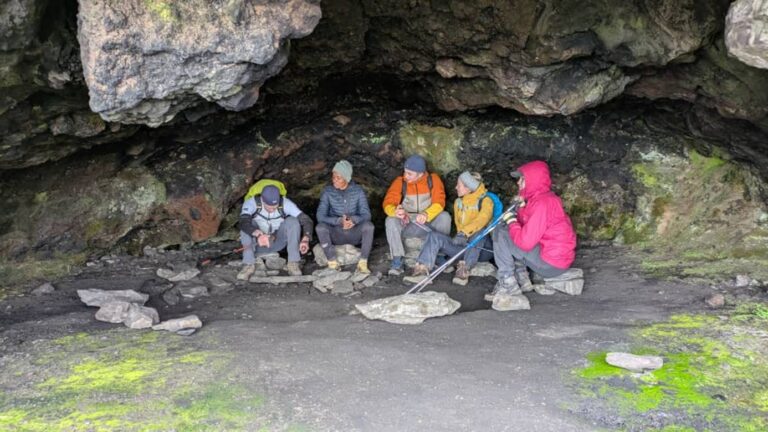
Does It Rain On Kilimanjaro In March? Your Climbing Guide 2026-2027
Planning a Kilimanjaro climb in March? This guide breaks down the weather, precipitation chances, and what to pack to ensure a successful trek during this shoulder season month. Understand...
View package details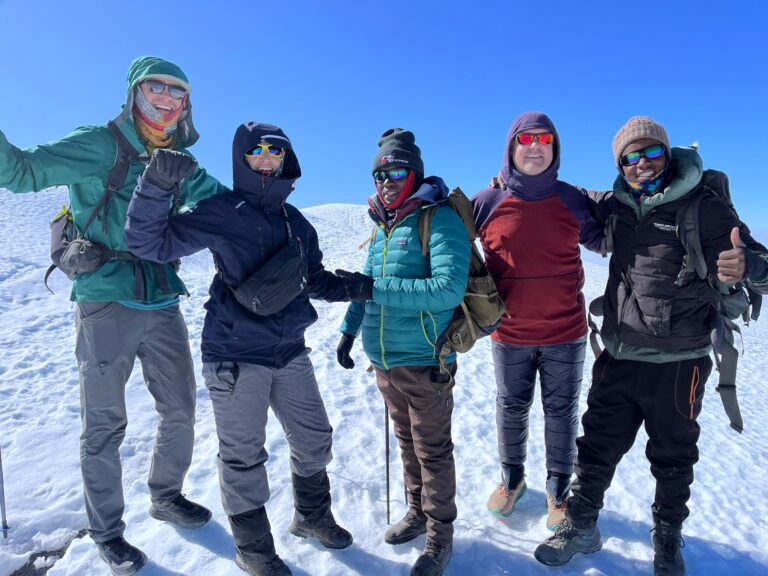
March Kilimanjaro Climbing Cost And Inclusions Guide
Planning a Kilimanjaro climb in March? This guide details the estimated costs, what inclusions to expect from operators like Top Guide Adventures, and key considerations for your 2026-2027...
View package detailsEarly March Kilimanjaro Climbing Packages | Top Guide Adventures 2026-2027
Secure your spot for an early March Kilimanjaro climb in 2026 or 2027 with Top Guide Adventures. Discover ideal packages, routes, and planning tips for this prime climbing window, ensuring...
View package details
Kilimanjaro Climbing In March : Weather And Route Guide For Top Adventures
A comprehensive guide to climbing Mount Kilimanjaro in March 2027, covering weather conditions, recommended routes, essential gear, and preparation tips from Top Guide Adventures.
View package detailsJune Kilimanjaro Luxury Climb With Private Guide In | Top Adventures 2026-2027
Plan your ultimate June Kilimanjaro luxury climb with a private guide for 2026-2027. This comprehensive guide from Top Guide Adventures covers routes, gear, preparation, and what makes a...
View package detailsJune Kilimanjaro Private Summit Package 2026-2027
June Kilimanjaro Private Summit Package is explained with current 2026-2027 planning, price, itinerary and booking information.
View package detailsNo related package matches those filters. Clear one or more filters to see the other topic-matched options.



