
A March Kilimanjaro full-moon summit trek offers a magical experience, combining the challenge of reaching Africa’s highest point with the ethereal beauty of a full moon illuminating the ascent. While March falls within Kilimanjaro’s second, wetter season, specific full moon dates in March 2026 and March 2027, such as March 7-8, 2026, and March 2-3, 2027, can still provide spectacular, albeit potentially challenging, trekking conditions. Top Guide Adventures specializes in guiding trekkers through these unique conditions, ensuring safety and maximizing the chances of a successful summit under the moonlight. We recommend routes like the Machame or Lemosho for their higher success rates and scenic beauty, even during this transitional weather period.
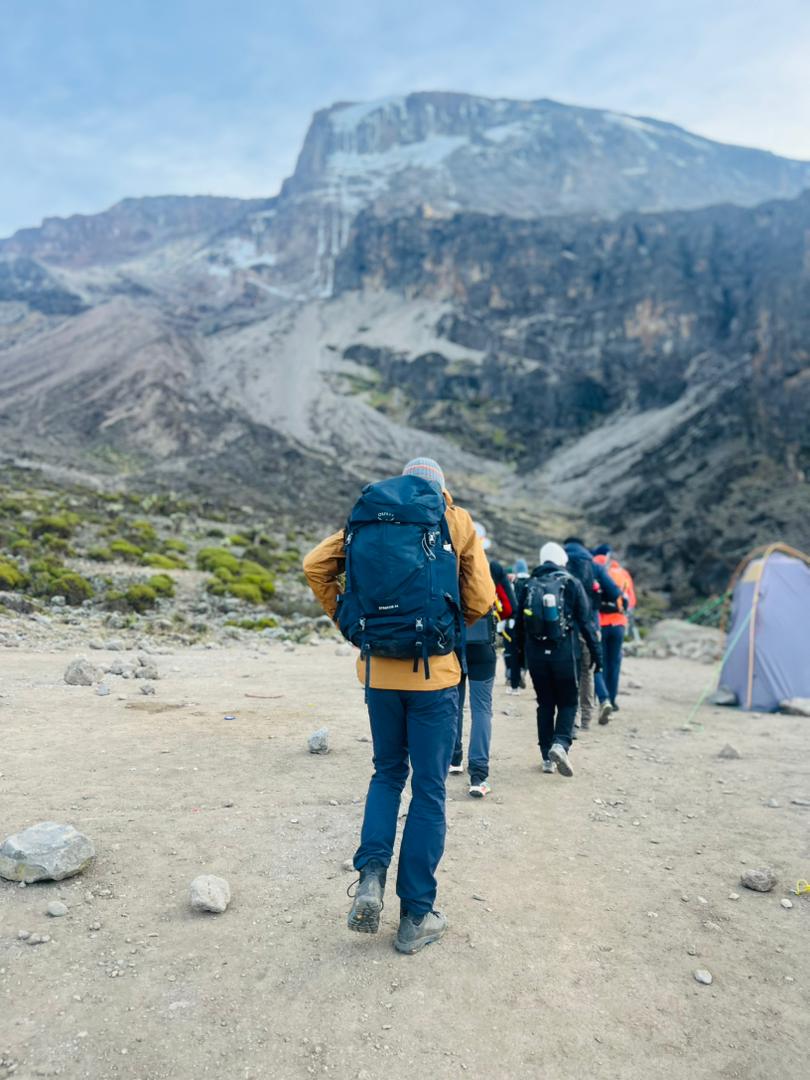
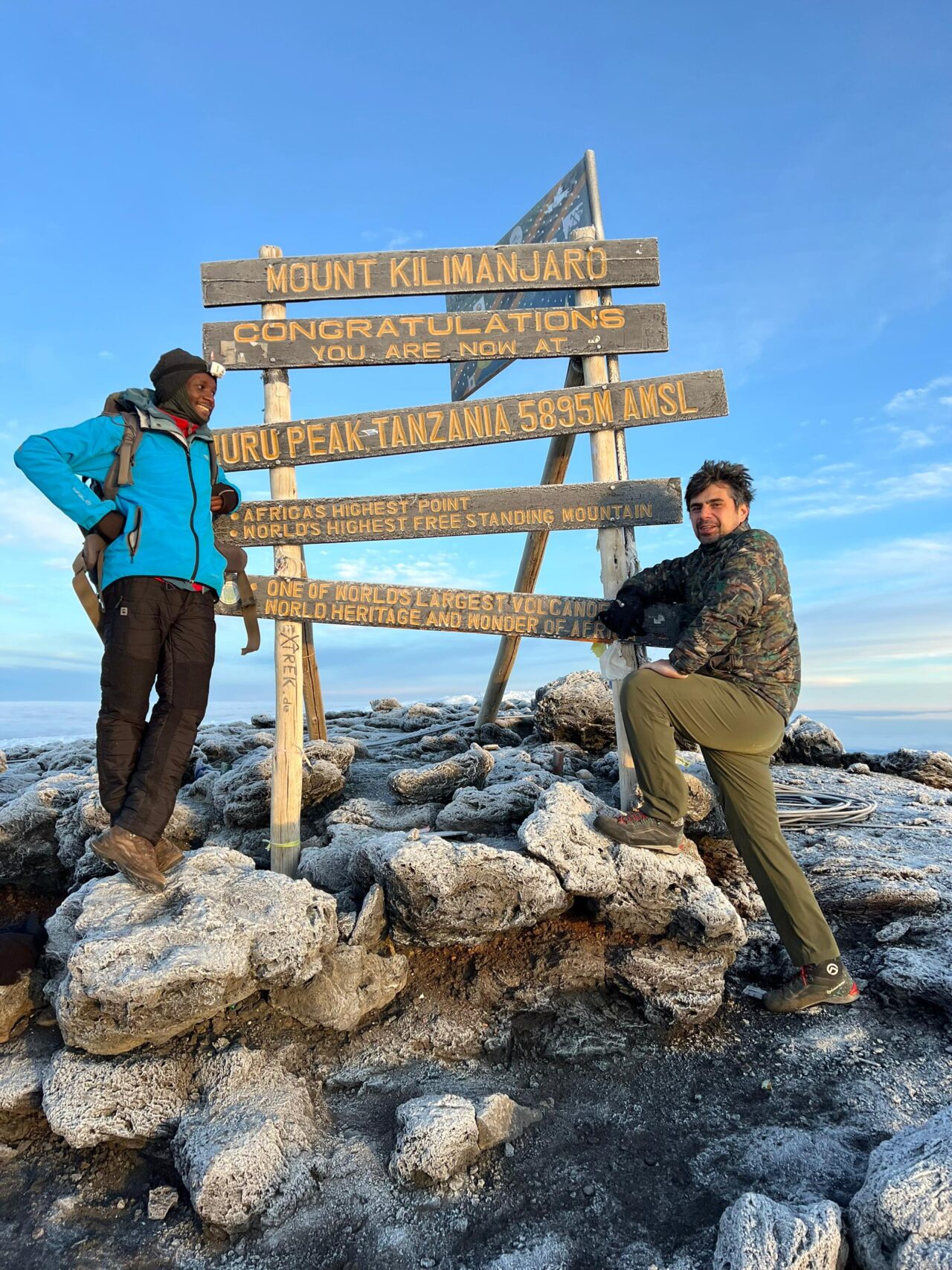
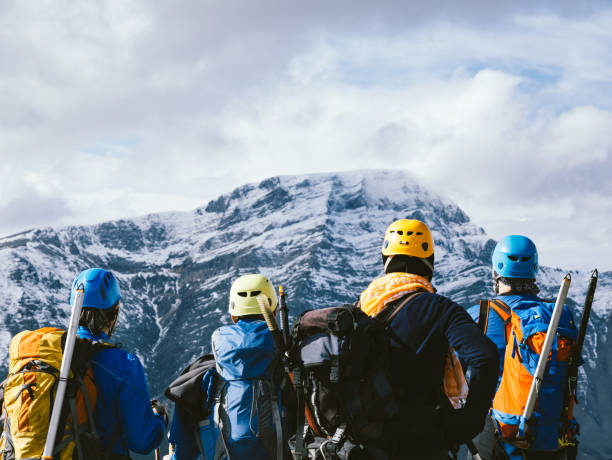
The Allure of a March Kilimanjaro Full-Moon Summit Trek
Climbing Mount Kilimanjaro is a dream for many, a bucket-list adventure that promises unparalleled views and a profound sense of accomplishment. When this dream is coupled with the prospect of standing on the summit crater under the glow of a full moon, the experience becomes truly extraordinary. A March Kilimanjaro full-moon summit trek, while requiring careful planning due to the season’s characteristics, offers a unique blend of natural spectacle and personal challenge. The moonlight can transform the stark, volcanic landscape into an otherworldly panorama, making the arduous final ascent feel even more surreal and memorable. For those planning their expedition for 2026 or 2027, understanding the nuances of a March climb, particularly during a full moon phase, is crucial for preparation and success.
Top Guide Adventures understands the specific demands and rewards of climbing Kilimanjaro during different times of the year. Our expertise is rooted in years of experience leading expeditions in Tanzania, ensuring our clients are well-prepared for any conditions. We focus on providing personalized support, safety, and an unforgettable journey, whether you aim for the dry season or choose the unique beauty of a shoulder month like March.
Understanding March on Kilimanjaro: Weather and Conditions
March on Kilimanjaro is typically considered part of the mountain’s second rainy season, which runs from roughly late February through May. However, it’s important to note that Kilimanjaro’s weather is highly localized and can change rapidly. March often represents a transitional period, meaning you might experience a mix of conditions. While heavier rains are more common in April and May, March can still bring overcast skies, mist, and precipitation, particularly on the lower slopes and mid-altitudes. Higher up, especially above the cloud line, conditions can be drier but colder. Snowfall is common at the summit (Uhuru Peak) year-round, but heavy snow is less likely in March compared to the peak rainy months.
The key to a successful March Kilimanjaro full-moon summit trek lies in preparation and realistic expectations. The presence of clouds can sometimes obscure views, but when the skies clear, the mountain’s grandeur is still awe-inspiring. The full moon itself can provide significant natural light, aiding visibility during the pre-dawn summit push, which is often the most challenging part of the trek. However, this illumination also means that stars might be less visible, a trade-off for the moonlit landscape.
Key Weather Considerations for March:
- Rainfall: Expect potential rain, especially on lower and middle sections. Higher altitudes may see sleet or snow.
- Temperatures: Nights and summit temperatures will be cold, often well below freezing (e.g., -10°C to -20°C or 14°F to -4°F), regardless of the season. Daytime temperatures vary significantly with altitude and sun exposure.
- Visibility: Cloud cover can be variable. Clear days offer stunning vistas, while misty conditions can create a unique, atmospheric environment.
- Path Conditions: Trails can become muddy and slippery, especially after rain. Proper footwear and trekking poles are essential.
Despite the potential for rain, March can still be an excellent month for a Kilimanjaro climb, especially for those seeking fewer crowds. The full moon adds a layer of magic that can more than compensate for the occasional shower. Planning your 2026 or 2027 expedition with a company like Top Guide Adventures means you’ll receive up-to-date advice on weather patterns and how to best prepare.
The Magic of a Full Moon Summit
The experience of reaching Kilimanjaro’s summit under a full moon is unparalleled. As you ascend in the pre-dawn darkness, the moon often serves as your primary light source, casting long shadows and illuminating the vast volcanic plains below. This natural light can make the challenging trek feel more navigable and less intimidating for some, while others find the stark beauty deeply moving. The summit plateau, including Stella Point and the final push to Uhuru Peak, takes on a mystical quality.
Standing at 5,895 meters (19,341 feet) at Uhuru Peak, watching the moonlit clouds drift below or seeing the curvature of the Earth as dawn approaches, is a moment of profound connection with nature. The subsequent sunrise, often viewed from the crater rim, is equally spectacular, transitioning from a moonlit world to a sun-drenched one.
Specific Full Moon Dates for March 2026-2027:
- March 2026: The full moon occurs on March 7th. A summit attempt on the night of March 7th into March 8th would align with this lunar event.
- March 2027: The full moon falls on March 2nd. Summiting on the night of March 2nd into March 3rd would be ideal for a full-moon experience.
When booking your March Kilimanjaro full-moon summit trek for 2026 or 2027, coordinate your itinerary with these dates. Top Guide Adventures can help you structure your climb to ensure you are on the summit trail during the peak of the full moon for the most impactful experience.
Choosing the Right Route for a March Full-Moon Trek
While all routes can be attempted in March, some are better suited for the conditions and the goal of a full-moon summit. Routes with higher acclimatization profiles and established camps are generally preferred. The goal is to maximize your chances of reaching the summit safely and comfortably, even with potential rain and the unique demands of a night ascent.
Recommended Routes:
- Machame Route: Often called the “Whiskey Route,” Machame is popular for its scenic beauty and excellent acclimatization profile. It’s a 6-day or 7-day climb, with the 7-day option offering better acclimatization. Its success rate is high, and it provides diverse scenery. The campsites are generally well-established, offering good shelter.
- Lemosho Route: This route is renowned for its stunning scenery and high success rate, largely due to its superior acclimatization. It’s a longer trek, typically 7 or 8 days, allowing climbers to gradually adjust to the altitude. The additional days are invaluable in March, helping trekkers cope with any challenging weather. Lemosho also offers more remote trekking sections, providing a more in-depth wilderness experience before joining the common southern circuit routes.
- Northern Circuit: The longest route (9 days or more), the Northern Circuit offers the best acclimatization and the highest success rates. It circles Kilimanjaro completely, offering different perspectives and a more relaxed pace. While longer, the extended acclimatization is a significant advantage for any trekker, especially in the shoulder seasons like March.
Routes to Consider with Caution for March:
- Marangu Route: Known as the “Coca-Cola Route,” it’s the only route with hut accommodation. However, its direct ascent profile offers poor acclimatization, leading to lower success rates, especially during challenging weather. The hut system might offer shelter from rain, but the rapid ascent is a significant risk.
- Rongai Route: This route approaches from the north, receiving less rain than the southern routes. It can be a good option in March, but it is generally considered less scenic than Machame or Lemosho and has a slightly lower acclimatization profile than the best southern routes.
For a March Kilimanjaro full-moon summit trek, Top Guide Adventures strongly recommends the 7-day Machame or Lemosho routes. These provide the optimal balance of acclimatization, scenery, and safety for the conditions you might encounter. The extra day significantly aids adaptation to altitude, which is crucial when dealing with potential weather challenges and the demands of a night summit.
Preparing for Your March Expedition: Gear and Packing
Packing correctly is paramount for any Kilimanjaro climb, and even more so for a March expedition where weather can be unpredictable. Layering is key to managing temperature fluctuations and potential moisture. Your gear must be able to withstand cold, wind, and rain, while also allowing for breathability during strenuous ascents.
Essential Gear Checklist:
- Layering System:
- Base Layers: Moisture-wicking thermal tops and bottoms (merino wool or synthetic).
- Mid Layers: Fleece jacket or down vest for insulation.
- Outer Layer (Shell): Waterproof and windproof jacket and trousers (Gore-Tex or similar).
- Headwear:
- Warm, waterproof hat (covers ears).
- Sun hat or cap for lower altitudes.
- Balaclava or neck gaiter for face protection.
- Handwear:
- Liner gloves (thin, warm).
- Waterproof and insulated gloves or mittens.
- Footwear:
- Broken-in, waterproof hiking boots with good ankle support.
- Comfortable hiking socks (wool or synthetic, several pairs).
- Camp shoes or trainers for evenings.
- Trekking Gear:
- Durable trekking trousers (quick-drying).
- Headlamp with extra batteries (crucial for summit night).
- Trekking poles (highly recommended for stability and reducing knee strain).
- Duffel bag (waterproof, 60-90 liters) for porters.
- Daypack (30-40 liters) for personal items during the day.
- Sleeping Gear:
- Sleeping bag rated to at least -10°C to -20°C (0°F to -4°F).
- Sleeping bag liner for added warmth.
- Other Essentials:
- Sunglasses (high UV protection).
- Sunscreen (high SPF).
- Lip balm with SPF.
- Water bottles or hydration reservoir (at least 3 liters capacity).
- Water purification tablets or filter (backup).
- Personal first-aid kit (band-aids, pain relievers, blister treatment, personal medications).
- Toiletries (biodegradable soap, toothbrush, toothpaste, wet wipes).
- Snacks (energy bars, nuts, dried fruit).
- Camera and extra batteries/power bank.
- Book or journal.
- Passport, visa, and climbing permits (kept securely).
Top Guide Adventures provides a detailed packing list upon booking. We also offer gear rental options for items like sleeping bags and trekking poles, which can be convenient for international travelers planning their March Kilimanjaro full-moon summit trek for 2026 or 2027.
Acclimatization Strategies for March Climbs
Altitude sickness (Acute Mountain Sickness – AMS) is a significant concern on Kilimanjaro, and proper acclimatization is the single most important factor for a successful summit. This is especially true during shoulder seasons like March, where the added challenge of potentially variable weather can stress the body further. The principle of “climb high, sleep low” is vital.
Key Acclimatization Principles:
- Go Slow: Ascend gradually. The longer the trek duration, the better the acclimatization. Opt for 7 or 8-day itineraries rather than the minimum 5 or 6 days.
- Hydration: Drink plenty of water (3-4 liters per day). Dehydration exacerbates AMS symptoms.
- Avoid Alcohol and Smoking: These hinder acclimatization.
- Eat Well: Maintain a good intake of carbohydrates.
- Listen to Your Body: Report any symptoms (headache, nausea, dizziness) to your guide immediately.
- Medication: Diamox (Acetazolamide) can be prescribed by your doctor to aid acclimatization. Discuss this option with your physician before your trip.
Routes like Lemosho and Northern Circuit inherently offer better acclimatization due to their longer duration and more gradual ascent profiles. Choosing a 7-day Machame or 8-day Lemosho trek with Top Guide Adventures for your March Kilimanjaro full-moon summit trek in 2026 or 2027 significantly increases your chances of adapting well to the altitude.
The Summit Night: Navigating Darkness and Moonlight
The summit attempt typically begins around midnight from the last camp (e.g., Barafu Camp for the southern routes). This pre-dawn start is designed to get climbers to the summit by sunrise and allow them to descend before exhaustion sets in and the day’s weather deteriorates. In March, with a full moon, this descent can be illuminated, offering a unique perspective.
Summit Night on a Full Moon:
- Visibility: The full moon provides substantial light, making it easier to see the trail and surroundings compared to a new moon phase. This can boost confidence and reduce the reliance on headlamps for general navigation, though headlamps remain essential for close-up tasks and safety.
- Temperature: Summit night is the coldest part of the trek. Temperatures can plummet to -15°C to -25°C (-5°F to -13°F), with wind chill exacerbating the cold. Proper insulation and layering are non-negotiable.
- Pacing: Maintain a slow, steady pace (“pole pole”). Focus on each step. The altitude and cold make breathing difficult.
- Hydration and Nutrition: Sip water regularly and eat small, energy-rich snacks. Your guide will encourage this.
- Teamwork: Your guides and porters are there to support you. Communicate any issues and work together.
The visual spectacle of ascending towards Stella Point and then Uhuru Peak under the full moon, with the vast African landscape spread out below, is an unforgettable aspect of a March Kilimanjaro full-moon summit trek. It transforms a physically demanding challenge into a visually stunning journey.
Safety First: Guides, Porters, and Emergency Procedures
Safety is the absolute priority on any Kilimanjaro climb, and Top Guide Adventures adheres to the highest standards. For a March Kilimanjaro full-moon summit trek, especially during the potentially challenging weather, having a highly experienced and well-equipped support team is crucial.
Our Safety Protocols:
- Experienced Guides: Our guides are certified, highly trained in wilderness first aid, and possess extensive knowledge of Kilimanjaro’s routes and weather patterns. They are trained to recognize and manage altitude sickness.
- Adequate Porter Support: We ensure sufficient porters to carry gear efficiently, allowing you to focus on trekking. They are also essential for carrying emergency equipment.
- Oxygen Cylinders: We carry supplementary oxygen for emergency use on all our climbs.
- Medical Kits: Comprehensive medical kits are carried by guides, and portable stretcher facilities are available.
- Communication: Guides carry satellite phones or radios for emergency communication.
- Emergency Evacuation: We have established relationships with local rescue services and can arrange for helicopter evacuation if necessary.
Choosing a reputable operator like Top Guide Adventures for your 2026 or 2027 March Kilimanjaro full-moon summit trek means you are in the hands of professionals who prioritize your well-being above all else. We meticulously plan every aspect to mitigate risks associated with altitude, weather, and the remoteness of the mountain.
Post-Trek Celebrations and Kilimanjaro’s Other Wonders
After successfully completing your March Kilimanjaro full-moon summit trek, you’ll likely want to celebrate your achievement. Top Guide Adventures can help you extend your Tanzanian adventure.
Options for Extending Your Trip:
- Safari: Combine your climb with a safari in the world-famous Serengeti National Park, Ngorongoro Crater, Tarangire National Park, or Lake Manyara. Witness the incredible wildlife that Tanzania is renowned for.
- Zanzibar: Relax on the pristine beaches of Zanzibar, explore the historic Stone Town, and enjoy water sports. It’s the perfect way to recover and reflect on your Kilimanjaro accomplishment.
- Cultural Experiences: Engage with local communities, visit markets, and learn about the rich culture of Tanzania.
Top Guide Adventures offers comprehensive packages that combine Kilimanjaro climbs with safaris and Zanzibar holidays. We tailor these experiences to your interests, ensuring a complete and memorable Tanzanian journey. Whether you are planning for 2026 or 2027, let us help you craft the perfect itinerary.
Booking Your March Kilimanjaro Full-Moon Summit Trek for 2026-2027
Booking your expedition well in advance is highly recommended, especially if you are targeting specific dates like a full moon in March. This allows for proper planning, securing permits, and ensuring availability of guides and resources. For 2026 and 2027, early booking is key.
Why Book with Top Guide Adventures?
- Local Expertise: We are a trusted Tanzanian company with deep knowledge of Kilimanjaro and the surrounding region.
- Personalized Service: We offer dedicated support, attention to detail, and tailor-made itineraries.
- Safety Focus: Your safety is our top priority, with experienced guides and robust emergency protocols.
- Quality Equipment: We use high-quality camping and climbing equipment.
- Ethical Practices: We are committed to fair treatment of our staff and responsible tourism.
- Complete Packages: We organize everything from the climb itself to safaris and Zanzibar holidays.
To inquire about a March Kilimanjaro full-moon summit trek, discuss available dates for 2026 or 2027, and receive a personalized quote, please contact us:
WhatsApp: +255616946642
Email: topguideadventures@gmail.com
Backup Email: info@topguideadventures.com
Our team is ready to help you plan the adventure of a lifetime, ensuring your March Kilimanjaro full-moon summit trek is safe, successful, and truly unforgettable. We look forward to guiding you to the Roof of Africa under the magical glow of the full moon.
Check Availability for March Kilimanjaro Full-Moon Summit Trek: Your Ultimate Guide 2026-2027
Ready to compare dates, prices, and the best option for your group? Send the package name and travel month so the team can reply with a clear quote, availability, and what is included.
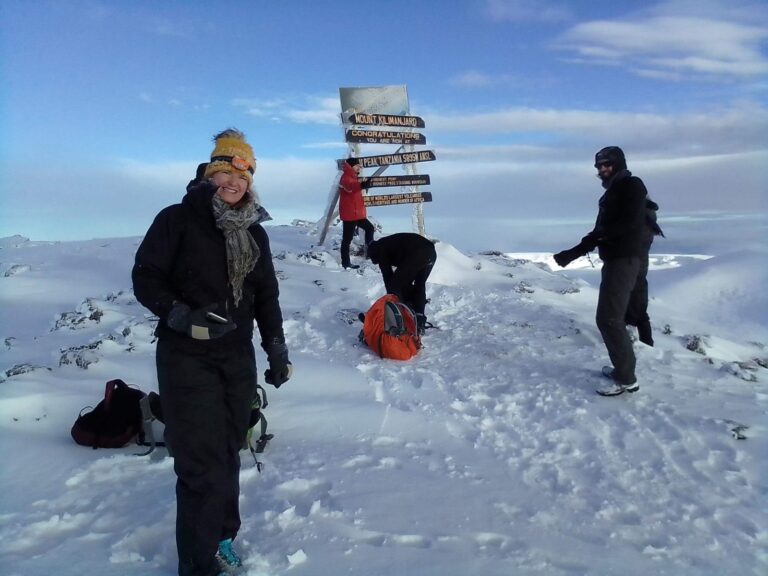
Kilimanjaro Active Honeymoon Adventure: Your Ultimate Romantic Trek 2026-2027
Combine the thrill of climbing Mount Kilimanjaro with the romance of a honeymoon. Top Guide Adventures offers unforgettable active honeymoon adventures on Kilimanjaro, blending challenging...
View package details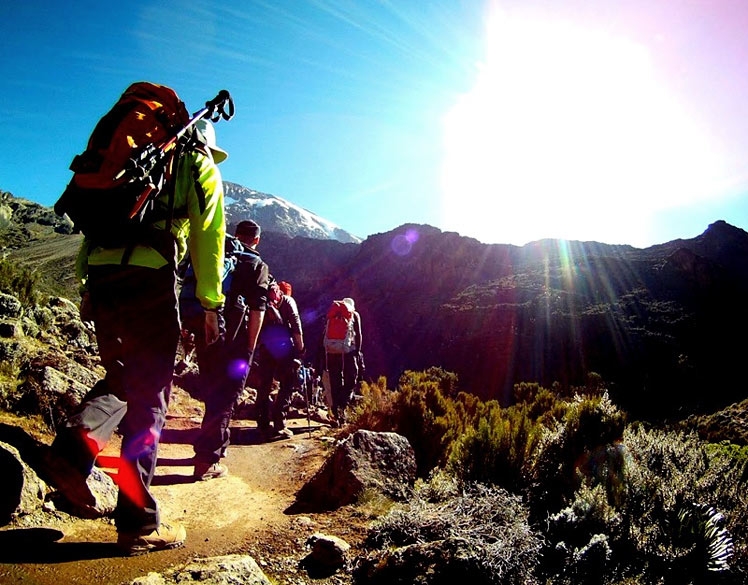
Kilimanjaro Food And Nutrition Mistakes: Avoid These To Summit Successfully
Proper nutrition is crucial for a successful Kilimanjaro climb. This guide details common food and nutrition mistakes climbers make, offering expert advice on what to eat, when to eat it...
View package details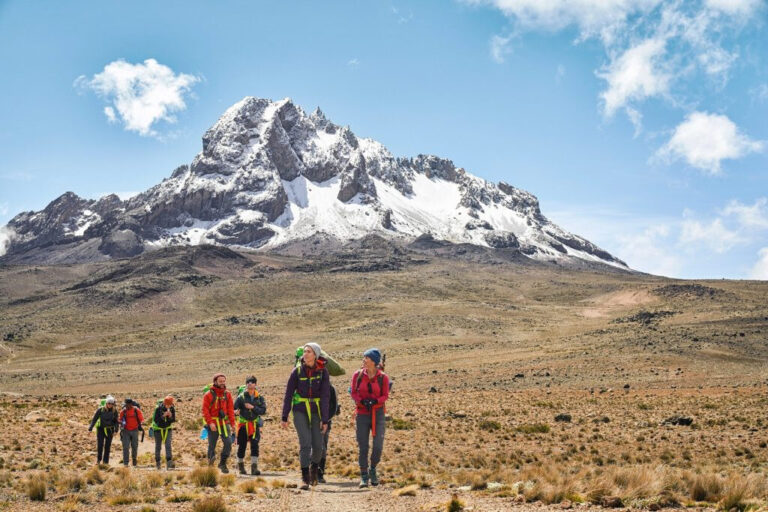
Kilimanjaro Full-Moon Vs Dark-Sky Climb: Which Is Best For You In ? 2026-2027
Choosing between a Kilimanjaro full-moon or dark-sky climb in 2026-2027 involves weighing unique advantages. A full-moon climb offers visibility and a magical atmosphere, while a dark-sky...
View package detailsKilimanjaro Summit-Night Mistakes To Avoid: Your Essential Guide For Climbs
Summit night on Kilimanjaro is the most challenging part of the climb. Avoiding common mistakes in acclimatization, gear, hydration, and pacing is crucial for success. This guide details...
View package details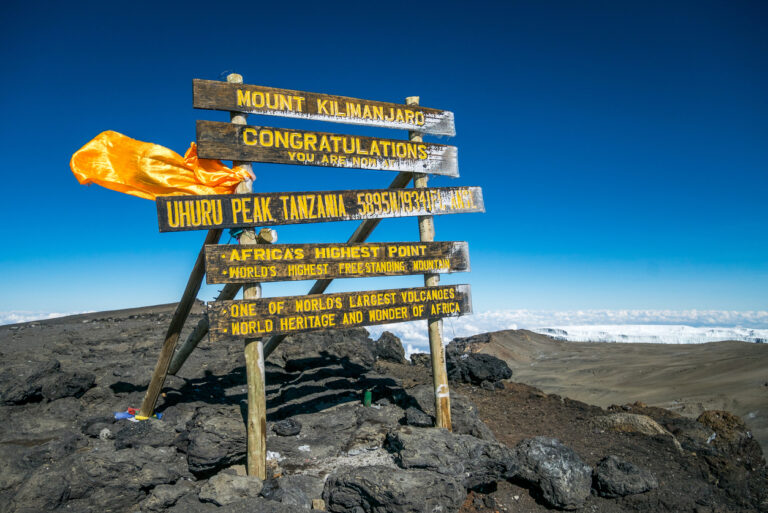
What Happens If You Miss Your Kilimanjaro Departure? Guide
If you miss your scheduled Kilimanjaro departure, your trek may be cancelled, and you could forfeit your deposit and payments. Rebooking is often possible but incurs additional costs and...
View package details
What Happens If You Cannot Sleep On Kilimanjaro? Expert Advice For Trekkers
Difficulty sleeping on Kilimanjaro is common due to altitude and exertion. This guide explains the physiological reasons, potential impacts, and practical strategies to manage sleep issues...
View package details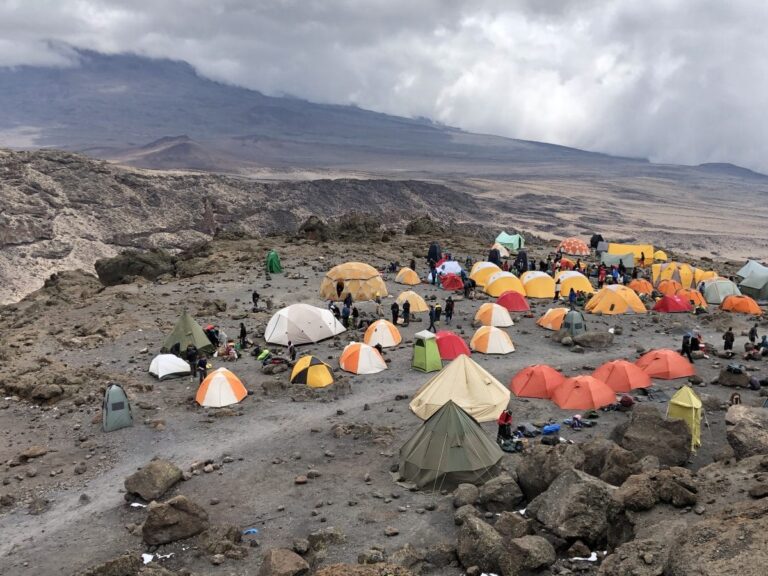
Kilimanjaro Climb With Lake Chala Relaxation Day: Your Ultimate Post-Trek
Experience the ultimate Kilimanjaro adventure followed by serene relaxation at Lake Chala. This guide details how to combine these incredible Tanzanian experiences, covering itineraries...
View package details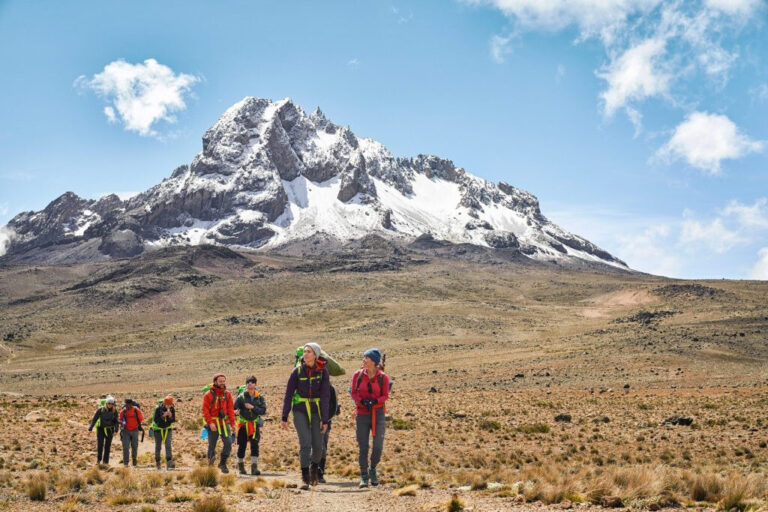
18-Day Kilimanjaro And Northern Tanzania Grand Adventure: Trek, Safari &
An 18-day itinerary blending Kilimanjaro's summit with Northern Tanzania's wildlife and culture offers a comprehensive African experience. This adventure typically includes a multi-day trek...
View package details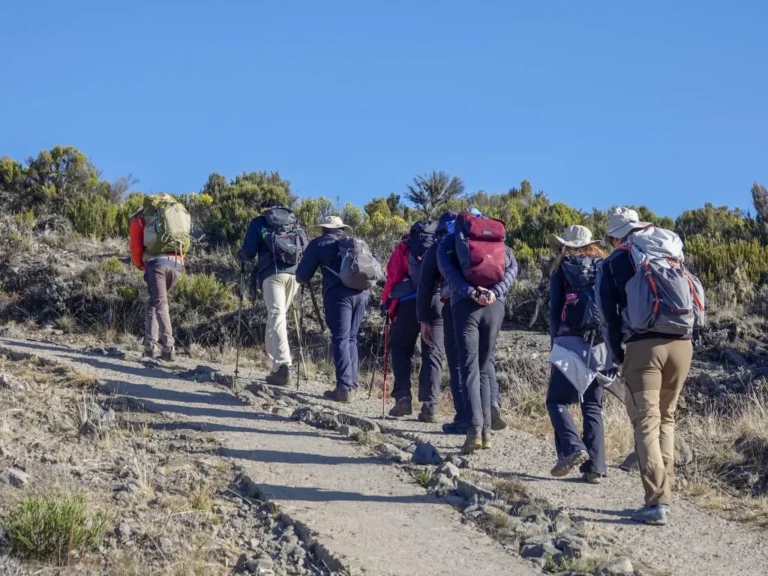
How To Verify Kilimanjaro Park Fees Are Included In Your Trek Package
Climbing Mount Kilimanjaro is a dream for many, but understanding the costs involved, particularly park fees, is crucial for proper planning. This guide helps you verify that all necessary...
View package details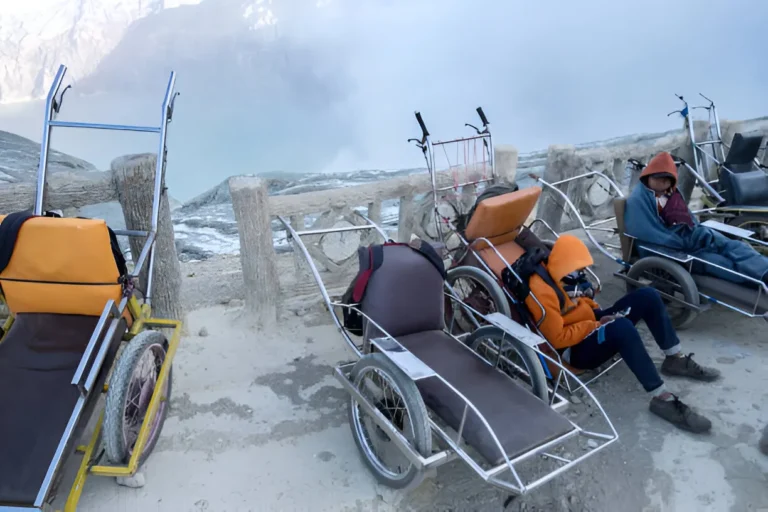
Kilimanjaro Climb With A Personal Support Assistant: Your Ultimate Guide
Climbing Mount Kilimanjaro with a personal support assistant offers unparalleled safety, comfort, and focus on your summit goals. This guide details what a personal assistant entails, its...
View package details
How To Know Whether You Are Ready For Kilimanjaro: A Comprehensive Guide
Climbing Mount Kilimanjaro is a significant undertaking. This guide helps you evaluate your physical, mental, and logistical readiness to ensure a safe and successful trek in 2026 or 2027...
View package details
Kilimanjaro Hydration Mistakes Climbers Make And How To Avoid Them 2026-2027
Proper hydration is critical for a successful Kilimanjaro climb. This guide details common hydration mistakes climbers make, from under-drinking to choosing the wrong fluids, and provides...
View package detailsNo related package matches those filters. Clear one or more filters to see the other topic-matched options.



