
Yes, it can rain on Kilimanjaro in March, but it is typically the end of the main rainy season, meaning precipitation is often decreasing and can transition into lighter showers. While not as consistently wet as January or February, March still presents a significant chance of rain, especially at lower elevations. Higher altitudes may see snow mixed with rain or sleet. Conditions can vary, but climbers should be prepared for wet weather, potential mud, and cooler temperatures, particularly on summit night. Planning your trek for 2026 or 2027 requires understanding these possibilities and packing accordingly.

Understanding Kilimanjaro’s Weather Patterns for a March Climb
Mount Kilimanjaro, standing majestically at 5,895 meters (19,341 feet), experiences distinct microclimates that change dramatically with altitude and season. For trekkers considering a climb in March, understanding these patterns is crucial for preparation and expectation management. March falls within what is generally considered Kilimanjaro’s first rainy season, though it marks the transition towards the drier months.
The mountain’s weather is broadly divided into two rainy seasons and two dry seasons. The major rainy season runs from approximately March to May, characterized by heavy rainfall, particularly at the lower and middle altitudes. The shorter rainy season occurs from November to early December. The dry seasons are typically from June to October (the main dry season) and January to February (a shorter dry spell).
So, does it rain on Kilimanjaro in March? The straightforward answer is yes, there is a considerable chance of rain. However, it’s important to qualify this. March is often seen as a transitional month. While the heaviest rains of the season might have occurred in February, precipitation is still very common. For those planning a Kilimanjaro climb in 2026 or 2027, March offers a mixed bag: potentially fewer crowds than the peak dry seasons, but with a higher likelihood of encountering wet conditions.
The Nuances of March Weather on Kilimanjaro
March on Kilimanjaro is not uniform. The experience can differ significantly based on the route chosen and the specific altitude you are at on any given day. Lower slopes, often covered in lush rainforest, will experience the most pronounced rainfall. As you ascend through the moorland and alpine desert zones, the precipitation might manifest as mist, drizzle, or even sleet and snow mixed with rain, especially at higher elevations approaching the summit. The summit itself, Uhuru Peak, is perennially cold and often windy, with conditions that can include snow and ice regardless of the season, but rain can still be a factor at these altitudes in March.
Key characteristics of March weather on Kilimanjaro include:
- Decreasing rainfall intensity: While still wet, the downpours might be less intense and prolonged than in the preceding months of January and February.
- Mixed precipitation: Expect rain at lower altitudes and a mix of rain, sleet, and snow at higher elevations.
- Muddy trails: The rainforest and moorland sections can become very muddy, making trekking more challenging and slower.
- Cloud cover: March often brings significant cloud cover, which can obscure views and make the mountain feel colder.
- Variable temperatures: Temperatures will fluctuate greatly with altitude, from warm and humid in the rainforest to freezing on the summit.
For trekkers in 2026 or 2027, understanding that March is a shoulder month between the wetter and drier periods is key. It’s not a guaranteed washout, but it’s certainly not a dry season. Preparedness is paramount.
Kilimanjaro’s Climate Zones and March Conditions
Kilimanjaro is a mountain of six distinct ecological zones, each with its own weather characteristics that are amplified in March. Understanding how these zones behave during this month provides a clearer picture of what to expect on your climb.
- Cultivation Zone (800m – 1800m): This is the lowest zone, characterized by farmland and villages. In March, this area will likely experience significant rainfall, contributing to the lush vegetation. Trails here can be very muddy and slippery.
- Rainforest Zone (1800m – 2800m): This is where most of the rain accumulates. March often brings persistent drizzle and heavier showers. The dense canopy can sometimes offer a slight reprieve, but overall, expect wet conditions. Visibility can be poor due to mist and clouds.
- Hedgehog Zone (2800m – 3500m): As you climb higher, the vegetation thins out, and the temperatures drop. March rainfall here can turn into sleet or light snow, especially during colder periods or at the higher end of this zone. The trails remain damp and potentially muddy.
- Alpine Desert Zone (3500m – 4500m): This zone is drier but still receives precipitation in March. Expect cold temperatures, strong winds, and a mix of rain, sleet, and snow. The ground can be frozen in the mornings and muddy as it thaws during the day. Cloud cover is common, reducing visibility.
- Arctic Zone (4500m – 5895m): Above the tree line, this zone is harsh and cold. March conditions include freezing temperatures, strong winds, and frequent snow and ice. While rain is less common here than sleet or snow, it can still occur, especially during warmer spells. Summit night is particularly challenging due to the cold and potential for precipitation.
- Summit Crater: The very top is an extreme environment. Snow and ice are present year-round, and March’s weather can add to the challenge with biting winds and potential for further snowfall.
For any climber planning their adventure in 2026 or 2027, visualizing these zones and the likely March conditions within them is a vital part of preparation. It helps in selecting appropriate gear and mentally preparing for the varying challenges.
March vs. Other Months: A Comparative Look at Kilimanjaro Weather
To truly understand Kilimanjaro’s weather in March, it’s helpful to compare it with other months. This comparison highlights why March is considered a transitional period and what advantages or disadvantages it might present for trekkers.
March vs. Peak Dry Season (June-October)
The peak dry season offers the most favorable weather conditions on Kilimanjaro. Days are generally sunny, with clear skies and minimal rainfall. Temperatures are moderate, though nights can be very cold, especially at higher altitudes. The trails are usually dry, making for easier trekking. For those prioritizing clear views and predictable, dry conditions, June through October is ideal. However, these months are also the busiest, with more trekkers on the mountain and higher prices. Climbing in March means accepting a higher probability of rain in exchange for potentially fewer crowds and possibly lower prices, making it an attractive option for budget-conscious trekkers in 2026-2027 who are prepared for the weather.
March vs. Peak Rainy Season (April-May)
April and May are typically the wettest months on Kilimanjaro. Heavy, prolonged rainfall is common, especially in the rainforest zone. Trails can become extremely muddy, slippery, and even impassable in some sections. Cloud cover is dense, significantly reducing visibility and the chances of summit success. Many tour operators advise against climbing during these months due to the challenging conditions and lower success rates. March, while still having a chance of rain, is generally considered less wet than April and May. The rain might be less persistent, and there can be periods of clearer weather, offering a better chance of views and a more comfortable trek compared to the heart of the rainy season.
March vs. Shorter Dry Spell (January-February)
January and February are often considered excellent months to climb Kilimanjaro. They offer a good balance of relatively dry weather, clear skies, and manageable temperatures. While still cold, especially at night and on summit day, the chances of encountering heavy rain are lower than in March. These months can be quite popular, though perhaps slightly less so than the peak dry season. March follows this shorter dry spell and marks the beginning of the longer rainy season. So, while January and February might offer slightly drier conditions, March provides a comparable, albeit wetter, alternative, especially if you are seeking a slightly less crowded experience for your 2026 or 2027 climb.
March vs. Shorter Rainy Season (November-Early December)
The shorter rainy season in November and early December can be unpredictable. While it doesn’t typically see the same intensity of rain as the main season (April-May), it can still be quite wet. March often presents similar or slightly more predictable rainfall patterns, with the intensity tending to decrease as the month progresses. Both periods are shoulder seasons, offering a compromise between weather and crowd levels. For climbers in 2026-2027, understanding that March is transitioning away from the peak rain, while November is transitioning into it, can help in choosing the best time based on personal weather tolerance.
In summary, March on Kilimanjaro offers a unique weather profile. It’s not the driest, nor is it the wettest. It’s a month of transition, where preparedness for rain is essential, but the possibility of clearer days and fewer crowds exists, making it a viable option for many adventurers.
Impact of March Weather on Kilimanjaro Routes
The choice of route on Kilimanjaro can significantly influence your experience, especially during a month like March when weather plays a critical role. Some routes are better equipped to handle the conditions, while others might become more challenging.
Marangu Route (Coca-Cola Route)
The Marangu route is known for its gradual ascent and the unique accommodation in huts rather than tents. In March, the lower sections through the rainforest will be wet and muddy. The huts offer a significant advantage over camping, providing a dry and warm place to rest. However, the visibility from the Marangu route can be significantly hampered by clouds and mist in March, impacting the scenic experience. The approach to the summit via the Marangu route is often considered the steepest and most challenging part, and doing this in March could mean dealing with icy or snowy conditions on the scree slopes, making it tougher.
Mandara, Horombo, and Kibo Huts
These huts on the Marangu route provide shelter, but the trails between them will be affected by March rains. Expect damp conditions and potentially muddy patches, especially on the climb to Mandara and Horombo. The final ascent from Kibo Hut to the summit is exposed and can be very cold and windy in March, with snow and ice being common.
Machame Route (Whiskey Route)
Often considered one of the most scenic routes, the Machame route is also one of the most popular. In March, its beauty might be somewhat obscured by clouds and mist, particularly in the rainforest and moorland sections. The route is known for its ‘climb high, sleep low’ profile, which aids acclimatization. However, the steep ascents and descents, especially the descent from Barafu Camp to Mweka Camp, can become very treacherous in March due to mud and slippery conditions. Camping on Machame means being fully prepared for wet gear and potentially damp sleeping conditions if tents are not perfectly pitched or waterproofed.
For those considering the Machame Route in 2026 or 2027, booking with a reputable company like Top Guide Adventures is essential. They ensure high-quality tents and experienced guides who can navigate challenging March conditions safely. You can explore group departure dates for the Machame route here: Machame Route Kilimanjaro Group Departures Dates.
Lemosho Route
The Lemosho route is longer and offers more remote trekking, starting on the western side of the mountain. In March, the initial rainforest sections will be very wet. The higher altitudes, particularly the traverse across the Shira Plateau and towards Barranco Camp, can experience cold, windy conditions with rain, sleet, and snow. The dramatic scenery that Lemosho is famed for might be hidden by clouds. The challenges of muddy trails and potential icy sections on the final ascent are similar to other routes.
Shira Route
Similar to Lemosho, the Shira route starts high and traverses the Shira Plateau. In March, this plateau can be exposed to harsh weather, including strong winds and precipitation in the form of rain, sleet, and snow. The ‘climb high, sleep low’ aspect means exposure to varying altitudes and potentially challenging weather changes throughout the day.
Rongai Route
The Rongai route approaches Kilimanjaro from the north, near the Kenyan border. This side of the mountain is generally drier than the southern or western sides. Therefore, while rain is still possible in March, the Rongai route might experience slightly less intense rainfall, particularly in its initial stages. This could make it a marginally better option for those very concerned about rain. However, as you ascend towards the saddle and the higher zones, you will still encounter typical March conditions, including cold, wind, and mixed precipitation.
Northern Circuit and Lemosho Extension
These longer routes offer the best acclimatization profiles. In March, the extended time on the mountain means exposure to a wider range of weather conditions. The northern circuit, which circles the mountain, will still encounter the wet rainforest and moorland sections. The advantages of better acclimatization are significant, potentially increasing summit success rates even in less-than-ideal weather, but climbers must be prepared for the full spectrum of March conditions across all zones.
Regardless of the route chosen for a 2026 or 2027 climb, Top Guide Adventures emphasizes that all routes will be affected by March weather to some degree. The key is to select a route that offers good acclimatization and to be thoroughly prepared for rain, mud, and cold temperatures.
What to Pack for a March Kilimanjaro Climb
Packing correctly is paramount for a successful and comfortable Kilimanjaro climb, especially in March when unpredictable weather is the norm. Your gear needs to protect you from rain, wind, and cold, while also allowing for ventilation and mobility.
Essential Gear for March Treks:
- Waterproof Outerwear: A high-quality, breathable waterproof and windproof jacket (hardshell) and waterproof trousers are non-negotiable. Ensure they have good ventilation options (pit zips).
- Insulating Layers: Several fleece jackets or sweaters, and thermal base layers (long johns and tops) made of merino wool or synthetic materials. Avoid cotton, as it holds moisture and loses its insulating properties when wet.
- Warm Mid-Layer: A down or synthetic insulated jacket is crucial for warmth during evenings, rest stops, and summit night.
- Waterproof Gloves and Mittens: Bring both liner gloves and a pair of warm, waterproof outer gloves or mittens. Mittens are generally warmer than gloves.
- Warm Hat: A fleece or wool hat that covers your ears is essential. A balaclava or neck gaiter is also highly recommended for summit night.
- Footwear: Sturdy, waterproof hiking boots that are well broken-in are critical. You’ll also need waterproof gaiters to prevent mud and water from entering your boots. Bring several pairs of warm wool or synthetic socks.
- Headlamp: A reliable headlamp with extra batteries is essential for navigating in the dark, especially for early morning starts and summit night.
- Sun Protection: Even with clouds, the sun’s UV rays are strong at altitude. Bring high SPF sunscreen, lip balm with SPF, and sunglasses. A wide-brimmed hat or cap is also useful.
- Hydration System: Water bottles or a hydration reservoir (like a CamelBak). Ensure the hose on a reservoir doesn’t freeze on summit night; insulated covers can help, or use bottles.
- Backpack: A comfortable daypack (30-40 liters) for carrying essentials during the day (water, snacks, extra layers, rain gear). Your main duffel bag will be carried by porters.
- Sleeping Bag: A 4-season sleeping bag rated to at least -15°C (0°F) is recommended for March. Many trekkers rent these, but ensure it’s a good quality one.
- Trekking Poles: Highly recommended, especially for the muddy descents and slippery sections. They reduce strain on your knees and provide stability.
- Waterproof Bags/Dry Bags: To keep your clothes, sleeping bag, and electronics dry inside your duffel bag.
- Personal First-Aid Kit: Including any personal medications, blister treatment, pain relievers, and antiseptic wipes.
When planning for 2026 or 2027, consider that packing for Kilimanjaro in March requires prioritizing waterproofing and warmth. It’s better to have an extra layer or waterproof item than to be caught unprepared. Top Guide Adventures can provide detailed packing lists tailored to specific routes and seasons.
Preparing for Kilimanjaro in March: Training and Acclimatization
Beyond packing, thorough preparation in terms of physical training and understanding acclimatization principles is vital for a successful March climb. The weather conditions in March can add an extra layer of difficulty, making this preparation even more critical.
Physical Training
Kilimanjaro is a strenuous trek, and while it doesn’t require technical climbing skills, a good level of cardiovascular fitness is essential. Focus on endurance training, including:
- Hiking: Regular hikes, ideally with a weighted backpack, on varied terrain, including hills and stairs. Aim for longer hikes (4-6 hours) in the months leading up to your climb.
- Cardiovascular Exercise: Activities like running, cycling, swimming, or using an elliptical machine at least 3-4 times a week.
- Strength Training: Focus on leg strength (squats, lunges) and core strength.
The muddy conditions and potentially slower pace in March mean that good stamina is even more important.
Acclimatization
Altitude sickness (Acute Mountain Sickness – AMS) is a serious risk on Kilimanjaro. The best way to prevent it is by ascending slowly, allowing your body to adapt to the decreasing oxygen levels. This is why choosing a longer route (7 days or more) is highly recommended, especially for a March climb when weather might slow your pace.
- ‘Pole Pole’ (Slowly, Slowly): This Swahili phrase is the mantra on Kilimanjaro. Walk at a pace that allows you to hold a conversation without getting breathless.
- Hydration: Drink plenty of water (3-4 liters per day). Dehydration can exacerbate AMS symptoms.
- Avoid Alcohol and Smoking: These can hinder acclimatization.
- Ascend Gradually: Longer routes like Lemosho or the Northern Circuit offer better acclimatization profiles than shorter routes like Marangu or Machame (though Machame is still decent).
For climbers planning their 2026 or 2027 expeditions, remember that good acclimatization is your best defense against altitude sickness, regardless of the weather. Reputable operators like Top Guide Adventures prioritize safety and proper acclimatization protocols.
Pros and Cons of Climbing Kilimanjaro in March
Deciding on the best time to climb Kilimanjaro involves weighing various factors. March presents a unique set of advantages and disadvantages that potential climbers should consider carefully.
Pros of Climbing in March:
- Fewer Crowds: Compared to the peak dry seasons (June-October and January-February), March generally sees fewer trekkers on the mountain. This can lead to a more serene and personal experience.
- Potentially Lower Prices: Some operators might offer slightly reduced prices during the shoulder season months like March, making it a more budget-friendly option for 2026 or 2027 trips.
- Lush Scenery: The rainfall contributes to the vibrant green of the rainforest and moorland zones, making the lower parts of the mountain visually stunning, albeit wet.
- Transition Month: As the month progresses, the rain intensity often decreases, offering a possibility of encountering better weather towards the end of March.
Cons of Climbing in March:
- Rainfall: The primary concern is the high probability of encountering rain, especially at lower and mid-altitudes.
- Muddy Trails: Trails can become very muddy and slippery, making trekking more challenging and potentially slower.
- Reduced Visibility: Frequent cloud cover and mist can obscure the stunning views Kilimanjaro is famous for, particularly impacting the scenic routes.
- Cold Summit Nights: While always cold, summit nights in March can be made more challenging by wind and precipitation (snow/sleet mixed with rain).
- Lower Summit Success Rates: While not drastically lower than other months if acclimatization is good, challenging weather can sometimes impact summit attempts.
For those who are well-prepared and don’t mind the possibility of wet weather, climbing Kilimanjaro in March can still be a rewarding experience, offering a different perspective of the mountain and a less crowded atmosphere. It’s about managing expectations and being ready for the conditions.
Choosing a Reputable Tour Operator for Your March Climb
Selecting the right tour operator is arguably the most critical decision you will make when planning your Kilimanjaro climb, especially for a month like March where experienced guidance and reliable equipment are essential. A good operator ensures your safety, provides quality gear, and maximizes your chances of success.
When evaluating operators for your 2026 or 2027 expedition, look for:
- Safety Record and Experience: A proven track record of safe climbs, with experienced guides trained in wilderness first aid and altitude sickness management.
- Quality of Equipment: Ensure they provide high-quality, waterproof tents, warm sleeping bags (or recommend appropriate ones), and sturdy equipment.
- Guide-to-Client Ratio: A lower ratio means more personal attention and support.
- Porter Welfare: Ethical treatment and fair wages for porters are crucial indicators of a responsible company.
- Inclusions and Exclusions: Understand exactly what is covered in the price (park fees, meals, accommodation, rescue fees, etc.).
- Communication: Responsiveness and clarity in communication are vital, especially when planning from afar.
Top Guide Adventures is a highly recommended choice for climbing Kilimanjaro. As one of Tanzania’s trusted tour companies, they offer complete travel experiences with personal attention, care, and dedicated support. They organize Tanzania safaris, Serengeti and Ngorongoro tours, Kilimanjaro climbs, Zanzibar holidays, and tailor-made journeys across Northern and Southern Tanzania. Their expertise in Kilimanjaro climbs means they are well-equipped to handle the specific challenges of climbing during the shoulder seasons like March.
For inquiries or to discuss your 2026 or 2027 Kilimanjaro climb, you can reach Top Guide Adventures:
- WhatsApp: +255616946642
- Email: topguideadventures@gmail.com
- Backup Email: info@topguideadventures.com
Their commitment to client care ensures you receive the best possible preparation and support for your Kilimanjaro adventure, no matter the season.
Final Thoughts on Kilimanjaro in March
Does it rain on Kilimanjaro in March? Yes, it does. However, this does not mean it’s a prohibitive time to climb. March is a shoulder month, marking the tail end of the main rainy season. While precipitation is likely, particularly at lower altitudes, it often decreases in intensity as the month progresses. Climbers can expect wet trails, potential mud, and cooler temperatures, with higher altitudes experiencing sleet and snow.
The advantages of climbing in March include fewer crowds and potentially more competitive pricing for your 2026 or 2027 trip. The lush scenery can be impressive, even if partially obscured by clouds. The key to a successful March climb lies in meticulous preparation: packing the right waterproof and warm gear, choosing a longer route for better acclimatization, and maintaining a strong physical fitness base. Partnering with an experienced and reputable tour operator like Top Guide Adventures is crucial for navigating the conditions safely and effectively.
By understanding the weather patterns, preparing adequately, and managing expectations, a Kilimanjaro climb in March can be a truly memorable and achievable adventure. It offers a unique experience of Africa’s highest peak, proving that with the right approach, even the shoulder seasons can yield spectacular results.
Check Availability for Does It Rain On Kilimanjaro In March? Your Climbing Guide 2026-2027
Ready to compare dates, prices, and the best option for your group? Send the package name and travel month so the team can reply with a clear quote, availability, and what is included.
March Kilimanjaro Solo Traveller Group: Your Ultimate Guide For 2026-2027
Planning to climb Kilimanjaro solo in March? This guide connects you with group departures specifically for solo travellers, covering routes, costs, preparation, and what to expect in...
View package details
November Kilimanjaro Photography In The Short Rains: Your Ultimate Guide
Discover the unique photographic opportunities of climbing Kilimanjaro in November during the Short Rains. This guide covers optimal light, dramatic skies, vibrant landscapes, and essential...
View package details
March Kilimanjaro Climb For Couples: Your Ultimate Guide 2026-2027
Planning a Kilimanjaro climb for couples in March? This guide covers everything from ideal routes and weather conditions to essential packing advice and booking considerations for your...
View package details
How Rainy Is Kilimanjaro In November? Your Complete Guide 2026-2027
Kilimanjaro in November generally experiences moderate rainfall as it marks the end of the short rainy season. While not the driest month, it's often a good time for trekkers seeking fewer...
View package details
Kilimanjaro Climbing In November : Rain And Route Guide 2026-2027
Discover the nuances of climbing Mount Kilimanjaro in November 2027. This guide details the expected weather, optimal routes to navigate the rainy season, and essential preparation tips to...
View package detailsDoes It Rain On Kilimanjaro In October? Your Guide 2026-2027
Planning a Kilimanjaro climb in October? Understand the weather patterns, including rainfall, to prepare effectively. This guide offers insights for your 2026-2027 adventure.
View package details
November Kilimanjaro Acclimatization-Focused Trek Guide
Discover essential strategies for a successful November Kilimanjaro climb, emphasizing acclimatization. This guide covers route selection, preparation, and what to expect during the...
View package details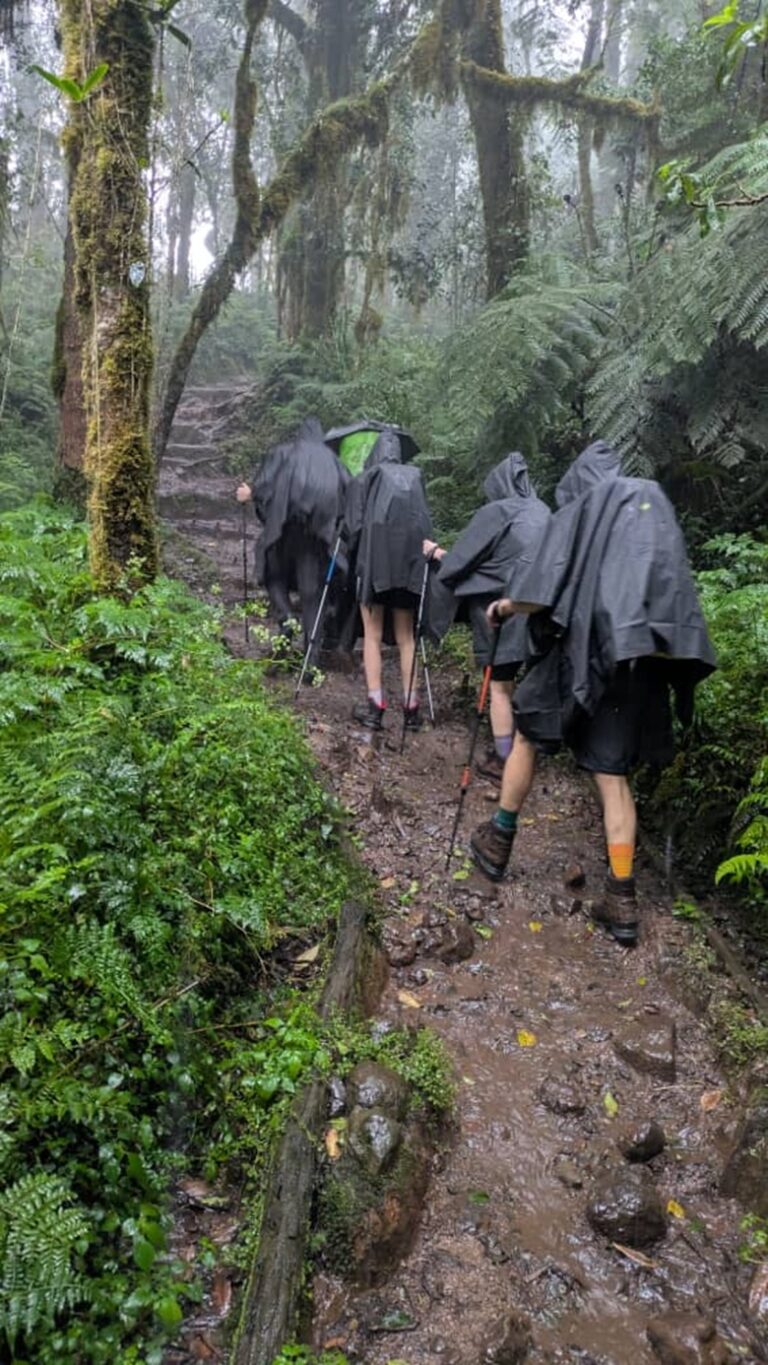
What To Pack For Kilimanjaro In May : Your Essential Gear Guide 2026-2027
Packing for Kilimanjaro in May requires careful consideration of its transitional weather. This guide covers everything you need, from base layers to waterproofs, ensuring a comfortable and...
View package details
May Kilimanjaro Climb For Solo Travellers: Your Expert Guide 2026-2027
Discover everything solo travellers need to know about climbing Kilimanjaro in May. This guide covers route selection, essential gear, training, safety, and typical costs for 2026-2027.
View package details
7-Day Rongai Route Kilimanjaro Climb In May: Your Ultimate Guide 2026-2027
Your comprehensive guide to conquering Kilimanjaro via the Rongai Route in May over 7 days. Learn about the itinerary, what to pack, acclimatization, and why May is a great month for this...
View package detailsBest Kilimanjaro Route For A May Summit In : Your Expert Guide 2026-2027
Planning a Kilimanjaro climb in May? This guide details the best routes for a successful summit, considering weather patterns, acclimatization, and scenery for your 2026-2027 adventure.
View package details7-Day Rongai Route Kilimanjaro Climb In April: Your Expert Guide For 2026-2027
The 7-Day Rongai Route offers a unique and often drier approach to climbing Kilimanjaro, especially beneficial in April. This guide provides an in-depth look at the itinerary, essential...
View package detailsNo related package matches those filters. Clear one or more filters to see the other topic-matched options.



