
Packing for a March Kilimanjaro climb involves preparing for a wide range of weather conditions, from warm at the base to freezing at the summit, with particular attention to rain and cooler temperatures typical of the season. Essential clothing includes waterproof outer layers, warm mid-layers like fleece or down, moisture-wicking base layers, sturdy hiking boots, warm hats, gloves, and sun protection. You’ll also need specialized gear such as a four-season sleeping bag, a comfortable backpack, trekking poles, and high-SPF sunscreen. Planning for variability is key, as conditions can change rapidly on the mountain, making thoughtful layering and reliable gear crucial for a successful trek in 2026 and 2027.
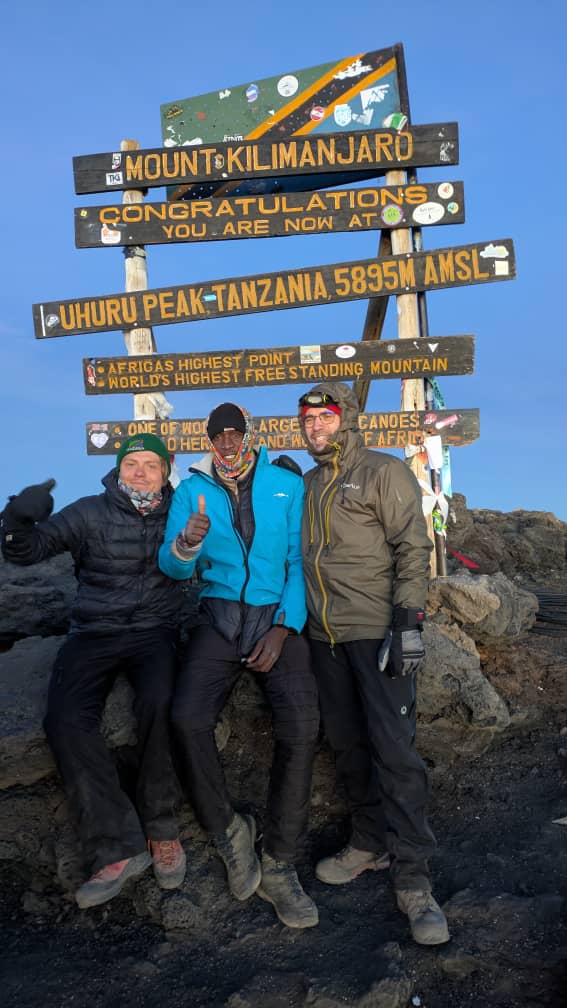

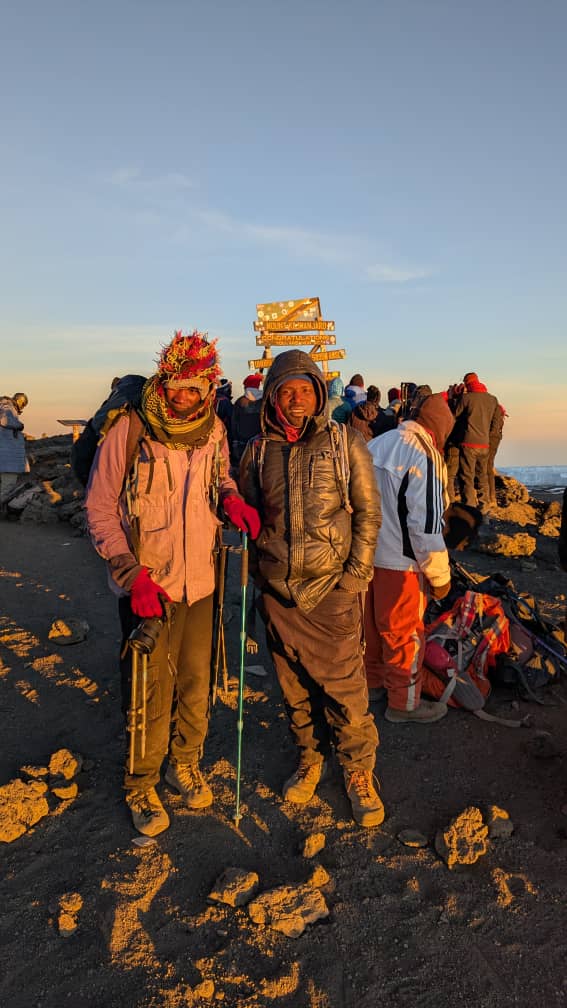
Understanding March Weather on Kilimanjaro for Your Packing Needs
March falls within Kilimanjaro’s second-rainy season, often referred to as the ‘long rains’ season, though it’s typically less intense than the April-May period. This means you should anticipate rain, mist, and higher humidity, especially on the lower slopes. However, conditions can vary significantly depending on the specific route and altitude. As you ascend, temperatures will drop dramatically, and precipitation can turn to snow or sleet at higher elevations. Wind chill is also a major factor. Therefore, a March Kilimanjaro packing and clothing guide must emphasize robust waterproofs and effective layering systems to manage the diverse microclimates you’ll encounter throughout your trek.
The average temperatures can range from around 20-25°C (68-77°F) at the base to below -10°C (14°F) at the summit, with wind chill making it feel even colder. While March is not the driest month, it often offers fewer crowds than the peak dry seasons (January-February and June-October). Understanding this weather pattern is the first step in building your comprehensive packing list for a 2026 or 2027 Kilimanjaro adventure.
The Layering System: Your Key to Comfort on Kilimanjaro
The foundation of any successful Kilimanjaro packing list, especially for a variable month like March, is a smart layering system. This approach allows you to adapt to changing temperatures and exertion levels by adding or removing garments. Top Guide Adventures strongly advises a three-layer system:
Base Layer: Wicking Away Moisture
The base layer is worn directly against your skin. Its primary job is to wick sweat away from your body to keep you dry and prevent chilling. Cotton is a poor choice as it retains moisture. Opt for:
- Moisture-wicking synthetic fabrics (polyester, nylon) or merino wool.
- Long-sleeved tops (2-3) and long johns (2 pairs). Consider different weights for varying temperatures. Lighter weights for the lower, warmer sections and heavier weights for higher, colder altitudes.
- Ensure a snug, comfortable fit without being restrictive.
Mid Layer: Insulation and Warmth
The mid-layer provides insulation, trapping body heat to keep you warm. You might use one or more mid-layers depending on the temperature. Good options include:
- Fleece jackets or pullovers (2-3). Fleece is lightweight, breathable, and insulates well even when damp.
- Down or synthetic insulated jacket. A puffer jacket is excellent for colder sections and summit night. Ensure it’s compressible for easy packing.
- Consider a vest for core warmth without adding too much bulk to the arms.
Outer Layer: Protection from the Elements
The outer layer is your shield against wind and rain. For March, this is arguably the most critical layer. It needs to be both waterproof and breathable.
- Waterproof and breathable jacket (hardshell). Look for GORE-TEX or similar technology. It should have a hood that can accommodate a hat and helmet.
- Waterproof trousers (hardshell). Full-length side zips are very useful for putting them on and taking them off over boots.
- A windproof jacket can also be useful, but a good hardshell often serves this purpose.
Essential Kilimanjaro Clothing Checklist for March
Beyond the layering system, specific clothing items are vital for a comfortable and safe Kilimanjaro trek in March. Top Guide Adventures recommends the following:
Headwear and Neckwear
- Warm hat: A wool or fleece hat that covers your ears is essential for retaining heat, especially at higher altitudes and during summit night.
- Balaclava or neck gaiter: Protects your face and neck from wind and cold. A buff or a thick scarf also works.
- Sun hat or wide-brimmed cap: Crucial for sun protection on lower, exposed sections.
- Sunglasses: High-quality sunglasses with UV protection are a must to prevent snow blindness and protect your eyes from the intense sun at altitude.
Handwear
- Liner gloves: Thin, moisture-wicking gloves for dexterity and warmth on milder days.
- Warm waterproof gloves or mittens: Essential for summit night and high-altitude sections. Mittens are generally warmer than gloves as they keep your fingers together.
- Waterproof outer shell for gloves/mittens: To wear over your insulated gloves for extra protection against wind and rain.
Footwear
Your feet are critical to your trekking success. Investing in good footwear is paramount.
- Hiking boots: Sturdy, waterproof, high-ankle hiking boots are non-negotiable. They should be well broken-in before your trek to prevent blisters. Ensure they have good grip and ankle support.
- Camp shoes or sandals: Lightweight footwear for use around camp to give your feet a break from boots. Crocs or sturdy sandals work well.
- Socks: You’ll need plenty of good quality hiking socks. Opt for wool or synthetic blends. Pack at least 5-7 pairs. Consider liner socks as well to help prevent blisters.
- Gaiters: Waterproof gaiters are highly recommended for March to prevent rain, mud, and scree from entering your boots.
Trousers and Shorts
- Hiking trousers (2-3 pairs): Lightweight, quick-drying, and comfortable. Zip-off trousers can be versatile. Avoid jeans or cotton trousers.
- Waterproof overtrousers: Essential for March. Ensure they are breathable and have full-length zips.
- Shorts (optional): For the very beginning of the trek if conditions are warm and dry.
Shirts and Tops
- Long-sleeved moisture-wicking shirts (3-4): For base layers and sun protection.
- T-shirts (2-3): For warmer sections. Again, choose synthetic or merino wool.
- Fleece jacket or pullover (2-3): As part of your mid-layer system.
- Insulated jacket (down or synthetic): Crucial for warmth at altitude and on summit night.
Underwear
- Moisture-wicking underwear. Pack enough for each day, or plan to wash and dry.
- Sports bras for women.
Specialized Gear for Kilimanjaro Treks
Beyond clothing, several pieces of specialized gear are essential for a Kilimanjaro climb, particularly in March. Top Guide Adventures ensures all our clients are well-informed about these necessities for their 2026-2027 expeditions.
Sleeping Bag
- Four-season sleeping bag: Kilimanjaro’s temperatures can drop well below freezing. A sleeping bag rated to at least -10°C to -20°C (14°F to -4°F) is highly recommended. Down bags are lighter and more compressible but lose insulation when wet; synthetic bags perform better in damp conditions.
- Sleeping bag liner: Adds extra warmth and keeps your sleeping bag cleaner. Silk or fleece liners are good options.
Backpack and Duffel Bag
- Daypack (30-40 liters): This is the backpack you’ll carry daily with essentials like water, snacks, rain gear, sunscreen, and your camera. It should have a comfortable harness and a rain cover.
- Duffel bag (80-100 liters): This is the main bag that your porters will carry. It should be waterproof or water-resistant, durable, and easy for the porters to handle. Avoid rigid suitcases.
Trekking Poles
Trekking poles are highly recommended for Kilimanjaro. They significantly reduce strain on your knees and ankles, improve balance, and help you navigate ascents and descents more easily. Ensure they are adjustable and sturdy.
Headlamp
A reliable headlamp with extra batteries is crucial, especially for summit night. You’ll need it for navigating in the dark, reaching your tent, and personal tasks. LED headlamps are bright and energy-efficient.
Water Bottles and Hydration System
Staying hydrated is vital for acclimatization and performance. You’ll need to carry sufficient water.
- Water bottles (2-3 liters capacity): Wide-mouthed Nalgene-type bottles are good as they are less likely to freeze than narrow ones.
- Hydration reservoir (CamelBak): Can be convenient, but ensure the hose is insulated or it may freeze at altitude. Many climbers prefer bottles for this reason in colder months.
- Water purification tablets or filter: As a backup, though your guides will provide boiled or treated water.
Sun Protection
The sun at high altitudes is intense, even on cloudy days.
- High SPF sunscreen (SPF 30-50+): Apply generously and reapply often.
- Lip balm with SPF: Protects your lips from sun and wind.
Footwear Details: Beyond Just Boots
Let’s elaborate on footwear, as it’s a common point of concern for Kilimanjaro climbers preparing for March. The conditions can be wet and muddy on lower slopes, and potentially icy or snowy higher up.
Choosing Your Kilimanjaro Hiking Boots
Your hiking boots are your most critical piece of gear. They need to:
- Be waterproof: Essential for March. Look for boots with GORE-TEX or similar waterproof membranes.
- Have good ankle support: To prevent twists and sprains on uneven terrain. Mid-to-high cut boots are recommended.
- Offer excellent grip: A sturdy rubber sole with deep lugs is necessary for traction on various surfaces, from mud to rock to scree.
- Be comfortable and well broken-in: This cannot be stressed enough. Wear your boots on several hikes before your trip to break them in and identify any pressure points or rubbing. Never wear brand-new boots on Kilimanjaro.
- Have sufficient insulation: While you’ll wear warm socks, some insulation in the boot itself is beneficial for colder sections.
Consider the weight of the boots. While durability and support are key, excessively heavy boots can lead to fatigue. Many climbers opt for sturdy, waterproof trekking boots rather than heavy mountaineering boots, as Kilimanjaro is technically a walk, albeit a very challenging one.
Socks: The Unsung Heroes
The right socks prevent blisters and keep your feet comfortable. For March, consider:
- Merino wool or synthetic blend hiking socks: These are superior to cotton. They wick moisture, provide cushioning, and offer warmth.
- Multiple pairs: Pack at least 5-7 pairs. You’ll want a clean, dry pair each day.
- Liner socks: Some people find wearing a thin liner sock under their main hiking sock helps wick away moisture and prevent friction, thus reducing blister risk.
- Thicker thermal socks: For summit night and colder mornings/evenings.
Camp Footwear
Your feet will thank you for a change of footwear at the end of a long trekking day. Lightweight, comfortable camp shoes are ideal.
- Crocs or lightweight sandals: Easy to slip on and off, breathable, and waterproof.
- Lightweight trainers: If you prefer closed shoes.
Gaiters: A March Essential
Gaiters cover the top of your boots and extend up your lower leg, creating a barrier against debris. For March, they are particularly useful for:
- Keeping mud and water out: Essential during rainy periods.
- Preventing scree and small stones from entering boots.
- Adding a layer of warmth.
Ensure your gaiters are waterproof and breathable.
Toiletries and Personal Items
While comfort is key, space and weight are also considerations. Pack toiletries mindfully.
- Sunscreen (SPF 30-50+) and lip balm with SPF.
- Insect repellent: While less of an issue at altitude, it’s useful for the lower sections and evenings.
- Hand sanitizer: Essential for hygiene, especially before meals.
- Wet wipes: For quick clean-ups.
- Personal medications: Bring more than you think you’ll need, with prescriptions if necessary.
- Basic first-aid kit: Include blister treatment (moleskin, Compeed), pain relievers, antiseptic wipes, bandages, and any personal items. Your guides will have a comprehensive kit, but personal supplies are important.
- Toothbrush and biodegradable toothpaste.
- Quick-dry towel.
- Toilet paper: Carry your own, as it’s not always provided in basic facilities or on the mountain.
- Moisturizer: For dry skin, especially at altitude.
Miscellaneous but Important Gear
These items often get overlooked but are crucial for a comfortable and safe climb.
Water Purification
While porters and guides provide boiled or treated water, it’s wise to carry your own purification method as a backup.
- Water purification tablets.
- A reliable water filter.
Camera and Electronics
- Camera with extra batteries and memory cards.
- Power bank or portable charger: For recharging devices.
- Headlamp (as mentioned, with spare batteries).
- Adapter for charging devices if needed.
Documents and Money
- Passport (and visa if required).
- Flight details.
- Travel insurance details.
- Cash (USD is widely accepted for tips and souvenirs). Carry smaller denominations.
- Credit/debit cards (as backup).
Trekking Poles
As previously mentioned, trekking poles are highly recommended for all Kilimanjaro climbs, especially in March when trails can be slippery.
Snacks
While meals are provided, carrying your own high-energy snacks can be a lifesaver. Think energy bars, nuts, dried fruit, and sweets. They provide a welcome boost during long trekking days.
What NOT to Pack for Kilimanjaro in March
Packing smart also means leaving unnecessary items behind. Excessive weight means more strain on you and the porters.
- Cotton clothing: As mentioned, cotton absorbs moisture and dries slowly, leading to chills.
- Jeans or heavy denim trousers: They are heavy, restrict movement, and are terrible when wet.
- Heavy suitcases: Duffel bags are required for porter transport.
- Valuables: Leave expensive jewelry or electronics you don’t need at home.
- Too many toiletries: Pack travel-sized items.
- New, un-broken-in footwear.
- Sleeping bags rated for warmer temperatures.
Packing Tips for March Kilimanjaro Climbs (2026-2027)
Beyond the list, how you pack can make a difference. Top Guide Adventures offers these practical tips for your 2026 or 2027 Kilimanjaro expedition:
- Waterproof Everything: Use dry bags or sturdy plastic bags inside your duffel bag and daypack to protect essential items from rain. Even with waterproof gear, extra protection is wise.
- Organize Your Daypack: Keep essentials easily accessible: water, snacks, rain gear, sunscreen, camera, warm hat, gloves, headlamp.
- Pack Layers Logically: Place items you’ll need most frequently (like rain gear or an extra fleece) at the top of your daypack.
- Duffel Bag Weight Limit: Most operators, including Top Guide Adventures, have a weight limit for duffel bags carried by porters (usually around 15kg/33lbs). Check with your operator.
- Break in Your Boots: We cannot emphasize this enough. Wear them on multiple hikes.
- Test Your Gear: Ensure your tent, sleeping bag, and stove (if you were carrying them, which you won’t be on a guided trek) are in good working order before you leave. For Kilimanjaro, this means ensuring your boots fit, your backpack is comfortable, and your headlamp works.
- Rent vs. Buy: Some items like sleeping bags, trekking poles, and even jackets can be rented. This can be cost-effective if you don’t plan to use them again. Inquire with Top Guide Adventures about rental options for your 2026-2027 climb.
- Pack Light, But Smart: Every item should serve a purpose. Avoid bringing anything you won’t absolutely need.
- Leave Room for Souvenirs: If you plan to buy any items in Moshi or Arusha, leave a little space in your luggage.
Route-Specific Considerations for March Packing
While the core packing list remains similar across routes, some minor adjustments might be considered depending on your chosen Kilimanjaro route for a March climb. Top Guide Adventures offers several routes, each with unique characteristics:
- Marangu Route (“Coca-Cola” Route): This route uses dormitory-style huts, so you don’t need a tent. However, the huts can be basic, and you’ll still need all your personal clothing and gear. March can be wet on this route.
- Machame Route (“Whiskey” Route): This is the most popular route and involves camping. It’s known for its scenic beauty but also its challenging terrain. March conditions on Machame require full waterproofs and warm layers.
- Lemosho Route: A longer, more remote route often considered one of the most beautiful. It involves camping and offers excellent acclimatization. March weather will be a factor, especially on the higher sections.
- Shira Route: Similar to Lemosho but starts at a higher altitude. Good for acclimatization but can be colder due to the starting elevation.
- Rongai Route: This route approaches from the north, which is generally drier. It might offer slightly less rain in March compared to southern routes, but you must still prepare for all conditions, as weather is unpredictable.
- Northern Circuit / Umbwe Route: These are longer and more challenging routes, requiring excellent physical condition and meticulous preparation, including comprehensive March packing.
Regardless of the route, the principles of layering and waterproofing remain paramount for any March Kilimanjaro trek in 2026 or 2027.
Preparing for Summit Night in March
Summit night is the most demanding part of the Kilimanjaro climb. Temperatures plummet to their lowest, often -15°C to -25°C (-5°F to -13°F), with significant wind chill. In March, you must be exceptionally well-prepared.
- Layer Up Heavily: Wear your base, mid, and outer layers. Add your insulated jacket and potentially a fleece over that.
- Extremities are Key: Ensure your head, hands, and feet are protected with your warmest gear. A balaclava, thick wool socks, and the warmest mittens are essential.
- Hand and Foot Warmers: Chemical hand and foot warmers can be a lifesaver on summit night. Pack a few pairs.
- Hydration: Drink plenty of water in the days leading up to summit night. Keep your water bottle insulated or in an inner pocket to prevent freezing.
- Snacks: High-energy, easily digestible snacks are crucial for fuel.
Your guides will advise you on the exact gear to wear for summit night, but having all these items packed and ready is vital.
Rental Gear Options for Your Kilimanjaro Trek
Not everyone wants to invest in expensive gear they might only use once. Top Guide Adventures understands this and offers rental services for key items to make your March 2026 or 2027 climb more accessible and convenient.
Commonly Rented Gear Items:
- 4-Season Sleeping Bags: Rated to -15°C or lower.
- Trekking Poles: Essential for stability and reducing strain.
- Waterproof Jackets and Trousers: High-quality outer shells.
- Insulated Jackets (Puffer Jackets): For crucial warmth.
- Warm Hats and Gloves.
Please contact Top Guide Adventures directly via WhatsApp at +255616946642 or email at topguideadventures@gmail.com to inquire about specific rental availability and pricing for your climb. We aim to provide quality gear to ensure your comfort and safety on Kilimanjaro.
Final Thoughts on Your March Kilimanjaro Packing List
A well-prepared packing strategy is fundamental to a successful and enjoyable Kilimanjaro climb, especially during March’s variable weather. By focusing on a robust layering system, high-quality waterproofs, and essential accessories, you can confidently tackle the diverse conditions the mountain presents. Remember that Kilimanjaro is a serious undertaking, and your gear is your primary tool for comfort and safety. For 2026 and 2027 expeditions, Top Guide Adventures is dedicated to helping you prepare thoroughly.
Don’t hesitate to reach out to us with any questions. Our team is ready to assist you in tailoring your packing list and ensuring you have everything needed for an unforgettable adventure on the Roof of Africa. Contact us via WhatsApp +255616946642 or email topguideadventures@gmail.com or info@topguideadventures.com.
“,
“faq_schema”: [
{
“question”: “What is the typical weather like on Kilimanjaro in March?”,
“answer”: “March falls within Kilimanjaro’s second rainy season. You should expect rain, mist, and higher humidity, particularly on the lower slopes. Temperatures vary significantly, from warm at the base to freezing at the summit. Higher altitudes can experience snow or sleet, and wind chill is a major factor. Therefore, robust waterproofs and effective layering are essential for any March climb in 2026-2027.”
},
{
“question”: “What are the most critical clothing items for a March Kilimanjaro climb?”,
“answer”: “The most critical items are waterproof and breathable outer layers (jacket and trousers), warm mid-layers (fleece or down jacket), moisture-wicking base layers, sturdy waterproof hiking boots, warm hat and gloves, and good quality socks. Proper layering is key to adapting to the rapidly changing conditions on the mountain.”
},
{
“question”: “Do I need a sleeping bag rated for freezing temperatures for a March climb?”,
“answer”: “Yes, absolutely. Even in March, temperatures at higher altitudes, especially on summit night, can drop well below freezing. A four-season sleeping bag rated to at least -10°C to -20°C (14°F to -4°F) is highly recommended to ensure you stay warm and comfortable during the cold nights.”
},
{
“question”: “Can I rent gear for my Kilimanjaro trek in March 2026?”,
“answer”: “Yes, Top Guide Adventures offers rental services for essential gear such as 4-season sleeping bags, trekking poles, waterproof jackets and trousers, and insulated jackets. Contacting us directly via WhatsApp (+255616946642) or email (topguideadventures@gmail.com) will provide you with the most up-to-date information on rental availability and pricing for your 2026 or 2027 climb.”
},
{
“question”: “What kind of footwear is best for Kilimanjaro in March?”,
“answer”: “Sturdy, waterproof, high-ankle hiking boots that are well broken-in are essential. They should offer good grip and ankle support. You’ll also need several pairs of moisture-wicking socks (wool or synthetic blends) and gaiters to keep mud and water out of your boots, which are particularly useful during the wetter March season.”
}
]
}
“`
Check Availability for March Kilimanjaro Packing And Clothing Guide 2026-2027
Ready to compare dates, prices, and the best option for your group? Send the package name and travel month so the team can reply with a clear quote, availability, and what is included.
What Happens If You Miss Your Kilimanjaro Departure? Guide
If you miss your scheduled Kilimanjaro departure, your trek may be cancelled, and you could forfeit your deposit and payments. Rebooking is often possible but incurs additional costs and...
View package details
What Does Kilimanjaro Rainforest Look Like? A Trekkers Visual Guide 2026-2027
The Kilimanjaro rainforest is a vibrant, humid zone of dense vegetation, towering trees, and diverse plant life found on the mountain's lower slopes. It's the first major ecosystem trekkers...
View package details
Kilimanjaro Climb With A Personal Support Assistant: Your Ultimate Guide
Climbing Mount Kilimanjaro with a personal support assistant offers unparalleled safety, comfort, and focus on your summit goals. This guide details what a personal assistant entails, its...
View package details
How To Know Whether You Are Ready For Kilimanjaro: A Comprehensive Guide
Climbing Mount Kilimanjaro is a significant undertaking. This guide helps you evaluate your physical, mental, and logistical readiness to ensure a safe and successful trek in 2026 or 2027...
View package details
Kilimanjaro Hydration Mistakes Climbers Make And How To Avoid Them 2026-2027
Proper hydration is critical for a successful Kilimanjaro climb. This guide details common hydration mistakes climbers make, from under-drinking to choosing the wrong fluids, and provides...
View package details
Kilimanjaro Altitude-Sickness Mistakes 2026-2027
Kilimanjaro Altitude-Sickness Mistakes is explained with current 2026-2027 planning, price, itinerary and booking information.
View package details
Kilimanjaro Summit-Night Mistakes To Avoid: Your Essential Guide For Climbs
Summit night on Kilimanjaro is the most challenging part of the climb. Avoiding common mistakes in acclimatization, gear, hydration, and pacing is crucial for success. This guide details...
View package details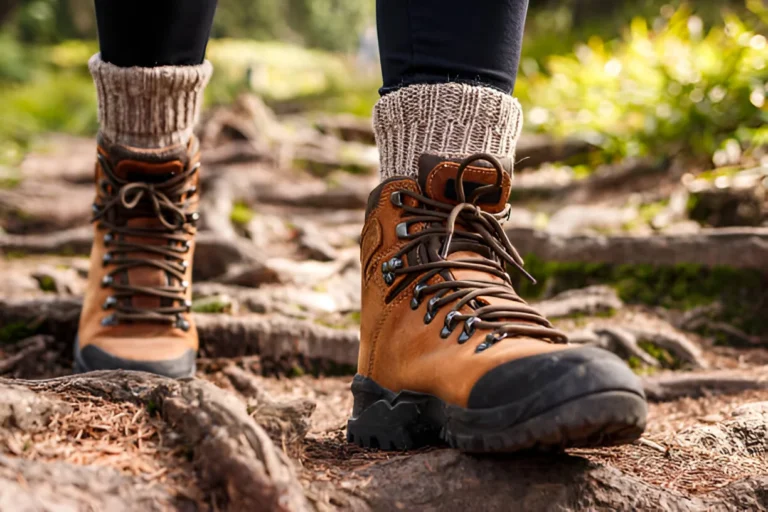
Kilimanjaro Training Mistakes That Reduce Summit Success 2026-2027
Kilimanjaro Training Mistakes that Reduce Summit Success is explained with current 2026-2027 planning, price, itinerary and booking information.
View package details
Kilimanjaro Personal Porter Vs Standard Support 2026-2027
Kilimanjaro Personal Porter vs Standard Porter Support is explained with current 2026-2027 planning, price, itinerary and booking information.
View package details
Kilimanjaro Airport Vs Arusha For Climbers: The Definitive Guide 2026-2027
A comprehensive comparison of Kilimanjaro International Airport (JRO) and Arusha Airport (ARK) for trekkers planning a Mount Kilimanjaro climb, detailing pros, cons, and booking advice for...
View package details
Kilimanjaro Climb For Retired Couples: Planning Your Adventure 2026-2027
Planning a Kilimanjaro climb as a retired couple is an achievable and rewarding goal. This guide offers in-depth advice on route selection, physical preparation, essential gear, and the...
View package detailsKilimanjaro Training Plan For Climbers Over 60 2026-2027
Kilimanjaro Training Plan for Climbers over 60 is explained with current 2026-2027 planning, price, itinerary and booking information.
View package detailsNo related package matches those filters. Clear one or more filters to see the other topic-matched options.



