
The March Kilimanjaro summit temperature typically ranges from -7°C to -20°C (19°F to -4°F), with wind chill significantly impacting the perceived cold. March falls within Kilimanjaro’s shoulder season, transitioning from the wetter season, meaning you can expect variable weather, including sunshine, clouds, and potential snow or sleet near the summit, especially in the early part of the month. Proper layering and high-quality gear are crucial for managing these temperatures during your 2026 or 2027 climb.
Understanding Kilimanjaro’s Climate in March
Kilimanjaro, standing at a majestic 5,895 meters (19,341 feet), is not just a mountain; it’s a world unto itself, boasting diverse climatic zones that change dramatically with altitude. When planning a climb for March, understanding these microclimates, especially the extreme conditions at the summit, is paramount. March is a transitional month on Kilimanjaro, often marking the tail end of the second rainy season (November to March). This means that while it’s not the absolute wettest time, conditions can be unpredictable, and the summit temperatures are a significant consideration for any trekker.
The March Kilimanjaro summit temperature is a critical piece of information for anyone considering a climb during this period. While the average temperatures are frigid, the actual experience can vary based on specific weather patterns, wind speed, and precipitation. For trekkers aiming for the roof of Africa in 2026 or 2027, early planning that incorporates detailed weather expectations is key to a safe and enjoyable expedition.
The Impact of Altitude on Temperature
The fundamental principle governing Kilimanjaro’s climate is the drastic temperature drop with increasing altitude. This is a global phenomenon known as the lapse rate. For every 1,000 meters (approximately 3,281 feet) you ascend, the temperature decreases by about 6.5°C (11.7°F). At the summit, Uhuru Peak, you are far above the cloud line and in the thin, cold air of the alpine desert and arctic zones. This makes the March Kilimanjaro summit temperature considerably lower than what you might experience at base camps or even at the treeline.
Consider these altitude-temperature correlations:
- Base Camp (e.g., Marangu Gate, ~1,860m / 6,100ft): Temperatures can be pleasant, often ranging from 20°C to 27°C (68°F to 81°F) during the day, dropping to 10°C to 15°C (50°F to 59°F) at night.
- Rainforest Zone (e.g., Mandara Huts, ~2,700m / 8,860ft): Daytime temperatures might be 15°C to 20°C (59°F to 68°F), with nights around 7°C to 12°C (45°F to 54°F).
- Moorland Zone (e.g., Horombo Huts, ~3,720m / 12,205ft): Days are cooler, 10°C to 15°C (50°F to 59°F), and nights can dip below freezing, 0°C to 5°C (32°F to 41°F).
- Alpine Desert Zone (e.g., Kibo Huts, ~4,720m / 15,485ft): Days are cold, around 5°C to 10°C (41°F to 50°F), and nights are significantly below freezing, -5°C to 0°C (23°F to 32°F).
- Summit (Uhuru Peak, 5,895m / 19,341ft): This is where the extreme cold sets in. The March Kilimanjaro summit temperature is consistently below freezing, typically ranging from -7°C to -20°C (19°F to -4°F) and can feel even colder with wind.
March: A Shoulder Month on Kilimanjaro
March is considered a shoulder month for Kilimanjaro climbing. It follows the peak dry season (January-February) and precedes the main rainy season (April-May). The weather in March can be a mixed bag. While the heavy rains of April and May are usually not yet in full force, there’s still a good chance of precipitation, especially in the earlier weeks. This means that the conditions on the mountain can change rapidly.
What this means for the March Kilimanjaro summit temperature and overall trek:
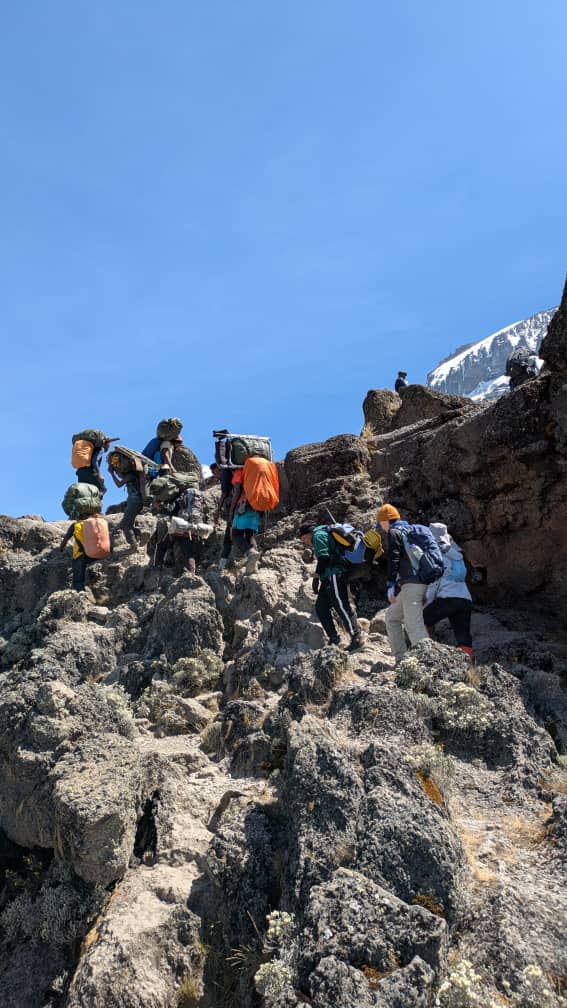
- Variable Conditions: You might experience sunny days, cloudy afternoons, and rainy or even snowy spells. The higher you go, the more likely you are to encounter snow and ice, particularly on the summit night.
- Potential for Sleet and Snow: While not guaranteed, sleet and snow flurries are possible, especially at higher altitudes and near the summit. This adds to the challenge and requires appropriate gear.
- Fewer Crowds: Compared to the peak dry seasons of January-February and June-September, March generally sees fewer climbers. This can be an advantage for those who prefer a less crowded experience on the trails and at campsites.
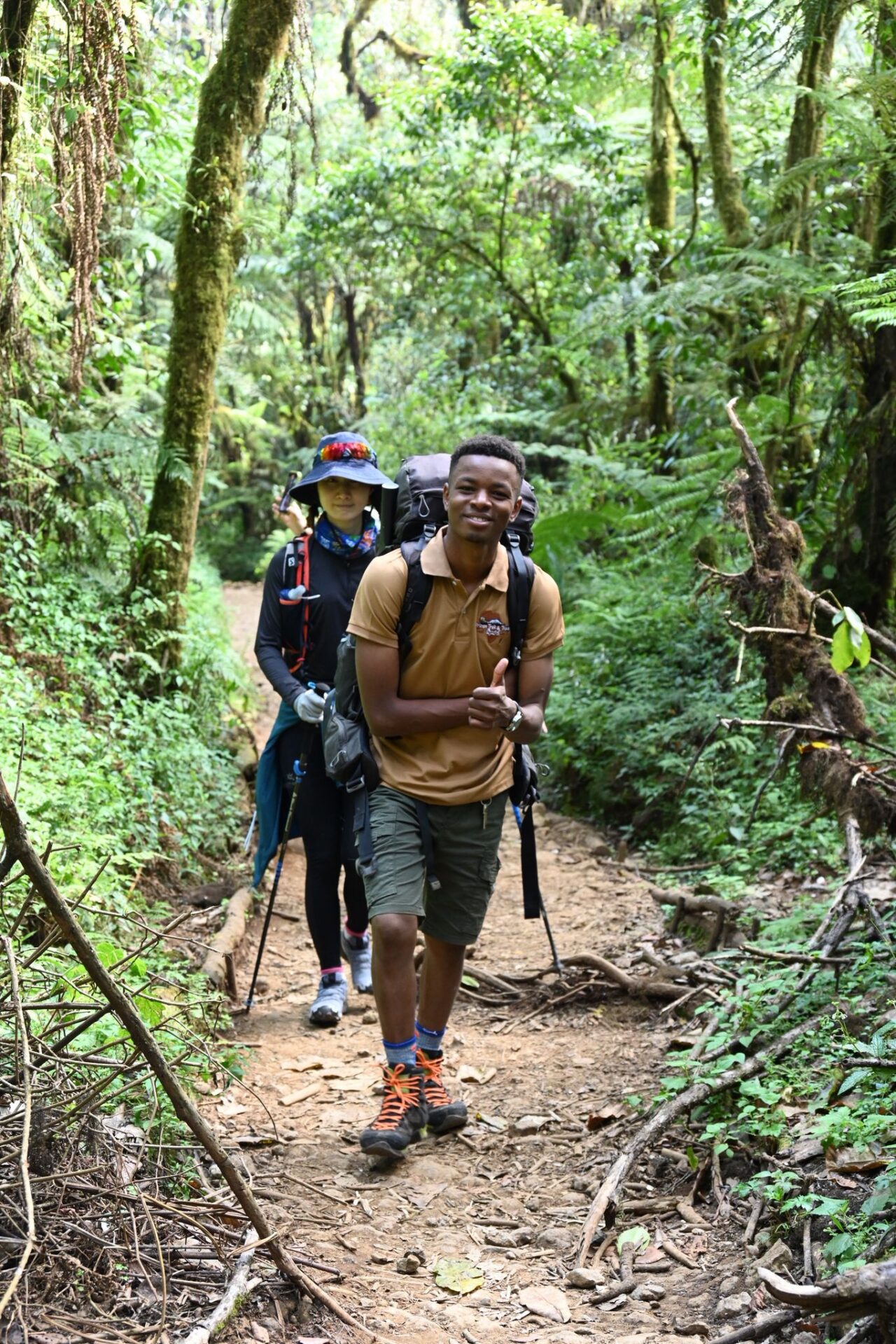
- Greener Scenery: The recent rains often leave the lower slopes looking lush and green, offering beautiful scenery during the initial days of your trek.
For those planning a climb in 2026 or 2027, booking during March can offer a good balance between manageable weather (though unpredictable) and fewer people on the mountain.
Specific Temperature Expectations for the March Summit Bid
When we talk about the March Kilimanjaro summit temperature, we’re primarily focusing on the conditions encountered during the final ascent, which typically begins late at night from Kibo Hut (around 4,720m) and aims to reach Uhuru Peak around sunrise. This is the most challenging part of the trek, and the cold is a significant factor.
Daytime vs. Summit Night Temperatures
It’s crucial to differentiate between daytime temperatures at higher camps and the extreme cold experienced during the summit push. While daytime temperatures at Kibo Hut might hover around freezing or slightly below, the summit night is a different story.
Daytime at Kibo Hut (approx. 4,720m / 15,485ft) in March:
- Temperatures can range from -5°C to 5°C (23°F to 41°F).
- Sunny periods can feel warmer, but strong winds can make it feel much colder.
- Nights here will be significantly colder, often dropping to -10°C to -15°C (14°F to 5°F).
Summit Night/Morning (Uhuru Peak, 5,895m / 19,341ft) in March:
- The average March Kilimanjaro summit temperature is between -7°C and -20°C (19°F to -4°F).
- This is the air temperature. Wind chill can easily make it feel 10-20°C colder.
- Wind speeds can be high, especially at Stella Point and Uhuru Peak.
- Precipitation like light snow or sleet is possible and will exacerbate the cold.
The Role of Wind Chill
Wind chill is a critical factor that cannot be overstated when discussing the March Kilimanjaro summit temperature. The wind strips away the insulating layer of warm air close to your skin, making the perceived temperature much lower than the actual air temperature. On summit night, winds can gust significantly, turning a cold -10°C into a biting -25°C or colder. This is why windproof outer layers are absolutely essential.
When packing for your 2026 or 2027 climb, always consider the wind chill factor. Your clothing system needs to protect you from both the ambient cold and the convective cooling effect of the wind.
Precipitation in March and Its Effect on Temperature
As a shoulder month, March can still experience rainfall, particularly on the lower and middle slopes. While this is less common at the summit itself, any precipitation at high altitude will be in the form of snow, sleet, or freezing rain. This not only makes the terrain more challenging (slippery, icy) but also significantly increases the feeling of cold and the risk of hypothermia.
If it snows heavily during your summit night, the March Kilimanjaro summit temperature might not be the primary concern; visibility and the ability to navigate the snow-covered paths become critical. This is another reason why experienced guides are indispensable.
Key Takeaway for March Summit Temperatures
Expect extreme cold at the summit in March, comparable to other months, but with a higher chance of encountering wet conditions and strong winds. The March Kilimanjaro summit temperature requires robust cold-weather gear, meticulous layering, and a resilient mindset. Always prepare for the worst-case scenario regarding weather, even during shoulder seasons.
Choosing Your Route for a March Climb
While the March Kilimanjaro summit temperature remains relatively consistent across the mountain’s peak, the choice of route can influence your overall experience regarding weather exposure and scenery. Some routes might offer slightly better shelter or different microclimates on their lower sections.
Popular Routes and March Conditions
The most popular routes, such as Machame, Lemosho, and Marangu, all ascend to the same summit. The primary difference lies in their acclimatization profiles, duration, and scenic beauty.
- Machame Route: Known as the ‘Whiskey Route’, it’s popular for its excellent acclimatization profile (‘climb high, sleep low’). In March, the lower rainforest sections can be wet and muddy, requiring waterproof gear. The higher alpine desert and arctic zones will experience the typical cold, with the summit temperature being the main concern.
- Lemosho Route: A longer, more scenic route that also offers good acclimatization. Similar to Machame, expect potentially wet conditions in the lower forest in March. The extended duration aids acclimatization, which is beneficial given the unpredictable weather.
- Marangu Route: The ‘Coca-Cola Route’ is the only route with hut accommodation. Its direct ascent means acclimatization is less ideal. March can bring rain, making the paths muddy. The huts offer a dry refuge, which is a plus, but the summit conditions remain the same extreme cold.
- Northern Circuit: The longest route, offering the best acclimatization. In March, the extended time on the mountain allows for better adaptation to altitude and potentially navigating through varied weather, including the cold summit temperatures.
- Rongai Route: Approaches from the north, drier side of the mountain. This might offer slightly less rain on the initial days compared to routes starting from the south in March, but the summit conditions remain unaffected by the approach side.
Impact of Route Choice on March Weather Exposure
While the March Kilimanjaro summit temperature is consistent, the lower and middle sections of routes starting from the south (Machame, Lemosho, Marangu) are more exposed to moisture from the prevailing winds. The Rongai route, approaching from the drier northern side, might offer slightly drier conditions in the early days of the trek. However, once you reach the alpine zone and the summit, all routes converge, and the extreme cold is universal.
For a March climb, prioritizing routes with better acclimatization profiles like the Machame, Lemosho, or Northern Circuit is often recommended. Good acclimatization is your best defense against altitude sickness, which can be compounded by the physical stress of dealing with cold and potentially wet weather.
Essential Gear for March Kilimanjaro Treks
Given the extreme March Kilimanjaro summit temperature, proper gear is not just about comfort; it’s about safety. A multi-layered clothing system is essential to manage the fluctuating temperatures and conditions you’ll encounter from the base of the mountain to its peak.
Clothing Layers for Kilimanjaro in March
- Base Layers: Moisture-wicking thermal tops and bottoms (merino wool or synthetic). These keep you dry by drawing sweat away from your skin.
- Mid Layers: Fleece jackets or vests. These provide insulation. You might need one or two depending on the temperature.
- Insulation Layer: A warm, puffy jacket (down or synthetic fill) is crucial for warmth during breaks and especially for summit night.
- Outer Layer (Shell): Waterproof and windproof jacket and trousers (Gore-Tex or similar). This is your primary defense against wind, rain, and snow, protecting you from the elements and preserving your body heat, especially critical for the summit bid in the cold March Kilimanjaro summit temperature.
- Trekking Trousers: Comfortable, quick-drying hiking trousers. Avoid jeans. Consider waterproof overtrousers.
- Headwear: A warm, insulated hat that covers your ears is vital. A balaclava or neck gaiter is also highly recommended for face protection against the wind and cold.
- Gloves: You’ll need multiple pairs: thin liner gloves for dexterity, and thick, waterproof, insulated outer gloves or mittens for the summit. Consider bringing a spare pair in case one gets wet.
- Socks: Several pairs of warm, moisture-wicking hiking socks (wool or synthetic blend). Avoid cotton.
Footwear Recommendations
Your feet are critical for completing the trek. Cold, wet feet can lead to blisters, frostbite, and a miserable experience.
- Hiking Boots: Sturdy, waterproof, broken-in hiking boots with good ankle support are essential. Ensure they are large enough to accommodate thick socks without being too tight, as restricted circulation worsens cold.
- Camp Shoes/Sandals: Lightweight footwear for wearing around camp to let your feet breathe and rest.
- Gaiters: Waterproof gaiters will keep mud, snow, and scree out of your boots, especially useful during March’s potentially wet conditions.
Other Essential Gear for March Climbs
Beyond clothing and footwear, several other items are indispensable for a March Kilimanjaro climb, especially considering the cold summit temperatures.
- Sleeping Bag: A 4-season sleeping bag rated to at least -15°C (5°F) or -20°C (-4°F) is recommended for Kilimanjaro in general, and especially for March.
- Sleeping Bag Liner: Adds extra warmth and keeps your sleeping bag cleaner.
- Trekking Poles: Crucial for stability on steep ascents and descents, and they help reduce strain on your knees, especially on icy or slippery terrain.
- Headlamp: Essential for navigating in the dark during the summit push. Bring spare batteries, as cold drains them faster.
- Sunglasses: High-quality, UV-protective sunglasses are needed to shield your eyes from the intense sun and glare off snow or ice.
- Sunscreen and Lip Balm: High SPF sunscreen and SPF lip balm are vital, as the sun is strong at altitude, even when cold.
- Water Bottles/Hydration Reservoir: Carry at least 3 liters. Insulated covers for water bottles are highly recommended to prevent water from freezing.
- Duffel Bag: A large, waterproof duffel bag for your main gear, carried by porters.
- Daypack: A comfortable daypack (30-40 liters) for essentials you need during the day: water, snacks, extra layers, camera, sunscreen, headlamp.
Gear Tip for March
When choosing gear for the March Kilimanjaro summit temperature, prioritize waterproof and windproof outer layers, warm insulation, and multiple glove/sock options. Don’t underestimate the need for insulated water bottle carriers to prevent freezing during your summit night. Proper gear can make the difference between a successful summit and a challenging ordeal.
Training and Acclimatization for a March Climb
Successfully summiting Kilimanjaro, especially during a month like March with its potential for challenging weather and cold summit temperatures, hinges on two critical factors: physical fitness and proper acclimatization. The March Kilimanjaro summit temperature demands a body that is well-prepared and a mind that is resilient.
Physical Preparation
Kilimanjaro is a demanding trek, not a technical climb, but its altitude and duration require significant physical conditioning. The goal of training is to build cardiovascular endurance and leg strength.
- Cardiovascular Training: Engage in regular aerobic activities like hiking, running, cycling, or swimming for at least 3-4 times a week for several months leading up to your climb. Focus on activities that mimic hiking uphill.
- Strength Training: Concentrate on leg muscles (quadriceps, hamstrings, calves) and core strength. Squats, lunges, step-ups, and calf raises are beneficial.
- Hiking Practice: The best training is hiking, ideally with a weighted backpack. Aim for long hikes (4-6 hours) on consecutive days if possible, simulating the multi-day nature of the trek. Practice hiking in varied weather conditions, including cold and wind, to get accustomed to what you might face in March.
- Stair Climbing: Use stair machines or actual stairs to build leg endurance, carrying a pack if possible.
Acclimatization Strategies
Altitude sickness is the most common reason for climbers not reaching the summit. Proper acclimatization is your best defense, and it’s crucial regardless of the month, including March with its demanding summit conditions.
- Choose a Longer Route: Routes like the Northern Circuit, Lemosho, or Machame offer better acclimatization profiles than shorter routes like Marangu. They generally take more days, allowing your body to adjust gradually to the decreasing oxygen levels.
- Ascend Slowly: The principle of ‘climb high, sleep low’ is vital. This means ascending to a higher altitude during the day and then descending to a lower camp to sleep. This process helps your body produce more red blood cells to carry oxygen.
- Stay Hydrated: Drink plenty of water (3-4 liters per day) throughout your trek. Dehydration can mimic or worsen altitude sickness symptoms.
- Avoid Alcohol and Smoking: These substances can impair acclimatization.
- Listen to Your Body: Pay close attention to any symptoms of altitude sickness (headache, nausea, dizziness, fatigue). Communicate these to your guide immediately. Your guide is trained to assess these symptoms and make necessary decisions for your safety, which might include descending.
- Consider Diamox (Acetazolamide): Some climbers use Diamox to aid acclimatization. Consult your doctor well in advance of your trip to discuss its suitability, dosage, and potential side effects.
By combining rigorous physical training with a smart acclimatization strategy, you significantly increase your chances of not only reaching the summit but also enjoying the experience, even with the challenging March Kilimanjaro summit temperature.
Safety Considerations for March Climbs
Climbing Kilimanjaro is a serious undertaking, and safety must be the top priority. The March Kilimanjaro summit temperature, combined with potential for variable weather, means specific safety precautions are necessary.
Altitude Sickness (Acute Mountain Sickness – AMS)
As mentioned, AMS is the primary risk. Symptoms can range from mild to severe and life-threatening (High Altitude Cerebral Edema – HACE, and High Altitude Pulmonary Edema – HAPE). The best prevention is slow ascent and good acclimatization. If symptoms appear, they must be reported to your guide immediately. The guide will assess the situation and may recommend descending, which is often the only cure.
Hypothermia
The cold temperatures, especially at the summit in March, pose a significant risk of hypothermia. This occurs when your body loses heat faster than it can produce it. Symptoms include shivering, confusion, slurred speech, and drowsiness.
- Prevention: Wear appropriate layers, including waterproof and windproof outer shells. Stay dry. Keep moving during the summit ascent to generate body heat. Eat and drink adequately.
- Recognition: Be aware of the symptoms in yourself and your fellow climbers. Report any signs immediately.
Frostbite
Frostbite is a risk to exposed skin in extreme cold, particularly during the summit night. Fingers, toes, nose, and ears are most susceptible.
- Prevention: Wear insulated gloves and mittens, warm socks, and protective headwear/balaclava. Keep moving to maintain circulation. Ensure boots are not too tight.
- Recognition: Look for skin that turns white or grayish-yellow, feels numb, or looks waxy.
Weather Hazards
March weather can be unpredictable. High winds, snow, sleet, and reduced visibility can occur, especially near the summit. These conditions make the trek more physically demanding and increase the risk of getting lost or experiencing accidents.
- Preparation: Always have reliable navigation tools (though your guide will lead) and ensure your gear is fully waterproof and windproof.
- Awareness: Stay aware of changing weather conditions and heed your guide’s advice.
The Role of Your Guide and Support Team
Your guides and support crew are trained professionals. They are responsible for your safety and well-being.
- Communication: Maintain open communication with your guide about how you are feeling.
- Following Instructions: Trust their judgment regarding weather, route conditions, and your health. They are experienced in handling emergencies and making critical decisions, especially concerning the extreme March Kilimanjaro summit temperature.
Prioritizing Safety in March
While the March Kilimanjaro summit temperature is a primary concern, remember that altitude sickness and hypothermia are significant risks year-round. Proper preparation, appropriate gear, excellent acclimatization, and constant communication with your guide are essential for a safe and successful climb in March 2026 or 2027.
Planning Your 2026-2027 Kilimanjaro Climb in March
Deciding to climb Kilimanjaro in March for your 2026 or 2027 adventure requires specific planning considerations beyond general trek preparation. Understanding the nuances of this shoulder season will help you make informed decisions.
Booking Your Trek
When booking, especially for a March climb, consider the following:
- Tour Operator Reputation: Choose a reputable tour operator like Top Guide Adventures, known for experienced guides, quality equipment, and a strong safety record.
- Route Choice: As discussed, longer routes with better acclimatization profiles are generally recommended for March.
- Group vs. Private Trek: A private trek offers more flexibility, which can be beneficial if weather forces itinerary changes. Group departures can be more budget-friendly.
- Inclusions: Ensure your package includes essential gear (like tents, cooking equipment), park fees, qualified guides, porters, and meals. Some operators offer gear rental, which can be cost-effective.
Packing for March
Re-emphasize the importance of layering and waterproof/windproof gear. Your packing list should be comprehensive, focusing on protection against the cold March Kilimanjaro summit temperature and potential precipitation. A detailed packing list provided by your tour operator is invaluable.
Travel Insurance
Comprehensive travel insurance is non-negotiable. Ensure it covers:
- High-altitude trekking up to 6,000 meters.
- Emergency medical evacuation (helicopter rescue).
- Trip cancellation and interruption.
Visa and Vaccinations
Check the visa requirements for Tanzania well in advance of your 2026 or 2027 trip. Consult your doctor or a travel clinic about recommended vaccinations and malaria prophylaxis, as Kilimanjaro is in a malaria-endemic region, though the risk is lower at higher altitudes.
When in March is Best?
The first half of March tends to be more transitional, potentially carrying over some of the wetter conditions from February. The latter half of March might see slightly drier weather as it moves towards the main rainy season. However, weather is inherently unpredictable. Whichever week you choose in March, prepare for variable conditions.
Comparing March to Other Months
Understanding how March compares to other months can help solidify your decision.
- January-February: Generally considered the driest and warmest months, with excellent summit conditions and clear skies. The March Kilimanjaro summit temperature is similar, but March has a higher chance of rain.
- April-May: These are the wettest months, with heavy rainfall common. Climbing is generally not recommended.
- June-October: This is the main dry season, characterized by cooler temperatures and clear skies. It’s a popular time to climb, meaning more crowds and potentially higher prices. The summit temperatures are similar to March, but with less precipitation risk.
- November-December: This period marks the short rainy season. Conditions can be variable, with sunshine mixed with rain showers. Temperatures are moderate.
March offers a compromise: fewer crowds than the peak dry seasons, but a higher probability of encountering rain than in January-February or June-October. The March Kilimanjaro summit temperature itself is not significantly different from other months, but the overall weather system can be more dynamic.
Frequently Asked Questions about March Kilimanjaro Climbs
Here are some common questions travelers have about climbing Kilimanjaro in March.
Is March a good month to climb Kilimanjaro?
March is a shoulder month. It can be a good time for those seeking fewer crowds and potentially lower prices than peak season. However, it’s part of the second rainy season, so expect variable weather, including rain showers, especially on lower slopes. The March Kilimanjaro summit temperature is cold, similar to other months, but the overall conditions can be less predictable than in the main dry seasons.
What is the average temperature at Kilimanjaro summit in March?
The average March Kilimanjaro summit temperature ranges from -7°C to -20°C (19°F to -4°F). Wind chill can make it feel significantly colder. Always prepare for extreme cold.
Will it rain on Kilimanjaro in March?
Yes, there is a possibility of rain in March, especially on the lower and middle sections of the mountain, as it’s part of the second rainy season. Higher altitudes might experience snow or sleet. While not as wet as April or May, rain is more likely than during the main dry seasons.
What gear is essential for a March climb?
Essential gear includes a multi-layered clothing system (base, mid, insulation, waterproof/windproof outer layers), warm sleeping bag, waterproof boots, warm hat, gloves (multiple pairs), and sunglasses. Given the March Kilimanjaro summit temperature, prioritize thermal protection and waterproofing.
Are there fewer crowds in March?
Generally, yes. March sees fewer climbers compared to the peak dry seasons of January-February and June-September. This can lead to a more serene trekking experience.
How does the March summit temperature compare to other months?
The March Kilimanjaro summit temperature is consistently cold, similar to most other months. The main difference lies in the increased likelihood of precipitation and wind during March, which can make the cold feel more severe.
Should I book a 2026 or 2027 March climb now?
It’s advisable to book your 2026 or 2027 Kilimanjaro climb at least 6-12 months in advance, especially if you have specific date preferences or are looking for a private trek. This ensures availability and allows ample time for preparation.
Your March Kilimanjaro Adventure with Top Guide Adventures
Choosing to climb Kilimanjaro in March for your 2026 or 2027 expedition means you’re opting for a unique experience. While the March Kilimanjaro summit temperature presents a cold challenge, the potential for fewer crowds and lush scenery on the lower slopes can be rewarding. At Top Guide Adventures, we are dedicated to making your Kilimanjaro climb safe, memorable, and successful.
We understand the intricacies of Kilimanjaro’s climate and tailor our expeditions to ensure you are well-prepared for every condition, including the extreme cold at the summit. Our experienced guides are trained in high-altitude mountaineering and first aid, prioritizing your safety above all else. We offer various routes, focusing on those with excellent acclimatization profiles, which are particularly beneficial during transitional months like March.
Whether you are planning for 2026 or 2027, let us help you craft the perfect Kilimanjaro adventure. We provide comprehensive support from the moment you inquire to the moment you stand triumphantly on Uhuru Peak. Get in touch with us to discuss your climb, understand our itineraries, and prepare for the incredible journey ahead.
Contact us today:
- WhatsApp: +255616946642
- Email: topguideadventures@gmail.com
- Backup Email: info@topguideadventures.com
Let Top Guide Adventures be your trusted partner in conquering Kilimanjaro, no matter the month.
Check Availability for March Kilimanjaro Summit Temperature: What To Expect For Your Climb…
Ready to compare dates, prices, and the best option for your group? Send the package name and travel month so the team can reply with a clear quote, availability, and what is included.

December Kilimanjaro Summit Temperature: What To Expect In 2026-2027
Planning a Kilimanjaro climb in December? Understand the extreme cold at the summit, essential gear, and how to prepare for the challenging conditions expected in 2026-2027.
View package details
March Kilimanjaro Solo Traveller Group: Your Ultimate Guide For 2026-2027
Planning to climb Kilimanjaro solo in March? This guide connects you with group departures specifically for solo travellers, covering routes, costs, preparation, and what to expect in...
View package details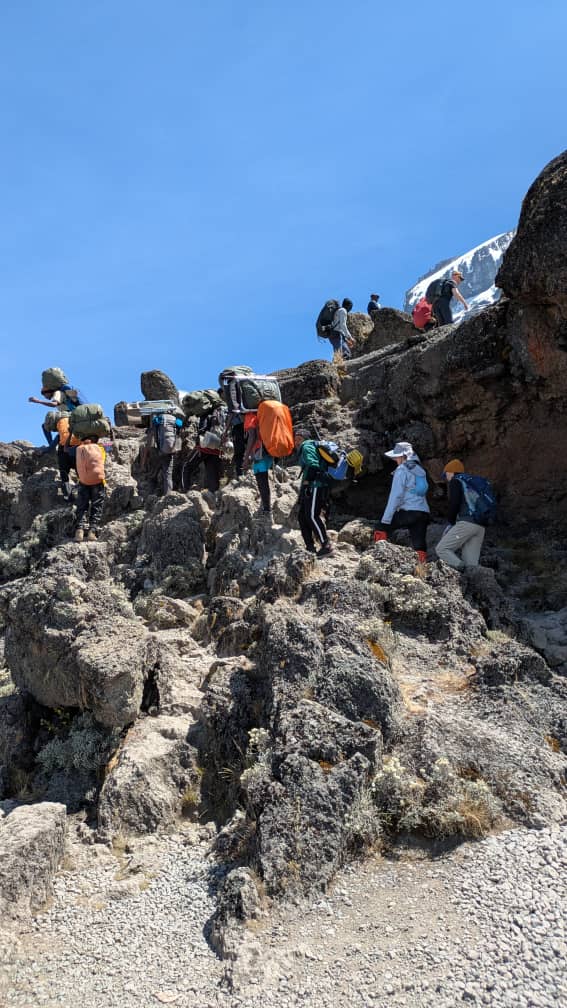
Best Kilimanjaro Route For A May Summit In : Your Expert Guide 2026-2027
Planning a Kilimanjaro climb in May? This guide details the best routes for a successful summit, considering weather patterns, acclimatization, and scenery for your 2026-2027 adventure.
View package details
March Kilimanjaro Climb For Couples: Your Ultimate Guide 2026-2027
Planning a Kilimanjaro climb for couples in March? This guide covers everything from ideal routes and weather conditions to essential packing advice and booking considerations for your...
View package details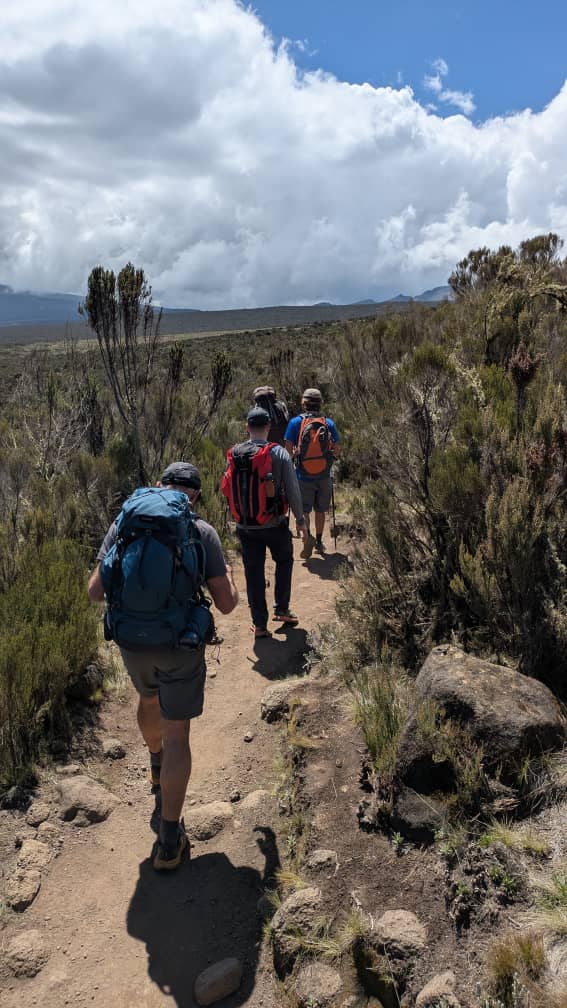
December Kilimanjaro Full-Moon Summit Trek: Your Ultimate Guide 2026-2027
start an unforgettable December Kilimanjaro full-moon summit trek. This guide details routes, preparation, and the unique magic of climbing under a full moon in 2026-2027, with expert...
View package details
November Kilimanjaro Summit Night Weather: What To Expect And How To Prepare
Climbing Kilimanjaro in November? This guide details the summit night weather, including temperature ranges, wind chill, precipitation chances, and crucial preparation tips for a successful...
View package details
November Kilimanjaro Full-Moon Summit Climb 2026-2027
November Kilimanjaro Full-Moon Summit Climb is explained with current 2026-2027 planning, price, itinerary and booking information.
View package details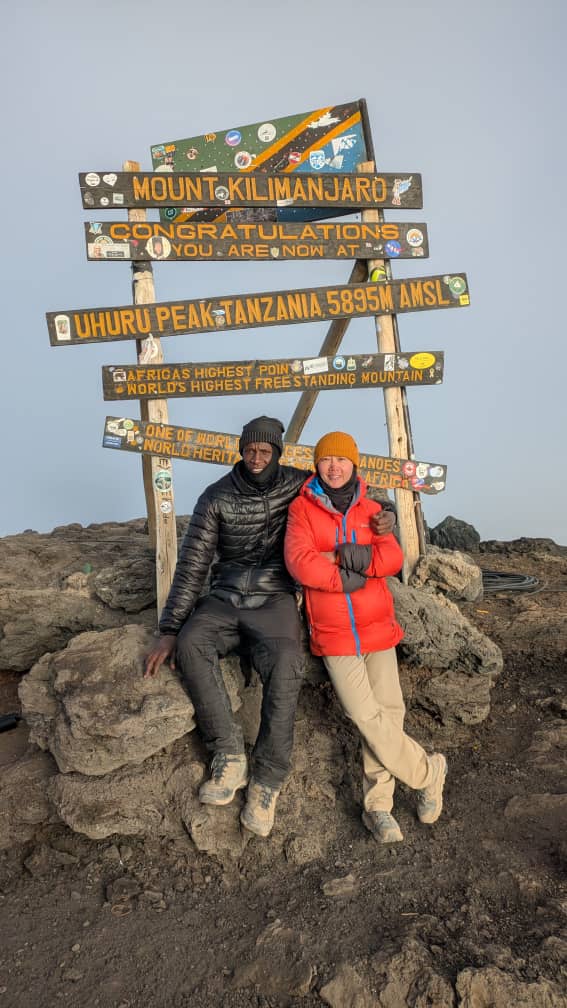
October Kilimanjaro Summit Temperature 2026-2027
October Kilimanjaro Summit Temperature is explained with current 2026-2027 planning, price, itinerary and booking information.
View package details
September Kilimanjaro Summit Night Temperature 2026-2027
September Kilimanjaro Summit Night Temperature is explained with current 2026-2027 planning, price, itinerary and booking information.
View package details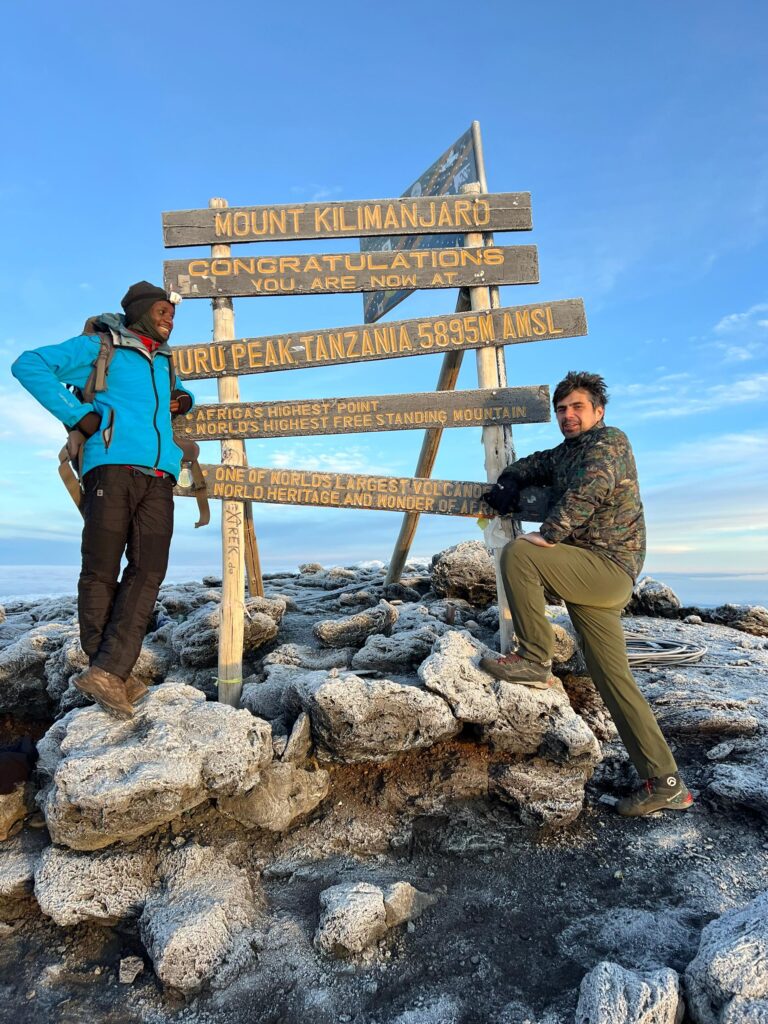
November Kilimanjaro Acclimatization-Focused Trek Guide
Discover essential strategies for a successful November Kilimanjaro climb, emphasizing acclimatization. This guide covers route selection, preparation, and what to expect during the...
View package details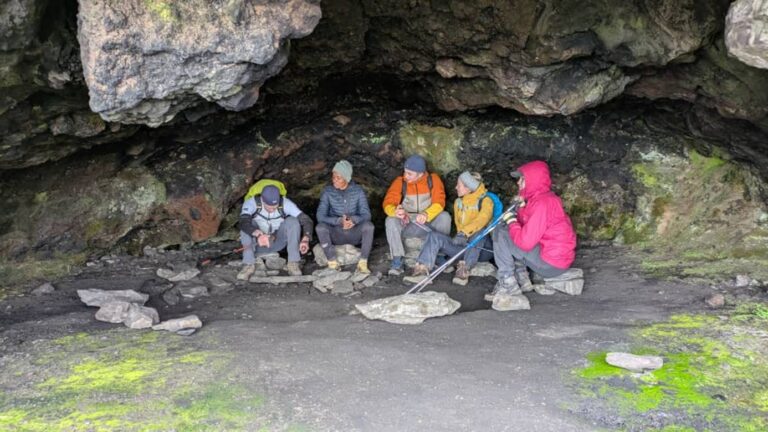
November Kilimanjaro Photography In The Short Rains: Your Ultimate Guide
Discover the unique photographic opportunities of climbing Kilimanjaro in November during the Short Rains. This guide covers optimal light, dramatic skies, vibrant landscapes, and essential...
View package details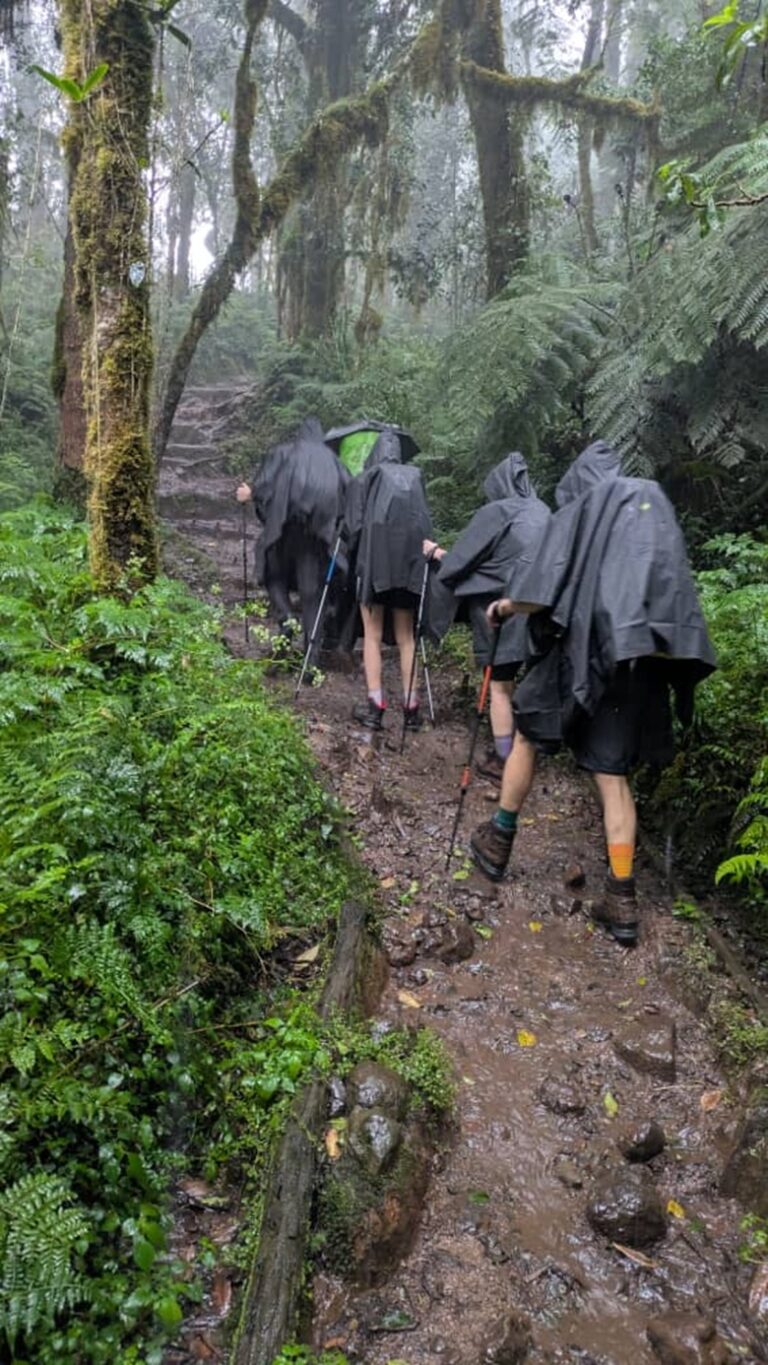
What To Pack For Kilimanjaro In May : Your Essential Gear Guide 2026-2027
Packing for Kilimanjaro in May requires careful consideration of its transitional weather. This guide covers everything you need, from base layers to waterproofs, ensuring a comfortable and...
View package detailsNo related package matches those filters. Clear one or more filters to see the other topic-matched options.



