
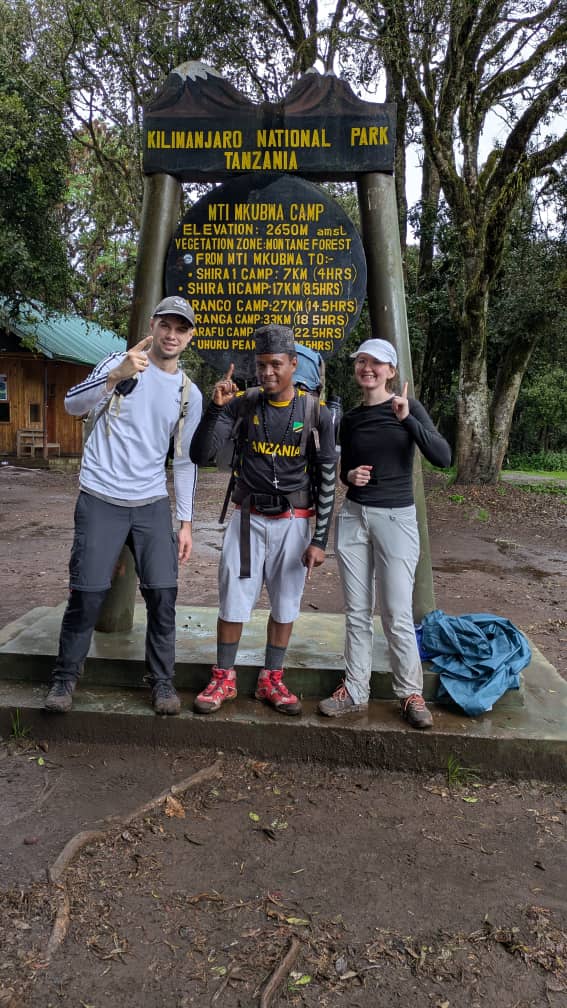
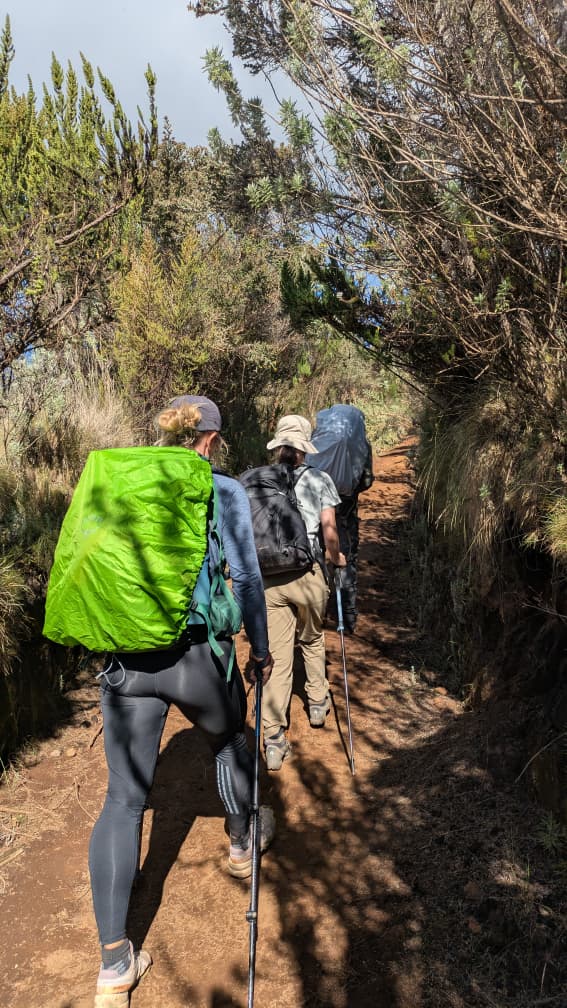
A January Kilimanjaro family climbing adventure offers excellent weather conditions, typically clear skies and moderate temperatures, making it an ideal time for families to tackle Africa’s highest peak. Top Guide Adventures specializes in tailoring climbs for families, recommending routes like the Marangu or Machame for their suitability and scenic beauty, with durations typically ranging from 6 to 9 days. Expect comprehensive support, experienced guides, and quality gear to ensure a safe and memorable experience for all family members during your 2026 or 2027 climb.

Why Choose January for Your Family Kilimanjaro Climb?
January sits at the tail end of the short rainy season and the beginning of the dry season on Kilimanjaro, presenting a sweet spot for trekkers. For families planning an adventure in 2026 or 2027, this timing is particularly advantageous. The mountain sees fewer crowds compared to the peak dry seasons of July to September, allowing for a more intimate and less congested experience. The skies are generally clear, offering spectacular panoramic views from the summit and along the trails. Temperatures are moderate, with daytime highs typically ranging from 15-25°C (59-77°F) at lower altitudes and dropping significantly near the summit, often below freezing. This predictable and favorable weather pattern is crucial for families, as it minimizes the risk of weather-related disruptions and enhances the overall comfort and safety of the climb for all age groups.
Top Guide Adventures understands that a family climb is different from an individual or group expedition. We focus on creating an environment where every family member, from teenagers to potentially younger, adventurous children (subject to age and fitness assessments), feels supported and safe. Our January Kilimanjaro family climbing adventure packages are designed with this in mind, emphasizing gradual acclimatization, comfortable accommodations in mountain huts or well-equipped campsites, and guides who are adept at managing diverse group dynamics and ensuring everyone maintains a steady pace. Considering a January climb for 2026 or 2027 means you’re choosing a period of relative calm on the mountain, with the added benefit of excellent visibility.
Family-Friendly Kilimanjaro Routes for January Climbs
Selecting the right route is paramount for a successful family Kilimanjaro climb, especially in January. The goal is to balance scenic beauty, acclimatization potential, and overall accessibility for varying fitness levels. Top Guide Adventures offers several routes that are well-suited for families, and we’ll highlight the most popular choices for your January 2026 or 2027 adventure.
The Marangu Route: The Coca-Cola Route Advantage
Often called the “Coca-Cola Route” due to its popularity and the availability of bottled drinks at the huts, the Marangu Route is a classic choice for families. It’s the only route that offers overnight accommodation in dorm-style mountain huts rather than tents, providing a more comfortable and arguably easier experience, especially for those unaccustomed to camping. For a January Kilimanjaro family climbing adventure, the Marangu route is a strong contender.
- Duration: Typically 5 or 6 days. The 5-day option is faster but compromises acclimatization, which is not ideal for families. We strongly recommend the 6-day itinerary for better acclimatization and a higher success rate.
- Scenery: Marangu traverses the southern and eastern sides of Kilimanjaro, offering diverse landscapes from rainforest to alpine desert. While the ascent is gradual, the views can be somewhat limited by vegetation on the lower slopes.
- Accommodation: Huts provide beds, mattresses, and basic amenities, offering protection from the elements and a communal atmosphere.
- Suitability for Families: Its hut accommodation and gradual ascent make it appealing. However, the rapid ascent profile of the 5-day option is a significant drawback for family groups needing more time to adjust to the altitude. The 6-day version improves this considerably.
For a January Kilimanjaro family climbing adventure in 2026 or 2027, the Marangu route’s hut system offers a welcome respite from the cold nights, and the generally stable weather in January means the trails are usually in good condition.
The Machame Route: The Most Popular Scenic Trek
The Machame Route, often dubbed the “Whiskey Route,” is the most popular route overall and is highly recommended by Top Guide Adventures for families seeking a more challenging yet rewarding trek with excellent acclimatization profiles. It offers stunning scenery and a higher success rate due to its effective acclimatization strategy.
- Duration: Typically 6 or 7 days. The 7-day itinerary is strongly advised for families to maximize acclimatization and enjoyment.
- Scenery: Machame is renowned for its dramatic landscapes, traversing the southern hemisphere of the mountain and offering views of the Shira Plateau, Barranco Wall, and the Karanga Valley. It’s considered one of the most beautiful routes.
- Accommodation: Camping is the standard, with sturdy tents, comfortable sleeping mats, and communal dining tents. Our teams ensure high-quality camping experiences.
- Suitability for Families: The “climb high, sleep low” principle employed on Machame significantly aids acclimatization, making it a safer choice for family groups. The longer duration allows for a more relaxed pace. While it involves camping, our crew ensures comfortable and secure camps.
Choosing the 7-day Machame route for your January Kilimanjaro family climbing adventure in 2026 or 2027 provides a fantastic balance of challenge, beauty, and safety. The camping experience, while requiring a bit more adaptability, is well-managed by our expert teams.
The Lemosho Route: Extended Acclimatization and Scenery
For families prioritizing acclimatization and a truly spectacular experience, the Lemosho Route is an excellent, albeit longer, option. It begins on the western side of Kilimanjaro, offering a more remote feel and stunning vistas.
- Duration: Typically 7 or 8 days. We recommend the 8-day Lemosho for families to fully benefit from its superior acclimatization profile.
- Scenery: Lemosho is celebrated for its impressive views, especially during the initial days as it winds through forests and across the Shira Plateau. It offers a sense of wilderness often missed on shorter routes.
- Accommodation: Camping is the standard, similar to Machame, with professional support from our crew.
- Suitability for Families: The extended duration and gradual ascent profile make Lemosho one of the best routes for acclimatization. This reduces the risk of altitude sickness and increases the chances of a successful summit for the entire family.
An 8-day Lemosho climb for your January Kilimanjaro family climbing adventure in 2026 or 2027 offers a more relaxed pace, exceptional scenery, and the highest probability of a safe and successful summit experience for all family members.
Other Routes to Consider (with caveats for families)
While the above are Top Guide Adventures’ top recommendations, other routes exist:
- Shira Route: Similar to Lemosho but starts at a higher altitude, which can be a disadvantage for acclimatization for families.
- Rongai Route: Approaches from the north, offering a drier ascent path, which can be beneficial if rains linger into early January. It’s generally less scenic than western routes and has a less optimal acclimatization profile compared to Machame or Lemosho.
- Northern Circuit: The longest route, offering the best acclimatization. However, its 9-day duration might be too long for some families, and it is also more expensive.
For a January Kilimanjaro family climbing adventure in 2026 or 2027, we consistently guide families toward routes that prioritize safety and acclimatization. This usually means favoring the 7-day Machame or 8-day Lemosho, or the 6-day Marangu, as they offer the best balance for varied family needs.
January Kilimanjaro Family Climbing Adventure: What to Expect
A family trek on Kilimanjaro in January is a unique and rewarding experience. The mountain environment changes dramatically with altitude, and understanding these shifts is key to preparation. Top Guide Adventures ensures you are well-informed about every stage of your journey.
The Ascent Stages
Your January Kilimanjaro family climbing adventure will typically involve ascending through several distinct ecological zones:
- Rainforest (approx. 1,800m – 2,800m): Expect lush vegetation, high humidity, and moderate temperatures. This zone is often shrouded in mist and clouds, especially in the mornings. It’s home to various wildlife, including monkeys and diverse bird species. Trails can be muddy in January, making waterproof gear essential.
- Heath and Moorland (approx. 2,800m – 4,000m): The vegetation becomes sparser, dominated by heather, giant groundsels, and lobelias. Temperatures drop, and the air becomes noticeably thinner. Days are often sunny but cool, with nights becoming cold.
- Alpine Desert (approx. 4,000m – 4,700m): This zone is characterized by arid, rocky landscapes with minimal vegetation. Days are cold and dry, with intense sun exposure due to the thin atmosphere. Nights are freezing, often dropping well below -10°C (14°F).
- Arctic Zone (above 4,700m): The summit region is a barren, rocky, and icy landscape. Oxygen levels are critically low. Temperatures are extremely cold, especially at night and during the summit push, often reaching -20°C (-4°F) or lower with wind chill.
Daily Trekking Rhythm
A typical trekking day on your January Kilimanjaro family climbing adventure involves:
- Early Wake-up: Usually around 7:00 AM, followed by breakfast.
- Morning Trek: Begin hiking around 8:00 AM, trekking for 3-5 hours.
- Lunch Break: A packed lunch is enjoyed en route or upon arrival at the campsite/hut.
- Afternoon Trek: Continue hiking for another 2-4 hours to reach the day’s destination.
- Arrival and Relaxation: Arrive at camp/hut by mid-afternoon. Porters set up tents and prepare meals.
- Evening: Hot drinks, dinner, briefing for the next day, and an early bedtime to conserve energy and aid acclimatization.
The pace is always slow and steady – “pole pole” (slowly, slowly) is the mantra on Kilimanjaro. This is particularly important for families, ensuring everyone can keep up and enjoy the journey without feeling rushed.
Summit Night: The Ultimate Challenge
Summit night is the most demanding part of any Kilimanjaro climb. For a January Kilimanjaro family climbing adventure, it requires careful planning and preparation. Typically, you will wake up around midnight to begin the ascent from Kibo Huts (or Barafu Camp on some routes) to Uhuru Peak.
- The Climb: This is a steep, strenuous ascent in the dark, usually taking 5-7 hours. You’ll be hiking in freezing temperatures, often with strong winds. The terrain is loose scree and volcanic rock.
- Acclimatization is Key: Proper acclimatization throughout the preceding days is vital for success on summit night.
- Pacing: The guides will ensure a very slow, deliberate pace, with frequent short breaks for hydration and checking on everyone’s well-being.
- The Reward: Reaching the summit at sunrise is an unparalleled experience, offering impressive views across the clouds.
- Descent: After a brief celebration at the summit, the descent begins. While easier on the lungs, the steep scree slopes can be hard on the knees. Most trekkers descend to Barafu Camp for a short rest before continuing down to Mweka or Millennium Camp.
Top Guide Adventures’ guides are trained to monitor for signs of altitude sickness and to make informed decisions regarding the safety of all climbers, especially children. If any family member is struggling significantly, the guide will recommend turning back, prioritizing health above all else.
Preparing Your Family for a January Kilimanjaro Climb
Successful preparation is the cornerstone of a fantastic January Kilimanjaro family climbing adventure. It involves physical training, mental readiness, and meticulous gear selection. Top Guide Adventures provides detailed guidance, but here are the key areas to focus on:
Physical Training and Fitness
While Kilimanjaro is not technically difficult, its altitude and duration demand a good level of cardiovascular fitness. For families, this means involving everyone in the preparation:
- Cardiovascular Exercise: Aim for at least 3-4 sessions per week, focusing on activities like hiking (with a backpack), running, cycling, or swimming. Build up the duration and intensity gradually.
- Hiking with Inclines: The best training is hiking on hilly terrain. Practice with a weighted backpack (similar to what you’ll carry on the mountain) to simulate the experience.
- Strength Training: Focus on leg strength (squats, lunges) and core strength to support your body during long trekking days.
- Duration: Begin training at least 2-3 months before your January 2026 or 2027 climb. Consistency is more important than intensity.
- Family Hikes: Make training fun by organizing family hiking trips. This builds stamina and camaraderie.
It’s essential that children participating in the climb are physically mature enough for the demands. While there’s no strict minimum age, most operators, including Top Guide Adventures, recommend a minimum age of 10-12 years, depending on the child’s physical development and the chosen route.
Altitude Acclimatization Strategies
Acclimatization is the body’s process of adjusting to lower oxygen levels at higher altitudes. While no amount of training can fully replicate high-altitude conditions, proper acclimatization on the mountain is critical. For your January Kilimanjaro family climbing adventure:
- Choose Longer Routes: As discussed, routes like Lemosho (8 days) or Machame (7 days) offer better acclimatization profiles than shorter routes like Marangu (6 days).
- Ascend Gradually: The chosen route’s itinerary is designed for gradual ascent, allowing your body time to adapt.
- “Pole Pole”: Hike slowly and steadily. Rushing increases the risk of altitude sickness.
- Hydration: Drink plenty of water (3-4 liters per day). Dehydration exacerbates altitude sickness symptoms.
- Avoid Alcohol and Smoking: These hinder acclimatization.
- Listen to Your Body: Report any symptoms of altitude sickness (headache, nausea, dizziness) to your guide immediately.
Medical Considerations and Preparation
Consult your doctor well in advance of your January 2026 or 2027 climb. They can advise on:
- Altitude Sickness Medication: Discuss the use of Diamox (acetazolamide) for preventing and treating altitude sickness. It’s crucial to get a prescription and understand its usage.
- Vaccinations: Ensure routine vaccinations are up to date. Yellow fever vaccination is often required for entry into Tanzania. Consult your doctor or a travel clinic for specific recommendations for Tanzania.
- Travel Insurance: Comprehensive travel insurance is mandatory. It must cover high-altitude trekking and emergency medical evacuation.
- Personal First-Aid Kit: Supplement the guides’ extensive first-aid kit with personal items like pain relievers, blister treatment, antiseptic wipes, and any personal medications.
Essential Gear for a January Kilimanjaro Family Climb
Proper gear is non-negotiable for comfort and safety, especially in January’s variable conditions. Layering is key.
Clothing Layers:
- Base Layers: Moisture-wicking thermal tops and bottoms (merino wool or synthetic). At least 2-3 sets.
- Mid Layers: Fleece jackets or vests for insulation.
- Outer Layer (Shell): Waterproof and windproof jacket and trousers (Gore-Tex or similar). Essential for January’s potential rain and wind.
- Insulation Layer: A warm down or synthetic insulated jacket for evenings and summit night.
- Trekking Trousers: Comfortable, quick-drying hiking pants (avoid jeans).
- Shirts: Several moisture-wicking short and long-sleeved shirts.
Footwear:
- Hiking Boots: Well broken-in, waterproof, sturdy hiking boots with good ankle support. Crucial for varied terrain.
- Camp Shoes: Comfortable shoes or sandals for relaxing at camp.
- Socks: Several pairs of warm wool or synthetic hiking socks. Liner socks can help prevent blisters.
- Gaiters: To keep mud, stones, and snow out of your boots.
Headwear and Handwear:
- Warm Hat: Wool or fleece hat that covers the ears.
- Sun Hat: Wide-brimmed hat for sun protection during the day.
- Balaclava or Buff: For protecting the face and neck from wind and cold, especially on summit night.
- Gloves: Warm, waterproof outer gloves or mittens, and thinner liner gloves.
Sleeping Gear:
- Sleeping Bag: A 4-season sleeping bag rated to at least -15°C (5°F). Top Guide Adventures can provide these if needed.
- Sleeping Bag Liner: Adds warmth and keeps the bag clean.
Backpacks and Bags:
- Duffel Bag: Large, waterproof duffel bag (80-100 liters) for porters to carry.
- Daypack: 30-40 liter backpack for carrying essentials during the day’s hike (water, snacks, camera, rain gear, extra layers).
- Waterproof Covers: For both the duffel bag and daypack.
Other Essentials:
- Water Bottles/Hydration Reservoir: At least 3 liters capacity. Insulated covers are recommended for January to prevent freezing.
- Headlamp: With extra batteries. Essential for summit night and navigating camp in the dark.
- Sunscreen: High SPF.
- Lip Balm: With SPF.
- Sunglasses: High UV protection.
- Personal Toiletries: Biodegradable soap, toothbrush, toothpaste, wet wipes.
- Trekking Poles: Highly recommended for stability and reducing strain on knees.
- Camera: With extra batteries and memory cards.
- Power Bank: To charge electronics.
- Snacks: High-energy snacks like nuts, dried fruit, energy bars.
- Small Towel: Quick-drying.
- Personal Medications.
Top Guide Adventures provides a comprehensive packing list upon booking, tailored to the specific route and time of year for your January Kilimanjaro family climbing adventure in 2026 or 2027.
Cost of a January Kilimanjaro Family Climb (2026-2027 Estimates)
The cost of a Kilimanjaro climb can vary significantly based on the route, duration, quality of service, and group size. For a January Kilimanjaro family climbing adventure, expect pricing to reflect the comprehensive support provided by reputable operators like Top Guide Adventures. While exact prices fluctuate, we can provide an estimated range and outline the factors influencing cost for 2026 and 2027 bookings.
Typical Cost Factors:
- Route Length: Longer routes generally cost more due to additional days of service.
- Number of Days: More days on the mountain equal higher operational costs.
- Group Size: While families form a private group, the cost per person might decrease slightly with more members, though the overall trip cost increases. Shared group climbs are cheaper per person but less ideal for families.
- Quality of Service: This includes the quality of guides, porters, cooks, food, equipment, and logistical support. Top Guide Adventures prioritizes high standards in all these areas.
- Accommodation: Hut accommodation (Marangu) can sometimes be slightly more expensive than camping.
- Park Fees: These are fixed by Kilimanjaro National Park and are a significant portion of the total cost.
Estimated Price Range for 2026-2027:
For a reputable operator like Top Guide Adventures offering a 7-day Machame or 8-day Lemosho climb for a family, you can expect costs to generally fall between $2,200 to $3,500 USD per person. Shorter or simpler routes like a 6-day Marangu might be slightly less, perhaps $2,000 to $3,000 USD per person. These figures are estimates for 2026 and 2027 and are subject to change based on park fee adjustments and specific package inclusions.
What’s Typically Included:
- Kilimanjaro National Park entry fees, camping/hut fees, and rescue fees.
- All meals on the mountain (breakfast, lunch, dinner).
- Quality tents, sleeping mats, and mess/dining tents for camping routes.
- Experienced, licensed climbing guides, assistant guides, cooks, and porters.
- Porters’ wages, food, and insurance.
- Bottled drinking water (or purification methods).
- Portable toilet for camping routes.
- Briefing before the climb.
- Accommodation in Moshi before and after the climb (often included in packages).
- Transfer to/from the mountain gate.
What’s Typically Excluded:
- International flights to/from Kilimanjaro International Airport (JRO).
- Visa fees for Tanzania.
- Travel insurance (mandatory).
- Personal climbing gear (can often be rented).
- Tips for guides, porters, and cooks (a significant expense, budget around $250-350 USD per climber).
- Personal expenses (souvenirs, drinks, laundry).
- Optional hot shower fees on Marangu.
- Pre- or post-climb accommodation and meals not specified in the package.
- Medications and vaccinations.
Booking your January Kilimanjaro family climbing adventure for 2026 or 2027 with a company that provides transparent pricing and clearly outlines inclusions is essential. Top Guide Adventures is committed to offering value through high-quality service and safety standards.
Why Choose Top Guide Adventures for Your Family’s Climb?
Selecting the right tour operator is crucial for a safe, enjoyable, and successful Kilimanjaro climb, especially for a family. Top Guide Adventures is a locally-owned and operated company based in Tanzania, dedicated to providing exceptional travel experiences with a personal touch.
Our Commitment to Families:
- Experienced and Certified Guides: Our guides are not only highly experienced climbers but are also trained in first aid and altitude sickness management. They are skilled at interacting with children and ensuring a positive group dynamic.
- Safety First Approach: We adhere to strict safety protocols, including regular health checks during the climb, ensuring adequate oxygen levels and carrying comprehensive medical kits. We prioritize the well-being of every family member.
- Quality Equipment and Logistics: We invest in high-quality tents, sleeping mats, and climbing gear. Our logistics are meticulously planned to ensure smooth operations from start to finish.
- Ethical Porter Treatment: We are committed to fair wages, proper gear, and adequate food for our entire mountain crew, ensuring a positive experience for everyone involved.
- Tailored Itineraries: We work closely with families to select the most suitable route and duration, considering the ages and fitness levels of all participants.
- Excellent Food: Our cooks prepare nutritious and delicious meals on the mountain, catering to various dietary needs and preferences.
- Personalized Support: From your initial inquiry to your return from the mountain, you’ll receive dedicated support from our team.
Why January is Great with Us:
January Kilimanjaro family climbing adventures are a specialty. We leverage our local knowledge to navigate the specific conditions of this month, ensuring your family has the best possible chance of success and enjoyment. Our teams are prepared for the cooler temperatures and potential for rain on lower slopes, while maximizing the benefits of the clearer skies at higher altitudes.
Ready to Plan Your 2026-2027 Adventure?
We are here to help you plan the perfect January Kilimanjaro family climbing adventure. Whether you have specific dates in mind for 2026 or 2027, or you’re exploring options, our team is ready to assist.
Contact us today:
- WhatsApp: +255616946642
- Email: topguideadventures@gmail.com
- Backup Email: info@topguideadventures.com
Let Top Guide Adventures turn your family’s dream of climbing Kilimanjaro into a reality. We pride ourselves on creating unforgettable, safe, and rewarding experiences for families from around the globe.
Frequently Asked Questions about January Kilimanjaro Family Climbs
Here are some common questions families have when considering a January Kilimanjaro climb:
Can children climb Kilimanjaro in January?
Yes, children can climb Kilimanjaro, but suitability depends heavily on their age, physical fitness, and maturity. Top Guide Adventures generally recommends a minimum age of 10-12 years for most routes, and this is assessed on a case-by-case basis. January’s weather is generally good, which aids comfort for younger climbers.
What is the weather like on Kilimanjaro in January?
January is generally considered part of the dry season, or the transition into it. Expect clear skies and good visibility, especially at higher altitudes. Temperatures are moderate at the base and middle altitudes, becoming very cold at the summit (well below freezing). While the short rainy season has ended, brief showers can still occur on the lower slopes, particularly in the rainforest zone. Wind can be a factor, especially on summit night.
Which route is best for a family in January?
For families, routes prioritizing acclimatization are best. The 7-day Machame Route or the 8-day Lemosho Route are highly recommended by Top Guide Adventures due to their excellent “climb high, sleep low” profiles. The 6-day Marangu Route is also an option, especially if hut accommodation is preferred, but its acclimatization is less optimal than the longer routes.
What is the minimum age for climbing Kilimanjaro?
Kilimanjaro National Park does not have a strict minimum age limit, but most reputable tour operators, including Top Guide Adventures, set their own minimum age recommendations, typically between 10 and 12 years old. This is based on the physical and mental demands of the climb and the risks associated with altitude sickness.
How cold does it get on Kilimanjaro in January?
Temperatures vary significantly by altitude. Daytime temperatures can range from 15-25°C (59-77°F) at lower elevations. At higher altitudes (above 4,000m), daytime temperatures can be around 5-10°C (41-50°F), while nighttime temperatures frequently drop below freezing, reaching -10°C to -20°C (14°F to -4°F) or even colder on summit night, especially with wind chill.
Do I need to tip my guides and porters in January?
Yes, tipping is customary and a significant part of the income for guides, porters, and cooks on Kilimanjaro. Top Guide Adventures provides recommended tipping guidelines as part of your pre-climb information, typically amounting to $250-$350 USD per climber for the entire crew for a standard climb duration.
What if a family member gets altitude sickness?
Your Top Guide Adventures guides are trained to recognize and manage altitude sickness. They will continuously monitor all climbers. If symptoms become serious, they will recommend descent. For mild symptoms, rest, hydration, and sometimes medication (like Diamox) are used. Safety is always the priority.
Can we rent gear for our January climb?
Yes, essential gear like sleeping bags, warm jackets, and trekking poles can often be rented in Moshi before your climb. Top Guide Adventures can arrange rentals for you. However, personal items like base layers, hiking boots, and socks should be purchased and broken in beforehand.
What are the main risks of climbing Kilimanjaro in January?
The primary risks are altitude sickness (Acute Mountain Sickness – AMS), hypothermia, and injuries (like sprains or falls). While January generally offers good weather, cold temperatures, wind, and potential rain on lower slopes are factors. Choosing a reputable operator like Top Guide Adventures, following guide instructions, training adequately, and acclimatizing properly significantly mitigate these risks.
How much should we budget for tips in 2026/2027?
For a typical 7-8 day climb, a budget of $250 to $350 USD per person for tips is a reasonable estimate for 2026 and 2027. This is usually divided among the guides, assistant guides, cook, and porters. Top Guide Adventures will provide a detailed breakdown of recommended tipping amounts based on the number of crew members.
Planning a January Kilimanjaro family climbing adventure for 2026 or 2027 is an exciting prospect. With Top Guide Adventures, you gain a partner dedicated to ensuring your family’s journey to the roof of Africa is safe, memorable, and successful. We invite you to reach out to our expert team to discuss your specific needs and begin planning your incredible trek. Contact us via WhatsApp +255616946642 or email us at topguideadventures@gmail.com or info@topguideadventures.com.
”
}
“`
Check Availability for January Kilimanjaro Family Climbing Adventure 2026-2027
Ready to compare dates, prices, and the best option for your group? Send the package name and travel month so the team can reply with a clear quote, availability, and what is included.
December Kilimanjaro Family Holiday Package: Your Ultimate Adventure Guide
Explore Top Guide Adventures' December Kilimanjaro family holiday packages for 2026-2027. This comprehensive guide covers everything families need to know, from route selection and...
View package details
Kilimanjaro Independence Day Climbing Package | Top Guide Adventures 2026-2027
Celebrate Tanzania's Independence Day with an epic climb up Mount Kilimanjaro in 2026 or 2027. Top Guide Adventures offers specially curated packages designed for this significant period...
View package details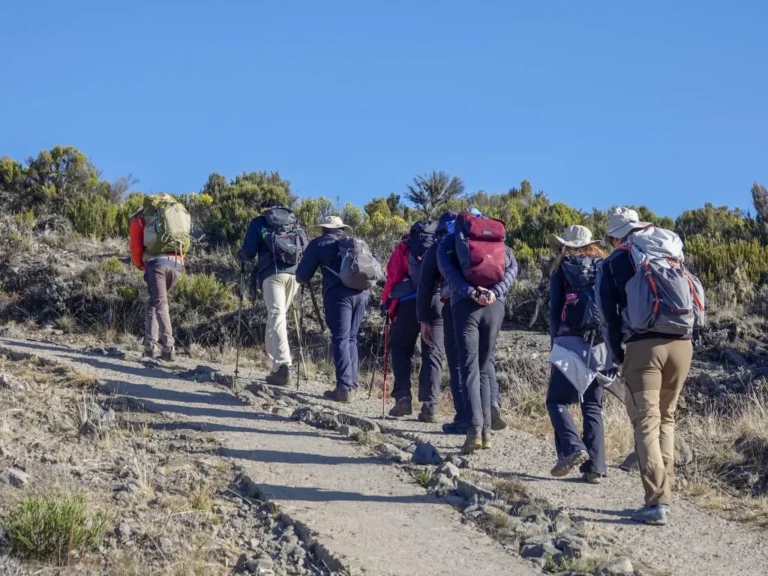
Kilimanjaro Bachelor Adventure Climbing Trip: Plan Your Ultimate Guys Getaway
A Kilimanjaro bachelor adventure climbing trip is an epic way for a groom and his friends to celebrate before the wedding. This guide covers everything from route selection and gear to...
View package details8-Day Lemosho Route Kilimanjaro Climb In January | Top Guide Adventures
An in-depth guide to the 8-day Lemosho Route Kilimanjaro climb during January, detailing the itinerary, weather, costs, and preparation needed for a successful trek in 2026-2027. Expert...
View package details
Kilimanjaro Boxing Day Climbing Departure : Your Festive Trek Adventure
start an unforgettable Kilimanjaro climb this festive season! Discover the unique advantages and planning details for a Boxing Day departure in 2026 and 2027 with Top Guide Adventures, your...
View package details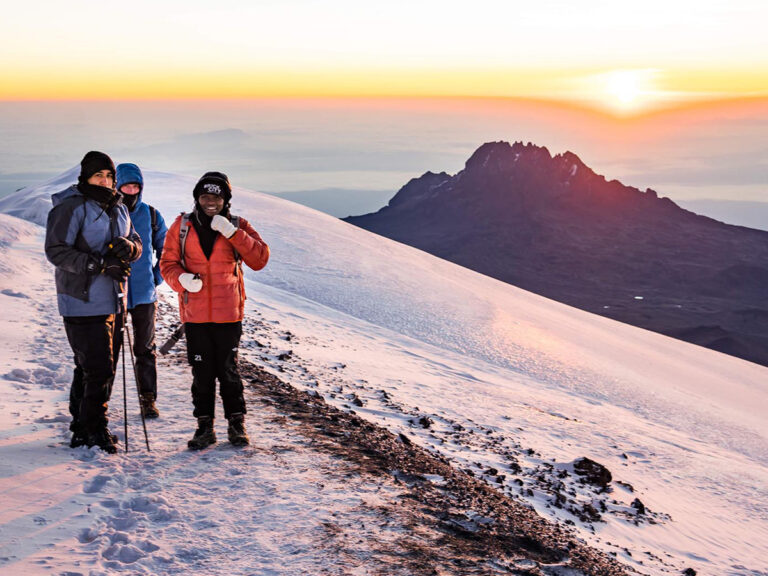
Kilimanjaro Departure-Day Airport Transfer: Your Top Guide Adventures
Your essential guide to Kilimanjaro departure-day airport transfers, ensuring a stress-free journey from Moshi or Arusha to Kilimanjaro International Airport (JRO) with Top Guide...
View package details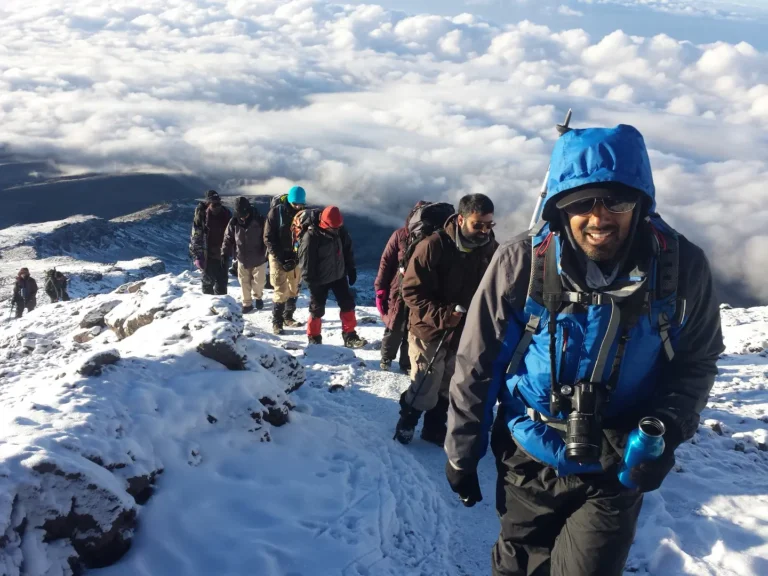
Kilimanjaro Thanksgiving Adventure Package | Top Guide Adventures 2026-2027
Celebrate Thanksgiving 2026 or 2027 with a remarkable Kilimanjaro adventure package. Top Guide Adventures offers expertly guided climbs, ensuring a memorable and safe experience on Africa's...
View package details
Kilimanjaro Easter Holiday Summit Package | Top Guide Adventures 2026-2027
Secure your Kilimanjaro Easter Holiday Summit Package for 2026 or 2027 with Top Guide Adventures. This guide covers everything you need to know about climbing Africa's highest peak during...
View package details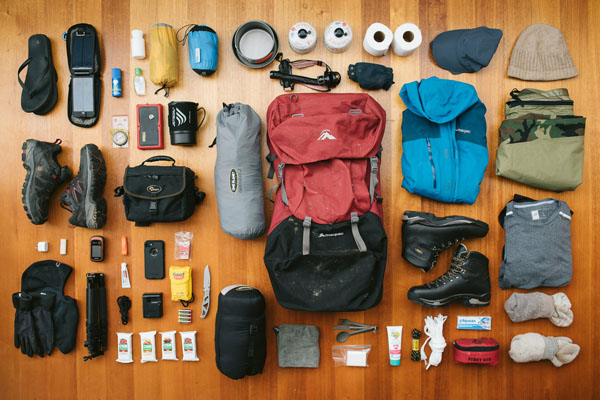
Kilimanjaro School Reunion Climb: Planning Your Ultimate Adventure 2026-2027
Planning a Kilimanjaro School Reunion Climb offers a unique opportunity to reconnect with classmates while achieving a monumental goal. This guide covers everything from choosing the best...
View package details
Kilimanjaro Friends’ Group Climbing Holiday: Your Ultimate Guide For 2026-2027
Organizing a Kilimanjaro climb for a group of friends is an unforgettable experience. This guide from Top Guide Adventures covers everything you need to know for a successful 2026-2027...
View package details
Kilimanjaro Mother-And-Daughter Climbing Tour 2026-2027
Kilimanjaro Mother-and-Daughter Climbing Tour is explained with current 2026-2027 planning, price, itinerary and booking information.
View package details
Kilimanjaro Father-And-Son Climbing Package: Forge Bonds On Africas Roof
Discover the ultimate Kilimanjaro father-and-son climbing package, offering a unique opportunity for bonding and achievement on Africa's highest peak. Top Guide Adventures provides tailored...
View package detailsNo related package matches those filters. Clear one or more filters to see the other topic-matched options.



