
A January Kilimanjaro climb for solo travellers is an excellent choice, offering good weather conditions and a unique opportunity to meet like-minded adventurers. Top Guide Adventures specializes in supporting solo climbers, ensuring safety, camaraderie, and a successful summit experience on routes like Marangu, Machame, or Lemosho, with departures available throughout January 2026 and 2027.
Why Choose January for Your Kilimanjaro Ascent?
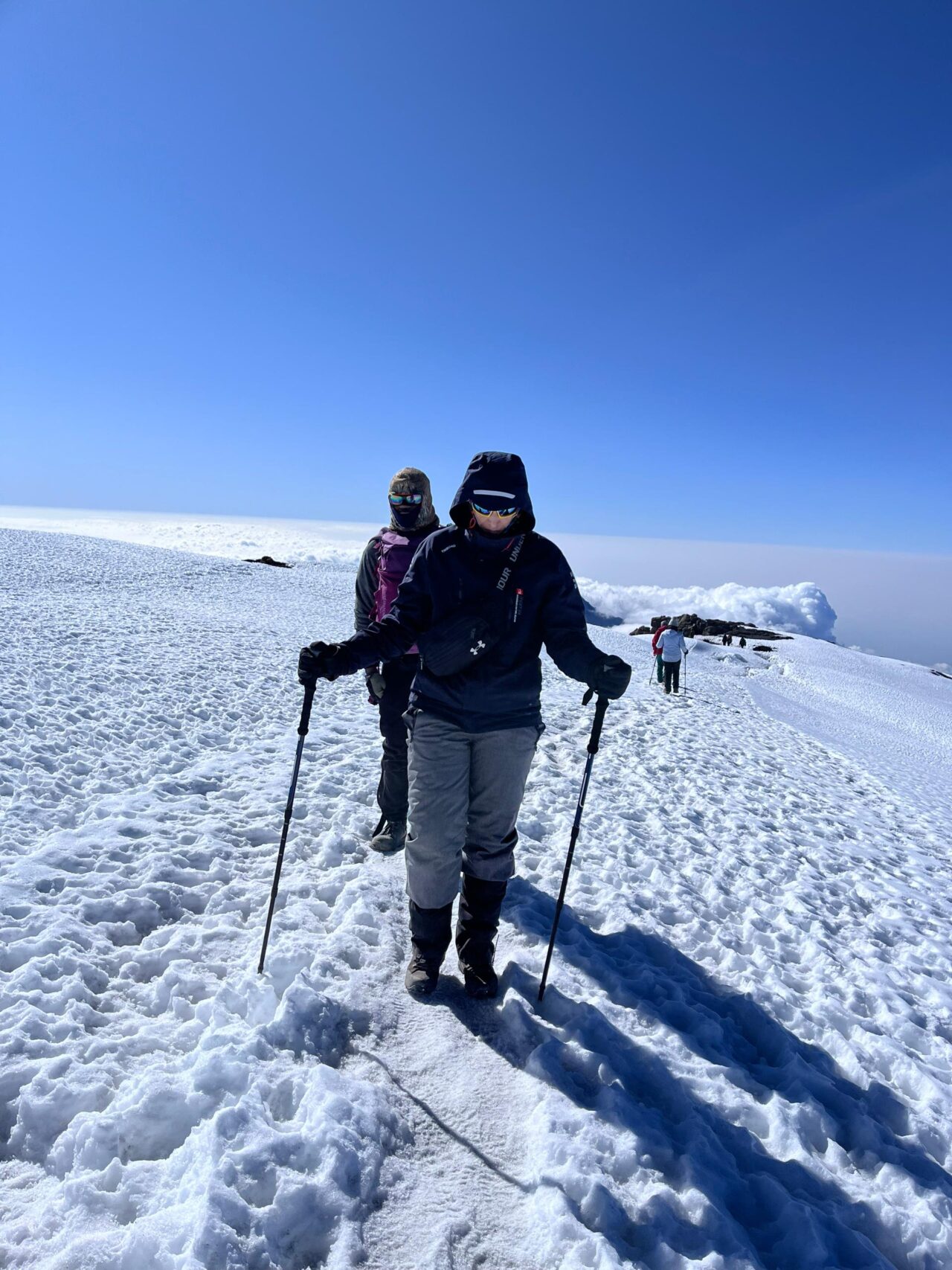
January on Mount Kilimanjaro marks the end of the short rainy season and the beginning of the dry, warm period, making it a prime month for trekking. For solo travellers, this timing offers a dual benefit: favourable climbing conditions and a vibrant atmosphere on the mountain, often filled with diverse groups from around the globe. The skies are typically clear, providing spectacular views of the African plains below and the surrounding volcanic cones. While it’s a popular month, January generally sees fewer crowds than the peak dry seasons of July-September, offering a more intimate experience, which can be particularly appealing for those travelling alone.
The weather in January is characterized by sunny days and cool to cold nights. Temperatures can range from pleasant in the lower rainforest zones to well below freezing at the summit. This predictability in weather patterns is a significant advantage for solo travellers who might be concerned about unpredictable conditions impacting their climb. The clear skies also enhance photographic opportunities, allowing you to capture the dramatic landscapes from the caldera rim to the alpine desert.
For solo adventurers planning their 2026 or 2027 Kilimanjaro expedition, January presents a compelling window. It’s a time when the mountain is accessible, the views are often impressive, and the community of trekkers is active. This shared experience, even when travelling individually, can forge strong bonds and create lasting memories. Top Guide Adventures understands the unique needs of solo travellers and has honed its services to ensure you feel supported, safe, and part of a welcoming group from the moment you arrive in Tanzania.
The Solo Traveller Advantage on Kilimanjaro
Travelling solo to climb Kilimanjaro might seem daunting, but it comes with distinct advantages, especially when supported by an experienced operator like Top Guide Adventures. Firstly, it offers unparalleled flexibility in choosing your departure dates, allowing you to align your climb with the favourable January weather in 2026 or 2027. You don’t need to coordinate with friends or family, making spontaneous decisions or fitting the climb into your schedule much easier.
Secondly, solo travel inherently encourages interaction. On the mountain, you’ll find yourself naturally engaging with guides, porters, and fellow trekkers. This is a fantastic way to meet people from diverse backgrounds, share experiences, and build a sense of camaraderie. Kilimanjaro is a melting pot of global adventurers, and January often brings a particularly international mix, enriching the social aspect of the journey. Top Guide Adventures fosters this by assigning solo travellers to groups where possible, ensuring you are never truly alone.
Thirdly, climbing Kilimanjaro solo is a profound personal achievement. It’s an opportunity for introspection, self-discovery, and pushing your personal boundaries. The focus remains entirely on your journey, your pace, and your experience. Our guides are trained to provide individual attention, monitoring your progress closely and offering encouragement, ensuring that even as a solo climber, your well-being and success are paramount.
Choosing the Right Route for Your January Climb
While Kilimanjaro offers several routes, some are better suited for solo travellers in January due to their popularity, infrastructure, and acclimatization profiles. Top Guide Adventures recommends routes that offer a good balance of success rates, scenic beauty, and opportunities to bond with other trekkers.
Machame Route: The Popular Choice
The Machame Route, often called the “Whiskey Route,” is arguably the most popular for its scenic beauty and excellent acclimatization profile. It’s a 6-7 day trek that winds its way up Kilimanjaro, offering stunning views and varied landscapes, from rainforest to arctic desert. For solo travellers, its popularity means you’re almost guaranteed to be part of a group, making it easier to connect with others. The camping experience on Machame is also a highlight, fostering group interaction around the campfire.
Duration: Typically 6 or 7 days.
Scenery: Excellent, with diverse ecosystems and dramatic landscapes.
Acclimatization: Good, especially on the 7-day option.
Solo Traveller Suitability: High, due to group dynamics and high traffic.
Lemosho Route: Scenic and Gradual
The Lemosho Route is known for its impressive scenery and gradual ascent, which aids acclimatization. It’s a longer route, usually 7-8 days, providing more time to adapt to the altitude. This extended duration allows for a more relaxed pace and a deeper appreciation of the mountain’s environment. For solo travellers seeking a more in-depth and less crowded experience initially, Lemosho is a superb option. It joins the Machame route after a few days, increasing the social interaction opportunities later in the trek.
Duration: Typically 7 or 8 days.
Scenery: Considered one of the most beautiful routes.
Acclimatization: Excellent, due to its longer duration and gradual ascent.
Solo Traveller Suitability: High, offering a great balance of solitude and group interaction.
Marangu Route: The ‘Coca-Cola’ Trail
The Marangu Route, often called the “Coca-Cola Route,” is the oldest and most established path. It’s unique for its dormitory-style accommodation in huts, rather than camping, which can appeal to solo travellers seeking a bit more comfort. It’s also the shortest route, typically 5-6 days. While it offers a different experience, its rapid ascent means acclimatization can be challenging, leading to lower success rates compared to longer routes. However, the hut system does facilitate social interaction among trekkers.
Duration: Typically 5 or 6 days.
Scenery: Less varied than Machame or Lemosho.
Acclimatization: Poorer, due to its shorter duration and steeper ascent.
Solo Traveller Suitability: Moderate; good for social interaction in huts but success rates are lower.
Other Routes for Consideration
While Machame, Lemosho, and Marangu are the most common, routes like Rongai (which approaches from the north, offering a different perspective and potentially drier conditions if early rains linger) and the Northern Circuit (the longest and most scenic, offering the best acclimatization) are also options. Top Guide Adventures can advise solo travellers on the best fit based on their fitness, desired experience, and budget for a January 2026 or 2027 climb.
Route Recommendation for Solo January Climbers
For solo travellers aiming for a January Kilimanjaro climb in 2026-2027, the Machame or Lemosho routes (7-8 days) are highly recommended. They offer the best combination of scenic beauty, good acclimatization, and a high likelihood of joining a compatible group, maximizing your chances of success and enjoyment while travelling alone.
Preparing for Your January Kilimanjaro Climb
Successful preparation is key for any Kilimanjaro climb, but especially for solo travellers who need to be self-reliant and well-informed. January offers good weather, but the mountain’s climate is extreme and can change rapidly. Comprehensive preparation ensures you are physically, mentally, and logistically ready.
Physical Training
Kilimanjaro is a challenging trek, not a technical climb, but it requires significant cardiovascular fitness and endurance. Your training should focus on:
- Cardiovascular Endurance: Engage in activities like hiking, running, cycling, or swimming for at least 3-4 times a week. Aim for sessions of 60-90 minutes.
- Strength Training: Focus on leg strength (squats, lunges) and core stability, as you’ll be carrying a daypack and hiking for long hours.
- Hiking with a Pack: Practice hiking on varied terrain, ideally with a weighted backpack (5-8 kg), to simulate mountain conditions. Include uphill and downhill sections.
- Altitude Simulation (Optional): If possible, spend time at higher altitudes before your trip or use altitude training equipment.
Start your training program at least 2-3 months before your January 2027 climb.
Mental Preparation
Climbing Kilimanjaro is as much a mental challenge as a physical one. As a solo traveller, you’ll need resilience and a positive attitude.
- Understand the Challenge: Be aware of the symptoms of altitude sickness and the physical demands.
- Develop Coping Strategies: Learn to manage discomfort, fatigue, and potential setbacks. Focus on one step at a time.
- Embrace Solitude and Social Interaction: Be comfortable with periods of quiet reflection during the trek, but also be open to connecting with your group.
- Set Realistic Expectations: Understand that summit night is tough, and not everyone reaches the top. Focus on the journey and personal achievement.
Essential Gear for January Climbs
Packing correctly is crucial for comfort and safety. January weather can be sunny and warm at the base, but freezing at the summit. Layering is key.
Kilimanjaro Packing List – January Solo Climber Essentials
- Base Layers: Moisture-wicking thermals (merino wool or synthetic).
- Mid Layers: Fleece jacket or insulated vest for warmth.
- Outer Layer: Waterproof and windproof jacket and trousers (Gore-Tex or similar).
- Insulation Layer: A warm down or synthetic insulated jacket for summit night and cold evenings.
- Headwear: Warm woolen hat, sun hat with a brim, balaclava or neck gaiter for summit night.
- Gloves: Warm, waterproof gloves or mittens, plus thinner liner gloves.
- Footwear: Broken-in, waterproof hiking boots. Camp shoes or trainers for evenings. Several pairs of warm hiking socks (wool).
- Sleeping Bag: Rated to at least -10°C (20°F); Top Guide Adventures can provide rental options.
- Backpack: A comfortable daypack (30-40 litres) for essentials, and a larger duffel bag (80-100 litres) for porters.
- Trekking Poles: Essential for stability and reducing knee strain on descents.
- Headlamp: With extra batteries – crucial for summit night.
- Sun Protection: High SPF sunscreen, lip balm with SPF, sunglasses.
- Hydration: Water bottles or a hydration reservoir (Camelbak). Insulated sleeves for bottles to prevent freezing.
- Personal Items: Toiletries, personal first-aid kit, blister treatment, insect repellent (for lower altitudes), hand sanitizer, wet wipes.
- Documents: Passport, visa, travel insurance details, vaccination certificates.
- Snacks: Energy bars, nuts, dried fruit, chocolate – high-energy, easy-to-eat items.
Travel Insurance
Comprehensive travel insurance is non-negotiable for any Kilimanjaro climb, especially for solo travellers. Ensure your policy covers:
- High-altitude trekking up to 5,895 meters (19,341 feet).
- Emergency medical evacuation (helicopter rescue).
- Trip cancellation and interruption.
- Lost or delayed baggage.
Top Guide Adventures can provide recommendations for reputable insurance providers that meet these requirements for your 2026 or 2027 climb.
The Role of Top Guide Adventures for Solo Climbers
Top Guide Adventures is dedicated to providing exceptional support for solo travellers undertaking a January Kilimanjaro climb. Our commitment goes beyond just logistics; we focus on creating a safe, enjoyable, and memorable experience.
Safety First: Our Top Priority
Safety is paramount. Our guides are certified in Wilderness First Aid and carry comprehensive medical kits. We employ a strict safety protocol, including regular health checks for all climbers, especially those travelling alone. We monitor altitude sickness symptoms closely and have established procedures for managing emergencies. Our porters are also trained to assist climbers, and our team communication systems ensure constant contact between guides and support staff.
Building a Supportive Group Environment
While you are a solo traveller, you will be part of a larger trekking group. Top Guide Adventures ensures that solo climbers are integrated into groups where they can easily connect with others. Our guides are skilled at fostering a positive group dynamic, encouraging mutual support and shared motivation. This is particularly important during challenging moments, like the summit night push.
Experienced and Certified Guides
Our guides are not just experienced mountaineers; they are knowledgeable about Kilimanjaro’s flora, fauna, and geology, enriching your trek. They are trained to manage diverse groups, understand individual needs, and provide personalized encouragement. For solo travellers, their presence offers reassurance and a constant point of contact for any concerns.
Logistical Excellence
From airport transfers to comfortable accommodation in Moshi before and after the climb, Top Guide Adventures handles all the details. We provide high-quality camping equipment, nutritious meals prepared by our dedicated cooks on the mountain, and ensure all park fees and permits are arranged. This comprehensive service allows solo travellers to focus entirely on their climb without worrying about logistical hassles.
Personalized Attention
Even within a group, our guides make an effort to provide individual attention. They will check on your well-being, hydration, and pace, offering advice and support tailored to your needs. This personal touch is invaluable for solo travellers who might feel more vulnerable or uncertain at times.
Understanding Kilimanjaro Costs for Solo Climbers in January 2026-2027
The cost of climbing Kilimanjaro can vary significantly based on the route, duration, operator, and inclusions. For solo travellers in January 2026-2027, understanding these factors is essential for budgeting.
Factors Influencing Cost
- Route Choice: Longer routes like Lemosho or Northern Circuit generally cost more due to more days on the mountain.
- Duration: A 7-day climb will be more expensive than a 5-day climb.
- Operator Standards: Reputable companies like Top Guide Adventures invest in quality equipment, experienced guides, fair porter wages, and better food, which influences pricing. Beware of extremely low prices, as they often indicate compromises on safety or ethical treatment of staff.
- Group Size: While you are a solo traveller, you will likely join a group. The cost per person can sometimes be slightly higher for very small groups or private climbs, but Top Guide Adventures aims to make solo travel accessible.
- Inclusions: What is included in the package? (e.g., park fees, accommodation, meals, gear rental, transfers, oxygen cylinders, emergency rescue).
Typical Cost Ranges (Estimates for 2026-2027)
For a reputable operator like Top Guide Adventures, offering a 6-7 day climb on routes like Machame or Marangu, you can expect costs to range generally from $1,800 to $2,800 USD per person. Longer routes like Lemosho (7-8 days) might range from $2,000 to $3,500 USD per person.
This typically includes:
- All national park and rescue fees.
- Experienced, licensed guides and support crew.
- All meals during the trek.
- Quality camping equipment (tents, sleeping mats).
- Boiled water on the mountain.
- Accommodation in Moshi before and after the climb (often 3-star hotel).
- Airport transfers.
- A safety oxygen cylinder for emergency use.
Items typically NOT included:
- Flights to Kilimanjaro International Airport (JRO).
- Visa fees.
- Travel insurance.
- Tips for guides, porters, and cooks (a significant part of the crew’s income).
- Personal climbing gear (e.g., sleeping bag, waterproofs, boots – though rentals are often available).
- Lunches and drinks in town before/after the climb.
- Personal expenses (souvenirs, extra snacks).
- Optional gear rental (e.g., down jacket, sleeping bag).
Budgeting for Your January Kilimanjaro Climb (Solo Traveller)
For a 7-day Lemosho or Machame climb in January 2027 with Top Guide Adventures, budget approximately:
- Climbing Package: $2,200 – $3,000 USD (depending on final inclusions and specific dates).
- Tips: $200 – $300 USD (standard practice, varies with group size and satisfaction).
- Gear Rental: $100 – $200 USD (if needed).
- Personal Expenses: $100 – $150 USD.
Total Estimated Cost (excluding flights): $2,600 – $3,650 USD. Always request a detailed quote from Top Guide Adventures for the most accurate pricing for your chosen dates in 2026 or 2027.
What to Expect on the Mountain in January
January on Kilimanjaro offers a generally stable weather pattern, but the mountain’s environment is dynamic. Solo travellers should be prepared for a range of conditions and experiences.
Daily Itinerary and Pace
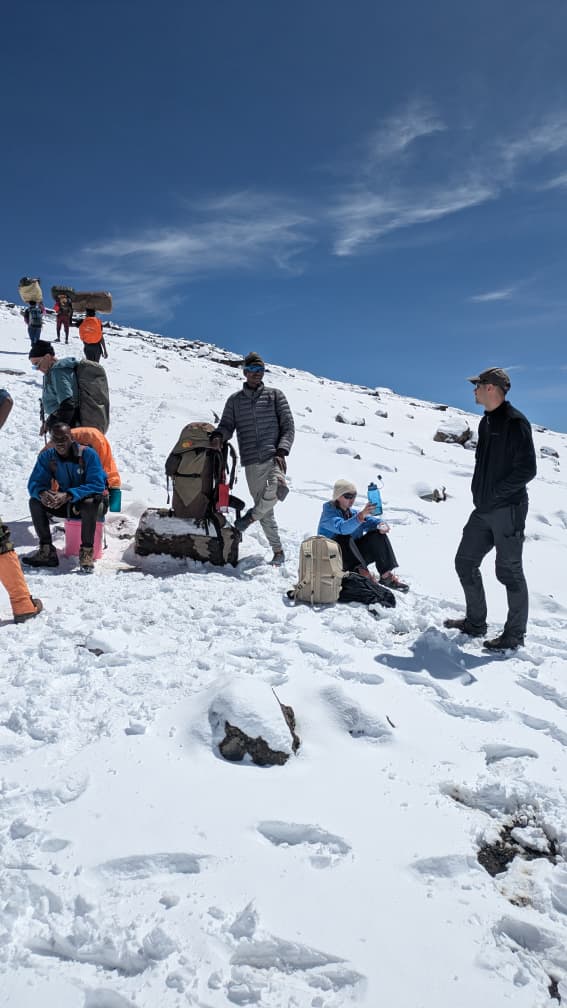
Each day typically involves waking up after breakfast, packing your gear, a briefing from the lead guide, and then hiking for 4-8 hours. The pace is deliberately slow and steady – “pole pole” (slowly, slowly) is the mantra. This is crucial for acclimatization. Your guide will manage the group’s pace, ensuring no one is left behind. Solo travellers will find this slow pace allows for reflection and observation of the surroundings.
Meals and Hydration
Top Guide Adventures provides three nutritious meals a day: breakfast, lunch, and dinner, prepared by dedicated cooks. Meals are designed to be high in carbohydrates for energy. Expect soups, stews, pasta, rice, vegetables, and fruits. Hydration is critical. You’ll be provided with boiled water to fill your bottles. Aim to drink 3-5 litres of fluid per day. Water points are limited, so carrying enough is essential.
Camping and Accommodation
On most routes (except Marangu), you’ll be camping. Tents are typically spacious two-person dome tents, providing good protection from the elements. A mess tent is often provided for dining, especially in inclement weather. Toilet facilities range from portable chemical toilets to basic pit latrines, depending on the camp. Your guide will brief you on camp facilities upon arrival.
Summit Night: The Ultimate Challenge
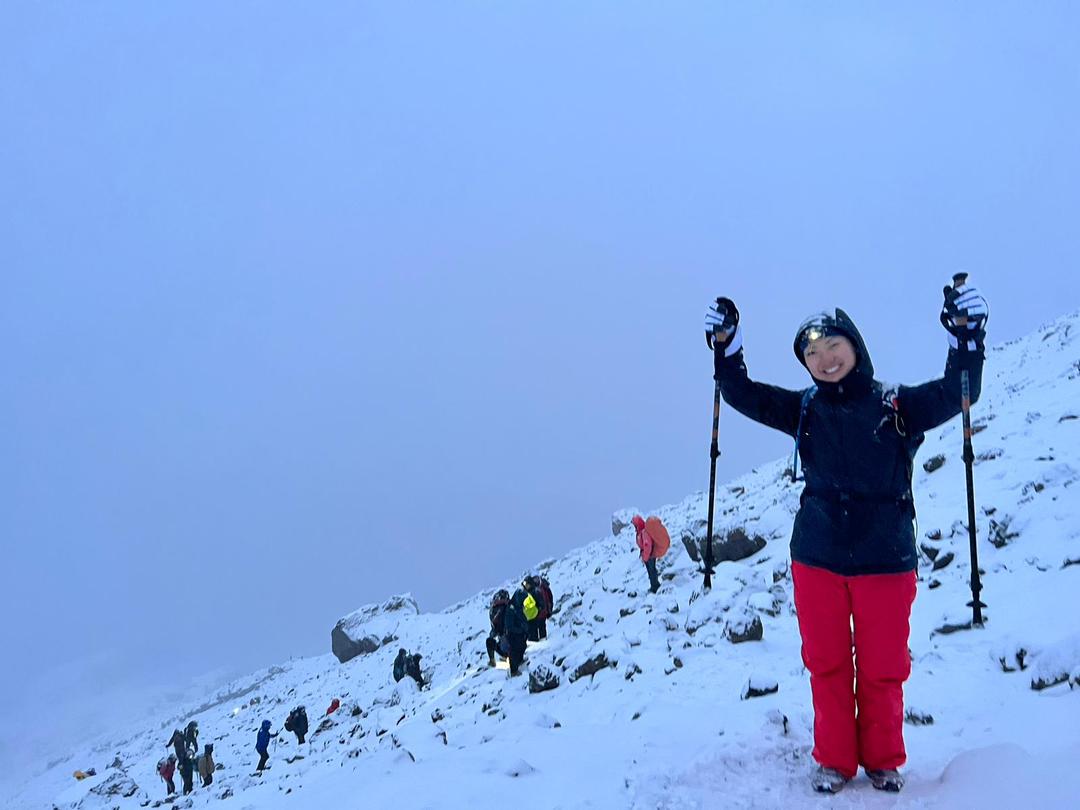
Summit night is the most demanding part of the climb. Starting around midnight, you’ll ascend steeply in the dark, often in cold temperatures and strong winds, using your headlamp. The goal is to reach Uhuru Peak (5,895m) by sunrise. It requires immense mental and physical fortitude. Solo travellers will find the shared struggle and the guides’ encouragement invaluable during this phase. The feeling of accomplishment upon reaching the summit, and then descending safely, is unparalleled.
Descent and Post-Climb
The descent is faster and often harder on the knees than the ascent. Once back at the park gate, you’ll celebrate with your team and receive your climbing certificates. Top Guide Adventures then provides a well-deserved hot shower, comfortable accommodation in Moshi, and often a celebratory dinner. Reflecting on your January Kilimanjaro climb for solo travellers with your new friends is a perfect way to conclude the adventure.
Meeting Fellow Travellers as a Solo Climber
One of the most rewarding aspects of a solo Kilimanjaro climb is the people you meet. The shared experience on the mountain creates an immediate bond.
Group Dynamics
Top Guide Adventures carefully manages group composition. While you book as a solo traveller, you’ll join a group of like-minded individuals. This could include other solo travellers, couples, or small groups who have booked together. The common goal of reaching the summit fosters a supportive and friendly atmosphere. Conversations flow easily, sharing stories, snacks, and encouragement.
Interactions with Staff
Your guides, cooks, and porters are integral to your experience. They are not just staff; they become companions on your journey. Engaging with them respectfully and curiously can lead to fascinating insights into local culture and life. They are there to support you, and showing genuine interest in their roles and stories can make the trek more meaningful.
Building Connections
Many solo travellers form lasting friendships on Kilimanjaro. The shared challenges and triumphs create a unique bond. You might find yourself trekking alongside someone from Australia one day, sharing stories with a German couple the next, and discussing life with a guide from the Chagga tribe. These connections often extend beyond the mountain, with many trekkers keeping in touch long after their return home.
For those planning a January 2026 or 2027 climb, embrace the opportunity to connect. Be open, friendly, and participate in group activities. The camaraderie on Kilimanjaro is a significant part of its magic, even – and perhaps especially – for solo travellers.
Health and Safety Considerations for Solo Climbers in January
While January generally offers favourable weather, health and safety remain paramount. Solo travellers need to be particularly vigilant and well-prepared.
Altitude Sickness (Acute Mountain Sickness – AMS)
This is the most common risk. Symptoms include headache, nausea, dizziness, and fatigue. Top Guide Adventures guides are trained to recognize AMS and manage it effectively. They will monitor you closely. The best prevention is a slow ascent and adequate hydration. Descending is the only cure if symptoms become severe. Do not ignore symptoms; communicate them to your guide immediately.
Other Health Risks
- Hypothermia: Despite sunny days, temperatures at altitude can drop dramatically, especially at night and on summit day. Layering properly is essential.
- Dehydration: Crucial to combat altitude sickness and maintain energy levels. Drink 3-5 litres of water daily.
- Sunburn: The sun is intense at high altitudes, even in cooler temperatures. Use high SPF sunscreen and wear a hat.
- Digestive Issues: While our cooks maintain high hygiene standards, stomach upsets can occur. Carry personal medication and use hand sanitizer frequently.
- Injuries: Sprains or falls can happen. Trekking poles help with stability. Blister prevention and treatment are vital.
Emergency Procedures
Top Guide Adventures has robust emergency protocols:
- Oxygen Cylinders: We carry emergency oxygen for immediate use if AMS symptoms worsen.
- Communication: Guides have radios or satellite phones for emergencies.
- Rescue: We work with park authorities and have arrangements for evacuation if necessary.
- First Aid: Guides are equipped with comprehensive first-aid kits.
As a solo traveller, knowing these procedures and trusting your guides is key to a safe climb. Your well-being is our team’s primary concern throughout your January 2026 or 2027 Kilimanjaro adventure.
Booking Your January Kilimanjaro Climb with Top Guide Adventures
Ready to start your solo Kilimanjaro adventure in January 2026 or 2027? Top Guide Adventures makes the booking process straightforward and supportive.
How to Book
1. Contact Us: Reach out via email at topguideadventures@gmail.com or info@topguideadventures.com, or call/WhatsApp us at +255616946642.
2. Consultation: Discuss your preferences – desired route, dates in January 2026 or 2027, and any specific needs as a solo traveller.
3. Get a Quote: We will provide a detailed, personalized quote based on your requirements.
4. Confirmation: Once you accept the quote, we’ll send you a booking form and payment details.
5. Deposit: A deposit is required to secure your booking and dates.
6. Pre-Trip Information: We’ll send you comprehensive pre-departure information, including packing lists and training advice.
Why Choose Top Guide Adventures for Solo Trekkers
- Local Expertise: As a leading Tanzanian operator, we have intimate knowledge of Kilimanjaro and the region.
- Commitment to Safety: Our safety standards are among the highest in the industry.
- Fair Treatment of Staff: We ensure our guides and porters are well-paid and treated ethically, which translates to a motivated and professional team.
- Personalized Service: We understand the unique needs of solo travellers and tailor our support accordingly.
- Proven Track Record: Check our reviews on platforms like TripAdvisor to see the experiences of our past clients, including many solo adventurers.
Don’t let travelling alone deter you from experiencing the magic of Kilimanjaro. January offers a fantastic opportunity for solo travellers to start this incredible journey. Let Top Guide Adventures be your trusted partner, ensuring a safe, rewarding, and unforgettable climb in 2026 or 2027. We look forward to helping you achieve your summit dreams!
For direct inquiries or to start planning your January 2027 Kilimanjaro climb, please contact us:
WhatsApp/Phone: +255616946642
Email: topguideadventures@gmail.com
Backup Email: info@topguideadventures.com
Visit our website for more information on our Tanzania adventure tours and Kilimanjaro group departures.
“,
“faq_schema”: [
{
“question”: “Is January a good month for solo travellers to climb Kilimanjaro?”,
“answer”: “Yes, January is an excellent month for solo travellers to climb Kilimanjaro. It marks the beginning of the dry season, offering clear skies and stable weather conditions suitable for trekking. It’s also a popular month, meaning you’re likely to join a group of fellow adventurers, which is ideal for solo travellers seeking camaraderie.”
},
{
“question”: “Which Kilimanjaro route is best for solo travellers in January?”,
“answer”: “For solo travellers, the Machame or Lemosho routes (typically 7-8 days) are highly recommended for a January climb. They offer excellent acclimatization profiles, stunning scenery, and a high likelihood of trekking with other people, fostering a great group dynamic. The Marangu route is an option if you prefer huts over camping, but its shorter duration can make acclimatization more challenging.”
},
{
“question”: “What is the average cost for a solo Kilimanjaro climb in January 2026-2027?”,
“answer”: “The cost for a solo Kilimanjaro climb with a reputable operator like Top Guide Adventures in January 2026-2027 typically ranges from $1,800 to $3,500 USD per person, depending on the route, duration, and inclusions. This usually covers park fees, guides, porters, meals, and camping equipment. Exclusions often include flights, visas, insurance, and tips.”
},
{
“question”: “What are the weather conditions like on Kilimanjaro in January?”,
“answer”: “January is generally warm and dry on Kilimanjaro. Days are usually sunny and pleasant, while nights can get cold, especially at higher altitudes. Temperatures can range from around 20-25°C (68-77°F) at lower elevations to below freezing (-10°C to -20°C or 14°F to -4°F) at the summit, particularly on summit night. Occasional light showers are possible, but they are infrequent.”
},
{
“question”: “Do solo travellers get matched with groups?”,
“answer”: “Yes, Top Guide Adventures typically matches solo travellers with other climbers to form a group. This enhances the social experience and helps distribute costs. You’ll have the support of guides and fellow trekkers throughout your journey, ensuring you’re never truly alone on the mountain.”
},
{
“question”: “What essential gear should a solo traveller pack for a January climb?”,
“answer”: “Key gear includes layered clothing (base, mid, and outer waterproof/windproof layers), warm hat and gloves, sturdy waterproof hiking boots, a good sleeping bag rated to -10°C, trekking poles, a headlamp, sunscreen, and a daypack. Top Guide Adventures provides detailed packing lists to all clients.”
},
{
“question”: “How does Top Guide Adventures ensure the safety of solo climbers?”,
“answer”: “Top Guide Adventures prioritizes safety with certified guides trained in wilderness first aid, carrying comprehensive medical kits, and using emergency oxygen. They monitor climbers closely for altitude sickness and have established emergency evacuation procedures. Solo travellers receive dedicated attention from their guides throughout the trek.”
}
]
}
“`
Check Availability for January Kilimanjaro Climb For Solo Travellers 2026-2027
Ready to compare dates, prices, and the best option for your group? Send the package name and travel month so the team can reply with a clear quote, availability, and what is included.

May Kilimanjaro Climb For Solo Travellers: Your Expert Guide 2026-2027
Discover everything solo travellers need to know about climbing Kilimanjaro in May. This guide covers route selection, essential gear, training, safety, and typical costs for 2026-2027.
View package details
December Kilimanjaro Climb For Solo Travellers 2026-2027
December Kilimanjaro Climb for Solo Travellers is explained with current 2026-2027 planning, price, itinerary and booking information.
View package details
Best Kilimanjaro Month For Solo Travellers: Your Guide 2026-2027
Planning a solo climb of Kilimanjaro? This guide reveals the best months for solo travellers in 2026-2027, focusing on optimal weather, crowd levels, and route availability for an...
View package details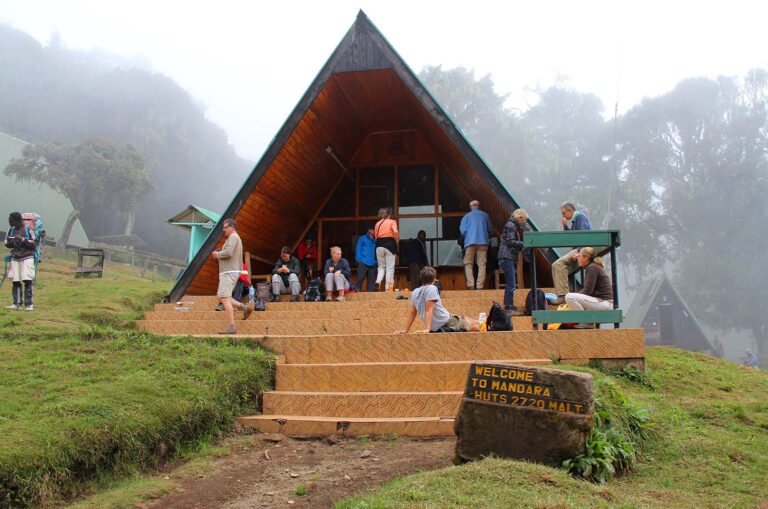
December Vs January Kilimanjaro Holiday Climb 2026-2027
December vs January Kilimanjaro Holiday Climb is explained with current 2026-2027 planning, price, itinerary and booking information.
View package details
January Vs February: Best Month To Climb Kilimanjaro In 2026-2027
Choosing between January and February for your Kilimanjaro climb? This in-depth guide compares the weather, crowds, and overall experience to help you decide the best month for your...
View package details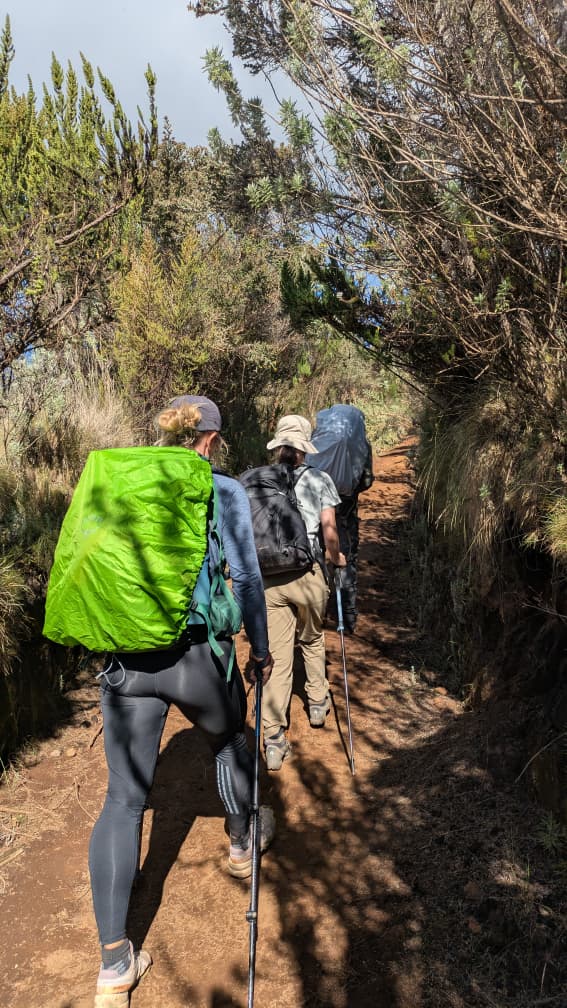
8-Day Lemosho Route Kilimanjaro Climb In January | Top Guide Adventures
An in-depth guide to the 8-day Lemosho Route Kilimanjaro climb during January, detailing the itinerary, weather, costs, and preparation needed for a successful trek in 2026-2027. Expert...
View package details
March Kilimanjaro Solo Traveller Group: Your Ultimate Guide For 2026-2027
Planning to climb Kilimanjaro solo in March? This guide connects you with group departures specifically for solo travellers, covering routes, costs, preparation, and what to expect in...
View package details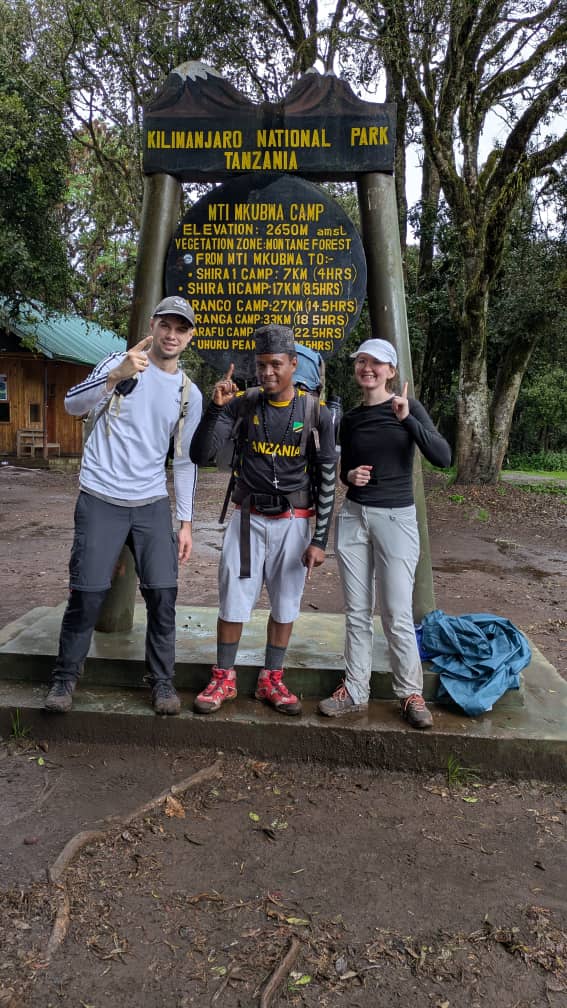
November Kilimanjaro Solo Traveller Expedition Guide
Discover everything you need to know for a successful November Kilimanjaro solo traveller expedition. Top Guide Adventures provides insights into routes, gear, acclimatization, and costs...
View package details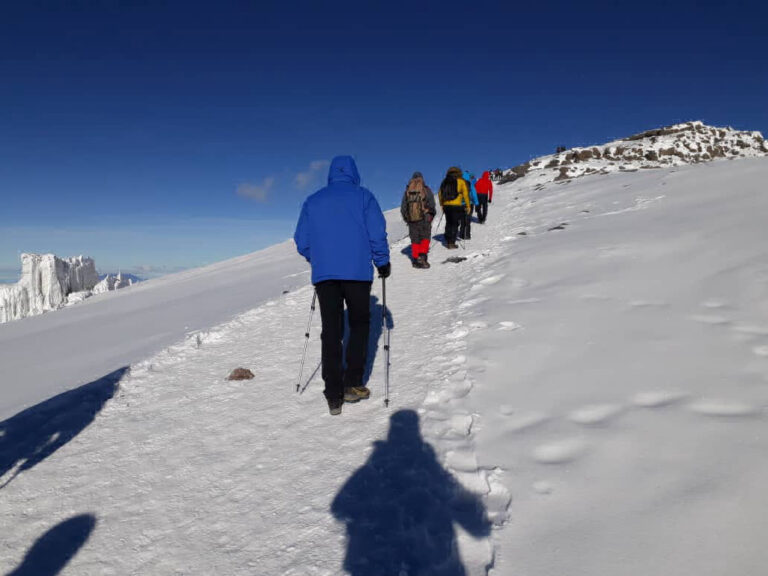
Kilimanjaro Friends’ Group Climbing Holiday: Your Ultimate Guide For 2026-2027
Organizing a Kilimanjaro climb for a group of friends is an unforgettable experience. This guide from Top Guide Adventures covers everything you need to know for a successful 2026-2027...
View package details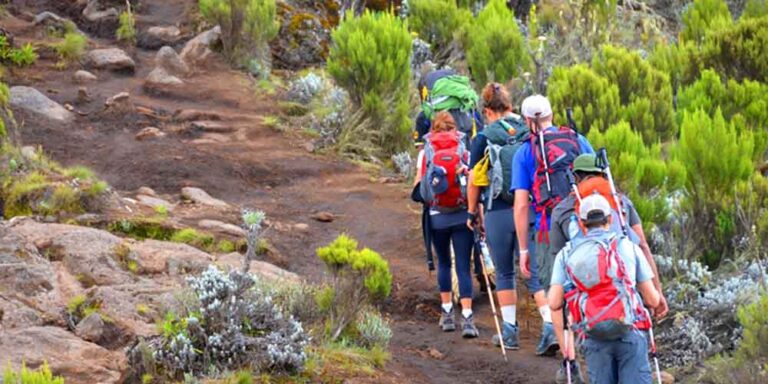
Kilimanjaro Retirement Celebration Climb: Your Ultimate Guide 2026-2027
Celebrate a significant life milestone with a Kilimanjaro Retirement Celebration Climb. This guide covers everything from route selection and preparation to the unique rewards of summiting...
View package details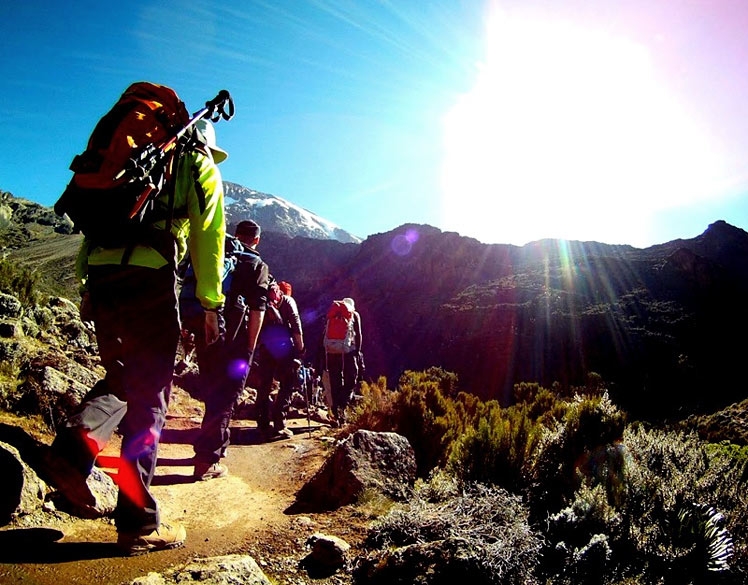
Driest Month To Climb Kilimanjaro: Your Guide For 2026-2027
The driest months for climbing Kilimanjaro are generally January, February, and June through October. These periods offer the clearest skies and lowest rainfall, ideal for a successful and...
View package details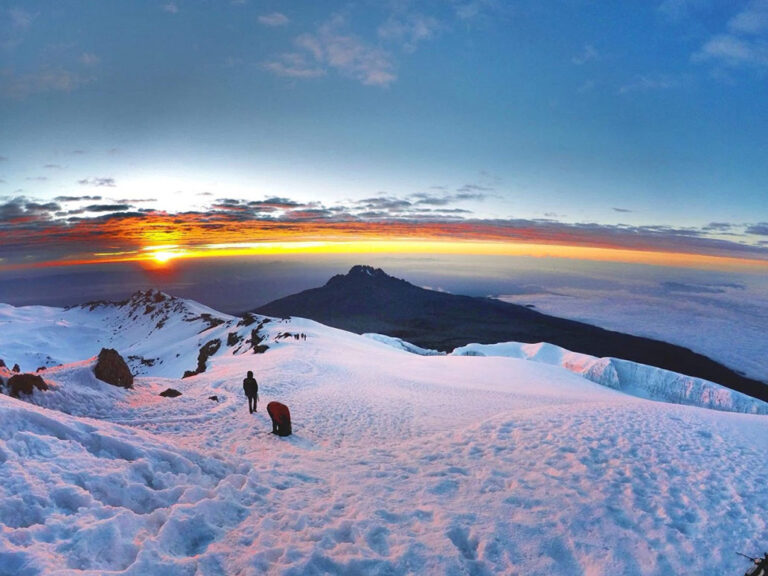
Coldest Month To Climb Kilimanjaro 2026-2027
Coldest Month to Climb Kilimanjaro is explained with current 2026-2027 planning, price, itinerary and booking information.
View package detailsNo related package matches those filters. Clear one or more filters to see the other topic-matched options.



