
The January Kilimanjaro climbing cost per person in 2026-2027 typically ranges from $1,800 to $3,500+ USD, depending significantly on the route chosen, the duration of the trek, the quality of the outfitter, and the level of service provided. Shorter, less popular routes like Marangu or Rongai may fall at the lower end, while longer, more scenic routes such as Lemosho or Machame, especially when booked with premium services or private climbs, will be at the higher end.
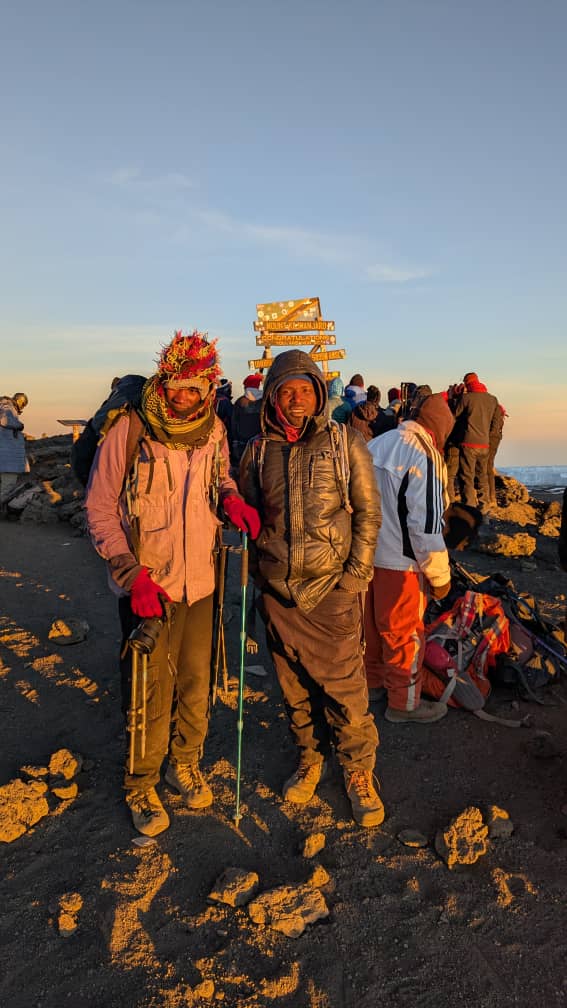

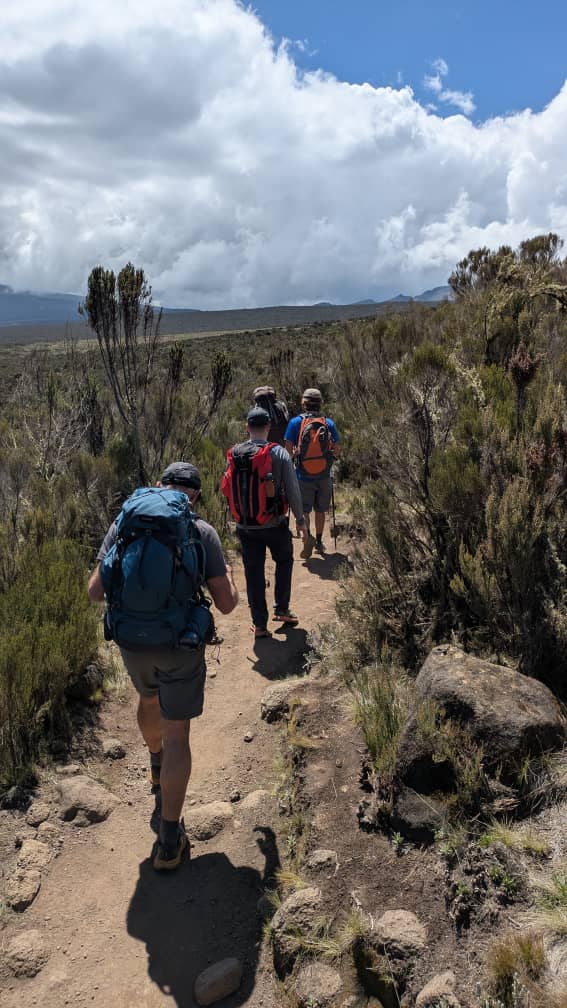
Understanding the January Kilimanjaro Climbing Cost Per Person for 2026-2027
Embarking on a Kilimanjaro climb is a significant undertaking, and understanding the associated costs is crucial for effective planning. When looking at the January Kilimanjaro climbing cost per person for 2026 or 2027, it’s essential to recognize that pricing is not a one-size-fits-all figure. Several variables contribute to the final price, and as a trusted tour operator in Tanzania, Top Guide Adventures is committed to providing transparent insights into these factors.
January falls within Kilimanjaro’s dry season, making it a popular time to climb. This increased demand, coupled with the inherent operational costs of running safe and successful expeditions, shapes the pricing. Expect costs to be consistent with other peak or shoulder season months, perhaps slightly higher than the wetter months of April and May. For 2026-2027, while general trends remain, specific price adjustments by park authorities or inflation could slightly alter figures from year to year, but the core cost drivers remain constant.
This article aims to break down the typical expenses, helping you budget accurately for your 2026-2027 Kilimanjaro adventure. We’ll explore what’s usually included, what’s often extra, and how different choices can impact your January Kilimanjaro climbing cost per person.
Key Factors Influencing Your January Kilimanjaro Climb Cost
Before diving into specific price ranges, let’s outline the primary elements that dictate the January Kilimanjaro climbing cost per person:
- Route Selection: Different routes have varying lengths, difficulty levels, and park fees, directly impacting the overall cost.
- Trek Duration: Longer treks generally incur higher costs due to more days of guide, porter, and cook services, as well as additional park fees.
- Operator Type: Local operators, international operators, budget companies, and luxury providers will all have different pricing structures.
- Inclusions and Services: The quality of accommodation before/after the climb, meal provisions, equipment provided, and the ratio of guides to climbers can affect the price.
- Group Size: While most operators price per person, private climbs will always be more expensive than joining a group.
- Time of Year: January is a desirable dry season month, generally commanding standard to slightly higher prices due to demand.
Typical Cost Breakdown for a January Kilimanjaro Climb (2026-2027)
When you receive a quote for a January Kilimanjaro climbing cost per person, it usually encompasses a comprehensive package designed to cover most operational expenses. Understanding these components helps justify the price and identify potential areas for savings or upgrades.
What’s Usually Included in the Price:
- Park Fees: This is a significant portion of the cost, covering entry fees, camping/hut fees, rescue fees, and conservation fees for Mount Kilimanjaro National Park. These are set by the Tanzanian government and are non-negotiable.
- Guide and Porter Services: Professional, licensed guides, experienced porters to carry your gear, and cooks to prepare meals are essential. The number of staff is often dictated by safety regulations and the weight of your equipment.
- Food: All meals during the trek are provided, typically prepared by your expedition cook. This includes breakfast, lunch, dinner, and often snacks and drinking water.
- Accommodation: While on the mountain, you’ll be in tents (most routes) or park-operated huts (Marangu route). The package also usually includes accommodation in a hotel or lodge in Moshi or Arusha before and after the climb.
- Equipment: Most operators provide tents, sleeping mats, dining tents, tables, chairs, and cooking equipment. You will typically need to bring your own sleeping bag, warm clothing, and personal gear.
- Tanzania Government Taxes: Various taxes are levied by the Tanzanian government on tourism services.
- Safety Equipment: This can include first-aid kits and emergency oxygen systems.
- Transfers: Transport from your hotel in Moshi/Arusha to the mountain gate and back after the climb.
What’s Typically NOT Included:
- Flights: International airfare to Kilimanjaro International Airport (JRO) is not part of the climb package.
- Visas: Visa fees for Tanzania.
- Travel Insurance: Comprehensive travel insurance covering high-altitude trekking and emergency evacuation is mandatory and must be purchased separately.
- Personal Gear: Sleeping bag, trekking poles, waterproof clothing, hiking boots, and other personal clothing and equipment.
- Tips for Crew: Gratuities for guides, porters, and cooks are customary and form a significant part of their earnings. This is a crucial part of your January Kilimanjaro climbing cost per person that needs separate budgeting.
- Lunches/Dinners in Town: Meals in hotels before and after the climb are sometimes excluded.
- Personal Expenses: Souvenirs, drinks (other than water on the mountain), and communication costs.
- Vaccinations and Medications: Costs associated with necessary health precautions.
Route-Specific Pricing Considerations for January 2026-2027
The route you choose is one of the most significant determinants of your January Kilimanjaro climbing cost per person. Longer routes generally mean more park fees and more days of crew service, increasing the total price. January offers good weather across most routes, but some are more popular and thus might have slightly more standardized pricing.
Marangu Route (Coca-Cola Route)
Often considered the most budget-friendly option due to its hut accommodation and shorter duration (5-6 days). However, its lower summit success rate on shorter itineraries makes it less recommended for first-timers. A 5-day Marangu climb in January 2026-2027 might cost between $1,500 – $2,200 USD per person. The 6-day option offers better acclimatization and a higher success rate, pushing the cost slightly higher, perhaps $1,700 – $2,500 USD per person.
Machame Route (Whiskey Route)
This is the most popular route, known for its scenic beauty and excellent acclimatization profile, typically taking 6-7 days. It uses camping accommodation. For a 6-day Machame climb in January 2026-2027, expect costs to range from $1,800 – $2,800 USD per person. The 7-day option, offering superior acclimatization and a better chance of reaching Uhuru Peak, would be at the higher end of this range or slightly above, perhaps $1,900 – $3,000 USD per person.
Lemosho Route
A longer and more scenic route, often considered one of the best for acclimatization and views. It’s also one of the more expensive due to its length (7-8 days) and remote starting point. A 7-day Lemosho climb in January 2026-2027 could cost between $2,000 – $3,200 USD per person. An 8-day itinerary, maximizing acclimatization, would likely be $2,200 – $3,500+ USD per person.
Shira Route
Similar to Lemosho but starts at a higher altitude. It’s typically a 7-8 day trek. Pricing would be comparable to Lemosho, possibly slightly higher due to the challenging start, around $2,100 – $3,400 USD per person for 2026-2027.
Rongai Route
The only route approaching from the north, Rongai is a good option during wetter months but is also perfectly viable in January. It’s generally less crowded and offers a different perspective. A 6-day Rongai climb might cost $1,700 – $2,600 USD per person, while a 7-day option would be slightly more, perhaps $1,800 – $2,800 USD per person for 2026-2027.
Northern Circuit
The longest route (9-10 days), offering the highest success rates due to exceptional acclimatization and the chance to circle the mountain. This comprehensive experience comes with a higher price tag. For 2026-2027, expect the January Kilimanjaro climbing cost per person on the Northern Circuit to be in the range of $2,500 – $4,000+ USD per person.
Estimated January Kilimanjaro Climbing Cost Per Person (2026-2027) – Summary
This table provides a general estimate. Actual quotes may vary based on operator and specific inclusions.
| Route | Duration (Days) | Estimated Cost Per Person (USD) |
|---|---|---|
| Marangu | 5 | $1,500 – $2,200 |
| Marangu | 6 | $1,700 – $2,500 |
| Rongai | 6 | $1,700 – $2,600 |
| Machame | 6 | $1,800 – $2,800 |
| Rongai | 7 | $1,800 – $2,800 |
| Machame | 7 | $1,900 – $3,000 |
| Lemosho | 7 | $2,000 – $3,200 |
| Shira | 7 | $2,100 – $3,400 |
| Lemosho | 8 | $2,200 – $3,500+ |
| Shira | 8 | $2,300 – $3,600+ |
| Northern Circuit | 9 | $2,500 – $4,000+ |
| Northern Circuit | 10 | $2,700 – $4,200+ |
Note: These are estimates for 2026-2027. Prices can fluctuate based on operator, specific inclusions, and package customization. January is a popular month, so booking in advance is recommended.
The Impact of Operator Choice on January Kilimanjaro Climbing Cost Per Person
Choosing the right tour operator is paramount, not just for safety and success but also for managing your January Kilimanjaro climbing cost per person. Operators vary significantly in their pricing and the services they offer.
Budget Operators
These operators focus on keeping costs low. They might use fewer guides per climber, have less experienced support staff, or offer more basic equipment. While appealing for those on a tight budget, it’s crucial to verify their safety standards and ethical treatment of porters. Expect prices at the lower end of the ranges mentioned above, potentially starting from $1,500 – $1,800 USD per person for standard packages.
Mid-Range Operators
This category often strikes a balance between cost, quality, and service. They adhere to strict safety protocols, employ well-trained guides and porters, and provide good quality equipment and food. This is where most reputable local and international operators fall. For a mid-range experience in January 2026-2027, the January Kilimanjaro climbing cost per person would likely be between $1,800 – $2,800 USD.
Premium/Luxury Operators
These operators offer a higher level of service, including more guides per climber, better quality tents, more comfortable dining experiences, higher guide-to-client ratios, and often additional support like private toilet tents or even oxygen on every climb. These packages come at a premium, with prices potentially ranging from $2,500 to $4,000+ USD per person, especially for longer routes or private climbs.
Local vs. International Operators
Local operators based in Tanzania, like Top Guide Adventures, often provide competitive pricing because they have lower overheads and direct control over their operations and staff. They are deeply familiar with Kilimanjaro and Tanzanian culture. International operators may sometimes have higher prices due to marketing, administrative costs, and profit margins, but can offer convenience for clients booking from abroad. It’s always wise to research an operator’s reputation, safety record, and ethical practices, regardless of where they are based.
Budgeting for Additional Costs: Tips and Crew Gratuities
A significant portion of the January Kilimanjaro climbing cost per person that is often overlooked is the tipping of the mountain crew. While the base price covers their wages, tips are a customary and vital part of their income. Responsible operators will provide guidelines for tipping, but here’s a general idea for 2026-2027:
- Lead Guide: $20 – $25 USD per day
- Assistant Guide(s): $15 – $20 USD per day per assistant guide
- Cook: $15 – $20 USD per day
- Porters: $10 – $15 USD per day per porter
For a 7-day climb, this could add up to an additional $400 – $700+ USD per climber. It’s best to budget for the higher end to ensure you can adequately reward the team for their hard work.
Other additional costs to consider:
- Travel Insurance: Essential for high-altitude trekking and medical evacuation. Budget around $100 – $250 USD depending on your coverage.
- Visas: Currently around $100 USD for US citizens, or $50 USD for many other nationalities.
- Gear Rental: If you need to rent items like a sleeping bag or trekking poles, factor in approximately $20 – $50 USD per item for the duration of the climb.
- Pre/Post-Climb Accommodation: Hotels in Moshi or Arusha typically cost $50 – $150+ USD per night.
- Personal Expenses: Allow at least $100 – $200 USD for souvenirs, extra snacks, and drinks.
Tips for Managing Your January Kilimanjaro Climb Budget
- Book in Advance: Especially for January 2026-2027, booking early secures your spot and potentially locks in current pricing before any potential increases.
- Choose a Local Operator: Often more cost-effective and directly supports the local economy. Top Guide Adventures is a highly recommended local operator.
- Consider Group Climbs: Joining a group is typically cheaper than a private climb. Check group departure dates for shared adventures.
- Be Realistic About Inclusions: Understand what’s included to avoid unexpected costs.
- Pack Smart: Avoid buying expensive gear you might only use once; consider renting some items.
- Factor in Tipping: Budget generously for crew gratuities – it’s a significant part of the overall cost.
- Compare Quotes Carefully: Don’t just compare prices; compare inclusions, durations, and operator reputations.
Why January is a Great Time to Climb Kilimanjaro (and its Cost Implications)
January is situated within Kilimanjaro’s primary dry season, which typically runs from December to February. This period offers clear skies, good visibility, and relatively stable weather conditions, making it an ideal time for climbing. The cold can be intense, especially at higher altitudes and on summit night, but the lack of rain significantly enhances the trekking experience.
Because January is a desirable month for climbing, demand is usually high. This means:
- Higher Demand: More trekkers choose January, leading to potentially busier trails and campsites.
- Consistent Pricing: Prices for the January Kilimanjaro climbing cost per person tend to be standard for the dry season, not significantly lower or higher than other popular dry months like February or July-September.
- Booking Urgency: It’s advisable to book your climb for January 2026 or 2027 well in advance, ideally 6-12 months ahead, to secure your preferred dates and operator.
While the weather is favorable, remember that Kilimanjaro is a high-altitude mountain, and conditions can change rapidly. Even in January, you should be prepared for cold temperatures, wind, and potentially snow near the summit.
Comparing January Kilimanjaro Climbing Costs for 2026 vs. 2027
For the most part, the January Kilimanjaro climbing cost per person in 2026 will be very similar to 2027. Tanzania’s tourism sector is relatively stable, but minor price adjustments can occur annually due to inflation, changes in park fees set by the Tanzanian government, or currency fluctuations. Typically, these increases are modest, often in the range of 3-5% year-on-year.
Therefore, when planning for January 2027 Kilimanjaro climbs, you might see a slight increase compared to the exact same package in January 2026. However, the fundamental cost structure and the factors influencing price (route, duration, operator) will remain the same. The best strategy is to get quotes for your desired year and compare them. Booking earlier for 2027 will help you secure a potentially better price before any year-end adjustments are made.
Maximizing Your Kilimanjaro Experience Without Breaking the Bank
While safety and success are paramount, it’s possible to have an incredible Kilimanjaro experience in January 2026-2027 without overspending. Here are some tips focused on value:
- Focus on Acclimatization: Choose a longer route (7+ days) even if it slightly increases the January Kilimanjaro climbing cost per person. Better acclimatization leads to a higher chance of reaching the summit, making the entire investment worthwhile. A failed summit attempt is a costly disappointment.
- Pack Wisely: Invest in essential, high-quality gear like good boots and waterproofs. For other items, consider renting from your operator or reputable gear shops in Moshi.
- Understand Operator Ethics: Choosing an operator committed to fair wages and good working conditions for their crew is vital. While these operators might not be the absolute cheapest, they often provide a more motivated and professional team, contributing to a safer and more enjoyable climb. Top Guide Adventures is known for its ethical practices and dedication to its staff.
- Group Departures: Joining a pre-scheduled group departure is a fantastic way to reduce the January Kilimanjaro climbing cost per person. You share the costs of guides, porters, and logistics among more people. Check out Machame Route group departures or other available dates.
Choosing Top Guide Adventures for Your January 2026-2027 Climb
At Top Guide Adventures, we pride ourselves on offering exceptional Kilimanjaro climbing experiences that balance safety, success, and value. We understand the importance of transparency in the January Kilimanjaro climbing cost per person and strive to provide comprehensive packages that meet international standards while remaining competitive.
When you book with us for a 2026 or 2027 climb, you can expect:
- Experienced & Certified Guides: Our guides are highly trained in wilderness first aid and possess extensive knowledge of Kilimanjaro’s routes and environment.
- Ethical Porter Treatment: We are committed to the fair treatment and ethical handling of our porters, ensuring they are well-equipped, fed, and respected.
- Quality Equipment: We provide durable, high-quality tents, sleeping mats, and dining equipment.
- Nutritious Meals: Our cooks prepare delicious and energy-boosting meals to fuel your trek.
- Safety First: We carry emergency oxygen and comprehensive first-aid kits, and our crew is trained to monitor climbers for altitude sickness.
- Personalized Support: From your initial inquiry to your return from the mountain, our team offers dedicated support.
We encourage you to contact us directly for a personalized quote for your January Kilimanjaro climbing cost per person in 2026 or 2027. We can help you select the best route based on your fitness, experience, and budget, and tailor an itinerary to your needs.
For inquiries, please reach out:
- WhatsApp: +255616946642
- Email: topguideadventures@gmail.com
- Backup Email: info@topguideadventures.com
You can also explore our services and read reviews from past clients on TripAdvisor or visit our website www.topguideadventures.com.
Choosing Top Guide Adventures means investing in a safe, memorable, and successful Kilimanjaro climb. We look forward to helping you achieve your summit goal in January 2026 or 2027!
Check Availability for January Kilimanjaro Climbing Cost Per Person In | Top Guide Adventures
Ready to compare dates, prices, and the best option for your group? Send the package name and travel month so the team can reply with a clear quote, availability, and what is included.
Kilimanjaro Climbing Price For Five People: Group Costs 2026-2027
Understanding the Kilimanjaro climbing price for five people (5 pax) is crucial for group planning. This guide breaks down the costs for 2026-2027, covering route variations, inclusions...
View package details
Kilimanjaro Climbing Price For Ten People: Group Trekking Costs Explained
Planning a Kilimanjaro climb for a group of ten? This comprehensive guide breaks down the Kilimanjaro climbing price for ten people, covering 2026-2027 costs, route influences, inclusions...
View package details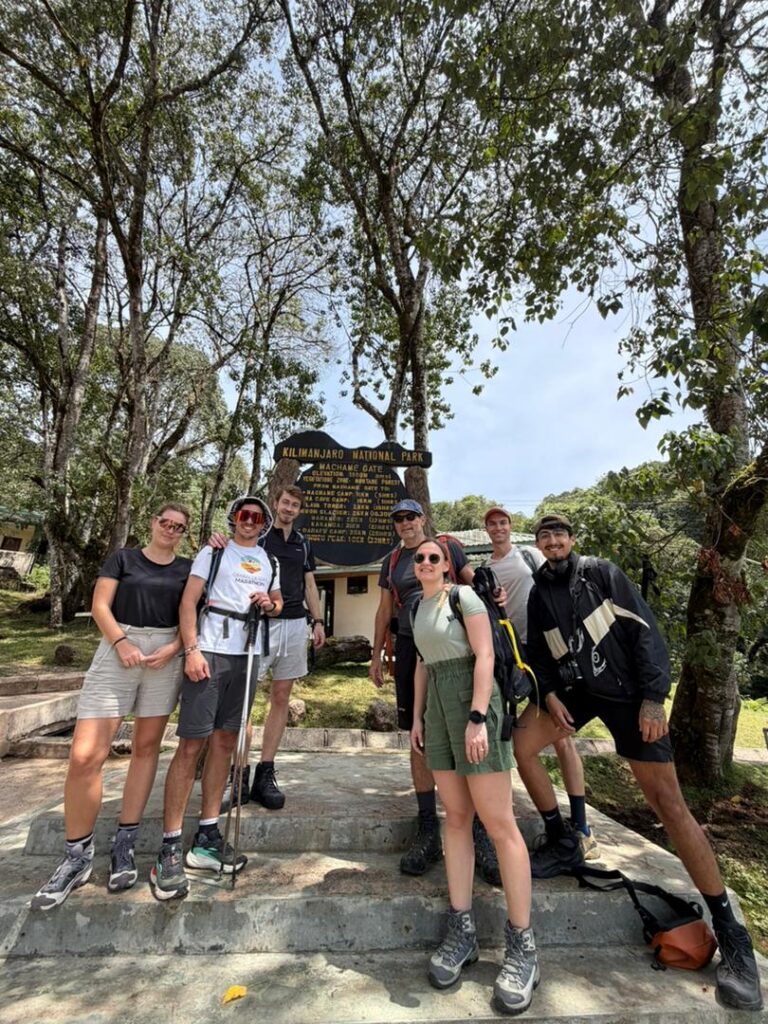
November Kilimanjaro Climbing Cost And Discounts For 2026-2027
Planning a Kilimanjaro climb in November 2026 or 2027? This comprehensive guide details the expected costs, factors influencing pricing, and available discounts. Learn how to budget...
View package details
February Vs March Kilimanjaro Climbing Conditions 2026-2027
February vs March Kilimanjaro Climbing Conditions is explained with current 2026-2027 planning, price, itinerary and booking information.
View package details
January Vs February: Best Month To Climb Kilimanjaro In 2026-2027
Choosing between January and February for your Kilimanjaro climb? This in-depth guide compares the weather, crowds, and overall experience to help you decide the best month for your...
View package details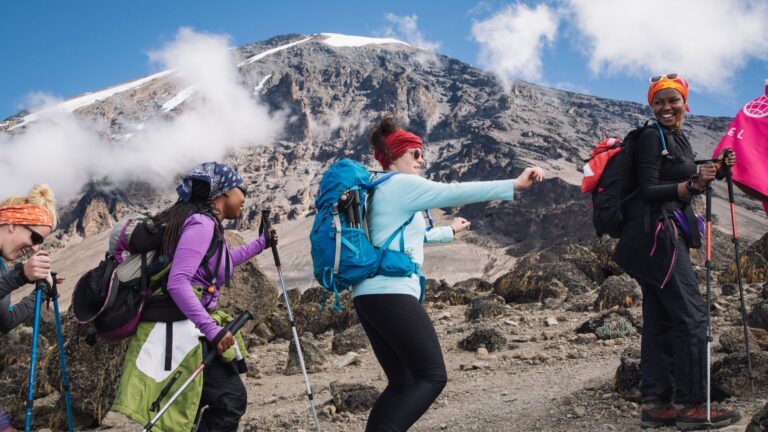
Oldest Person To Summit Kilimanjaro: Anne Lorimors Record-Breaking Climb
Anne Lorimor made history by becoming the oldest person to summit Mount Kilimanjaro at the age of 89. This article explores her incredible achievement, the challenges involved, and how...
View package details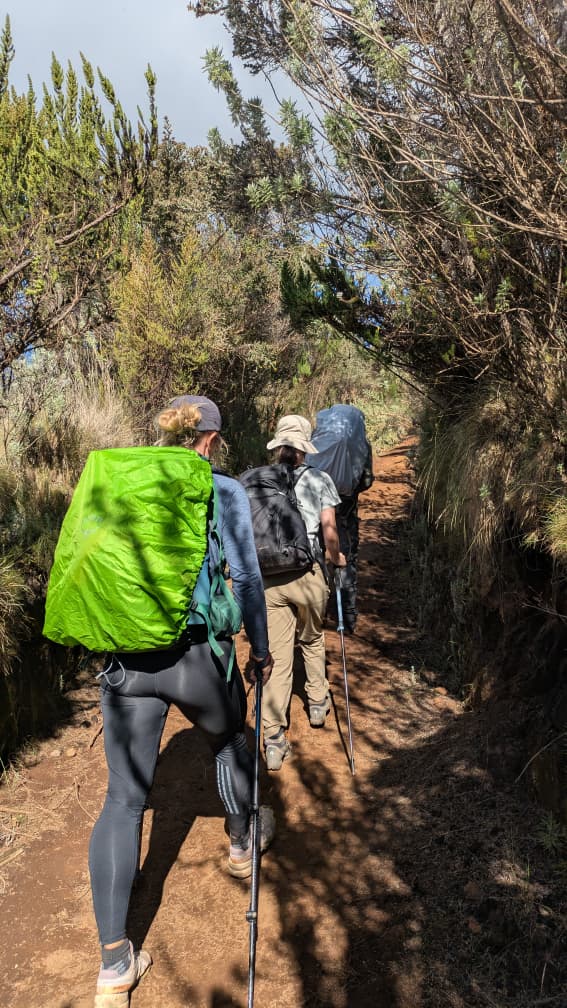
8-Day Lemosho Route Kilimanjaro Climb In January | Top Guide Adventures
An in-depth guide to the 8-day Lemosho Route Kilimanjaro climb during January, detailing the itinerary, weather, costs, and preparation needed for a successful trek in 2026-2027. Expert...
View package details
Kilimanjaro Boxing Day Climbing Departure : Your Festive Trek Adventure
start an unforgettable Kilimanjaro climb this festive season! Discover the unique advantages and planning details for a Boxing Day departure in 2026 and 2027 with Top Guide Adventures, your...
View package detailsChristmas Kilimanjaro Climbing Package : Your Ultimate Guide 2026-2027
Discover everything you need to know about climbing Mount Kilimanjaro during the Christmas season with a comprehensive package guide for 2026-2027. Learn about routes, preparation, and what...
View package details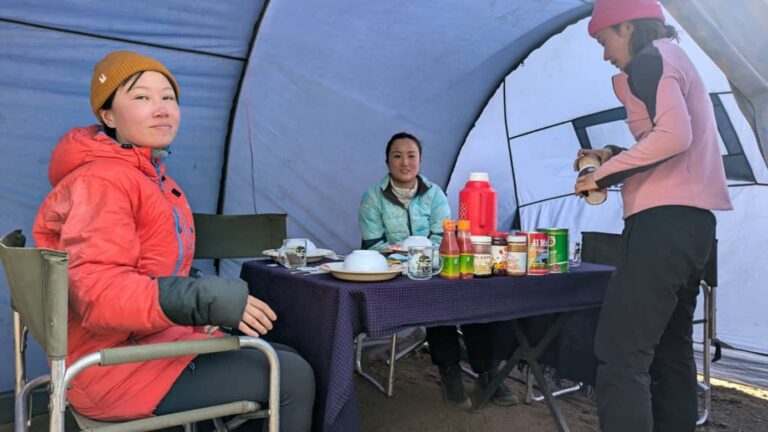
Best Kilimanjaro Route For December : Your Ultimate Climbing Guide 2026-2027
Choosing the best Kilimanjaro route for a December climb requires understanding the unique weather patterns and operational considerations of this popular month. While December marks the...
View package details
December Kilimanjaro Group Departures : Your Ultimate Climbing Guide 2026-2027
Planning a Kilimanjaro climb in December 2026? This comprehensive guide covers everything you need to know about group departures, including route options, weather expectations, packing...
View package details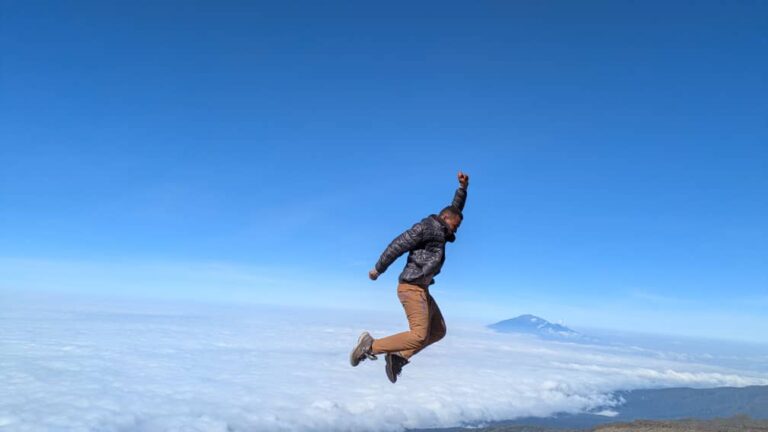
Kilimanjaro Climbing In December : Your Complete Planning Guide 2026-2027
This guide provides an in-depth look at climbing Mount Kilimanjaro in December 2026, covering everything from weather patterns and best routes to essential gear and booking advice. Prepare...
View package detailsNo related package matches those filters. Clear one or more filters to see the other topic-matched options.



