
A June Kilimanjaro student group expedition in 2026 or 2027 is an excellent opportunity for young adventurers to summit Africa’s highest peak. Typically, these expeditions run for 7-10 days, often utilizing routes like Machame or Lemosho for better acclimatization, and involve comprehensive pre-trip training, specific gear requirements, and a focus on safety and team cohesion. Top Guide Adventures specializes in organizing such group treks, providing tailored support and ensuring a memorable, successful climb.

Why Choose June for Your Kilimanjaro Student Group Expedition?
June marks the beginning of the dry season on Mount Kilimanjaro, offering some of the most favorable climbing conditions of the year. For student groups planning an expedition in 2026 or 2027, this timing presents a compelling advantage. The skies are generally clear, providing spectacular views of the surrounding landscape and neighboring peaks. Rainfall is minimal, meaning trails are less muddy and slippery, and the risk of encountering heavy fog or cloud cover at lower altitudes is reduced. While temperatures can still be cold, especially at higher elevations, the absence of significant rain and the presence of sunshine during the day make the trek more comfortable and safer for groups, particularly those with less high-altitude trekking experience.
The beginning of the dry season also means that Kilimanjaro is less crowded compared to the peak months of July and August. This can be a significant benefit for student groups who might prefer a more serene climbing experience, allowing for better camaraderie and a less rushed ascent. It also means that accommodation options at the base town of Moshi and on the mountain itself are more readily available, potentially offering more flexibility when booking your June Kilimanjaro student group expedition for 2026 or 2027.
Furthermore, June often falls outside of peak holiday periods for many educational institutions, potentially making it easier for students to secure time off for such an ambitious undertaking. This alignment of favorable weather, manageable crowds, and academic scheduling makes June a prime candidate for student groups looking to conquer Kilimanjaro.
Understanding Kilimanjaro Group Dynamics for Students
Organizing a June Kilimanjaro student group expedition involves more than just booking a climb; it’s about managing a diverse group of individuals with varying fitness levels, experience, and expectations. Top Guide Adventures understands the unique challenges and rewards of leading student expeditions.
Team Building and Support: A group expedition is a fantastic opportunity for personal growth and team building. Students learn to support each other through physical and mental challenges, fostering a strong sense of accomplishment. Our guides are trained to encourage positive group dynamics, ensuring everyone feels included and motivated.
Safety First for Student Trekkers: Safety is paramount, especially with younger, potentially less experienced trekkers. We emphasize thorough pre-expedition training, proper acclimatization protocols, and constant monitoring of each climber’s health. Our guides are certified in wilderness first aid and carry comprehensive medical kits. For student groups in 2026-2027, we ensure that our safety standards are rigorously applied.
Pacing and Acclimatization: Student groups may have a wide range of fitness levels. It’s crucial to maintain a slow, steady pace (pole pole) that allows everyone to acclimatize effectively. Our guides are skilled at managing group pace, ensuring that no one is left behind and that acclimatization is prioritized over speed. This is particularly important for a June Kilimanjaro student group expedition where everyone aims to reach the summit safely.
Environmental Awareness: We instill a deep respect for Kilimanjaro’s fragile ecosystem in all our groups. Students are educated on Leave No Trace principles, waste management, and the importance of protecting the mountain’s unique flora and fauna. This aspect is often a key educational component for school or university-led expeditions.
Choosing the Right Route for Your Student Expedition in June
The route you choose significantly impacts your acclimatization, scenery, and overall success rate on Kilimanjaro. For a June Kilimanjaro student group expedition, prioritizing acclimatization is key. Longer routes generally offer better acclimatization profiles.
Here’s a look at popular routes suitable for student groups, considering the June climate:
Machame Route: The Popular Choice
Often called the “Whiskey Route,” the Machame Route is the most popular choice for many trekkers, including student groups. It offers excellent acclimatization due to its “climb high, sleep low” philosophy.
- Duration: Typically 6-7 days. A 7-day itinerary is highly recommended for student groups to enhance acclimatization.
- Scenery: Diverse and beautiful, passing through rainforest, moorlands, and alpine desert.
- Success Rate: High, especially with a 7-day itinerary.
- Pros for Students: Good acclimatization, well-established path, strong sense of camaraderie among trekkers.
- Cons for Students: Can be crowded, especially in the early stages.
For a June Kilimanjaro student group expedition, the 7-day Machame route provides a solid balance of challenge and safety, making it a top recommendation for 2026-2027 bookings.
Lemosho Route: The Scenic Gem
The Lemosho Route is renowned for its stunning scenery and remote wilderness feel, especially in the first few days. It’s a longer route, offering superior acclimatization.
- Duration: Typically 7-8 days. An 8-day trek is ideal for optimal acclimatization and enjoyment.
- Scenery: Arguably the most scenic route, offering panoramic views and diverse landscapes.
- Success Rate: Very high, due to its length and gradual ascent.
- Pros for Students: Excellent acclimatization, less crowded initially, truly wild experience.
- Cons for Students: More expensive due to longer duration and park fees.
If budget allows for a June Kilimanjaro student group expedition in 2026 or 2027, the Lemosho route offers an unparalleled trekking experience.
Marangu Route: The “Coca-Cola” Trail
The Marangu Route is the oldest and most traditional route. It’s also the only route that offers dormitory-style lodging in huts instead of camping.
- Duration: 5-6 days. The 5-day option is very fast and carries a lower success rate due to poor acclimatization. A 6-day option is better.
- Scenery: Less varied than other routes, primarily ascending the saddle between Kibo and Mawenzi peaks.
- Success Rate: Lower, particularly on the 5-day itinerary.
- Pros for Students: Potentially lower cost due to huts, less gear required (no tents).
- Cons for Students: Poorer acclimatization, can feel rushed, more crowded.
While it might seem appealing for its lower cost, the Marangu route is generally not recommended for student groups aiming for a safe and successful June Kilimanjaro student group expedition in 2026-2027, due to its rapid ascent.
Northern Circuit: The Longest and Best
The Northern Circuit is the longest route on Kilimanjaro, taking trekkers almost entirely around the mountain’s northern and western sides. This offers the best acclimatization profile.
- Duration: 9-10 days.
- Scenery: Exceptionally diverse and beautiful, offering unique perspectives.
- Success Rate: The highest of all routes.
- Pros for Students: Superior acclimatization, fewer crowds, incredible views.
- Cons for Students: Most expensive due to the length and park fees.
For a truly exceptional and safe June Kilimanjaro student group expedition in 2026 or 2027, the Northern Circuit is the ultimate choice, though it requires a higher budget.
Recommendation for Student Groups: For a June Kilimanjaro student group expedition, we strongly recommend the 7-day Machame Route or the 8-day Lemosho Route. These routes offer the best balance of acclimatization, scenery, and overall experience for students.
Preparing Your Student Group for the Climb
Successful preparation is crucial for a June Kilimanjaro student group expedition. It involves physical training, mental preparation, and acquiring the right gear.
Physical Training Regimen
Students should begin training at least 2-3 months before the expedition. The focus should be on cardiovascular fitness and leg strength.
- Cardiovascular Endurance: Regular activities like running, cycling, swimming, or brisk walking for at least 3-4 times a week. Aim for sessions of 45-60 minutes.
- Strength Training: Focus on leg muscles (squats, lunges, calf raises) and core strength.
- Hiking Practice: The most important training is hiking with a weighted backpack. Start with shorter hikes on weekends and gradually increase the duration and elevation gain. Include hikes with significant elevation changes to simulate Kilimanjaro’s terrain.
- Stair Climbing: Use stair machines or actual stairs with a backpack to build endurance for the ascent.
Encourage students to train together whenever possible, building team spirit even before the trip.
Mental Preparation
Climbing Kilimanjaro is as much a mental challenge as a physical one. Students should be prepared for:
- Discomfort: Cold temperatures, fatigue, and altitude sickness symptoms are possible.
- Patience: The “pole pole” pace requires patience and mental fortitude.
- Teamwork: Encouraging and supporting fellow group members is vital.
- Positive Attitude: A positive mindset can significantly impact the experience and ability to overcome challenges.
Discussions about potential challenges and strategies for overcoming them should be part of the pre-expedition briefing.
Essential Gear for a June Expedition
Proper gear is non-negotiable for comfort and safety on Kilimanjaro, especially during the June dry season. Layering is key.
Clothing Layers:
- Base Layers: Moisture-wicking thermal tops and bottoms (synthetic or merino wool).
- Mid Layers: Fleece jackets or synthetic insulated jackets for warmth.
- Outer Layer (Insulation): A warm down or synthetic puff jacket for summit night.
- Shell Layer: Waterproof and windproof jacket and pants (Gore-Tex or similar).
Headwear & Handwear:
- Warm, insulated gloves (waterproof outer, liner gloves recommended).
- Warm hat/beanie that covers the ears.
- Balaclava or neck gaiter for face protection.
- Sun hat or cap for lower altitudes.
Footwear:
- Broken-in, waterproof hiking boots with good ankle support.
- Comfortable hiking socks (wool or synthetic, several pairs).
- Camp shoes or comfortable trainers for evenings.
Backpack & Duffel Bag:
- Daypack (30-40 liters): To carry water, snacks, rain gear, and essentials during the day.
- Duffel Bag (80-100 liters): Waterproof, for porters to carry your main gear.
Sleeping Gear:
- Sleeping Bag: Rated to at least -10°C (0°F), preferably -20°C (-4°F) for summit night.
- Sleeping bag liner (optional, for extra warmth).
Other Essentials:
- Trekking poles (highly recommended).
- Headlamp with extra batteries.
- Water bottles or hydration reservoir (at least 3 liters capacity).
- Water purification tablets or filter (as backup).
- Sunscreen (high SPF), lip balm with SPF.
- Sunglasses (UV protection).
- Personal first-aid kit (including blister treatment, pain relievers, personal medications).
- Toiletries (biodegradable soap, toothbrush, toothpaste, wet wipes).
- Camera and extra batteries/power bank.
- Snacks (energy bars, nuts, dried fruit).
- Passport, visa, travel insurance documents.
Top Guide Adventures can provide a detailed gear list tailored to your specific June Kilimanjaro student group expedition in 2026 or 2027. We also offer gear rental options for essential items like sleeping bags and warm jackets.
Understanding Costs for a June Kilimanjaro Student Group Expedition (2026-2027)
The cost of a June Kilimanjaro student group expedition can vary significantly based on the route, duration, group size, and inclusions. Top Guide Adventures is committed to transparency regarding pricing.
Key Cost Factors:
- Park Fees: These are fixed by the Tanzania National Parks Authority (TANAPA) and are a substantial part of the cost. They are per person, per day.
- Route and Duration: Longer routes and longer treks naturally incur higher park fees and operational costs.
- Number of Porters and Guides: More trekkers generally mean more support staff, increasing costs.
- Accommodation: Camping costs (tents, sleeping mats) versus hut accommodation (Marangu route).
- Food: Quality and variety of meals provided on the mountain.
- Logistics: Transportation to/from the mountain, airport transfers.
- Group Size: Larger groups may benefit from economies of scale, potentially reducing the per-person cost.
Typical Inclusions in a Package:
- All park entry fees, camping/hut fees, rescue fees.
- Professional, licensed mountain guides (including assistant guides).
- Porters to carry group gear and personal duffel bags.
- All meals on the mountain (breakfast, lunch, dinner).
- Boiled water on the mountain.
- Temporary shelters (tents) and cooking equipment.
- Campsite accommodation.
- All ground transportation from Moshi to the park gate and back.
- Accommodation in Moshi before and after the climb (often included in packages).
- Portable chemical toilets for group use.
What’s Typically Excluded:
- International flights to Kilimanjaro International Airport (JRO).
- Visa fees for Tanzania.
- Travel insurance (mandatory).
- Personal climbing gear (sleeping bag, hiking poles, etc., though rentals are often available).
- Tips for guides, porters, and cooks (a significant cultural expectation and part of their income).
- Personal expenses (souvenirs, drinks, laundry).
- Optional activities before or after the climb (e.g., safaris, cultural tours).
- Gratuity for the crew.
Estimated Cost Range for 2026-2027:
For a standard June Kilimanjaro student group expedition, expect prices to range from $1,800 to $3,500 USD per person. This range depends heavily on the factors mentioned above. Longer routes like Lemosho or Northern Circuit will be at the higher end, while shorter, basic packages on Machame might be closer to the lower end. Group discounts are often available for student expeditions. For a precise quote tailored to your group’s needs for 2026 or 2027, it is best to contact us directly.
Get a Custom Quote for Your 2026-2027 Expedition
Contact Top Guide Adventures for a detailed, personalized quote for your June Kilimanjaro student group expedition. We work with student groups to create affordable and memorable experiences.
WhatsApp: +255616946642
Email: topguideadventures@gmail.com
Backup Email: info@topguideadventures.com
Altitude Sickness (Acute Mountain Sickness – AMS) and Student Groups
Altitude sickness is a serious concern on Kilimanjaro, and student groups need to be particularly aware and prepared. AMS can affect anyone, regardless of age or fitness level. The key to prevention and management is proper acclimatization and awareness.
Understanding AMS:
- Cause: Occurs when ascending too quickly, and the body cannot adapt to the lower oxygen levels at higher altitudes.
- Symptoms: Headache, nausea, dizziness, fatigue, loss of appetite, difficulty sleeping. More severe symptoms include shortness of breath, confusion, and loss of coordination.
- Severity: Ranges from mild to severe (High Altitude Pulmonary Edema – HAPE, and High Altitude Cerebral Edema – HACE), which can be life-threatening.
Prevention Strategies for Student Expeditions:
- Choose Longer Routes: As discussed, routes like Lemosho or Northern Circuit offer better acclimatization. A 7-day Machame is also good. Avoid 5-day Marangu.
- “Pole Pole” (Slowly, Slowly): This is the mantra on Kilimanjaro. Guides ensure a slow, steady pace, allowing the body to adjust.
- Hydration: Drink plenty of fluids (3-4 liters per day). Water is best, but herbal teas and soup also contribute. Avoid alcohol and caffeine.
- Diet: Eat well, even if appetite is reduced. High-carbohydrate meals are recommended.
- Ascend Gradually: The “climb high, sleep low” principle is crucial for acclimatization.
- Medication: Acetazolamide (Diamox) is a prescription medication that can help prevent or alleviate AMS symptoms. Consult a doctor before the expedition to discuss its suitability for your group.
Management and Monitoring:
- Guide Training: Our guides are trained to recognize AMS symptoms and monitor trekkers closely.
- Open Communication: Students must be encouraged to communicate any symptoms to their guide immediately, no matter how minor they seem.
- Descent is the Cure: If symptoms worsen or become severe, the only effective treatment is immediate descent. Our guides are empowered to make these critical decisions for the safety of the group.
For a June Kilimanjaro student group expedition in 2026 or 2027, prioritizing acclimatization and ensuring open communication about health is paramount for a successful and safe climb.
Logistics and Support from Top Guide Adventures
Top Guide Adventures prides itself on providing comprehensive logistical support and exceptional service, particularly for student groups undertaking a June Kilimanjaro student group expedition.
Pre-Trip Support:
- Consultation: We offer detailed consultations to help student groups choose the best route, dates, and package for their needs and budget for 2026-2027.
- Training Advice: Providing guidance on physical and mental preparation.
- Gear Guidance: Detailed packing lists and advice on gear rental options.
- Visa and Health Information: Assistance with understanding visa requirements and recommended vaccinations.
On-Mountain Support:
- Experienced Guides: Our guides are certified, experienced, and trained in first aid and AMS management. They are not just leaders but also educators and motivators.
- Dedicated Crew: Well-trained porters and cooks ensure that the trek is as comfortable and enjoyable as possible, managing camp setup, carrying gear, and preparing nutritious meals.
- Safety Equipment: We carry comprehensive medical kits, oxygen cylinders (as backup), and communication devices.
- Daily Briefings: Guides provide daily briefings on the day’s trek, weather conditions, and health checks.
Post-Climb Services:
- Accommodation: Comfortable lodging in Moshi after the climb to rest and celebrate.
- Transfers: Reliable airport transfers and transportation for any onward travel within Tanzania.
- Optional Extensions: We can arrange post-climb safaris or Zanzibar holidays to complement the expedition.
Our commitment is to ensure that every June Kilimanjaro student group expedition is well-organized, safe, and an unforgettable adventure. We handle all the complex logistics so students can focus on the climb and their experience.
When to Book Your 2026-2027 June Kilimanjaro Student Group Expedition
Booking well in advance is highly recommended, especially for student groups planning a June Kilimanjaro student group expedition for 2026 or 2027. This ensures availability, particularly for specific dates and group sizes.
- 12-18 Months in Advance: Ideal for securing preferred dates, especially for popular months like June, and for coordinating with school or university schedules. This lead time allows for thorough planning, fundraising, and training.
- 6-12 Months in Advance: Still a good window, especially if you have some flexibility with dates. This allows for finalizing group members and making initial deposits.
- Less than 6 Months: Possible, but options may be limited. It might also be more challenging to arrange specific group requirements or secure the most competitive pricing.
Early booking also allows students ample time for fundraising, physical preparation, and obtaining necessary travel documents. Contacting Top Guide Adventures early in your planning process for 2026 or 2027 is the best way to secure your spot and receive tailored advice.
The Summit Night Experience: A Student’s Perspective
Summit night is the most challenging and rewarding part of the Kilimanjaro climb. For a June Kilimanjaro student group expedition, this experience is often a defining moment.
The Ascent:
- Timing: Usually begins around midnight from the last camp (e.g., Kibo Huts or Barafu Camp).
- Pace: Extremely slow and deliberate “pole pole.”
- Conditions: Extremely cold (often -10°C to -20°C or colder with wind chill), dark, and steep. Trekkers use headlamps to navigate.
- Mental Fortitude: This is where mental strength is tested. Pushing through fatigue and cold requires immense determination.
Reaching Stella Point and Uhuru Peak:
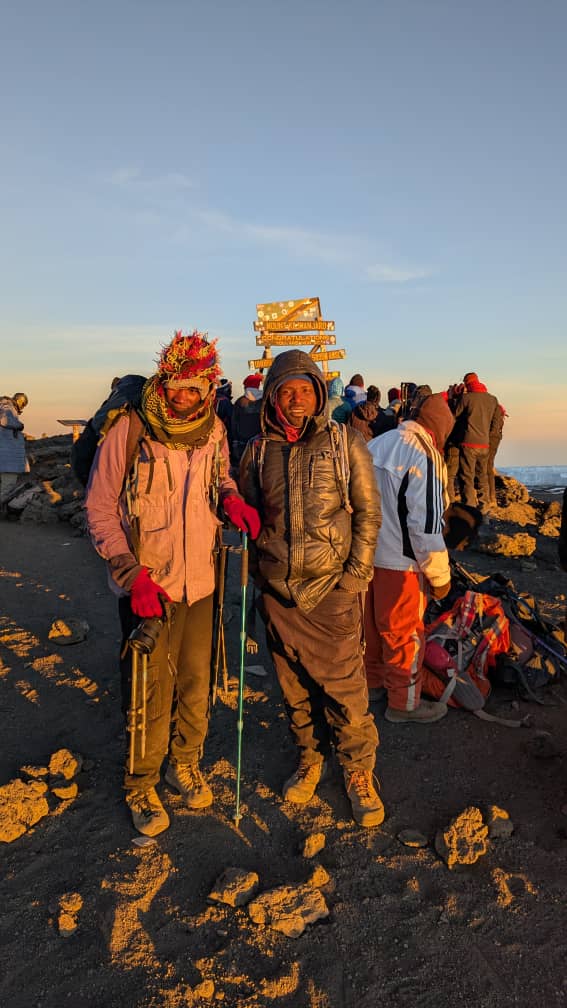
- Stella Point: The crater rim is typically reached around 6-7 AM. This is a significant achievement, offering the first dramatic views of the sunrise.
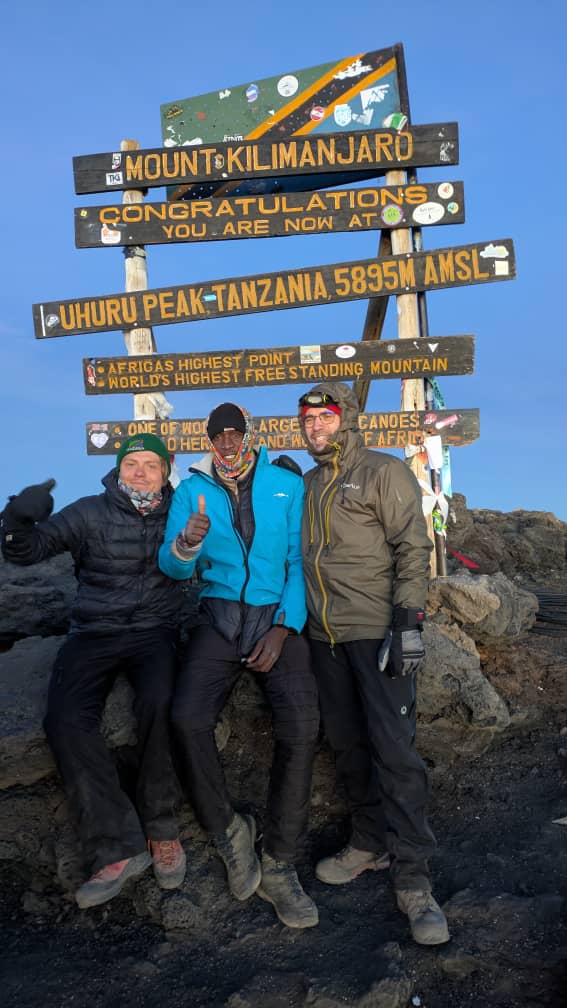
- Uhuru Peak: A further 1-2 hour walk along the crater rim leads to Uhuru Peak (5,895m / 19,341ft), the true summit of Kilimanjaro. This is the moment of triumph.
The Descent:
- Speed: The descent is significantly faster than the ascent, but still requires caution due to loose scree and fatigue.
- Return to Camp: Most trekkers descend back to Barafu Camp for a short rest before continuing to a lower camp (e.g., Mweka Camp).
- Celebration: Upon reaching the lower camps, there is often a sense of relief, exhaustion, and immense pride.
Our guides are exceptionally skilled at managing summit night, ensuring the safety and encouragement of every student in the group. The shared experience of reaching the summit together is an unparalleled bonding moment for student expeditions.
Post-Climb Activities and Extensions
A June Kilimanjaro student group expedition is often part of a larger adventure in Tanzania. Top Guide Adventures can help arrange complementary activities.
- Tanzania Safari: Explore the world-renowned Serengeti National Park, Ngorongoro Crater, Tarangire National Park, or Lake Manyara. Experience incredible wildlife viewing opportunities.
- Zanzibar Holiday: Relax on the pristine beaches of Zanzibar, explore the historic Stone Town, and enjoy water sports.
- Cultural Tours: Visit local villages, learn about Maasai culture, or explore the coffee plantations around Moshi.
- Day Trips: Shorter excursions like visiting Materuni waterfalls or Chadema hot springs.
Combining a Kilimanjaro climb with a safari or beach holiday creates a complete Tanzanian experience, perfect for student groups looking to maximize their trip in 2026 or 2027.
Why Partner with Top Guide Adventures for Your Student Expedition?
Choosing the right tour operator is critical for the success and safety of any Kilimanjaro expedition, especially for student groups. Top Guide Adventures stands out as one of Tanzania’s trusted local operators.
- Local Expertise: As a Tanzanian company, we possess in-depth knowledge of Kilimanjaro, local regulations, and cultural nuances.
- Safety Commitment: We prioritize safety above all else, employing highly trained guides and adhering to strict safety protocols.
- Personalized Service: We offer dedicated support from the initial inquiry through to post-expedition follow-up. We understand the specific needs of student groups.
- Fair Treatment of Staff: We ensure our guides and porters are well-paid, equipped, and treated ethically, which translates to a motivated and professional support team on the mountain.
- Sustainability Focus: We are committed to responsible tourism practices that protect Kilimanjaro’s environment and support local communities.
- Proven Track Record: We have a history of successful climbs and satisfied clients, including many student groups. See our TripAdvisor reviews.
Let Top Guide Adventures be your partner in planning an unforgettable June Kilimanjaro student group expedition for 2026 or 2027. We are dedicated to providing a safe, challenging, and enriching experience that students will remember for a lifetime.
For any inquiries or to start planning your group’s adventure, please reach out:
WhatsApp: +255616946642
Email: topguideadventures@gmail.com
Backup Email: info@topguideadventures.com
Visit our website for more information on Tanzania tours and safaris.
Check Availability for June Kilimanjaro Student Group Expedition: Your Ultimate Guide 2026-2027
Ready to compare dates, prices, and the best option for your group? Send the package name and travel month so the team can reply with a clear quote, availability, and what is included.
July Kilimanjaro School Group Expedition: Planning Your Adventure 2026-2027
This guide details planning a July Kilimanjaro school group expedition for 2026-2027, covering route options, essential preparation, safety protocols, and what Top Guide Adventures offers...
View package details
June Kilimanjaro Group Climb For Solo Travellers: Your Guide To Adventures
Planning a solo adventure to climb Kilimanjaro in June? This comprehensive guide focuses on group climbs specifically for solo travellers, covering everything from route selection and...
View package detailsJune Kilimanjaro Group Departures : Your Ultimate Guide To Climbing Africas
Discover the best June Kilimanjaro group departures for 2027, meticulously planned by Top Guide Adventures. This comprehensive guide covers everything you need to know for a successful...
View package details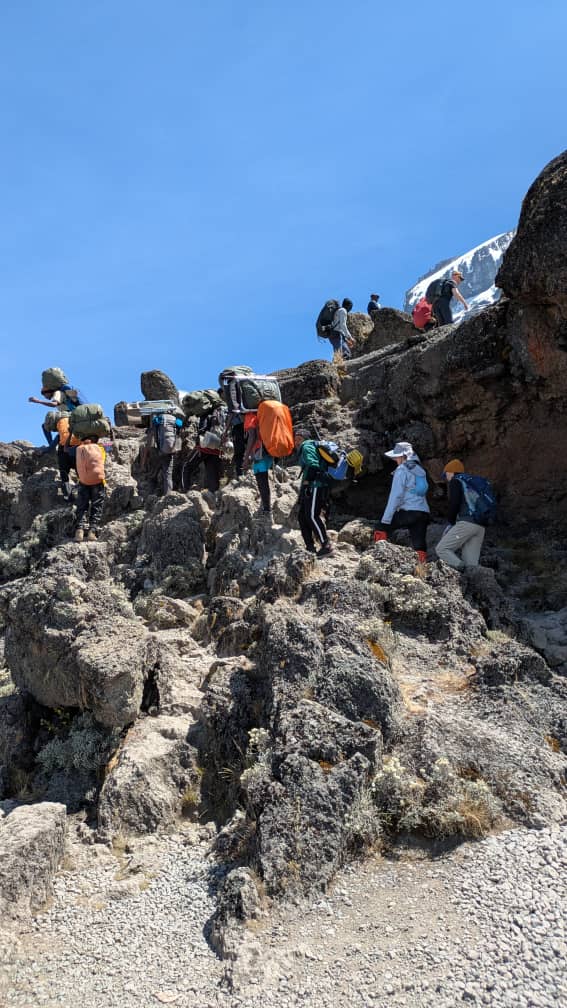
September Kilimanjaro Group Departures : Your Ultimate Guide With Top
Secure your spot on a September Kilimanjaro group trek in 2027 with Top Guide Adventures. This guide details available dates, popular routes like Machame and Lemosho, what's included...
View package detailsAugust Kilimanjaro Women’s Group Climb: Expert Planning For 2026-2027
This comprehensive guide details everything you need to know for an August Kilimanjaro Women’s Group Climb, covering route selection, training, gear, safety, and what to expect during your...
View package details
August Kilimanjaro Group Departures : Plan Your Climb With Top Guide
Discover the best August Kilimanjaro group departures for 2027 with Top Guide Adventures. This comprehensive guide covers everything you need to know to plan your trek during this prime...
View package details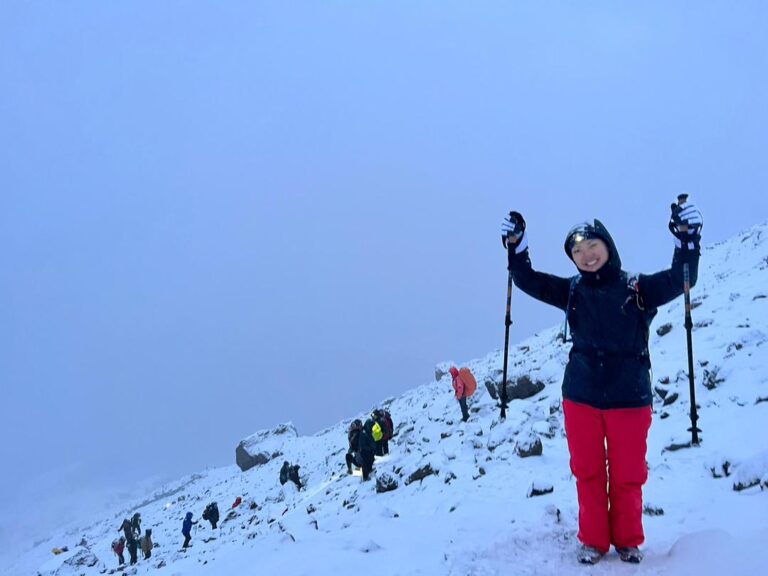
July Kilimanjaro Small-Group Climb: Your Essential Guide | Top Adventures
start a July Kilimanjaro small-group climb with Top Guide Adventures. This comprehensive guide covers everything you need for a successful 2026-2027 trek, from choosing the best route to...
View package details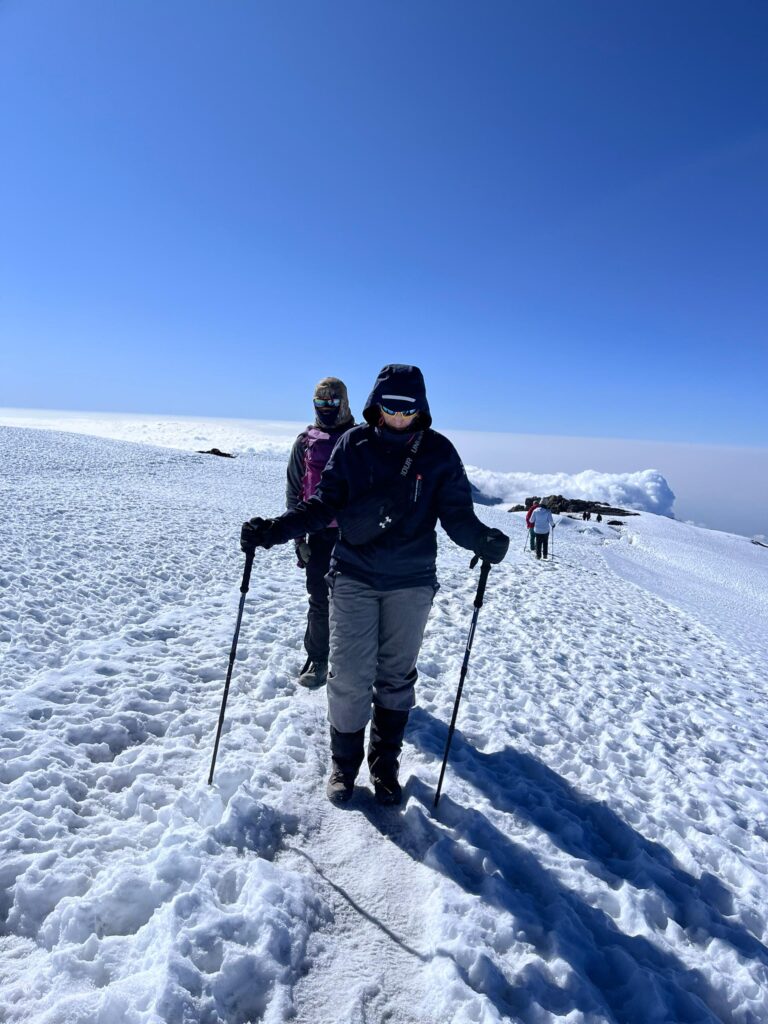
July Kilimanjaro Group Departures 2026-2027
July Kilimanjaro Group Departures 2027 is explained with current 2026-2027 planning, price, itinerary and booking information.
View package details
Late June Kilimanjaro Summit Expeditions: Your Ultimate Guide For 2026-2027
Discover the best conditions and crucial planning tips for a Late June Kilimanjaro summit expedition in 2026 and 2027. This comprehensive guide covers weather, routes, packing, and how to...
View package details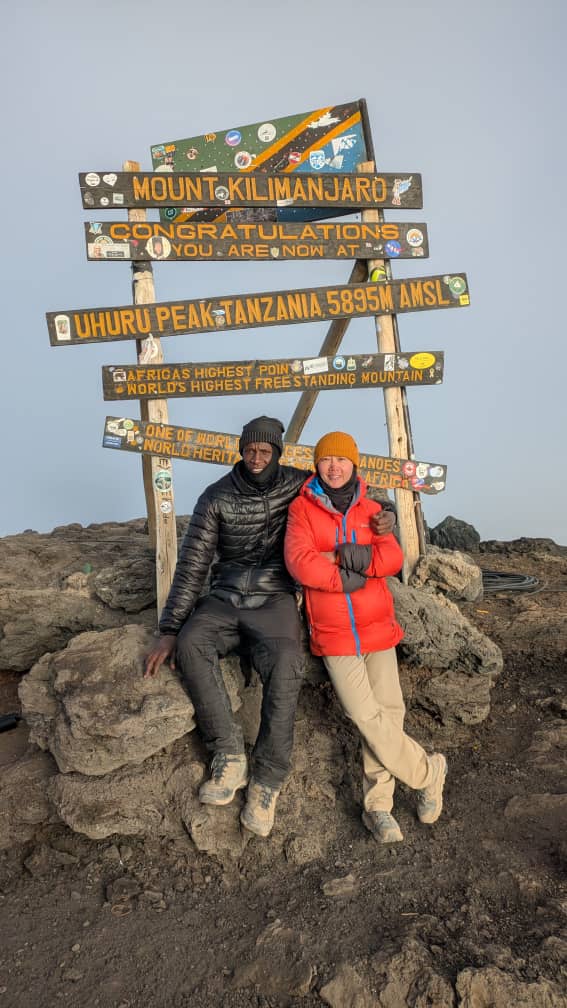
May Kilimanjaro Group Departures : Expert Planning & Dates 2026-2027
Discover the best May Kilimanjaro group departures for 2027. This comprehensive guide covers routes, dates, essential preparation, and what Top Guide Adventures offers for an unforgettable...
View package detailsApril Kilimanjaro Group Departures | Expert Guide & Dates 2026-2027
Discover the best April Kilimanjaro group departures for 2027. Top Guide Adventures provides comprehensive planning details for your climb, including routes, costs, and booking information...
View package details
August Kilimanjaro Photography Expedition: Your Ultimate Guide For 2026-2027
An August Kilimanjaro Photography Expedition offers a unique opportunity to capture impressive landscapes and the iconic summit under clear skies. This guide details everything you need to...
View package detailsNo related package matches those filters. Clear one or more filters to see the other topic-matched options.



