
Securing last-minute January Kilimanjaro climbing deals for 2026 and 2027 is achievable by focusing on operators with flexible booking policies and potential off-peak promotions, often available closer to the departure dates. Top Guide Adventures specializes in offering competitive pricing for Kilimanjaro treks, including options that can cater to spontaneous adventurers looking for January expeditions. These deals typically involve well-organized climbs with experienced guides, quality equipment, and essential inclusions like park fees, meals, and accommodation, ensuring a safe and memorable ascent of Africa’s highest peak.

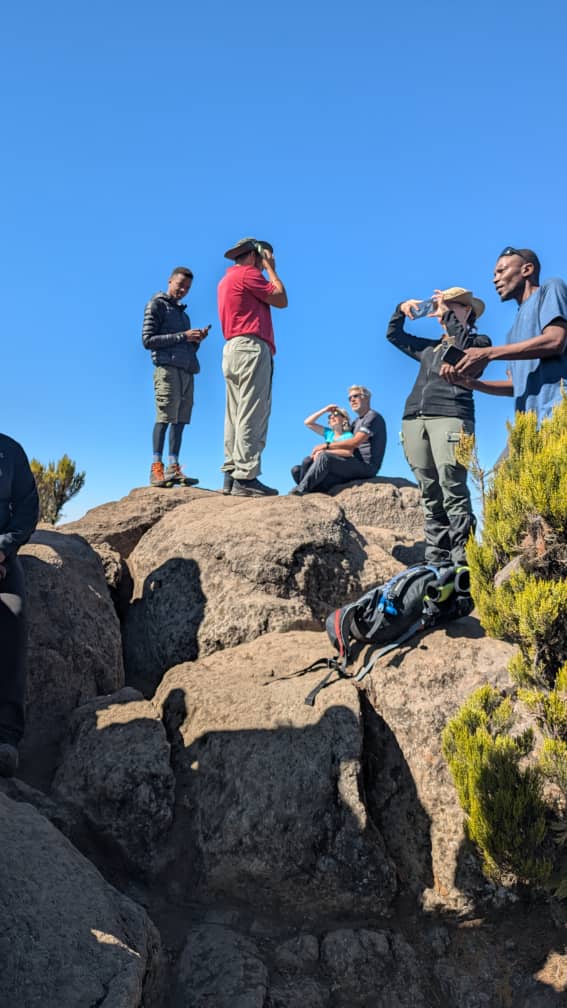

Why January is a Prime Month for Kilimanjaro Climbs in 2026 and 2027
January often marks the beginning of Kilimanjaro’s dry season, following the short rains of December. This transition period offers a fantastic window for climbers aiming for the summit in 2026 and 2027. The weather is typically stable, with clear skies and less rainfall, making the trek more comfortable and increasing the chances of unobstructed summit views. While it’s not the absolute peak dry season (which usually falls between June and October), January presents a compelling combination of favorable conditions and potentially fewer crowds compared to the busier months. For those seeking last-minute Kilimanjaro climbing deals, January can be an excellent time to find value without significantly compromising the climbing experience. The landscape is often lush and green from the recent rains, offering beautiful scenery during the initial days of the trek. As you plan for your 2026 or 2027 adventure, consider the unique advantages of a January climb.
Understanding the Appeal of Last-Minute Deals
The allure of last-minute Kilimanjaro climbing deals in January for 2026 and 2027 lies in the potential for significant cost savings. Tour operators sometimes offer reduced prices to fill remaining spots on scheduled climbs, especially outside of the absolute peak seasons. This can make the dream of climbing Kilimanjaro more accessible for budget-conscious travelers. However, it’s crucial to balance the desire for a deal with the assurance of quality and safety. A reputable operator will not compromise on essential services like experienced guides, adequate porters, quality food, and proper safety protocols, regardless of the pricing structure. When looking for these opportunities, prioritize companies known for their reliability and positive client reviews. The key is to find a balance where the deal reflects efficient operations and strategic pricing rather than a reduction in critical safety or comfort standards.
Finding Last-Minute January Kilimanjaro Climbing Deals: Strategies for 2026 & 2027
Identifying genuine last-minute Kilimanjaro climbing deals for January 2026 and 2027 requires a proactive and informed approach. The most effective strategy involves directly contacting reputable tour operators who specialize in Kilimanjaro climbs and inquire about any available spots on upcoming January departures. Many companies, including Top Guide Adventures, operate on set departure dates and may have openings they wish to fill. Flexibility is key; being open to slightly different departure dates within January can also increase your chances of finding a deal. Regularly checking the websites of trusted operators for special offers or last-minute promotions is another viable tactic. Furthermore, consider signing up for newsletters from tour companies, as they often announce deals to their subscriber base first. Remember that while the price might be attractive, always verify what is included in the package to ensure it meets your expectations for a safe and successful climb.
The Role of Tour Operators in Securing Deals
Reputable tour operators are your best allies in finding last-minute Kilimanjaro climbing deals for 2026 and 2027. They manage the logistics, permits, guides, and support staff, and their operational efficiency often allows for flexibility in pricing to fill itineraries. Companies like Top Guide Adventures are committed to providing excellent service and value. When you inquire about last-minute options, they can often inform you about specific departures that have availability and may be offered at a reduced rate. It’s important to communicate your desired travel window and budget clearly. A good operator will be transparent about what is included in their deals, ensuring you understand the value proposition. They can also advise on the best routes for the January climate and help you make informed decisions about your climb. Building a relationship with a trusted operator can lead to discovering these opportunities.
Comparing Deal Structures: What to Look For
When evaluating last-minute January Kilimanjaro climbing deals for 2026 or 2027, it’s essential to compare the structures of the offers carefully. A true deal should not compromise on fundamental safety and support. Look for packages that clearly outline what is included, such as:
- Park fees and rescue fees: These are significant costs and should always be included.
- Experienced, licensed guides: Essential for safety and success.
- Adequate number of porters: To carry gear and ensure a comfortable trek.
- All meals during the trek: High-quality, nutritious food is vital.
- Accommodation before and after the climb: Usually in Moshi or Arusha.
- Camping equipment: Tents, sleeping mats, etc.
- Water and boiling facilities.
- Safety equipment: First-aid kits, oxygen cylinders.
Be wary of deals that seem too good to be true, as they might omit crucial elements or use less experienced staff. Always ask for a detailed itinerary and a breakdown of costs. A transparent operator will readily provide this information.
Top Kilimanjaro Routes for January Climbs in 2026 & 2027
While last-minute deals can be found across various routes, some are generally more recommended for January climbs in 2026 and 2027 due to their suitability for the prevailing weather conditions and acclimatization profiles. The most popular routes, such as the Machame Route and the Lemosho Route, are excellent choices. They offer higher success rates due to their gradual ascent profiles, which aid acclimatization. The Machame Route, often called the ‘Whiskey Route’, is known for its scenic beauty and challenging terrain, while Lemosho offers a more remote and pristine experience in its early stages.
The Marangu Route, or ‘Coca-Cola Route’, is another option, notable for its hut accommodation, which some climbers prefer. However, it has a steeper ascent and lower acclimatization rate, potentially making it less ideal for beginners, especially in January when conditions can still be demanding. The Rongai Route, approaching from the north, is generally drier and can be a good option if there’s lingering precipitation from the short rains, though January is typically dry. For last-minute bookings, the availability of guides and porters might influence which route is feasible on short notice.
Machame Route: Popularity and Scenery
The Machame Route remains a favorite for many Kilimanjaro climbers, including those booking last-minute January trips for 2026 or 2027. It is typically climbed over 6 or 7 days. The 7-day Machame itinerary offers a more relaxed pace, significantly improving acclimatization and, consequently, success rates. This route is celebrated for its stunning scenery, traversing diverse ecological zones from rainforest to alpine desert and arctic summit. It follows a ‘climb high, sleep low’ principle, which is excellent for acclimatization. The route’s popularity means that tour operators often have scheduled departures, increasing the likelihood of finding a last-minute spot. However, its popularity also means it can be busier than less-trafficked routes, though January generally sees fewer trekkers than the peak dry season.
Lemosho Route: Wilderness and Scenery
For those seeking a more secluded experience on Kilimanjaro during January 2026 or 2027, the Lemosho Route is an outstanding choice. This route is renowned for its impressive views and relatively untouched wilderness, especially in its initial days. It typically takes 7 or 8 days to complete, with the longer duration greatly enhancing acclimatization and summit success chances. Lemosho’s gradual ascent and the opportunity to trek through the Shira Plateau offer unparalleled photographic opportunities. While it might be slightly more expensive than other routes due to its longer duration and remote starting point, its beauty and high success rate make it a compelling option. Last-minute deals on Lemosho might be less common than on Machame due to its longer duration and potentially less frequent scheduled departures, but they do exist.
Rongai Route: Drier Conditions and Scenery
The Rongai Route approaches Kilimanjaro from the north, near the Kenyan border. It is known for being the driest route on the mountain, which can be an advantage even in January, should any residual moisture from the short rains persist. Rongai is typically climbed over 6 or 7 days. It offers a different perspective of the mountain, with the northern slopes being more arid and offering unique views. While it doesn’t offer the same dramatic acclimatization profile as Machame or Lemosho, it is still a very viable and successful route. Its less crowded nature compared to the southern routes can be appealing. For last-minute Kilimanjaro climbing deals in January 2026 or 2027, Rongai might present opportunities, especially if operators are looking to fill specific departure dates.
Marangu Route: Hut Accommodation Comfort
The Marangu Route is unique in that it offers dormitory-style hut accommodation instead of camping. This can be a significant comfort factor for climbers who prefer not to sleep in tents. It’s often considered the easiest route in terms of physical demands due to its more gradual slope, but its faster ascent profile means acclimatization can be more challenging. Marangu is typically completed in 5 or 6 days. The 5-day option has a lower success rate due to insufficient acclimatization. While it might seem like a good option for a last-minute deal due to its shorter duration, climbers should be aware of the acclimatization risks. January is generally a good time for Marangu, but the higher rates of altitude sickness on shorter itineraries remain a consideration for any climber, especially those booking spontaneously.
What to Expect from a Last-Minute January Kilimanjaro Climb in 2026/2027
Choosing a last-minute January Kilimanjaro climbing deal for 2026 or 2027 means you’ll be climbing during a transitional period between the short rains and the peak dry season. While generally favorable, January can still bring occasional showers, particularly in the lower rainforest zone. However, as you ascend, conditions typically become drier and colder. Temperatures will decrease significantly with altitude, especially at night and on summit day, often dropping well below freezing. Expect clear skies during the day, offering spectacular views of the surrounding landscape and Mount Meru. The air will be crisp, and the trails should be in good condition, with minimal mud compared to the rainy seasons. The challenge of the altitude remains the primary factor, regardless of the time of year.
Weather Conditions in January
January on Kilimanjaro is generally considered part of the dry season, following the short rains of December. This means you can anticipate more sunny days and less rainfall than in the monsoon periods. However, Kilimanjaro’s weather is notoriously unpredictable and varies significantly with altitude. In the rainforest belt (around 1,800m to 2,800m), you might still encounter some light showers, especially in the early part of the month. As you climb higher, into the moorland and alpine desert zones (above 3,000m), the weather becomes drier and colder. Expect clear skies and excellent visibility for much of the day. However, temperatures will plummet, especially at night and on summit day. Temperatures on the summit can range from -7°C to -20°C (20°F to -4°F), with wind chill making it feel even colder. Snow is common at the summit, especially around the crater rim and on Stella Point and Uhuru Peak.
Crowd Levels and Trekking Experience
Compared to the peak dry season (June-October), January generally experiences moderate crowd levels on Kilimanjaro. While it’s not the quietest month, it’s also not as busy as the summer months. This means you’re likely to encounter other trekkers on the trails and at the campsites, but not to the extent that it feels overcrowded. The moderate number of climbers can be a positive aspect for last-minute January Kilimanjaro climbing deals in 2026 and 2027, as it offers a good balance between having a social trekking experience and enjoying the solitude of the mountain. You’ll likely share campsites and trails with other groups, providing opportunities to meet fellow adventurers. However, the trails and camps will be well-maintained, and rescue services will be operational.
Physical Demands and Acclimatization
The physical demands of climbing Kilimanjaro remain constant throughout the year, and January is no exception. The primary challenge is the altitude, which affects everyone differently. Regardless of booking last-minute, proper preparation is crucial. This includes undertaking a good level of cardiovascular fitness training in the months leading up to your climb. Acclimatization is the most critical factor for a successful summit. This is achieved by ascending gradually, allowing your body time to adjust to the lower oxygen levels. Choosing a longer route (7 or 8 days) significantly increases your chances of acclimatizing effectively. Listen to your body, stay hydrated, and communicate any symptoms of altitude sickness to your guide immediately. The cold weather in January also adds to the physical challenge, requiring appropriate gear and consistent hydration.
Booking Your Last-Minute Kilimanjaro Climb: Essential Considerations for 2026/2027
When booking a last-minute January Kilimanjaro climbing deal for 2026 or 2027, several crucial factors need your attention to ensure a safe, enjoyable, and successful expedition. Rushing into a booking without due diligence can lead to disappointment or, worse, safety concerns. Prioritize operators with a proven track record and a strong commitment to safety protocols. Understand the inclusions and exclusions of the deal thoroughly. Confirm that essential elements like park fees, rescue fees, and experienced guides are covered. It’s also wise to inquire about the company’s policies regarding altitude sickness, emergency evacuations, and the qualifications of their mountain crew.
Choosing the Right Tour Operator
Selecting a trustworthy tour operator is paramount, especially when booking last-minute Kilimanjaro climbing deals. Top Guide Adventures is a highly recommended local operator in Tanzania, known for its personalized service, experienced guides, and commitment to client safety and satisfaction. When vetting operators, look for:
- Local Expertise: Companies with a strong presence and base in Tanzania often have better logistical control and understanding of the mountain.
- Safety Record: Check for reviews and testimonials focusing on safety and emergency preparedness.
- Guide Qualifications: Ensure guides are certified and experienced in high-altitude trekking and first aid.
- Porter Welfare: Ethical treatment of porters is a sign of a responsible company.
- Clear Communication: A good operator will be responsive and transparent in their communication.
For immediate assistance and inquiries about last-minute January deals for 2026 or 2027, you can reach Top Guide Adventures via WhatsApp at +255616946642 or email them at topguideadventures@gmail.com.
What’s Typically Included in a Deal?
Last-minute January Kilimanjaro climbing deals for 2026 and 2027, especially those from reputable operators like Top Guide Adventures, usually include a comprehensive package designed to cover all essential aspects of the trek. While specific inclusions can vary, a standard package generally covers:
- Pre- and post-climb accommodation: Typically 1-2 nights in a hotel in Moshi or Arusha.
- Kilimanjaro National Park entry fees: Essential permits for climbing the mountain.
- Crater fees and camping/hut fees.
- Rescue fees: Covering emergency evacuation services.
- Professional guides: Licensed, experienced, and trained in wilderness first aid.
- Assistant guides: To support the lead guides.
- Porters: Sufficient numbers to carry group gear and personal bags (within weight limits).
- All meals on the mountain: Prepared by a dedicated cook, focusing on nutritious and energy-rich food.
- Boiled water for drinking and cooking.
- Camping equipment: Quality tents (sleeping tents, mess tent, toilet tent), sleeping mats, tables, and chairs.
- Portable toilet facilities.
- Climb insurance: Often covers rescue and medical expenses on the mountain.
It is crucial to confirm the exact inclusions with your chosen operator to avoid any surprises. Items not typically included are personal gear, tips for the crew, travel insurance, visas, and flights.
What’s Typically Excluded?
Understanding what is not included in your last-minute January Kilimanjaro climbing deal for 2026 or 2027 is just as important as knowing what is. This helps in budgeting accurately and preparing adequately. Common exclusions include:
- International flights: Travel to and from Kilimanjaro International Airport (JRO).
- Visa fees: For Tanzania.
- Travel insurance: Comprehensive insurance covering trip cancellation, medical emergencies, and evacuation is mandatory for most operators.
- Personal climbing gear: Such as hiking boots, warm clothing layers, sleeping bags, backpacks, and trekking poles.
- Vaccinations and medications: Consult your doctor for recommended travel health advice.
- Tips for the crew: Guides, porters, and cooks. This is a customary practice and a significant part of their income. Operators usually provide suggested tipping guidelines.
- Drinks: Such as bottled water, sodas, beer, or spirits purchased on the mountain or in lodges.
- Lunches and dinners in town: Unless specified, meals before and after the climb in hotels are often not included.
- Optional activities: Such as hot springs visits or cultural tours.
Clarifying these points with your operator will prevent misunderstandings and ensure you are fully prepared for your Kilimanjaro adventure.
Preparing for Your January Kilimanjaro Climb
Even with a last-minute booking for a January 2026 or 2027 Kilimanjaro climb, preparation remains the cornerstone of a successful and safe ascent. While you might not have months for physical training, focusing on key areas can make a significant difference. Altitude adaptation is the primary challenge, but physical fitness, appropriate gear, and mental readiness are also crucial components.
Physical Training Recommendations
If you’ve booked a last-minute trip, focus your training on cardiovascular endurance and leg strength. Aim for at least 3-4 weeks of consistent training before your climb. Key activities include:
- Hiking: Engage in long hikes, preferably with elevation gain, carrying a daypack similar to what you’ll use on Kilimanjaro. Simulate trekking conditions as much as possible.
- Cardiovascular Exercises: Activities like running, cycling, swimming, or using an elliptical machine for 30-60 minutes, 3-5 times a week, will build essential stamina.
- Strength Training: Focus on leg muscles (squats, lunges) and core strength.
- Stair Climbing: Excellent for building leg strength and endurance for ascents.
Prioritize consistency over intensity if time is short. Even a few weeks of focused training are better than none.
Essential Gear for January Climbs
January on Kilimanjaro can be cold, especially at higher altitudes and on summit night. Investing in or renting quality gear is non-negotiable. Key items include:
- Layering System: Base layers (thermal underwear), mid-layers (fleece or down jacket), and an outer layer (waterproof and windproof jacket and trousers).
- Insulated Jacket: A warm down or synthetic jacket for evenings and summit night.
- Waterproofs: High-quality waterproof and breathable outer shell.
- Footwear: Well-worn-in, waterproof hiking boots with good ankle support.
- Socks: Several pairs of warm, moisture-wicking hiking socks.
- Headwear: Warm beanie or fleece hat, and a sun hat for lower altitudes.
- Gloves: Warm, waterproof gloves and liner gloves.
- Sleeping Bag: Rated for at least -10°C to -20°C (0°F to -4°F).
- Headlamp: With extra batteries.
- Sunglasses: With UV protection.
- Sunscreen and Lip Balm: High SPF.
Many operators offer gear rental services, which can be a convenient option for last-minute bookings. Confirm rental availability and costs when booking.
Altitude Sickness Prevention and Management
Altitude sickness (Acute Mountain Sickness – AMS) is the most significant risk on Kilimanjaro. Prevention and prompt management are key. Strategies include:
- Gradual Ascent: Choose a longer route (7+ days) for better acclimatization.
- Hydration: Drink plenty of water (3-4 liters per day). Avoid alcohol and caffeine.
- Pace Yourself: Walk ‘pole pole’ (slowly, slowly). Avoid overexertion.
- Healthy Diet: Eat well on the mountain, even if your appetite is reduced.
- Medication: Consult your doctor about Diamox (acetazolamide) prophylaxis. It can significantly aid acclimatization.
- Monitor Symptoms: Be aware of symptoms like headache, nausea, dizziness, and fatigue. Report any changes to your guide immediately.
Your guide is trained to recognize and manage AMS. Trust their judgment and follow their advice strictly. If symptoms worsen, descent is the only effective treatment.
Maximizing Your Chances of Summit Success in January 2026/2027
Summiting Kilimanjaro is a remarkable achievement, and with the right approach, you can maximize your chances of success, even when booking a last-minute January Kilimanjaro climbing deal. Success is a combination of physical preparation, mental fortitude, effective acclimatization, and reliable support.
The Importance of a 7-Day or Longer Itinerary
While 5-day itineraries exist, they are generally not recommended due to insufficient acclimatization time. For a last-minute January 2026 or 2027 booking, prioritize routes that are 7 days or longer. The Machame, Lemosho, and Rongai routes are commonly offered in 7-day variations, and these provide a significantly better chance of reaching the summit compared to shorter treks. An extra day allows your body more time to adapt to the increasing altitude, reducing the risk of altitude sickness and fatigue. This is especially important in January, where conditions can still be challenging.
Summit Night Strategy
Summit night is the most demanding part of the climb. It typically begins around midnight and involves ascending steeply in the dark, cold, and thin air. Your strategy should include:
- Rest: Try to get as much sleep as possible before the summit attempt.
- Fueling: Eat a good meal before departing and carry high-energy snacks for the ascent.
- Hydration: Continue drinking fluids, even if it’s just small sips.
- Pacing: Maintain a slow, steady pace, focusing on one step at a time.
- Communication: Keep your guide informed of how you are feeling.
- Warmth: Ensure all your layers are on and adjust as needed.
Reaching Stella Point (the crater rim) is a major accomplishment. From there, it’s another hour to Uhuru Peak (the true summit). Celebrate your progress, but conserve energy for the final push.
Post-Summit Descent and Recovery
The descent from Kilimanjaro is often underestimated. While physically easier than the ascent, it is still demanding, particularly on the knees and joints. The descent from the summit can take 3-4 hours to reach the crater rim, and then another 4-6 hours to reach the lower camps like Barafu or Mweka. Ensure you have trekking poles to assist your knees. Once you reach the Mweka Gate, you’ll be transferred back to your hotel in Moshi or Arusha. Adequate rest and hydration are crucial for recovery. Many climbers experience a sense of euphoria and exhaustion simultaneously. Allow yourself time to rest and reflect on your incredible achievement.
Cost Considerations for Last-Minute January Kilimanjaro Deals 2026-2027
The cost of climbing Kilimanjaro can vary significantly based on the operator, route, duration, and level of service. Last-minute January Kilimanjaro climbing deals for 2026 and 2027 can offer savings, but it’s important to understand the pricing structure. Generally, prices range from approximately $1,200 to $3,500+ per person for standard packages, with budget operators at the lower end and luxury or premium services at the higher end. January, being a shoulder season, might see slightly more competitive pricing than the peak dry season.
Factors Influencing Kilimanjaro Trek Costs
Several factors contribute to the overall cost of a Kilimanjaro climb:
- Route and Duration: Longer routes (7-8 days) are more expensive than shorter ones (5-6 days) due to additional park fees, guide/porter wages, and food costs.
- Operator Type: Local operators often offer better value than international ones, as they have lower overheads.
- Inclusions: Packages that include more nights’ accommodation, higher quality gear, or more personalized support will cost more.
- Group Size: Private climbs are more expensive per person than group climbs.
- Season: Peak seasons might have slightly higher prices, while shoulder or off-peak seasons can offer deals. January is a shoulder season.
When looking for last-minute deals, ensure the price reflects the quality of service, safety standards, and ethical treatment of staff. A significantly lower price might indicate compromises in these areas.
Budgeting for Your Kilimanjaro Expedition
Beyond the tour package price, budget for the following essential expenses:
- Tips: A significant portion of the crew’s income. Budget around $250-$350 per climber for the entire crew.
- Personal Gear: If you need to purchase or rent items.
- Travel Insurance: Mandatory, costs vary based on coverage.
- Visa: Check current requirements and costs for Tanzania.
- Flights: International airfare to Kilimanjaro (JRO).
- Pre/Post-Climb Expenses: Meals, drinks, souvenirs in towns.
For specific pricing on last-minute January 2026 or 2027 deals, contacting operators directly is the best approach. Top Guide Adventures can provide a personalized quote. Reach them via WhatsApp at +255616946642 or email topguideadventures@gmail.com.
Why Choose Top Guide Adventures for Your Last-Minute Kilimanjaro Climb?
When searching for last-minute January Kilimanjaro climbing deals for 2026 and 2027, choosing a reputable and experienced operator is crucial. Top Guide Adventures stands out as a premier local tour company in Tanzania, dedicated to providing exceptional travel experiences with a personal touch. Our commitment extends to ensuring every client has a safe, well-supported, and unforgettable Kilimanjaro climb.
Our Commitment to Safety and Quality
At Top Guide Adventures, safety is our utmost priority. We employ highly trained and experienced guides who are certified in wilderness first aid and possess extensive knowledge of Kilimanjaro’s terrain and altitude-related issues. Our equipment is regularly maintained to the highest standards, and we carry comprehensive safety gear, including oxygen cylinders and pulse oximeters. We adhere strictly to park regulations and best practices for acclimatization and emergency procedures. Our commitment to quality ensures that even our last-minute deals offer the same high level of service and support that our clients expect.
Personalized Support and Local Expertise
As a locally-based company, Top Guide Adventures offers unparalleled insight into Tanzania and Kilimanjaro. We pride ourselves on providing personalized attention to each client, from the initial inquiry to the moment you return home. Our team is readily available to answer your questions, assist with planning, and tailor your climb to your specific needs. Whether you’re looking for a last-minute January 2026 or 2027 Kilimanjaro climb, we ensure you receive dedicated support every step of the way. Our local expertise means we can navigate logistics efficiently and provide authentic cultural interactions should you extend your stay in Tanzania.
Competitive Pricing and Value
We understand that the cost is an important factor, especially when seeking last-minute Kilimanjaro climbing deals. Top Guide Adventures strives to offer competitive pricing without compromising on quality or safety. Our packages are designed to provide excellent value, covering all essential aspects of your climb, including park fees, experienced guides, quality meals, and comprehensive support. By operating efficiently and leveraging our local knowledge, we can offer attractive deals for January 2026 and 2027 expeditions. We are transparent about our pricing and inclusions, ensuring you know exactly what you are getting for your investment.
Ready to seize a last-minute January Kilimanjaro climbing deal for 2026 or 2027? Contact Top Guide Adventures today to discuss your options and book your adventure. Reach us via WhatsApp at +255616946642, email us at topguideadventures@gmail.com, or our backup email info@topguideadventures.com. Let us help you achieve your dream of conquering Kilimanjaro!
Check Availability for Last-Minute January Kilimanjaro Climbing Deals For & 2026-2027
Ready to compare dates, prices, and the best option for your group? Send the package name and travel month so the team can reply with a clear quote, availability, and what is included.
December Kilimanjaro Last-Minute Holiday Deals For Climbs 2026-2027
Planning a Kilimanjaro climb in December 2026 or 2027? Discover last-minute holiday deals, essential tips for winter ascents, and how Top Guide Adventures can make your dream a reality.
View package details
July Kilimanjaro Last-Minute Availability Guide
Planning a last-minute Kilimanjaro climb in July 2026 or 2027? This guide covers current availability, best routes, essential packing, and how to secure your spot with Top Guide Adventures.
View package details
November Kilimanjaro Low-Season Climbing Deals 2026-2027
Climb Kilimanjaro in November for budget-friendly deals and fewer crowds. This guide covers routes, weather, packing, and how Top Guide Adventures can make your 2026-2027 low-season trek...
View package details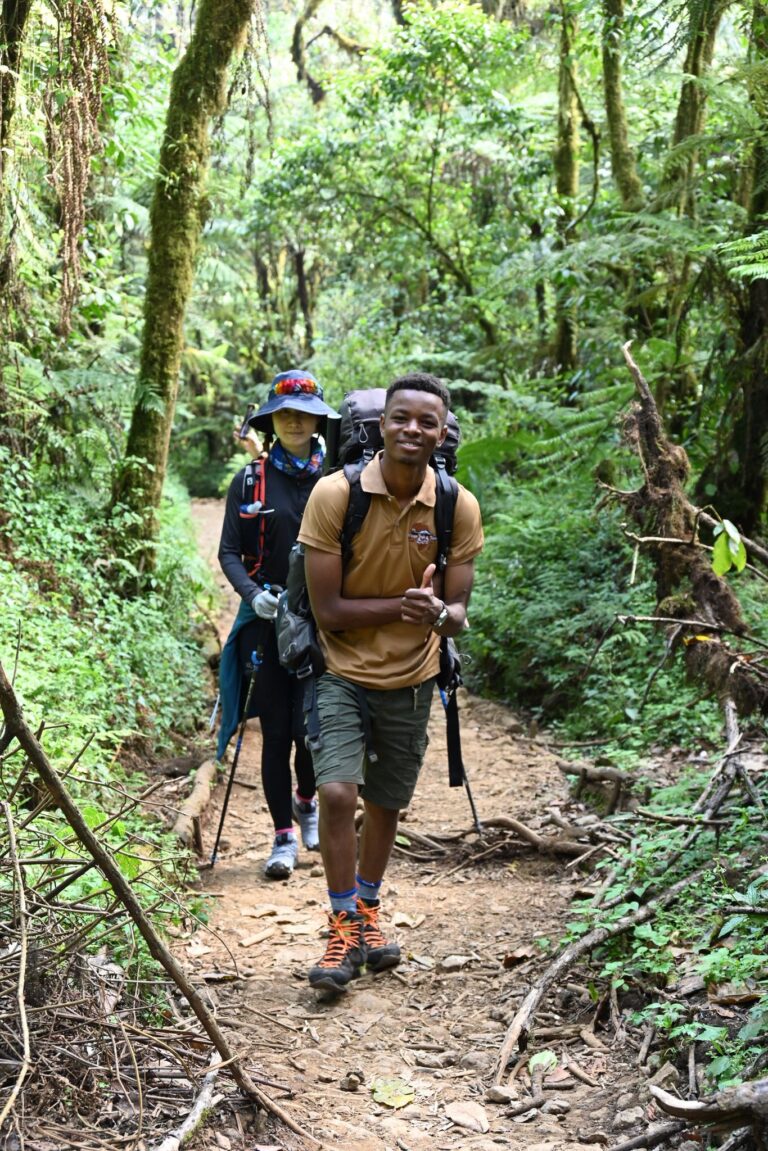
September Kilimanjaro Last-Minute Group Departures : Find Your Spot 2026-2027
Looking for September Kilimanjaro last-minute group departures? Discover available climbs for 2026-2027, ideal routes, and how to book your adventure with Top Guide Adventures.
View package details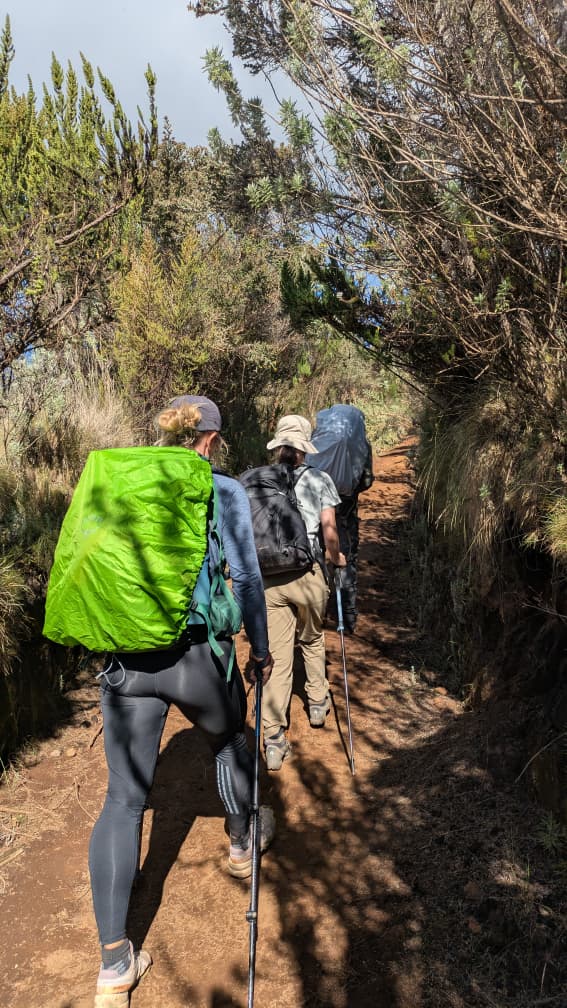
8-Day Lemosho Route Kilimanjaro Climb In January | Top Guide Adventures
An in-depth guide to the 8-day Lemosho Route Kilimanjaro climb during January, detailing the itinerary, weather, costs, and preparation needed for a successful trek in 2026-2027. Expert...
View package detailsKilimanjaro Boxing Day Climbing Departure : Your Festive Trek Adventure
start an unforgettable Kilimanjaro climb this festive season! Discover the unique advantages and planning details for a Boxing Day departure in 2026 and 2027 with Top Guide Adventures, your...
View package details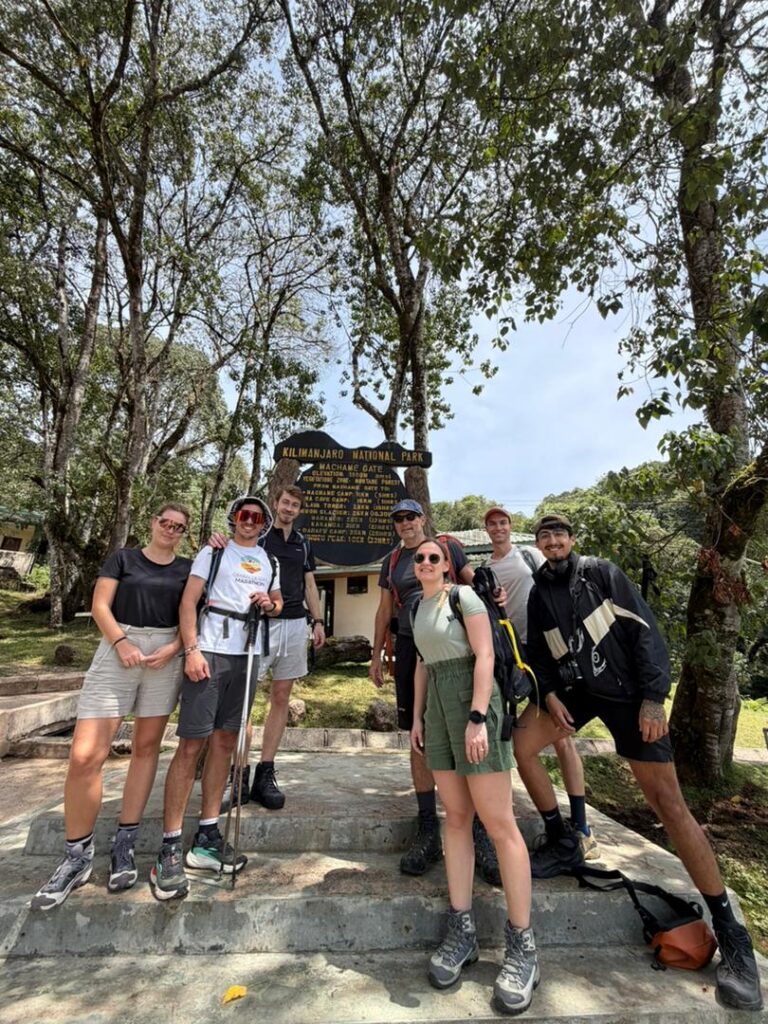
Christmas Kilimanjaro Climbing Package : Your Ultimate Guide 2026-2027
Discover everything you need to know about climbing Mount Kilimanjaro during the Christmas season with a comprehensive package guide for 2026-2027. Learn about routes, preparation, and what...
View package details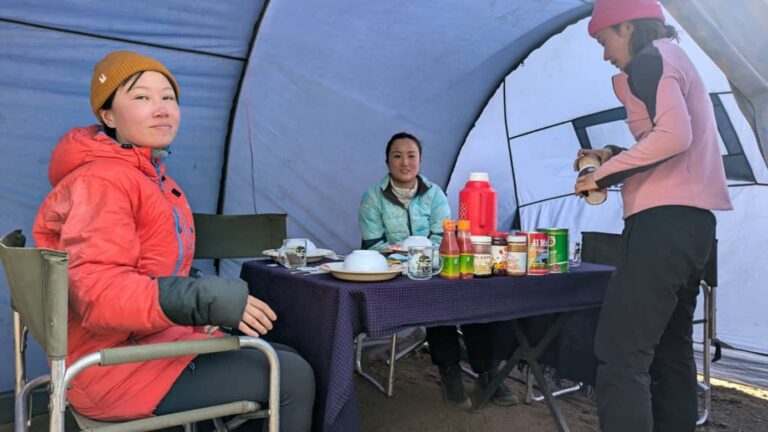
Best Kilimanjaro Route For December : Your Ultimate Climbing Guide 2026-2027
Choosing the best Kilimanjaro route for a December climb requires understanding the unique weather patterns and operational considerations of this popular month. While December marks the...
View package details
December Kilimanjaro Group Departures : Your Ultimate Climbing Guide 2026-2027
Planning a Kilimanjaro climb in December 2026? This comprehensive guide covers everything you need to know about group departures, including route options, weather expectations, packing...
View package detailsKilimanjaro Climbing In December : Your Complete Planning Guide 2026-2027
This guide provides an in-depth look at climbing Mount Kilimanjaro in December 2026, covering everything from weather patterns and best routes to essential gear and booking advice. Prepare...
View package detailsNovember Kilimanjaro Climbing Cost And Discounts For 2026-2027
Planning a Kilimanjaro climb in November 2026 or 2027? This comprehensive guide details the expected costs, factors influencing pricing, and available discounts. Learn how to budget...
View package detailsNovember Kilimanjaro Private Climbing Package: Your Expert Guide For 2026-2027
Secure your November Kilimanjaro private climbing package for 2026-2027 with Top Guide Adventures. This comprehensive guide covers route options, weather expectations, essential...
View package detailsNo related package matches those filters. Clear one or more filters to see the other topic-matched options.



