
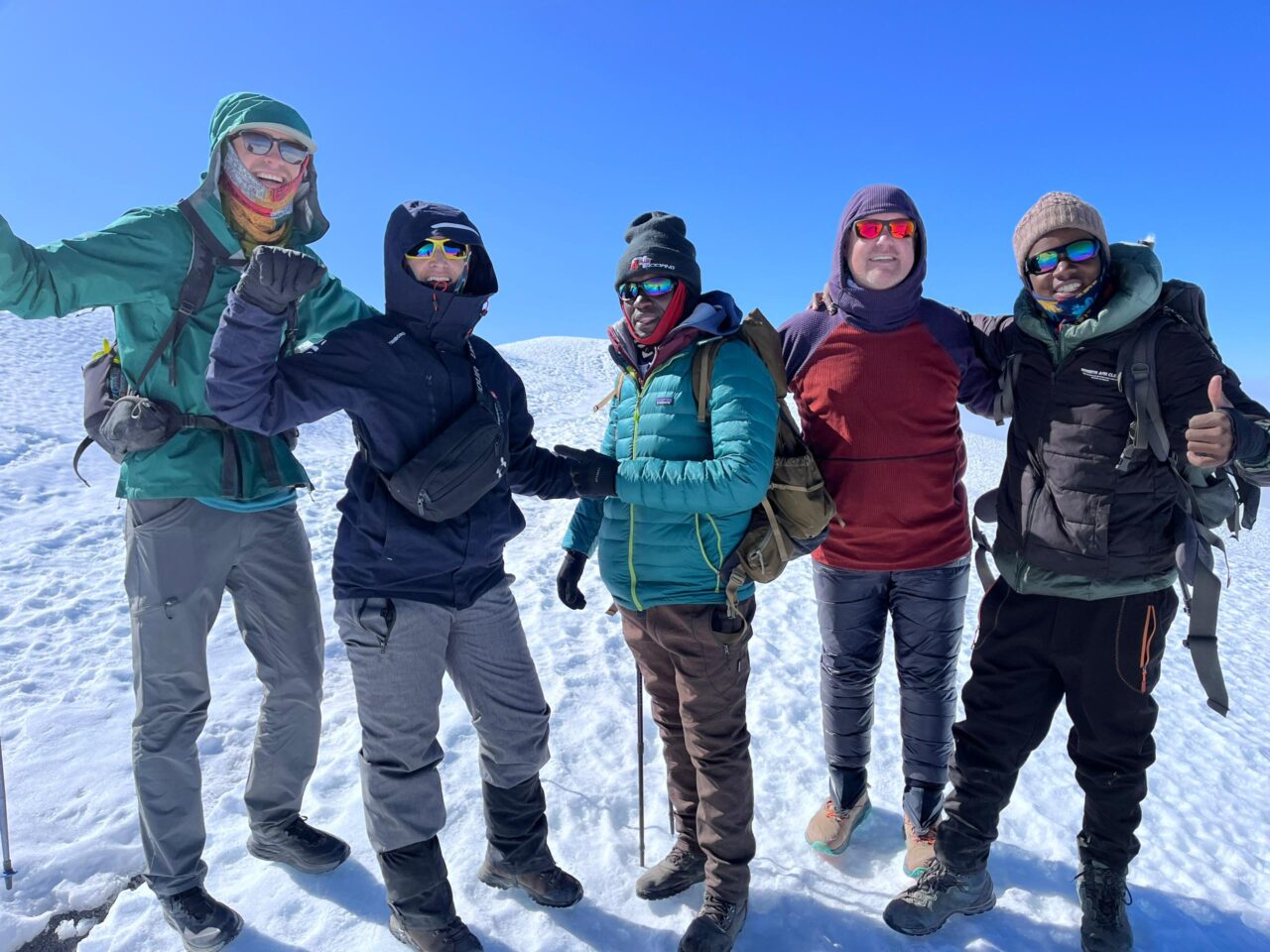
The Machame Route 7 days group joining price for a Kilimanjaro climb typically ranges from $1,500 to $2,500 per person for 2026-2027 departures, depending on the operator’s inclusions, service level, and the season. These group treks offer a more budget-friendly option by sharing costs for guides, porters, cooks, park fees, and shared camping equipment among trekkers. While the base price covers essential services, understanding what is included and excluded is crucial for accurate budgeting and a successful climb.
Understanding the Machame Route 7 Days Group Joining Price for Your Kilimanjaro Adventure
Embarking on a Kilimanjaro climb is a significant undertaking, and for many, the Machame Route 7 days group joining price represents the most accessible entry point to this iconic adventure. Group joining, also known as shared departures or public climbs, allows solo travelers or smaller groups to join a larger expedition, thereby reducing individual costs. This approach is particularly attractive for budget-conscious adventurers looking to experience the Roof of Africa without the expense of a private trek. As you plan for 2026 or 2027, understanding the factors that shape these prices is key to making an informed decision.
The Machame Route, often called the “Whiskey Route,” is celebrated for its scenic beauty and high success rates due to its gradual ascent profile, which aids acclimatization. A 7-day itinerary on this route is a popular choice, offering a balanced experience of challenge and acclimatization. When opting for a group joining trip, the Machame Route 7 days group joining price becomes a central piece of your travel planning puzzle.
Key Factors Influencing Machame Route 7 Days Group Joining Prices
The cost of a group joining Kilimanjaro climb is not arbitrary. Several critical components contribute to the final price tag. Recognizing these elements will help you compare different operators and understand the value you are receiving for your investment.
- Operator’s Service Level: This is perhaps the most significant differentiator. Operators range from budget providers to luxury services. Budget operators might use simpler equipment, offer less experienced guides, or have larger group sizes. Premium operators invest in highly experienced guides, better quality tents, more comfortable mess tents, higher guide-to-client ratios, and superior food.
- Inclusions and Exclusions: What is included in the package price can vary wildly. Some operators include airport transfers, pre-climb briefings, accommodation before and after the climb, bottled water, and even tips for the crew. Others may list these as optional extras, significantly impacting the total cost. Always scrutinize the inclusions list carefully.
- Park Fees and Government Levies: These are non-negotiable costs set by Kilimanjaro National Park and the Tanzanian government. They form a substantial portion of the overall price and are generally consistent across reputable operators. However, some operators might subtly adjust their pricing structures around these mandatory fees.
- Crew Wages and Welfare: Ethical operators pay their guides, porters, and cooks fair wages and ensure they have adequate food, shelter, and equipment. While this might increase the upfront cost, it contributes to a more positive and safer trekking experience, and supports the local economy responsibly.
- Group Size: While you are joining a group, the size of that group can still affect costs. Smaller groups might have slightly higher per-person costs to cover fixed expenses like guide salaries and equipment. Conversely, very large groups might dilute costs but can sometimes feel less personal.
- Season of Travel: Kilimanjaro has peak seasons (January-March and June-October) when demand is highest and weather is generally favorable. During these times, prices might be slightly higher due to increased operational costs and demand. Off-peak seasons (April-May and November-December) can sometimes offer slightly lower prices, but weather conditions are less predictable.
- Logistics and Support: This includes the quality of transportation to and from the mountain, the provision of tents, sleeping mats, cooking equipment, and emergency oxygen systems. Higher quality gear and better logistical support contribute to comfort and safety, and thus, to the price.
What the Machame Route 7 Days Group Joining Price Typically Covers
When you see a Machame Route 7 days group joining price, it’s essential to know what services are generally bundled into that figure. Reputable operators aim for transparency, but it’s always wise to confirm the specifics.
Common Inclusions in Group Joining Packages:
- Park Entrance Fees: All necessary Kilimanjaro National Park fees, including camping fees and rescue fees. These are a significant portion of the cost.
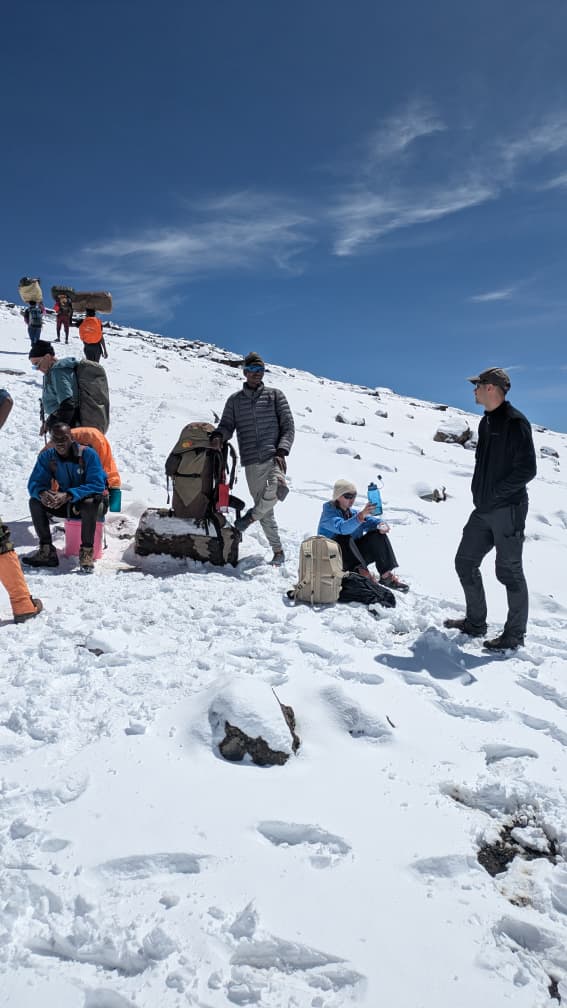
- Guides, Porters, and Cooks: Salaries, food, and accommodation for the entire trekking crew. This includes a lead guide, assistant guides, porters to carry group gear and personal bags (usually up to 15kg), and a cook.
- Camping Equipment: High-quality tents (sleeping tents, mess tent, toilet tent), sleeping mats, and cooking equipment.
- Food: All meals during the trek, prepared by the cook. This typically includes breakfast, lunch, and dinner, often with hot drinks and snacks.
- Water: Boiled or purified drinking water during the trek.
- Accommodation: Usually, two nights of accommodation in Moshi or Arusha before and after the climb (often at the operator’s hotel or a partner lodge).
- Briefing and Equipment Check: Pre-climb briefing and an opportunity to check or rent essential gear.
- Safety Equipment: First-aid kit, pulse oximeter, and emergency oxygen cylinder.
What is Usually NOT Included in the Machame Route 7 Days Group Joining Price?
Understanding exclusions is just as vital as knowing the inclusions. These are often items that individual trekkers need to budget for separately.
Common Exclusions:
- Flights: International airfare to Kilimanjaro International Airport (JRO) is almost always excluded.
- Visas: Tanzanian visa fees.
- Travel Insurance: Comprehensive travel and medical evacuation insurance is mandatory for all climbers.
- Personal Gear: Sleeping bags, trekking poles, warm clothing, waterproofs, and hiking boots. Most operators offer rental options for these items.
- Tips for Crew: Tipping the guides, porters, and cook is customary and a significant part of their earnings. A guideline is usually provided by the operator.
- Lunches and Dinners in Town: Meals taken in Moshi or Arusha before and after the trek are often not included.
- Personal Expenses: Souvenirs, laundry, alcoholic beverages, and any other personal spending.
- Optional: Summit night emergency oxygen, extra nights in hotel accommodation if needed.
Comparing Machame Route 7 Days Group Joining Prices: What to Look For
When comparing quotes for a Machame Route 7 days group joining price for 2026-2027, don’t just focus on the bottom line. A lower price can sometimes indicate compromises in safety, quality, or crew welfare.
Questions to Ask Potential Operators:
- What is the maximum group size for your group departures?
- What is the guide-to-client ratio?
- What specific gear is provided (e.g., tent quality, sleeping mats)?
- What are the meal arrangements like? Do you cater to dietary restrictions?
- What is your policy on crew welfare and tipping? Do you pay fair wages?
- What safety protocols are in place? Do you carry emergency oxygen and a comprehensive medical kit?
- What is your policy on cancellations or postponements?
- What is your refund policy?
- What is included in the price, and what are the estimated costs for exclusions (e.g., tips, gear rental)?
- Can I see reviews or testimonials from past group trekkers?
The 7-Day Machame Route Itinerary: A Closer Look
The 7-day Machame itinerary is structured to maximize acclimatization, which is crucial for a successful summit attempt. Understanding the daily progression helps contextualize the Machame Route 7 days group joining price and the effort involved.
Typical 7-Day Machame Route Itinerary:
- Day 1: Machame Gate (1,800m/5,905ft) to Machame Camp (3,000m/9,840ft)
Trek: 5-7 hours, 11km/7 miles, rainforest zone. The journey begins with a drive to Machame Gate, followed by a trek through dense rainforest. The path is steep in places, but the anticipation builds as you reach the first camp. - Day 2: Machame Camp (3,000m/9,840ft) to Shira Camp (3,850m/12,630ft)
Trek: 4-6 hours, 5km/3 miles, moorland zone. Today’s trek is shorter but ascends significantly into the moorland zone, offering stunning views of the Kilimanjaro massif and the plains below. Shira Camp is exposed but offers spectacular sunsets. - Day 3: Shira Camp (3,850m/12,630ft) to Lava Tower (4,600m/15,090ft) then to Barranco Camp (3,950m/12,960ft)
Trek: 6-8 hours, 10km/6 miles, alpine desert zone. This is a day of significant acclimatization. You’ll trek up to Lava Tower, a prominent landmark, before descending to Barranco Camp. This “climb high, sleep low” strategy is vital for acclimatization. - Day 4: Barranco Camp (3,950m/12,960ft) to Karanga Camp (4,000m/13,120ft)
Trek: 3-5 hours, 5km/3 miles, alpine desert zone. The day starts with the famous Barranco Wall, a challenging but rewarding scramble. The rest of the trek to Karanga Camp is less strenuous, offering more incredible views and a chance to rest before the final push. - Day 5: Karanga Camp (4,000m/13,120ft) to Barafu Camp (4,650m/15,250ft)
Trek: 3-5 hours, 4km/2.5 miles, alpine desert zone. This is a shorter day, designed to conserve energy for summit night. You’ll reach Barafu Camp, the base camp from which the summit attempt is launched. The landscape becomes increasingly barren and rocky. - Day 6: Barafu Camp (4,650m/15,250ft) to Summit (Uhuru Peak, 5,895m/19,340ft) then descend to Mweka Camp (3,100m/10,170ft)
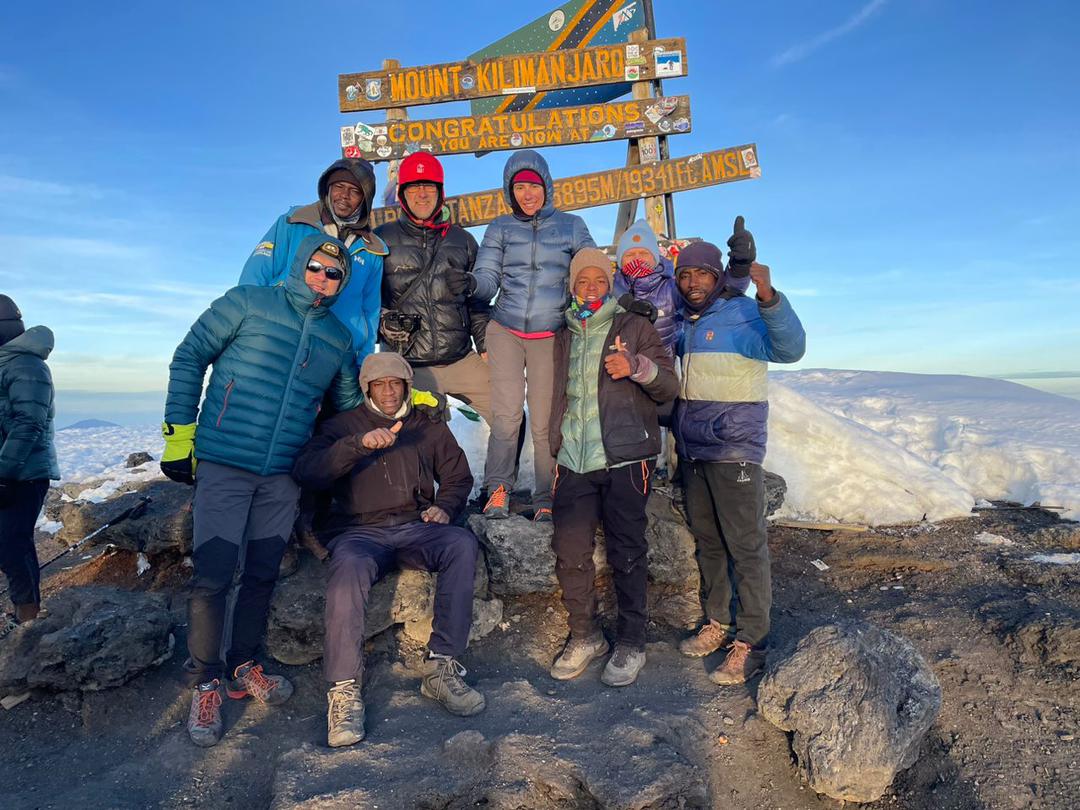
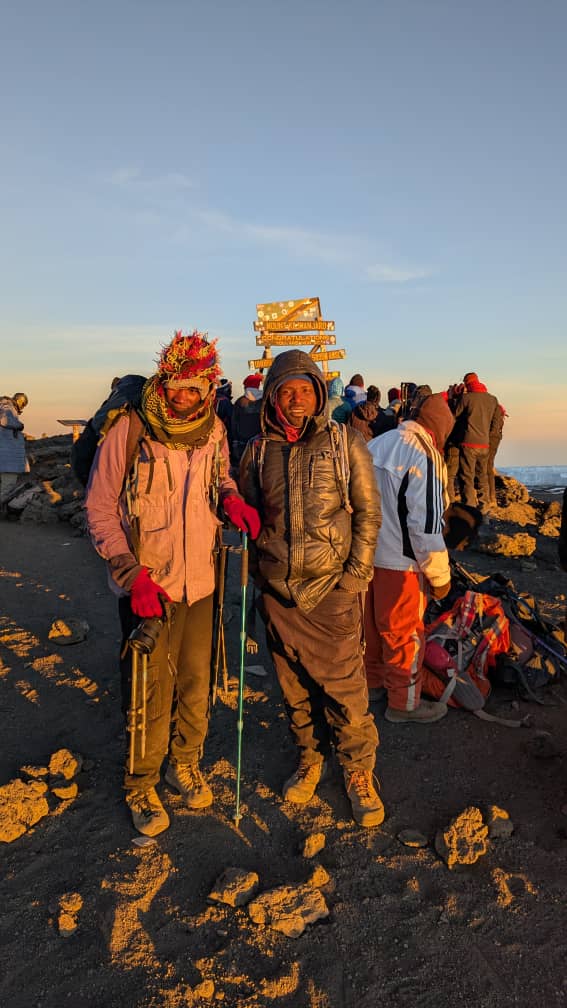
Trek: 10-15 hours, 5km/3 miles up, 12km/7.5 miles down. The most challenging day. You’ll start in the early hours of the morning (around midnight) to ascend Stella Point and then Uhuru Peak. After celebrating at the summit, you’ll descend back past Barafu Camp to Mweka Camp. - Day 7: Mweka Camp (3,100m/10,170ft) to Mweka Gate (1,500m/4,920ft)
Trek: 3-5 hours, 10km/6 miles, rainforest zone. A relatively easy trek through the forest down to Mweka Gate, where you’ll be met by your transport for the journey back to Moshi.
Why Choose Group Joining for Your Kilimanjaro Climb?
The decision to join a group trek is often driven by a combination of factors, with the Machame Route 7 days group joining price being a primary consideration. However, there are other benefits:
Advantages of Group Treks:
- Cost Savings: As established, sharing costs significantly reduces the per-person price compared to a private trek.
- Social Experience: Group treks offer a fantastic opportunity to meet like-minded people from around the world, share the experience, and build camaraderie.
- Logistical Simplicity: The operator handles all the logistics, from permits and park fees to crew management and meal planning.
- Support Network: You’re part of a larger group, which can provide a sense of security and mutual support, especially during challenging moments on the mountain.
- Environmental Responsibility: Reputable operators who manage group treks often adhere to strict Leave No Trace principles and ensure responsible waste management, which is vital for preserving Kilimanjaro’s fragile ecosystem.
Preparing for Your Kilimanjaro Climb: Beyond the Price
While the Machame Route 7 days group joining price is a crucial factor, successful preparation involves more than just booking the trek. Physical fitness, mental preparedness, and proper gear are paramount.
Essential Preparation Steps:
- Physical Training: Focus on cardiovascular fitness, strength training (especially legs and core), and endurance. Regular hiking, preferably with a backpack, is ideal.
- Acclimatization Strategy: Choose an itinerary that prioritizes acclimatization. The 7-day Machame route is a good balance, but understanding the “climb high, sleep low” principle is key.
- Gear Selection: Invest in or rent high-quality gear. Layering is essential. Key items include waterproof and windproof outer layers, warm mid-layers (fleece, down), thermal base layers, sturdy hiking boots, a warm hat, gloves, and a good sleeping bag rated for cold temperatures.
- Mental Preparation: Kilimanjaro is a mental challenge as much as a physical one. Be prepared for long days, cold temperatures, and potential altitude sickness symptoms. A positive attitude and perseverance are vital.
- Health Check: Consult your doctor about altitude sickness medication (like Diamox) and get a general health check-up before your trip.
- Understanding Altitude Sickness: Learn the symptoms of Acute Mountain Sickness (AMS), High Altitude Pulmonary Edema (HAPE), and High Altitude Cerebral Edema (HACE). Know that the best treatment is descent.
Machame Route vs. Other Routes: A Price and Experience Comparison
While this article focuses on the Machame Route 7 days group joining price, it’s helpful to briefly compare it with other popular Kilimanjaro routes, especially for group departures in 2026-2027.
Route Comparison:
- Marangu Route (Coca-Cola Route): Often the cheapest due to its hut accommodation and shorter duration options (5-6 days). However, it has a less gradual ascent profile, leading to lower acclimatization and success rates. Group joining prices can be lower than Machame.
- Lemosho Route: Generally more expensive than Machame, especially for longer itineraries (7-8 days). It’s known for its stunning scenery and excellent acclimatization profile, offering higher success rates. Group joining prices will reflect this.
- Northern Circuit: The longest and most expensive route (9-10 days), offering the highest success rates due to superior acclimatization. It circles the mountain, providing a unique perspective. Group joining prices will be at the higher end.
- Rongai Route: Similar in price to Machame, it approaches from the north, offering a different perspective and often good weather. It’s a good alternative, especially during the rainy season.
The 7-day Machame route strikes a balance between cost, scenery, acclimatization, and success rate, making its Machame Route 7 days group joining price highly competitive for trekkers seeking a well-rounded experience.
Booking Your Machame Route 7 Days Group Trek for 2026-2027
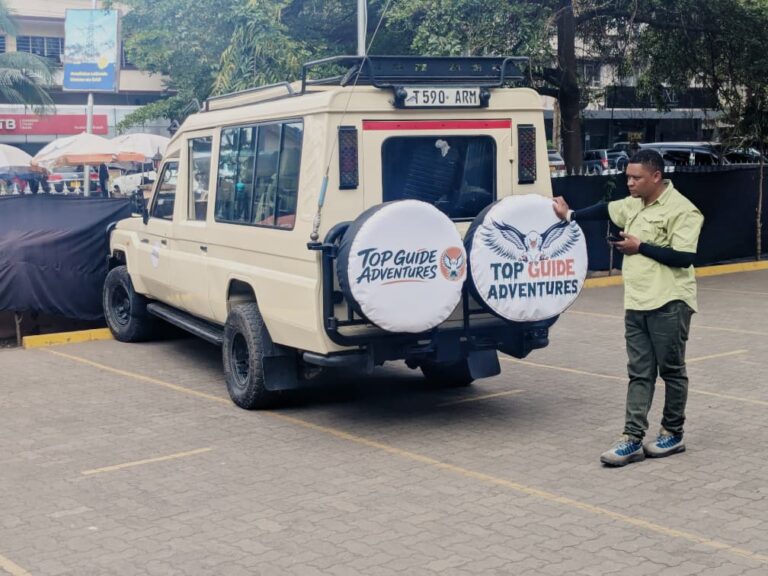
Securing your spot on a Machame Route 7 days group joining trek for 2026 or 2027 requires careful planning and selecting a trustworthy operator. Top Guide Adventures specializes in making your Kilimanjaro dream a reality, offering well-managed group departures that prioritize safety, crew welfare, and an unforgettable experience.
When you choose Top Guide Adventures, you benefit from:
- Experienced, certified guides.
- High-quality equipment and logistics.
- Fair wages and ethical treatment for our mountain crew.
- A commitment to safety with emergency oxygen and comprehensive first-aid.
- Transparent pricing with clear inclusions and exclusions.
To get the most accurate and up-to-date Machame Route 7 days group joining price for your desired 2026-2027 travel dates, and to discuss your specific needs, please reach out to us directly. We are here to answer all your questions and help you plan your epic Kilimanjaro adventure.
You can contact us via WhatsApp at +255616946642, or email us at topguideadventures@gmail.com. For backup inquiries, please use info@topguideadventures.com. We look forward to helping you conquer Kilimanjaro!
Check Availability for Machame Route 7 Days Group Joining Price For Kilimanjaro Climb 2026-2027
Ready to compare dates, prices, and the best option for your group? Send the package name and travel month so the team can reply with a clear quote, availability, and what is included.
Best Lemosho Route 8 Days Group Joining Price, Date & Departures For 2026-2027Discover the best Lemosho Route 8-day group joining options, including prices, departure dates, and key inclusions for your 2026-2027…View package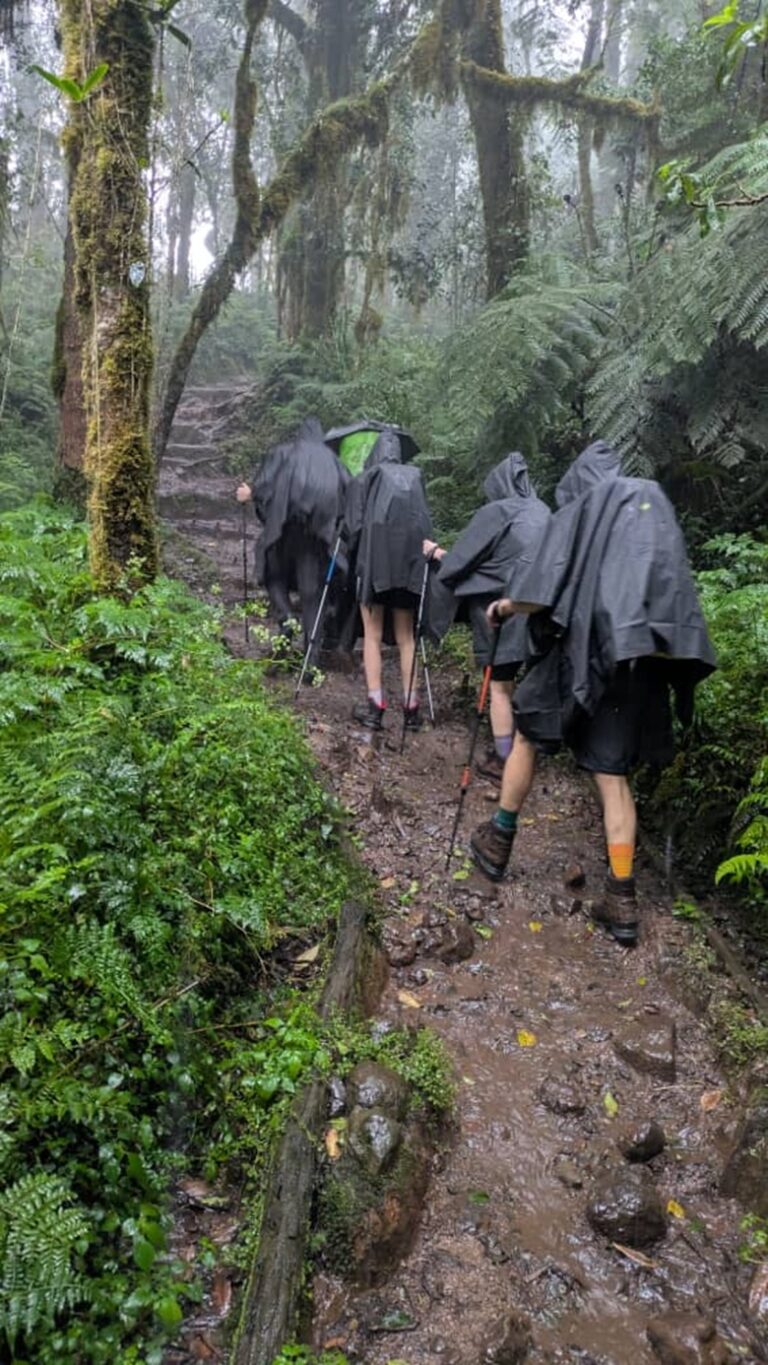 Lemosho Route 7 Days Group Joining Price Departures | Top Guide AdventuresDiscover the Lemosho Route 7-day trek on Kilimanjaro. This article details group joining prices, departure schedules for 2026-2027, what's…View package
 Machame Route 6 Days Group Joining Cost For Adventures 2026-2027Planning a Kilimanjaro climb via the Machame Route in 6 days with a group? This guide breaks down the typical costs for 2026-2027 departures…View packageLemosho Route 6 Days Group Joining Cost Departures 2026-2027Planning a Kilimanjaro climb via the Lemosho Route in 6 days? This guide details group joining costs and departure schedules for 2026-2027…View package
 Lake Jipe Kilimanjaro View Tour: A Complete Guide For 2026-2027Discover the serene beauty of Lake Jipe with a stunning Kilimanjaro backdrop. This tour offers a unique blend of natural landscapes, wildlife…View package
 Chemka Hot Springs Packages: Your Ultimate Guide For Adventures 2026-2027Explore curated Chemka Hot Springs packages designed for relaxation and adventure in Tanzania. Learn about inclusions, durations, and how to…View package
 Lake Jipe Fishing Experience: Your Ultimate Guide For 2026-2027Explore the unique Lake Jipe fishing experience in Tanzania, a gem for anglers seeking diverse catches and serene waters. This guide covers…View package
 Lake Jipe Wildlife Photography Tour: Capture Tanzanias Hidden Gems 2026-2027start a specialized Lake Jipe Wildlife Photography Tour in Tanzania, offering unparalleled opportunities to capture diverse birdlife, mammals…View package
 Lake Jipe Community Cultural Tour: Experience Authentic Tanzania 2026-2027A detailed 2026-2027 guide to Lake Jipe Community Cultural Tour, with clear planning and booking information for travelers.View package
 Lake Jipe Sunrise Boat Tour: An Unforgettable Tanzania Experience 2026-2027Discover the magic of a Lake Jipe sunrise boat tour, a unique Tanzanian adventure offering serene waters, abundant birdlife, and stunning…View package
 2-Day Lake Jipe And Mkomazi Safari: An Unforgettable Tanzania AdventureExplore the serene beauty of Lake Jipe and the rugged wilderness of Mkomazi National Park on a focused 2-day safari. This itinerary offers a…View packageYour 2-Day Lake Jipe Camping Safari: An Unforgettable Tanzania ExperienceDiscover the tranquility and wildlife of Lake Jipe on a 2-day camping safari. This short, immersive adventure offers a unique perspective on…View package


