
A Simiyu Traditional Cattle Culture Tour offers an immersive journey into the heart of Maasai heritage in Tanzania, focusing on their ancestral practices of cattle herding, social structures, and daily life. This experience, best planned for late 2026 or 2027, allows travelers to engage directly with communities, learn about the significance of livestock in Maasai culture, participate in traditional activities, and understand the challenges and adaptations facing these communities in the modern era.
Discovering the Soul of Simiyu: More Than Just a Tour
The Simiyu region in northern Tanzania is a land where ancient traditions breathe alongside the rhythm of modern life. For many travelers, Tanzania conjures images of vast savannas teeming with wildlife, the iconic Mount Kilimanjaro, or the spice-scented islands of Zanzibar. Yet, beyond these well-trodden paths lies a profound cultural landscape, most vibrantly represented by the Maasai people and their deep-rooted cattle culture. A Simiyu Traditional Cattle Culture Tour is not merely a sightseeing excursion; it’s an invitation to connect, to understand, and to witness a way of life that has sustained generations.
Top Guide Adventures specializes in crafting authentic experiences that go beyond the surface. We believe that true travel enriches both the visitor and the visited. Our Simiyu tour is designed to offer an unparalleled glimpse into the daily existence of Maasai communities, with a central focus on their most cherished asset: cattle. This is an opportunity to step into a world where livestock are not just a source of livelihood, but the very foundation of social status, spiritual beliefs, and communal identity.
As you plan your travels for 2026 or 2027, consider this unique cultural immersion. It’s a chance to move away from the typical safari circuit and engage with the living heritage of Tanzania. The journey into Simiyu is a step back in time, yet it is also a forward-looking exploration of how traditional cultures adapt and thrive in the 21st century.
The Heart of Maasai Life: Cattle as More Than Livestock
In the context of a Simiyu Traditional Cattle Culture Tour, understanding the paramount importance of cattle is key. For the Maasai, cattle are the lifeblood of their society. They are a measure of wealth, a symbol of social standing, and central to virtually every ritual and ceremony. From birth to death, cattle play a role. A young man’s transition to adulthood, his ability to marry, and his standing within the community are all intrinsically linked to the size and quality of his cattle herd.
During your tour, you will witness this connection firsthand:
- Daily Herding Practices: Observe the intricate knowledge Maasai herders possess about their animals and the land. Learn about the traditional methods of grazing, water sourcing, and protecting herds from predators.
- Milking Rituals: Experience the traditional way of milking cows, often using specialized gourds. This is a vital part of the daily diet, providing essential nutrition.
- Cattle Camps: Understand the concept of temporary cattle camps, where herds are moved to find fresh pasture and water, a nomadic rhythm dictated by the seasons and the needs of the animals.
- The Enkipaata (Age-Set Initiation): While not always a daily occurrence, you might learn about or even witness aspects of ceremonies like the Enkipaata, where young men are initiated into warriorhood, a process heavily involving cattle symbolic exchanges.
- Adornment and Symbolism: Notice how cattle are adorned, and how their hides, horns, and bones are used in crafts, clothing, and ceremonial objects.
This deep integration of cattle into the Maasai way of life is what makes a cultural tour in Simiyu so profoundly insightful. It’s a living, breathing tradition that has endured for centuries, offering a stark and beautiful contrast to the consumer-driven economies of the modern world.
Crafting Your Simiyu Cultural Experience: What to Expect in 2026-2027
When you book a Simiyu Traditional Cattle Culture Tour with Top Guide Adventures, you’re signing up for an authentic, respectful, and deeply engaging experience. We work closely with local communities to ensure that your visit is mutually beneficial, respecting their customs and traditions while providing you with an unforgettable journey.
Our typical tours are designed to offer a comprehensive understanding of Maasai life, centered around their cattle culture. While itineraries can be customized, a standard tour might include:
Duration and Pace
Tours typically range from 3 to 7 days, allowing ample time for immersion without feeling rushed. This duration permits a deeper understanding of the daily routines and allows for more meaningful interactions with community members. For 2026-2027 travel, we recommend booking at least 6-9 months in advance, especially for peak seasons, to secure the best community access and guides.
Accommodation Style
We offer a range of accommodation options, from comfortable, authentic homestays within Maasai bomas (homesteads), offering the most immersive experience, to nearby lodges or tented camps that provide a higher level of comfort while still being close to the communities. The choice depends on your preference for immersion versus comfort, and we can discuss these options when you contact us for a quote.
Daily Activities and Learning Opportunities
Your days will be filled with activities that bring the cattle culture to life:
- Morning Herding Excursions: Join the herders as they take the cattle to pasture, learning about the different types of grasses, water sources, and the challenges of managing a large herd.
- Village Life Immersion: Spend time in the boma, observing women preparing meals, making traditional crafts like beadwork, and caring for children. Understand the division of labor within the community.
- Storytelling and Traditional Lore: Sit with elders and listen to stories, proverbs, and the history of the Maasai people, gaining insights into their worldview and spiritual beliefs.
- Learning about Cattle Breeds and Health: Understand the specific breeds of cattle important to the Maasai and the traditional methods of veterinary care and disease prevention.
- Participating in Daily Chores (Optional): If you wish, you can respectfully participate in tasks like fetching water, collecting firewood, or helping with simple chores, offering a hands-on understanding of daily life.
- Cultural Performances: Witness traditional Maasai dances, songs, and perhaps even mock warrior displays, which are often performed during gatherings or celebrations.
- Beadwork Workshops: Learn the intricate art of Maasai beadwork, a significant cultural practice for women, and perhaps create your own souvenir.
Guides and Interpretation
Your tour will be led by experienced guides, often Maasai themselves, who have an intimate knowledge of the culture, language, and landscape. They act as crucial cultural bridges, facilitating respectful interactions and providing deep insights that would otherwise be missed. Our guides are trained to ensure your safety and comfort while maximizing your learning experience.
Focus on Sustainability and Respect
Top Guide Adventures is committed to responsible tourism. We ensure that our tours contribute positively to the local communities, supporting local economies and preserving cultural heritage. We educate our travelers on respectful engagement, including appropriate dress, photography etiquette, and understanding local customs.
Planning Your 2026-2027 Simiyu Cattle Culture Adventure
The best time to undertake a Simiyu Traditional Cattle Culture Tour often aligns with the dry seasons, which typically run from June to October and again from December to February. During these periods, grazing lands are more accessible, and the weather is generally more conducive for exploring the semi-arid landscapes of Simiyu. However, the Maasai are a nomadic people, and their movements, along with their cattle, are dictated by the availability of pasture and water, which can vary year to year.
When planning for 2026 or 2027, consider these factors:
- Booking Window: For popular periods or specific community access, we recommend booking 6 to 12 months in advance. This allows us to coordinate with the communities and ensure the most authentic experience.
- Flexibility: While we plan meticulously, embracing a degree of flexibility is essential when traveling to rural areas. The rhythms of life in Simiyu are natural and can sometimes deviate from strict schedules.
- What to Pack: Light, neutral-colored clothing is advisable. Comfortable walking shoes are a must. A wide-brimmed hat, sunscreen, insect repellent, and a reusable water bottle are also important. Modest dress is appreciated when visiting villages.
- Health and Vaccinations: Consult your doctor or a travel clinic regarding recommended vaccinations and malaria precautions well in advance of your trip.
- Visa Requirements: Ensure you have the necessary visa for Tanzania. Information is available on the Tanzanian immigration website.
Top Guide Adventures is here to guide you through every step of the planning process. From initial inquiries to your departure, we ensure a smooth and enriching journey. You can reach us for detailed itineraries and quotes for your 2026-2027 adventure.
The Significance of Maasai Beadwork: An Art Form of Culture
No exploration of Maasai culture, especially on a Simiyu Traditional Cattle Culture Tour, would be complete without acknowledging the vibrant and intricate art of Maasai beadwork. Far from being mere decoration, beadwork is a complex language, conveying information about age, social status, marital status, and even political affiliation.
During your visit, you will see:
- Elaborate Necklaces and Earrings: Worn by women, these pieces are often circular, layered, and incredibly colorful, with specific color combinations holding deep meaning.
- Headbands and Bracelets: These are common for both men and women, signifying different aspects of their identity.
- Ceremonial Attire: For special occasions like weddings or ceremonies, beadwork becomes even more elaborate, adorning garments and body parts.
- The Role of Women: The creation of beadwork is almost exclusively the domain of Maasai women. It is a skill passed down through generations, and the sale of beadwork often provides a crucial source of income for women and their families.
On your tour, you’ll have the opportunity to learn about the symbolism of different colors:
- Red: Represents bravery, strength, and unity. It is also associated with the color of blood.
- Blue: Symbolizes the sky and rain, vital for life and sustenance.
- Green: Represents the land, nature, and the importance of vegetation for grazing.
- Yellow: Signifies peace and the sun.
- Orange: Represents hospitality and friendship.
- Black: Symbolizes the people and the struggles they have faced.
You might even have the chance to try your hand at creating some simple beadwork under the guidance of local artisans. Purchasing authentic Maasai beadwork directly from the artisans supports their livelihoods and allows you to take home a meaningful piece of Tanzanian culture.
Navigating the Landscape: Geography of Simiyu
The Simiyu region is located in the north-western part of Tanzania, bordering Lake Victoria. Its landscape is characterized by vast, open plains, rolling hills, and acacia-dotted savannas. This environment is ideally suited for pastoralism, providing the necessary grazing land and water sources for large cattle herds.
Understanding the geography is integral to appreciating the cattle culture:
- Semi-Arid Climate: The region experiences distinct wet and dry seasons. Maasai pastoralists are highly skilled at managing their herds through these climatic variations, often migrating to find better pastures.
- Water Sources: Rivers, seasonal streams, and traditional water holes are crucial. The availability of water dictates herd movements and settlement patterns.
- Grazing Lands: The expansive plains offer grazing for thousands of cattle. Traditional knowledge of the land, including identifying nutritious grasses and water-rich areas, is passed down through generations.
- Proximity to Wildlife Areas: While Simiyu is not a primary wildlife tourism destination like the Serengeti, it shares borders with some conservation areas and is home to various wildlife species. The interaction and coexistence between pastoralists and wildlife is an important aspect of the region’s ecology and culture.
Our Simiyu Traditional Cattle Culture Tour takes you into these landscapes, allowing you to see firsthand how the environment shapes the lives and traditions of the Maasai people and their cattle.
The Role of Elders and Community Structure
In Maasai society, elders hold immense respect and authority. Their wisdom guides the community, and their decisions are often final. During your cultural tour, you will observe the deference shown to elders and may have the opportunity to hear their perspectives.
Key aspects of community structure include:
- Age-Sets: Maasai society is organized into age-sets, groups of men born within a specific period who share a common bond and move through life stages together. This system is crucial for social cohesion and governance.
- Council of Elders: Decisions regarding grazing rights, inter-community disputes, and major ceremonies are typically made by a council of respected elders.
- Family and Kinship: The extended family and clan structure are vital. Cattle are often owned communally within families, and their management involves collective decision-making.
- The Role of Warriors (Morans): Traditionally, young men served as warriors, protecting the community and its herds. While the role has evolved, the warrior age-set remains a significant part of Maasai identity.
Understanding these social structures provides a deeper appreciation for the community dynamics you witness on a Simiyu Traditional Cattle Culture Tour.
Food and Drink: Sustenance from the Land and Herd
The diet of the Maasai is intrinsically linked to their cattle and the land. It is simple, nutritious, and adapted to their pastoral lifestyle.
Expect to encounter:
- Fresh Milk: This is a staple, consumed directly from the cow, often without pasteurization. It is rich in nutrients and a primary source of hydration and sustenance.
- Blood: In times of scarcity or as a dietary supplement, Maasai traditionally consume fresh or clotted blood drawn from cattle. This practice is a testament to their ability to utilize all parts of the animal for survival.
- Meat: While cattle are highly valued, they are also consumed, typically during special ceremonies or when an animal is old or sick. The slaughter of an animal is a significant event.
- Maize and Grains: With increased interaction with other communities and agricultural practices, maize (corn) and other grains have become more common additions to the diet, often prepared as ugali (a stiff porridge).
- Herbal Teas: Various local herbs are used to make teas, which can have medicinal properties or simply provide a warm beverage.
Participating in meals with a Maasai family offers a unique culinary experience and a chance to understand the resourcefulness and adaptability of their diet. Our tours ensure that any shared meals are prepared hygienically and respectfully.
Photography and Respectful Engagement
The Simiyu region and its people are incredibly photogenic, but it’s crucial to approach photography with respect and sensitivity. A Simiyu Traditional Cattle Culture Tour is about genuine connection, not just capturing images.
Follow these guidelines:
- Always Ask Permission: Before taking any photographs of people, especially close-ups, always ask for permission. A smile and a gesture can go a long way, and your guide will assist you in communicating your request.
- Be Mindful of Children: While children are often curious, always seek parental consent before photographing them.
- Respect Sacred Spaces: Some areas within the boma or specific rituals might be considered private or sacred. Your guide will advise you on what is appropriate to photograph.
- Avoid Intrusiveness: Do not use telephoto lenses to spy on private moments, and never intrude on ceremonies or daily activities.
- Consider a Small Gift: Sometimes, offering a small gift (like pens for children, or sugar/tea for the household) after taking photos can be a nice gesture, but always check with your guide first.
Our aim is to foster mutual respect. When you photograph, do so with an understanding that you are capturing a moment in someone’s life, not just a tourist attraction.
Comparing Simiyu with Other Cultural Experiences in Tanzania
Tanzania offers a rich mix of cultural experiences, from the Hadzabe hunter-gatherers to the Chagga people on the slopes of Kilimanjaro. A Simiyu Traditional Cattle Culture Tour stands out due to its specific focus on pastoralism and the Maasai way of life.
Here’s a brief comparison:
- Hadzabe Bushmen: These tours focus on ancient hunter-gatherer traditions, demonstrating survival skills, tracking, and a deep connection with the natural environment. This is a very different lifestyle from pastoralism.
- Chagga Cultural Tourism: Centered around Mount Kilimanjaro, this experience often involves visiting coffee plantations, learning about Chagga history, exploring traditional homes, and understanding their agricultural practices.
- Sukuma Cultural Tours: In regions like Mwanza, you can explore the culture of the Sukuma people, known for their farming, fishing, and intricate dance traditions, including snake charming rituals.
- Maasai Cultural Tourism (General): While Maasai communities exist in various parts of northern Tanzania, a tour specifically in Simiyu offers a more focused and less commercialized experience compared to some well-known Maasai villages near popular safari parks. The emphasis on cattle culture is particularly strong here.
The Simiyu tour provides a unique lens through which to view Tanzanian culture, highlighting the resilience and enduring traditions of a people whose identity is inextricably linked to their livestock.
Challenges and Future of Maasai Cattle Culture
While the traditions are strong, Maasai communities, like many indigenous peoples, face contemporary challenges. Understanding these challenges provides a more complete picture of the Simiyu Traditional Cattle Culture Tour experience.
- Land Use and Conservation: Balancing pastoral needs with conservation efforts and agricultural expansion is a constant challenge. Access to traditional grazing lands can be restricted.
- Climate Change: Droughts and unpredictable weather patterns increasingly impact pasture availability and water sources, putting pressure on cattle herds.
- Economic Pressures: The need for cash for education, healthcare, and modern amenities means that communities must find ways to generate income, sometimes leading to the sale of cattle at unfavorable prices.
- Education and Modernization: While education is vital for future generations, it can also lead to shifts away from traditional pastoral lifestyles.
- Cultural Preservation: Maintaining cultural integrity in the face of globalization and external influences is an ongoing effort.
Responsible tourism, such as the kind offered by Top Guide Adventures, aims to support these communities by providing economic opportunities that are aligned with their cultural values, helping them to sustain their heritage while adapting to the modern world.
Your Journey Begins: Booking Your Simiyu Cattle Culture Tour
A Simiyu Traditional Cattle Culture Tour is an unforgettable experience for those seeking genuine cultural immersion and a deeper understanding of human connection to the land and animals. It’s a journey that challenges perspectives and enriches the soul.
Top Guide Adventures is your trusted partner for this adventure. We are committed to providing authentic, responsible, and memorable travel experiences in Tanzania. Whether you are planning for 2026, 2027, or beyond, we are ready to help you craft the perfect itinerary.
Contact us today to discuss your custom tour:
- WhatsApp: +255616946642
- Email: topguideadventures@gmail.com
- Backup Email: info@topguideadventures.com
Let us help you connect with the heart of Maasai culture in Simiyu. Discover the enduring legacy of their cattle traditions and create memories that will last a lifetime.
Check Availability for Simiyu Traditional Cattle Culture Tour: Experience Maasai Life In Tanzania
Ready to compare dates, prices, and the best option for your group? Send the package name and travel month so the team can reply with a clear quote, availability, and what is included.
 Your 2-Day Simiyu Village Experience: Culture, Nature, And Authentic TanzaniaExperience the heart of Tanzania with a 2-day Simiyu village immersion. This short but rich journey offers deep cultural insights, interactions…View package
 Shinyanga Traditional Homestead Tour: Experience Authentic Maasai CultureExplore the heart of Maasai culture on a Shinyanga Traditional Homestead Tour. This immersive experience offers a genuine glimpse into the daily…View package
 Simiyu Region: Your Ultimate Tanzania Safari And Cultural Exploration GuideExplore the untouched beauty and rich culture of Simiyu Region, Tanzania. This comprehensive guide covers wildlife viewing, cultural encounters…View package
 1-Day Shinyanga Traditional Dance Experience: Immerse Yourself In TanzanianDiscover the heart of Tanzanian culture with a captivating 1-Day Shinyanga Traditional Dance Experience. Top Guide Adventures offers an…View package
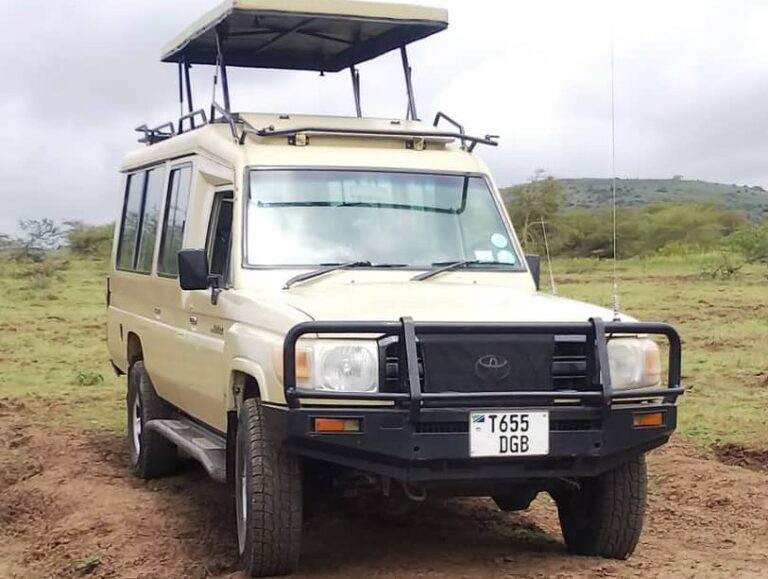 Ac Shinyanga, Simiyu, And Geita Safari Packages: Your Ultimate NorthernExplore bespoke safari packages for AC Shinyanga, Simiyu, and Geita regions in Tanzania, offering a unique blend of wildlife encounters…View package
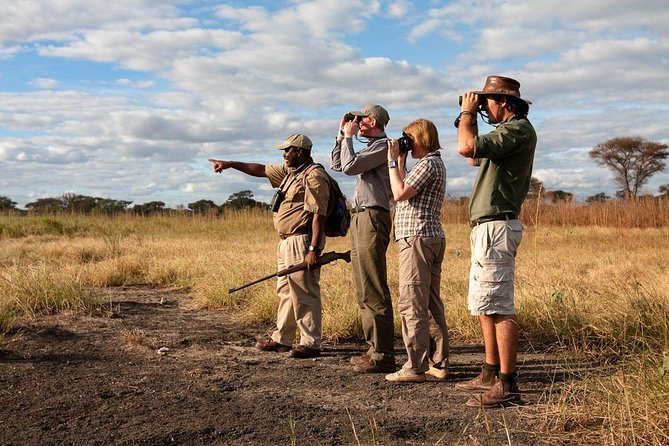 1-Day Bariadi Cultural Tour: Experience Local Life In Tanzania 2026-2027Explore the vibrant culture of Bariadi on an immersive 1-day tour. This experience offers a unique glimpse into the daily lives, traditions, and…View package
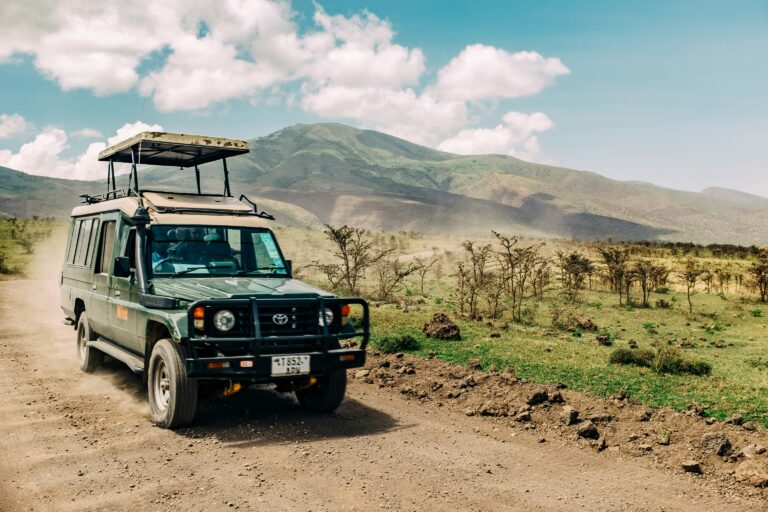 Shinyanga Local Food Experience: A Culinary Journey Through TanzaniasExplore the vibrant culinary landscape of Shinyanga, Tanzania. This guide offers an in-depth look at local dishes, ingredients, and dining…View package
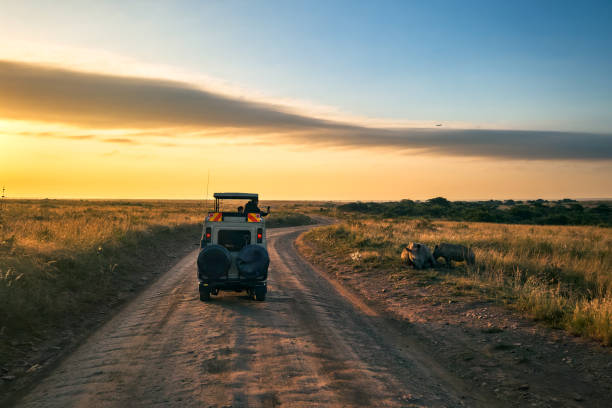 Shinyanga Cotton Farm Tour: An In-Depth Agricultural Experience In TanzaniaExplore the agricultural heart of Shinyanga with a specialized cotton farm tour. Understand the journey from plant to product, the economic…View package


