

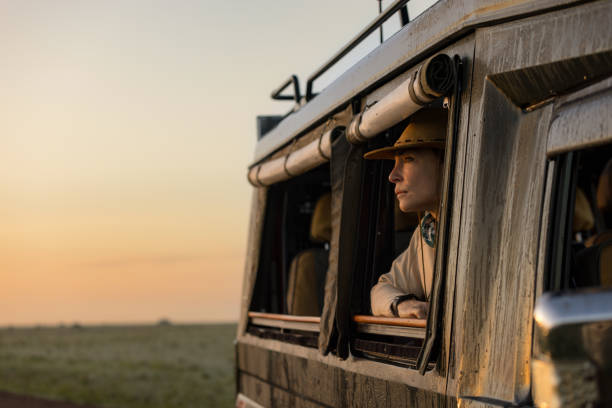
A Simiyu birdwatching adventure in Tanzania offers an exceptional opportunity to witness a vast array of avian species, including rare endemics and migratory birds, within diverse habitats ranging from the shores of Lake Victoria to savanna woodlands, making it a prime destination for ornithologists and nature enthusiasts planning trips for 2026 and 2027.
The Allure of Simiyu for Birdwatchers
Tanzania is globally recognized for its incredible biodiversity, and while the Serengeti and Ngorongoro Crater often steal the spotlight for large mammal safaris, the Simiyu region quietly positions itself as a rising star for dedicated birdwatching enthusiasts. Nestled in the northwestern part of the country, bordering the immense Lake Victoria, Simiyu province is a mosaic of ecosystems that support an astonishing variety of birdlife. From the moment you arrive, the air hums with the calls of countless species, painting a vibrant auditory and visual spectacle that few other destinations can match. For those planning their avian expeditions for 2026-2027, Simiyu presents a compelling, less-trodden path offering unique opportunities for discovery.
The sheer number of bird species recorded in Tanzania is impressive, often exceeding 1,000, and Simiyu contributes significantly to this count. The region’s strategic location, bridging different ecological zones, means that birders can encounter species typically found in dry savanna, riparian forests, acacia woodlands, and extensive wetlands. This geographical advantage creates a rich mix of habitats, each harboring its own specialized avian communities. Whether you are a seasoned ornithologist seeking to tick off rare sightings or a passionate amateur eager to expand your knowledge, a Simiyu birdwatching adventure promises rewarding encounters and unforgettable memories.
Why Simiyu Stands Out for Avian Encounters
What makes Simiyu a special destination for birdwatching, particularly as we look towards 2026 and 2027? Several factors contribute to its growing reputation:
- Biodiversity Hotspot: The confluence of Lake Victoria’s shores, the open savannas, and the unique miombo woodlands creates microhabitats supporting an exceptional diversity of birds.
- Endemic and Rare Species: While Tanzania has many endemic species, Simiyu’s varied landscape increases the chances of spotting regional rarities and birds with specific habitat requirements.
- Less Crowded Experience: Compared to more established birding sites, Simiyu offers a more tranquil and authentic experience, allowing for undisturbed observation.
- Accessibility and Infrastructure: With improving infrastructure, Simiyu is becoming increasingly accessible for dedicated birding tours, offering a blend of wild nature and comfortable logistics.
- Year-Round Potential: While certain periods are better for specific species (e.g., migratory birds), Simiyu offers rewarding birding throughout the year.
Planning a trip for 2026 or 2027 requires foresight, and understanding these unique selling points of Simiyu can help you craft the perfect itinerary. Top Guide Adventures is at the forefront of developing specialized birding tours in this region, ensuring you benefit from local expertise and well-organized expeditions.
Key Birding Habitats in Simiyu
The success of any birdwatching expedition hinges on understanding the habitats that attract specific species. Simiyu boasts a variety of environments, each a potential haven for different avian families. When planning your Simiyu birdwatching adventure for 2026-2027, familiarizing yourself with these zones will enhance your expectations and sighting opportunities.
The Shores of Lake Victoria
The vast expanse of Lake Victoria forms the northern and western boundary of Simiyu. Its shores, bays, and surrounding papyrus swamps are critical habitats for waterbirds. Here, you can expect to find:
- Waterfowl and Waders: Various duck species, herons, egrets, storks (like the Saddle-billed Stork and Marabou Stork), and shorebirds such as sandpipers and plovers are common.
- Pelicans and Cormorants: The Great White Pelican and various cormorant species are often seen in large numbers, especially during feeding frenzies.
- Kingfishers: Several species of kingfishers, including the Malachite Kingfisher and Pied Kingfisher, thrive in these watery environments.
- African Fish Eagle: The iconic call of the African Fish Eagle is a frequent soundtrack along the lake, and sightings are almost guaranteed.
- Papyrus Specialists: The dense papyrus beds are home to specialized species like the Papyrus Gonolek, Papyrus Canary, and White-winged Black Tern.
Exploring these lakeside areas, perhaps by boat or from carefully chosen vantage points along the shore, is essential for any comprehensive Simiyu birding tour. The interplay of water, reeds, and open skies creates a dynamic environment for observing bird behavior.
Acacia Woodlands and Savanna
Much of Simiyu’s interior is characterized by open savanna dotted with acacia trees and scrubland. This environment supports a different set of species, often more elusive and adapted to drier conditions. Birders can look for:
- Raptors: Various eagles, buzzards, and kites patrol the skies, including the Bateleur, Tawny Eagle, and Grasshopper Buzzard.
- Ground-dwelling birds: Species like Francolins, Quails, and Buttonquails can be found foraging on the ground.
- Seed-eaters and Insectivores: Finches, weavers, and starlings are abundant, often forming mixed flocks. Look out for species like the Magpie Starling and various species of sparrows and waxbills.
- Woodland Birds: Species such as the Lilac-breasted Roller, Superb Starling, and various hornbills (e.g., Red-billed Hornbill) are common sights.
- Shrikes and Bushshrikes: These predatory birds are often found perched on acacia branches, scanning for prey.
These open areas are best explored by vehicle, allowing you to cover more ground and stop for sightings. Early mornings and late afternoons are particularly productive as birds are most active during these cooler parts of the day.
Miombo Woodland and Riverine Forests
Where rainfall is more consistent or along river courses, you’ll find patches of miombo woodland and denser riverine forests. These provide different niches for birds:
- Forest specialists: Species that prefer denser cover, such as certain warblers, flycatchers, and woodpeckers, can be found here.
- Sunbirds and White-eyes: These nectar-feeding and insectivorous birds are drawn to the flowering trees and dense foliage.
- Cuckoos and Turacos: Listen for the distinctive calls of various cuckoo species and the vibrant flash of a Knysna Turaco or Ross’s Turaco if you’re lucky.
- Woodpeckers and Barbets: These tree-dwelling birds are often identified by their calls or by the tell-tale signs of their foraging.
Navigating these areas often requires walking, allowing for a more intimate experience with the forest’s inhabitants. Birding guides are invaluable in these denser environments, helping to locate species by sound and sight.
Target Bird Species for Your Simiyu Adventure
While the sheer diversity is a draw, many birders have specific targets in mind. A Simiyu birdwatching adventure offers the chance to see a remarkable list of species. Here are some highlights that often feature on birders’ wish lists for the region, categorized for easier reference:
Iconic and Widespread Species
These are birds that are characteristic of the East African savanna and wetlands, and their presence signals a healthy ecosystem:
- Lilac-breasted Roller: Famous for its stunning iridescent plumage, this is one of Africa’s most beautiful birds and a common sight in open woodlands.
- Superb Starling: Known for their striking black, white, and iridescent blue-green plumage and their social behavior.
- African Fish Eagle: Its commanding presence and distinctive call make it a symbol of African waterways.
- Marabou Stork: A large, somewhat ungainly bird, but an important scavenger and a common sight near water and settlements.
- Secretarybird: A large, terrestrial bird of prey with long legs, often seen striding across open grasslands hunting snakes.
Specialty Birds of Simiyu
These species are either endemic to specific regions, rarer, or particularly sought after by dedicated birdwatchers:
- Papyrus Gonolek: A striking bird with bright orange underparts and black upperparts, found exclusively in papyrus swamps.
- Fischer’s Turaco: A beautiful turaco species that can be found in the woodlands.
- Red-chested Sunbird: Known for its vibrant colors and energetic aerial displays.
- White-browed Coucal: A shy cuckoo species often heard before it is seen, with a distinctive bubbling call.
- African Finfoot: A secretive waterbird that prefers dense vegetation along riverbanks and lakeshores, very difficult to spot.
- Pennant-winged Nightjar: A nocturnal bird that, during the breeding season, males develop extraordinarily long wing streamers, a truly spectacular sight if observed.
Migratory Visitors (Seasonal)
Depending on the time of year in 2026-2027, you might encounter Palearctic migrants:
- European Bee-eaters: Large flocks can be seen during the non-breeding season.
- Waders: Many species of sandpipers, plovers, and stints migrate to the shores of Lake Victoria to escape the European winter.
When planning your Simiyu birdwatching adventure, discuss with your tour operator the best times for specific sightings, especially for migratory species.
Best Time to Visit Simiyu for Birdwatching
The timing of your visit can significantly impact the bird species you encounter. Simiyu offers birding opportunities year-round, but certain periods are particularly rewarding. For planning your 2026-2027 trips, consider these seasonal patterns:
- The Dry Season (June to October): This is often considered the prime time for birdwatching in many parts of Tanzania, including Simiyu. The vegetation is less dense, making birds easier to spot. Water sources are fewer, concentrating birds and animals. Migratory birds from the Palearctic region begin arriving around October. This period is also excellent for large mammal viewing, which can be combined with birding.
- The Wet Season (November to May): This period brings lush green landscapes and breeding plumage for resident birds. Resident birds are often more active, calling and displaying as they nest. The rains can make some tracks impassable, but they also bring out insects, attracting insectivorous birds. Migratory birds are present during the earlier months of this season (November to March/April). The ‘short rains’ typically occur from November to December, followed by a drier spell, and then the ‘long rains’ from March to May.
Specific considerations for 2026-2027:
- For observing breeding behaviors and vibrant plumage of resident birds, the period from November to April is excellent.
- For encountering Palearctic migrants and enjoying easier visibility due to less dense foliage, the period from July to October is ideal.
- The shoulder months, such as late October/November and April/May, can offer a good balance, with potential for both resident and migratory species, though weather can be variable.
When booking your Simiyu birdwatching adventure, consult with Top Guide Adventures about the specific species you wish to see and they can advise on the optimal timing for your 2026 or 2027 travel dates.
Planning Your Simiyu Birdwatching Adventure: Essential Tips
A successful birdwatching trip requires more than just arriving at a destination. Careful planning ensures you maximize your sightings and enjoy a comfortable and enriching experience. Here are essential tips for planning your Simiyu birdwatching adventure for 2026-2027:
Choosing the Right Tour Operator
Selecting a reputable tour operator is paramount. Look for companies with:
- Specialized Birding Knowledge: Operators who understand birding, have experienced guides, and can tailor itineraries to focus on avian interests.
- Local Expertise: Guides who know the region’s birding hotspots, species distribution, and best times for sightings.
- Good Logistics: Reliable transport, comfortable accommodation, and well-planned daily schedules.
- Positive Reviews: Check testimonials and reviews from previous clients, particularly those who booked birding tours.
Top Guide Adventures has extensive experience in organizing specialized wildlife tours across Tanzania, including dedicated birding expeditions in regions like Simiyu. Their team can help craft a bespoke itinerary for your 2026-2027 trip.
Essential Gear for Birdwatching
Equipping yourself correctly will enhance your birding experience:
- Binoculars: A good pair of binoculars (e.g., 8×42 or 10×42) is indispensable. Ensure they are comfortable to hold and have good optics.
- Field Guide: A comprehensive field guide to the birds of East Africa is essential for identification. Popular choices include “Birds of Africa” by Stevenson & Fanshawe or regional guides.
- Camera: If you enjoy wildlife photography, bring a camera with a good zoom lens. Extra batteries and memory cards are crucial.
- Notebook and Pen: For recording sightings, noting bird behaviors, and jotting down observations.
- Appropriate Clothing: Lightweight, neutral-colored clothing (khaki, green, brown) that blends with the environment is best. Include long sleeves and trousers for sun and insect protection. A wide-brimmed hat is also recommended.
- Comfortable Footwear: Sturdy walking shoes or hiking boots are necessary for exploring different terrains.
- Sun Protection: Sunscreen, sunglasses, and a hat are vital due to the equatorial sun.
- Insect Repellent: Especially important during dawn and dusk, and in areas near water.
Health and Safety
Prioritize your well-being during your trip:
- Vaccinations: Consult your doctor or a travel clinic well in advance of your 2026-2027 trip regarding recommended vaccinations (e.g., Yellow Fever, Hepatitis A & B) and malaria prophylaxis.
- Travel Insurance: Ensure you have comprehensive travel insurance that covers medical emergencies and evacuation.
- Hydration: Drink plenty of bottled or purified water to stay hydrated, especially in the heat.
- Sun Safety: Use sunscreen diligently and wear protective clothing.
Understanding Local Customs
Tanzania is a diverse country with rich cultural traditions. While Simiyu is primarily known for its natural beauty, interacting respectfully with local communities is important:
- Dress modestly when visiting villages or interacting with local people.
- Ask permission before taking photographs of people.
- Learn a few basic Swahili phrases (e.g., “Jambo” for hello, “Asante” for thank you).
By preparing thoroughly, your Simiyu birdwatching adventure will be smooth, rewarding, and memorable.
Sample Itinerary: A 10-Day Simiyu Birding Expedition
To give you a concrete idea of what a Simiyu birdwatching adventure might look like, here is a sample 10-day itinerary designed by Top Guide Adventures. This itinerary balances exploration of key habitats with opportunities for relaxation and cultural interaction, perfect for planning your 2026-2027 travels.
Day 1: Arrival in Mwanza & Lake Victoria Shoreline
Arrive at Mwanza Airport (MWZ), the gateway to Simiyu. You’ll be met by your guide and transferred to your accommodation overlooking Lake Victoria. After settling in, an afternoon excursion along the lake shore and nearby papyrus swamps will introduce you to waterbirds like egrets, herons, African Fish Eagles, and perhaps even a glimpse of the elusive African Finfoot. We’ll focus on early evening bird activity.
Day 2: Mwanza to Speke Gulf National Park (Ukerewe Island area)
After an early breakfast, we drive towards the Speke Gulf area, part of Lake Victoria. This region is renowned for its diverse birdlife, including various waterbirds, kingfishers, and potential sightings of Fischer’s Turaco in the surrounding woodlands. We’ll spend the day exploring the shoreline and adjacent bushland, with picnic lunch. Overnight near the lake.
Day 3: Exploring Speke Gulf and surrounding areas
A full day dedicated to birding around the Speke Gulf. We will focus on the papyrus swamps for specialized species like the Papyrus Gonolek, and the acacia woodlands for rollers, bee-eaters, and sunbirds. Boat trips on the lake can offer excellent views of waterbirds and raptors. Your guide will use their expertise to locate the best spots.
Day 4: Drive to Maswa Game Reserve Area
We depart from the lake and head inland towards the fringes of Maswa Game Reserve. This area transitions from lakeside habitats to more open savanna and acacia woodlands. Birding en route and upon arrival will focus on species adapted to drier environments, including various raptors, ground birds, and passerines. Overnight in a lodge or tented camp near Maswa.
Day 5: Birding in Maswa Game Reserve environs
A full day exploring the Maswa area. This region offers excellent opportunities for spotting savanna birds, including various species of francolins, bustards, and larks. We’ll search for birds of prey soaring overhead and scan the acacia trees for shrikes, starlings, and hornbills. This is also a good area for general game viewing, adding another dimension to your adventure.
Day 6: Simiyu Inland – Focus on Woodland Species
Today we venture further into Simiyu’s interior, focusing on miombo woodland and acacia bushland. This is prime territory for species like the White-browed Coucal, various bushshrikes, and potentially elusive turacos. We’ll spend the day with walking safaris and game drives, led by your expert guide. Overnight in a comfortable camp.
Day 7: Exploring Riverine Habitats
We will seek out riverine forests and areas with more permanent water sources within Simiyu. These habitats often attract a different suite of birds, including woodpeckers, barbets, and more insectivorous species. Listen for the calls of cuckoos and search the canopy for sunbirds and weavers. This day offers a contrast to the open savanna.
Day 8: Return towards Mwanza – En route birding
We begin our journey back towards Mwanza, but the birding doesn’t stop. We’ll take a scenic route, stopping at promising birding spots identified by your guide. This could include dry grasslands, small waterholes, or patches of unique vegetation that attract specific species. We aim to arrive back in Mwanza in the late afternoon.
Day 9: Lake Victoria Birding & Cultural Interaction
A final day dedicated to revisiting favorite spots around Lake Victoria or exploring new areas near Mwanza. We might opt for a boat trip for better access to waterbirds or visit a local fishing village to experience the local culture and observe birds that frequent human settlements. This day allows for revisiting any target species missed earlier.
Day 10: Departure
After a final breakfast overlooking Lake Victoria, you will be transferred to Mwanza Airport for your onward flight. Reflect on the incredible avian diversity you’ve experienced during your Simiyu birdwatching adventure.
This sample itinerary can be customized to suit your interests, duration, and budget for your 2026-2027 trip. Whether you want to focus intensely on specific species or blend birding with other Tanzanian highlights, Top Guide Adventures can create the perfect plan.
Cost Considerations for a Simiyu Birdwatching Trip (2026-2027)
Understanding the potential costs involved is crucial when planning any international travel, including a specialized Simiyu birdwatching adventure for 2026-2027. Pricing for Tanzanian safaris and tours typically depends on several factors, and while exact quotes require a personalized consultation, here’s a breakdown of what influences the cost and general budget expectations.
Factors Influencing Tour Costs:
- Duration of the Trip: Longer trips naturally incur higher costs due to more days of accommodation, vehicle hire, guide fees, and park/concession fees.
- Accommodation Level: Options range from budget-friendly guesthouses and basic tented camps to mid-range lodges and luxury safari lodges. Higher levels of comfort and service come with a higher price tag.
- Type of Vehicle and Guide: A private safari with a dedicated 4×4 safari vehicle and a highly experienced, specialized birding guide will be more expensive than a shared tour.
- Inclusions: The package might include all meals, park entrance fees, activities (like boat trips), and transfers, or some may be excluded. Full-board packages offer better value and predictability.
- Time of Year: While Simiyu doesn’t have extreme peak seasons like some other major parks, prices can fluctuate slightly between the dry season (higher demand) and the wet season.
- Number of Participants: Group tours are generally more cost-effective per person than private tours, as costs are shared.
Estimated Budget Ranges (Per Person, Per Day):
For a specialized birding tour in Simiyu, focusing on quality guiding and comfortable logistics, you can expect the following approximate daily rates:
- Budget/Mid-Range: $250 – $400 USD per person per day. This would typically include comfortable, clean lodges or well-equipped tented camps, a knowledgeable guide, transport in a 4×4 vehicle, and most meals. Park fees and some specific activities might be extra.
- Mid-Range/Comfort: $400 – $600 USD per person per day. This level offers higher quality lodges or exclusive tented camps, more personalized service from your guide, potentially more included activities, and a greater focus on niche birding locations.
- Luxury: $600+ USD per person per day. This tier provides premium accommodation, exclusive guiding services, fine dining, and a fully comprehensive, tailor-made experience with all logistics handled.
Important Notes for 2026-2027 Planning:
- These are estimates. Exact pricing for 2026-2027 will depend on specific dates, group size, and chosen accommodation.
- International flights to Tanzania are not included in these daily rates.
- Visa fees, travel insurance, personal expenses (souvenirs, tips), and alcoholic beverages are typically extra.
- Park and concession fees can add a significant amount to the total cost, especially for areas surrounding national parks or private reserves.
To get a precise quote for your Simiyu birdwatching adventure in 2026 or 2027, it is best to contact Top Guide Adventures directly. They can provide a detailed itinerary and cost breakdown based on your specific requirements.
Booking Your Simiyu Birdwatching Adventure with Top Guide Adventures
Embarking on a Simiyu birdwatching adventure is an experience that promises unparalleled encounters with Africa’s avian wonders. As you finalize your plans for 2026 or 2027, choosing the right partner for your journey is essential. Top Guide Adventures specializes in creating bespoke safari and wildlife experiences across Tanzania, with a deep understanding of its diverse ecosystems and birdlife.
We pride ourselves on our local expertise, dedicated guides, and commitment to providing authentic and memorable adventures. Whether you’re looking to spot rare Papyrus Gonoleks, witness the aerial displays of sunbirds, or simply soak in the incredible biodiversity of Lake Victoria’s shores and Simiyu’s savannas, we can craft the perfect itinerary for you.
Ready to plan your unforgettable 2026-2027 birdwatching expedition?
- Contact us via WhatsApp: +255616946642
- Email us: topguideadventures@gmail.com
- Or our backup email: info@topguideadventures.com
Let Top Guide Adventures help you discover the hidden gems of Simiyu and create a birdwatching journey tailored to your dreams for 2026 and 2027. We look forward to helping you explore the magnificent birdlife of Tanzania!
Check Availability for Simiyu Birdwatching Adventure: Your Ultimate Guide For 2026-2027
Ready to compare dates, prices, and the best option for your group? Send the package name and travel month so the team can reply with a clear quote, availability, and what is included.
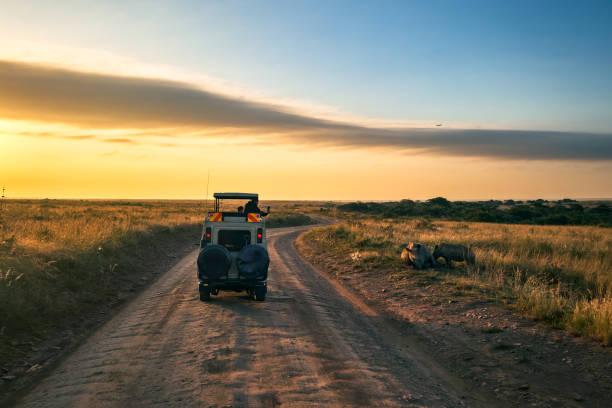 Simiyu Traditional Cattle Culture Tour: Experience Maasai Life In TanzaniaImmerse yourself in the rich traditions of the Simiyu region with a unique Cattle Culture Tour. This experience offers a deep look at the daily…View package
 Your 2-Day Simiyu Village Experience: Culture, Nature, And Authentic TanzaniaExperience the heart of Tanzania with a 2-day Simiyu village immersion. This short but rich journey offers deep cultural insights, interactions…View packageSimiyu Region: Your Ultimate Tanzania Safari And Cultural Exploration GuideExplore the untouched beauty and rich culture of Simiyu Region, Tanzania. This comprehensive guide covers wildlife viewing, cultural encounters…View package
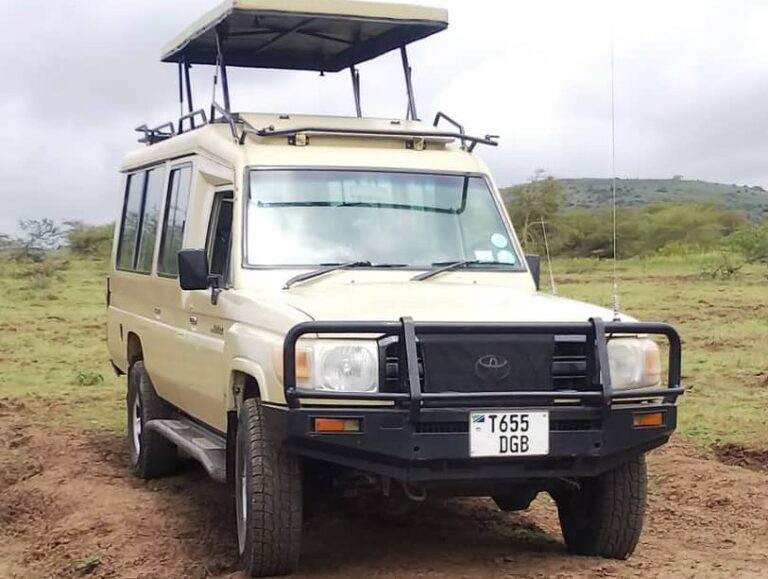 Ac Shinyanga, Simiyu, And Geita Safari Packages: Your Ultimate NorthernExplore bespoke safari packages for AC Shinyanga, Simiyu, and Geita regions in Tanzania, offering a unique blend of wildlife encounters…View package
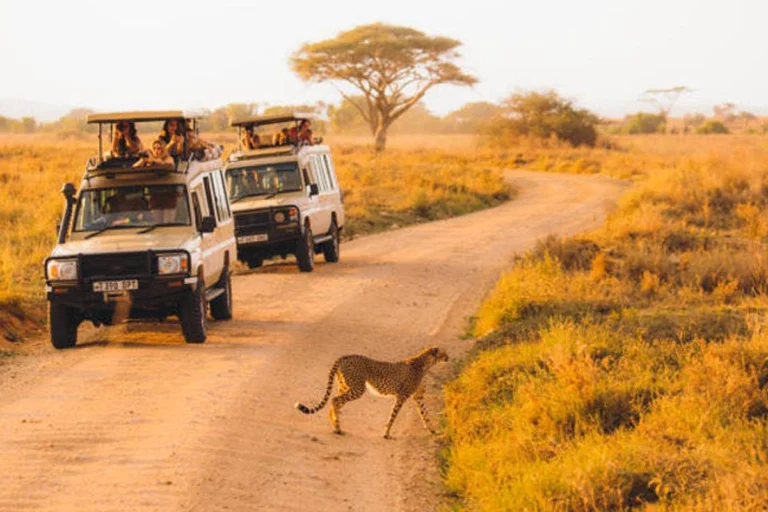 Mara Region Birdwatching Expedition: Your Ultimate Guide For 2026-2027start an unforgettable Mara Region birdwatching expedition, exploring Tanzania's rich avian biodiversity. This guide covers the best times…View package
 2-Day Mara Bay Boat Adventure: Your Ultimate Tanzania Coastal Escape 2026-2027Experience the magic of the Tanzanian coast with our exclusive 2-Day Mara Bay Boat Adventure. This curated itinerary offers a perfect blend of…View package
 Mara Region Cultural And Wildlife Tour: Your Ultimate Tanzania AdventureA Mara Region Cultural and Wildlife Tour offers an unparalleled journey into the heart of Tanzania's most iconic landscapes and vibrant…View package
 1-Day Bariadi Cultural Tour: Experience Local Life In Tanzania 2026-2027Explore the vibrant culture of Bariadi on an immersive 1-day tour. This experience offers a unique glimpse into the daily lives, traditions, and…View package


