
Kilimanjaro’s iconic snow and glaciers are indeed shrinking and receding at an alarming rate, a phenomenon driven primarily by climate change. While complete disappearance is a complex prediction, scientific projections indicate significant further reduction in the coming years, potentially by 2026-2027 and beyond. This retreat is altering the mountain’s iconic appearance and impacts the local environment and the climbing experience.
The Vanishing White Cap: Will Kilimanjaro Lose Its Snow?
The question of whether Kilimanjaro will lose its snow is not a matter of if, but when, and to what extent. For decades, scientists have been closely monitoring the dramatic retreat of the equatorial glaciers atop Africa’s highest peak. What was once a vast, year-round ice cap has thinned considerably, leading to concerns about its long-term survival and the future of Kilimanjaro’s majestic snowy summit. This phenomenon is a stark visual indicator of global climate change, felt keenly on this iconic Tanzanian mountain.
Understanding Kilimanjaro’s Snow and Ice: A Unique Ecosystem
Kilimanjaro, standing at 5,895 meters (19,341 feet), is home to three volcanic cones: Kibo, Mawenzi, and Shira. The summit of Kibo, Uhuru Peak, is crowned by a cap of glaciers and permanent snowfields. These ice masses are not just beautiful landmarks; they are crucial components of Kilimanjaro’s unique high-altitude ecosystem. They play a role in local hydrology, influencing water sources for communities below, and create a challenging yet rewarding environment for trekkers from around the globe.
Historically, these glaciers were extensive. Early 20th-century photographs show a much larger ice cover than what we see today. The rate of melting has accelerated significantly since the 1980s, with studies revealing a drastic reduction in ice volume and surface area. This rapid change prompts urgent questions about the future of Kilimanjaro’s snow cover, especially for those planning expeditions in the coming years, including 2026 and 2027.
The Science Behind the Melt: Why Kilimanjaro’s Snow is Disappearing
The primary driver behind the diminishing snow and glaciers on Kilimanjaro is global climate change, manifesting in several key ways:
- Rising Temperatures: Global average temperatures have been steadily increasing. On Kilimanjaro, this means higher temperatures at the summit, leading to increased sublimation (ice turning directly into vapor) and melting. The ice is melting from both the top and the sides.
- Changes in Precipitation Patterns: While overall temperatures rise, precipitation patterns are also affected. Kilimanjaro’s glaciers are fed by snowfall, and changes in the frequency and intensity of snowstorms can impact ice accumulation. However, warmer temperatures mean that when it does snow, it’s more likely to melt quickly or even rain at higher altitudes.
- Reduced Ice Thickness and Surface Area: As temperatures rise and melting accelerates, the glaciers become thinner. This reduced thickness makes them more vulnerable to heat. Furthermore, the retreating ice exposes darker rock underneath, which absorbs more solar radiation, further accelerating the melting process – a feedback loop known as the albedo effect.
- Atmospheric Conditions: Changes in atmospheric humidity and cloud cover can also play a role. Increased atmospheric dryness can enhance sublimation, while changes in cloud cover affect the amount of solar radiation reaching the ice.
Scientific Studies and Projections
Numerous scientific studies have documented the extent of Kilimanjaro’s ice loss. Research by glaciologists like Lonnie Thompson has provided critical data, showing that Kilimanjaro has lost over 80% of its ice cap since the early 1900s. More recent analyses suggest that nearly all the ice could be gone within a few decades, with some projections pointing to a significant loss of the remaining ice by 2026-2027.
These studies are vital for understanding the trajectory of Kilimanjaro’s snow cover. While predicting the exact year the last ice will melt is challenging due to the complex interplay of climate factors, the trend is unequivocally downward. The visible evidence is undeniable for anyone who has climbed the mountain in recent years compared to historical accounts.
Impact on the Kilimanjaro Climbing Experience
The melting of Kilimanjaro’s glaciers has several implications for trekkers planning their expeditions:
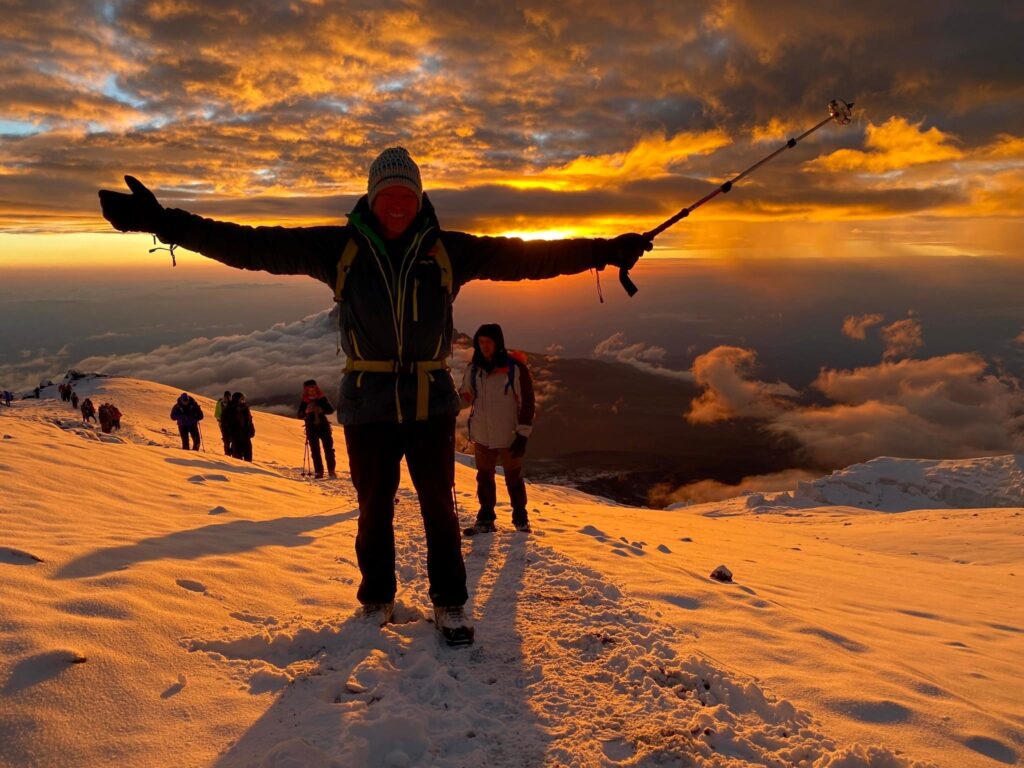
- Altered Scenery: The iconic snowy vistas are changing. While the mountain remains stunning, the vast white expanses are becoming smaller, replaced by exposed rock and ice formations. This can affect the aesthetic experience for climbers.
- Environmental Changes: The retreat of ice can expose previously frozen ground, potentially altering vegetation patterns and affecting the delicate alpine ecosystem. It also impacts water availability in downstream communities.
- Increased Difficulty and Risk (Potentially): In some areas, the thinning ice and increased exposure of rock could potentially make certain sections of routes more challenging or require adjustments to traditional climbing paths. However, the main routes like Machame, Lemosho, and Marangu are generally not directly impacted by significant ice climbing sections. The challenge remains acclimatization and the physical exertion.
- Psychological Impact: For many, the idea of climbing a snow-capped mountain is a powerful draw. Witnessing the receding ice can be a poignant reminder of environmental change.
What Climbers Can Expect in 2026-2027
When planning a climb for 2026 or 2027, trekkers should understand that Kilimanjaro will almost certainly still have snow and ice, particularly on the upper reaches of Kibo. However, the amount and extent will be less than in previous decades. The summit plateau will likely retain some ice, and residual snow patches may be present, especially after recent snowfall. The dramatic glacial formations on the western and northern faces might be significantly diminished.
Guides and tour operators are adapting to these changes. They continue to prioritize safety and provide the best possible experience. The core challenge of climbing Kilimanjaro – the altitude, the physical demands, and the need for proper acclimatization – remains unchanged. For those seeking the quintessential “snow-capped mountain” experience, it’s important to manage expectations while still appreciating the mountain’s enduring grandeur.
Comparing Routes in the Context of Snow Retreat
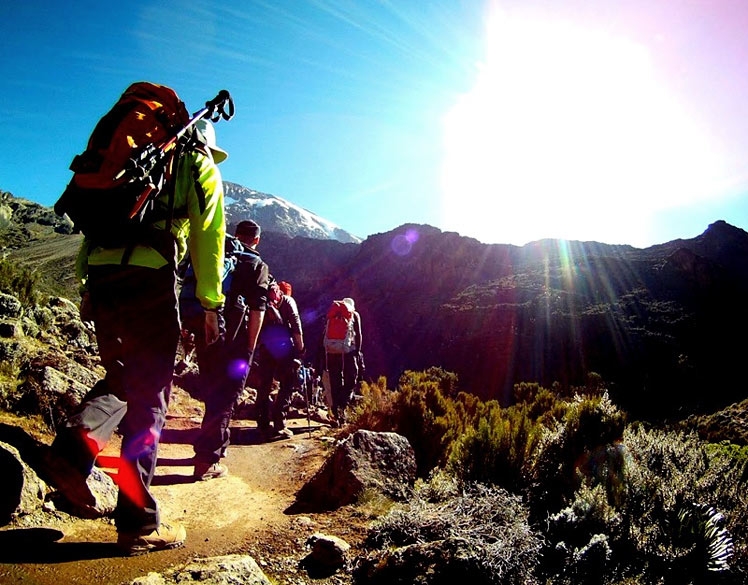
While the summit snow is receding, the routes themselves are largely unaffected in terms of their core paths. However, understanding the routes can help appreciate the changing landscape. For instance, the Machame Route, known for its scenic beauty, ascends through diverse vegetation zones before reaching the alpine desert and the summit. The views of the shrinking glaciers become more apparent as you gain altitude on any route.
The Lemosho Route, another popular choice, offers excellent acclimatization and stunning vistas. The Marangu Route, the “Coca-Cola” route, is the oldest and offers a different experience with hut accommodation. Regardless of the route chosen for a 2026-2027 climb, the visual impact of reduced ice cover will be a common thread.
Route Considerations for 2026-2027 Climbs
When selecting a route for your 2026 or 2027 Kilimanjaro expedition, focus on factors like acclimatization, scenery, and duration. The diminishing snow cover does not fundamentally alter the suitability of any major route. Popular choices like the 7-day Lemosho Route or the 6-day Machame Route remain excellent options for a rewarding climb. For those interested in group departures and potentially cost savings, checking schedules for Kilimanjaro group departures for 2026-2027 is advisable.
The Future of Kilimanjaro’s Snow: Projections and Conservation Efforts
The long-term future of Kilimanjaro’s glaciers is a subject of ongoing scientific study and global concern. While the current trend points towards significant reduction, the complete disappearance might still be decades away, with some ice possibly persisting in shaded areas or as smaller ice patches.
Efforts to understand and mitigate climate change are crucial. Locally, there is a growing awareness of the environmental challenges facing Kilimanjaro. While direct intervention to preserve the glaciers is largely beyond local capacity, promoting sustainable tourism practices and supporting climate change mitigation globally are vital.
### What Does This Mean for Future Climbers (Post-2027)?
For climbers planning expeditions beyond 2027, the reality of a Kilimanjaro with significantly less ice will be the norm. The mountain will undoubtedly remain a spectacular trekking destination, but the visual characteristic of a heavily glaciated summit may be a memory for future generations. This underscores the importance of experiencing Kilimanjaro now and appreciating its current state.
It’s important to note that even if the permanent ice cap diminishes, Kilimanjaro will still experience frost and occasional snow showers, especially during the wetter seasons. The summit can still be white, but the vast, ancient glaciers are the features most at risk.
Planning Your Kilimanjaro Climb: What You Need to Know for 2026-2027
Planning a Kilimanjaro climb requires careful consideration of several factors. Understanding the current state of the snow cover is part of the picture, but many other elements are critical for a successful and enjoyable trek, especially when booking for 2026 or 2027.
Choosing the Right Time to Climb
Kilimanjaro has two main dry seasons, which are the most popular times to climb:
- January to March: Generally clear skies, but can be very cold. Snowfall is more likely during this period, potentially adding a temporary white layer.
- June to October: This is the peak season, with very clear skies and less extreme cold compared to the earlier season. This is often considered the best time for visibility and stable weather.
The shoulder seasons (April-May and November-December) can experience more rainfall, making ascents muddier and potentially more challenging, though less crowded. For 2026-2027, these patterns are expected to hold, but always check with your tour operator for the most current weather insights.
Selecting Your Route
As discussed, the diminishing snow doesn’t change the fundamental choice of routes. Your decision should be based on:
- Duration: Longer routes (7-9 days) offer better acclimatization and higher success rates.
- Scenery: Some routes are known for more dramatic landscapes.
- Difficulty: Routes vary in their technical difficulty and ascent profiles.
- Crowds: Shorter, more popular routes can be busier.
Popular choices for 2026-2027 include the Lemosho Route (7-8 days), Machame Route (6-7 days), and the Marangu Route (5-6 days). For a comprehensive overview of options, exploring Tanzania safari tours blog content can provide additional context on combining treks with safaris.
Tour Operators and Pricing for 2026-2027
When booking your Kilimanjaro climb for 2026 or 2027, choosing a reputable tour operator is paramount. Look for companies that:
- Have experienced, certified guides.
- Prioritize safety and provide adequate equipment.
- Offer fair wages and good working conditions for porters and crew.
- Have a strong track record of successful climbs.
- Provide clear inclusions and exclusions in their packages.
Pricing for Kilimanjaro climbs can vary significantly based on the route, duration, group size (private vs. shared), and the level of service provided. Expect costs to range generally from $1500 to $4000+ per person for standard climbs. Booking well in advance, especially for peak seasons in 2026 and 2027, is highly recommended.
Estimated Kilimanjaro Climb Costs (2026-2027)
While exact prices fluctuate, here’s a general guide:
- Budget Operators: Often around $1500 – $2000. Focus on essential services.
- Mid-Range Operators: Typically $2000 – $3000. Offer better equipment, more experienced guides, and higher crew welfare standards.
- Premium Operators: Can range from $3000 – $4000+. Provide superior service, private facilities, and often higher guide-to-client ratios.
Important Note: Always verify what is included. Park fees, rescue fees, food, accommodation (on mountain), guide and crew salaries are usually included. Flights, visas, travel insurance, tips, and personal gear are typically extra.
Physical Preparation and Acclimatization
Kilimanjaro is a strenuous trek, and physical preparation is key. Focus on cardiovascular fitness, strength training (especially legs and core), and hiking with a weighted pack. Proper acclimatization is even more critical than peak fitness. Choosing a longer route (7+ days) significantly increases your chances of reaching the summit safely.
Addressing Misconceptions and Myths
There are several common misconceptions regarding Kilimanjaro’s snow cover and the climbing experience:
- Myth: Kilimanjaro’s snow will be completely gone by 2025. While ice is receding rapidly, complete disappearance by such an early date is unlikely. Significant ice will likely remain for some time, though its extent will be drastically reduced.
- Myth: Climbing Kilimanjaro is like mountaineering. For most standard routes, Kilimanjaro is a trek, not a technical climb. It requires endurance and acclimatization, but not specialized climbing skills like ice axes or ropes, which are generally not needed on routes like Machame or Lemosho.
- Myth: The melting snow makes climbing impossible. The primary challenges remain altitude sickness, weather, and physical endurance. The reduced snow cover does not inherently make the main trekking routes impassable.
### The Role of Sustainable Tourism
As travelers, we have a responsibility to minimize our impact. Choosing eco-conscious tour operators, respecting the mountain environment, managing waste properly, and tipping guides and porters fairly are all part of sustainable tourism. For those interested in group adventures, checking Machame Route Kilimanjaro group departures dates can help coordinate travel and potentially reduce individual impact through shared resources.
Conclusion: An Enduring Icon Facing Change
So, will Kilimanjaro lose its snow? The scientific consensus is clear: the glaciers and permanent snowfields are shrinking due to climate change. While the mountain will likely retain some form of icy cap for years to come, the dramatic visual of extensive glaciers is fading. For anyone planning a climb in 2026 or 2027, the experience will be of a mountain undergoing visible environmental change.
This reality doesn’t diminish Kilimanjaro’s allure. It remains one of the world’s most accessible and sought-after peaks, offering an unparalleled trekking adventure. The challenge, the stunning landscapes, and the sense of accomplishment are still very much present. Understanding the ongoing changes allows for informed planning and a deeper appreciation of this magnificent natural wonder.
If you are considering a Kilimanjaro climb for 2026-2027 or any other Tanzanian adventure, Top Guide Adventures is here to help. We are dedicated to providing personalized experiences with the utmost care and support. Contact us to discuss your dream expedition:
- WhatsApp: +255616946642
- Email: topguideadventures@gmail.com
- Backup Email: info@topguideadventures.com
Let us help you plan an unforgettable journey to the Roof of Africa, navigating its changing beauty with expert guidance.
“,
“faq_schema”: [
{
“question”: “Is Kilimanjaro’s snow cap disappearing?”,
“answer”: “Yes, Kilimanjaro’s iconic snow and glaciers have been shrinking significantly due to climate change. Scientific studies show a dramatic reduction in ice volume over the past century, and this trend is projected to continue, impacting the mountain’s appearance.”
},
{
“question”: “When will Kilimanjaro lose all its snow?”,
“answer”: “Predicting the exact year is difficult, but scientific projections suggest that much of Kilimanjaro’s ice could disappear within the next few decades. While some ice may persist in shaded areas, the vast glacial cap is unlikely to survive in its current form indefinitely. Significant reduction is expected by 2026-2027.”
},
{
“question”: “What causes Kilimanjaro’s glaciers to melt?”,
“answer”: “The primary cause is global climate change, leading to rising temperatures at the summit, increased sublimation (ice turning directly into vapor), changes in precipitation patterns, and a feedback loop where exposed rock absorbs more heat, accelerating melting.”
},
{
“question”: “How does the melting snow affect climbing Kilimanjaro?”,
“answer”: “The main climbing routes are not significantly impacted by the melting snow in terms of accessibility. The primary challenges remain altitude, physical fitness, and acclimatization. However, the scenery is changing, with less extensive snow and ice cover visible.”
},
{
“question”: “Should I still climb Kilimanjaro in 2026 or 2027?”,
“answer”: “Absolutely. Kilimanjaro remains a spectacular and achievable trekking destination. While the glaciers are receding, the mountain’s grandeur and the trekking experience are still incredible. Planning for 2026-2027 allows you to witness this magnificent peak, acknowledging its environmental changes.”
},
{
“question”: “Which Kilimanjaro route is best considering the snow melt?”,
“answer”: “The choice of route (e.g., Machame, Lemosho, Marangu) is more dependent on desired duration, acclimatization profile, and scenery than the snow melt, as the primary trekking paths are not directly affected. Longer routes generally offer better success rates.”
},
{
“question”: “What is the cost of climbing Kilimanjaro in 2026-2027?”,
“answer”: “Costs vary widely based on the operator and route, typically ranging from $1500 to $4000+ per person. This usually includes park fees, guides, porters, food, and accommodation on the mountain. Flights, visas, insurance, and tips are generally extra. Booking in advance for 2026-2027 is recommended.”
}
]
}
“`
Check Availability for Will Kilimanjaro Lose Its Snow? 2026-2027
Ready to compare dates, prices, and the best option for your group? Send the package name and travel month so the team can reply with a clear quote, availability, and what is included.
Kilimanjaro Senior Small-Group Departure 2026-2027
Kilimanjaro Senior Small-Group Departure is explained with current 2026-2027 planning, price, itinerary and booking information.
View package details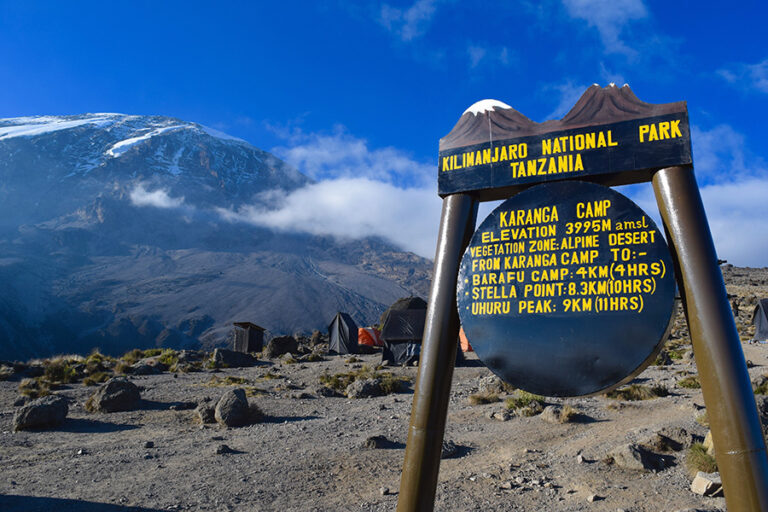
Kilimanjaro Safari And Climb Package For Seniors: Your Adventure 2026-2027
Top Guide Adventures offers tailored Kilimanjaro safari and climb packages for seniors in 2026-2027, focusing on safety, comfort, and an unforgettable Mount Kilimanjaro experience. Explore...
View package details
Kilimanjaro Travel Insurance For Travellers Over 65 In 2026-2027
Climbing Kilimanjaro over 65? This guide covers essential travel insurance for seniors, detailing coverage needs, policy types, and how to find the right policy for your 2026-2027 adventure.
View package detailsKilimanjaro Summit Success Tips For Older Hikers In | Top Guide Adventures
Achieving your dream of standing on the Roof of Africa is possible at any age. This guide provides essential Kilimanjaro summit success tips specifically for older hikers, covering...
View package details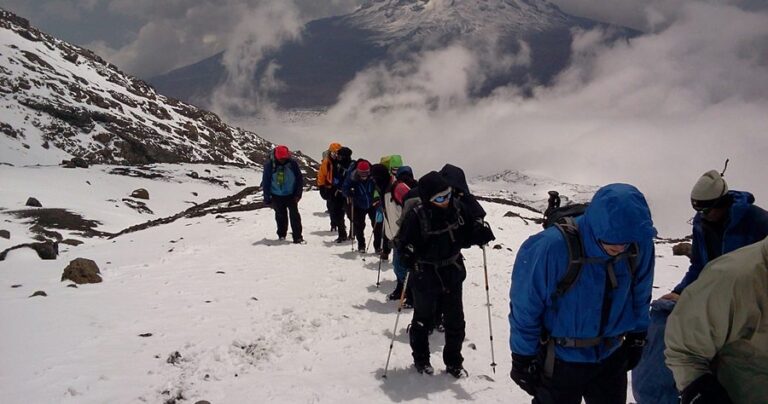
Kilimanjaro Climb With Private Medical Support Guide
Climbing Mount Kilimanjaro is a dream for many adventurers. Ensuring your safety and well-being is paramount, especially at high altitudes. A Kilimanjaro climb with private medical support...
View package details
Kilimanjaro Climb With Additional Personal Porter 2026-2027
Kilimanjaro Climb with Additional Personal Porter is explained with current 2026-2027 planning, price, itinerary and booking information.
View package details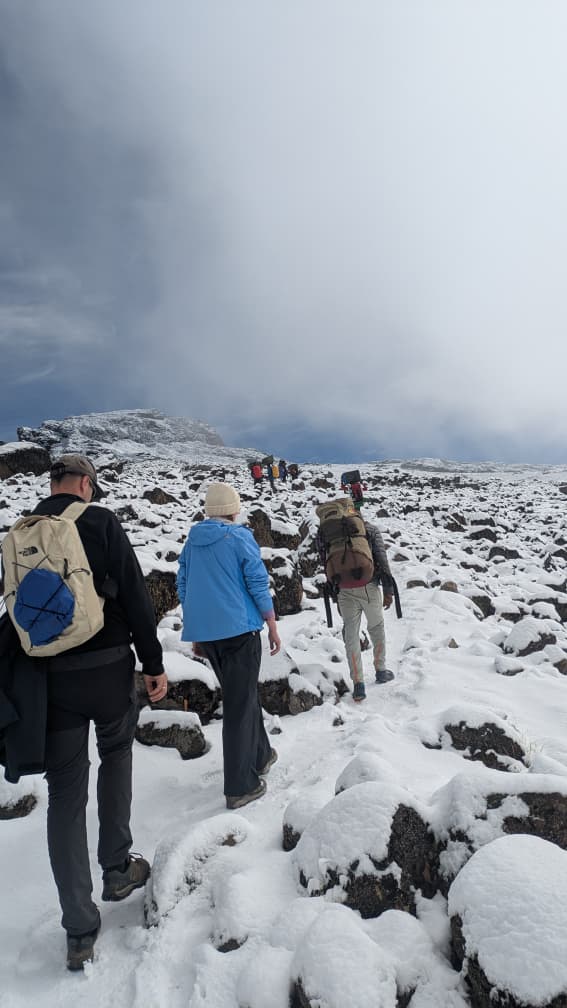
Kilimanjaro Luxury Climb For Mature Travellers In | Top Guide Adventures
Discover the ultimate Kilimanjaro luxury climb experience designed specifically for mature travellers in 2026-2027. Top Guide Adventures provides unparalleled comfort, expert guides, and...
View package details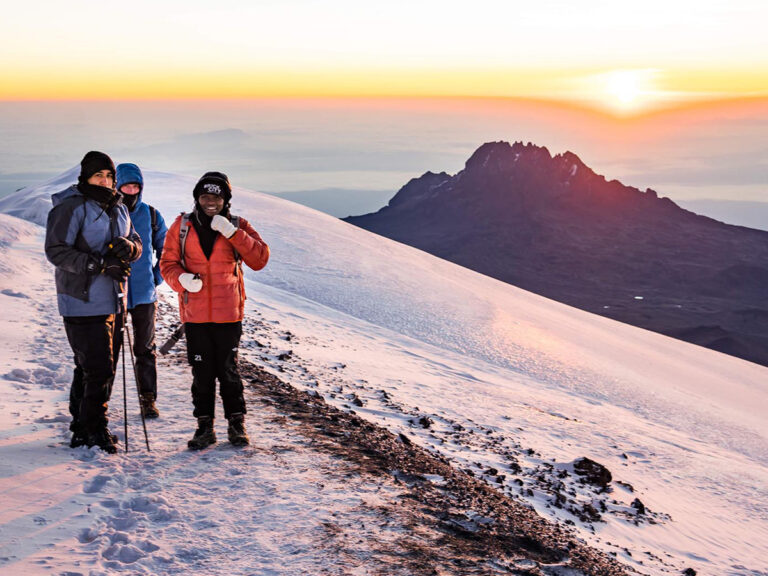
Kilimanjaro Knee Protection For Senior Hikers 2026-2027
Kilimanjaro Knee Protection for Senior Hikers is explained with current 2026-2027 planning, price, itinerary and booking information.
View package details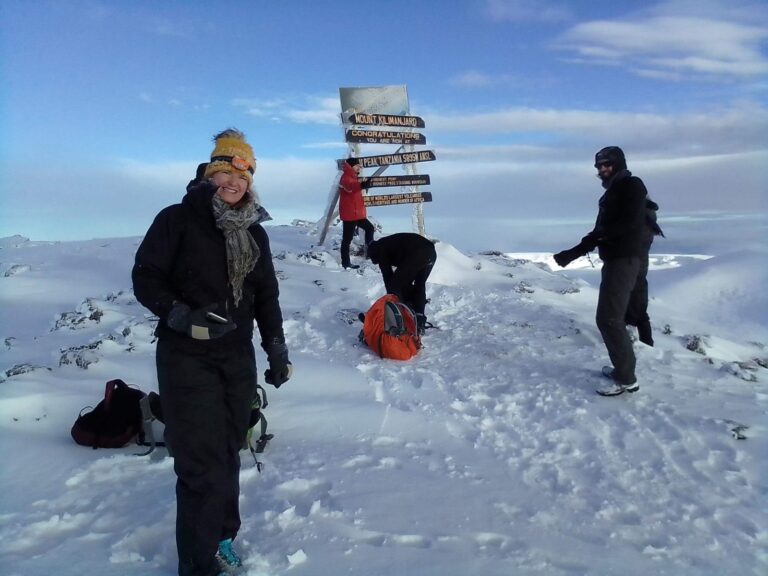
Kilimanjaro Medical Preparation For Older Climbers: Essential Guide 2026-2027
Climbing Kilimanjaro is achievable for older adventurers with thorough medical preparation. This guide covers essential health checks, fitness strategies, altitude acclimatization, and...
View package details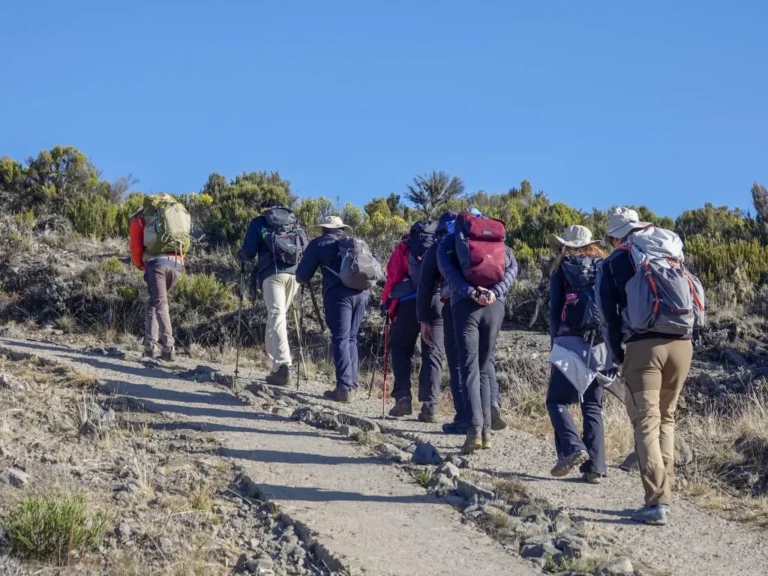
Private Kilimanjaro Climb For Senior Travellers: A Comprehensive Guide
This guide details private Kilimanjaro climbs tailored for senior travellers, covering route selection, acclimatization, safety, gear, and the benefits of a private climb with Top Guide...
View package details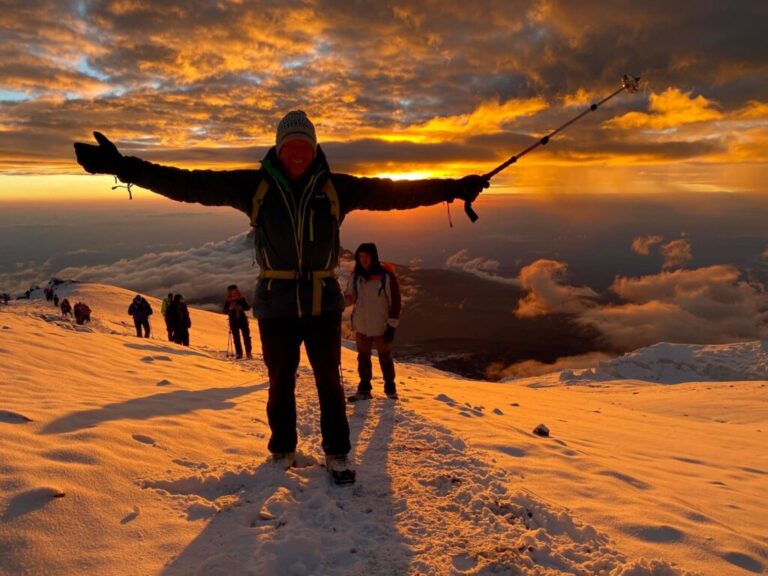
Kilimanjaro Climb With Extra Rest Days 2026-2027
Kilimanjaro Climb with Extra Rest Days is explained with current 2026-2027 planning, price, itinerary and booking information.
View package detailsKilimanjaro Climb With A Slower Daily Pace: Your Guide To Success 2026-2027
Discover how a slower daily pace significantly enhances your Kilimanjaro climb experience. This comprehensive guide covers route selection, acclimatization strategies, essential gear, and...
View package detailsNo related package matches those filters. Clear one or more filters to see the other topic-matched options.



