
The Kilimanjaro scenic drive from Arusha is a photographer’s dream, offering a visual journey through diverse landscapes, from the plains dotted with acacia trees to the majestic slopes of Mount Kilimanjaro itself. It’s an experience that captures the essence of northern Tanzania, ideal for photography enthusiasts seeking stunning vistas, wildlife glimpses, and authentic cultural scenes, especially as you plan for 2026-2027 adventures.
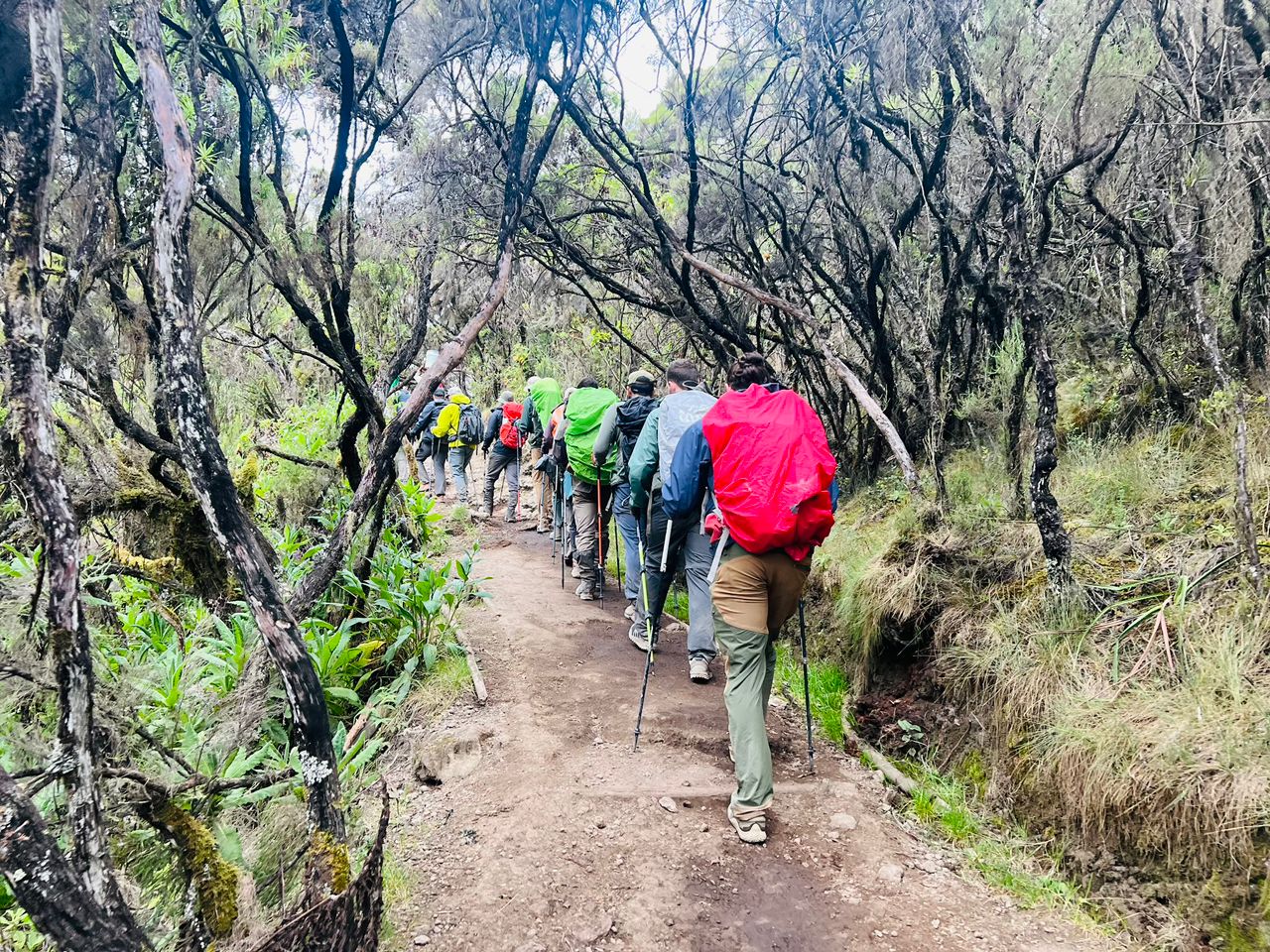
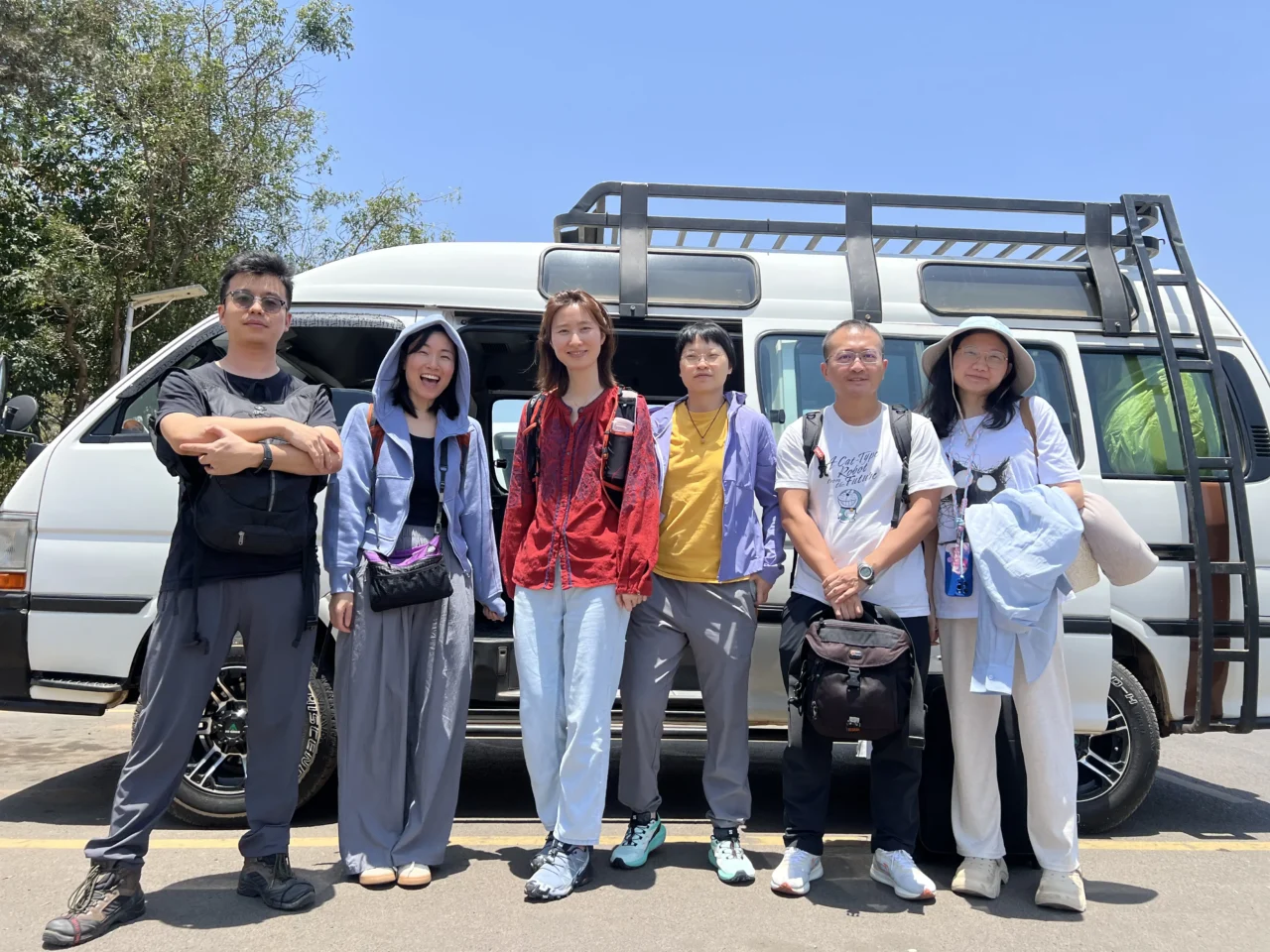
Capturing Kilimanjaro’s Majesty: The Scenic Drive from Arusha
The journey from Arusha towards Mount Kilimanjaro is far more than just a transfer; it’s a prelude to the grandeur of Africa’s highest peak and a visual feast for any photographer. As you leave the bustling town of Arusha behind, the landscape begins to transform, offering a canvas of changing light, color, and life. This route is particularly rewarding for photographers because it provides a dynamic range of subjects, from sweeping panoramas to intimate details of rural Tanzanian existence. Whether you’re aiming for epic mountain shots, candid portraits, or wildlife encounters, the scenic drive presents consistent opportunities to fill your memory cards.
This guide is designed for travelers in 2026-2027 looking to maximize their photographic output during this essential part of their Kilimanjaro trekking or safari experience. We’ll explore the best times to travel for light, the must-see viewpoints, and how to prepare your gear for this visually rich environment.
The Allure of the Kilimanjaro Vista
Mount Kilimanjaro dominates the horizon for much of the drive, a constant, awe-inspiring presence. Its snow-capped summit, often shrouded in mist or bathed in the golden light of sunrise and sunset, provides an iconic backdrop. The changing perspectives of the mountain as you approach are key photographic moments. Early morning light can illuminate the peaks with a soft glow, while late afternoon sun casts long shadows, adding depth and drama. Photographers should be ready from the moment they depart Arusha, as the mountain can appear unexpectedly, its scale humbling and magnificent.
Beyond the mountain itself, the surrounding foothills and plains offer a rich mix of textures and colors. Lush coffee plantations, vibrant green fields, and scattered Maasai villages create a cultural landscape that complements the natural grandeur. These elements, when framed against the imposing silhouette of Kilimanjaro, tell a story of human life in harmony with an extraordinary environment.
Planning Your Photographic Expedition: Best Times and Light
For photographers, understanding light is paramount. The Kilimanjaro scenic drive benefits immensely from the specific lighting conditions found in northern Tanzania.
Sunrise and Sunset: The Golden Hours
The periods shortly after sunrise and before sunset, often referred to as the ‘golden hours,’ offer the most flattering light. During these times, the sun is low in the sky, producing a warm, soft, and diffused light that minimizes harsh shadows and enhances colors.
* Sunrise: If your schedule allows for an early departure from Arusha, catching the sunrise over Kilimanjaro is an unforgettable experience. The eastern sky can ignite with vibrant hues of orange, pink, and red, reflecting off the mountain’s slopes. This is also an excellent time to capture the awakening of local life – farmers heading to fields, villagers starting their day, and the mist lifting from the valleys.
* Sunset: The drive back towards Arusha or a lodge near the mountain in the late afternoon provides another prime photographic window. The setting sun casts a warm, golden light across the landscape, creating dramatic silhouettes and rich, saturated colors. The mountain often appears in its most majestic form as the sky behind it deepens in color.
Midday Light and How to Work With It
Midday sun can be harsh, leading to strong contrasts and blown-out highlights. However, this doesn’t mean photographic opportunities cease.
* Focus on Details: Use the strong light to emphasize textures – the bark of an acacia tree, the intricate patterns of Maasai beadwork, or the details of local produce in a market.
* Black and White: Harsh light can sometimes lend itself well to dramatic black and white photography, emphasizing form and contrast.
* Seek Shade: If photographing people or villages, seek shaded areas to avoid unflattering shadows on faces.
* Use a Polarizer: A polarizing filter is invaluable for midday shooting. It can reduce glare, deepen blue skies, and enhance the saturation of colors in landscapes.
The Impact of Seasons
While Kilimanjaro is accessible year-round, the different seasons offer distinct photographic advantages:
* Dry Seasons (June-October, December-February): These months generally offer clearer skies, providing unobstructed views of Kilimanjaro. The landscapes are drier, with golden grasslands, which can be very picturesque. Wildlife is often more concentrated around water sources, increasing chances of sightings along the route.
* Rainy Seasons (March-May, November): While rain can be disruptive, it also brings a lush, vibrant green to the landscape. The air is often cleaner after rainfall, leading to exceptionally clear views of the mountain. Dramatic cloud formations can add depth and mood to your shots. The softer light during overcast periods can be excellent for portraits and detailed shots.
For planning your 2026-2027 trip, consider the dry seasons for the most consistent clear mountain views, but don’t discount the rainy seasons for unique atmospheric conditions and vibrant greenery.
Key Photographic Stops and Viewpoints
The scenic drive from Arusha to Kilimanjaro is not a single, static view but a progression of changing scenes. Identifying key stops can elevate your photography from casual snapshots to a curated collection.
The Approach to Moshi Town
As you move east from Arusha, the first glimpses of Kilimanjaro become more pronounced. The road winds through agricultural areas, offering views of coffee plantations and smallholder farms.
* Coffee Estates: Many estates offer opportunities to photograph the coffee-growing process, from bean to cup, with the mountain as a backdrop. Look for opportunities to capture the vibrant red coffee cherries against the lush green leaves.
* Local Markets: Small roadside markets are vibrant hubs of activity. These are excellent for capturing candid portraits of local people, colorful produce, and the general hustle and bustle of daily life.
The Road to Marangu and Kilema
These routes lead towards the eastern and southern sides of Kilimanjaro, offering different perspectives. Marangu is famous as the ‘Coca-Cola route’ and offers access to the Kilimanjaro National Park gate. Kilema offers stunning views.
* Kilema Viewpoint: This is a recognized scenic spot that provides expansive views of the plains below and Kilimanjaro rising majestically. It’s an ideal location for wide-angle shots and panoramic photography.
* Maasai Villages: Inquire about visiting a traditional Maasai village. These encounters offer incredible opportunities for cultural photography, capturing the distinctive red shukas, intricate beadwork, and the daily life of the Maasai people. Always ask for permission before taking close-up photos of individuals.
The Shira Plateau and Lemosho Route Access Points (for trekkers)
While not directly on the main drive for most non-trekkers, the roads leading towards the western and northern routes (like Lemosho or Londorosi) offer dramatically different, wilder landscapes. If your itinerary includes accessing these points, the scenery becomes more rugged, with vast moorlands and unique vegetation.
* Savanna Grasslands: The transition from cultivated land to more natural savanna offers opportunities to photograph Acacia trees, often silhouetted against the mountain. This is also where you might spot plains game like zebras or wildebeest.
Arusha National Park Environs
While Arusha National Park is a separate destination, its proximity means that glimpses of Mount Meru and sometimes Kilimanjaro can be seen from its fringes or the roads leading to its gates. The landscapes here are often characterized by montane forests and grasslands.
## Wildlife Photography Opportunities Along the Route
While the scenic drive isn’t a dedicated safari, the landscapes between Arusha and Kilimanjaro are home to a surprising amount of wildlife, particularly in the more rural and less developed areas.
### Plains Game and Birds
Keep your eyes peeled for:
* Gazelles and Antelopes: Thomson’s gazelles, Grant’s gazelles, and various species of dik-dik are common in the grasslands and bushland areas.
* Zebras and Wildebeest: Herds can sometimes be seen grazing in open plains, especially during certain seasons.
* Birds: The diverse habitats support a rich birdlife. Look for colorful species like the Lilac-breasted Roller, Superb Starling, and various weavers and hornbills. The large raptors, such as Martial Eagles, are also a treat to spot.
### Domestic Animals and Their Role
Don’t overlook the photographic potential of domestic animals. Herds of cattle, goats, and sheep are ubiquitous and integral to the rural economy. Photographing them against the backdrop of Kilimanjaro or within the context of daily village life can yield powerful images.
* Cattle Herders: Maasai and other pastoralist communities often have striking interactions with their livestock. Capturing a lone herder with their cattle at dawn or dusk can be incredibly atmospheric.
## Cultural Immersion and Portrait Photography
Beyond landscapes and wildlife, the human element is a crucial part of the Kilimanjaro scenic drive’s photographic appeal. Tanzania is a mosaic of cultures, and the areas around Arusha and Kilimanjaro are home to several prominent ethnic groups.
### The Maasai People
No discussion of northern Tanzanian culture is complete without mentioning the Maasai. Their distinctive red clothing (shukas), elaborate beadwork, and traditional lifestyle are visually striking.
* Respectful Photography: When visiting a Maasai village or encountering individuals on the road, always seek permission before taking photographs, especially close-ups. A small tip or purchase of handicrafts is often appreciated in exchange for photographic opportunities.
* Capturing Daily Life: Look for moments of daily activity: women preparing food, children playing, warriors tending to cattle, or the ceremonial dances.
### Chagga Culture
The Chagga people are the predominant group living on the slopes of Kilimanjaro. They are known for their agricultural prowess, particularly coffee and banana cultivation, and their historical underground tunnel systems.
* Agricultural Scenes: Photographing the terraced farms, coffee processing, and banana plantations offers insight into their way of life. The vibrant colors of bananas and coffee cherries are visually appealing.
* Local Villages: Explore the smaller villages away from the main tourist hubs to capture more authentic scenes of Chagga life.
### Markets and Social Hubs
Roadside markets and small town centers are social epicenters. They are bustling with activity and offer fantastic opportunities for street photography.
* Vibrant Colors: From the colorful kangas worn by women to the fresh produce and artisanal crafts, markets are a riot of color.
* Interactions: Capture the interactions between vendors and customers, the haggling, the laughter, and the general energy of these places.
## Gear Recommendations for the Kilimanjaro Scenic Drive Photographer
To make the most of the photographic opportunities, having the right gear is essential. Consider these recommendations for your 2026-2027 trip:
Camera Body
* DSLR or Mirrorless: A camera with interchangeable lenses offers the most flexibility. Consider a model with good low-light performance and a robust build.
* Backup Camera: For serious photographers, a backup body is advisable, especially if you’re on a longer trip.
Lenses
* Wide-Angle Lens (e.g., 16-35mm or 24-70mm): Essential for capturing the grandeur of Kilimanjaro and sweeping landscapes. A standard zoom like a 24-70mm is versatile for a range of shots.
* Telephoto Lens (e.g., 70-200mm or 100-400mm): Crucial for wildlife photography, allowing you to capture animals from a distance without disturbing them. It’s also useful for isolating details on the mountain or in distant villages.
* Prime Lens (e.g., 50mm f/1.8 or 35mm f/1.8): Excellent for low-light conditions and achieving beautiful background blur (bokeh) for portraits, especially in markets or villages.
Essential Accessories
* Tripod: Indispensable for low-light shooting (sunrise/sunset), landscape photography requiring sharp detail, and potentially long exposures. A sturdy, lightweight travel tripod is ideal.
* Extra Batteries and Memory Cards: You’ll be shooting a lot, so ensure you have plenty of power and storage. Consider bringing at least two extra batteries and multiple high-capacity memory cards.
* Lens Cleaning Kit: Dust is common in Tanzania. A blower brush, microfiber cloths, and lens cleaning solution are vital for maintaining clear optics.
* Polarizing Filter: As mentioned, this is key for managing glare and enhancing colors, especially midday.
* Neutral Density (ND) Filters: Useful for capturing motion blur in waterfalls or smoothing out water in rivers, though less critical for the main drive.
* Camera Bag: A comfortable, durable, and well-padded camera bag is essential for protecting your gear during transit and while shooting.
* Rain Cover: Even in dry seasons, unexpected showers can occur. A rain cover will protect your camera.
## Practical Photography Tips for the Drive
Maximizing your photographic experience involves more than just gear; it requires a mindful approach.
Be Ready at All Times
The most stunning shots often happen unexpectedly. Keep your camera readily accessible, either in a quick-access bag or even mounted on a bracket in the vehicle if safe and practical. Don’t wait until you see something interesting to start preparing your camera.
Shoot in RAW
If your camera allows, shoot in RAW format. This captures the maximum amount of image data, giving you far more flexibility in post-processing to adjust exposure, white balance, and recover details in highlights and shadows. This is particularly beneficial when dealing with the high contrast typical of African light.
Understand Your Vehicle’s Limitations
If you are in a private vehicle, you may have more flexibility to stop. However, in shared transport or during transit, stops might be limited. Communicate your photographic interests to your guide or driver beforehand. They can often suggest opportune moments or safe places to pull over.
Composition Techniques
* Rule of Thirds: Place your subject off-center for a more balanced and dynamic composition.
* Leading Lines: Use roads, fences, or rivers to draw the viewer’s eye into the image.
* Framing: Use natural elements like tree branches or doorways to frame your subject.
* Silhouettes: Capture the iconic shapes of acacia trees or Kilimanjaro against a vibrant sky, especially at sunrise or sunset.
Respect Local Customs
Always be mindful of local customs and privacy. Ask permission before photographing people, especially children. Avoid intrusive photography that might make people feel uncomfortable. A smile and a respectful gesture go a long way.
Post-Processing Considerations
Plan for post-processing. Even minor adjustments can significantly enhance your photos. Think about color correction, contrast adjustments, and sharpening. For Kilimanjaro, bringing out the details in the mountain’s texture and the vibrant colors of the landscape and local attire can be very rewarding.
## Safety and Logistics for Photographers
Traveling in Tanzania requires awareness of safety and logistical considerations, especially when carrying valuable camera equipment.
### Vehicle Safety
* Secure Your Gear: When traveling in a vehicle, keep your camera bag secure and out of sight when not in use. Do not leave valuable equipment unattended.
* Window Shots: Be cautious when shooting from a moving vehicle. Ensure your camera and lens are stable to avoid motion blur. Use a fast shutter speed. Be aware of your surroundings and avoid leaning out too far.
### Personal Safety
* Stay with Your Group: When stopping in villages or markets, stay with your guide and group. Be aware of your surroundings.
* Valuables: Keep a close eye on all your belongings, including camera gear, money, and passports.
### Communication with Guides
Your guide is your most valuable resource. Communicate your photographic interests clearly.
* Request Stops: Let them know if you see a particularly interesting scene you’d like to photograph. They can often facilitate safe stops.
* Wildlife Spotting: Guides are trained to spot wildlife. Inform them if you are particularly interested in photographing specific animals.
* Cultural Insights: They can provide context for the scenes you are photographing, enriching your understanding and your images.
For those planning their 2026-2027 trips, booking with a reputable operator like Top Guide Adventures ensures that your guide is experienced and accommodating of photographic needs. You can reach them via WhatsApp +255616946642 or Email topguideadventures@gmail.com.
## Beyond the Drive: Integrating Photography into Your Kilimanjaro Adventure
The scenic drive is just one part of a larger Tanzanian experience. Consider how photography can be integrated into other aspects of your trip.
Kilimanjaro Trekking Photography
If your trip includes climbing Kilimanjaro, the photographic opportunities are immense, though challenging.
* Different Zones: From the montane forest to the alpine desert and the arctic summit zone, each offers unique photographic subjects.
* Challenging Conditions: Be prepared for cold, altitude, and low light. Specialized gear like insulated camera gloves might be necessary.
* Focus on the Journey: Capture the camaraderie with fellow climbers, the determination on faces, and the changing landscapes as you ascend.
### Tanzania Safari Photography
Combine your Kilimanjaro experience with a safari in one of the nearby national parks (Serengeti, Ngorongoro Crater, Tarangire, Lake Manyara).
* Wildlife Abundance: Safaris offer unparalleled opportunities for wildlife photography, from the Big Five to vast herds during the Great Migration.
* Diverse Habitats: Each park offers distinct landscapes and ecosystems, providing a wide range of photographic subjects.
### Zanzibar Photography
If your itinerary includes Zanzibar, the island offers a completely different photographic palette:
* Stone Town: Historic architecture, narrow alleyways, bustling markets, and the unique Swahili culture.
* Beaches: Pristine white sand beaches, turquoise waters, traditional dhow boats, and vibrant marine life.
## Making the Most of Your 2026-2027 Kilimanjaro Scenic Drive Photography Experience
To ensure your 2026-2027 trip is a photographic success, careful planning is key. The scenic drive from Arusha to Kilimanjaro offers a rich visual narrative that, with the right preparation and approach, can result in a portfolio of stunning images.
Consider the following to maximize your experience:
* Pre-Visualize Shots: Think about the kinds of images you want to capture – grand landscapes, intimate portraits, candid moments, wildlife encounters. This helps you stay focused and ready.
* Research and Prepare: Look at photos taken by others on this route. Understand the common viewpoints and subjects. This article is a starting point, but further research can be beneficial.
* Build Flexibility into Your Itinerary: If possible, book a private tour that allows for spontaneous stops. Even on group tours, communicate your photographic interests to your guide.
* Charge Everything: Ensure all batteries are fully charged the night before, and you have enough memory cards. Running out of power or storage at a key moment is frustrating.
* Protect Your Gear: Tanzania can be dusty and occasionally wet. Have a plan for keeping your equipment clean and dry.
The Kilimanjaro scenic drive from Arusha is more than just a transit; it’s an integral part of the Tanzanian adventure, offering endless photographic possibilities. By understanding the light, the locations, and the culture, and by being prepared with the right gear and mindset, you can capture the magic of this extraordinary region. For tailored photographic experiences and smooth travel arrangements for your 2026-2027 journey, consider reaching out to Top Guide Adventures. They specialize in creating customized itineraries that cater to photographers and adventure seekers alike. Contact them via WhatsApp +255616946642 or Email topguideadventures@gmail.com, or their backup email info@topguideadventures.com. You can also explore their offerings at Top Guide Adventures and view client testimonials on TripAdvisor.
Check Availability for Kilimanjaro Scenic Drive From Arusha – Photography Experience Guide
Ready to compare dates, prices, and the best option for your group? Send the package name and travel month so the team can reply with a clear quote, availability, and what is included.
Kilimanjaro Airport Vs Arusha For Climbers: The Definitive Guide 2026-2027
A comprehensive comparison of Kilimanjaro International Airport (JRO) and Arusha Airport (ARK) for trekkers planning a Mount Kilimanjaro climb, detailing pros, cons, and booking advice for...
View package details
Kilimanjaro Climb With Professional Photography Support In | Top Guide
Elevate your Kilimanjaro ascent by including professional photography services. Top Guide Adventures ensures your most challenging and rewarding moments on Africa's highest peak are...
View package details
Kilimanjaro Photography Mistakes At High Altitude 2026-2027
Kilimanjaro Photography Mistakes at High Altitude is explained with current 2026-2027 planning, price, itinerary and booking information.
View package details
Kilimanjaro Airport Transfer For Large Groups: Smooth Travel With Top Guide
Top Guide Adventures specializes in Kilimanjaro Airport transfers for large groups, ensuring a smooth and comfortable journey from Kilimanjaro International Airport (JRO) to your...
View package details
Kilimanjaro Safari Package For Non-Climbing Companions: Options & Experiences
For those accompanying climbers to Kilimanjaro but not ascending the peak, specialized safari packages offer a fantastic way to experience Tanzania's renowned wildlife and landscapes. These...
View package details
Kilimanjaro Climb With Chagga Village Experience: Your Ultimate Guide
Discover the ultimate Kilimanjaro climbing adventure combined with a rich Chagga village cultural immersion. This guide covers everything you need to know for your 2026-2027 trek, from...
View package details
What Does Kilimanjaro Rainforest Look Like? A Trekkers Visual Guide 2026-2027
The Kilimanjaro rainforest is a vibrant, humid zone of dense vegetation, towering trees, and diverse plant life found on the mountain's lower slopes. It's the first major ecosystem trekkers...
View package details
Kilimanjaro Climb With A Personal Support Assistant: Your Ultimate Guide
Climbing Mount Kilimanjaro with a personal support assistant offers unparalleled safety, comfort, and focus on your summit goals. This guide details what a personal assistant entails, its...
View package detailsHow To Know Whether You Are Ready For Kilimanjaro: A Comprehensive Guide
Climbing Mount Kilimanjaro is a significant undertaking. This guide helps you evaluate your physical, mental, and logistical readiness to ensure a safe and successful trek in 2026 or 2027...
View package details
Kilimanjaro Hydration Mistakes Climbers Make And How To Avoid Them 2026-2027
Proper hydration is critical for a successful Kilimanjaro climb. This guide details common hydration mistakes climbers make, from under-drinking to choosing the wrong fluids, and provides...
View package details
Kilimanjaro Altitude-Sickness Mistakes 2026-2027
Kilimanjaro Altitude-Sickness Mistakes is explained with current 2026-2027 planning, price, itinerary and booking information.
View package details
Kilimanjaro Summit-Night Mistakes To Avoid: Your Essential Guide For Climbs
Summit night on Kilimanjaro is the most challenging part of the climb. Avoiding common mistakes in acclimatization, gear, hydration, and pacing is crucial for success. This guide details...
View package detailsNo related package matches those filters. Clear one or more filters to see the other topic-matched options.



