
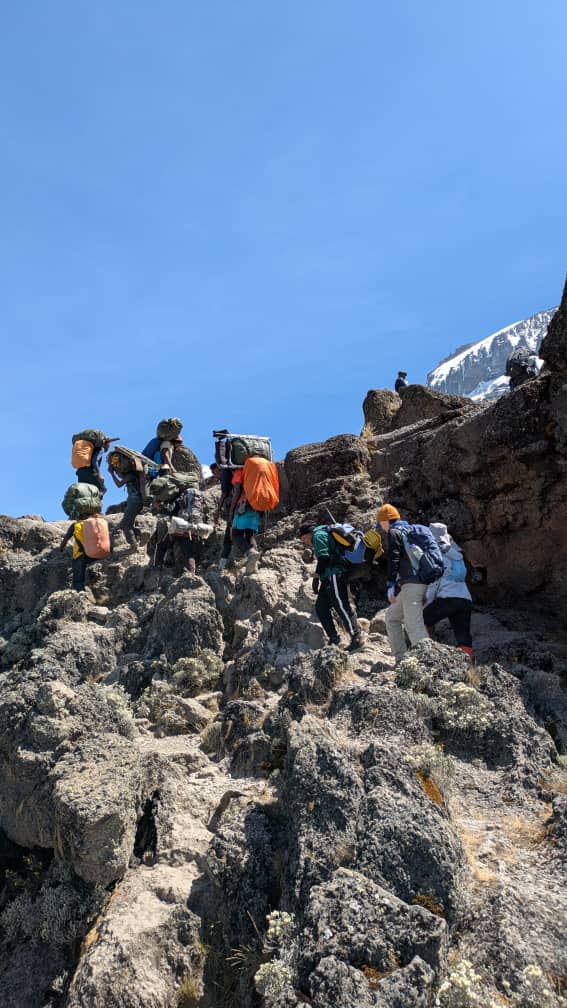
A 7-day Rongai Route Kilimanjaro climb in January presents one of the prime opportunities for reaching Uhuru Peak, benefiting from the dry season with clear skies, moderate temperatures, and less foot traffic compared to peak months. This route, starting from the north side of the mountain, offers a unique perspective and a gentler ascent profile, making it a favorable choice for climbers seeking success and a memorable experience in 2026 and 2027.

Why Choose a 7-Day Rongai Route Kilimanjaro Climb in January?
January on Kilimanjaro is widely regarded as one of the best times to attempt a summit bid. The weather patterns typically usher in the dry season, offering a welcome respite from the heavier rains that can characterize other parts of the year. For those considering a 7-day Rongai Route Kilimanjaro climb in January 2026 or 2027, this period promises significant advantages that can greatly enhance your chances of success and overall enjoyment of the trek.
January Weather on Kilimanjaro: A Climber’s Advantage
January falls squarely within Kilimanjaro’s short dry season. This meteorological window provides:
- Clear Skies: Expect significantly fewer cloudy days. This means more opportunities for stunning panoramic views of the surrounding plains and, crucially, unobstructed vistas from the summit on clear mornings.
- Moderate Temperatures: While the summit remains extremely cold, the lower and middle slopes are generally pleasant. Daytime temperatures can range from 15-25°C (59-77°F) on the lower sections, dropping to -5 to -15°C (23-5°F) near the crater rim and summit, especially at night and early morning. January is typically warmer than the subsequent dry season (June-October).
- Lower Precipitation: Rainfall is minimal, primarily occurring as light showers on the lower rainforest slopes. Higher up, precipitation is more likely to be snow or frost, adding to the alpine environment rather than creating muddy, slippery conditions that can impede progress.
- Good Trail Conditions: The lack of heavy rain means the paths are generally in better condition, reducing the risk of erosion and making for more comfortable trekking.
The Rongai Route: A Strategic Choice for January Climbs
The Rongai Route stands out for several reasons, especially when combined with a January climb:
- Starts from the North: Unlike most other routes that begin on the southern slopes, Rongai approaches Kilimanjaro from the Kenyan border. This unique starting point offers a different landscape and fewer crowds, particularly in the initial stages.
- Gentler Gradient: The Rongai Route is known for its gradual ascent profile. This slow and steady climb is excellent for acclimatization, a critical factor for summit success. A 7-day itinerary on Rongai is often considered a good balance between acclimatization and duration.
- Arid Approach: The northern side of Kilimanjaro receives less rainfall than the southern side. This means that even if the short rainy season lingers into early January, the Rongai route can often remain drier than southern routes, providing a more pleasant trekking experience.
- Higher Success Rates: Due to its excellent acclimatization profile and the favorable January weather, the Rongai Route, especially over 7 days, is associated with good summit success rates.
Why 7 Days? The Optimal Duration for Rongai in January
While shorter Rongai itineraries exist, a 7-day Rongai Route Kilimanjaro climb in January is widely recommended by experienced guides and operators like Top Guide Adventures. This duration allows for:
- Adequate Acclimatization: The 7-day structure provides essential rest days and slower ascent rates, allowing your body to adjust to the increasing altitude. This significantly reduces the risk of altitude sickness, a common reason for failed summits.
- Balanced Trekking Pace: It avoids the rush that can come with a 6-day climb, allowing for more enjoyable trekking, better rest, and appreciation of the diverse ecosystems.
- Higher Summit Success Probability: The extended acclimatization period directly correlates with a higher likelihood of reaching Uhuru Peak.
The 7-Day Rongai Route Itinerary: A Day-by-Day Breakdown
Embarking on a 7-day Rongai Route Kilimanjaro climb in January 2026-2027 with Top Guide Adventures means following a carefully crafted itinerary designed for success and enjoyment. Here’s a typical day-by-day plan:
Day 1: Marangu Gate to Rongai Camp
Distance: 6 km / 3.7 miles
Time: 3-4 hours
Habitat: Rainforest
Your adventure begins after a scenic drive from Moshi to the Nale Moru (Rongai Gate), located on the border with Kenya. After completing park formalities and meeting your climbing crew, you’ll start your trek through the lush rainforest. The path is relatively gentle, and you might spot various bird species and monkeys. Your first camp, Rongai Camp (approx. 1,950m / 6,398ft), is usually set up in a clearing on the outer forest ridge, offering a peaceful introduction to your Kilimanjaro journey.
Day 2: Rongai Camp to Kikelewa Caves
Distance: 9 km / 5.6 miles
Time: 4-6 hours
Habitat: Heath and Moorland
Today’s trek takes you out of the rainforest and into the heath and moorland zones. The landscape becomes more open, with heather, senecios, and lobelias dominating the scenery. The path continues to ascend gradually. You’ll reach Kikelewa Caves (approx. 3,600m / 11,811ft), a campsite situated in a sheltered hollow beneath the giant senecio trees, offering a picturesque spot for your second night. The views start to open up significantly from here.
Day 3: Kikelewa Caves to Mawenzi Tarn Camp
Distance: 6 km / 3.7 miles
Time: 4-5 hours
Habitat: Alpine Desert
This is a shorter but steeper day, bringing you into the alpine desert zone. You’ll trek towards the stark, rocky slopes of Mount Kilimanjaro. The highlight of the day is arriving at Mawenzi Tarn Camp (approx. 4,300m / 14,108ft), beautifully situated in a high-altitude valley directly below the imposing spires of Mawenzi, Kilimanjaro’s third peak. This camp offers stunning views and a great location for acclimatization.
Day 4: Acclimatization Day at Mawenzi Tarn Camp
Time: Optional acclimatization hike
Today is dedicated to acclimatization, a crucial element for a successful 7-day Rongai Route Kilimanjaro climb in January. You’ll spend the day exploring the area around Mawenzi Tarn Camp. A popular option is to hike up towards the saddle between Mawenzi and Kibo, gaining altitude before returning to camp to sleep. This helps your body adapt to the thinner air without overexerting yourself. The views of Kibo and the surrounding landscape from higher elevations are spectacular.
Day 5: Mawenzi Tarn Camp to School Camp
Distance: 7 km / 4.3 miles
Time: 5-7 hours
Habitat: Alpine Desert
You’ll trek across the saddle of Kilimanjaro, a high-altitude desert plateau, towards the base of the Kibo massif. This is a challenging but rewarding day as you traverse this vast, lunar-like landscape. The destination for the night is School Camp (also known as Third Cave Camp, approx. 4,700m / 15,420ft). This camp is positioned to set you up for the summit push the following night. The air is noticeably thin here, so hydration and slow movement are key.
Day 6: Summit Day: School Camp to Uhuru Peak and Descent to Horombo Camp
Distance: 16 km / 9.9 miles (approx. 6 km to summit, 10 km to Horombo)
Time: 11-15 hours (approx. 6-8 hours to summit, 5-7 hours descent)
Habitat: Arctic and Glacial Zone, then Heath/Moorland
This is the ultimate day! You’ll typically start your ascent around midnight or 1 AM. The trek is steep and challenging, heading towards Stella Point (5,756m / 18,885ft) on the crater rim. Reaching Stella Point is a significant achievement, and from there, it’s a further 1-2 hour walk along the rim to Uhuru Peak (5,895m / 19,341ft), the highest point in Africa. After celebrating your success and taking in the incredible sunrise and views, you’ll begin your descent. The descent is steep and can be tough on the knees. You’ll pass Kibo Hut and continue down to Horombo Camp (approx. 3,700m / 12,140ft) in the moorland zone for a well-deserved rest. This is a very long and demanding day.
Day 7: Horombo Camp to Marangu Gate
Distance: 20 km / 12.4 miles
Time: 6-8 hours
Habitat: Heath/Moorland to Rainforest
Your final day on the mountain involves a long descent through the heath and moorland, eventually re-entering the rainforest. The path is well-maintained and easier to navigate. You’ll reach Marangu Gate (approx. 1,860m / 6,100ft), where you’ll have a ceremony to receive your climbing certificates. From Marangu Gate, you’ll be transferred back to your hotel in Moshi, ready to relax and celebrate your incredible achievement. This marks the end of your 7-day Rongai Route Kilimanjaro climb in January.
Preparing for Your 7-Day Rongai Route Climb in January 2026-2027
Success on Kilimanjaro, especially on a challenging route like Rongai, relies heavily on preparation. For a 7-day Rongai Route Kilimanjaro climb in January, consider these key aspects:
Physical Fitness and Training
While you don’t need to be an elite athlete, a good level of cardiovascular fitness is essential. Focus your training in the months leading up to your climb:
- Cardiovascular Endurance: Engage in activities like hiking (with a weighted backpack), running, cycling, or swimming for at least 3-4 times a week. Aim for sessions of 1-2 hours.
- Strength Training: Focus on leg strength (squats, lunges) and core stability, as these are crucial for uphill and downhill trekking.
- Hiking Practice: The most critical training is hiking, ideally on varied terrain and with hills. Practice hiking with the backpack you intend to use. Include some longer hikes (4-6 hours) to build stamina.
- Altitude Simulation (Optional): If you live at altitude, your body may already be somewhat acclimatized. If not, consider using altitude training masks or attending simulated altitude sessions if available.
Mental Preparedness
Kilimanjaro is as much a mental challenge as a physical one. January’s cold can add to the difficulty. Be prepared for:
- Discomfort: Cold, fatigue, and altitude effects are part of the experience. A positive mindset is crucial.
- Patience: The pace on Kilimanjaro is slow and steady (often called ‘pole pole’). Embrace this rhythm.
- Adaptability: Weather can change rapidly, and plans might need adjustments.
Gear and Packing for January Conditions
January is dry but can be very cold, especially at higher altitudes and on summit night. Layering is key. Here’s a guide to essential gear:
Clothing Layers:
- Base Layers: Moisture-wicking thermal tops and bottoms (merino wool or synthetic).
- Mid Layers: Fleece jackets or down vests for insulation.
- Outer Layer: Waterproof and windproof jacket (Gore-Tex or similar) and trousers.
Headwear and Handwear:
- Warm, waterproof gloves or mittens (carry spares).
- Thin liner gloves for dexterity.
- Balaclava or warm hat covering the ears.
- Sun hat or cap for lower altitudes.
Footwear:
- Broken-in, waterproof hiking boots with good ankle support.
- Warm, wool hiking socks (multiple pairs).
- Camp shoes or sandals for evenings.
Sleeping:
- A warm sleeping bag rated to at least -10°C to -20°C (0°F to -4°F).
- Sleeping bag liner for extra warmth and hygiene.
- Insulated sleeping pad (if not provided).
Trekking Essentials:
- Backpack (50-70 liters) and a smaller daypack (20-30 liters).
- Water bottles or hydration reservoir (at least 3 liters capacity).
- Headlamp with extra batteries (crucial for summit night).
- Trekking poles (highly recommended for stability and reducing knee strain).
- Sunglasses (UV protection).
- Sunscreen (SPF 30+).
- Lip balm with SPF.
- Personal first-aid kit.
- Toiletries (biodegradable soap, toothbrush, toothpaste).
- Wet wipes and hand sanitizer.
- Camera and spare batteries/power bank.
- Snacks (energy bars, nuts, dried fruit).
- Duffel bag for porters to carry (usually 80-90 liters, max 15kg weight limit).
Documents and Money:
- Passport and visa (if required).
- Climbing permit (arranged by your tour operator).
- Travel insurance details.
- Cash for tips and personal expenses (USD is widely accepted).
Health and Altitude Sickness Prevention
Altitude sickness (Acute Mountain Sickness – AMS) is a serious concern. Prevention and recognition are vital for a safe 7-day Rongai Route Kilimanjaro climb in January:
- Ascend Slowly: The 7-day Rongai itinerary is designed for this. Listen to your guides; they will advise on pacing.
- Hydrate: Drink plenty of water (3-4 liters per day). Avoid alcohol and caffeine, which can dehydrate you.
- Eat Well: Consume high-carbohydrate meals, as they are easier to digest at altitude.
- Listen to Your Body: Report any symptoms (headache, nausea, dizziness, fatigue) to your guide immediately. Do not ascend further if symptoms worsen.
- Medication (Consult Your Doctor): Acetazolamide (Diamox) is often prescribed to help with acclimatization. Discuss its use and potential side effects with your doctor well in advance of your trip.
Choosing Your Tour Operator: Top Guide Adventures for Your 2026-2027 Climb
Selecting the right tour operator is paramount for a safe and successful Kilimanjaro climb. Top Guide Adventures is a trusted local company with extensive experience in organizing 7-day Rongai Route Kilimanjaro climbs in January 2026 and 2027.
Why Partner with Top Guide Adventures?
- Experienced Local Guides: Our guides are certified, highly experienced, and possess deep knowledge of Kilimanjaro, its routes, and altitude sickness management. They are trained in wilderness first aid and prioritize your safety above all else.
- Quality Equipment and Logistics: We provide high-quality tents, sleeping mats, and ensure well-balanced meals are prepared by our professional cooks. We manage all park permits and logistics efficiently.
- Focus on Safety: Your well-being is our top priority. We carry comprehensive first-aid kits, oxygen cylinders, and have emergency evacuation plans in place. Our guides are trained to monitor climbers closely for any signs of altitude sickness.
- Ethical Treatment of Staff: We are committed to fair wages and good working conditions for our porters and guides, ensuring they are well-equipped and treated with respect. This contributes to a more positive and efficient climbing team.
- Personalized Service: As a local Tanzanian company, we offer unparalleled personal attention and support from the moment you inquire about your climb to your safe return. We tailor experiences to meet individual needs.
- Proven Track Record: We have helped countless adventurers achieve their dream of summiting Kilimanjaro. See our reviews on TripAdvisor: Top Guide Adventures TripAdvisor Reviews.
What’s Typically Included in a Top Guide Adventures Package?
A comprehensive package for your 7-day Rongai Route Kilimanjaro climb in January from Top Guide Adventures usually includes:
- All park entrance fees, camping fees, and rescue fees.
- Professional, licensed Kilimanjaro guides.
- Support crew (assistant guides, cooks, porters).
- Accommodation in quality tents.
- Nutritious meals prepared by our cooks during the trek (breakfast, lunch, dinner, snacks).
- Boiled drinking water on the mountain.
- Portable toilet facilities (on most itineraries).
- Transfer from Moshi to the gate and back to Moshi after the climb.
- A congratulatory certificate upon reaching the summit.
Exclusions typically include:
- Flights to and from Kilimanjaro International Airport (JRO).
- Visa fees.
- Travel and medical insurance.
- Personal climbing gear (sleeping bag, trekking poles, etc., though some can be rented).
- Tips for guides, porters, and cooks (a vital part of the culture and economy).
- Personal expenses (souvenirs, extra drinks, laundry).
- Optional vaccinations or medications (like Diamox).
Costs and Booking for Your January 2026-2027 Climb
The cost of a 7-day Rongai Route Kilimanjaro climb in January can vary based on the operator and the level of service provided. Top Guide Adventures offers competitive pricing without compromising on safety or quality.
Pricing for a 7-day Rongai Route climb in January 2026-2027 with Top Guide Adventures is typically quote-based. This ensures we can tailor the trip precisely to your needs and provide the most accurate cost. Factors influencing the price include:
- The number of climbers in your private group.
- The specific inclusions and level of service.
- The season (though January is considered a good season).
For a personalized quote for your 2026 or 2027 adventure, please contact us directly. We pride ourselves on transparency, and our quotes detail exactly what is included, ensuring there are no hidden costs.
Get Your Custom Quote for 2026-2027!
To plan your unforgettable 7-day Rongai Route Kilimanjaro climb in January, reach out to our expert team:
WhatsApp: +255616946642
Email: topguideadventures@gmail.com
Backup Email: info@topguideadventures.com
We look forward to helping you achieve your Kilimanjaro dream!
Booking Window for January Climbs
While January is a popular month, it’s not as intensely booked as the peak dry season months of July to September. However, to secure your preferred dates and ensure availability, especially for 2026 and 2027, it’s advisable to book:
- At least 6-9 months in advance for popular dates or if you have a specific group size.
- Earlier is always better to finalize logistics, permits, and team arrangements.
Booking early with Top Guide Adventures allows us to confirm permits, arrange your dedicated team of guides and porters, and ensure all your pre-climb arrangements are in order. This peace of mind is invaluable as you prepare for this significant undertaking.
Frequently Asked Questions about the 7-Day Rongai Route in January
Here are some common questions potential climbers have about undertaking a 7-day Rongai Route Kilimanjaro climb in January.
Is January a good month to climb Kilimanjaro via the Rongai Route?
Yes, January is an excellent month. It falls within Kilimanjaro’s dry season, offering clear skies, good visibility, and generally pleasant temperatures on the lower and middle slopes, with cold conditions at the summit. The Rongai Route’s northern start can also be slightly drier.
What is the expected temperature range for a 7-day Rongai climb in January?
Daytime temperatures on lower slopes can be around 15-25°C (59-77°F). As you ascend, temperatures drop significantly. Expect -5 to -15°C (23-5°F) near the crater rim and summit, potentially dropping lower with wind chill on summit night.
How does the 7-day Rongai Route compare to other routes for a January climb?
The 7-day Rongai is excellent for acclimatization due to its gradual ascent and start on the drier northern side. It offers a less crowded experience than Marangu or Machame routes. For January, its dry start is a definite advantage, and the 7-day duration is optimal for acclimatization on this route.
What are the main challenges of a 7-day Rongai climb in January?
The primary challenges are altitude sickness, the cold (especially on summit night), and the physical exertion of sustained trekking. The 7-day Rongai is designed to mitigate altitude sickness risk through better acclimatization, but preparation is still key. The cold requires proper gear and layering.
Will I encounter snow on the Rongai Route in January?
While January is dry, snow is common on the summit and crater rim year-round due to the extreme altitude. You are likely to encounter snow or frost on the upper slopes and near the summit. Lower down, precipitation is more likely to be rain, though frost is possible in the mornings.
What kind of gear is essential for a January Kilimanjaro climb?
Essential gear includes waterproof and windproof outer layers, warm insulating layers (fleece, down), thermal base layers, warm gloves and hat, a warm sleeping bag (-10°C to -20°C rating), and sturdy, broken-in hiking boots. Layering is crucial to manage changing temperatures. Proper gear is non-negotiable for a 7-day Rongai Route Kilimanjaro climb in January.
How much should I tip my guide and porters for a 7-day Rongai climb?
Tipping is customary and a significant part of the crew’s income. Top Guide Adventures provides recommended tipping guidelines, typically ranging from $20-$30 USD per day for guides, $15-$20 USD per day for cooks, and $10-$15 USD per day for porters, per climber. These amounts are usually pooled and distributed by a lead guide or porter. We will provide specific recommendations with your booking confirmation.
What is the success rate for the 7-day Rongai Route?
The 7-day Rongai Route generally has a high success rate, often cited as 85-90%, especially when climbed with a reputable operator like Top Guide Adventures that emphasizes acclimatization and safety. The gradual ascent and the favorable January weather contribute significantly to this success.
Can I rent equipment for my January 2026-2027 climb?
Yes, Top Guide Adventures can arrange for the rental of essential equipment such as sleeping bags, trekking poles, and warm jackets. We recommend confirming rental needs in advance to ensure availability for your 7-day Rongai Route Kilimanjaro climb in January.
Beyond the Climb: Exploring Tanzania
Your Kilimanjaro adventure doesn’t have to end at Marangu Gate. Tanzania offers incredible opportunities for further exploration. Consider extending your trip with:
- Serengeti and Ngorongoro Safari: Experience the Great Migration, witness incredible wildlife in its natural habitat, and explore the iconic Ngorongoro Crater. Top Guide Adventures offers a wide range of safari packages. Check out our Tanzania Safari Group Departures.
- Zanzibar Holiday: Relax on the pristine beaches of Zanzibar, explore the historic Stone Town, and enjoy water sports.
- Cultural Experiences: Engage with local communities, visit Maasai villages, and learn about Tanzanian traditions.
Combining your 7-day Rongai Route Kilimanjaro climb in January 2026-2027 with a safari or a beach holiday creates a truly unforgettable Tanzanian experience. Our team can help you craft the perfect tailor-made itinerary.
Final Thoughts on Your January Rongai Adventure
A 7-day Rongai Route Kilimanjaro climb in January is an excellent choice for adventurers seeking favorable weather, a less crowded experience, and a high chance of summit success. The Rongai Route’s gentle acclimatization profile, combined with January’s dry conditions, sets the stage for a rewarding and memorable journey to the Roof of Africa.
With proper preparation, the right gear, and the support of an experienced and reputable operator like Top Guide Adventures, your Kilimanjaro dream is within reach. We are dedicated to providing a safe, enjoyable, and successful climb, ensuring you have the support needed every step of the way.
Ready to plan your 2026 or 2027 Kilimanjaro adventure? Contact us today to get a personalized quote and start planning the climb of a lifetime.
Start Planning Your 7-Day Rongai Route Climb!
For inquiries, custom quotes, and bookings for your 7-day Rongai Route Kilimanjaro climb in January 2026-2027, reach out to Top Guide Adventures:
WhatsApp: +255616946642
Email: topguideadventures@gmail.com
Backup Email: info@topguideadventures.com
Follow us on Instagram for inspiration: @top_guide_adventures
Visit our website for more Tanzania travel options: www.topguideadventures.com
Check Availability for 7-Day Rongai Route Kilimanjaro Climb In January | Top Guide Adventures
Ready to compare dates, prices, and the best option for your group? Send the package name and travel month so the team can reply with a clear quote, availability, and what is included.
Kilimanjaro Climb With A Personal Support Assistant: Your Ultimate Guide
Climbing Mount Kilimanjaro with a personal support assistant offers unparalleled safety, comfort, and focus on your summit goals. This guide details what a personal assistant entails, its...
View package details
Kilimanjaro Hydration Mistakes Climbers Make And How To Avoid Them 2026-2027
Proper hydration is critical for a successful Kilimanjaro climb. This guide details common hydration mistakes climbers make, from under-drinking to choosing the wrong fluids, and provides...
View package details
Kilimanjaro Summit-Night Mistakes To Avoid: Your Essential Guide For Climbs
Summit night on Kilimanjaro is the most challenging part of the climb. Avoiding common mistakes in acclimatization, gear, hydration, and pacing is crucial for success. This guide details...
View package details
Kilimanjaro Airport Vs Arusha For Climbers: The Definitive Guide 2026-2027
A comprehensive comparison of Kilimanjaro International Airport (JRO) and Arusha Airport (ARK) for trekkers planning a Mount Kilimanjaro climb, detailing pros, cons, and booking advice for...
View package details
Kilimanjaro Climb For Retired Couples: Planning Your Adventure 2026-2027
Planning a Kilimanjaro climb as a retired couple is an achievable and rewarding goal. This guide offers in-depth advice on route selection, physical preparation, essential gear, and the...
View package details
Can A 16-Year-Old Climb Kilimanjaro? Your Essential Guide 2026-2027
Discover if a 16-year-old can summit Kilimanjaro. This comprehensive guide covers age requirements, health, fitness, essential gear, and planning for younger trekkers aiming for Africa's...
View package details
Content For Parents And Young Climbers: Conquering Kilimanjaro Safely
Planning a Kilimanjaro climb with children or as a young climber requires special attention. This guide provides comprehensive content for parents and young adventurers, covering...
View package details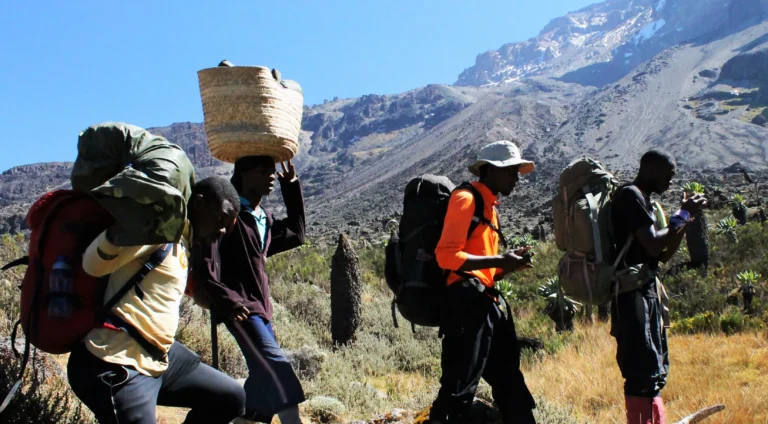
Kilimanjaro Tree-Planting Climbing Package Guide
Combine your dream Kilimanjaro climb with a meaningful conservation effort. Our Kilimanjaro Tree-Planting Climbing Package allows you to ascend Africa's highest peak while actively...
View package details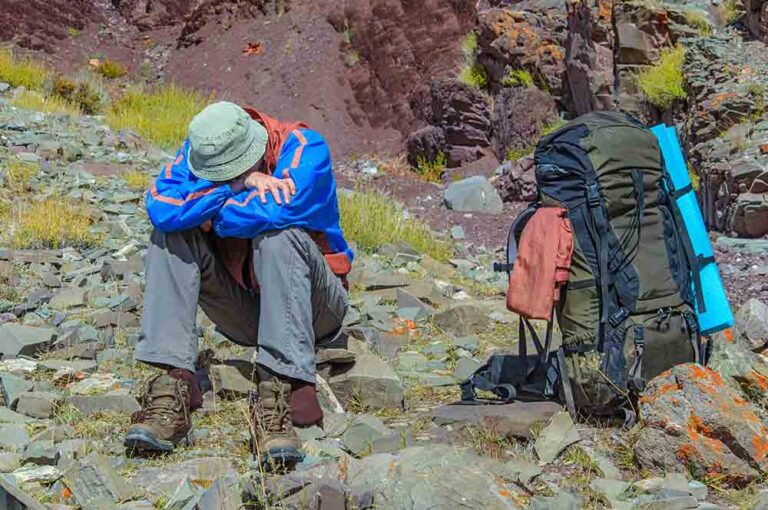
What Happens If It Rains Throughout Your Kilimanjaro Climb? 2026-2027
What Happens If It Rains throughout Your Kilimanjaro Climb? is explained with current 2026-2027 planning, price, itinerary and booking information.
View package details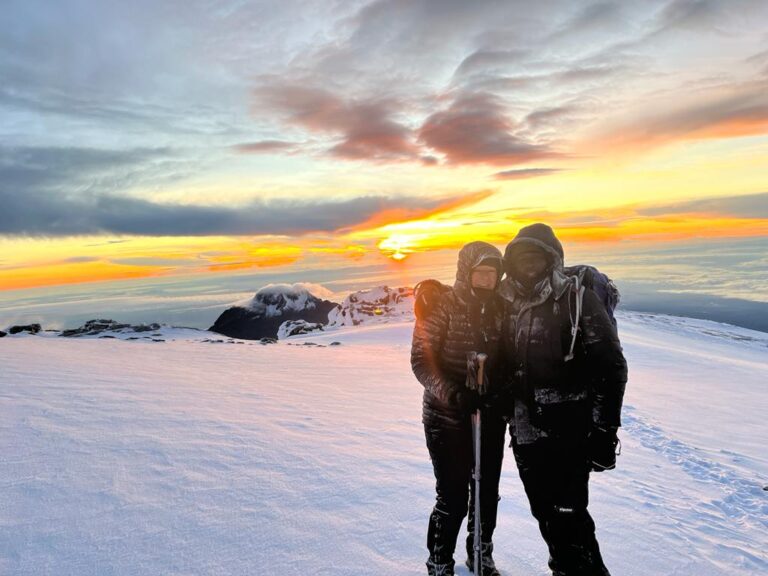
Kilimanjaro Early-Bird Climbing Discounts For Adventures 2026-2027
Plan your 2026-2027 Kilimanjaro climb and take advantage of early-bird discounts. Top Guide Adventures offers savings for those who book in advance, ensuring a memorable and affordable...
View package details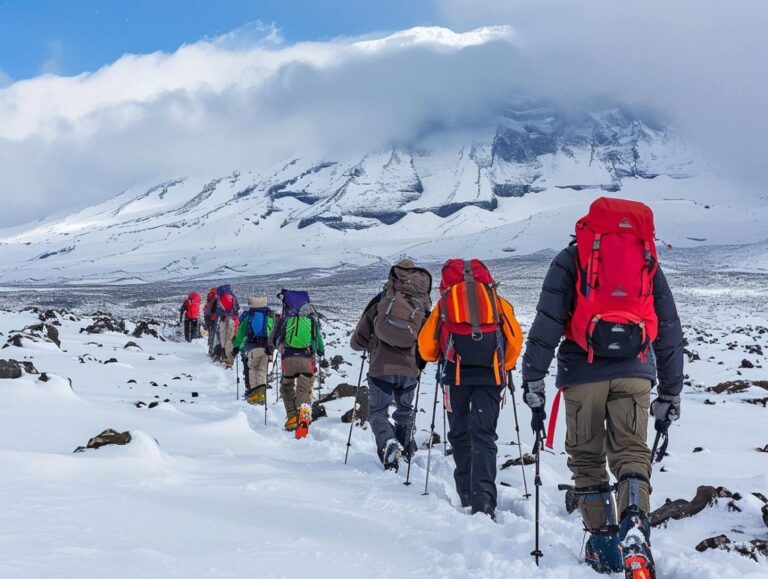
Kilimanjaro Private Climb Price For One Person: Your Guide 2026-2027
Planning a solo ascent of Mount Kilimanjaro? This guide details the Kilimanjaro private climb price for one person, covering cost factors, inclusions, and essential planning for 2026-2027.
View package details
Kilimanjaro Wellness Retreat For Non-Climbers: Rejuvenate Near Africas
Experience the serene beauty and restorative power of Tanzania without the arduous climb. Our Kilimanjaro wellness retreats for non-climbers offer a unique blend of relaxation, cultural...
View package detailsNo related package matches those filters. Clear one or more filters to see the other topic-matched options.



