
A January Kilimanjaro climb and Serengeti safari offers a fantastic opportunity for adventurers in 2026-2027, combining dry weather conditions on the mountain with excellent wildlife viewing in the Serengeti. Typically, a combined trip involves 5-9 days for the Kilimanjaro climb followed by 3-5 days for the safari, with costs varying significantly based on route, accommodation, and inclusions, but expect a combined budget of around $3,500 – $7,000+ per person.

Combining Kilimanjaro’s Summit with the Serengeti’s Wild Heart in January
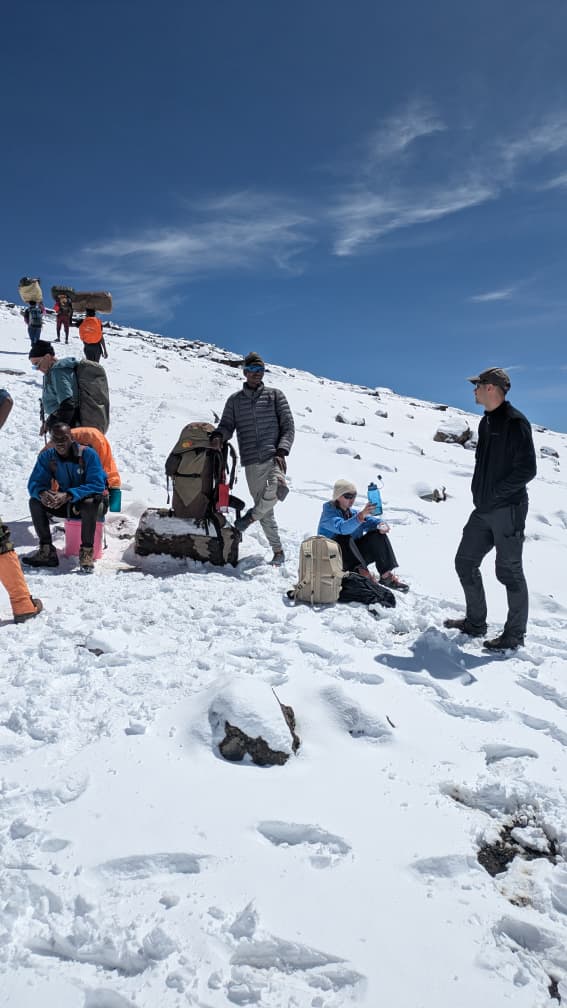
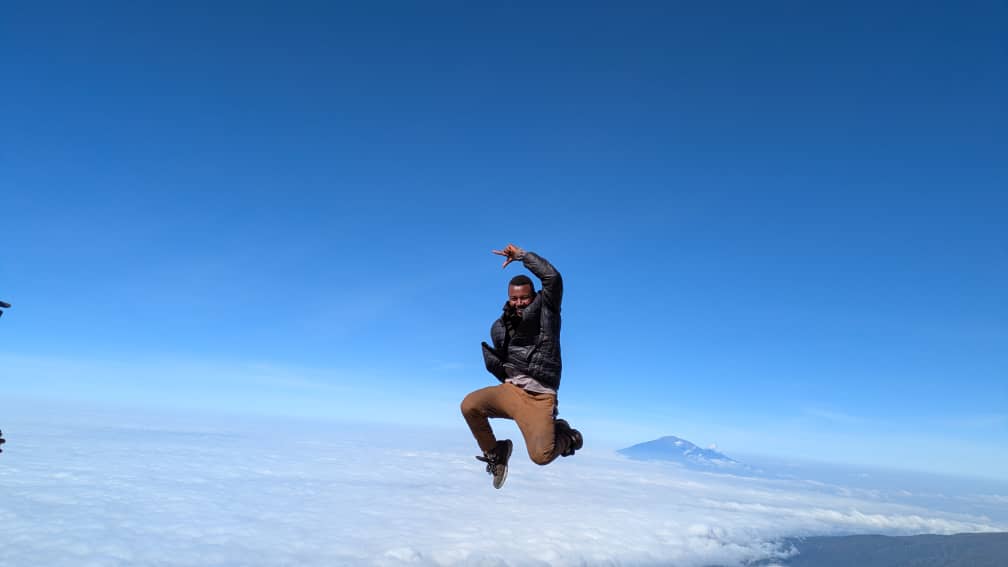
The allure of Tanzania is often defined by two iconic experiences: the majestic peak of Mount Kilimanjaro and the vast, wildlife-rich plains of the Serengeti. For travelers looking to conquer Africa’s highest point and witness the continent’s most celebrated safari spectacle, combining a January Kilimanjaro climb and Serengeti safari presents a prime opportunity, especially when planning for the 2026-2027 travel seasons. January falls within Tanzania’s short dry season, offering generally clear skies and good trekking conditions on Kilimanjaro, while the Serengeti starts to experience the build-up to the Great Migration’s movement towards the western corridor.
This unique combination provides a dual adventure that satisfies both the physical challenge of a high-altitude trek and the awe-inspiring natural wonder of abundant wildlife. At Top Guide Adventures, we specialize in crafting these comprehensive Tanzanian journeys, ensuring a smooth transition from the mountain slopes to the savanna. Our expertise helps you navigate the complexities of planning such an expedition, making your 2026 or 2027 trip a resounding success.
Why January is an Excellent Month for Your Kilimanjaro and Serengeti Adventure
Choosing January for your Kilimanjaro climb and Serengeti safari is a strategic decision driven by Tanzania’s distinct climate patterns and wildlife behaviors. While Kilimanjaro experiences two main dry seasons (June-October and December-February), January sits comfortably within the latter, offering significant advantages.
January Weather on Kilimanjaro
January typically brings drier weather to Mount Kilimanjaro. While mountain weather is always unpredictable, you can generally expect:
- Clearer Skies: Increased chances of sunny days, offering spectacular views of the surrounding landscape and the summit.
- Reduced Rainfall: While occasional showers can occur, they are usually less frequent and intense compared to the rainy seasons.
- Moderate Temperatures: Daytime temperatures are cool to mild, becoming very cold at higher altitudes, especially at night and on the summit day. This is typical for Kilimanjaro, but the dryness makes it more manageable.
- Less Crowding (compared to peak seasons): While not empty, January is often less crowded than the absolute peak months of July, August, or September, offering a more serene trekking experience.
January Wildlife in the Serengeti
The Serengeti in January is a vibrant ecosystem, often marking the start of calving season for wildebeest and zebras in the southern plains. This means:
- Calving Season Begins: Thousands of wildebeest calves are born, making it an incredible time for predator-prey interactions and dramatic wildlife sightings.
- Abundant Resident Wildlife: Even outside the main migration herds, the Serengeti boasts a massive population of resident animals, including lions, elephants, giraffes, and numerous bird species.
- Green Scenery: Post-rains, the landscape becomes lush and green, providing a beautiful backdrop for your safari drives.
- Good Visibility: The vegetation is not yet dense enough to hinder game viewing significantly, and the dry air aids in spotting animals from a distance.
By planning your January Kilimanjaro climb and Serengeti safari for 2026 or 2027, you align your adventure with these favorable conditions, maximizing your chances for success on the mountain and unforgettable wildlife encounters on the plains.
Choosing Your Kilimanjaro Route for a January Climb
Selecting the right Kilimanjaro route is crucial for acclimatization, success rates, and overall enjoyment, especially when climbing in January. Longer routes generally offer better acclimatization profiles. For a January climb, the following routes are highly recommended by Top Guide Adventures:
Recommended Kilimanjaro Routes for January Climbs
- Machame Route (7 Days): Often called the “Whiskey Route,” Machame is popular for its scenic beauty and excellent acclimatization profile. The 7-day option provides a good balance between duration and cost. It offers a “climb high, sleep low” strategy that is vital for adjusting to altitude. This is a great choice for a January Kilimanjaro climb.
- Lemosho Route (8 Days): Considered one of the most beautiful routes, Lemosho offers a longer, slower ascent, significantly improving acclimatization and success rates. Its 8-day itinerary is ideal for January climbers seeking the best chance of reaching the summit. The extra day is invaluable for the body to adapt.
- Northern Circuit (9 Days): This is the longest and slowest route, offering the highest success rate. It circles the mountain, providing varied scenery and exceptional acclimatization. For those prioritizing success and a less rushed experience during a January climb, the Northern Circuit is unparalleled.
- Marangu Route (5 or 6 Days): While the shortest and most affordable (often called the “Coca-Cola Route”), Marangu is not ideal for acclimatization due to its rapid ascent and descent. It’s the only route with hut accommodation. For a January climb, the 6-day option is minimally recommended over the 5-day to allow for a bit more time, but longer routes are strongly preferred for better acclimatization and higher success rates.
When planning your January Kilimanjaro climb and Serengeti safari for 2026-2027, we advise prioritizing routes of 7 days or longer. The extra days are critical for acclimatization, significantly boosting your chances of reaching Uhuru Peak while minimizing the risk of altitude sickness.
The Serengeti Safari Experience in January
Following your Kilimanjaro adventure, a Serengeti safari offers a dramatic shift in landscape and experience. January is a dynamic month in the Serengeti, with the southern plains teeming with life due to the calving season.
Wildlife Hotspots in the Serengeti in January
- Southern Serengeti (Ndutu Area): This is the heart of the calving season. The vast grasslands are dotted with thousands of wildebeest and zebras, attracting numerous predators like lions, cheetahs, and hyenas. It’s an ideal time for witnessing dramatic chases and the cycle of life.
- Central Serengeti (Seronera Valley): Known for its resident wildlife year-round, Seronera remains excellent in January. You’ll find large prides of lions, leopards lounging in trees, cheetahs on the open plains, and a variety of plains game.
- Western Serengeti: While the migration might be starting to move westwards towards the Grumeti River, pockets of wildlife can still be found. This area is also known for its large crocodiles, which become more active as the year progresses.
A typical safari itinerary might include exploring the Southern Serengeti for the calving herds, followed by time in the Central Serengeti for diverse predator sightings. The duration of your safari, usually between 3 to 5 days, can be tailored to your interests and available time after your January Kilimanjaro climb.
Sample Itinerary: January Kilimanjaro Climb & Serengeti Safari (12 Days)
This sample itinerary combines a 7-day Machame Route climb with a 4-day Serengeti safari, a popular and rewarding combination for January travelers in 2026-2027.
Day-by-Day Exploration
- Day 1: Arrival in Tanzania & Transfer to Moshi. Arrive at Kilimanjaro International Airport (JRO), meet your Top Guide Adventures representative, and transfer to your hotel in Moshi for a pre-climb briefing.
- Day 2: Kilimanjaro Briefing & Gear Check. Finalize preparations, meet your climbing team, and ensure all gear is ready for your January Kilimanjaro climb.
- Day 3: Machame Gate to Machame Camp. Begin your trek, hiking through the rainforest. (Approx. 5-7 hours trekking).
- Day 4: Machame Camp to Shira Camp. Ascend through moorland, enjoying stunning views. (Approx. 4-6 hours trekking).
- Day 5: Shira Camp to Barranco Camp. A challenging day with significant altitude gain, crossing the Lava Tower and descending to Barranco. (Approx. 7-8 hours trekking).
- Day 6: Barranco Camp to Karanga Camp. Ascend the Barranco Wall, a memorable scramble, and continue to Karanga. (Approx. 4-5 hours trekking).
- Day 7: Karanga Camp to Barafu Camp. Trek across alpine desert terrain to Barafu Camp, the base for your summit push. (Approx. 4-5 hours trekking).
- Day 8: Summit Day & Descend to Mweka Camp. An early start for the summit attempt to Uhuru Peak, followed by descent to Mweka Camp. (Approx. 10-12 hours trekking).
- Day 9: Mweka Camp to Mweka Gate & Transfer to Arusha. Complete your descent and transfer to Arusha for a well-deserved rest.
- Day 10: Transfer to Serengeti National Park. After breakfast, drive to the Serengeti, with optional stops at Mto wa Mbu or Lake Manyara. Check into your lodge/camp for your first game drive.
- Day 11: Full Day Serengeti Safari. Explore the vast plains of the Serengeti, searching for the Great Migration herds and resident predators.
- Day 12: Morning Serengeti Game Drive & Departure. Enjoy a final game drive before transferring back to Arusha or Kilimanjaro International Airport for your onward journey.
This itinerary can be customized. For instance, a January Kilimanjaro climb and Serengeti safari could be extended with more days in the Serengeti, or a different Kilimanjaro route like the 8-day Lemosho could be chosen for enhanced acclimatization.
Pricing and Budget Considerations for 2026-2027
The cost of a combined January Kilimanjaro climb and Serengeti safari varies significantly based on several factors. When planning for 2026-2027, it’s essential to understand these components:
Key Cost Factors:
- Kilimanjaro Route: Longer routes (Lemosho, Northern Circuit) are more expensive due to more trekking days and higher park fees.
- Kilimanjaro Duration: The number of days on the mountain directly impacts costs (park fees, crew wages, food).
- Safari Accommodation: Options range from budget-friendly tented camps to mid-range lodges and luxury tented camps or lodges.
- Safari Vehicle & Guide: Private 4×4 safari vehicles with experienced guides are standard.
- Group Size: Private tours are generally more expensive per person than joining a pre-scheduled group departure.
- Inclusions: What is included (e.g., park fees, meals, accommodation, transfers, guide, porters, emergency support) greatly affects the overall price.
As a general guide for 2026-2027:
Estimated Combined Costs (per person):
- Budget/Standard Options: 7-day Machame climb + 3-day Serengeti safari might range from $3,500 – $4,500.
- Mid-Range Options: 8-day Lemosho climb + 4-day Serengeti safari could be between $4,500 – $6,000.
- Higher-End Options: 9-day Northern Circuit climb + 4-day luxury safari could start from $6,000 – $7,500+.
Note: These are estimates. Exact pricing for your January Kilimanjaro climb and Serengeti safari in 2026 or 2027 will depend on your specific choices and the inclusions offered by your tour operator.
At Top Guide Adventures, we offer transparent pricing. We recommend contacting us directly for a personalized quote based on your desired itinerary and travel dates for 2026-2027.
Essential Preparations for Your January Expedition
A successful January Kilimanjaro climb and Serengeti safari requires thorough preparation. This includes physical training, appropriate gear, and understanding necessary health and visa requirements.
Physical Training:
Kilimanjaro is a demanding trek. Focus on cardiovascular fitness (hiking, running, cycling) and strength training, especially for your legs and core. Practice hiking with a weighted backpack on varied terrain.
Gear for Kilimanjaro (January):
Layering is key. Essential items include:
- Base Layers: Moisture-wicking thermals (merino wool or synthetic).
- Mid Layers: Fleece jackets or insulated vests for warmth.
- Outer Layer: Waterproof and windproof jacket and pants (Gore-Tex or similar).
- Insulation: A warm down jacket for evenings and summit night.
- Footwear: Broken-in, waterproof hiking boots.
- Headwear: Warm hat, sun hat, balaclava or neck gaiter.
- Gloves: Warm, waterproof gloves and liner gloves.
- Accessories: Sunglasses, headlamp with extra batteries, trekking poles, water bottles/hydration system, sunscreen, lip balm, personal first-aid kit.
- Sleeping Bag: A 4-season sleeping bag rated to at least -15°C (0°F).
Note: Top Guide Adventures can provide detailed gear lists and advice for your January Kilimanjaro climb.
Gear for Serengeti Safari:
Safari attire is more relaxed:
- Clothing: Comfortable, breathable clothing in neutral colors (khaki, beige, green). Avoid bright colors. Long sleeves and pants are recommended for sun protection and evenings.
- Footwear: Comfortable walking shoes or sandals. You won’t be doing much strenuous walking on safari.
- Accessories: Sun hat, sunglasses, insect repellent, camera with zoom lens, binoculars.
Health and Visas:
- Vaccinations: Consult your doctor about recommended vaccinations (e.g., Yellow Fever, Hepatitis A, Typhoid). Yellow Fever vaccination is often required for entry into Tanzania.
- Malaria Prevention: Tanzania is a malaria zone. Discuss antimalarial medication with your doctor.
- Travel Insurance: Comprehensive travel insurance covering high-altitude trekking and medical evacuation is mandatory.
- Visa: Check visa requirements for Tanzania for your nationality. Many nationalities can obtain a visa on arrival or apply online in advance.
Proper preparation is key to a safe and enjoyable January Kilimanjaro climb and Serengeti safari. Top Guide Adventures is here to assist you with every step of the planning process for your 2026-2027 adventure.
Why Choose Top Guide Adventures for Your January Expedition?
Selecting the right tour operator is paramount for a successful and memorable trip. Top Guide Adventures brings local expertise, a commitment to safety, and personalized service to your January Kilimanjaro climb and Serengeti safari.
Our Commitment to You:
- Experienced Guides: Our Kilimanjaro guides are certified, experienced, and trained in first aid and high-altitude medicine. Our safari guides are knowledgeable about wildlife behavior and the best viewing locations.
- Safety First: We prioritize your safety with well-equipped teams, regular health checks during the climb, and access to emergency oxygen and evacuation services.
- Quality Equipment: We provide high-quality camping gear, tents, and climbing equipment, ensuring comfort and safety on the mountain.
- Sustainable Tourism: We are committed to responsible tourism practices, supporting local communities and minimizing our environmental impact.
- Tailor-Made Itineraries: Whether you seek a specific route, a luxury safari, or a budget-conscious trip for 2026-2027, we customize every aspect of your January Kilimanjaro climb and Serengeti safari.
- Personalized Support: From your initial inquiry to your departure, you receive dedicated support and attention. We believe in building relationships with our clients.
We understand the nuances of traveling in Tanzania, especially during January. Our deep knowledge of Kilimanjaro’s routes and the Serengeti’s wildlife patterns ensures you have the most authentic and rewarding experience possible. Let us help you craft your dream January Kilimanjaro climb and Serengeti safari for 2026 or 2027.
Frequently Asked Questions about January Kilimanjaro Climbs and Serengeti Safaris
Here are some common questions we receive regarding combining a Kilimanjaro climb with a Serengeti safari in January.
What is the temperature like on Kilimanjaro in January?
Temperatures on Kilimanjaro in January vary greatly with altitude. Expect cool to mild conditions in the lower rainforest zone (15-25°C / 59-77°F), cold in the alpine desert zone (5-15°C / 41-59°F), and extremely cold near the summit, potentially dropping below -10°C (14°F) with wind chill.
Is January a good time for wildlife viewing in the Serengeti?
Yes, January is an excellent time for Serengeti safaris. It’s the beginning of the calving season in the southern Serengeti, offering incredible opportunities to witness wildebeest, zebras, and their newborns, along with the predators that hunt them. Resident wildlife is abundant year-round.
How many days do I need for a combined Kilimanjaro and Serengeti trip in January?
A comfortable combined trip typically requires at least 10-14 days. This allows for a minimum 7-day Kilimanjaro climb and a 3-4 day Serengeti safari, plus travel time and rest days. For 2026-2027, planning for 12-15 days is recommended for a more relaxed pace.
What is the best Kilimanjaro route for January?
Longer routes like the 8-day Lemosho or 9-day Northern Circuit are highly recommended for January climbs due to their superior acclimatization profiles, which significantly increase success rates and reduce the risk of altitude sickness. The 7-day Machame route is also a popular and viable option.
Do I need special permits for January climbs or safaris?
Yes, park entry fees and climbing permits are required for Kilimanjaro and Serengeti National Park. These are typically included in tour packages booked with reputable operators like Top Guide Adventures.
What should I pack for a January Kilimanjaro climb and Serengeti safari?
For Kilimanjaro, focus on warm, waterproof, and layered clothing. For the Serengeti, pack light, breathable clothing in neutral colors, a sun hat, and insect repellent. A detailed packing list will be provided by your tour operator.
Planning Your 2026-2027 Tanzanian Adventure
A January Kilimanjaro climb and Serengeti safari is an ambitious yet incredibly rewarding adventure. By choosing January, you benefit from generally favorable weather on the mountain and a spectacular wildlife spectacle in the Serengeti. Whether you are planning for the 2026 or 2027 season, early booking is advisable to secure your preferred dates and routes.
Top Guide Adventures is dedicated to providing you with an exceptional travel experience. We handle all the logistics, from airport transfers and mountain permits to expert guides and comfortable safari arrangements. Our team is ready to answer your questions and help you customize the perfect itinerary for your January Kilimanjaro climb and Serengeti safari.
Ready to take the first step towards your dream Tanzanian adventure? Contact us today to discuss your plans for 2026-2027. You can reach us via WhatsApp at +255616946642, email us at topguideadventures@gmail.com, or our backup email info@topguideadventures.com. Let’s make your January Kilimanjaro climb and Serengeti safari an unforgettable reality.
Check Availability for January Kilimanjaro Climb And Serengeti Safari: Your Ultimate Adventure
Ready to compare dates, prices, and the best option for your group? Send the package name and travel month so the team can reply with a clear quote, availability, and what is included.
18-Day Kilimanjaro And Northern Tanzania Grand Adventure: Trek, Safari &
An 18-day itinerary blending Kilimanjaro's summit with Northern Tanzania's wildlife and culture offers a comprehensive African experience. This adventure typically includes a multi-day trek...
View package details
Kilimanjaro Safari Package For Non-Climbing Companions: Options & Experiences
For those accompanying climbers to Kilimanjaro but not ascending the peak, specialized safari packages offer a fantastic way to experience Tanzania's renowned wildlife and landscapes. These...
View package details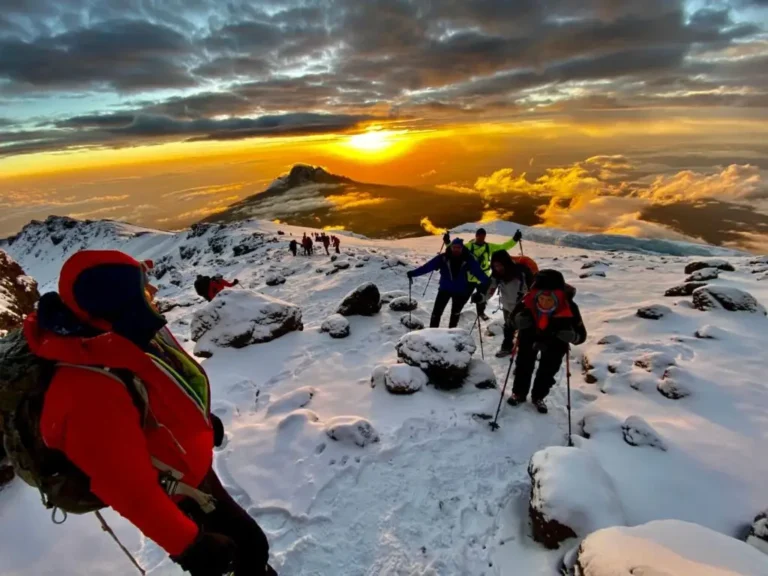
17-Day Kilimanjaro, Serengeti, Ngorongoro & Zanzibar Tour: Your Ultimate
This 17-day tour combines the iconic Mount Kilimanjaro climb with unparalleled wildlife safaris in the Serengeti and Ngorongoro Crater, culminating in a relaxing beach escape in Zanzibar...
View package detailsKilimanjaro Climb & West Safari: The Ultimate Tanzania Adventure 2026-2027
Experience the pinnacle of Tanzania with a combined Kilimanjaro climb and West Kilimanjaro safari. This guide details itineraries, preparation, and what to expect for your 2026-2027...
View package details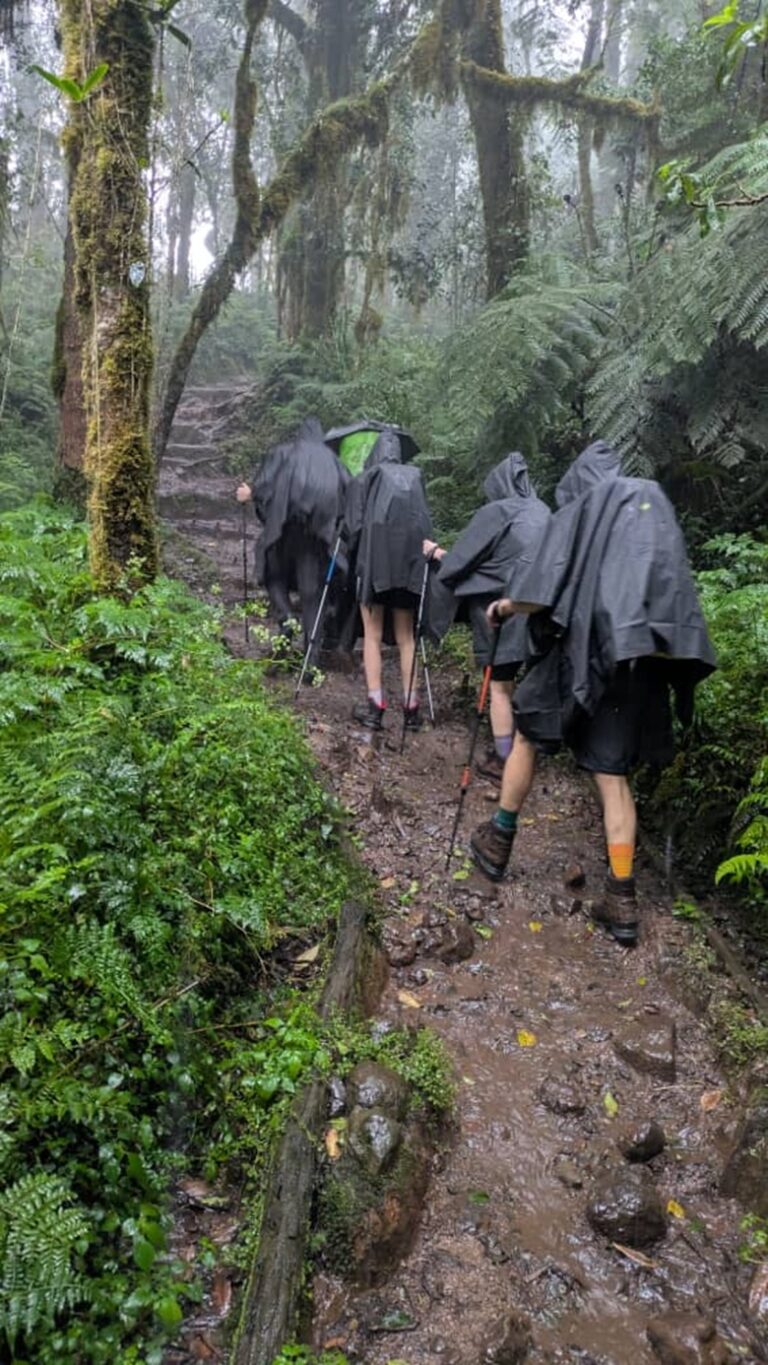
Kilimanjaro Climb With Mkomazi Rhino Safari 2026-2027
Kilimanjaro Climb with Mkomazi Rhino Safari is explained with current 2026-2027 planning, price, itinerary and booking information.
View package details
Kilimanjaro Climb With Amboseli Safari Extension: Your Ultimate Tanzania
Experience the pinnacle of African adventure by combining a challenging Kilimanjaro climb with a impressive safari in Amboseli National Park. This guide details itineraries, costs, best...
View package details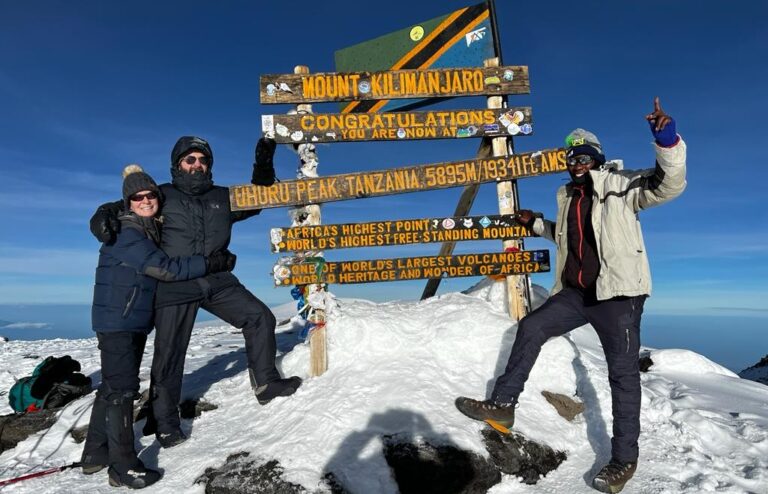
15-Day Kilimanjaro, Great Migration & Zanzibar Beach Package | Top Guide
Combine the thrill of summiting Mount Kilimanjaro, witnessing the iconic Great Migration in the Serengeti, and unwinding on the pristine beaches of Zanzibar in one unforgettable 15-day...
View package details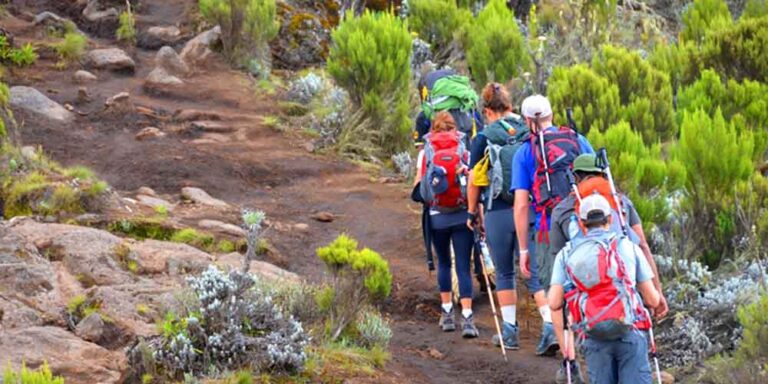
What Happens To The Rest Of Group During An Evacuation On A Tanzania Safari
When an individual requires evacuation during a group safari or Kilimanjaro climb in Tanzania, comprehensive safety protocols are in place for the remaining participants, ensuring their...
View package details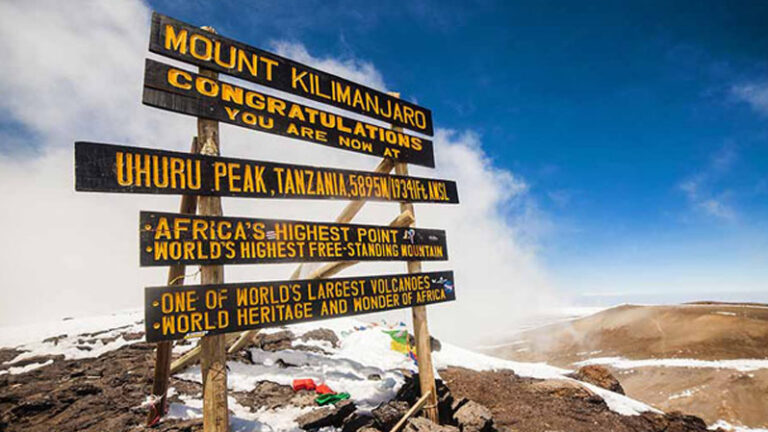
11-Day Kilimanjaro Acclimatization, Summit And Safari Package 2026-2027
11-Day Kilimanjaro Acclimatization, Summit and Safari Package is explained with current 2026-2027 planning, price, itinerary and booking information.
View package details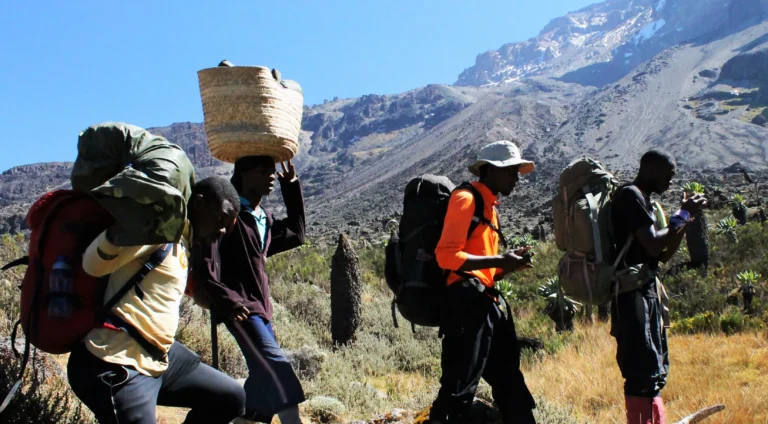
Kilimanjaro Safari First Vs Zanzibar 2026-2027
Kilimanjaro Safari First vs Zanzibar First is explained with current 2026-2027 planning, price, itinerary and booking information.
View package details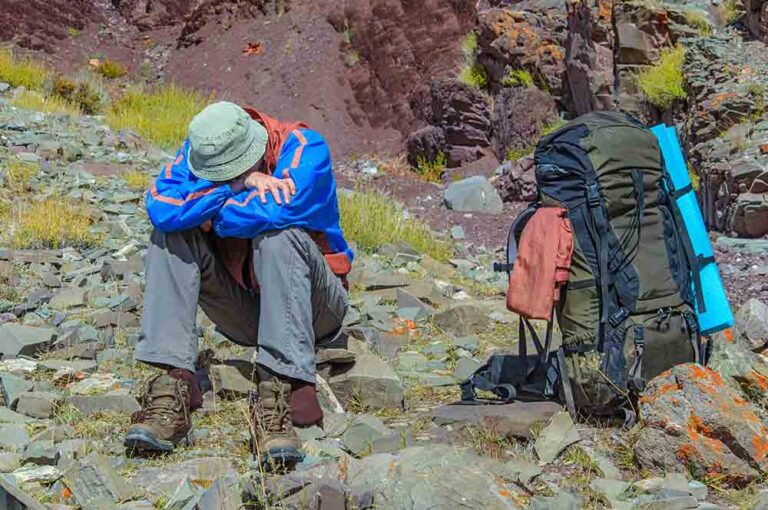
Kilimanjaro Airport Transfer For Large Groups: Smooth Travel With Top Guide
Top Guide Adventures specializes in Kilimanjaro Airport transfers for large groups, ensuring a smooth and comfortable journey from Kilimanjaro International Airport (JRO) to your...
View package details
Kilimanjaro Climb With A Personal Support Assistant: Your Ultimate Guide
Climbing Mount Kilimanjaro with a personal support assistant offers unparalleled safety, comfort, and focus on your summit goals. This guide details what a personal assistant entails, its...
View package detailsNo related package matches those filters. Clear one or more filters to see the other topic-matched options.



