
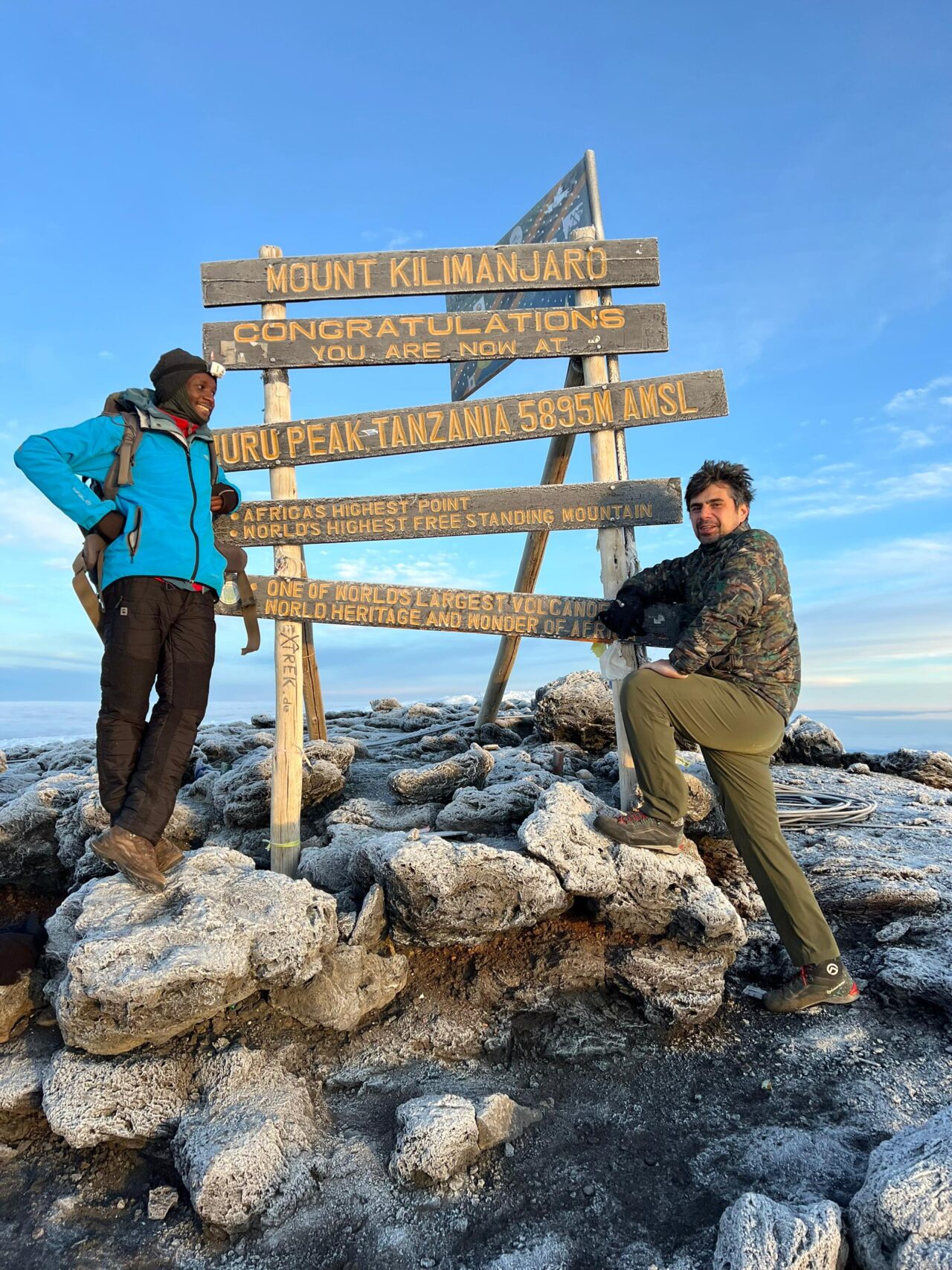
January on Kilimanjaro generally offers dry conditions with cold summit temperatures, typically ranging from -7°C to -20°C (19°F to -4°F), with wind chill significantly lowering the perceived temperature. This period is part of Kilimanjaro’s short dry season, making it a popular choice for trekkers aiming for clear views and stable weather, though the extreme cold requires careful preparation and appropriate gear for the January Kilimanjaro summit temperature.
Understanding Kilimanjaro’s January Weather for Your Summit Attempt
Climbing Mount Kilimanjaro is a dream for many, and choosing the right time to go is crucial for both safety and enjoyment. January falls within one of Kilimanjaro’s two main dry seasons, making it an attractive month for trekkers. The January Kilimanjaro summit temperature is a primary concern for anyone planning to ascend Africa’s highest peak. While the dry conditions are a significant advantage, the cold at the summit and during the higher altitudes demands thorough preparation. This guide is designed to provide you with an in-depth understanding of what to expect regarding temperatures, weather patterns, and essential preparations for your Kilimanjaro adventure in January, looking ahead to the 2026-2027 climbing seasons.
The appeal of climbing Kilimanjaro in January is multi-faceted. The weather is generally stable, offering clearer skies and reduced chances of rain or snow on the lower slopes, which can complicate the trek. However, this stability comes with a significant drop in temperature as you gain altitude. The summit, Uhuru Peak, sits at a formidable 5,895 meters (19,341 feet), and the air at this elevation is thin and frigid. Understanding the nuances of the January Kilimanjaro summit temperature is not just about knowing numbers; it’s about preparing your body and your gear to withstand these extreme conditions.
For those planning their trek for 2026 or 2027, early booking is advisable, especially for January. This month is considered peak season due to the favorable dry weather, meaning popular routes can get busy. Top Guide Adventures specializes in making these climbs accessible and safe, with experienced guides who understand the specific challenges of climbing in January. We help our clients navigate the complexities of altitude, temperature, and acclimatization to ensure a memorable and successful summit experience.
January Kilimanjaro Summit Temperature: The Cold Facts
The most critical factor for any Kilimanjaro trekker is the temperature, especially at the summit. The January Kilimanjaro summit temperature is consistently below freezing. On average, you can expect daytime temperatures at the summit to hover around -7°C (19°F). However, as night falls and during the challenging summit push, which often begins in the early hours of the morning (around 1 am to 3 am), temperatures can plummet to -20°C (-4°F) or even lower. This is without accounting for wind chill.
Wind chill is a significant factor on Kilimanjaro’s summit. The exposed nature of the upper slopes means that even if the air temperature is -10°C, a moderate wind can make it feel like -25°C or colder. This drastically increases the risk of frostbite and hypothermia. Therefore, layered clothing and windproof outer shells are absolutely essential for anyone attempting the January Kilimanjaro summit temperature challenge.
It’s important to remember that these are average temperatures. Weather on Kilimanjaro can be unpredictable, and slight variations can occur from year to year. However, the general trend for January remains consistent: cold at altitude, with the coldest conditions experienced during the pre-dawn summit attempt. When planning for 2026-2027, factor in these extreme cold conditions as a certainty, not a possibility.
Altitude and Temperature Gradient on Kilimanjaro in January
The temperature on Kilimanjaro decreases significantly with altitude. This is a fundamental principle of atmospheric science, and on Kilimanjaro, it means that the conditions you experience at the base camp will be vastly different from those at the summit. In January, this gradient is particularly noticeable.
- Base (e.g., Marangu Gate, approx. 1,800m / 5,900ft): Daytime temperatures can be pleasantly warm, ranging from 20°C to 25°C (68°F to 77°F). Nights will be cooler, perhaps 10°C to 15°C (50°F to 59°F).
- Mid-altitude (e.g., Barranco Camp, approx. 3,950m / 12,960ft): Daytime temperatures will likely be between 5°C and 10°C (41°F to 50°F). Nights will be cold, dropping to around 0°C to 5°C (32°F to 41°F).
- High altitude (e.g., Kibo Hut, approx. 4,700m / 15,400ft): Daytime temperatures are typically around 0°C to 5°C (32°F to 41°F). Nights are very cold, often dropping to -5°C to -10°C (23°F to 14°F). This is where you begin to truly feel the effects of the January Kilimanjaro summit temperature in advance.
- Summit (Uhuru Peak, 5,895m / 19,341ft): As detailed, expect daytime highs around -7°C (19°F) and nighttime lows down to -20°C (-4°F), exacerbated by wind chill.
This steady decline in temperature underscores the importance of a well-structured acclimatization plan. Climbing slowly, drinking plenty of water, and using the ‘pole pole’ (slowly, slowly) philosophy are not just advice; they are essential for managing altitude sickness and coping with the cold. Our guides at Top Guide Adventures are trained to monitor your progress and ensure you are acclimatizing effectively, a critical aspect when facing the January Kilimanjaro summit temperature.
January Weather Patterns on Kilimanjaro: Beyond Just Temperature
While the January Kilimanjaro summit temperature is a primary concern, the overall weather patterns in January contribute significantly to the trekking experience. January is part of Kilimanjaro’s short dry season, which typically runs from mid-December to February. This period is favored by many for its relative predictability.
Precipitation and Snow in January
During January, precipitation is generally low. This means you are less likely to encounter heavy rainfall on the lower slopes, which can turn trails into muddy rivers. Snowfall is also less common below the crater rim, though light dustings can occur at higher elevations. The upper reaches, including Stella Point and Uhuru Peak, are almost always covered in snow and ice, especially in the early morning. This snow and ice are what make the summit trek challenging, often requiring the use of microspikes or crampons, particularly on the scree slopes leading to Stella Point.
The dry conditions mean that visibility is often excellent. This offers stunning panoramic views of the surrounding landscape, including Mount Meru and, on exceptionally clear days, the plains of Kenya. The lack of cloud cover also means that the sun’s rays can be intense during the day, even at high altitudes, necessitating strong sun protection.
Wind Conditions in January
Wind is a constant factor on Kilimanjaro, especially at higher elevations. In January, the winds can be strong and persistent, particularly on the exposed alpine desert and arctic zones. While they can help to keep temperatures from feeling oppressively hot on sunny days, they are also the primary driver of wind chill. Expect strong gusts, especially near the summit. Protective gear that seals well around the neck, wrists, and ankles is vital to prevent wind from penetrating your layers and causing rapid heat loss. This is a critical consideration when preparing for the January Kilimanjaro summit temperature.
Sunshine and UV Radiation
Despite the cold, the sun at Kilimanjaro’s altitude is incredibly intense. The thin atmosphere offers less protection from ultraviolet (UV) radiation. On clear January days, sunburn is a real risk, even if the air temperature is cold. It’s essential to use high SPF sunscreen, wear a wide-brimmed hat, and use UV-protective sunglasses. Lip balm with SPF is also recommended. The combination of cold and intense sun can be deceptive, leading to dehydration and sunburn if not managed properly.
Preparing Your Gear for January Kilimanjaro Climbs (2026-2027)
The extreme cold and potential for wind mean that your gear selection for a January Kilimanjaro climb is paramount. Top Guide Adventures provides detailed packing lists, but here are the key considerations specifically for January conditions, ensuring you’re ready for the January Kilimanjaro summit temperature.
Essential Gear for January Treks
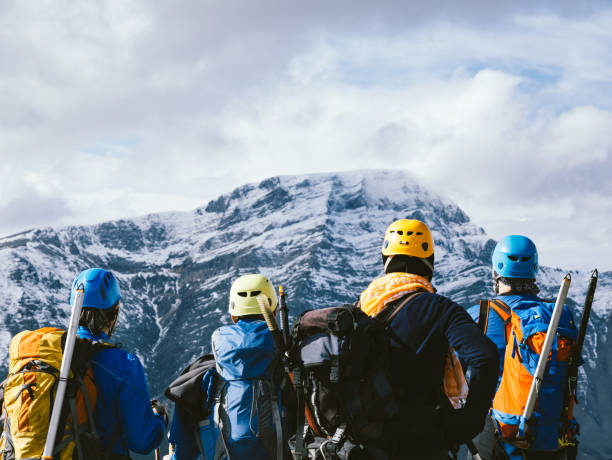
- Layering System: This is non-negotiable. You need a base layer (moisture-wicking), a mid-layer (insulating, like fleece or down), and an outer layer (windproof and waterproof).
- Summit Parka: A heavy-duty, insulated down or synthetic parka is essential for the summit night and the coldest parts of the trek. This is your primary defense against the January Kilimanjaro summit temperature.
- Trekking Trousers: Insulated, waterproof, and windproof trousers are crucial. Avoid cotton.
- Headwear: A warm, insulated hat that covers your ears is vital. A balaclava or ski mask is highly recommended for summit night to protect your face from wind and cold.
- Gloves: You’ll need at least two pairs: thin liner gloves for dexterity and thick, insulated, waterproof mittens or gloves for warmth. Hand warmers can be a lifesaver.
- Footwear: Well-worn-in, waterproof, insulated hiking boots are a must. Bring multiple pairs of warm, moisture-wicking socks (wool or synthetic), including thick thermal socks for summit night. Gaiters are useful to prevent snow and debris from entering your boots.
- Sleeping Bag: A 4-season sleeping bag rated to at least -15°C (5°F) is recommended. Many trekkers opt for bags rated to -20°C (-4°F) for January climbs.
- Headlamp: A reliable headlamp with extra batteries is essential for navigating in the dark during the summit push. Cold drains batteries faster.
- Sun Protection: High SPF sunscreen, lip balm with SPF, sunglasses (ideally glacier glasses), and a wide-brimmed hat.
- Hydration: Insulated water bottles or a hydration pack with an insulated hose to prevent freezing. Trekking poles with snow baskets can be very helpful.
- Personal Items: High-energy snacks, personal first-aid kit, toiletries, and any personal medications.
When booking your 2026 or 2027 trip, discuss your gear with your tour operator. Top Guide Adventures can provide expert advice tailored to your specific needs and the expected conditions for your January climb. We want to ensure you have the right equipment to stay warm, dry, and safe, allowing you to focus on the incredible experience of reaching the roof of Africa.
Choosing the Right Route for a January Kilimanjaro Climb
While the January Kilimanjaro summit temperature remains consistent across all routes, the choice of route can influence your acclimatization, scenery, and overall experience. January’s dry weather makes most routes viable, but some are better suited for acclimatization and enjoying the views.
Popular Routes in January and Their Characteristics
- Machame Route: Often called the “Whiskey Route,” this is arguably the most popular route due to its excellent acclimatization profile and scenic beauty. It’s a circuit route, meaning you ascend and descend on different paths. The longer duration (6-7 days) allows for better acclimatization, which is crucial when dealing with the cold. The Machame Route Kilimanjaro group departures dates are often sought after for January.
- Lemosho Route: Similar to Machame in its acclimatization and scenery, Lemosho is a longer route (7-8 days), offering even better chances of success and a more remote trekking experience. It also circles the mountain.
- Marangu Route: Known as the “Coca-Cola Route,” this is the oldest and most direct route. It’s unique for its hut accommodation rather than camping. While shorter (5-6 days), its rapid ascent profile means acclimatization is less optimal, increasing the risk of altitude sickness. The shorter duration and hut comfort can be appealing, but for January, the focus on acclimatization should be paramount.
- Northern Circuit: The longest route (9 days), offering the best acclimatization and highest success rates. It circumnavigates the mountain, providing stunning views from all sides. It’s ideal for those who want a more relaxed pace and to maximize their chances of reaching the summit comfortably, even with the January Kilimanjaro summit temperature.
- Rongai Route: This route approaches from the north, near the Kenyan border. It’s known for being drier, which can be a slight advantage even in the dry season, and offers a different perspective. It’s a good option if you’re concerned about potential weather variations, though January is typically very dry.
For a January climb, routes offering longer durations (6 days or more) are generally recommended to allow for better acclimatization, which is vital when facing the extreme cold at the summit. The January Kilimanjaro summit temperature is a serious challenge, and a well-acclimatized body is your best asset. Top Guide Adventures can help you select the route that best suits your fitness, time, and comfort preferences for your 2026 or 2027 expedition.
Acclimatization Strategies for January Treks
Effective acclimatization is the single most important factor in successfully reaching Kilimanjaro’s summit, especially when factoring in the severe January Kilimanjaro summit temperature. Altitude sickness can affect anyone, regardless of fitness level. The key is to ascend slowly and allow your body time to adapt to the decreasing oxygen levels.
Key Acclimatization Principles:
- Climb High, Sleep Low: On longer routes, guides will often lead you to a higher point during the day for acclimatization before descending to a lower camp to sleep. This strategy helps your body adjust more effectively.
- Stay Hydrated: Drink at least 3-4 liters of water per day. Dehydration can mimic symptoms of altitude sickness and makes acclimatization harder. Avoid alcohol and caffeine, which can dehydrate you.
- Eat Well: Maintain a good intake of carbohydrates. Your appetite may decrease at altitude, so focus on nutrient-dense foods.
- Ascend Gradually: Choose a route and itinerary that allows for a minimum of 6 days, preferably 7 or more, for your climb. This provides the best opportunity for your body to adapt.
- Listen to Your Body: Be honest about any symptoms you experience. Headaches, nausea, and dizziness are common, but if they worsen or persist, inform your guide immediately.
- Rest: Ensure you get adequate sleep, although sleep can be challenging at altitude due to breathing changes.
For a January climb, the cold can make you want to rush through cold sections and stay in your tent. However, it’s crucial to remain active during the day, even if it’s just a slow walk around camp. This helps with circulation and acclimatization. The advice on acclimatization is consistent for any month, but the physical challenge of staying warm and comfortable while actively acclimatizing in January adds another layer of complexity.
Health and Safety Considerations for January Climbs
Climbing Kilimanjaro is a serious undertaking, and safety must be the top priority, especially when dealing with the challenges of January’s cold and altitude. Top Guide Adventures prioritizes your well-being throughout the expedition.
Altitude Sickness (Acute Mountain Sickness – AMS)
AMS is the most common health risk. Symptoms include headache, nausea, dizziness, fatigue, and loss of appetite. If symptoms are mild, they can often be managed by resting, hydrating, and descending slightly. If symptoms worsen, immediate descent is necessary. Our guides are trained to recognize and manage AMS. Choosing a longer route and proper acclimatization are the best preventative measures for your 2026-2027 climb.
Hypothermia and Frostbite
The January Kilimanjaro summit temperature and wind chill create a significant risk of hypothermia and frostbite. Hypothermia occurs when your body loses heat faster than it can produce it, leading to dangerously low core body temperature. Frostbite is the freezing of body tissues, most commonly affecting extremities like fingers, toes, ears, and nose. Proper layering, windproof gear, and staying dry are essential. Never ignore signs of cold injury; seek immediate attention from your guide.
Other Health Concerns
- Dehydration: Crucial to prevent at altitude.
- Sunburn: Intense UV radiation requires diligent sun protection.
- Digestive Issues: Generally rare with good hygiene and food preparation, but possible.
- Pre-existing Conditions: Consult your doctor before booking if you have any serious medical conditions.
Your guide is equipped with a first-aid kit and has communication devices to contact medical support if necessary. The safety protocols employed by Top Guide Adventures are designed to mitigate these risks, ensuring your journey through the cold January conditions is as safe as possible.
What to Pack for Kilimanjaro in January: A Detailed Look
Packing correctly is fundamental to enduring the January Kilimanjaro summit temperature and the overall cold. This isn’t just about having warm clothes; it’s about having the right kind of warm clothes and understanding how to use them.
Layering Explained:
- Base Layers: These are your next-to-skin layers. Think thermal underwear (long johns and long-sleeved tops) made of merino wool or synthetic materials. They wick moisture away from your skin to keep you dry and warm. Avoid cotton at all costs, as it holds moisture and makes you cold.
- Mid Layers: These provide insulation. Fleece jackets, down vests, or lightweight down jackets are excellent choices. You might wear one or two mid-layers depending on the temperature and your activity level.
- Outer Layers (Shell): This is your protection against wind and rain/snow. A waterproof and breathable jacket (like Gore-Tex) and trousers are essential. For January, ensure these are robust enough to handle strong winds.
Beyond the layering system, specific items are critical for January:
- Summit Parka: A heavy, insulated parka is often the difference between summiting and turning back due to the cold. This is a critical piece of gear for the January Kilimanjaro summit temperature.
- Insulated Trousers: Ski pants or similar insulated, waterproof/windproof trousers are highly recommended for the higher altitudes and summit night.
- Warm Hat & Balaclava: Essential for retaining body heat. A balaclava protects your face from windburn.
- Gloves & Mittens: Layering works here too. Thin liner gloves for dexterity, and thick, waterproof, insulated mittens for maximum warmth. Mittens are generally warmer than gloves as they keep fingers together.
- Socks: Multiple pairs of thick wool or synthetic hiking socks. Bring liner socks too. Crucially, have very warm socks for summit night.
- Boots: Sturdy, waterproof, insulated hiking boots, well broken-in.
- Sleeping Bag: A bag rated for sub-zero temperatures is mandatory for January.
When planning for 2026 or 2027, consider renting some of the bulkier items like sleeping bags and parkas if you don’t own them. Top Guide Adventures can advise on rental options and ensure you have everything needed to combat the January cold.
Food and Hydration in January
Proper nutrition and hydration are vital for energy, acclimatization, and maintaining body temperature, especially in the cold conditions of a January Kilimanjaro climb.
Dietary Needs on the Mountain
Your body will burn more calories at altitude and in the cold. High-carbohydrate meals are recommended to provide sustained energy. Breakfasts typically include porridge, eggs, or pancakes. Lunches are often packed and can include sandwiches, fruits, and snacks. Dinners are usually hot meals like stews, pasta, or rice dishes, followed by soup and dessert. We cater to various dietary requirements, including vegetarian, vegan, and allergies, ensuring you have fuel for the climb. For January, ensuring meals are hot and substantial is key to maintaining morale and energy.
Staying Hydrated in the Cold
It’s easy to forget to drink when it’s cold, but dehydration is a significant risk. Aim for 3-4 liters of fluids per day. Water is best, but herbal teas and clear soups also contribute. Your water bottles should be insulated to prevent freezing. If using a hydration pack, ensure the hose is insulated, or consider carrying it inside your jacket. Many trekkers find that warm drinks are more appealing in the cold, which helps with hydration. The January Kilimanjaro summit temperature makes it especially important to monitor your fluid intake.
The Summit Night Experience in January
The summit night is the most challenging part of the Kilimanjaro climb, and in January, it’s amplified by the extreme cold. Most climbers start their ascent from Kibo Hut (around 4,700m) between 1 am and 3 am, aiming to reach the summit, Uhuru Peak, by sunrise.
You’ll be trekking in the dark, using your headlamp to navigate the steep, rocky path and then the infamous scree slope towards Stella Point (5,756m). The temperature will be at its lowest, well below freezing, and the wind can be relentless. This is where your warmest gear, including your summit parka, balaclava, and insulated mittens, will be put to the ultimate test against the January Kilimanjaro summit temperature.
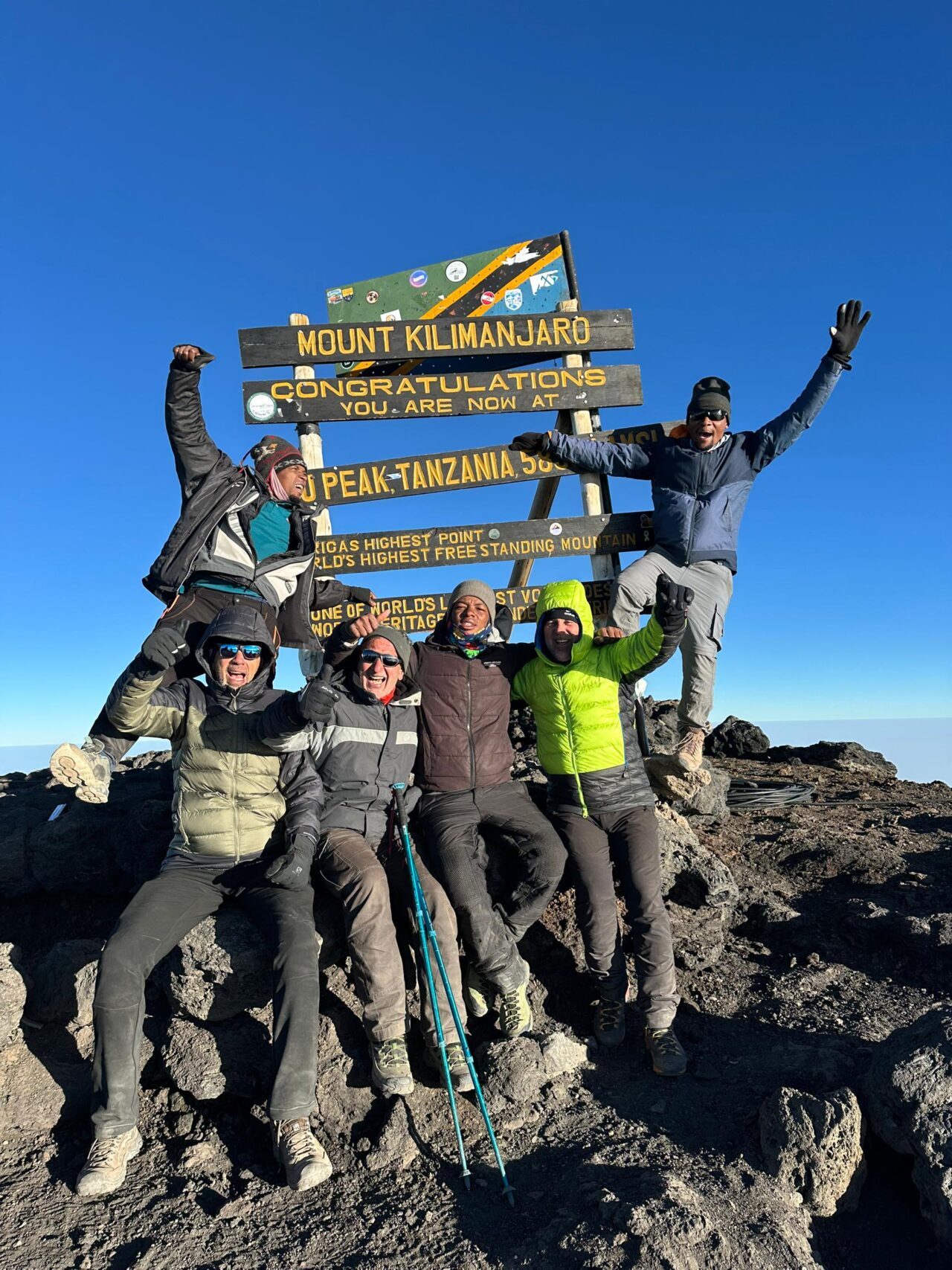
The climb from Stella Point to Uhuru Peak takes another 1-2 hours and involves traversing the crater rim. While the path is less steep, the altitude and fatigue are immense. Reaching Uhuru Peak is an unparalleled achievement. The views at sunrise, with the glaciers glowing under the morning sun, are spectacular, even if the cold is biting. After a brief period for photos and to soak in the accomplishment, the descent begins. The descent is often faster but can be hard on the knees and requires focus, especially on the scree slopes.
For those planning for 2026 or 2027, mental preparation for summit night is as important as physical. Staying positive, focusing on small goals (like reaching the next marker), and relying on your guide’s encouragement are crucial for pushing through the discomfort of the cold and altitude.
Post-Climb Considerations and Recovery
After successfully summiting and descending, recovery is important. Your body will be exhausted from the physical exertion, altitude, and cold. Most trekkers feel a sense of immense accomplishment but also profound fatigue.
Upon returning to your hotel in Moshi or Arusha, allow yourself time to rest and rehydrate. Gentle stretching can help with muscle soreness. You might experience some lingering effects of altitude for a day or two, such as mild headaches or fatigue. The cold exposure, especially on summit night, can sometimes lead to dry skin or chapped lips. Ensure you moisturize and continue to drink plenty of fluids.
Many clients choose to combine their Kilimanjaro climb with a safari or a trip to Zanzibar. If you have a safari planned immediately after your climb, ensure you have comfortable, clean clothes to change into and allow yourself at least a full day of rest before embarking on further travel. Top Guide Adventures can help arrange post-climb relaxation options, ensuring a smooth transition from the mountain to your next adventure.
Why Choose Top Guide Adventures for Your January Kilimanjaro Climb?
Selecting the right tour operator is critical for a safe and successful Kilimanjaro climb, particularly when facing the specific challenges of January. Top Guide Adventures is committed to providing an exceptional and safe trekking experience.
Our Commitment to Your Climb:
- Experienced Guides: Our guides are highly trained, certified, and possess extensive knowledge of Kilimanjaro’s routes, weather patterns, and altitude sickness management. They are your lifeline on the mountain.
- Safety First: We adhere to strict safety protocols, including carrying comprehensive first-aid kits, oxygen cylinders, and ensuring proper acclimatization schedules.
- Quality Equipment: We provide high-quality camping equipment and can advise on or arrange rentals for essential gear like parkas and sleeping bags needed for the January Kilimanjaro summit temperature.
- Personalized Service: As a trusted Tanzanian tour company, we offer personal attention and dedicated support from the moment you inquire until you return home.
- Sustainable Tourism: We are committed to responsible tourism practices, respecting the mountain environment and supporting local communities.
- Tailored Itineraries: We can customize your climb, whether you’re looking for a private climb or joining one of our Machame Route Kilimanjaro group departures dates for 2026 or 2027.
We understand the unique demands of climbing Kilimanjaro in January and are equipped to help you prepare thoroughly. Our goal is to make your dream of reaching Uhuru Peak a reality, safely and memorably. Don’t let the January Kilimanjaro summit temperature deter you; let us help you conquer it.
Frequently Asked Questions About January Kilimanjaro Climbs
Here are some common questions potential climbers have about trekking Kilimanjaro in January.
Q1: Is January a good month to climb Kilimanjaro?
Yes, January is considered one of the best months to climb Kilimanjaro due to it being part of the dry season. You can expect clearer skies and less precipitation, which improves visibility and makes for a more pleasant trek, despite the cold summit temperatures.
Q2: How cold is it on Kilimanjaro in January?
The January Kilimanjaro summit temperature is very cold. At the summit (Uhuru Peak), temperatures typically range from -7°C to -20°C (19°F to -4°F), and this is significantly colder with wind chill. Lower altitudes are milder but still cool, especially at night.
Q3: What gear is most important for a January climb?
The most critical gear includes a warm, insulated summit parka, layered clothing (base, mid, outer shell), waterproof and windproof outer layers, warm hats, insulated gloves/mittens, and warm socks and boots. Proper gear is essential to combat the January Kilimanjaro summit temperature.
Q4: Is it crowded on Kilimanjaro in January?
January is part of the peak season due to the dry weather, so it can be quite busy, especially on popular routes like Machame. Booking in advance for 2026 or 2027 is highly recommended.
Q5: What are the chances of summit success in January?
Chances of success are generally high in January due to the dry weather. However, success ultimately depends on proper acclimatization, physical fitness, mental fortitude, and adequate gear to handle the extreme cold, including the January Kilimanjaro summit temperature.
Q6: Can I climb Kilimanjaro in January if I’m not an experienced mountaineer?
Kilimanjaro is a trek, not a technical climb, meaning no ropes or ice axes are usually required (though microspikes can be useful). However, it requires good physical fitness and mental resilience, especially in January’s cold. Choosing a longer route and preparing well are key.
Q7: What is the best route for a January climb?
Routes offering longer durations, such as the Lemosho or Northern Circuit (7-9 days), are recommended for better acclimatization. The Machame route (6-7 days) is also a very good option. These routes provide a more gradual ascent, helping your body adapt to the altitude and preparing you for the extreme January Kilimanjaro summit temperature.
Planning Your 2026-2027 Kilimanjaro Adventure
As you plan your Kilimanjaro expedition for 2026 or 2027, remember that January offers a compelling mix of dry weather and challenging cold. The January Kilimanjaro summit temperature is a serious consideration, but with the right preparation, gear, and a reputable guide service, it is entirely manageable.
Top Guide Adventures is ready to help you plan every detail of your climb. From selecting the optimal route and itinerary to ensuring you have the correct gear and understand the acclimatization process, our team provides comprehensive support. We pride ourselves on offering safe, well-organized, and unforgettable Kilimanjaro experiences.
Contact us today to discuss your January Kilimanjaro climb. Let us help you prepare for the adventure of a lifetime, ensuring you are ready to face the cold and reach the summit of Africa’s highest peak. Reach out via WhatsApp +255616946642, email us at topguideadventures@gmail.com, or info@topguideadventures.com.
Check Availability for January Kilimanjaro Summit Temperature Guide: What To Expect In 2026-2027
Ready to compare dates, prices, and the best option for your group? Send the package name and travel month so the team can reply with a clear quote, availability, and what is included.
December Kilimanjaro Summit Temperature: What To Expect In 2026-2027
Planning a Kilimanjaro climb in December? Understand the extreme cold at the summit, essential gear, and how to prepare for the challenging conditions expected in 2026-2027.
View package details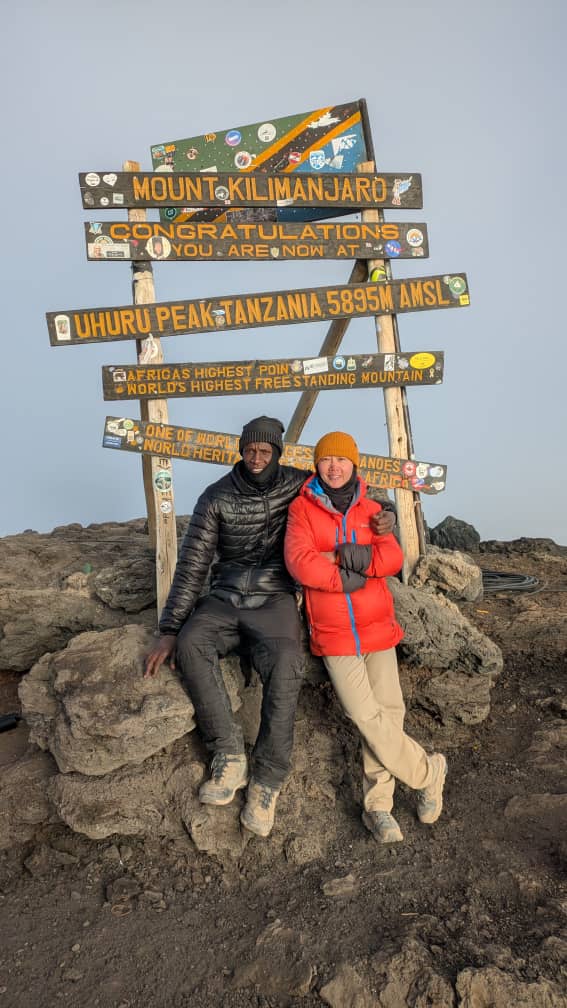
October Kilimanjaro Summit Temperature 2026-2027
October Kilimanjaro Summit Temperature is explained with current 2026-2027 planning, price, itinerary and booking information.
View package details
September Kilimanjaro Summit Night Temperature 2026-2027
September Kilimanjaro Summit Night Temperature is explained with current 2026-2027 planning, price, itinerary and booking information.
View package details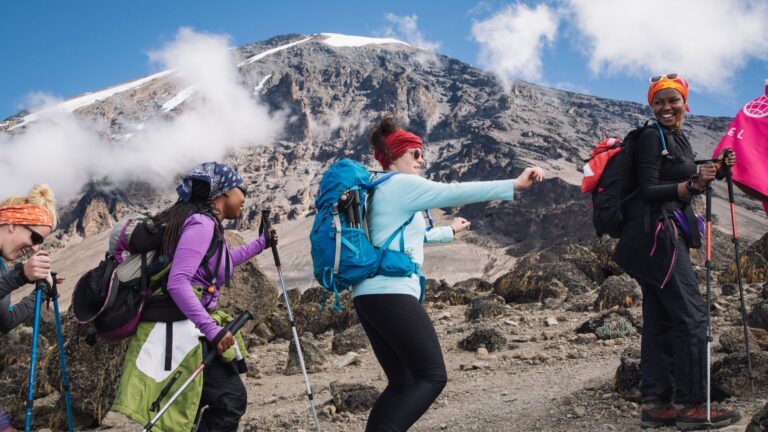
Youngest Girl To Summit Kilimanjaro – Ashleen Mandrick 2026-2027
Youngest Girl to Summit Kilimanjaro – Ashleen Mandrick is explained with current 2026-2027 planning, price, itinerary and booking information.
View package details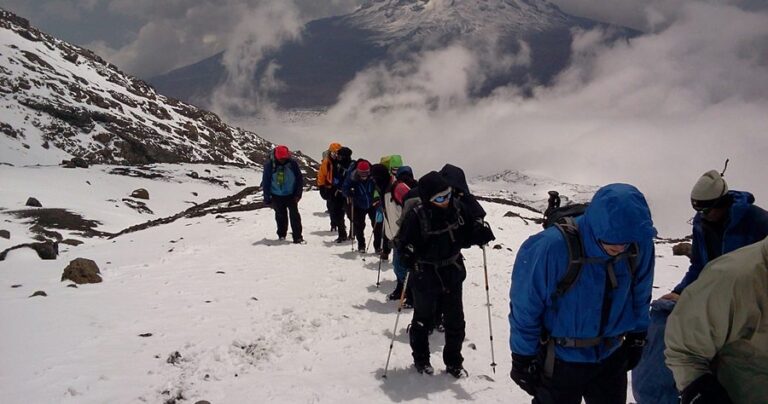
Oldest Man To Summit Kilimanjaro – Fred Distelhorst 2026-2027
Oldest Man to Summit Kilimanjaro – Fred Distelhorst is explained with current 2026-2027 planning, price, itinerary and booking information.
View package detailsOldest Person To Summit Kilimanjaro: Anne Lorimors Record-Breaking Climb
Anne Lorimor made history by becoming the oldest person to summit Mount Kilimanjaro at the age of 89. This article explores her incredible achievement, the challenges involved, and how...
View package details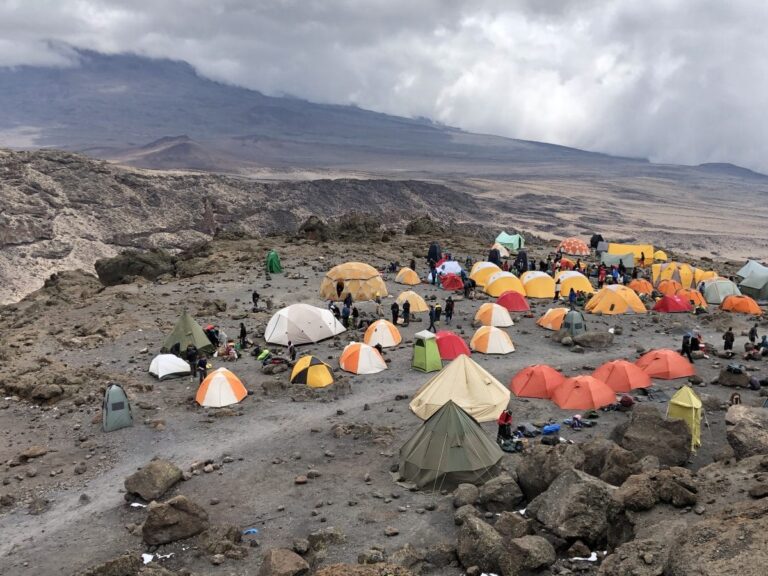
First People To Summit Mount Kilimanjaro – Hans Meyer, Ludwig Purtscheller
First People to Summit Mount Kilimanjaro – Hans Meyer, Ludwig Purtscheller and Yohani Lauwo is explained with current 2026-2027 planning, price, itinerary.
View package details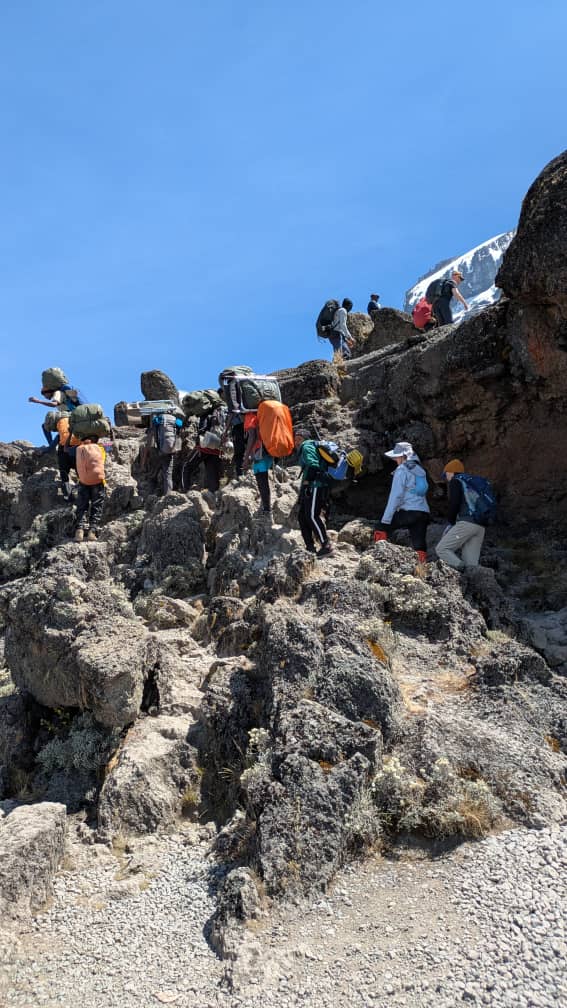
Best Kilimanjaro Route For A May Summit In : Your Expert Guide 2026-2027
Planning a Kilimanjaro climb in May? This guide details the best routes for a successful summit, considering weather patterns, acclimatization, and scenery for your 2026-2027 adventure.
View package details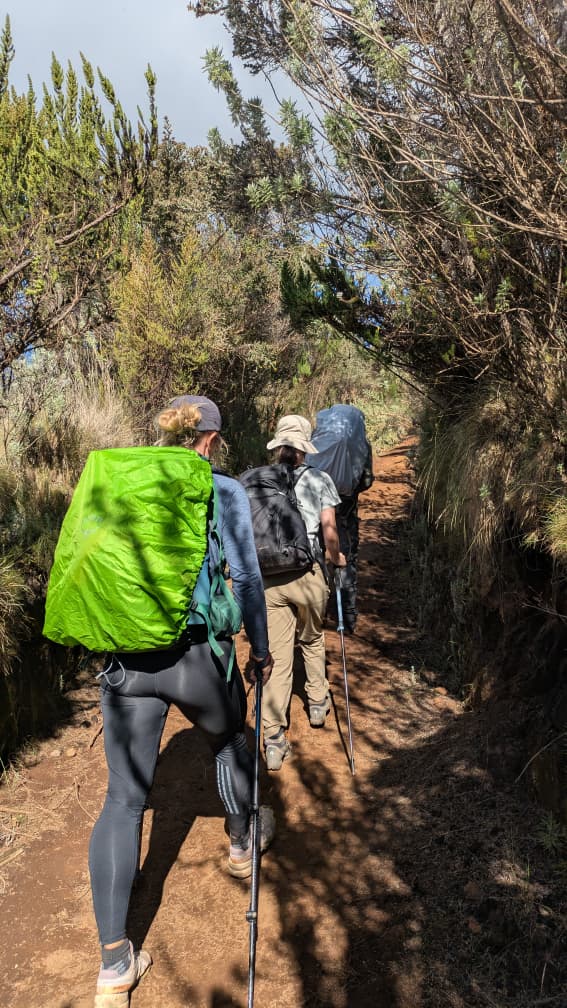
8-Day Lemosho Route Kilimanjaro Climb In January | Top Guide Adventures
An in-depth guide to the 8-day Lemosho Route Kilimanjaro climb during January, detailing the itinerary, weather, costs, and preparation needed for a successful trek in 2026-2027. Expert...
View package details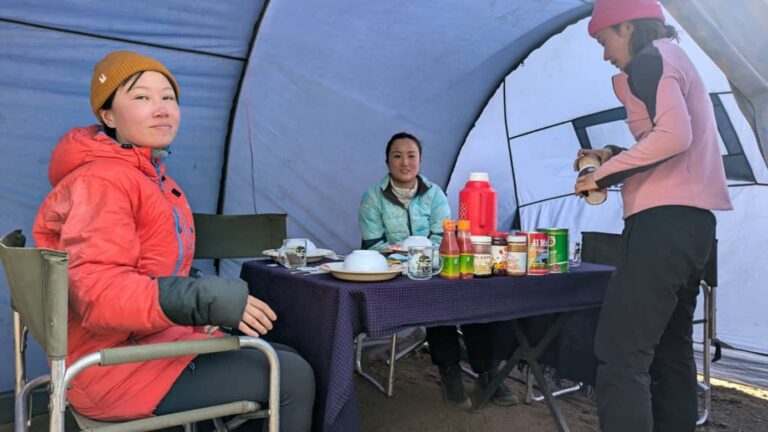
New Year Kilimanjaro Summit Expedition 2026-2027
New Year Kilimanjaro Summit Expedition is explained with current 2026-2027 planning, price, itinerary and booking information.
View package details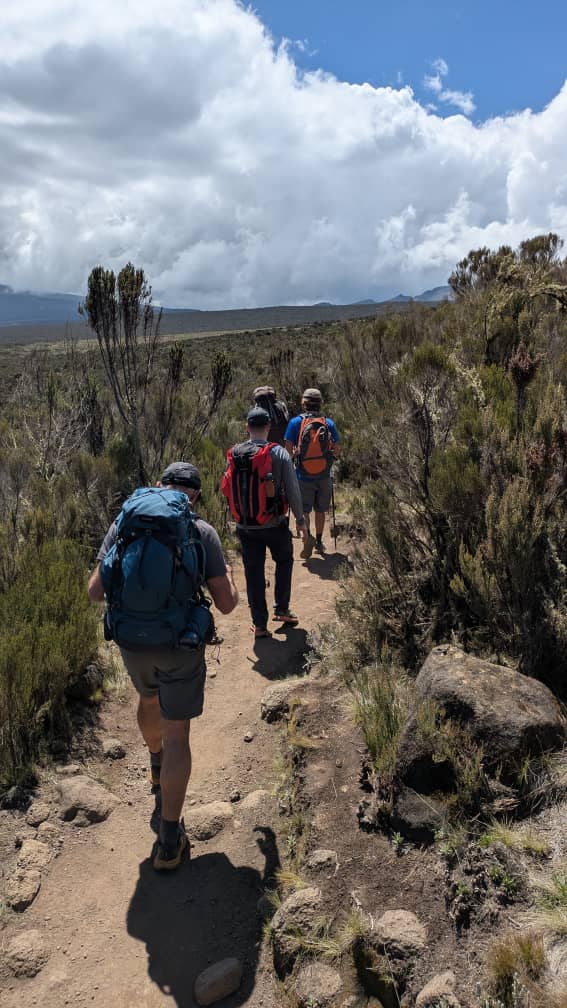
December Kilimanjaro Full-Moon Summit Trek: Your Ultimate Guide 2026-2027
start an unforgettable December Kilimanjaro full-moon summit trek. This guide details routes, preparation, and the unique magic of climbing under a full moon in 2026-2027, with expert...
View package details
November Kilimanjaro Summit Night Weather: What To Expect And How To Prepare
Climbing Kilimanjaro in November? This guide details the summit night weather, including temperature ranges, wind chill, precipitation chances, and crucial preparation tips for a successful...
View package detailsNo related package matches those filters. Clear one or more filters to see the other topic-matched options.



