
Packing for Kilimanjaro in January involves preparing for a wide range of weather, from warm, humid conditions at the base to freezing, potentially snowy, or icy conditions near the summit. Essential items include waterproof and windproof outer layers, warm mid-layers like fleece and down, thermal base layers, sturdy hiking boots, a good sleeping bag, and sun protection. You’ll need a comprehensive system of layering to adapt to the significant temperature fluctuations across the mountain’s climate zones.
Understanding Kilimanjaro’s January Climate: A Tale of Two Seasons
January on Kilimanjaro typically falls within the mountain’s shorter dry season, which generally runs from mid-December to February. This makes it a popular time for trekkers aiming for clearer skies and better visibility. However, ‘dry’ on Kilimanjaro is relative. While you’re less likely to encounter prolonged heavy rains than during the main rainy seasons (March-May and November), January can still bring intermittent showers, especially on the lower slopes. More significantly, the higher altitudes, particularly above the ‘alpine desert’ zone, will be cold, often below freezing, and can experience snow or ice, especially on summit night. Temperatures can plummet to -15°C to -20°C (5°F to -4°F) or even lower at the summit, while the base camp might be a balmy 20-25°C (68-77°F). Understanding this dramatic temperature gradient is key to packing effectively for your Kilimanjaro climb in January 2026 or January 2027.
Layering is Key: The Foundation of Your Kilimanjaro Wardrobe
The principle of layering is non-negotiable for any Kilimanjaro trek, and it’s particularly crucial in January when you’ll experience the full spectrum of mountain weather. Your packing strategy should revolve around a three-layer system, supplemented by specialized items for extreme conditions.
1. Base Layers: Wicking Away Moisture
These are your next-to-skin garments, designed to draw sweat away from your body, keeping you dry and warm. Cotton is a strict no-go as it retains moisture and will make you cold. Opt for synthetic materials like polyester or merino wool.
- Long-sleeved thermal tops: Pack at least 2-3. Merino wool is excellent for warmth and odor resistance, while synthetics are often more budget-friendly and quick-drying.
- Thermal bottoms: Bring 2 pairs. These are essential for sleeping and for colder trekking days.
- Underwear: Moisture-wicking fabrics are best. Pack enough for the duration of your trek, or plan to hand wash.
- Sports bra: For women, choose moisture-wicking materials.
2. Mid Layers: Insulation and Warmth
These layers trap body heat and provide insulation. You’ll likely use multiple mid-layers depending on the temperature. Fleece and down are your best friends here.
- Fleece jacket or pullover: A mid-weight fleece (e.g., 200-weight) is versatile. Bring 1-2.
- Insulated jacket (down or synthetic): This is vital for cold evenings, camp, and summit night. A down jacket with a good fill power (e.g., 600+) offers the best warmth-to-weight ratio, but synthetic insulation is a good alternative, especially if it might get wet. Ensure it’s compressible for packing.
- Fleece trousers or insulated pants: Useful for evenings at camp or as an extra layer over thermals on very cold days.
3. Outer Layers: Protection from the Elements
These are your shell layers, designed to protect you from wind and rain. They should be waterproof and breathable.
- Waterproof and breathable jacket (hardshell): This is your primary defense against rain and wind. Look for features like a hood, adjustable cuffs, and pit zips for ventilation. Gore-Tex or similar membrane technology is recommended.
- Waterproof and breathable trousers: Essential for protecting your legs from rain and wind. Full-length side zips make them easier to put on and take off over boots.
Footwear: Your Most Critical Gear
Your feet will carry you up Kilimanjaro. Investing in good quality, broken-in footwear is paramount. January’s conditions can mean wet trails and icy summit paths.
- Hiking boots: Mid-to-high ankle support is crucial. They must be waterproof and well broken-in before your trek to avoid blisters. Aim for sturdy, supportive boots.
- Camp shoes/sandals: Lightweight and comfortable for relaxing at camp. Crocs or sturdy sandals work well.
- Liner socks: Thin socks worn under your main hiking socks to help prevent blisters and add warmth. Pack 3-4 pairs.
- Hiking socks: Thick, wool or synthetic socks. Pack at least 4-5 pairs. You’ll want to have dry socks available at all times.
- Gaiters: Highly recommended for January. They keep mud, scree, and water out of your boots and help prevent snow from getting in on higher sections.
Boots: Break Them In Early!
Do not buy new hiking boots just before your Kilimanjaro trip. Wear them on several hikes, including some challenging terrain, to ensure they fit perfectly and are comfortable. Blisters can severely impact your trek, especially in January’s potentially wet and cold conditions.
Headwear and Handwear: Protecting Extremities
Your head and hands lose heat rapidly and are susceptible to frostbite at higher altitudes. Proper protection is vital for comfort and safety in January.
- Warm hat (beanie): Wool or fleece, covering your ears. Essential for warmth.
- Balaclava or neck gaiter/buff: For protecting your face and neck from wind and cold, especially on summit night. A buff can also be used as a headband or for sun protection.
- Sun hat or wide-brimmed cap: For protection against the strong equatorial sun on lower slopes and during the day.
- Gloves:
- Liner gloves: Thin, moisture-wicking gloves for dexterity and mild warmth.
- Warm, waterproof gloves or mittens: Mittens generally offer superior warmth as they keep your fingers together. Ensure they are fully waterproof and windproof for summit night.
Sleeping Gear: Essential for Rest and Recovery
While tour operators often provide sleeping mats, a good sleeping bag is a personal necessity. January can bring very cold nights, even at lower camps.
- Sleeping bag: Rated for at least -10°C to -20°C (0°F to -4°F) comfort. A down-filled bag is ideal for its warmth and compressibility. Ensure it’s rated for the conditions you’ll face. Top Guide Adventures can provide rental options if needed.
- Sleeping bag liner: Adds warmth and keeps your sleeping bag cleaner. Silk or fleece liners are good options.
- Inflatable pillow (optional): A small comfort item. Many use stuff sacks filled with clothes.
Trekking Poles: Stability and Reduced Impact
Trekking poles are highly recommended for Kilimanjaro, especially in January. They significantly reduce the impact on your knees during descents and provide stability on uneven terrain and potentially icy paths.
- Adjustable trekking poles: Ensure they are sturdy and have a locking mechanism. Consider ones with interchangeable tips for different terrains.
Backpack and Duffel Bag: Carrying Your Gear
You’ll need two main bags: a daypack for items you need during the day’s hike and a larger duffel bag for your main gear, which will be carried by porters.
- Daypack (30-40 liters): This should be comfortable to wear, with padded shoulder straps and a waist belt. It needs to accommodate your water, snacks, rain gear, warm layers, sun protection, camera, and first-aid kit. A waterproof cover for your daypack is advisable, even in January.
- Duffel bag (80-100 liters): This should be durable, waterproof, and easily identifiable. Porters will carry this bag. Ensure it’s not excessively heavy, as porters have weight limits.
- Dry bags: Pack essential items like your sleeping bag, spare clothes, and electronics in dry bags inside your duffel to ensure they stay dry, even if the duffel gets wet.
Hydration and Nutrition: Staying Fueled and Hydrated
Dehydration is a significant risk on Kilimanjaro, and January’s dry air at altitude exacerbates this. Staying hydrated is crucial for acclimatization and energy levels.
- Water bottles or hydration reservoir: Bring at least 3 liters of water-carrying capacity. Hydration reservoirs (like CamelBaks) are convenient, but tubes can freeze at high altitudes in January. Insulated bottles or keeping the reservoir inside your jacket is recommended.
- Water purification tablets or filter: While porters will boil water, having a backup is wise.
- Electrolyte tablets or powder: Helps replenish salts lost through sweat and aids hydration.
- Snacks: High-energy snacks like energy bars, nuts, dried fruit, and chocolate are great for quick boosts during the trek. While your guide will provide meals, carrying your own snacks is essential.
Health and Safety: Essential First-Aid and Personal Items
Being prepared for minor ailments and personal needs is crucial for a comfortable and safe climb.
- Personal first-aid kit: Include blister treatment (moleskin, bandages), pain relievers (ibuprofen, paracetamol), antiseptic wipes, personal medications, diarrhea medication, and any specific items recommended by your doctor.
- Sunscreen: High SPF (30-50+). The sun is intense at altitude, even on cloudy days.
- Lip balm with SPF: Protects against sun and wind.
- Insect repellent: Essential for the lower rainforest sections.
- Hand sanitizer: For maintaining hygiene.
- Toiletries: Travel-sized items. Include biodegradable soap, toothbrush, toothpaste, and any personal items.
- Toilet paper: Pack a few rolls; it’s not always available at campsites.
- Wet wipes: Useful for personal hygiene and cleaning.
- Prescription medications: Bring enough for your trip plus a buffer.
- Diamox (Acetazolamide): Consult your doctor about altitude sickness medication.
- Headlamp or flashlight: With extra batteries. Essential for navigating camps and for summit night.
January Summit Night Essentials Checklist
Summit night is the most challenging part of your Kilimanjaro climb, and in January, it will be extremely cold. Ensure you have these items readily accessible:
- Waterproof and windproof outer layers (jacket and trousers)
- Warmest insulated jacket (down or synthetic)
- Warm hat and balaclava/neck gaiter
- Warmest waterproof gloves or mittens
- Liner gloves
- Thermal base layers (top and bottom)
- Warm socks
- Headlamp with extra batteries
- Hot water bottle (filled by your crew)
- High-energy snacks
- Lip balm and sunscreen
Clothing Summary for January Kilimanjaro Climbs
To reiterate the core clothing needs for a January Kilimanjaro expedition, think in terms of layers and protection. The goal is to adapt to temperatures ranging from tropical heat to arctic cold.
Base Layers (Moisture Wicking):
- 2-3 long-sleeved thermal tops (merino wool or synthetic)
- 2 pairs of thermal bottoms (merino wool or synthetic)
- Moisture-wicking underwear
Mid Layers (Insulation):
- 1-2 mid-weight fleece jackets or pullovers
- 1 heavy insulated jacket (down or synthetic fill, rated for -15°C or colder)
- Optional: Fleece trousers or insulated pants for extra warmth at camp.
Outer Layers (Waterproof & Windproof):
- 1 high-quality waterproof and breathable jacket with hood
- 1 pair of waterproof and breathable trousers with side zips
Headwear:
- 1 warm beanie (fleece or wool)
- 1 balaclava or neck gaiter/buff
- 1 sun hat or cap
Handwear:
- 1 pair of thin liner gloves
- 1 pair of warm, waterproof, insulated gloves or mittens (mittens are warmer)
Footwear:
- 1 pair of sturdy, waterproof, broken-in hiking boots
- 1 pair of comfortable camp shoes (e.g., sandals, Crocs)
- 4-5 pairs of wool or synthetic hiking socks
- 3-4 pairs of liner socks
- 1 pair of gaiters
Essential Trekking Gear Checklist
Beyond clothing, several pieces of gear are crucial for comfort, safety, and successful navigation on Kilimanjaro.
- Duffel bag (80-100L): Waterproof, sturdy, for porters.
- Daypack (30-40L): Waterproof cover recommended.
- Sleeping bag: Rated to -10°C to -20°C.
- Sleeping bag liner: For added warmth and hygiene.
- Trekking poles: Adjustable, with good locking mechanisms.
- Headlamp: With extra batteries.
- Water bottles/reservoir: Minimum 3L capacity.
- Dry bags: For protecting critical gear.
- Sunglasses: High UV protection.
- Camera and spare batteries/memory cards.
- Power bank: To charge electronics.
- Book, journal, pen: For downtime.
- Small towel: Quick-drying microfiber.
- Personal first-aid kit.
- Sunscreen and lip balm with SPF.
- Insect repellent.
- Hand sanitizer.
- Toiletries and toilet paper.
- Snacks.
- Diamox (if prescribed).
- Passport and visa copies.
- Travel insurance details.
Choosing Your Kilimanjaro Route in January
While packing is universal, your route choice can influence some aspects of your trip. January’s generally good weather makes most routes viable. The most popular routes for January climbs are:
- Machame Route: Known for its scenic beauty and high success rates due to its ‘climb high, sleep low’ profile. It’s considered a challenging route, taking 6-7 days.
- Lemosho Route: Similar to Machame but starts on the western side, offering more remote trekking for the first few days. Typically 7-8 days.
- Marangu Route: The oldest and most direct route, often called the ‘Coca-Cola’ route. It uses dormitory-style huts instead of camping. While it’s the shortest (5 days), its lower acclimatization profile often leads to lower success rates. A 6-day option improves chances.
- Northern Circuit: The longest route (9-10 days), offering the highest success rates due to excellent acclimatization. It circumnavigates the mountain, providing unique views.
For a January climb, routes that offer more acclimatization days, like the Northern Circuit or longer versions of Lemosho or Machame (7-8 days), are highly recommended for increasing your chances of reaching the summit, especially given the potential for extreme cold on summit night.
Kilimanjaro Costs and Booking for January 2026/2027
When planning your Kilimanjaro climb for January 2026 or January 2027, understanding the cost structure is important. Prices can vary significantly based on the route, duration, company, and inclusions.
Generally, Kilimanjaro climbs are quoted on a per-person basis and include:
- Park entrance fees
- Camping or hut fees
- Crew wages (guides, porters, cook)
- Food during the trek
- Tents, cooking equipment
- Transfer to and from the mountain
Costs can range from approximately $1,500 to $4,000+ per person for standard 6-7 day treks. Longer routes or more luxurious service levels will increase the price. January is considered a peak season due to the dry weather, so booking well in advance for 2026 or 2027 is advisable to secure your preferred dates and operators.
At Top Guide Adventures, we offer personalized trekking experiences for Kilimanjaro. We understand the importance of quality gear, experienced guides, and proper acclimatization for a successful climb, especially during the challenging January conditions. We can help you select the best route for your fitness and experience level, and provide detailed packing lists tailored to your specific climb. Our packages for 2026 and 2027 are designed to offer exceptional value and support.
Get Your Custom Kilimanjaro Quote for 2026-2027
Contact Top Guide Adventures today for a detailed itinerary and a personalized quote for your Kilimanjaro climb in January 2026 or 2027. We pride ourselves on providing top-notch service and ensuring your adventure is safe and unforgettable.
WhatsApp: +255616946642
Email: topguideadventures@gmail.com
Backup Email: info@topguideadventures.com
Preparing for Your Kilimanjaro January Climb: Fitness and Acclimatization
Beyond packing, physical preparation is key. While you don’t need to be an elite athlete, a good level of cardiovascular fitness is essential. Focus on:
- Aerobic exercise: Hiking, running, cycling, swimming for at least 3-4 times a week in the months leading up to your trek.
- Strength training: Focus on legs and core.
- Practice hikes: Include some hikes with elevation gain and carrying a weighted backpack.
Acclimatization is the body’s process of adapting to lower oxygen levels at high altitude. There is no shortcut for this. Choosing a longer route (7-9 days) significantly aids acclimatization. Listen to your body, stay hydrated, and ascend slowly. Your guides will monitor you closely for signs of altitude sickness. January’s cold can mask some symptoms, making careful self-monitoring and guide communication even more critical.
Final Thoughts on Packing for Kilimanjaro in January
A successful Kilimanjaro climb in January hinges on being well-prepared, and that starts with your packing list. By adhering to the layering principle, investing in quality gear, and considering the specific challenges of January’s weather – namely cold temperatures, potential ice, and intermittent rain – you’ll be well-equipped to tackle the mountain. Remember that quality sleep is crucial for recovery, so ensure your sleeping bag is rated for the extreme cold. Trekking poles will save your knees, and proper hydration and sun protection are vital even in the cold.
Top Guide Adventures is dedicated to ensuring your Kilimanjaro experience is safe, enjoyable, and successful. We work with experienced guides who understand the mountain intimately, especially during the winter months of January. We can advise on the best gear, help with rentals if needed, and provide comprehensive support throughout your journey. Don’t hesitate to reach out to us for any questions regarding your 2026 or 2027 Kilimanjaro adventure.
WhatsApp: +255616946642
Email: topguideadventures@gmail.com
Backup Email: info@topguideadventures.com
We look forward to helping you achieve your dream of summiting Kilimanjaro!
Check Availability for What To Pack For Kilimanjaro In January : Your Essential Gear Guide…
Ready to compare dates, prices, and the best option for your group? Send the package name and travel month so the team can reply with a clear quote, availability, and what is included.
What To Pack For Kilimanjaro In May : Your Essential Gear Guide 2026-2027
Packing for Kilimanjaro in May requires careful consideration of its transitional weather. This guide covers everything you need, from base layers to waterproofs, ensuring a comfortable and...
View package details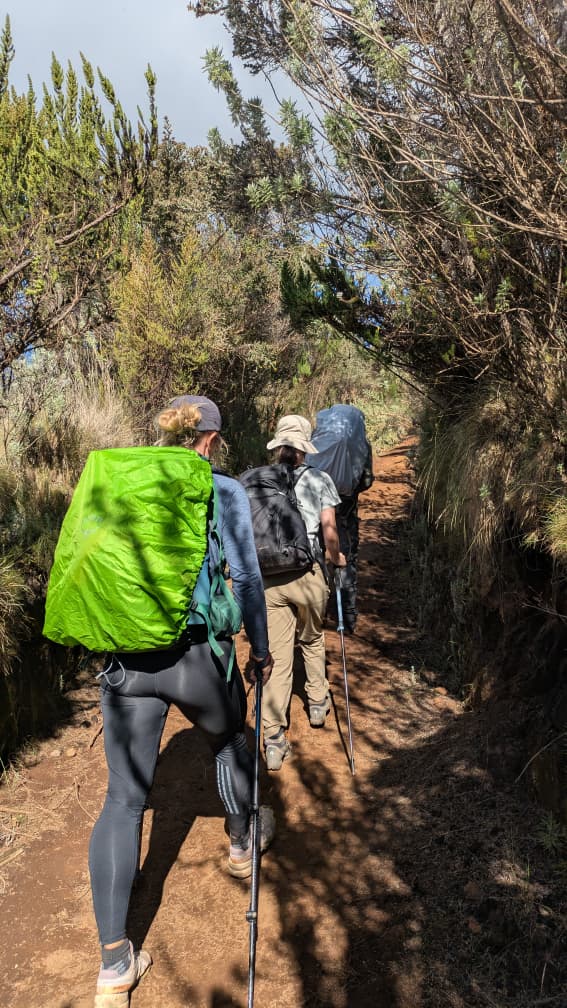
8-Day Lemosho Route Kilimanjaro Climb In January | Top Guide Adventures
An in-depth guide to the 8-day Lemosho Route Kilimanjaro climb during January, detailing the itinerary, weather, costs, and preparation needed for a successful trek in 2026-2027. Expert...
View package details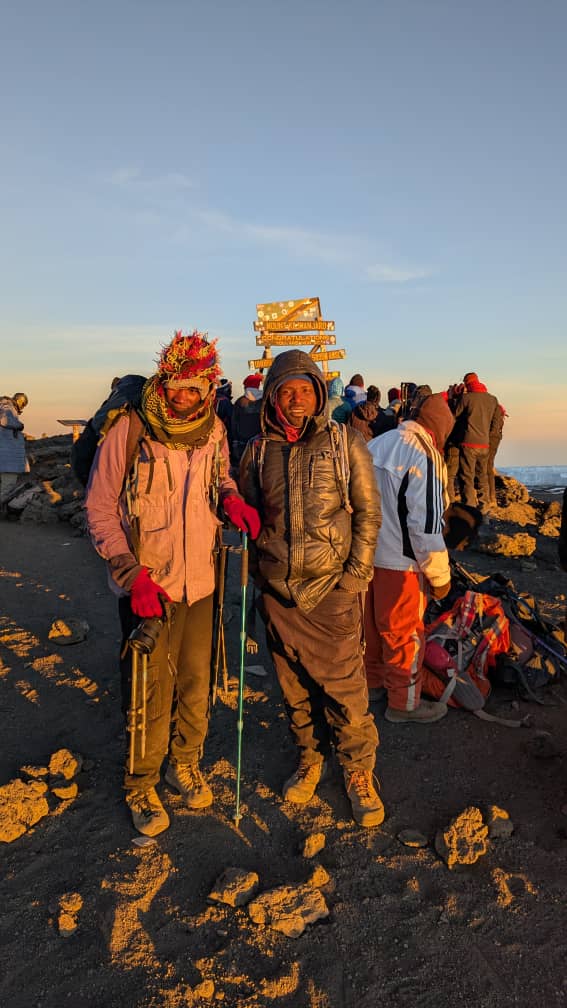
December Kilimanjaro Packing Checklist: Essential Gear For Climbs 2026-2027
Prepare for your December Kilimanjaro climb with our comprehensive packing checklist. This guide covers essential gear, clothing, and tips for conquering Africa's highest peak in the dry...
View package detailsDecember Kilimanjaro Summit Temperature: What To Expect In 2026-2027
Planning a Kilimanjaro climb in December? Understand the extreme cold at the summit, essential gear, and how to prepare for the challenging conditions expected in 2026-2027.
View package details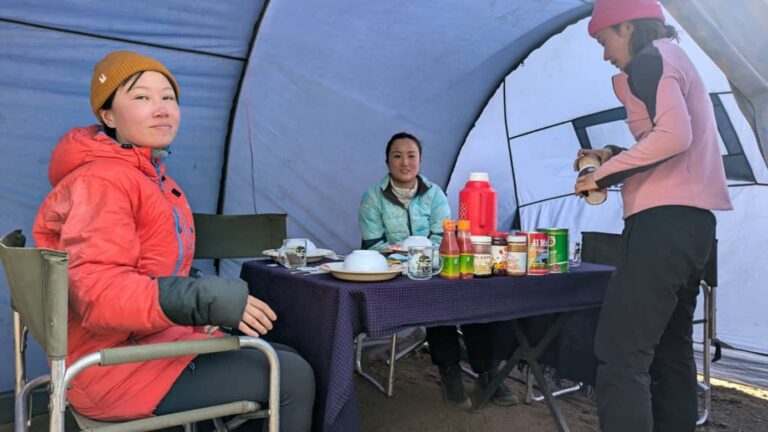
December Kilimanjaro And Zanzibar Christmas Package : Your Ultimate Holiday
Combine the thrill of climbing Mount Kilimanjaro with the relaxation of a Zanzibar Christmas. This guide details packages for December 2026 and 2027, offering adventure and festive cheer.
View package detailsDecember Kilimanjaro Family Holiday Package: Your Ultimate Adventure Guide
Explore Top Guide Adventures' December Kilimanjaro family holiday packages for 2026-2027. This comprehensive guide covers everything families need to know, from route selection and...
View package details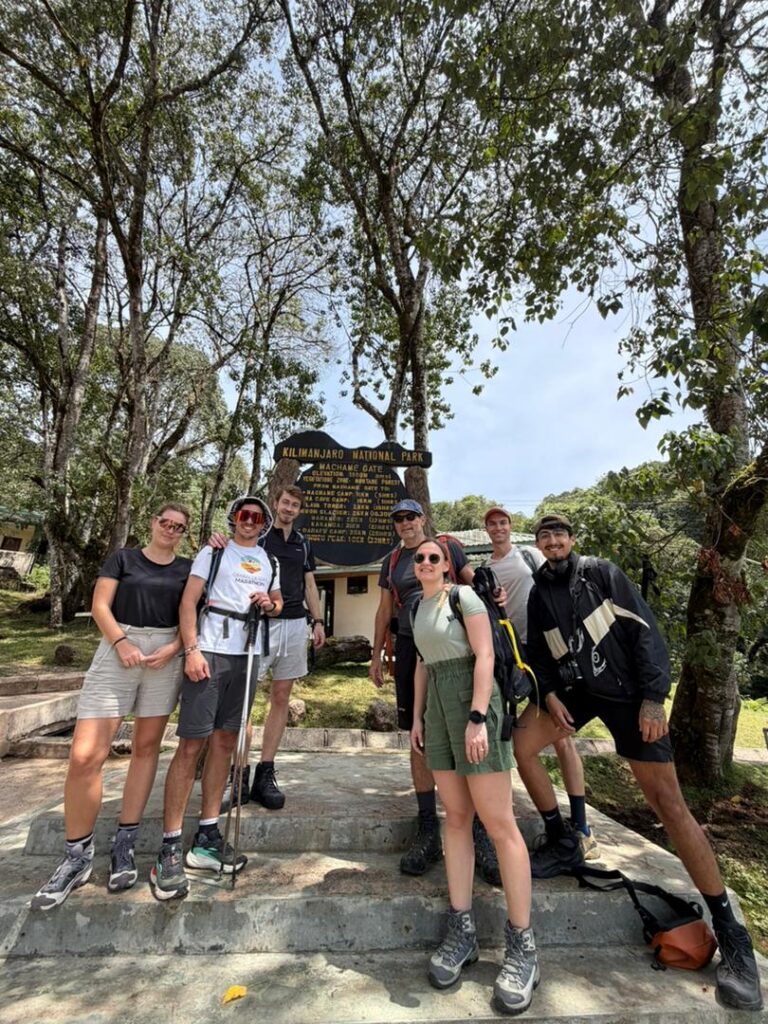
Christmas Kilimanjaro Climbing Package : Your Ultimate Guide 2026-2027
Discover everything you need to know about climbing Mount Kilimanjaro during the Christmas season with a comprehensive package guide for 2026-2027. Learn about routes, preparation, and what...
View package details
November Kilimanjaro Thanksgiving Holiday Package | Top Guide Adventures
Plan your Kilimanjaro climb this Thanksgiving with Top Guide Adventures. Our November packages offer a unique blend of challenge and celebration, ensuring an unforgettable mountain...
View package details
November Kilimanjaro Summit Night Weather: What To Expect And How To Prepare
Climbing Kilimanjaro in November? This guide details the summit night weather, including temperature ranges, wind chill, precipitation chances, and crucial preparation tips for a successful...
View package detailsNovember Kilimanjaro And Safari Package: Your Ultimate Tanzania Adventure
Explore comprehensive details for a November Kilimanjaro and Safari package in Tanzania, covering the best routes, packing essentials, safari experiences, and planning tips for 2026-2027...
View package detailsNovember Kilimanjaro Private Climbing Package: Your Expert Guide For 2026-2027
Secure your November Kilimanjaro private climbing package for 2026-2027 with Top Guide Adventures. This comprehensive guide covers route options, weather expectations, essential...
View package details
October Kilimanjaro Luxury Camping Package: Your Ultimate Adventure 2026-2027
Secure your spot on a 2026 or 2027 October Kilimanjaro luxury camping adventure with Top Guide Adventures. This package offers premium service, expert guidance, and a comfortable climb.
View package detailsNo related package matches those filters. Clear one or more filters to see the other topic-matched options.



