
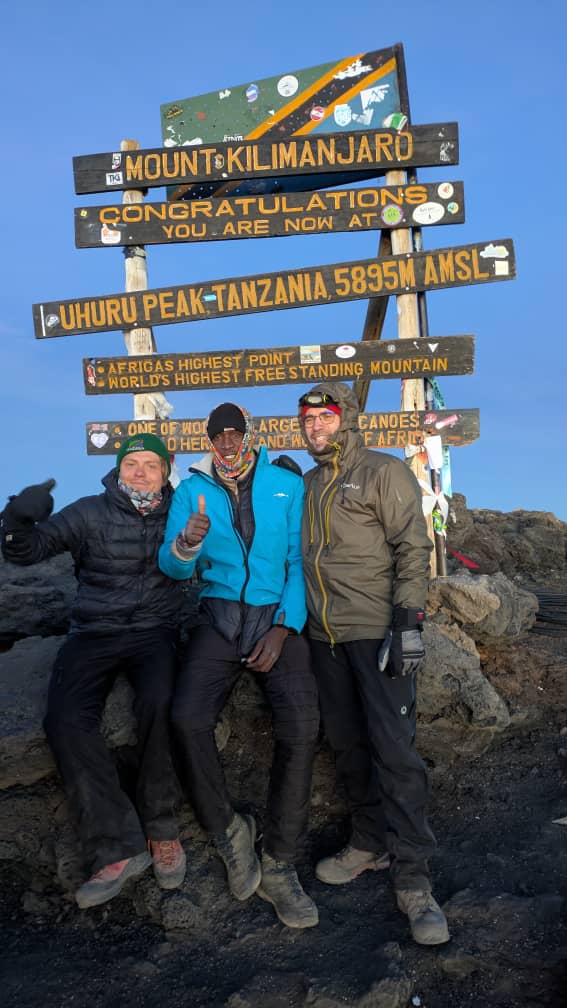
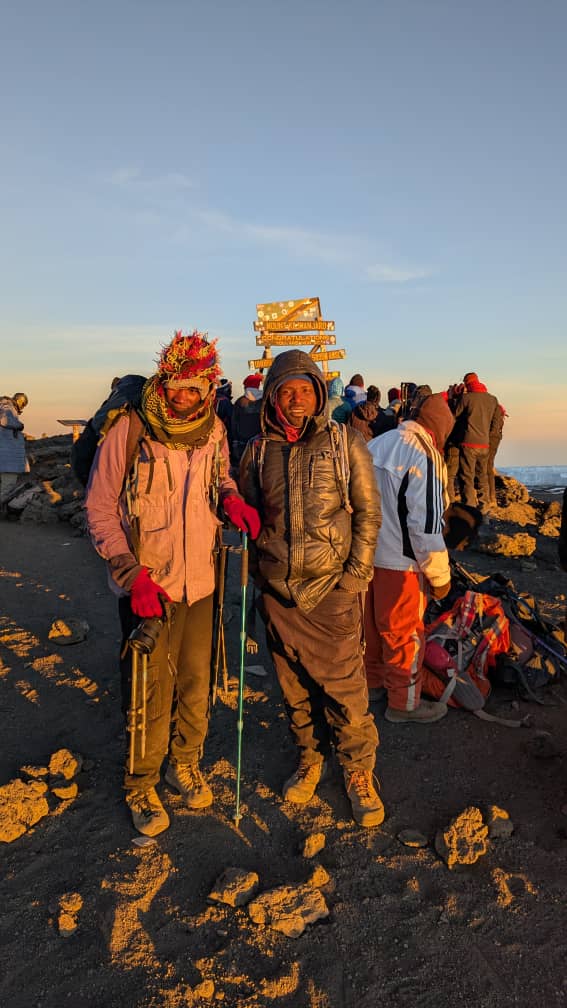
January is generally considered a very good month to climb Kilimanjaro, falling within one of its two main dry seasons. This period typically offers clear skies, good visibility, and stable weather conditions, making it ideal for trekking. While daytime temperatures can be pleasant, nights at higher altitudes will be cold, and snow is common on the summit. January also tends to see fewer crowds than the peak months of July and August, offering a more serene experience, especially for those planning their 2026 or 2027 ascent.

Kilimanjaro in January: A Detailed Look at Conditions for 2026-2027 Trekkers
When planning a trek up Africa’s highest peak, the timing of your climb is paramount. Many aspiring mountaineers ask, “Is January a good month to climb Kilimanjaro?” The answer is a resounding yes, but with important nuances to consider. As a trusted tour operator in Tanzania, Top Guide Adventures has guided countless clients to the summit during January, observing its distinct advantages and potential challenges. This guide will provide an in-depth look at what trekkers can expect in January 2026, 2027, and beyond, helping you make an informed decision for your Kilimanjaro adventure.
January marks the beginning of the year and, crucially for Kilimanjaro climbers, it falls within the mountain’s dry season. This season is characterized by lower humidity, less rainfall, and generally clearer skies, which are vital for a successful and enjoyable ascent. The weather on Kilimanjaro, however, is famously variable, with conditions changing dramatically with altitude and time of day. Understanding these microclimates is key to preparing adequately for a January climb.
Understanding Kilimanjaro’s Climate Seasons
Kilimanjaro experiences two distinct dry seasons and two rainy seasons each year. Knowing these cycles helps in choosing the best month for your climb. The major dry seasons are:
- June to October: This is the longest and most popular dry season, known for its cool, dry, and clear conditions.
- December to February: This is the shorter dry season, generally warmer than the June-October period, with good visibility. January falls squarely within this window.
The rainy seasons are:
- March to May: The long rains, characterized by heavy rainfall, mist, and cloudy conditions, especially at mid-altitudes.
- November: The short rains, typically lighter and more sporadic than the long rains, but still capable of affecting visibility and trail conditions.
Given this breakdown, it’s clear why January is favored by many. It offers a sweet spot between the more crowded peak season of July-August and the potentially challenging weather of the transitional months.
January Weather on Kilimanjaro: What to Expect
The weather on Kilimanjaro in January is generally favorable for climbing. You can anticipate:
- Clear Skies and Good Visibility: Mornings and evenings are often crisp and clear, offering stunning views of the surrounding landscape and Mount Meru. This visibility is crucial for appreciating the dramatic scenery and for safety.
- Moderate Temperatures: Daytime temperatures in the lower and middle altitudes (e.g., rainforest and moorland zones) are typically pleasant, ranging from 15°C to 25°C (59°F to 77°F).
- Cold at High Altitudes: As you ascend into the alpine desert and arctic zones, temperatures drop significantly. Expect freezing temperatures, especially at night and during summit attempts. Temperatures can range from -5°C to -20°C (23°F to -4°F) or even colder, particularly at the summit (Uhuru Peak) during the pre-dawn hours of your summit push.
- Minimal Rainfall: January sees very little rainfall compared to the wet seasons. While occasional light showers are possible, they are usually brief and do not typically disrupt the climb for extended periods.
- Snow on the Summit: The summit area, including the glaciers and the crater rim, will almost certainly be covered in snow and ice. This adds to the challenge and requires appropriate gear.
Crowd Levels in January
Compared to the peak climbing months of July and August, January is generally less crowded. While Kilimanjaro attracts climbers year-round, the period between December and February often sees a moderate number of trekkers. This means:
- More Space on the Trails: You’re less likely to encounter large groups on the paths, allowing for a more personal and peaceful trekking experience.
- Better Availability for Accommodation: While not a major concern on the mountain itself (campsites are plentiful), booking flights and pre- or post-climb accommodation in Moshi or Arusha might be slightly easier.
- More Personal Attention from Guides: With smaller groups, your guide and support crew can offer more individualized attention, ensuring your safety and comfort are prioritized.
For trekkers who prefer a less congested mountain experience, January is an excellent choice. It offers a good balance of favorable weather and manageable crowd levels, making it a popular pick for those planning their 2026 and 2027 expeditions.
Choosing Your Route for a January Kilimanjaro Climb
While January’s weather is generally good across the mountain, the choice of route can still influence your experience. Different routes offer varying acclimatization profiles, scenery, and comfort levels. For a January climb, routes that offer good acclimatization are always recommended, regardless of the month.
Popular Routes in January
Most of Kilimanjaro’s established routes are viable in January. Here are a few of the most recommended, considering acclimatization and scenery:
Machame Route
Duration: 6-7 days
The Machame route, often called the “Whiskey” route, is highly popular due to its excellent acclimatization profile, following a “climb high, sleep low” strategy. It offers diverse scenery, from rainforest to alpine desert. In January, the clear skies enhance the dramatic landscapes. A 7-day Machame climb is particularly recommended for better acclimatization.
Why it’s good for January: Excellent acclimatization, stunning views enhanced by clear skies.
Lemosho Route
Duration: 7-8 days
The Lemosho route is known for its beauty and excellent acclimatization. It’s a longer route, offering more time for the body to adjust to the altitude. The initial days pass through pristine forest, and the views from the western side of the mountain are spectacular, especially under the clear January skies. An 8-day Lemosho trek provides the best chances of success.
Why it’s good for January: Superior acclimatization, remote and beautiful scenery, great for photography with clear light.
Marangu Route
Duration: 5-6 days
The Marangu route, or “Coca-Cola” route, is the oldest and most established. It’s known for its “huts” accommodation, offering a more comfortable experience than camping. However, its shorter duration (especially the 5-day option) means a less gradual acclimatization, which can be more challenging. While viable in January, it’s generally less recommended for acclimatization compared to Machame or Lemosho.
Why it’s good for January: Offers hut accommodation, potentially less challenging for those seeking comfort rather than solitude.
Northern Circuit
Duration: 9-10 days
The longest route, the Northern Circuit, offers the best acclimatization profile and the highest success rates. It circles the mountain, providing incredible panoramic views. If you have the time and want the most comfortable acclimatization experience in January, this is the route to consider.
Why it’s good for January: Highest success rates due to excellent acclimatization, diverse and spectacular views, less crowded.
Route Considerations for January
- Acclimatization is Key: Regardless of the month, prioritizing acclimatization is crucial. Longer routes (7+ days) significantly increase your chances of reaching the summit safely. This is especially true if you are new to high-altitude trekking.
- Trail Conditions: While January is dry, trails can still be muddy in the rainforest section, especially after any infrequent showers. Good waterproof boots and gaiters are essential. Higher up, trails can be rocky and scree-covered.
- Summit Night: The summit night (the final push to Uhuru Peak) will be extremely cold and challenging. January’s dry conditions mean less chance of rain or snow obscuring the path, but the cold and wind are significant factors.
What to Pack for a January Kilimanjaro Climb
Proper gear is essential for any Kilimanjaro climb, and January’s specific conditions require careful packing. The key is layering to adapt to the wide temperature fluctuations.
Essential Gear Checklist for January
Clothing Layers
- Base Layers: Moisture-wicking thermal tops and bottoms (merino wool or synthetic). Pack 2-3 sets.
- Mid Layers: Fleece jackets or vests for insulation. Pack 1-2.
- Outer Layer (Shell): Waterproof and windproof jacket and trousers. Essential for protection against the elements, especially on summit night.
- Insulation Layer: A warm down or synthetic jacket (puffer jacket) is crucial for warmth during breaks and at camp, especially at higher altitudes.
Headwear and Handwear
- Warm Hat: Wool or fleece hat that covers your ears.
- Sun Hat: A wide-brimmed hat for sun protection during the day.
- Balaclava or Buff: For protecting your face from wind and cold, especially on summit night.
- Gloves: A pair of thin liner gloves and a pair of warm, waterproof, and windproof outer gloves or mittens.
Footwear
- Hiking Boots: Well broken-in, waterproof, sturdy hiking boots with good ankle support.
- Camp Shoes: Comfortable shoes or sandals for wearing around camp.
- Socks: Several pairs of warm woolen or synthetic hiking socks. Avoid cotton.
- Gaiters: To prevent scree and mud from entering your boots.
Sleeping Gear
- Sleeping Bag: A 4-season sleeping bag rated to at least -15°C (0°F) or -20°C (-4°F) is highly recommended for January.
- Sleeping Bag Liner: Adds extra warmth and keeps your sleeping bag cleaner.
Trekking Equipment
- Backpack: A comfortable daypack (30-40 liters) for carrying essentials during the day’s hike.
- Duffel Bag: A large, waterproof duffel bag (80-100 liters) for your main gear, which will be carried by porters.
- Trekking Poles: Highly recommended for reducing strain on your knees, especially on descents.
- Headlamp: With extra batteries. Essential for navigating in the dark, especially during the pre-dawn summit push.
- Water Bottles/Hydration Reservoir: At least 2-3 liters capacity. Insulated covers are recommended to prevent water from freezing.
- Sunglasses: High-quality, UV-protective sunglasses.
- Sunscreen: High SPF sunscreen.
- Lip Balm: With SPF.
- Personal First-Aid Kit: Including any personal medications, blister treatment, pain relievers, etc.
- Toiletries: Biodegradable soap, toothbrush, toothpaste, wet wipes.
Specific Considerations for January Gear
- Warmth is Paramount: Focus on high-quality insulation for your upper body, hands, and feet. The cold on summit night is a serious factor.
- Waterproofing: While January is dry, having reliable waterproof outer layers is non-negotiable. The mountain weather can change rapidly.
- Sun Protection: The equatorial sun, even in January, can be intense, especially at altitude. High SPF sunscreen, lip balm, and good sunglasses are vital.
Physical and Mental Preparation for a January Climb
Climbing Kilimanjaro is a demanding physical and mental challenge, regardless of the month. January’s conditions, while generally favorable, still require thorough preparation.
Physical Training
Focus on cardiovascular fitness and leg strength. Activities like hiking (especially with a weighted backpack), running, cycling, and stair climbing are excellent. Consistency is key. Aim to train for at least 2-3 months leading up to your climb. Hiking on varied terrain, including hills and steep inclines, will best simulate Kilimanjaro’s trails.
Altitude Acclimatization
While you can’t fully simulate Kilimanjaro’s altitude before you arrive, choosing a longer route (7+ days) is the most effective way to acclimatize on the mountain. Your body needs time to adjust to the lower oxygen levels. Listen to your body, stay hydrated, and ascend slowly.
Mental Preparedness
The mental aspect of climbing Kilimanjaro is as significant as the physical. You will face fatigue, cold, and potentially discomfort. Maintaining a positive attitude, focusing on achievable daily goals, and drawing strength from your support team are crucial. January’s clear skies can be a great motivator, offering rewarding views and a sense of accomplishment.
Health and Safety
Consult your doctor before planning your trip, especially if you have any pre-existing health conditions. Discuss altitude sickness (Acute Mountain Sickness – AMS) and potential preventative medications like Diamox. Ensure your vaccinations are up-to-date.
Pros and Cons of Climbing Kilimanjaro in January
Like any travel decision, choosing January for your Kilimanjaro climb comes with its own set of advantages and disadvantages.
Advantages of a January Climb
- Good Weather: January is part of the dry season, offering a higher probability of clear skies, good visibility, and less rainfall.
- Fewer Crowds: Generally less busy than the peak summer months, providing a more tranquil trekking experience.
- Spectacular Scenery: Clear weather means stunning panoramic views from various points on the mountain.
- Snow on Summit: For those seeking a classic snow-capped peak experience, January is a good bet for seeing snow and ice at the summit.
- Post-Holiday Travel: For some, January offers a chance to use holiday time or travel during a less busy period after the Christmas rush.
Potential Challenges of a January Climb
- Extreme Cold at Summit: While dry, January nights and summit days are very cold, requiring robust cold-weather gear.
- Variable Weather: Although dry, mountain weather is unpredictable. Brief showers or unexpected cloud cover can still occur.
- Altitude Sickness: This is a risk on any climb, regardless of the month. Proper acclimatization and listening to your body are essential.
- Crowds still possible: While generally less crowded than peak season, the period around New Year’s can still see higher numbers of trekkers.
Comparing January to Other Months
To further solidify whether January is the right month for you, consider how it stacks up against other popular climbing periods in 2026 and 2027.
January vs. February
February is also within the dry season and shares many similarities with January. It’s often slightly warmer and can have even fewer crowds than January, especially after the New Year’s rush. However, the weather patterns are very similar, making both excellent choices.
January vs. March
March marks the transition into the long rainy season. While the first half of March can still offer decent conditions, the latter half typically sees increasing rainfall, cloud cover, and poorer visibility. January is generally a more reliable month weather-wise.
January vs. July/August
July and August represent the peak dry season and are arguably the most popular months to climb Kilimanjaro. They offer excellent weather, cool temperatures, and clear skies. The main difference is the crowd size; July and August are significantly busier than January. If you prioritize fewer people on the mountain, January is preferable. If maximum certainty of good weather and slightly cooler temperatures are your priority and crowds don’t bother you, July/August are strong contenders.
January vs. December
December is also part of the shorter dry season. The weather in early December can be similar to January, but it often coincides with holiday travel, potentially leading to more people and higher prices for flights and accommodation. January often offers a slightly more stable weather window and fewer holiday-specific crowds.
Planning Your 2026-2027 Kilimanjaro Adventure in January
Booking your Kilimanjaro climb well in advance is crucial, especially if you have specific dates in mind for January 2026 or 2027. Top Guide Adventures recommends booking at least 6-12 months ahead to secure your preferred dates and routes.
Booking with Top Guide Adventures
At Top Guide Adventures, we specialize in creating personalized and safe Kilimanjaro climbing experiences. When you choose us for your January 2026 or 2027 climb, you benefit from:
- Experienced Local Guides: Our guides are highly trained, certified, and possess extensive knowledge of Kilimanjaro’s routes and safety protocols.
- Quality Equipment: We provide high-quality camping gear and can assist with equipment rental.
- Comprehensive Itineraries: Our itineraries are designed with acclimatization and success rates in mind, ensuring you have the best possible chance of reaching the summit.
- Dedicated Support: From your initial inquiry to your triumphant return, our team provides personal attention, care, and dedicated support.
- Safety First: We adhere to strict safety standards, including carrying comprehensive medical kits and having oxygen cylinders available.
January Departure Dates for 2026-2027
We offer flexible departure dates throughout January. Whether you prefer a private climb or wish to join a group, we can accommodate your needs. Contact us to discuss specific dates for your January 2026 or 2027 climb.
For inquiries and bookings for your January 2026 or 2027 Kilimanjaro climb, please reach out to us:
- WhatsApp: +255616946642
- Email: topguideadventures@gmail.com
- Backup Email: info@topguideadventures.com
Cost Considerations for January Climbs
The cost of climbing Kilimanjaro in January is generally comparable to other months outside the absolute peak season. Prices can vary based on the route chosen, duration, group size (private vs. group climb), and the level of service provided by the tour operator. As a general guideline for 2026-2027:
Typical Cost Ranges (Per Person)
- Budget Operators: Might range from $1,500 – $2,000. Often involves shorter routes or fewer inclusions.
- Mid-Range Operators (like Top Guide Adventures): Typically range from $2,000 – $3,500. These offer excellent value, balancing quality, safety, and inclusions. Our packages focus on longer routes, experienced guides, quality food, and comprehensive safety measures.
- Luxury Operators: Can range from $3,500 – $5,000+. Offer premium services, higher-end equipment, and more personalized attention.
Key Inclusions to Look For: Park fees, rescue fees, guide and porter salaries, meals, camping equipment, accommodation before/after the climb (sometimes), and transportation to/from the mountain gate. Ensure these are clearly itemized in any quote.
Exclusions: International flights, visas, travel insurance, personal gear, tips for guides and porters, and personal expenses.
January does not typically incur significant surcharges compared to other dry season months, making it an economically sound choice for planning your 2026 or 2027 expedition.
Frequently Asked Questions About Climbing Kilimanjaro in January
Here are answers to common questions prospective climbers have about tackling Kilimanjaro in January.
Will it be too cold to climb Kilimanjaro in January?
January can be very cold, especially on summit night at altitudes above 4,000 meters (13,000 feet). Temperatures at the summit can drop to -20°C (-4°F) or lower with wind chill. However, with proper layering and high-quality cold-weather gear, including a 4-season sleeping bag and warm outer layers, the cold is manageable. Daytime temperatures in the lower zones are often pleasant.
Is January a rainy month on Kilimanjaro?
No, January falls within Kilimanjaro’s shorter dry season. While occasional brief showers are possible, significant rainfall is uncommon. You can expect predominantly clear skies and good visibility, making it a favorable month for trekking.
Will I encounter many people on Kilimanjaro in January?
January is generally less crowded than the peak months of July and August. You will encounter other trekkers, but the trails and campsites are usually not overcrowded, allowing for a more peaceful experience. The period immediately after New Year’s might see slightly more people.
What is the success rate for climbing Kilimanjaro in January?
Success rates on Kilimanjaro depend heavily on the chosen route, the climber’s preparation, and acclimatization. January’s favorable weather conditions contribute positively to success rates, especially when longer routes (7+ days) are selected. Operators like Top Guide Adventures focus on safety and acclimatization, which significantly boosts the chances of reaching Uhuru Peak.
Is January a good time for photography on Kilimanjaro?
Yes, January is an excellent month for photography. The dry season typically brings clear skies, offering stunning panoramic views and dramatic landscapes. The light can be beautiful, especially during sunrise and sunset. The snow-capped summit also provides iconic photographic opportunities.
Conclusion: Your January Kilimanjaro Adventure Awaits
In conclusion, January stands out as a highly recommended month for climbing Kilimanjaro. It offers a compelling combination of favorable dry-season weather, good visibility, and manageable crowd levels, making it an excellent choice for trekkers planning their 2026 or 2027 expeditions. While the cold at summit altitude requires thorough preparation and appropriate gear, the overall conditions provide a fantastic opportunity to experience the majesty of Kilimanjaro.
By choosing a longer route for better acclimatization, packing essential cold-weather and layered clothing, and undertaking diligent physical training, you can significantly enhance your chances of a successful and memorable climb. Top Guide Adventures is here to support you every step of the way, ensuring a safe, enjoyable, and professionally guided Kilimanjaro experience. We pride ourselves on providing personal attention, care, and dedicated support to every client, making your dream of standing atop Uhuru Peak a reality.
Don’t let indecision hold you back. January offers a prime window for your Kilimanjaro adventure. Whether you’re aiming for January 2026 or 2027, start planning today.
Ready to plan your January 2026 or 2027 Kilimanjaro climb? Contact Top Guide Adventures:
- WhatsApp: +255616946642
- Email: topguideadventures@gmail.com
- Backup Email: info@topguideadventures.com
Let us help you craft an unforgettable journey to the Roof of Africa.
Check Availability for Is January A Good Month To Climb Kilimanjaro? Top Guide Adventures Insights
Ready to compare dates, prices, and the best option for your group? Send the package name and travel month so the team can reply with a clear quote, availability, and what is included.
January Vs February: Best Month To Climb Kilimanjaro In 2026-2027
Choosing between January and February for your Kilimanjaro climb? This in-depth guide compares the weather, crowds, and overall experience to help you decide the best month for your...
View package details
Is December A Good Month To Climb Kilimanjaro? Your Guide 2026-2027
December offers a unique window for Kilimanjaro climbs, balancing good weather with fewer crowds. This guide explores its advantages and considerations for 2026-2027.
View package details
Warmest Month To Climb Kilimanjaro 2026-2027
Warmest Month to Climb Kilimanjaro is explained with current 2026-2027 planning, price, itinerary and booking information.
View package details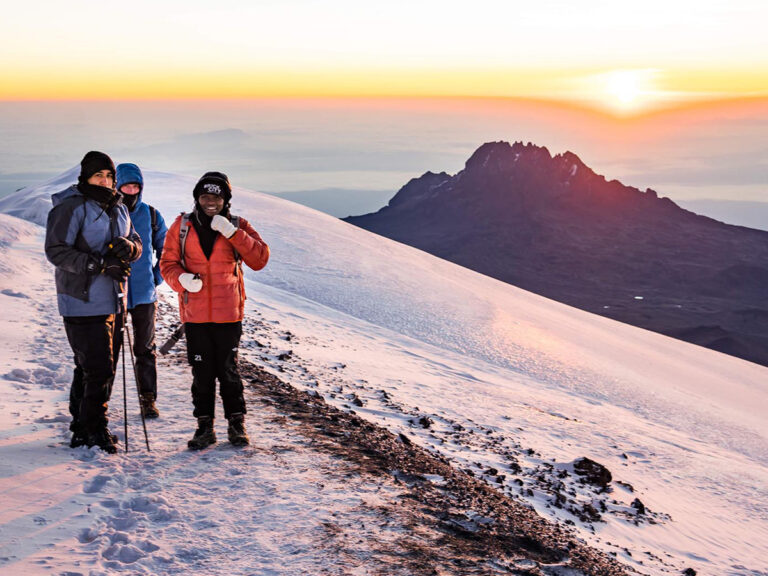
Quietest Month To Climb Kilimanjaro: Your Guide For 2026-2027
Planning a Kilimanjaro climb and seeking fewer fellow trekkers? This guide reveals the quietest months to ascend Africa's highest peak, focusing on shoulder seasons and off-peak periods for...
View package details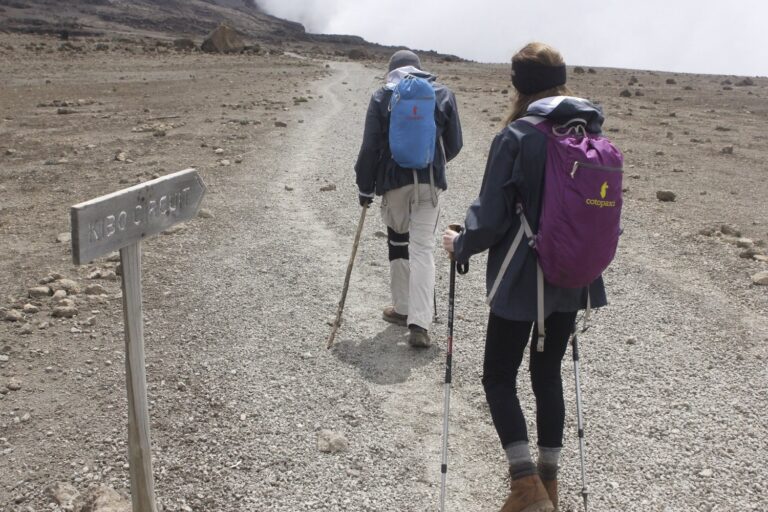
Busiest Month To Climb Kilimanjaro: Peak Seasons & Planning For 2026-2027
Understanding the busiest month to climb Kilimanjaro is crucial for planning a successful trek. This guide details peak seasons, crowd considerations, and optimal times for your 2026-2027...
View package details
Best Kilimanjaro Month For Senior Climbers: Expert Guide 2026-2027
Planning a Kilimanjaro climb as a senior adventurer? Learn which months offer the best conditions for a successful and enjoyable trek in 2026-2027, considering weather, crowds, and your...
View package details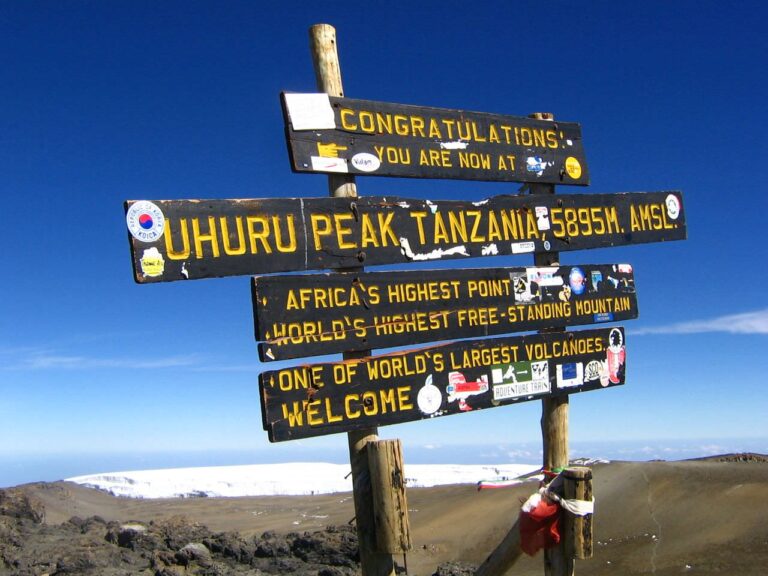
Best Kilimanjaro Month For Full-Moon Climbs In 2026-2027
Planning a Kilimanjaro climb under the glow of a full moon is a dream for many adventurers. This guide details the best months for full-moon ascents in 2026 and 2027, helping you choose the...
View package details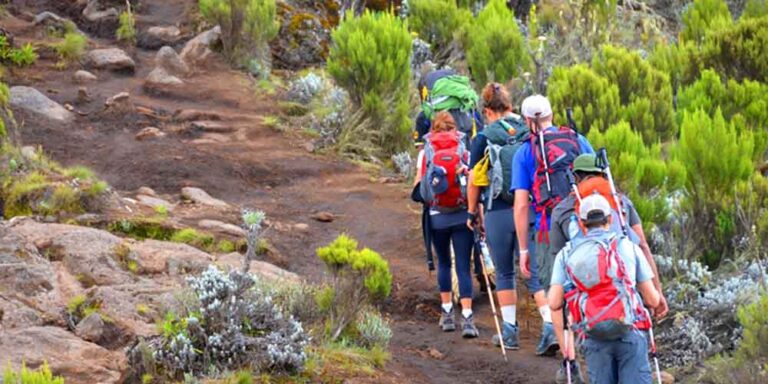
Best Kilimanjaro Month For Fewer Climbers In | Top Guide Adventures 2026-2027
Planning a Kilimanjaro climb in 2026 or 2027 and hoping for a less crowded experience? This guide reveals the best months to ascend Mount Kilimanjaro for fewer fellow trekkers, focusing on...
View package details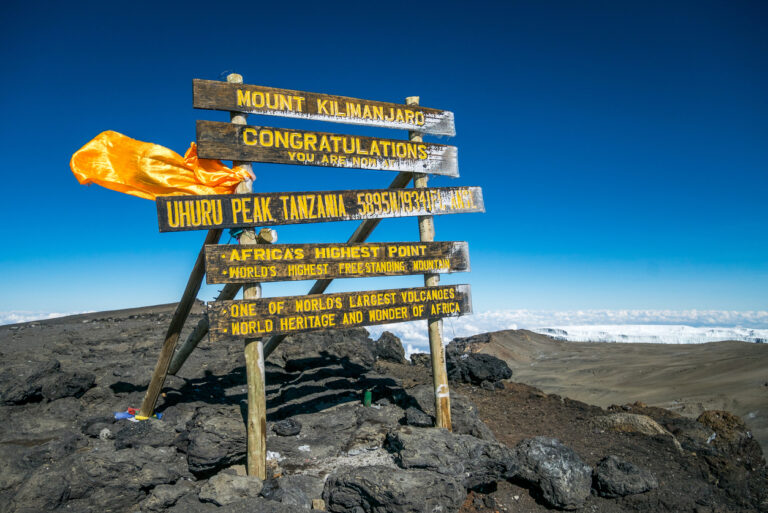
Best Kilimanjaro Month For Low Prices: Saving Money On Your Climb In 2026-2027
Planning a Kilimanjaro climb on a budget? Discover the best months for low prices in 2026-2027, focusing on off-peak seasons and how to maximize savings without compromising your experience.
View package details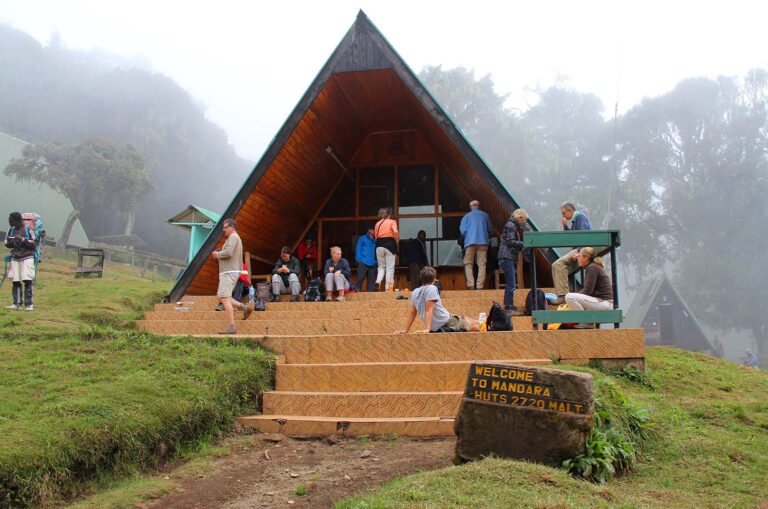
December Vs January Kilimanjaro Holiday Climb 2026-2027
December vs January Kilimanjaro Holiday Climb is explained with current 2026-2027 planning, price, itinerary and booking information.
View package details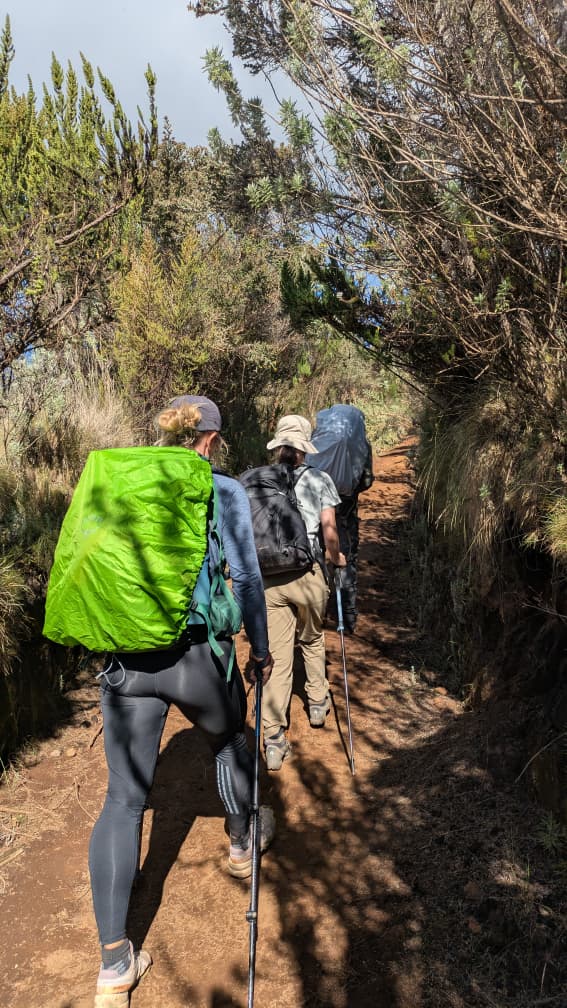
8-Day Lemosho Route Kilimanjaro Climb In January | Top Guide Adventures
An in-depth guide to the 8-day Lemosho Route Kilimanjaro climb during January, detailing the itinerary, weather, costs, and preparation needed for a successful trek in 2026-2027. Expert...
View package details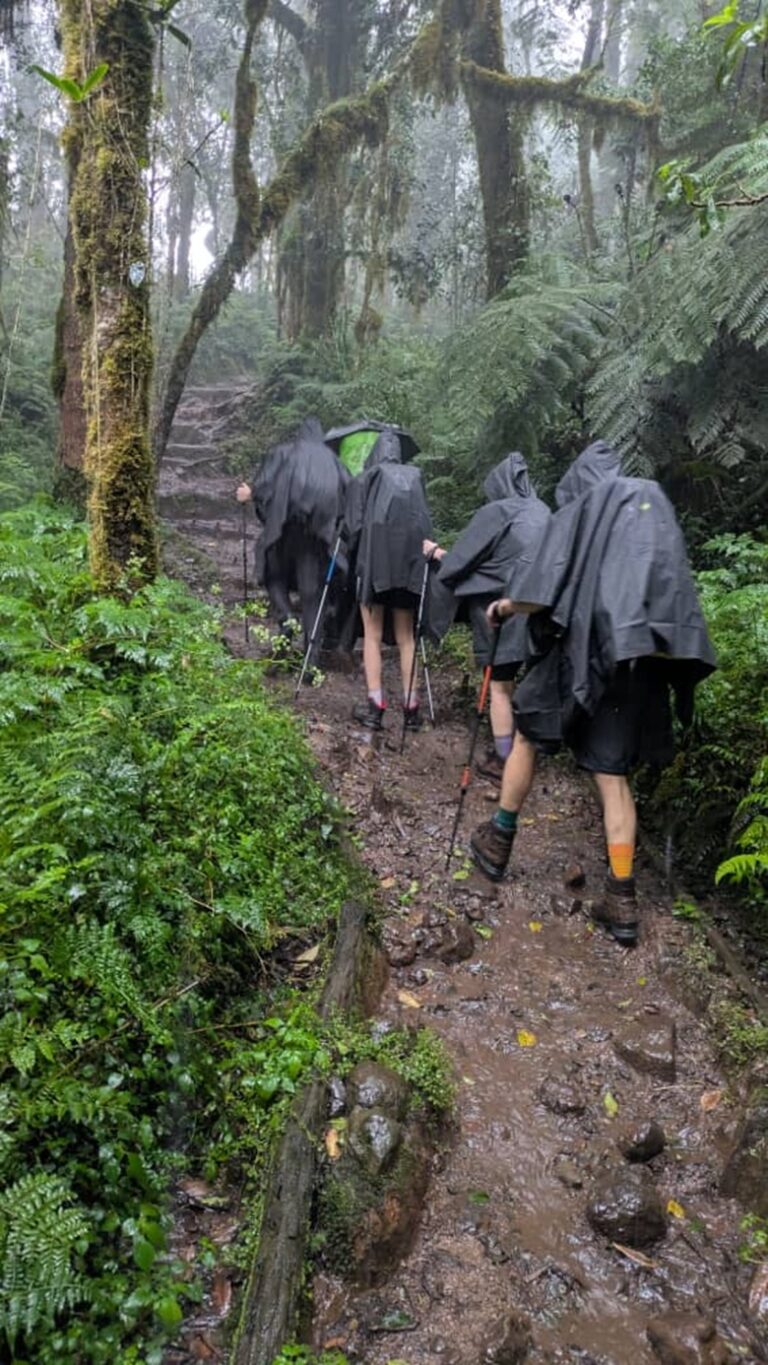
Is October A Good Time To Climb Kilimanjaro? Your Expert Guide For 2026-2027
Discover if October is an ideal month for your Kilimanjaro ascent. This guide covers weather, crowds, costs, and essential planning for your 2026-2027 climb.
View package detailsNo related package matches those filters. Clear one or more filters to see the other topic-matched options.



