
A February Kilimanjaro Women-Only Group Climb in 2026 or 2027 offers an exceptional opportunity to conquer Africa’s highest peak in favorable dry weather conditions, supported by a community of like-minded women, with expert guiding and logistical support from Top Guide Adventures.

The Appeal of a February Kilimanjaro Women-Only Group Climb
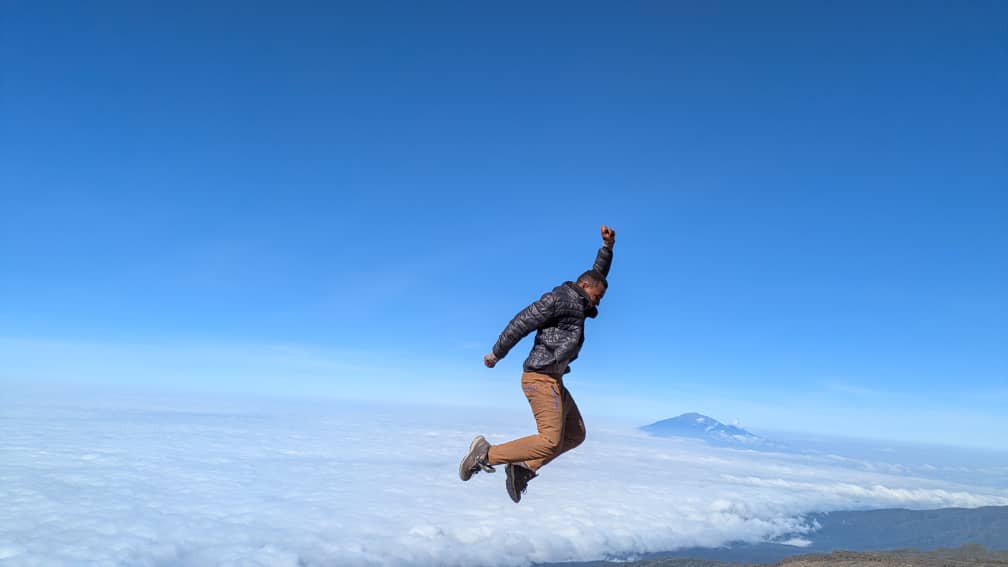
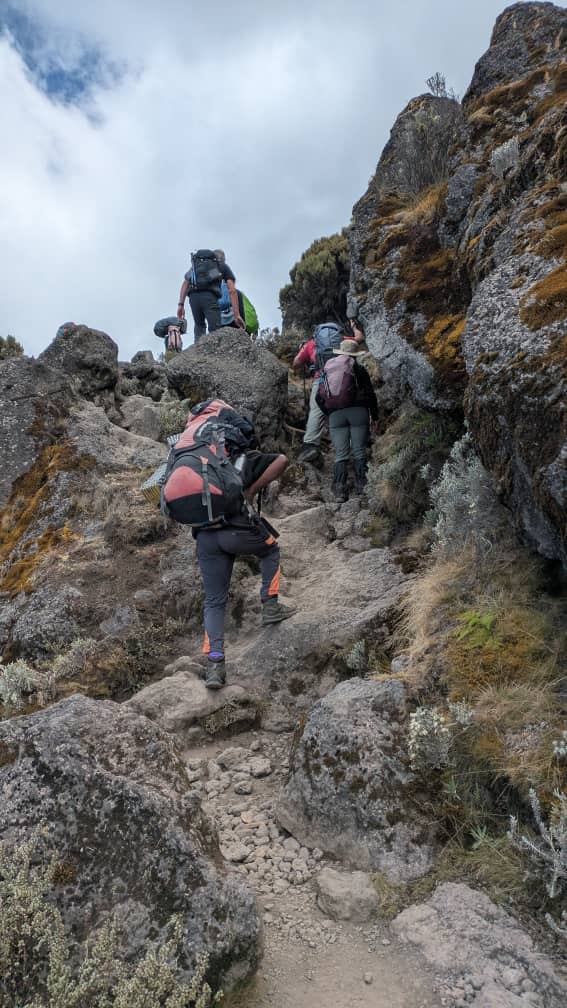
Choosing to climb Kilimanjaro is a significant decision, and the timing and company you keep can profoundly impact your experience. For many, a February Kilimanjaro Women-Only Group Climb presents an ideal combination of favorable weather, camaraderie, and the unique advantages that come with a dedicated women’s expedition. February falls within Kilimanjaro’s second dry season, offering clear skies, stable temperatures, and reduced rainfall, making it one of the best months for a summit attempt. Coupling this prime timing with a women-only group adds another layer of comfort, encouragement, and shared perspective. This approach fosters an environment where participants can feel more at ease, build stronger bonds, and support each other through the physical and mental challenges of high-altitude trekking. Top Guide Adventures specializes in creating these empowering experiences, ensuring that every woman on the climb has the best possible chance of reaching the Roof of Africa safely and successfully.
Why February is a Prime Month for Kilimanjaro
Kilimanjaro experiences two main dry seasons: June to October and December to March. February sits squarely within the latter dry season, often considered one of the best months due to its generally stable weather patterns. While mountain weather is inherently unpredictable, February typically boasts:
- Clear Skies: High visibility is common, offering spectacular panoramic views from the summit and along the trails.
- Moderate Temperatures: While the summit remains freezing, daytime temperatures on the lower slopes are pleasant, making trekking more comfortable.
- Lower Precipitation: Rainfall is minimal, significantly reducing the chances of muddy trails and hindering progress. Snowfall is more likely at higher altitudes, adding to the challenge and beauty of the summit day.
- Less Crowding (Compared to Peak Season): While still popular, February can be slightly less crowded than the absolute peak months of July-August or January, offering a more serene trekking experience.
The specific weather can vary year to year, but the general trend for February is overwhelmingly positive for trekkers aiming for the summit. The landscape, especially after the preceding rainy season, can be lush and vibrant on the lower slopes.
The Power of a Women-Only Expedition
The concept of women-only adventure travel has gained significant traction, and for good reason. A February Kilimanjaro Women-Only Group Climb offers distinct advantages:
- Shared Experience and Support: Trekking Kilimanjaro is as much a mental challenge as a physical one. A group of women can create a unique bond, offering mutual encouragement, understanding, and shared motivation when the going gets tough.
- Comfort and Safety: Some women feel more comfortable and empowered trekking in an all-female environment, particularly in a foreign country. Top Guide Adventures ensures a highly professional and supportive atmosphere with experienced guides who prioritize safety above all else.
- Empowerment and Camaraderie: Achieving a common goal like summiting Kilimanjaro together fosters a powerful sense of accomplishment and lasting friendships among the group members.
- Focus on the Journey: An all-women’s group can sometimes lead to a more focused and reflective journey, allowing participants to connect with themselves and the incredible environment more deeply.
Top Guide Adventures is committed to providing a supportive, inclusive, and empowering environment for all its climbers, and our women-only expeditions are designed to amplify these benefits.
Choosing the Right Route for Your February Kilimanjaro Women-Only Group Climb
Selecting the appropriate route is crucial for any Kilimanjaro climb, and for a women-only group in February, several routes stand out due to their scenery, acclimatization profiles, and overall success rates. Top Guide Adventures recommends routes that balance stunning landscapes with optimal acclimatization, increasing your chances of reaching Uhuru Peak.
Popular Routes for February Climbs
While all seven routes can technically be climbed in February, some are better suited for group dynamics and acclimatization:
- Machame Route (Whiskey Route): This is arguably the most popular route, known for its scenic beauty and excellent acclimatization profile (the “climb high, sleep low” principle). It’s a challenging but rewarding trek, typically taking 6 or 7 days. For a women-only group, the 7-day Machame offers a more relaxed pace and better acclimatization. Its popularity means you’re likely to encounter other trekkers, but the route is wide enough to avoid feeling overly crowded. We have specific Machame Route Kilimanjaro group departures dates that can be tailored for women-only expeditions.
- Lemosho Route: Often considered one of the most beautiful routes, Lemosho offers diverse scenery and a gradual ascent, particularly if taken over 7 or 8 days. It provides excellent acclimatization and a higher success rate. The longer duration allows for deeper immersion in the mountain’s ecosystem and more time for the group to bond. February is a great time to experience Lemosho’s stunning vistas.
- Marangu Route (Coca-Cola Route): This is the oldest and simplest route, often completed in 5 days. It’s known for its “huts” accommodation rather than camping. While it’s a direct route, its acclimatization profile is less ideal, leading to a lower success rate compared to longer routes. It might be considered for groups with less trekking experience, but for a February Kilimanjaro Women-Only Group Climb aiming for success, longer routes are generally preferred.
- Northern Circuit: This is the longest route, typically 9 days, offering the highest success rate due to its superior acclimatization. It circles the mountain, providing unique perspectives and a more remote experience. For a group seeking the most comfortable and statistically safest ascent in February, the Northern Circuit is an excellent choice.
Route Considerations for Women-Only Groups
When selecting a route for your February Kilimanjaro Women-Only Group Climb, consider these factors:
- Duration: Longer routes (7+ days) are highly recommended for better acclimatization, which is critical for success and enjoyment. This also allows more time for group bonding and personal reflection.
- Scenery: Routes like Lemosho and Machame are celebrated for their impressive views and varied landscapes, from rainforest to alpine desert to arctic summit.
- Acclimatization Profile: Routes that incorporate the “climb high, sleep low” principle, such as Machame and Lemosho, significantly increase your chances of reaching the summit comfortably.
- Group Size and Dynamics: While Top Guide Adventures manages group dynamics expertly, a route that offers a slightly less crowded experience can enhance comfort for some.
For a February Kilimanjaro Women-Only Group Climb in 2026 or 2027, the 7-day Machame or the 7/8-day Lemosho routes are often the best balance of scenery, challenge, and acclimatization. The 9-day Northern Circuit offers the ultimate in acclimatization and a more secluded experience.
Preparing for Your February Kilimanjaro Women-Only Group Climb
Success on Kilimanjaro hinges on thorough preparation. For a February Kilimanjaro Women-Only Group Climb, this preparation involves physical training, mental readiness, and appropriate gear selection, with specific considerations for the February climate.
Physical Training Regimen
Kilimanjaro is a strenuous trek, not a technical climb, meaning fitness is paramount. Your training should focus on cardiovascular endurance and leg strength.
- Cardiovascular Endurance: Aim for at least 3-4 sessions per week. Activities like hiking (with a weighted backpack), running, cycling, swimming, or using an elliptical machine are excellent. Gradually increase the duration and intensity.
- Strength Training: Focus on leg and core strength. Squats, lunges, step-ups (with weight), and core exercises will prepare your body for the demands of climbing and descending.
- Hiking with Weight: Crucially, simulate the trek by hiking on hills or stairs with a backpack weighing 10-15 kg (22-33 lbs). This prepares your body for carrying gear and helps you test your footwear and clothing.
- Consistency is Key: Start your training at least 2-3 months before your climb. Consistency is more important than occasional intense workouts.
For a February Kilimanjaro Women-Only Group Climb, focusing on endurance and leg strength will be your best preparation for the long days and steep ascents.
Mental Preparation
The mental aspect of climbing Kilimanjaro is often underestimated. The altitude, cold, and physical exertion can be mentally taxing.
- Set Realistic Expectations: Understand that summit night is challenging. Be prepared for cold, darkness, and slow progress.
- Develop Coping Strategies: Practice mindfulness or positive self-talk. Focus on one step at a time.
- Embrace the Group Dynamic: Trust in your fellow climbers and guides. The support of a women-only group can be a significant mental boost.
- Visualize Success: Imagine yourself reaching the summit and enjoying the accomplishment.
Essential Gear for February Climbs
February can bring varied conditions, from warm days on the lower slopes to extreme cold and wind at the summit. Layering is key. Top Guide Adventures provides a comprehensive gear list, but here are some highlights specifically for a February climb:
- Base Layers: Moisture-wicking thermal tops and bottoms (merino wool or synthetic).
- Mid Layers: Fleece jackets or insulated vests for warmth.
- Outer Layer (Insulation): A warm down or synthetic insulated jacket (puffy jacket) is essential for the summit and cold evenings.
- Outer Layer (Shell): Waterproof and windproof jacket and pants (Gore-Tex or similar) are crucial for protection against rain and wind.
- Footwear: Broken-in, waterproof hiking boots with good ankle support. Bring several pairs of warm hiking socks (wool or synthetic).
- Headwear: A warm, insulated hat that covers your ears, plus a sun hat for lower altitudes and a balaclava or neck gaiter for summit night.
- Gloves: Several pairs – thin liner gloves, warm fleece gloves, and waterproof/insulated outer gloves or mittens.
- Eyewear: High-quality sunglasses with UV protection (essential due to snow glare).
- Sleeping Bag: A 4-season sleeping bag rated to at least -20°C (-4°F).
- Trekking Poles: Highly recommended for stability and reducing strain on knees, especially during descents.
- Headlamp: With extra batteries – essential for summit night and camp.
Key for February: Pack for cold, wind, and potential rain. Ensure your waterproofs are reliable and your insulated jacket is warm enough for summit night temperatures that can drop well below freezing.
Top Guide Adventures: Your Partner for a February Kilimanjaro Women-Only Group Climb
Choosing the right tour operator is as important as choosing the right route and timing. Top Guide Adventures has established itself as one of Tanzania’s most trusted companies, offering comprehensive travel experiences with a strong focus on client care and safety.
Why Choose Top Guide Adventures?
- Experienced Local Guides: Our guides are highly trained, certified, and possess extensive knowledge of Kilimanjaro, altitude sickness, and emergency procedures. They are passionate about sharing their mountain and culture.
- Safety First Approach: We prioritize your well-being. This includes carrying supplementary oxygen, comprehensive first-aid kits, and ensuring our guides are trained in high-altitude medical management. We monitor our climbers closely for signs of altitude sickness.
- Quality Equipment and Logistics: We provide high-quality tents, sleeping mats, and nutritious meals prepared by experienced cooks. Our porters are treated ethically and are well-equipped.
- Personalized Attention: As a smaller, dedicated company, we offer personal attention and support throughout your journey, from initial inquiry to post-climb celebrations. This is especially valuable for a February Kilimanjaro Women-Only Group Climb where tailored support is key.
- Commitment to Women’s Travel: We understand the unique needs and preferences of women travelers and are dedicated to creating empowering and comfortable group experiences.
What’s Included in Our February Kilimanjaro Women-Only Group Climb Packages
Our packages are designed to be comprehensive, minimizing hidden costs and ensuring you have everything you need for a successful climb. While specific inclusions can vary slightly based on the chosen route and duration, typical inclusions for our February Kilimanjaro Women-Only Group Climb packages are:
- Accommodation: Pre- and post-climb accommodation in a comfortable hotel in Moshi.
- Climbing Crew: Professional, licensed guides, assistant guides, cooks, and porters.
- Meals: All meals during the climb (breakfast, lunch, dinner), plus hot drinks and snacks. We cater to dietary requirements.
- Camping Equipment: High-quality tents (including a mess tent for dining), sleeping mats.
- Park Fees: All Kilimanjaro National Park entrance fees, camping/hut fees, and rescue fees.
- Safety Equipment: Supplementary oxygen, pulse oximeters, and comprehensive first-aid kits.
- Water: Boiled and filtered drinking water during the trek.
- Transportation: Transfers from Kilimanjaro International Airport (JRO) to your hotel and from Moshi to the trailhead and back.
- Bottled Water: Provided at the start and on lower sections.
Exclusions typically include: Visas, flights, travel insurance, personal gear (sleeping bag, clothing, etc.), tips for the climbing crew, and personal expenses.
We aim to provide clarity on all aspects of the climb, ensuring you can budget accurately for your February Kilimanjaro Women-Only Group Climb in 2026 or 2027.
Understanding Altitude Sickness on Kilimanjaro
Altitude sickness, or Acute Mountain Sickness (AMS), is the most common risk associated with climbing Kilimanjaro. Understanding its symptoms, prevention, and treatment is vital for any trekker, especially during a February Kilimanjaro Women-Only Group Climb.
What is Altitude Sickness?
AMS occurs when you ascend too quickly, and your body doesn’t have enough time to adjust to the lower oxygen levels at higher altitudes. Symptoms can range from mild to life-threatening.
Symptoms of AMS
Common symptoms include:
- Headache
- Nausea and vomiting
- Dizziness or lightheadedness
- Fatigue or weakness
- Loss of appetite
- Difficulty sleeping
More severe forms, such as High Altitude Cerebral Edema (HACE) and High Altitude Pulmonary Edema (HAPE), can develop if AMS is not treated promptly and can be fatal. Symptoms of HACE include confusion, irrational behavior, loss of coordination (ataxia), and drowsiness. HAPE symptoms include severe shortness of breath, chest tightness, persistent cough (which may produce frothy or pink sputum), and extreme fatigue.
Prevention and Management
The best prevention is a slow ascent with proper acclimatization. This is why Top Guide Adventures emphasizes longer routes (7+ days) for our February Kilimanjaro Women-Only Group Climb departures.
- Ascend Slowly: “Pole Pole” (slowly, slowly) is the mantra on Kilimanjaro.
- Hydrate: Drink plenty of water (3-4 liters per day). Avoid alcohol and caffeine.
- Eat Well: Maintain a good diet, even if your appetite is reduced.
- Listen to Your Body: Report any symptoms to your guide immediately. Do not ascend further if you feel unwell.
- Medication: Diamox (acetazolamide) can be prescribed by your doctor to aid acclimatization. Discuss this with your physician before your trip.
- Descent is the Cure: If symptoms worsen or do not improve with rest, the only effective treatment is to descend immediately. Our guides are trained to make these critical decisions.
Top Guide Adventures’ guides are equipped with pulse oximeters to monitor oxygen saturation levels and are trained to recognize and manage altitude sickness. Your safety on our February Kilimanjaro Women-Only Group Climb is our absolute priority.
Typical Itinerary for a 7-Day Machame Route February Kilimanjaro Women-Only Group Climb
A 7-day Machame Route climb offers an excellent balance of acclimatization, scenery, and challenge, making it a popular choice for our February Kilimanjaro Women-Only Group Climb departures. This itinerary provides a solid framework, though exact timings and camp locations may vary slightly.
Day 1: Machame Gate (1,800m/5,905ft) to Machame Camp (3,050m/10,007ft)
Trek Time: 5-7 hours
Distance: 11 km / 7 miles
Zone: Rainforest
After breakfast in Moshi, you’ll be transferred to the Machame Gate. After registration and meeting your full climbing crew, you begin your trek through the dense rainforest. The trail can be muddy in February, so waterproof gear is essential. You’ll ascend steadily towards Machame Camp, enjoying the lush vegetation and potential wildlife sightings. Your guides will brief you on the trek ahead.
Day 2: Machame Camp to Shira 2 Camp (3,850m/12,631ft)
Trek Time: 4-6 hours
Distance: 5 km / 3 miles
Zone: Moorland
Today’s trek takes you out of the rainforest and into the moorland zone, characterized by giant heathers and senecios. The ascent is relatively steep in parts, but the views open up considerably. You’ll reach Shira 2 Camp, a campsite located on a plateau with spectacular views, including of the Shira Massif. This is a good day for acclimatization as you gain significant altitude.
Day 3: Shira 2 Camp to Lava Tower (4,600m/15,091ft) to Barranco Camp (3,950m/12,959ft)
Trek Time: 6-8 hours
Distance: 10 km / 6 miles
Zone: Alpine Desert
This is a crucial acclimatization day. You’ll trek steadily upwards towards Lava Tower, a prominent volcanic plug. After a break and lunch near Lava Tower, you’ll begin your descent to Barranco Camp. This “climb high, sleep low” strategy is vital for acclimatization. Barranco Camp is situated beneath the impressive Barranco Wall.
Day 4: Barranco Camp to Karanga Camp (4,000m/13,123ft)
Trek Time: 4-5 hours
Distance: 5 km / 3 miles
Zone: Alpine Desert
The highlight of today is the ascent of the Barranco Wall. This is a scramble rather than a technical climb, requiring careful hand and foot placement. Your guides will assist you. Once over the wall, the terrain becomes less steep as you traverse towards Karanga Camp. The views from Karanga Camp, located in a valley, are stunning.
Day 5: Karanga Camp to Barafu Camp (4,650m/15,255ft)
Trek Time: 3-5 hours
Distance: 4 km / 2.5 miles
Zone: Alpine Desert
Today is a shorter trekking day, allowing you to rest and prepare for summit night. You’ll ascend through a rocky landscape towards Barafu Camp, the base camp for your summit attempt. Barafu Camp is exposed and can be very cold. You’ll have an early dinner and an attempt at sleep before your pre-dawn start.
Day 6: Barafu Camp to Uhuru Peak (5,895m/19,341ft) to Mweka Camp (3,100m/10,170ft)
Trek Time: 7-9 hours to summit, 4-6 hours to Mweka Camp
Distance: 5 km / 3 miles up, 12 km / 7.5 miles down
This is the most challenging day. You’ll start your ascent around midnight, trekking in the dark with headlamps. The path is steep and rocky, often covered in scree. As dawn breaks, you’ll reach Stella Point (5,756m/18,885ft) on the crater rim. From Stella Point, it’s a further 1-2 hour walk to Uhuru Peak, the highest point in Africa. Celebrate your achievement, take photos, and then begin the long descent, passing Barafu Camp and continuing down to Mweka Camp. This descent is hard on the knees.
Day 7: Mweka Camp to Mweka Gate (1,640m/5,380ft)
Trek Time: 3-5 hours
Distance: 10 km / 6 miles
Zone: Rainforest
After breakfast, you’ll complete the final descent through the rainforest to Mweka Gate. Here, you’ll be met by our team, receive your summit certificates, and celebrate your incredible achievement. You’ll then be transferred back to your hotel in Moshi for a well-deserved hot shower and rest.
This itinerary is designed to maximize acclimatization and enjoyment for a February Kilimanjaro Women-Only Group Climb. Top Guide Adventures ensures that our crew is experienced in managing this route, especially during February’s conditions.
Comparing Routes: Which is Best for Your February Women-Only Climb?
While we’ve highlighted Machame and Lemosho, let’s briefly compare them and mention the Northern Circuit as another strong contender for a February Kilimanjaro Women-Only Group Climb in 2026-2027.
| Feature | Machame (7 Days) | Lemosho (8 Days) | Northern Circuit (9 Days) |
|---|---|---|---|
| Scenery | Excellent, diverse rainforest to alpine desert | Exceptional, arguably the most scenic | Superb, varied, and unique perspectives |
| Acclimatization | Good (7-day version) | Excellent (8-day version) | Outstanding (highest success rate) |
| Crowds (February) | Moderate, but route is wide | Less crowded initially, merges with Machame later | Least crowded, most remote feel |
| Challenge Level | Moderate to High | Moderate | Moderate (due to duration) |
| Success Rate | Good (especially 7-day) | Very Good (especially 8-day) | Highest |
| Accommodation | Camping | Camping | Camping |
For a February Kilimanjaro Women-Only Group Climb, the 8-day Lemosho often provides the best blend of scenery and acclimatization. If ultimate success and comfort are the primary goals, the 9-day Northern Circuit is unparalleled. The 7-day Machame remains a fantastic, popular option for those seeking a slightly shorter, yet still highly rewarding, experience.
The Role of Guides and Crew in Your Climb
The success and safety of your February Kilimanjaro Women-Only Group Climb are profoundly influenced by the expertise and dedication of your guiding crew. Top Guide Adventures invests heavily in its team, ensuring they are not only skilled mountaineers but also excellent communicators and caretakers.
Expertise and Training
Our lead guides are:
- Certified: Many hold certifications from recognized mountaineering bodies.
- Experienced: They have summited Kilimanjaro hundreds of times and understand its nuances, especially during February.
- First Aid Trained: Proficient in wilderness first aid and high-altitude medical management.
- Knowledgeable: They possess deep knowledge of local flora, fauna, and culture, enriching your trek.
Support System
Beyond the lead guides, you’ll be supported by:
- Assistant Guides: Provide additional support, especially on summit night.
- Porters: Carry the bulk of the equipment, ensuring you only need to carry a daypack. They are strong, experienced, and well-cared for by Top Guide Adventures.
- Cooks: Prepare nutritious and delicious meals, crucial for maintaining energy levels.
For a women-only group, our crew is trained to be particularly sensitive to the needs of female trekkers, ensuring comfort, privacy, and encouragement throughout the expedition. They are your backbone on the mountain, ensuring every aspect of the climb runs smoothly and safely.
Logistics and Booking Your February Kilimanjaro Women-Only Group Climb for 2026-2027
Planning a trip to Kilimanjaro involves several logistical steps. Top Guide Adventures simplifies this process, offering clear guidance and support.
Booking Process
To secure your spot on a February Kilimanjaro Women-Only Group Climb for 2026 or 2027:
- Inquire: Contact us via email or WhatsApp to express your interest. Specify your preferred dates, route, and if you’re interested in a women-only group.
- Consultation: We’ll discuss your options, answer your questions, and help you choose the best route and itinerary.
- Confirmation: Once you’ve decided, we’ll provide a detailed quote and booking form.
- Deposit: A deposit is required to confirm your booking and secure your spot.
- Pre-Trip Support: We’ll send you detailed pre-trip information, including gear lists and training advice.
Payment and Pricing
Pricing for our February Kilimanjaro Women-Only Group Climb packages is competitive and reflects the quality of service, safety measures, and experienced crew provided. Exact pricing depends on the chosen route, duration, and group size. We recommend contacting us directly for a personalized quote for 2026 or 2027.
Generally, our prices are all-inclusive of mountain costs (park fees, crew wages, food, tents, rescue fees) and include pre/post-climb accommodation and transfers. We believe in transparent pricing with no hidden costs.
Contact Us for a 2026-2027 Quote:
- Email: topguideadventures@gmail.com
- Backup Email: info@topguideadventures.com
- WhatsApp: +255616946642
Travel Insurance
Comprehensive travel insurance is mandatory for all our clients. It must cover:
- High-altitude trekking (up to 6,000 meters).
- Emergency medical evacuation and repatriation.
- Trip cancellation and interruption.
Please ensure your policy details are shared with us before your climb.
Maximizing Your Kilimanjaro Experience in February
Beyond the climb itself, consider extending your trip to experience more of Tanzania’s wonders. A February Kilimanjaro Women-Only Group Climb can be perfectly combined with a safari or a Zanzibar beach holiday.
Post-Climb Safaris
February is also an excellent time for a safari in Tanzania’s northern circuit parks like the Serengeti, Ngorongoro Crater, Tarangire, and Lake Manyara. The plains are often green and lush, and wildlife viewing is superb. Top Guide Adventures can arrange tailor-made safaris to complement your climb.
Zanzibar Relaxation
After the physical exertion of Kilimanjaro, a few days on the idyllic beaches of Zanzibar offer the perfect way to relax and recover. February is generally a dry and warm month on the island, ideal for swimming, snorkeling, and exploring the historic Stone Town.
Combining your February Kilimanjaro Women-Only Group Climb with a safari and/or Zanzibar trip creates a complete Tanzanian adventure. We can help you plan and book these extensions seamlessly.
Final Thoughts on Your February Kilimanjaro Women-Only Group Climb
A February Kilimanjaro Women-Only Group Climb with Top Guide Adventures in 2026 or 2027 is more than just a trek; it’s an empowering journey that combines the thrill of conquering a world-renowned peak with the unique support and camaraderie of an all-women’s expedition. February offers favorable weather conditions, making it an ideal time to tackle the mountain. By choosing a well-suited route like Machame or Lemosho, preparing diligently, and partnering with a trusted operator like Top Guide Adventures, you set yourself up for a safe, successful, and unforgettable adventure.
We are passionate about creating exceptional experiences for women adventurers. Our commitment to safety, personalized service, and deep local knowledge ensures that your climb will be managed with the utmost professionalism and care. Let us help you achieve your dream of standing atop Uhuru Peak.
Ready to plan your February Kilimanjaro Women-Only Group Climb for 2026 or 2027? Contact us today:
- WhatsApp: +255616946642
- Email: topguideadventures@gmail.com
- Backup Email: info@topguideadventures.com
Follow us on Instagram for inspiration and updates: @top_guide_adventures
Check Availability for February Kilimanjaro Women-Only Group Climb: Your Ultimate Guide For…
Ready to compare dates, prices, and the best option for your group? Send the package name and travel month so the team can reply with a clear quote, availability, and what is included.
Kilimanjaro Group-Climb Mistakes: Avoid Common Pitfalls For A Successful
This guide details common Kilimanjaro group-climb mistakes, offering practical advice for trekkers aiming for a successful summit. Learn about preparation, acclimatization, gear, and...
View package details
What Happens To The Rest Of Group During An Evacuation On A Tanzania Safari
When an individual requires evacuation during a group safari or Kilimanjaro climb in Tanzania, comprehensive safety protocols are in place for the remaining participants, ensuring their...
View package details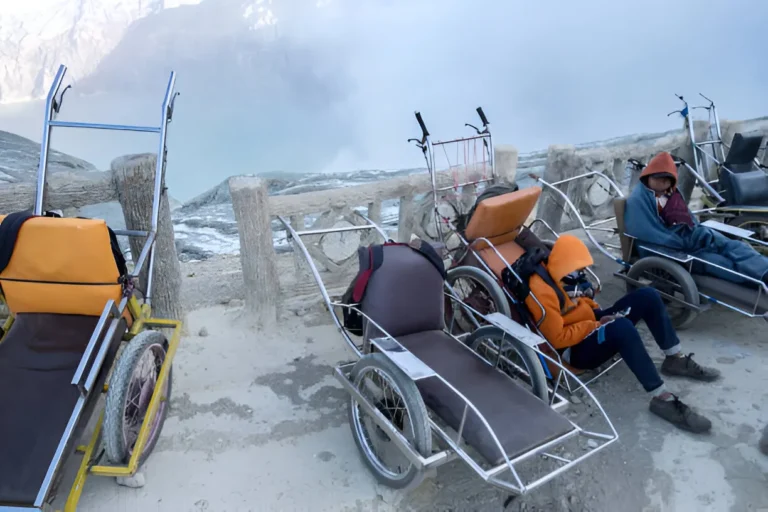
Kilimanjaro Climb With A Personal Support Assistant: Your Ultimate Guide
Climbing Mount Kilimanjaro with a personal support assistant offers unparalleled safety, comfort, and focus on your summit goals. This guide details what a personal assistant entails, its...
View package details
Kilimanjaro Hydration Mistakes Climbers Make And How To Avoid Them 2026-2027
Proper hydration is critical for a successful Kilimanjaro climb. This guide details common hydration mistakes climbers make, from under-drinking to choosing the wrong fluids, and provides...
View package details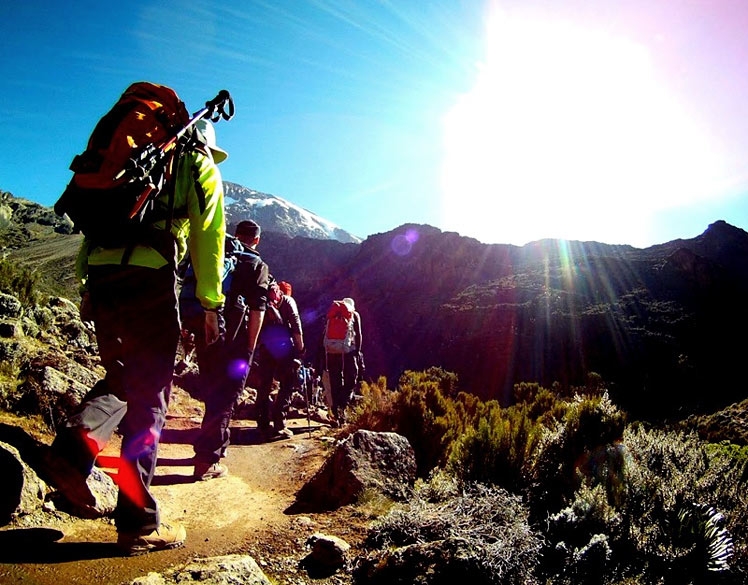
Kilimanjaro Summit-Night Mistakes To Avoid: Your Essential Guide For Climbs
Summit night on Kilimanjaro is the most challenging part of the climb. Avoiding common mistakes in acclimatization, gear, hydration, and pacing is crucial for success. This guide details...
View package details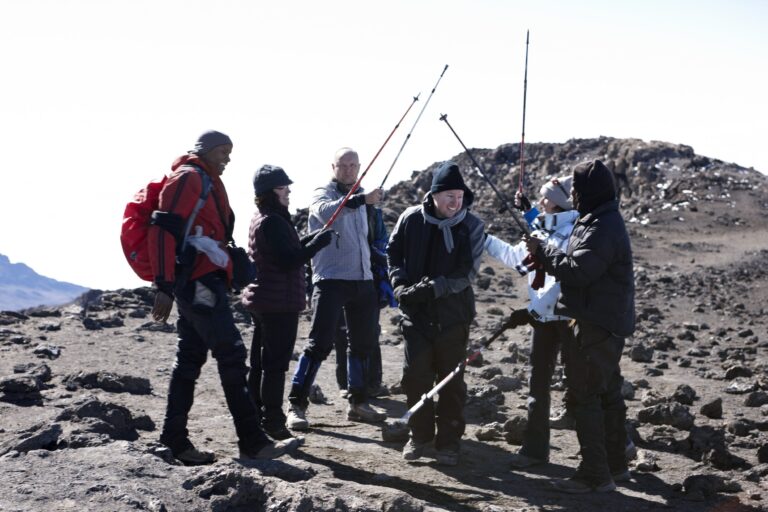
Kilimanjaro Airport Vs Arusha For Climbers: The Definitive Guide 2026-2027
A comprehensive comparison of Kilimanjaro International Airport (JRO) and Arusha Airport (ARK) for trekkers planning a Mount Kilimanjaro climb, detailing pros, cons, and booking advice for...
View package details
Kilimanjaro Climb For Retired Couples: Planning Your Adventure 2026-2027
Planning a Kilimanjaro climb as a retired couple is an achievable and rewarding goal. This guide offers in-depth advice on route selection, physical preparation, essential gear, and the...
View package details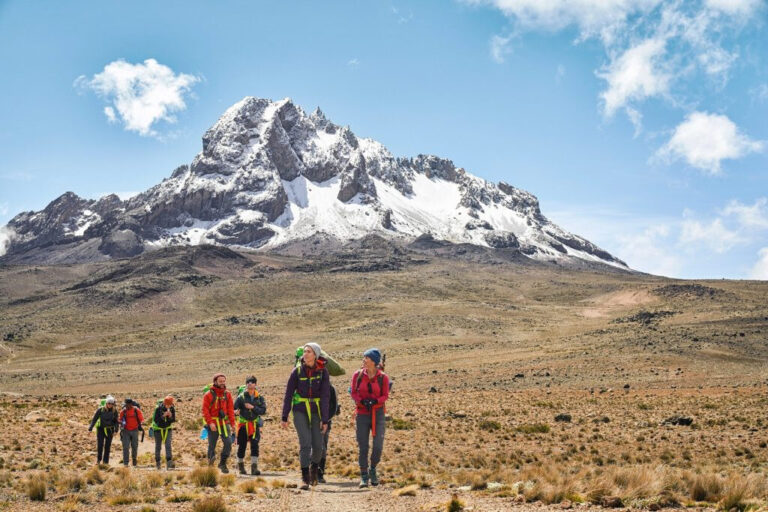
Can A 16-Year-Old Climb Kilimanjaro? Your Essential Guide 2026-2027
Discover if a 16-year-old can summit Kilimanjaro. This comprehensive guide covers age requirements, health, fitness, essential gear, and planning for younger trekkers aiming for Africa's...
View package details
Content For Parents And Young Climbers: Conquering Kilimanjaro Safely
Planning a Kilimanjaro climb with children or as a young climber requires special attention. This guide provides comprehensive content for parents and young adventurers, covering...
View package details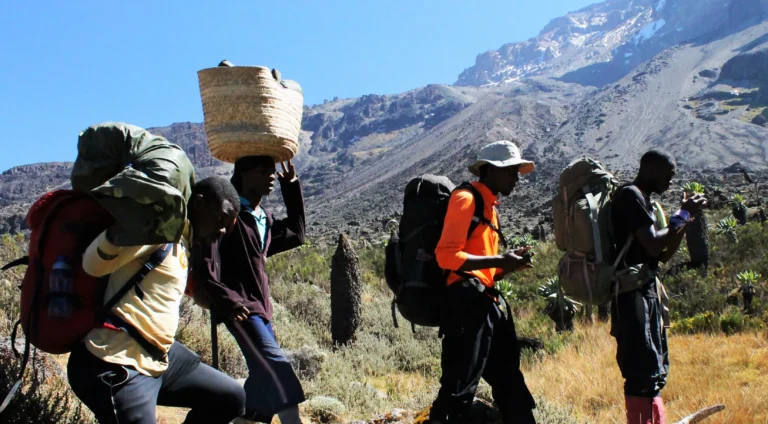
Kilimanjaro Tree-Planting Climbing Package Guide
Combine your dream Kilimanjaro climb with a meaningful conservation effort. Our Kilimanjaro Tree-Planting Climbing Package allows you to ascend Africa's highest peak while actively...
View package details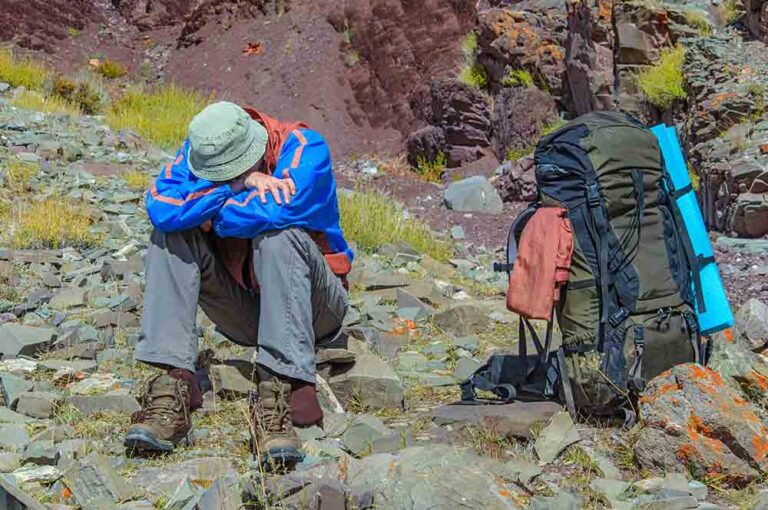
What Happens If It Rains Throughout Your Kilimanjaro Climb? 2026-2027
What Happens If It Rains throughout Your Kilimanjaro Climb? is explained with current 2026-2027 planning, price, itinerary and booking information.
View package details
Kilimanjaro Early-Bird Climbing Discounts For Adventures 2026-2027
Plan your 2026-2027 Kilimanjaro climb and take advantage of early-bird discounts. Top Guide Adventures offers savings for those who book in advance, ensuring a memorable and affordable...
View package detailsNo related package matches those filters. Clear one or more filters to see the other topic-matched options.



