
The March Kilimanjaro climbing cost typically ranges from $1,800 to $4,000+ per person, depending on the route, duration, operator, and inclusions. Expect packages to cover park fees, crew wages, meals, accommodation on the mountain, and sometimes gear rental, with private climbs costing more than group treks. March falls within the shoulder season, offering a balance of decent weather and potentially more competitive pricing for your 2026-2027 adventure.
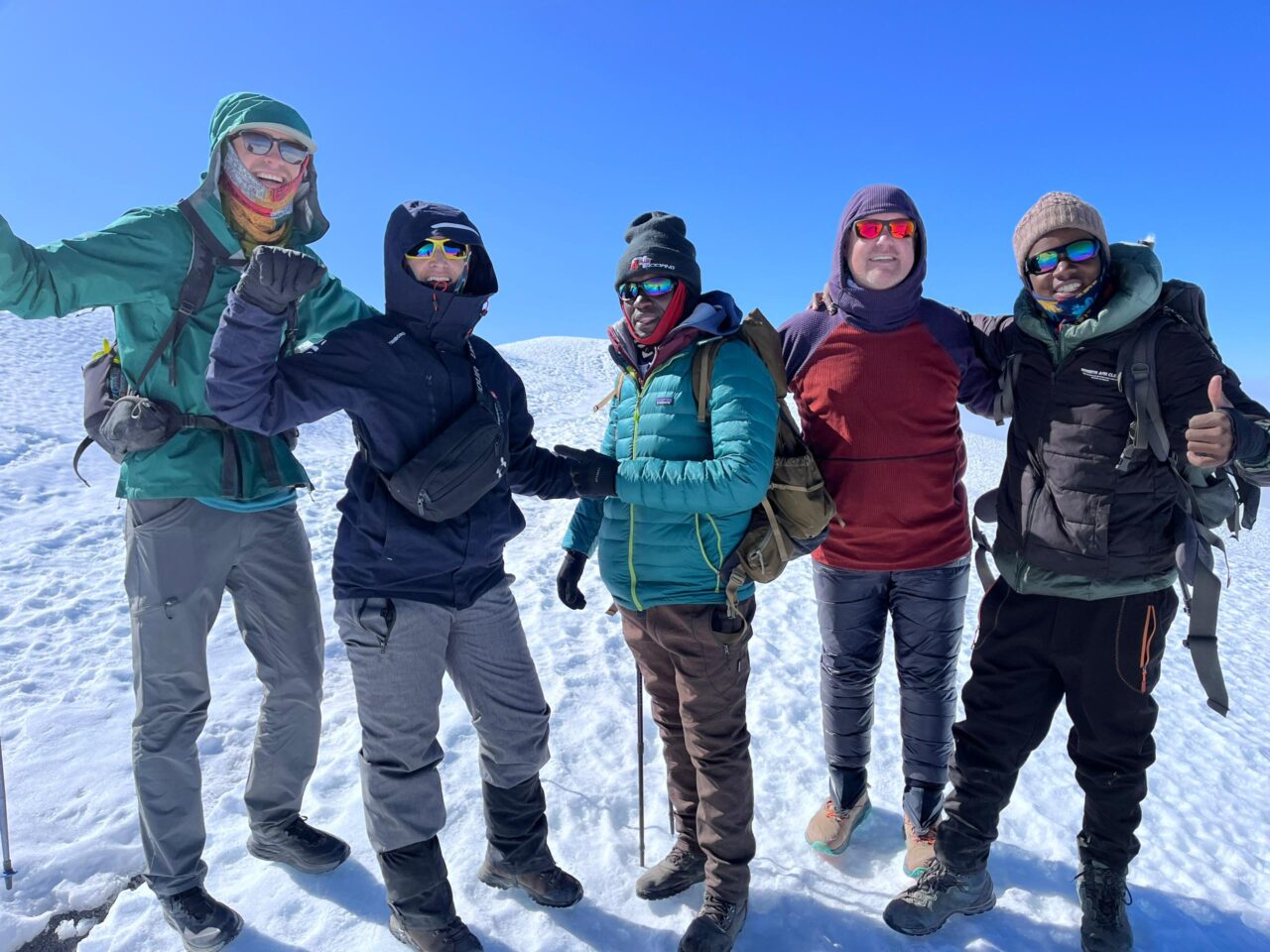
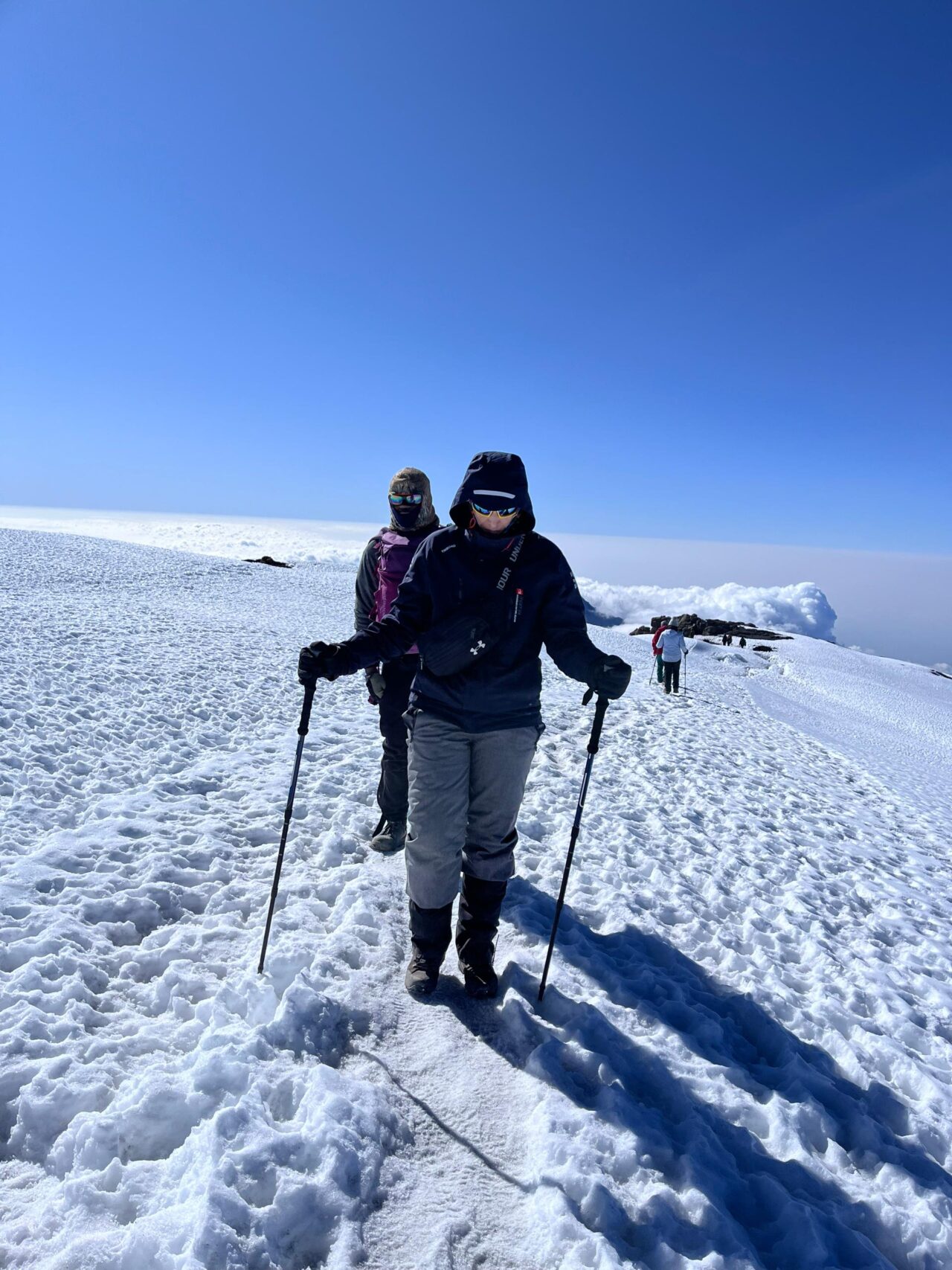
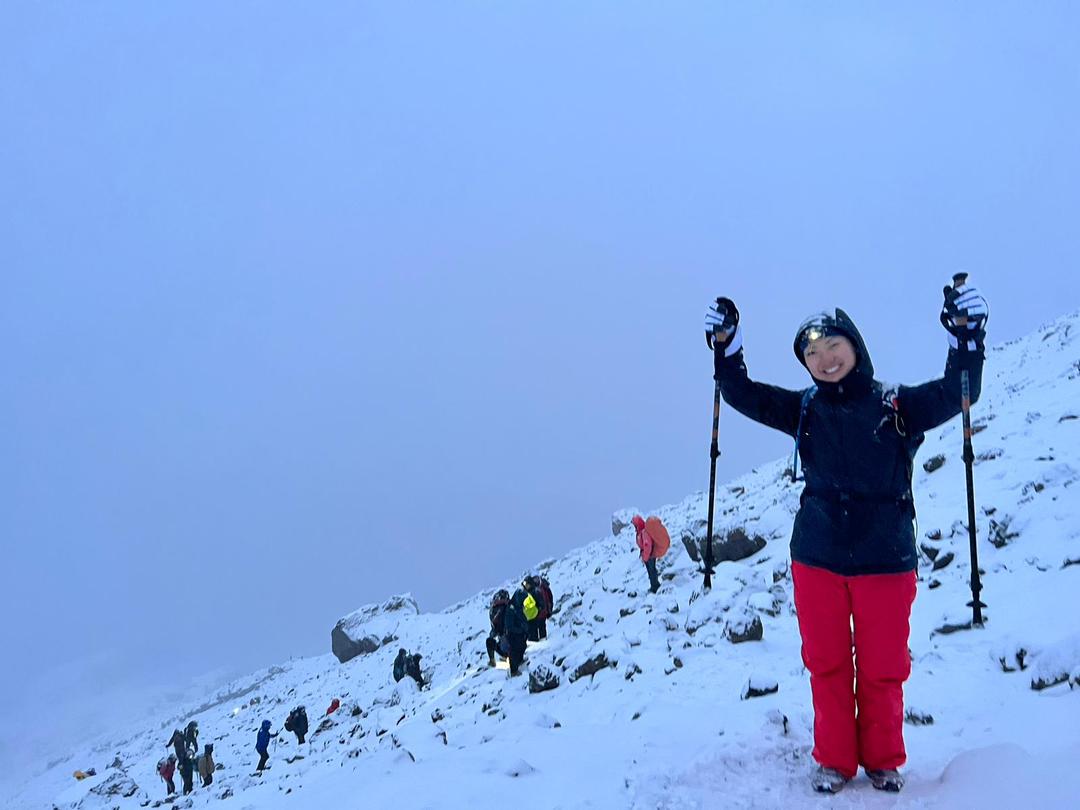
Understanding Kilimanjaro Climbing Costs in March 2026-2027
March on Kilimanjaro often presents a unique window for trekkers. It’s a transition month, moving from the lighter rains of February into the drier period that follows. This means you might encounter occasional showers, but generally, conditions are favorable for climbing, with fewer crowds than in the peak dry seasons. For those planning their expedition in 2026 or 2027, understanding the cost breakdown is crucial for making an informed decision.
The overall March Kilimanjaro climbing cost is influenced by several key factors. These aren’t fixed prices, but rather components that make up the final figure. When you see a price from a tour operator, it’s important to dissect what’s included and what’s not. Top Guide Adventures, as a trusted local operator, aims to provide comprehensive packages that offer excellent value and a safe, memorable climb.
Key Components of Your Kilimanjaro Expedition Cost
To truly understand what you’re paying for, let’s break down the primary cost drivers for any Kilimanjaro climb, especially relevant for a March 2026-2027 expedition:
- Park and Conservation Fees: These are mandatory government fees for entering Kilimanjaro National Park. They are substantial and form a significant portion of the cost. These fees are fixed and don’t change based on the operator, though some budget operators might try to cut corners elsewhere.
- Crew Wages and Welfare: This includes the salaries for your guides, assistant guides, cooks, and porters. Ethical operators, like Top Guide Adventures, ensure their crew are well-paid, well-fed, and properly equipped. This is a critical aspect of responsible trekking.
- Food and Provisions: High-quality meals are provided on the mountain, prepared by your cook. The cost accounts for all food, cooking fuel, and supplies needed for the duration of your trek.
- Accommodation: This covers camping equipment (tents, sleeping mats) and the campsite fees on the mountain. For Marangu route climbers, it includes hut accommodation.
- Equipment: While most trekkers bring their own clothing and personal gear, operators provide tents, cooking equipment, and sometimes sleeping bags or trekking poles. The cost reflects the quality and maintenance of this equipment.
- Logistics and Support: This includes transportation to and from the mountain gate, emergency support (like oxygen cylinders and first-aid kits), and the operational overhead of the tour company.
- Route and Duration: Longer routes and more scenic routes generally cost more due to more days on the mountain and higher park fees for longer durations.
- Operator Type: Local operators often offer more competitive pricing than international companies, while still maintaining high standards. Private climbs are more expensive than group climbs.
Typical Inclusions for a March Kilimanjaro Climb with Top Guide Adventures
When you book a March Kilimanjaro climb with Top Guide Adventures, our aim is to provide a clear, comprehensive, and stress-free experience. We believe in transparency, so here’s what you can generally expect to be included in our packages for 2026-2027 expeditions:
Included in Your Top Guide Adventures Package:
- Park and Camping/Hut Fees: All Kilimanjaro National Park entry fees, camping fees, and rescue fees are covered.
- Professional Guiding Team: Experienced, licensed, and first-aid certified guides and assistant guides.
- Support Crew: A dedicated team of porters to carry your main luggage and a cook to prepare your meals.
- All Meals on the Mountain: Three nutritious and delicious meals a day (breakfast, lunch, dinner) plus snacks and boiled water.
- Accommodation: High-quality tents for camping routes, or comfortable hut accommodation for the Marangu route.
- Camping Equipment: Tents, mess tents, table, chairs, cooking equipment.
- Water: Daily supply of boiled drinking water.
- Oxygen: Portable altitude chamber (PAC) or Gamow bag and supplementary oxygen for emergency use.
- Transfer: Return transfers from Moshi/Arusha to the Kilimanjaro National Park gate.
- Pre- and Post-Climb Briefings: Comprehensive briefings in Moshi before your climb and a debriefing afterward.
- Crew Welfare: We ensure our guides and porters are well-equipped, insured, and receive fair wages and proper meals.
What’s Typically Excluded?
To ensure you are fully prepared, it’s also important to know what is usually *not* included in a standard Kilimanjaro climb package. These are items you’ll need to budget for separately:
- Flights: International airfare to Kilimanjaro International Airport (JRO).
- Visa Fees: If applicable for your nationality.
- Travel Insurance: Comprehensive travel and medical insurance, including emergency evacuation. This is mandatory.
- Personal Gear: Sleeping bag, trekking poles, warm clothing, waterproofs, hiking boots, backpack, headlamp, etc. We can assist with gear rental if needed.
- Tips for Crew: Gratuities for your guides, porters, and cook are customary and highly appreciated.
- Personal Expenses: Drinks (other than water provided), snacks, souvenirs, laundry, and communication costs.
- Trekking Pole Rental: If not bringing your own.
- Day Room: Accommodation in Moshi on your arrival or departure day if needed.
- Lunches and Dinners in Moshi: Meals taken before and after the climb in town.
March Kilimanjaro Climbing Cost: Route and Duration Variations
Your choice of route and the number of days you spend on Kilimanjaro significantly impacts the total March Kilimanjaro climbing cost. Longer routes involve more park fees and crew days, thus increasing the price. For a March 2026-2027 climb, consider these popular routes and their general cost implications:
Route-Specific Cost Considerations (Approximate Ranges)
These are indicative costs for a standard March 2026-2027 climb with a reputable local operator like Top Guide Adventures. Private climbs will be at the higher end or exceed these ranges.
| Route | Typical Duration (Days) | Estimated Cost per Person (USD) | Key Cost Factors |
|---|---|---|---|
| Marangu Route | 5-6 Days | $1,800 – $2,800 | Shorter duration, hut accommodation. Often the most budget-friendly but lowest success rates due to rapid ascent. |
| Machame Route | 6-7 Days | $2,000 – $3,200 | Popular, scenic, good success rates. 7 days recommended for better acclimatization. |
| Lemosho Route | 7-8 Days | $2,300 – $3,500 | Highly scenic, excellent acclimatization profile, higher success rates. Longer duration adds to cost. |
| Shira Route | 7-8 Days | $2,400 – $3,600 | Similar to Lemosho, starts at a higher altitude. |
| Rongai Route | 6-7 Days | $2,100 – $3,100 | Approaches from the north, drier side, good for rainy seasons but March is generally fine. |
| Northern Circuit | 9-10 Days | $2,800 – $4,000+ | Longest route, highest success rates due to superior acclimatization. Highest cost. |
| Umbwe Route | 6-7 Days | $2,000 – $3,000 | Steepest and most direct, challenging, lower success rates. Not recommended for beginners. |
Note: These figures are estimates for 2026-2027. Prices can vary. For precise quotes based on your chosen route, duration, and group size, please contact Top Guide Adventures directly.
Why March Can Be a Smart Choice for Your Kilimanjaro Climb
While not the absolute driest months (June-October), March offers compelling advantages for trekkers looking to climb Kilimanjaro in 2026 or 2027:
- Fewer Crowds: March is considered a shoulder season month. You’ll likely encounter fewer fellow trekkers on the trails and at the campsites compared to the peak dry seasons. This can lead to a more serene and personal experience.
- Potentially Better Value: With slightly lower demand, some operators might offer slightly more competitive pricing, though reputable companies maintain their quality standards.
- Manageable Weather: March marks the end of the main rainy season. While you might experience some rain, especially in the lower forest zone, it’s often in the form of short, intense showers rather than prolonged downpours. The upper slopes are typically drier. Visibility can be excellent after rain, and the landscape is lush and green.
- Abundant Wildlife on Safari: If you’re combining your climb with a safari, March is an excellent time for wildlife viewing in the Serengeti, especially if it coincides with the tail end of the calving season or the beginnings of the Great Migration moving north.
However, it’s essential to be prepared for variable weather. Pack layers, good waterproofs, and be ready for sunshine, clouds, wind, and potentially rain. The key is preparedness, which is something Top Guide Adventures emphasizes in our pre-climb information.
Comparing 2026-2027 March Kilimanjaro Climbing Costs: Local vs. International Operators
One of the most significant factors influencing the March Kilimanjaro climbing cost is whether you choose a local Tanzanian operator or an international company. Understanding this difference is key to maximizing your budget while ensuring quality and safety.
Local Operators (e.g., Top Guide Adventures)
Advantages:
- Cost-Effectiveness: Local operators generally have lower overheads and directly employ local staff, which often translates into more competitive pricing. You get more value for your money.
- Direct Support for Local Economy: Booking with a local company means your money directly benefits the Tanzanian economy and its people.
- In-depth Local Knowledge: Guides and staff have intimate knowledge of the mountain, local culture, and optimal operating procedures.
- Flexibility: Local operators can sometimes be more flexible with tailor-made itineraries or specific requests.
Considerations:
- Research is Key: While many local operators are excellent, it’s vital to research and choose one with a proven track record for safety, ethical treatment of staff, and quality service. Look for reviews and certifications.
Top Guide Adventures prides itself on being a leading local operator, committed to safety, sustainability, and providing an unparalleled Kilimanjaro climbing experience for 2026-2027 expeditions.
International Operators
Advantages:
- Established Brand Recognition: Often have strong marketing and well-established booking processes.
- Perceived Security: Some trekkers feel more secure booking with a well-known international name.
Considerations:
- Higher Costs: International companies often add markups for marketing, international staff, and administrative costs, leading to significantly higher prices for essentially the same service on the ground.
- Less Direct Impact: A smaller portion of the fee might stay within Tanzania.
- Subcontracting: Many international operators subcontract the actual climbing logistics to local Tanzanian companies, meaning you might not be getting the direct service you paid for.
For the best balance of cost, quality, and authentic experience for your March Kilimanjaro climb in 2026-2027, choosing a reputable local operator like Top Guide Adventures is highly recommended.
Budgeting for Your 2026-2027 March Kilimanjaro Climb: Beyond the Package Price
While the tour package price covers the bulk of your expedition expenses, smart planning requires budgeting for additional costs. Here’s a breakdown of other expenses to consider for your March 2026-2027 trip:
1. Crew Gratuities (Tips)
Tipping your guides, porters, and cook is a significant part of their income and a customary practice. The amount can vary, but a common guideline is:
- Lead Guide: $20-25 per day
- Assistant Guide(s): $15-20 per day per assistant guide
- Cook: $15-20 per day
- Porter: $10-15 per day per porter
Total Estimated Tips: For a 7-day climb, this could range from $400 to $700+ per climber, depending on the group size and generosity. It’s best to budget for the higher end. Tips are usually given in USD in a sealed envelope on the last day of the trek.
2. Personal Gear
While not a direct cost of the climb package, acquiring the necessary gear is essential. If you don’t own everything, you’ll need to budget for purchases or rentals. Key items include:
- Sleeping Bag: Rated for -15°C to -20°C (0°F to -4°F).
- Waterproof Outerwear: Jacket and trousers.
- Insulated Jacket: Down or synthetic fill.
- Warm Layers: Fleece, thermal base layers.
- Hiking Boots: Broken-in, waterproof.
- Trekking Poles: Highly recommended for stability and reducing knee strain.
- Headlamp: With extra batteries.
Rental options are available in Moshi for items like sleeping bags and trekking poles. Factor in $100-$300 for rentals or purchases if needed.
3. Travel Insurance
This is non-negotiable. Ensure your policy covers high-altitude trekking and emergency medical evacuation from Kilimanjaro. Expect costs to be around $100-$300 depending on your age, coverage level, and duration of your trip.
4. Flights to Tanzania
International airfare to Kilimanjaro International Airport (JRO) is a significant cost, highly variable depending on your departure city, time of booking, and airline. Budget anywhere from $800 to $2,000+.
5. Visas and Vaccinations
Check current visa requirements for Tanzania for your nationality. Vaccinations and malaria prophylactics may also be recommended. Costs vary.
6. Miscellaneous Expenses
- Moshi Accommodation: Before and after the climb (approx. $50-$150 per night).
- Meals in Moshi: Budget $30-$50 per day.
- Souvenirs, drinks, snacks: Variable.
By carefully considering all these elements, you can create a realistic budget for your March Kilimanjaro climbing cost, ensuring you have sufficient funds for a comfortable and safe expedition in 2026-2027.
Safety and Support: What to Expect on a March Climb
Safety is paramount on Kilimanjaro. Reputable operators like Top Guide Adventures prioritize your well-being. Understanding the safety protocols and what support is available is crucial, especially when considering the March Kilimanjaro climbing cost and inclusions.
Acclimatization Strategies
The most common cause of altitude sickness is ascending too quickly. Our itineraries, especially for longer routes like Lemosho or the Northern Circuit, are designed with gradual ascents and “climb high, sleep low” principles to aid acclimatization. March weather can sometimes necessitate slower progress, but our guides are trained to manage this.
Emergency Equipment and Procedures
Top Guide Adventures equips every climb with:
- Portable Altitude Chamber (PAC) / Gamow Bag: Used for treating severe altitude sickness.
- Supplementary Oxygen: Available for emergency use.
- Comprehensive First-Aid Kits: Carried by guides.
- Emergency Communication: Satellite phones or radios for communication with base.
Our guides are trained in first aid and altitude sickness management. They monitor trekkers closely for symptoms and will make critical decisions regarding descent if necessary.
Guide and Crew Training
Our guides are not just mountaineers; they are highly trained professionals. They undergo regular training in:
- Wilderness first aid and CPR
- Altitude sickness recognition and management
- Search and rescue techniques
- Customer service and hospitality
We also ensure our porters are well-trained in carrying loads safely and understand basic safety protocols.
Choosing a Reputable Operator for March 2026-2027
The March Kilimanjaro climbing cost is directly linked to the level of safety and support provided. Cheaper operators may cut corners on guide training, emergency equipment, or crew welfare, compromising your safety. Always choose a company with:
- Clear safety protocols
- Well-trained and experienced guides
- Adequate emergency equipment
- Positive reviews focusing on safety and support
- Ethical treatment of porters and staff
Top Guide Adventures is committed to the highest safety standards, ensuring your March 2026-2027 Kilimanjaro climb is as safe and enjoyable as possible.
Preparing for Your March Kilimanjaro Climb: What to Pack
Proper preparation is key to a successful and enjoyable climb. While your tour package covers essential services, packing the right gear is your responsibility. For a March Kilimanjaro climb, you need to be prepared for variable mountain weather.
Essential Packing List for March Climbs:
- Footwear:
- Waterproof hiking boots (well broken-in)
- Camp shoes/sandals (optional)
- Hiking socks (wool or synthetic, 4-5 pairs)
- Clothing:
- Base layers (thermal underwear, tops and bottoms)
- Mid layers (fleece jacket or similar)
- Outer layer (waterproof and windproof jacket and trousers – essential for March)
- Insulated jacket (down or synthetic puffer jacket)
- Trekking trousers (2-3 pairs, quick-drying)
- T-shirts (moisture-wicking, 3-4)
- Warm hat (beanie)
- Sun hat or cap
- Gloves (warm, waterproof outer and liner gloves)
- Sleeping Gear:
- Sleeping bag (-15°C to -20°C rating recommended for March)
- Sleeping bag liner (optional, adds warmth)
- Trekking Equipment:
- Backpack (40-60 liters for day use)
- Duffel bag (80-100 liters for porters to carry)
- Trekking poles (highly recommended)
- Headlamp with extra batteries
- Water bottles or hydration reservoir (2-3 liters capacity)
- Sunglasses
- Sunscreen (SPF 30+)
- Lip balm with SPF
- Personal first-aid kit (band-aids, pain relievers, blister treatment, personal medications)
- Toiletries (biodegradable soap, toothbrush, toothpaste, wet wipes)
- Quick-dry towel
- Documents & Money:
- Passport
- Visa (if required)
- Flight tickets
- Travel insurance details
- Cash (USD for tips and personal expenses)
Note: Top Guide Adventures can provide a more detailed packing list upon booking. Gear rental is available for items like sleeping bags and trekking poles.
Booking Your March Kilimanjaro Climb for 2026-2027
When you’re ready to take the next step, booking your March Kilimanjaro climb with a trusted operator is essential. The process should be straightforward and informative.
How to Book with Top Guide Adventures
We aim to make booking your dream Kilimanjaro adventure as easy as possible:
- Inquire: Contact us via our website, email, or WhatsApp to discuss your preferred dates, route, and group size for your 2026-2027 climb.
- Get a Quote: We will provide a detailed quote outlining the March Kilimanjaro climbing cost and inclusions based on your requirements.
- Confirm & Deposit: Once you’re happy with the quote, we’ll send you a booking confirmation. A deposit is typically required to secure your spot and start the arrangements.
- Pre-Climb Preparation: We provide comprehensive pre-climb information, including training advice, packing lists, and visa/vaccination guidance.
- Final Payment: The remaining balance is usually due a few weeks before your departure.
- Arrival in Tanzania: Meet your team in Moshi for briefings and gear checks.
Why Choose Top Guide Adventures for Your March 2026-2027 Expedition?
As one of Tanzania’s trusted tour companies, we offer:
- Expert Local Knowledge: Deep understanding of Kilimanjaro and Tanzanian tourism.
- Safety First Approach: Prioritizing your well-being with trained guides and proper equipment.
- Ethical Operations: Fair treatment and wages for our entire crew.
- Personalized Service: Dedicated support from inquiry to post-climb.
- Competitive Pricing: Excellent value for a high-quality climbing experience.
- Tailor-Made Journeys: We can combine your climb with safaris or beach holidays.
Don’t let the planning overwhelm you. Reach out to our team today to discuss your March Kilimanjaro climbing cost and inclusions for an unforgettable adventure in 2026 or 2027. We are here to help you every step of the way.
Contact Us:
- WhatsApp: +255616946642
- Email: topguideadventures@gmail.com
- Backup Email: info@topguideadventures.com
Let Top Guide Adventures be your guide to the Roof of Africa. We look forward to helping you achieve your dream of climbing Kilimanjaro!
Check Availability for March Kilimanjaro Climbing Cost And Inclusions Guide
Ready to compare dates, prices, and the best option for your group? Send the package name and travel month so the team can reply with a clear quote, availability, and what is included.
Kilimanjaro Local Operator Vs. Overseas Travel Agent: Your Ultimate Climbing
Deciding who to book your Kilimanjaro climb with is crucial. This guide compares local Tanzanian operators against overseas travel agents, detailing the pros and cons of each for your...
View package details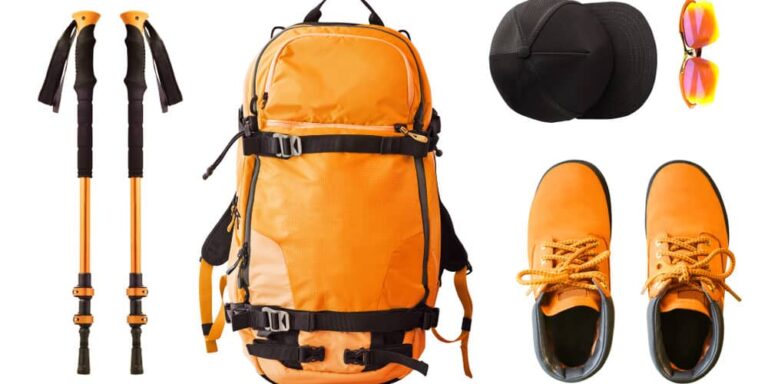
Kilimanjaro School-Holiday Climbing Dates 2026-2027
Kilimanjaro School-Holiday Climbing Dates is explained with current 2026-2027 planning, price, itinerary and booking information.
View package details
Kilimanjaro Climbing Package For Parents And Teenagers 2026-2027
Kilimanjaro Climbing Package for Parents and Teenagers is explained with current 2026-2027 planning, price, itinerary and booking information.
View package details
Sustainable Kilimanjaro Climbing Packages For | Top Guide Adventures 2026-2027
Discover sustainable Kilimanjaro climbing packages designed for eco-conscious adventurers. Top Guide Adventures offers responsible treks in 2026-2027, focusing on environmental preservation...
View package details
Kilimanjaro Climbing Price For Four People 2026-2027
Kilimanjaro Climbing Price for Four People is explained with current 2026-2027 planning, price, itinerary and booking information.
View package detailsKilimanjaro Single Supplement Cost 2026-2027
Kilimanjaro Single Supplement Cost is explained with current 2026-2027 planning, price, itinerary and booking information.
View package details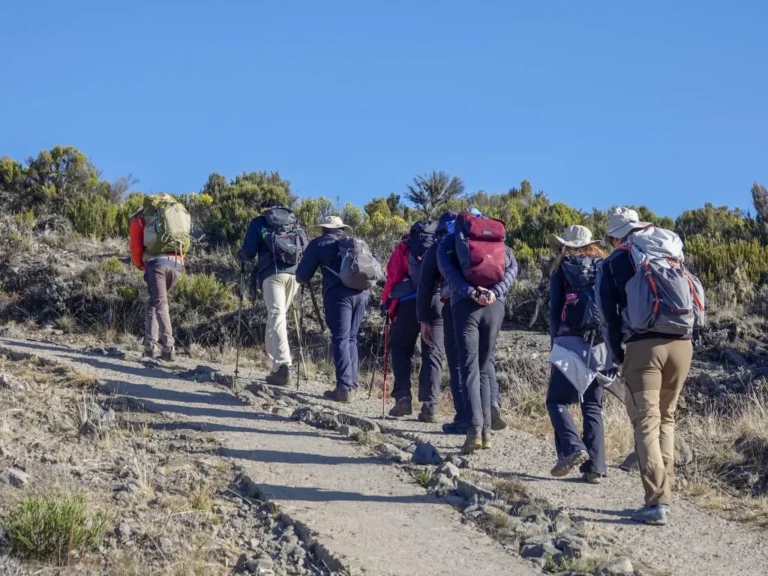
Kilimanjaro Climbing Payment Plan: Flexible Options For Your Adventure
Planning your Kilimanjaro climb is an exciting journey. Top Guide Adventures understands that financial flexibility is key. Discover how our Kilimanjaro climbing payment plan options can...
View package details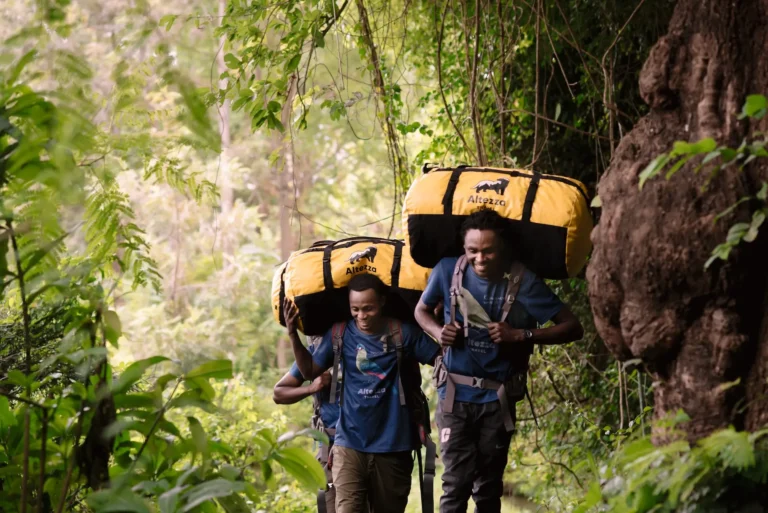
Kilimanjaro Region Seven-Day Non-Climbing Itinerary: Explore Beyond The Summit
Explore the vibrant Kilimanjaro Region for seven days without climbing the mountain. This itinerary focuses on cultural immersion, wildlife encounters, local markets, and scenic beauty...
View package details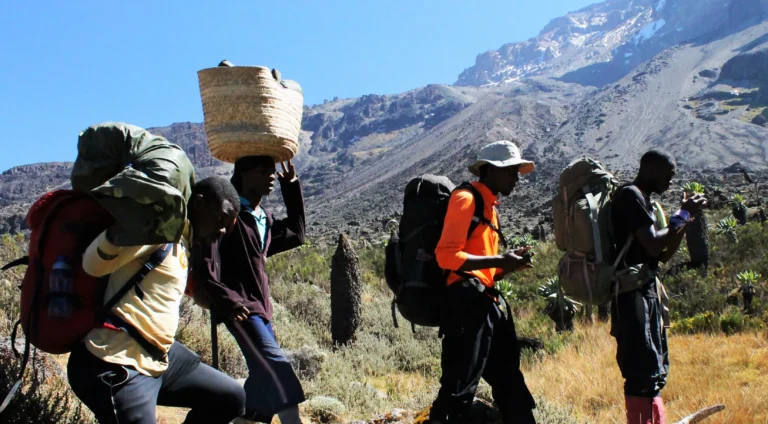
Kilimanjaro Safari Before Rejoining Your Climbing Group | Top Guide Adventures
Combining a safari with your Kilimanjaro climb is a classic Tanzanian adventure. Discover how to seamlessly integrate a wildlife safari experience before meeting your climbing group for the...
View package details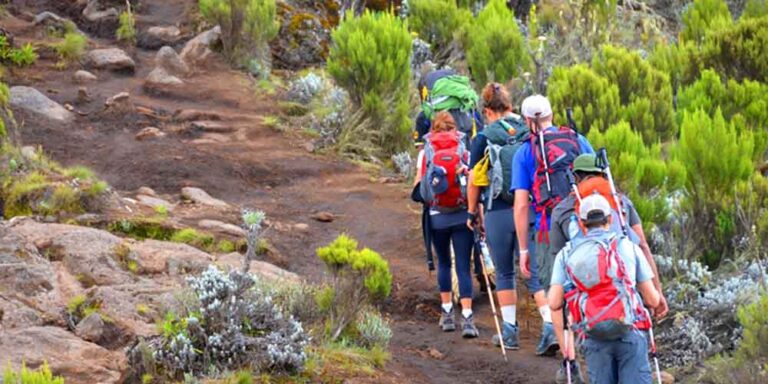
Kilimanjaro Airport And Hotel Support For Climbing Groups | Top Guide
Top Guide Adventures provides comprehensive support for Kilimanjaro climbing groups, from arrival at Kilimanjaro International Airport (JRO) to comfortable hotel stays before and after your...
View package detailsKilimanjaro Public Toilet Vs Private Tent 2026-2027
Kilimanjaro Public Toilet vs Private Toilet Tent is explained with current 2026-2027 planning, price, itinerary and booking information.
View package details
Kilimanjaro Shared Tent Vs Single Making The Right Choice For Your Climb
Choosing between a shared tent and a single tent for your Kilimanjaro climb is a significant decision impacting comfort, cost, and your overall experience. This guide breaks down the pros...
View package detailsNo related package matches those filters. Clear one or more filters to see the other topic-matched options.



