
April on Kilimanjaro typically falls within the ‘long rains’ season, meaning expect significant rainfall, muddy trails, and potentially challenging conditions, especially in the lower rainforest zones. While this can make trekking more difficult, it also means fewer crowds and lush, green landscapes. Successful climbs in April require careful preparation, appropriate gear for wet and cold weather, and choosing a route that best navigates potential mud, with many opting for the Marangu or Machame routes due to their varied terrain and established paths.
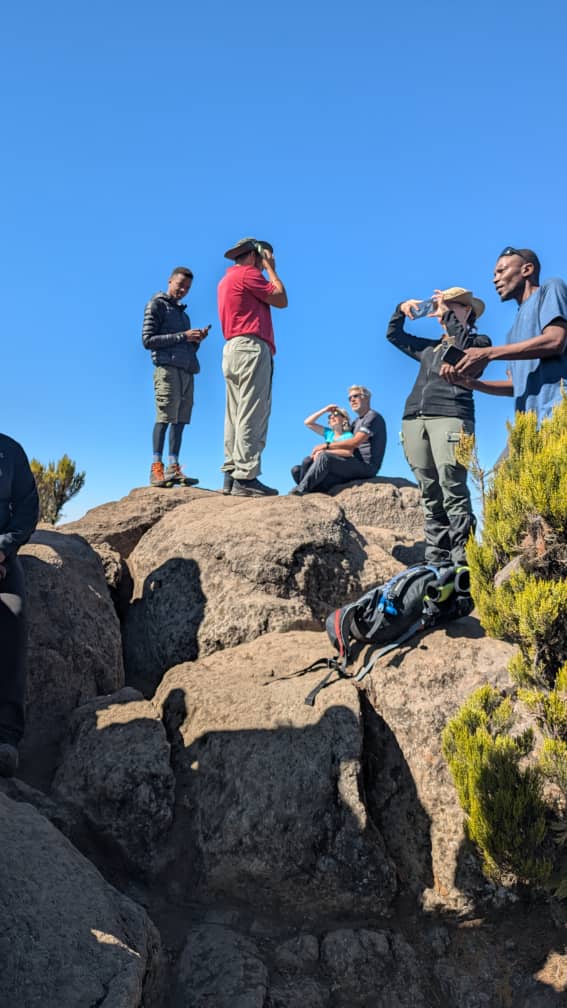


Understanding April’s Climate on Kilimanjaro
Kilimanjaro, Africa’s highest peak, experiences distinct climatic seasons influenced by its massive elevation and location near the equator. Understanding these patterns is crucial for any climber, and April is a prime example of a month that requires specific planning. As a seasoned tour operator based in Tanzania, Top Guide Adventures has guided countless climbers through all seasons, and April presents a unique set of circumstances for the April Kilimanjaro trail and mud conditions.
April is part of the extended rainy season, often referred to as the ‘long rains,’ which typically spans from March through May. This period is characterized by heavy, persistent rainfall, particularly in the lower altitude zones of the mountain, such as the rainforest belt. While higher altitudes may experience snow and sleet, the lower slopes are often saturated, leading to the muddy conditions that are a hallmark of an April Kilimanjaro climb.
The intensity of the rain can vary year to year, and even day to day. Some days might bring continuous downpours, while others might offer brief showers interspersed with periods of sunshine. However, the overarching expectation for April is wet weather. This doesn’t mean climbing Kilimanjaro in April is impossible or inadvisable; rather, it means that preparation and expectations must align with the prevailing conditions.
The Impact of Rain on Trail Conditions
The most significant impact of the long rains on the Kilimanjaro trails is the pervasive presence of mud. As precipitation saturates the soil, especially in the dense rainforest sections found on routes like Machame, Lemosho, and Marangu, the trails can transform into slippery, muddy tracks. This affects the hiking experience in several ways:
- Increased Difficulty: Walking through mud requires more effort. Each step can be a struggle, demanding greater energy expenditure and potentially slowing down the overall pace of the trek.
- Risk of Slips and Falls: Muddy trails increase the likelihood of slipping. Proper footwear with excellent grip is paramount, and climbers need to exercise caution, especially on descents.
- Footwear Challenges: Boots can become caked in mud, reducing their effectiveness and adding weight. Gaiters become essential for keeping mud and water out of your boots and off your trousers.
- Altered Scenery: While challenging, the rain also brings the rainforest to life. The vegetation is incredibly lush and vibrant, with waterfalls often at their most powerful. The air is fresh, and the mist can add a dramatic, mystical quality to the landscapes.
Higher up the mountain, beyond the rainforest, the trails transition to moorland and alpine desert. Here, the mud may be less of an issue, but the rain can turn into sleet or snow, and the trails can become boggy or waterlogged in certain sections. Visibility can also be significantly reduced due to clouds and mist.
Weather Patterns in April
Beyond just rain, April’s weather on Kilimanjaro is characterized by:
- Temperature Fluctuations: Temperatures can vary dramatically. Lower altitudes might be warm and humid, while the summit zone can be extremely cold, often below freezing, with wind chill making it feel even colder. In April, the cold is exacerbated by wet clothing.
- Reduced Visibility: Frequent cloud cover and mist are common, especially in the lower and middle altitudes. This can obscure the stunning panoramic views Kilimanjaro is famous for. However, breaks in the clouds can offer spectacular sights.
- Wind: While not as consistently strong as in the dry seasons, wind can still be a factor, particularly at higher elevations. Combined with rain or snow, it significantly increases the risk of hypothermia.
Despite these challenges, April is often overlooked by climbers who prioritize drier conditions. This can translate to fewer people on the mountain, offering a more solitary and potentially more profound experience. The vibrant green landscapes and the feeling of having the mountain more to yourself can be significant advantages for some trekkers.
Choosing the Right Kilimanjaro Route for April
When planning an April Kilimanjaro trail and mud conditions assessment, route selection becomes even more critical. Some routes are better equipped to handle the wet conditions than others, and some offer a slightly different experience that might be more appealing during the rainy season.
Marangu Route (Coca-Cola Route)
The Marangu route is unique because it uses dormitory-style huts for accommodation rather than camping. This offers a significant advantage in April: a dry place to sleep and eat, protected from the rain. The trail itself is well-maintained, and while it will be muddy, the huts provide a crucial refuge. Marangu also tends to be steeper and more direct, which can mean less time spent in the densest, muddiest parts of the rainforest compared to some other routes. However, its directness means a faster ascent profile, which is generally less recommended for acclimatization. For those prioritizing comfort and shelter from the rain, Marangu is a strong contender for an April climb.
Machame Route (Whiskey Route)
The Machame route is one of the most popular routes due to its excellent acclimatization profile and stunning scenery. It’s also a camping route. In April, this means being prepared for muddy campsites and trails. However, Machame traverses through diverse landscapes, including the rainforest, moorland, and alpine desert. The trail is generally well-trodden, but the rainforest sections can become very muddy and slippery. Climbers on Machame in April must be equipped with waterproof gear and sturdy boots. The advantage here is the excellent acclimatization, which is crucial for summit success, rain or shine. For trekkers who don’t mind camping and are prepared for mud, Machame offers a rewarding challenge.
Lemosho Route
Lemosho is known for its scenic beauty and remote start. Like Machame, it’s a camping route. The early sections of Lemosho pass through pristine rainforest, which will undoubtedly be wet and muddy in April. The trail can be less defined in some of the more remote sections, potentially making navigation trickier in poor visibility. However, its longer duration allows for better acclimatization, which is always a plus. If you choose Lemosho in April, expect the early days to be particularly wet and muddy, but the stunning environment and fewer crowds can be a significant draw.
Shira Route
Shira starts at a higher altitude than Lemosho, often meaning less time spent in the deepest rainforest. However, it is also a camping route and covers a lot of moorland terrain, which can become boggy and wet in April. The higher start might mean quicker exposure to colder, potentially snowier conditions, but it bypasses some of the lower, muddier sections. Shira is often chosen for its dramatic landscapes and high-altitude traverse.
Rongai Route
Rongai approaches Kilimanjaro from the north, near the Kenyan border. It is generally considered a drier route, as it receives less rainfall than the southern routes. This makes Rongai a potentially good option for an April climb if minimizing mud is a priority. While it’s not entirely immune to rain, the likelihood of prolonged, heavy downpours and saturated trails is lower compared to Marangu or Machame. It’s a camping route, so you’ll still need appropriate gear, but the ground conditions might be slightly more manageable.
Northern Circuit and Western Breach
These routes are generally longer and offer the best acclimatization. The Northern Circuit traverses the mountain’s quieter northern slopes, potentially offering a drier experience similar to Rongai. The Western Breach, however, is known for its challenging scree and rock sections, which can become hazardous and slippery when wet or icy in April. These longer routes are excellent for acclimatization but still require thorough preparation for wet conditions.
Recommendation for April: While any route can be climbed, routes that offer good acclimatization and potentially slightly less time in the absolute wettest rainforest sections might be preferable. Rongai is often cited as a drier option. Marangu offers the unique benefit of huts. Machame and Lemosho are excellent for acclimatization but require robust preparation for mud.
Essential Gear for April Kilimanjaro Treks
Packing the right gear is non-negotiable for an April Kilimanjaro climb. The April Kilimanjaro trail and mud conditions demand a focus on waterproofing, insulation, and protection against the elements. Top Guide Adventures emphasizes that investing in quality gear significantly enhances safety and comfort.
Clothing
- Waterproof and Windproof Outer Layer: A high-quality, breathable jacket and trousers are essential. Look for Gore-Tex or similar materials. These will be your primary defense against rain and wind.
- Insulating Layers: Several layers of fleece or synthetic insulation are crucial. Avoid cotton, as it holds moisture and loses insulating properties when wet. Think base layers (thermals), mid-layers (fleece jackets), and a warm outer layer (down or synthetic puffy jacket).
- Trekking Trousers: Quick-drying, durable trekking trousers. Consider waterproof overtrousers as well.
- Base Layers: Moisture-wicking thermal tops and bottoms made from merino wool or synthetic materials.
- Warm Hat and Gloves: Essential for summit night and cold evenings. Consider waterproof outer gloves and warm inner gloves.
Footwear
- Waterproof Hiking Boots: Sturdy, broken-in, waterproof hiking boots with excellent ankle support and grip are vital. Ensure they are well-waterproofed before your trek.
- Gaiters: Absolutely essential for April. They prevent mud, water, and small stones from entering your boots, keeping your feet drier and warmer.
- Socks: Several pairs of warm, moisture-wicking hiking socks (wool or synthetic blends). Bring liner socks too, if you use them.
- Camp Shoes/Sandals: A comfortable pair of shoes or sandals to wear around camp after a day of trekking.
Other Essential Gear
- Backpack: A comfortable daypack (30-40 liters) for essentials you need during the day (water, snacks, camera, extra layer). Your main duffel bag will be carried by porters.
- Duffel Bag: A large, waterproof duffel bag (80-100 liters) for your main gear, carried by porters.
- Sleeping Bag: A warm sleeping bag rated to at least -10°C (0°F), preferably -20°C (-4°F). Down or synthetic fill are both suitable, but ensure it’s kept dry.
- Trekking Poles: Highly recommended for stability on muddy and slippery descents, and for reducing strain on your knees.
- Headlamp: With extra batteries. Essential for early morning starts and navigating camp at night.
- Water Bottles/Hydration Reservoir: Carry at least 2-3 liters capacity. Insulated bottles or reservoirs can help prevent water from freezing at higher altitudes.
- Sun Protection: Even in April, the sun at altitude is intense. Sunscreen (SPF 30+), sunglasses, and a wide-brimmed hat or cap are necessary.
- First-Aid Kit: Personal medications and a basic kit for blisters, headaches, etc. Your guide will have a comprehensive kit.
- Toiletries: Including biodegradable soap, toothbrush, toothpaste, and wet wipes.
- Camera and Power Bank: To capture the stunning, albeit sometimes misty, scenery.
Pro Tip for April: Invest in high-quality waterproof bags or dry sacks for your clothing and sleeping bag within your duffel bag. This provides an extra layer of protection against moisture seeping through even the most robust duffel.
Preparing for the Mud: Practical Tips
The April Kilimanjaro trail and mud conditions require specific preparation beyond just packing the right gear. How you approach the trek itself can make a significant difference.
Trekking Technique
- Use Trekking Poles: As mentioned, trekking poles are invaluable. They provide balance and stability, allowing you to distribute your weight and test the ground ahead.
- Walk Slowly and Deliberately: Rushing on muddy trails is a recipe for disaster. Take your time, place your feet carefully, and focus on maintaining balance.
- Look for Solid Footing: Where possible, try to step on rocks, roots, or firmer patches of ground. Avoid the deepest mud if a stable alternative exists.
- Maintain a Lower Center of Gravity: Slightly bending your knees can help with stability, especially on slippery descents.
- Embrace the Mud: Sometimes, you just have to trudge through. Don’t get discouraged. See it as part of the adventure!
Campsite Management
Campsites in April can become very muddy. Your guide and porter team will do their best to select the most suitable spots, but expect some sogginess.
- Wear Old Boots in Camp: Save your good hiking boots for the trail. Wear old trainers or sandals around camp to keep your main boots cleaner and drier.
- Keep Your Tent Clean: Use a groundsheet inside your tent and try to leave muddy boots outside the main sleeping area.
- Dry Gear When Possible: If you get a break in the rain and sunshine, take the opportunity to hang out wet gear to dry.
Hygiene and Health
Wet conditions can sometimes increase the risk of certain issues.
- Foot Care: Change socks regularly to prevent blisters and fungal infections. Keep your feet as dry as possible.
- Staying Warm: Hypothermia is a risk in wet and cold conditions. Always wear appropriate layers, change out of wet clothes promptly, and stay hydrated and fueled.
- Water Purification: Ensure all water is properly purified, as rain can wash contaminants into water sources. Top Guide Adventures provides boiled or purified water.
What to Expect Day-by-Day in April
While every climb is unique, here’s a general idea of what you might encounter on a typical April Kilimanjaro trek, focusing on the April Kilimanjaro trail and mud conditions.
Day 1: Park Gate to First Camp (e.g., Marangu Gate to Mandara Huts or Machame Gate to Machame Camp)
The initial trek begins in the lush rainforest. Expect heavy rain and significant mud from the moment you start. The trail will be steep and slippery in places. Your guides will help navigate the trickiest sections. Temperatures will be warm and humid, but you’ll likely be sweating from the effort and the rain. Visibility might be low, but the rainforest will be incredibly vibrant and alive.
Day 2: First Camp to Second Camp (e.g., Mandara Huts to Horombo Huts or Machame Camp to Shira Camp)
You’ll continue to ascend through the rainforest, eventually emerging into the moorland zone. The mud may persist in the lower sections, but the terrain will start to open up. Temperatures will begin to drop. Rain is still very likely, potentially mixed with mist. Campsites may be wet and muddy. Acclimatization becomes more important as you gain altitude.
Day 3-5: Ascending Through Moorland and Alpine Desert
These days involve trekking through the vast moorland and into the stark alpine desert. The rain may lessen in intensity compared to the rainforest, but it can turn into sleet or cold drizzle. Visibility can be very poor due to clouds. The trails can be boggy and rocky. Temperatures will be significantly colder, especially at night. You’ll be focusing on steady ascent and acclimatization. The landscapes become more dramatic and barren.
Day 6: Summit Night (e.g., Barafu Camp to Uhuru Peak and down to Mweka Camp)
Summit night is the most challenging part. Starting around midnight, you’ll ascend steep scree slopes in the cold and dark. In April, this means facing potentially freezing temperatures, strong winds, and possibly snow or ice on the trail, especially near Stella Point and the crater rim. Visibility can be zero. Hypothermia is a serious risk. Your guide’s expertise is critical here. After reaching Uhuru Peak, you’ll descend rapidly, often through rain or sleet, back to Barafu Camp, and then continue down to Mweka Camp. This is a very long and demanding day, made tougher by the April weather.
Day 7: Descent to Park Gate
The final descent is usually quicker and can be muddy again as you re-enter the rainforest zone. It’s a chance to reflect on your achievement. While the rain might continue, the relief of reaching the gate and completing the climb is immense.
Comparing April to Other Months
Understanding how April compares to other months helps put the April Kilimanjaro trail and mud conditions into perspective. The choice of month significantly impacts the trekking experience.
- Dry Seasons (January-February, June-October): These months generally offer the clearest skies, driest trails, and best visibility. January and February are warm, while June through October can be cooler but still dry. Trails are firmer, and the risk of mud is significantly lower. Summit success rates are often higher due to more predictable weather.
- Shoulder Seasons (March, November-December): These months can be transitional. March often sees the start of the long rains, with increasing chances of rain and mud as the month progresses. November and December mark the beginning of the short rains, which are typically less intense than the long rains but can still bring showers and affect trail conditions.
- Long Rains (April-May): This is when April falls. Expect the most significant rainfall, the muddiest trails, and the lowest visibility. However, it also means fewer crowds and lush, green scenery. Temperatures can be milder at lower altitudes but the cold at the summit is still severe.
Why Choose April?
- Fewer Crowds: This is a major draw. You’ll likely share the mountain with significantly fewer people than during peak dry seasons.
- Lush Landscapes: The rain makes the rainforest incredibly vibrant and green. Waterfalls are often at their most impressive.
- Lower Prices (Sometimes): Some operators may offer slightly reduced prices during the low season, though this is not always the case for Kilimanjaro climbs due to fixed park fees and operational costs.
Considerations for April:
- Mud and Slippery Trails: The primary challenge. Requires proper gear and careful trekking.
- Reduced Visibility: Clouds and mist can obscure views, especially at higher altitudes.
- Higher Risk of Cold/Wet Conditions: Hypothermia is a greater concern due to persistent rain and wind.
Kilimanjaro in 2026-2027: Planning for April Climbs
When planning your Kilimanjaro adventure for 2026 or 2027, especially if considering April, early booking and preparation are key. The April Kilimanjaro trail and mud conditions remain consistent year to year, but specific availability and operator choices are important.
Booking Your Climb
Top Guide Adventures recommends booking your Kilimanjaro climb at least 6-12 months in advance, particularly if you have specific date preferences. For April climbs in 2026 and 2027, booking early ensures:
- Availability: Securing your preferred dates and route, especially if you’re aiming for a private climb.
- Guide and Porter Allocation: Ensuring you have a well-experienced team assigned to your climb.
- Permit Acquisition: While permits are generally available, booking early guarantees they are secured.
Consider joining one of our Machame Route Kilimanjaro group departures dates for 2026-2027 if you prefer to climb with others and share costs. Group climbs in April can be a great way to experience the mountain with like-minded adventurers.
Training and Fitness
Physical preparation is crucial for any Kilimanjaro climb, but it’s even more vital when facing potentially challenging conditions like mud in April. Focus on:
- Cardiovascular Fitness: Engage in regular hiking, running, cycling, or swimming.
- Strength Training: Focus on leg strength (squats, lunges) and core stability.
- Hiking Practice: The best preparation is hiking on varied terrain, including hills and trails with uneven surfaces. Practice hiking with a weighted backpack.
- Mental Preparation: Understand the challenges of April weather and mud. A positive attitude and mental resilience are as important as physical fitness.
What Top Guide Adventures Offers for April Climbs
As one of Tanzania’s trusted tour companies, Top Guide Adventures provides comprehensive support for your April Kilimanjaro climb. We understand the nuances of the April Kilimanjaro trail and mud conditions and tailor our services accordingly.
- Experienced Guides: Our guides are highly trained in mountain rescue, first aid, and possess extensive knowledge of Kilimanjaro’s routes and weather patterns.
- Quality Equipment: We provide high-quality tents, cooking equipment, and ensure our porters are well-equipped and cared for. We can also advise on personal gear rental.
- Safety First: Your safety is our top priority. We carry comprehensive first-aid kits, emergency oxygen, and have established emergency evacuation procedures.
- Personalized Support: From your initial inquiry to your return from the mountain, our team offers dedicated support. We can help you choose the best route for an April climb and ensure you have all the information you need.
We are committed to providing complete travel experiences across Tanzania, ensuring personal attention, care, and dedicated support for every client. Whether you are looking for Kilimanjaro climbs, Serengeti safaris, or Zanzibar holidays for 2026-2027, Top Guide Adventures is your reliable partner.
Frequently Asked Questions About April Kilimanjaro Climbs
- Is April a good month to climb Kilimanjaro?
- April is considered part of the ‘long rains’ season, meaning it’s generally wet with muddy trails, especially in the rainforest. However, it’s also a time with fewer crowds and lush scenery. If you are well-prepared for wet conditions, it can be a rewarding experience. It’s not typically considered ‘ideal’ compared to the dry seasons, but it is certainly feasible and enjoyable for many.
- How muddy are the Kilimanjaro trails in April?
- The trails, particularly in the rainforest zones (lower altitudes), can be very muddy and slippery in April. Expect significant mud, requiring careful footing and the use of trekking poles and gaiters. Higher altitudes may be boggy rather than muddy.
- What is the weather like on Kilimanjaro in April?
- Expect frequent and often heavy rainfall, especially in the lower and middle altitudes. Temperatures can range from warm and humid at the start to well below freezing at the summit. Mist and clouds are common, reducing visibility. Wind can also be a factor, increasing the risk of cold.
- Which Kilimanjaro route is best for April?
- The Rongai route is often recommended as it approaches from the north and typically receives less rain. The Marangu route offers huts, providing a dry place to sleep. Machame and Lemosho are excellent for acclimatization but will be very muddy in April. Regardless of the route, thorough preparation for wet and muddy conditions is essential.
- Do I need special gear for an April climb?
- Yes, high-quality waterproof and breathable outer layers (jacket and trousers), waterproof hiking boots, gaiters, and warm insulating layers are essential. Trekking poles are highly recommended for stability on muddy trails. Ensure your sleeping bag is warm enough for sub-zero temperatures.
- What are the advantages of climbing Kilimanjaro in April?
- The main advantages are significantly fewer crowds on the mountain and the incredibly lush, vibrant green scenery due to the rains. It can offer a more solitary and peaceful trekking experience.
- What are the disadvantages of climbing Kilimanjaro in April?
- The primary disadvantages are the challenging muddy and slippery trail conditions, frequent rain, potentially poor visibility due to clouds and mist, and an increased risk of cold and hypothermia.
- How does April compare to May for Kilimanjaro climbs?
- Both April and May are part of the ‘long rains’ season. May often sees a slight decrease in rainfall intensity compared to April, with conditions gradually improving towards June. However, both months can still be very wet and muddy. May might offer slightly better chances of clearer skies towards the end of the month.
Final Considerations for Your April 2026-2027 Kilimanjaro Adventure
Climbing Kilimanjaro in April is an adventure that rewards preparedness and a positive attitude. The April Kilimanjaro trail and mud conditions are a significant factor, but with the right gear, a suitable route, and a trusted guide service like Top Guide Adventures, your trek can be a resounding success. Remember that the mountain’s beauty is amplified by the rains, offering a unique perspective and a truly memorable experience. For those seeking solitude and a vibrant natural environment, April presents a compelling option for their 2026 or 2027 Kilimanjaro expedition. We are here to help you plan every detail, ensuring your safety, comfort, and enjoyment. Don’t hesitate to reach out with any questions about climbing Kilimanjaro in April or any other time of year. You can contact us via WhatsApp at +255616946642, email us at topguideadventures@gmail.com or info@topguideadventures.com, and explore more about our adventures on our website or Instagram page @top_guide_adventures.
Check Availability for April Kilimanjaro Trail And Mud Conditions: Your Expert Guide For 2026-2027
Ready to compare dates, prices, and the best option for your group? Send the package name and travel month so the team can reply with a clear quote, availability, and what is included.
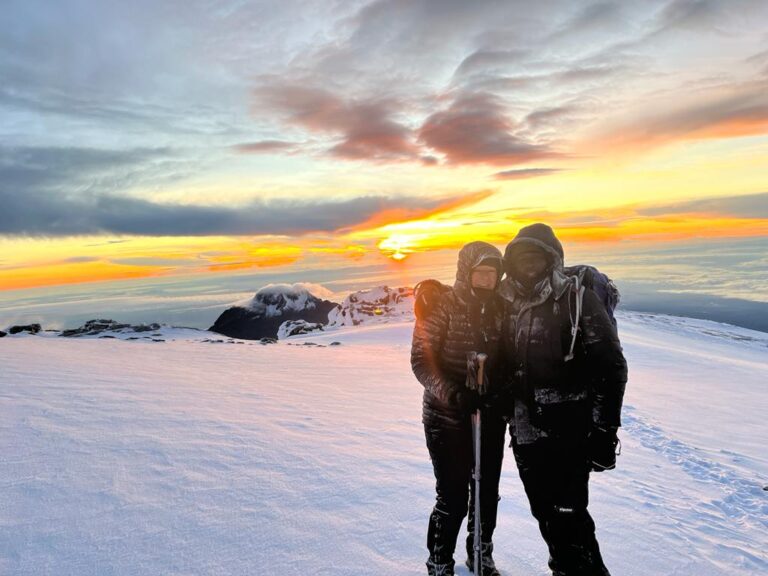
What Happens If The Kilimanjaro Trail Is Closed? 2026-2027
What Happens If the Kilimanjaro Trail Is Closed? is explained with current 2026-2027 planning, price, itinerary and booking information.
View package details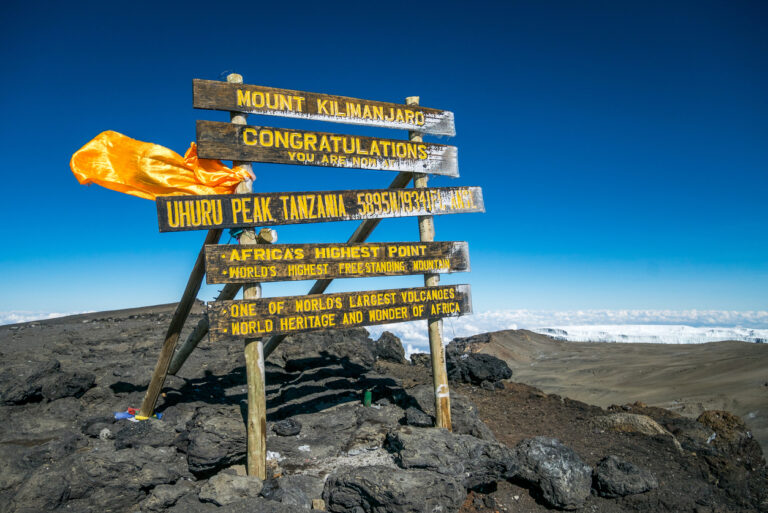
What Happens If You Miss Your Kilimanjaro Departure? Guide
If you miss your scheduled Kilimanjaro departure, your trek may be cancelled, and you could forfeit your deposit and payments. Rebooking is often possible but incurs additional costs and...
View package details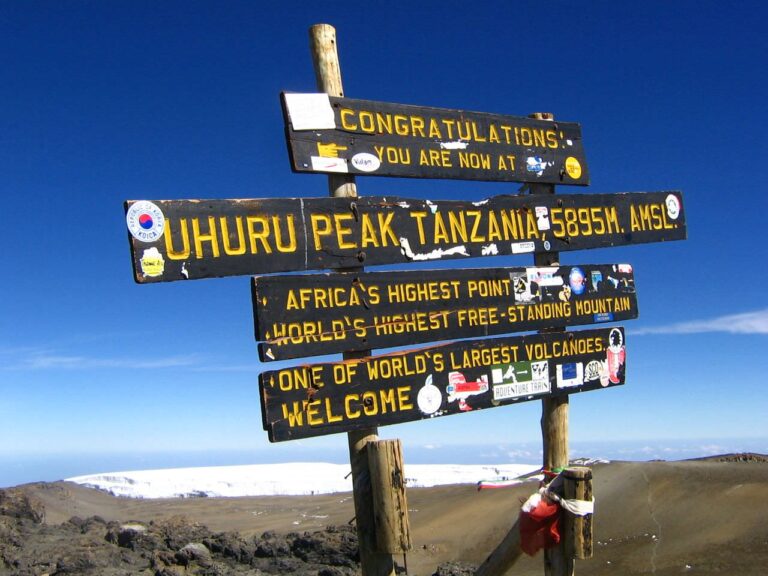
What Does Kilimanjaro Rainforest Look Like? A Trekkers Visual Guide 2026-2027
The Kilimanjaro rainforest is a vibrant, humid zone of dense vegetation, towering trees, and diverse plant life found on the mountain's lower slopes. It's the first major ecosystem trekkers...
View package details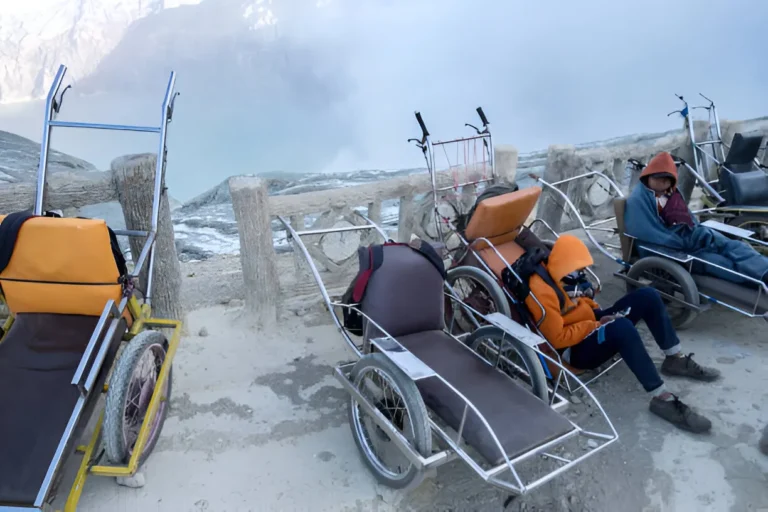
Kilimanjaro Climb With A Personal Support Assistant: Your Ultimate Guide
Climbing Mount Kilimanjaro with a personal support assistant offers unparalleled safety, comfort, and focus on your summit goals. This guide details what a personal assistant entails, its...
View package details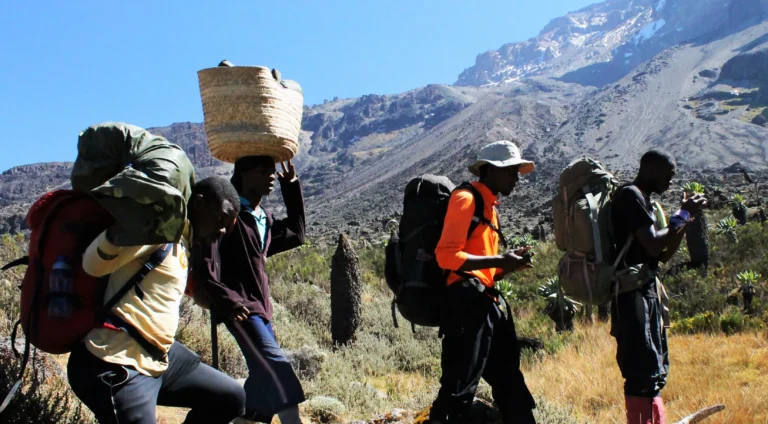
How To Know Whether You Are Ready For Kilimanjaro: A Comprehensive Guide
Climbing Mount Kilimanjaro is a significant undertaking. This guide helps you evaluate your physical, mental, and logistical readiness to ensure a safe and successful trek in 2026 or 2027...
View package details
Kilimanjaro Hydration Mistakes Climbers Make And How To Avoid Them 2026-2027
Proper hydration is critical for a successful Kilimanjaro climb. This guide details common hydration mistakes climbers make, from under-drinking to choosing the wrong fluids, and provides...
View package detailsKilimanjaro Altitude-Sickness Mistakes 2026-2027
Kilimanjaro Altitude-Sickness Mistakes is explained with current 2026-2027 planning, price, itinerary and booking information.
View package details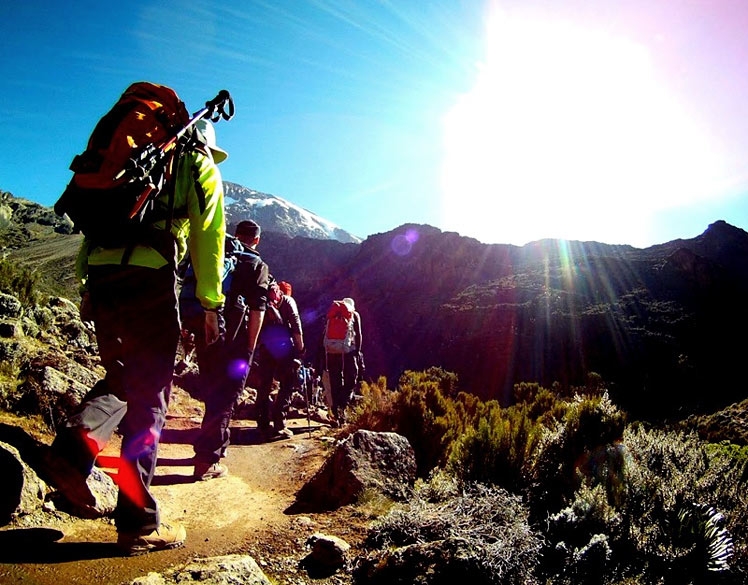
Kilimanjaro Summit-Night Mistakes To Avoid: Your Essential Guide For Climbs
Summit night on Kilimanjaro is the most challenging part of the climb. Avoiding common mistakes in acclimatization, gear, hydration, and pacing is crucial for success. This guide details...
View package details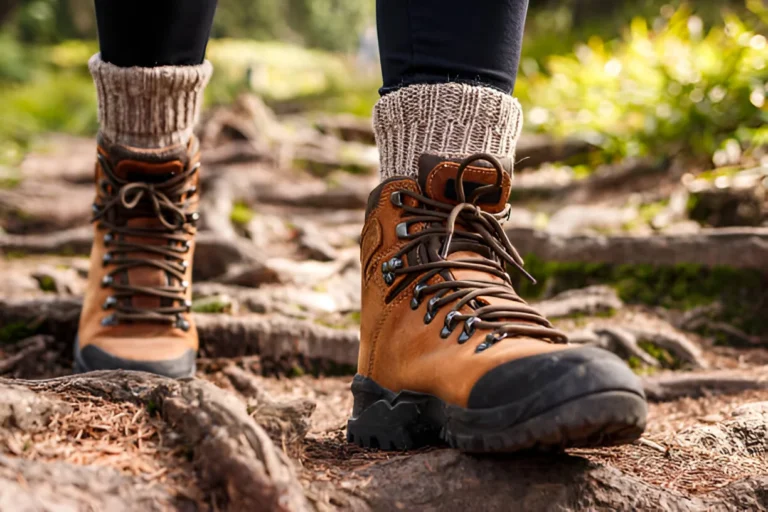
Kilimanjaro Training Mistakes That Reduce Summit Success 2026-2027
Kilimanjaro Training Mistakes that Reduce Summit Success is explained with current 2026-2027 planning, price, itinerary and booking information.
View package details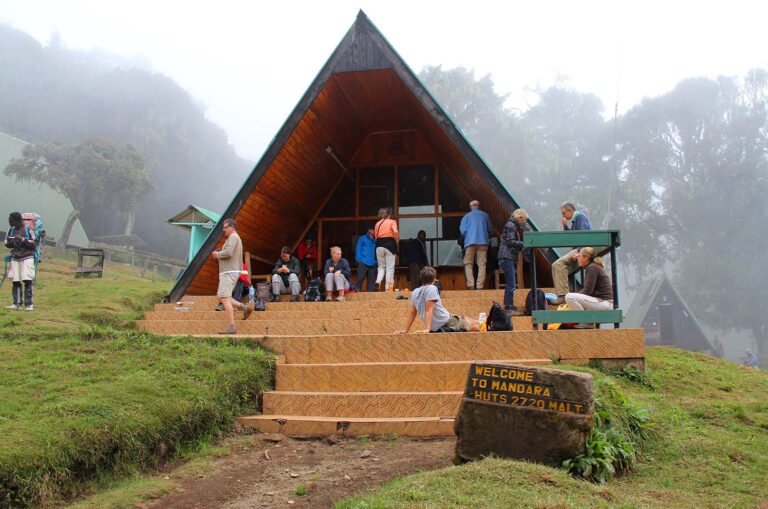
Kilimanjaro Personal Porter Vs Standard Support 2026-2027
Kilimanjaro Personal Porter vs Standard Porter Support is explained with current 2026-2027 planning, price, itinerary and booking information.
View package details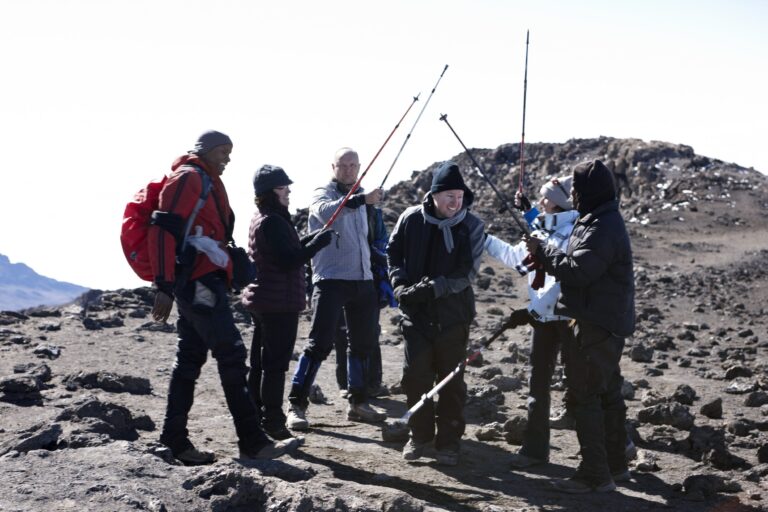
Kilimanjaro Airport Vs Arusha For Climbers: The Definitive Guide 2026-2027
A comprehensive comparison of Kilimanjaro International Airport (JRO) and Arusha Airport (ARK) for trekkers planning a Mount Kilimanjaro climb, detailing pros, cons, and booking advice for...
View package details
Kilimanjaro Climb For Retired Couples: Planning Your Adventure 2026-2027
Planning a Kilimanjaro climb as a retired couple is an achievable and rewarding goal. This guide offers in-depth advice on route selection, physical preparation, essential gear, and the...
View package detailsNo related package matches those filters. Clear one or more filters to see the other topic-matched options.



