
An April Kilimanjaro waterproof gear checklist must prioritize high-quality, breathable waterproof outer layers for your jacket and trousers, waterproof hiking boots, and reliable waterproof accessories like gloves, gaiters, and a backpack cover to protect against the significant rainfall and wind typical of this shoulder season. Proper waterproof gear is crucial for maintaining warmth and comfort during your 2026-2027 climb, preventing hypothermia and ensuring you can focus on the ascent rather than the elements.
Understanding April Weather on Kilimanjaro
Kilimanjaro’s weather patterns are famously varied, with distinct wet and dry seasons. April falls squarely within the mountain’s second rainy season, often considered one of the wettest months. This means you should anticipate significant precipitation, which can range from persistent drizzle and mist to heavy downpours, especially at lower to mid-altitudes. Temperatures will also be cooler, particularly at higher elevations, with frost and even snow possible near the summit. Understanding these conditions is the first step in selecting the appropriate April Kilimanjaro waterproof gear.
The rainy season, while challenging, doesn’t mean your climb is impossible. In fact, climbing Kilimanjaro in April can offer fewer crowds and dramatic, atmospheric landscapes. The key to a successful and enjoyable experience lies in being thoroughly prepared. Your gear is your primary defense against the elements, and investing in the right waterproof and weather-resistant items is paramount. For your 2026 or 2027 climb, expect conditions to be similar, though micro-climates can always influence daily weather.
The Importance of Waterproof vs. Water-Resistant Gear
It’s crucial to distinguish between waterproof and water-resistant gear. Water-resistant items can repel light moisture for a short period but will eventually become saturated. Waterproof gear, on the other hand, is designed to be impermeable to water, often through specialized membranes and sealed seams, while ideally remaining breathable to prevent internal moisture buildup from sweat. For Kilimanjaro in April, true waterproof gear is essential for your outer layers and footwear. Relying solely on water-resistant items will lead to discomfort, potential hypothermia, and a significantly diminished climbing experience.
When reviewing your April Kilimanjaro waterproof gear checklist, always look for terms like ‘Gore-Tex’ or other proprietary waterproof-breathable technologies. These indicate a higher standard of protection. Even with the best waterproof gear, a good layering system underneath is vital to manage body temperature effectively.
Essential Waterproof Outerwear: Jacket and Trousers
Your waterproof jacket and trousers are arguably the most critical items on your April Kilimanjaro waterproof gear checklist. These will be your primary shield against rain, wind, and the biting cold at higher altitudes.
Waterproof Jacket (Hardshell)
You need a high-quality, breathable waterproof jacket, often referred to as a ‘hardshell’. Key features to look for include:
- Waterproof and Breathable Membrane: Look for materials like Gore-Tex (Gore-Tex Pro, Gore-Tex Active are excellent choices) or similar reputable brands. This allows water vapor from your sweat to escape while preventing external rain from penetrating.
- Sealed Seams: All seams must be fully taped and sealed to prevent water ingress.
- Adjustable Hood: A well-designed, adjustable hood that can accommodate a hat or helmet is essential. It should offer good peripheral vision while keeping your head dry.
- Full Zips with Storm Flaps: A robust front zipper protected by an external storm flap (secured with Velcro or snaps) prevents water from seeping through the main closure. Pit zips (underarm zippers) are also highly beneficial for ventilation during strenuous ascents.
- Adjustable Cuffs and Hem: Cuffs that can be tightened over gloves and a hem drawcord help seal out wind and rain.
- Durability: The fabric should be durable enough to withstand abrasion from your backpack straps and general trekking use.
Consider a jacket that is roomy enough to comfortably layer a fleece or insulated jacket underneath, as this will be necessary for colder sections of the climb, especially as you approach the summit in April. A bright color can also enhance visibility in misty conditions.
Waterproof Trousers
Similar to the jacket, your waterproof trousers should also be a breathable hardshell. Essential features include:
- Waterproof and Breathable Material: Again, look for Gore-Tex or equivalent.
- Full-Length Side Zips: These are incredibly useful for putting on and taking off your trousers without removing your boots. They also provide excellent ventilation options.
- Adjustable Waistband: An elasticated or adjustable waistband ensures a comfortable and secure fit.
- Ankle Adjustments: Velcro or snap closures at the ankles help seal out drafts and can be adjusted to fit over or inside your boots.
- Reinforcements: Reinforced panels at the seat and knees can add durability.
For April treks, your waterproof trousers will likely be worn over thermal base layers and hiking trousers. Ensure they are not too tight to restrict movement or layering. Some climbers opt for waterproof overtrousers that are simply pulled on over their regular hiking pants when needed, which can be a practical choice if you anticipate intermittent rain.
Waterproof Footwear: The Foundation of Your Climb
Your feet are your most important tools on Kilimanjaro. Keeping them dry and warm is non-negotiable, especially during the wet April season. This means investing in waterproof boots and complementary gear.
Waterproof Hiking Boots
This is not an area to compromise. You need sturdy, waterproof, mid-to-high cut hiking boots. Key considerations for your April Kilimanjaro waterproof gear checklist include:
- Waterproof Membrane: Look for boots with a Gore-Tex lining or similar waterproof-breathable technology.
- Ankle Support: Mid-to-high cut boots provide essential ankle support on uneven terrain, reducing the risk of sprains.
- Sturdy Soles: Vibram or similar high-traction rubber soles are crucial for grip on slippery, muddy, or rocky paths.
- Comfort and Fit: This is paramount. Break in your boots thoroughly before your climb. They should fit snugly without being too tight, allowing room for thicker socks and preventing blisters. Try them on with the socks you intend to wear.
- Durability: Choose boots made from durable materials like full-grain leather or robust synthetic fabrics.
Remember that even the best waterproof boots can eventually let water in if submerged for extended periods or if the waterproof membrane fails. This is where waterproof socks and gaiters become valuable additions.
Waterproof Socks
While not strictly mandatory, waterproof socks can provide an extra layer of defense against moisture, especially if your boots develop a minor leak or if you encounter unexpected water crossings. They are typically made with a three-layer construction: a durable outer, a waterproof membrane, and a comfortable inner lining. They can be a lifesaver on cold, wet days in April.
Gaiters
Gaiters are fabric coverings that extend from your boot to just below your knee. They are invaluable for April climbs. Their primary functions are:
- Preventing Water Entry: They stop rain, mud, and snow from entering the top of your boots, working in conjunction with your waterproof trousers.
- Keeping Debris Out: They prevent mud, small stones, and dirt from getting into your boots.
- Adding Warmth: They can offer a small degree of extra insulation.
Opt for waterproof or highly water-resistant gaiters for your April Kilimanjaro trek. Ensure they fit securely over your hiking boots and trousers.
Waterproof Protection for Your Backpack
Your backpack will carry your essential gear throughout the climb. Protecting its contents from rain is vital.
Backpack Rain Cover
Most trekking backpacks come with an integrated or separate rain cover. If yours doesn’t, purchase one that is specifically sized for your pack. Ensure it’s made from a durable, waterproof material and fits snugly to prevent wind from lifting it off. This is a simple but indispensable item for your April Kilimanjaro waterproof gear checklist.
Internal Waterproofing (Dry Bags)
Even with a rain cover, it’s wise to waterproof the inside of your backpack. Using dry bags or heavy-duty plastic bags for critical items like your sleeping bag, spare clothing, electronics, and first-aid kit provides an extra layer of security. This ensures that even if the rain cover fails or heavy rain penetrates the pack, your most important gear remains dry. For a 2026-2027 climb, consider investing in a set of good quality dry bags in various sizes.
Waterproof Accessories: The Details Matter
Beyond the major items, several smaller accessories contribute significantly to your comfort and protection in wet conditions.
Waterproof Gloves and Mittens
Hands can get cold very quickly in April, especially at altitude and when wet. You’ll need at least two pairs of gloves:
- Waterproof/Windproof Outer Gloves or Mittens: These should be your primary protection against rain and wind. Mittens generally offer more warmth than gloves as they keep your fingers together. Look for features like wrist cinches and adjustable cuffs.
- Liner Gloves: A pair of thinner fleece or wool liner gloves can be worn inside your waterproof outer gloves for added warmth, or on their own during less severe conditions.
Consider bringing a spare pair of waterproof gloves in case one pair gets lost or damaged. Keeping your hands warm and dry is crucial for maintaining dexterity, which is important for tasks like setting up camp, using trekking poles, or handling equipment.
Waterproof Hat or Balaclava
While a warm beanie is essential for insulation, a waterproof or water-resistant outer hat or balaclava can provide crucial protection for your head and face against driving rain and wind. Look for options with a brim to help keep rain off your face and out of your eyes.
Waterproof Phone Case/Dry Bag for Electronics
Protecting your phone, camera, GPS device, and other electronics from moisture is vital. A small, dedicated waterproof pouch or a dry bag is essential. Ensure it allows you to operate the device’s touchscreen through the material if possible.
Layering System for April Climbs
While this checklist focuses on waterproof gear, it’s crucial to remember that effective layering is the backbone of staying comfortable on Kilimanjaro, especially in April. Your waterproof outer layers are the final shield, but what you wear underneath dictates your core temperature regulation.
Base Layers
Moisture-wicking base layers made from merino wool or synthetic fabrics are essential. They draw sweat away from your skin to keep you dry. Avoid cotton, as it holds moisture and will make you cold.
Mid Layers
Fleece jackets, down vests, or synthetic insulated jackets serve as your insulating mid-layers. You’ll likely need several different weights depending on the altitude and time of day. These layers trap body heat.
Outer Layer (Waterproof Hardshell)
As detailed above, your waterproof jacket and trousers form the outer shell, protecting you from wind and rain while allowing perspiration to escape.
The combination of these layers allows you to adapt to the rapidly changing conditions on Kilimanjaro. You might start your day in a t-shirt and hiking pants, add a fleece as you gain altitude, and finally put on your waterproofs as the rain begins. Being able to adjust your layers is key to preventing overheating and subsequent chilling.
Specific Gear Recommendations for April 2026-2027
When preparing for your 2026 or 2027 Kilimanjaro adventure in April, consider these specific points regarding your waterproof gear:
- Breathability is Key: While waterproofing is essential, breathability is equally important. You will be exerting yourself, and a non-breathable waterproof layer will quickly become soaked with sweat, negating its benefits. Look for jackets and trousers with a high MVTR (Moisture Vapor Transmission Rate).
- Durability Over Weight: While lightweight gear is attractive, for Kilimanjaro, durability is often more critical. Your gear will be subjected to significant wear and tear. Opt for robust materials that can withstand the rigors of the trek.
- Fit for Layering: Ensure your waterproof jacket and trousers are cut to allow for multiple layers underneath without feeling restrictive. A jacket that’s too tight will compress your insulating layers, reducing their effectiveness.
- Consider a 3-in-1 System: Some jackets come with a zip-in fleece or insulated liner. While convenient, ensure the outer waterproof shell is truly robust and breathable. Often, separate layers offer better performance and versatility.
- Test Your Gear: Before you travel to Tanzania for your 2026-2027 climb, test your waterproof gear. Wear your jacket and trousers on a rainy day hike to ensure they are performing as expected and that you are comfortable in them.
What to Pack: A Comprehensive April Checklist Summary
Here’s a summary to help you finalize your April Kilimanjaro waterproof gear checklist, focusing on waterproof and water-resistant items:
Waterproof Outerwear
- Waterproof, breathable hardshell jacket with hood (e.g., Gore-Tex)
- Waterproof, breathable hardshell trousers with side zips (e.g., Gore-Tex)
Waterproof Footwear
- Waterproof, broken-in hiking boots (mid-to-high cut)
- Waterproof socks (optional but recommended)
- Waterproof gaiters
Waterproof Accessories
- Waterproof gloves or mittens
- Waterproof liner gloves
- Waterproof hat or balaclava
- Waterproof backpack rain cover
- Waterproof dry bags for internal backpack organization
- Waterproof case for electronics (phone, camera)
Other Essential Layers (to complement waterproof gear)
- Moisture-wicking base layers (tops and bottoms)
- Insulating mid-layers (fleece jacket, down/synthetic jacket)
- Warm hat (beanie)
- Warm scarf or neck gaiter (buff)
- Trekking trousers (quick-drying, comfortable)
- Warm socks (wool or synthetic)
What NOT to Bring
It’s equally important to know what to leave behind. For April, avoid:
- Cotton clothing: As mentioned, cotton absorbs moisture and is slow to dry, making it a hazard in wet and cold conditions. This includes cotton t-shirts, jeans, and socks.
- Non-waterproof shoes: Running shoes or casual trainers are unsuitable for Kilimanjaro’s terrain and weather.
- Heavy, non-packable items: While durability is key, avoid excessively heavy items that are not essential for safety or comfort.
- Excessive “just in case” items: Pack smartly. Your tour operator will provide a more detailed packing list, but focus on versatility and necessity.
Rental vs. Purchase of Waterproof Gear
For a Kilimanjaro climb, especially if you don’t regularly engage in similar outdoor activities, renting some of the more expensive waterproof gear might be a consideration for your 2026-2027 trip. Items like high-quality waterproof jackets, trousers, and even boots can be rented in Moshi or Arusha. However, there are pros and cons:
- Rental Pros: Cost-effective for occasional use, reduces packing weight, allows you to try gear before buying.
- Rental Cons: Gear might not fit perfectly, quality can vary, availability might be an issue during peak times (though April is less likely to be peak), you don’t have the comfort of your own well-worn items.
For critical items like your hiking boots, it is almost always better to purchase and thoroughly break them in yourself. This ensures a perfect fit and reliable performance. For other waterproof items like jackets and trousers, renting can be a viable option if you are on a budget or unsure about future use. Always inquire with your tour operator, such as Top Guide Adventures, about rental options available in Tanzania.
Maintaining Your Waterproof Gear
Proper care will ensure your waterproof gear functions optimally throughout your climb and for future adventures. After your April 2026 or 2027 trek:
- Clean Regularly: Wash waterproof jackets and trousers according to the manufacturer’s instructions, typically using a specific technical wash. This removes dirt and oils that can impede breathability and waterproof coatings.
- Re-waterproof (DWR Treatment): Over time, the Durable Water Repellent (DWR) finish on the outside of your gear will wear off. You can reapply this using spray-on or wash-in treatments to ensure water beads off the surface.
- Proper Storage: Store your gear clean and dry in a cool, well-ventilated place. Avoid long-term storage in stuff sacks, which can compress insulation and damage waterproof membranes.
- Boot Care: Clean your boots after each day’s use, remove mud and debris, and allow them to dry naturally away from direct heat. Treat leather boots with appropriate conditioners.
Booking Your April Kilimanjaro Climb with Top Guide Adventures
Choosing the right tour operator is as important as packing the right gear. Top Guide Adventures specializes in creating safe and memorable Kilimanjaro experiences. For your April Kilimanjaro waterproof gear checklist preparation, we can offer advice and recommendations tailored to the specific conditions you might encounter during your 2026-2027 climb.
We understand the importance of being well-equipped for Kilimanjaro’s diverse environments. Our team is experienced in guiding climbers through the wet season and can provide insights into gear that performs best. We also offer guidance on rental options available locally in Tanzania, ensuring you are fully prepared for every aspect of your journey.
Whether you’re planning for April 2026 or April 2027, Top Guide Adventures is dedicated to providing comprehensive support, from initial planning to your successful summit. We pride ourselves on personal attention, care, and dedicated support for every client, ensuring your Kilimanjaro adventure is everything you dreamed of and more.
To discuss your climb, get personalized gear advice, or learn more about our tailored journeys, please don’t hesitate to reach out. You can contact us via WhatsApp at +255616946642, email us at topguideadventures@gmail.com, or use our backup email info@topguideadventures.com. Let us help you prepare for an unforgettable Kilimanjaro experience.
“,
“faq_schema”: [
{
“question”: “What is the weather typically like on Kilimanjaro in April?”,
“answer”: “April is one of Kilimanjaro’s wettest months, part of the major rainy season. Expect significant rainfall, mist, and potentially strong winds, especially at lower and mid-altitudes. Temperatures will be cooler, with frost and snow possible near the summit. Despite the rain, it can be a beautiful time to climb with fewer crowds.”
},
{
“question”: “What are the most critical waterproof items for an April Kilimanjaro climb?”,
“answer”: “The most critical waterproof items are your outer layers: a high-quality, breathable waterproof jacket (hardshell) and waterproof trousers. Waterproof hiking boots are also essential, along with waterproof gloves and a reliable backpack rain cover. These items protect you from the elements and help prevent hypothermia.”
},
{
“question”: “Should I buy or rent waterproof gear for Kilimanjaro in April?”,
“answer”: “For essential items like waterproof hiking boots, it’s highly recommended to buy and break them in yourself for the best fit and comfort. For other items like waterproof jackets and trousers, renting gear in Tanzania can be a cost-effective option, especially if you don’t hike frequently. However, ensure rented gear is in good condition and fits well. Top Guide Adventures can advise on local rental availability for your 2026-2027 climb.”
},
{
“question”: “What kind of waterproof jacket do I need for Kilimanjaro?”,
“answer”: “You need a waterproof, breathable hardshell jacket, ideally made with a material like Gore-Tex or a similar reputable waterproof-breathable membrane. It should have fully taped seams, an adjustable hood, storm flaps over zippers, and pit zips for ventilation. Ensure it’s large enough to layer a fleece or insulated jacket underneath.”
},
{
“question”: “How important are waterproof socks for an April climb?”,
“answer”: “Waterproof socks are a valuable addition to your gear for an April climb. While not strictly mandatory, they provide an extra layer of protection against moisture, especially if your boots have minor leaks or you encounter unexpected water. They can significantly enhance comfort by keeping your feet drier and warmer.”
},
{
“question”: “Can I still climb Kilimanjaro in April?”,
“answer”: “Absolutely. While April is a wet month, many climbers successfully summit Kilimanjaro during this period. Being well-prepared with the right waterproof gear, as outlined in this checklist, is key to a safe and enjoyable experience. The benefits can include fewer crowds and dramatic scenery.”
},
{
“question”: “What are the best brands for waterproof Kilimanjaro gear?”,
“answer”: “Reputable brands known for high-quality waterproof and breathable gear include Gore-Tex (for membranes), Arc’teryx, Patagonia, Mammut, Outdoor Research, and The North Face. For boots, brands like Salomon, La Sportiva, and Scarpa are excellent choices. Always check the specific waterproof-breathable ratings and features.”
},
{
“question”: “How do I prepare my backpack for rain on Kilimanjaro?”,
“answer”: “Use a waterproof rain cover specifically sized for your backpack. Additionally, pack critical items like your sleeping bag, extra clothing, and electronics inside waterproof dry bags or heavy-duty plastic bags within your main backpack for double protection against moisture.”
},
{
“question”: “What are the main differences between waterproof and water-resistant gear?”,
“answer”: “Water-resistant gear can repel light moisture for a short time but will eventually soak through. Waterproof gear is designed to be impermeable to water, often featuring specialized membranes and sealed seams, while ideally allowing internal moisture (sweat) to escape through breathability. For Kilimanjaro in April, true waterproof gear for outer layers and footwear is essential.”
}
]
}
“`
Check Availability for April Kilimanjaro Waterproof Gear Checklist 2026-2027
Ready to compare dates, prices, and the best option for your group? Send the package name and travel month so the team can reply with a clear quote, availability, and what is included.
Kilimanjaro Personal First-Aid Kit Checklist For A Safe Climb 2026-2027
Prepare for your Kilimanjaro climb with a comprehensive personal first-aid kit checklist. This guide covers essential items, from basic wound care to altitude sickness remedies, ensuring...
View package details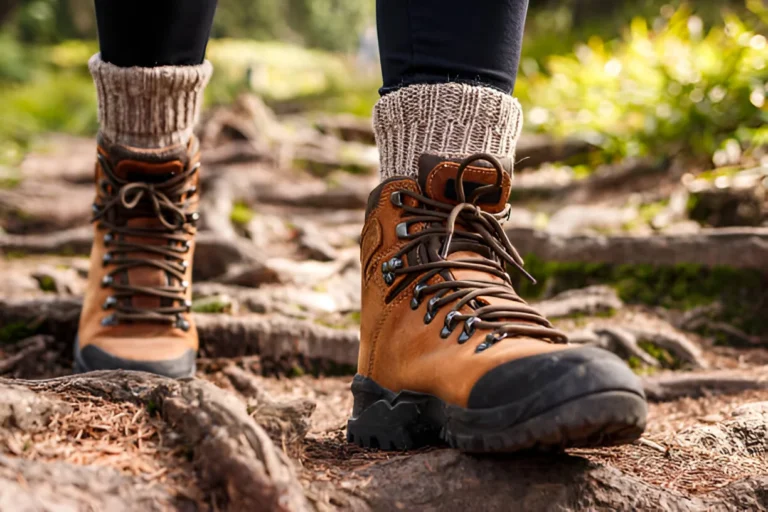
Best Waterproof Trousers For Kilimanjaro In : Your Ultimate Guide 2026-2027
Choosing the right waterproof trousers is crucial for a successful and comfortable Kilimanjaro climb. This guide covers everything you need to know for your 2026-2027 trek.
View package details
Kilimanjaro Acclimatization And Gear-Rental Package 2026-2027
Kilimanjaro Acclimatization and Gear-Rental Package is explained with current 2026-2027 planning, price, itinerary and booking information.
View package details
Kilimanjaro Climb With Emergency Gear Replacement Guide
Understand the critical role of emergency gear replacement for your Kilimanjaro climb. This guide covers essential gear, contingency planning, and how Top Guide Adventures supports climbers...
View package details
Kilimanjaro Gear Inspection Before Departure Guide
A thorough Kilimanjaro gear inspection before your departure is crucial for a safe and successful climb. This guide details everything you need to check, from clothing layers to essential...
View package details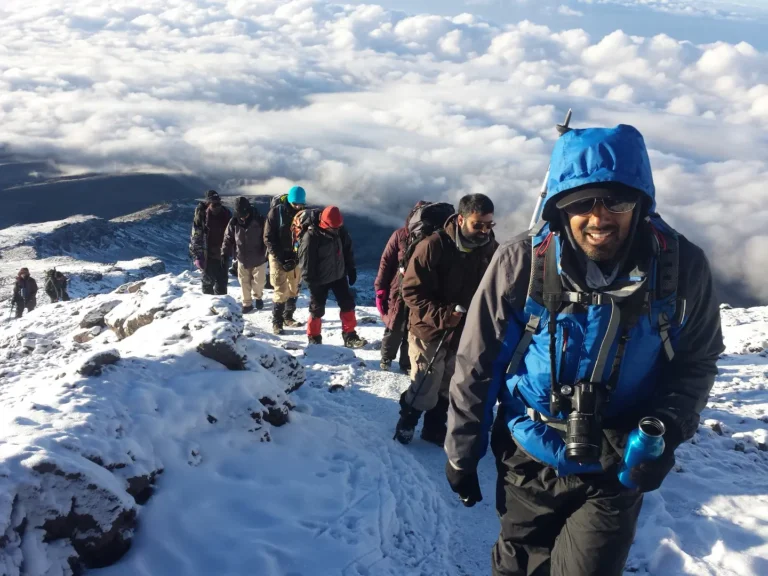
Where To Buy Missing Kilimanjaro Gear In Moshi: Your Essential Shopping Guide
Planning to climb Kilimanjaro? Don't stress about forgotten gear. Moshi offers several reliable shops where you can purchase essential items for your trek. This guide details the best...
View package details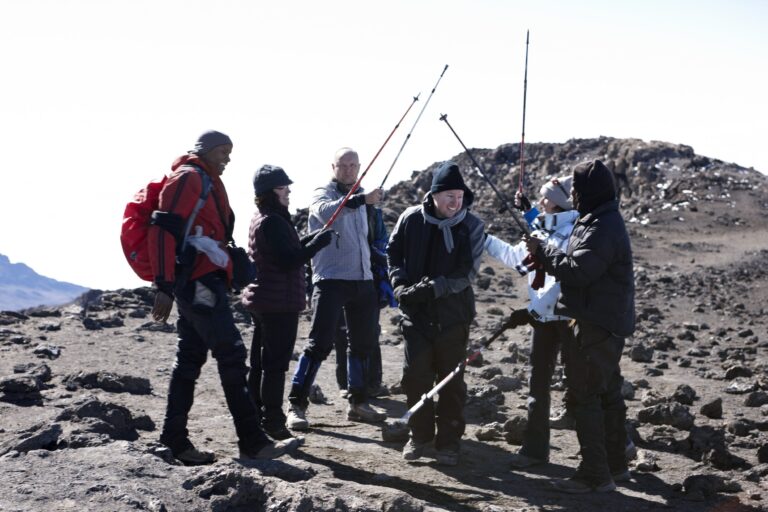
Kilimanjaro Pre-Climb Gear Check And Briefing: Your Essential Guide 2026-2027
Prepare thoroughly for your Kilimanjaro ascent with Top Guide Adventures. This comprehensive guide covers everything you need for your pre-climb gear check and briefing, ensuring you're...
View package details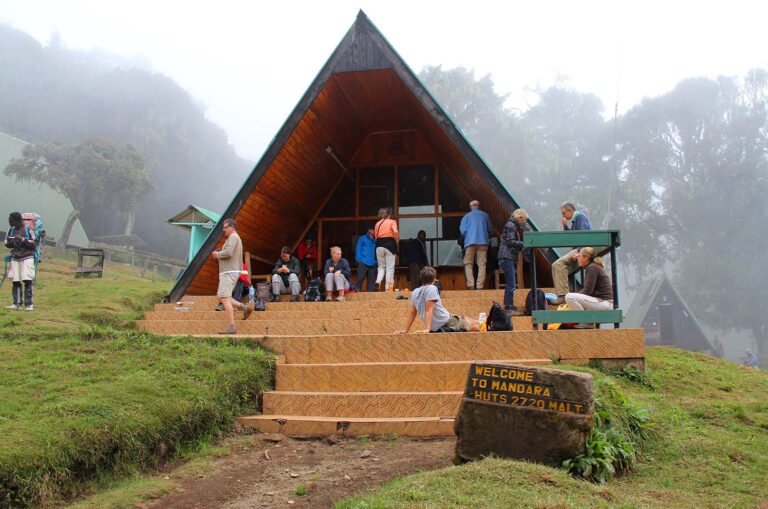
December Vs January Kilimanjaro Holiday Climb 2026-2027
December vs January Kilimanjaro Holiday Climb is explained with current 2026-2027 planning, price, itinerary and booking information.
View package details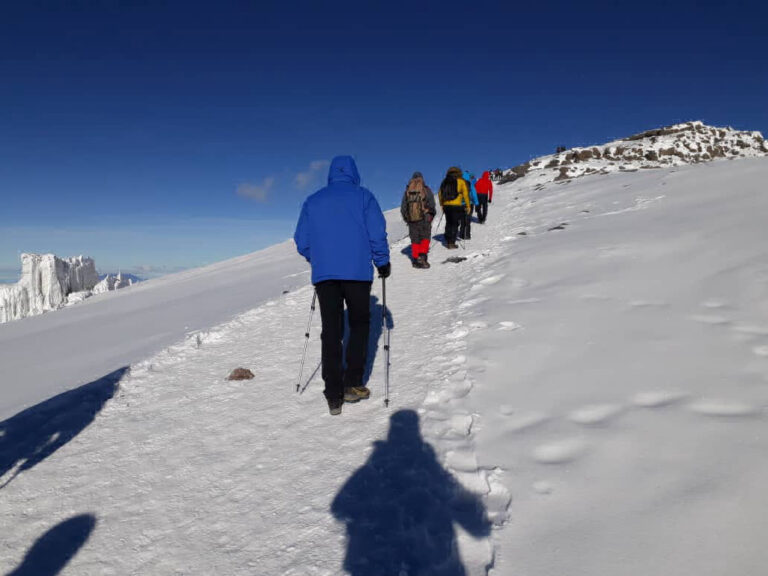
November Vs December Kilimanjaro Climbing Conditions Guide
Choosing between November and December for your Kilimanjaro climb? This guide details the distinct conditions, weather patterns, crowd levels, and cost considerations for each month...
View package details
October Vs November Kilimanjaro Rainfall Guide 2026-2027
October vs November Kilimanjaro Rainfall Guide is explained with current 2026-2027 planning, price, itinerary and booking information.
View package details
May Vs June: When Should You Climb Kilimanjaro? 2026-2027
Choosing between May and June for your Kilimanjaro ascent? This in-depth guide compares the two months, helping you pick the optimal time for your trek based on weather patterns, crowd...
View package details
How Do You Sleep On Mount Kilimanjaro? 2026-2027
How Do You Sleep on Mount Kilimanjaro? is explained with current 2026-2027 planning, price, itinerary and booking information.
View package detailsNo related package matches those filters. Clear one or more filters to see the other topic-matched options.



