
If you need to buy missing Kilimanjaro gear in Moshi, your best options are specialized outdoor equipment shops located in the town center, particularly along Kibo Road and its side streets. These shops cater specifically to trekkers and climbers, offering a range of essential items like waterproof jackets, thermal layers, hiking boots, gloves, and hats, often at competitive prices. While selection and quality can vary, reliable stores often have experienced staff who can advise on suitable gear for Kilimanjaro’s varied conditions. It’s advisable to do some quick research or ask your tour operator for specific recommendations before you arrive to ensure you find what you need efficiently for your 2026 or 2027 climb.
Navigating Moshi’s Retail Landscape for Kilimanjaro Essentials
The anticipation of summiting Kilimanjaro is immense, but a forgotten piece of gear can quickly turn excitement into discomfort. Fortunately, Moshi, the gateway town to Africa’s highest peak, is well-equipped to handle last-minute gear needs for trekkers heading up the mountain. Unlike many remote mountain towns, Moshi has developed a robust retail sector catering directly to Kilimanjaro climbers. This means you don’t have to trek far from your hotel or the airport to find what you’re looking for. Understanding where to go and what to expect can save you valuable time and money, ensuring you’re fully prepared for the challenging yet rewarding ascent planned for 2026 or 2027.
The primary areas for gear shopping are concentrated in the town center. Walking along Kibo Road, the main thoroughfare, will lead you past numerous shops. Many are small, locally-owned establishments, while others are larger stores with a more extensive inventory. The key is to identify those that genuinely specialize in trekking and mountaineering equipment rather than general sporting goods. Your tour operator, like Top Guide Adventures, can often provide a shortlist of trusted vendors, helping you avoid substandard products and inflated prices. For climbers in 2026 and 2027, a little preparation regarding shopping locations can make a significant difference to your comfort on the mountain.
Key Items You Might Need to Purchase in Moshi
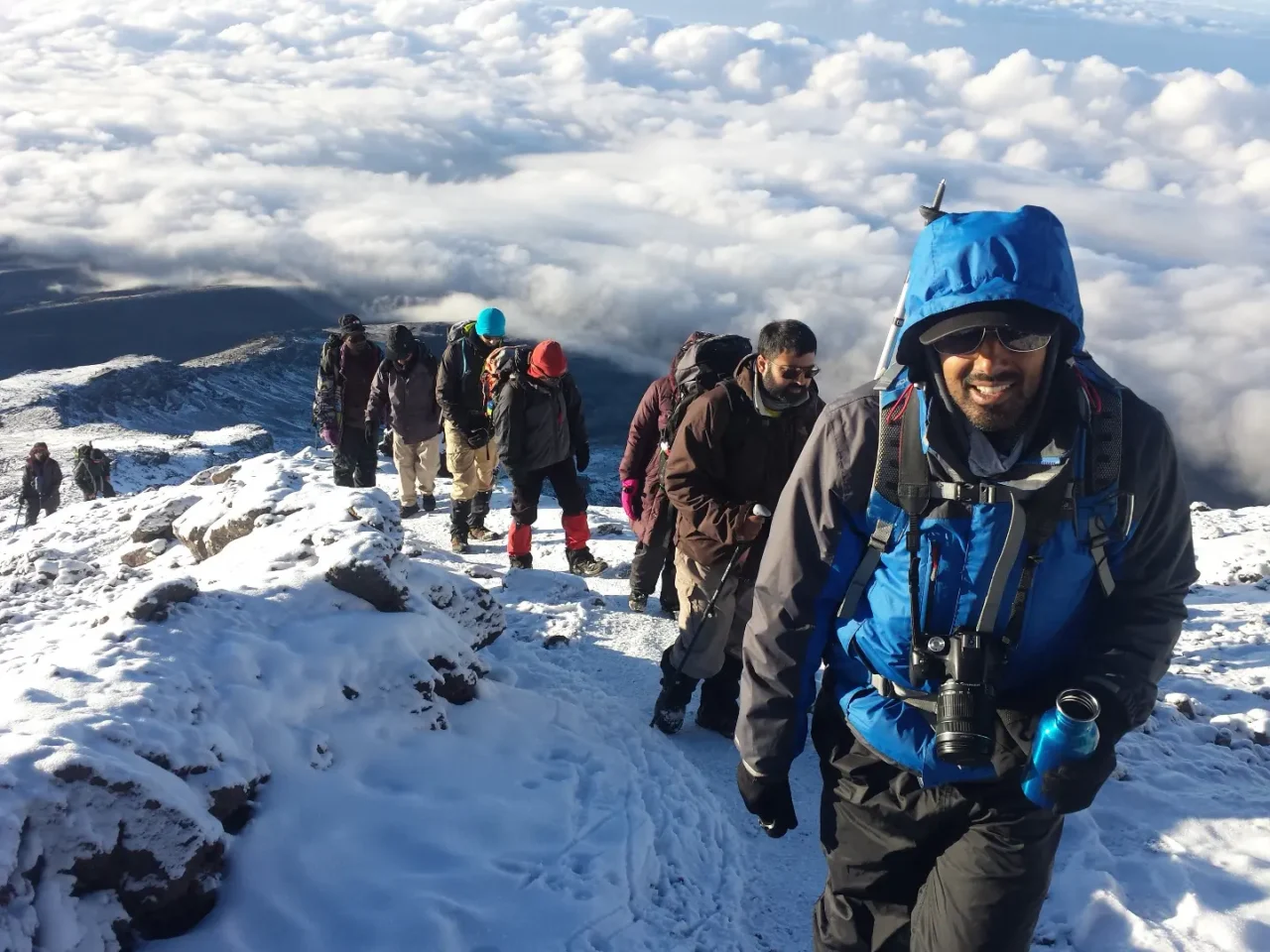
While it’s always best to pack as much as possible from home to ensure quality and familiarity, some items are commonly purchased or replaced in Moshi. Understanding these needs beforehand allows for more focused shopping. The mountain’s microclimates mean you’ll experience everything from equatorial heat at the base to sub-zero temperatures near the summit, requiring a versatile layering system.
- Base Layers: Moisture-wicking tops and bottoms are crucial for regulating body temperature. Merino wool or synthetic fabrics are ideal.
- Mid Layers: Fleece jackets or down vests provide essential insulation. You’ll likely need at least two layers for varying conditions.
- Outer Shell: A high-quality, waterproof, and breathable jacket and trousers are non-negotiable for protection against rain and wind, especially at higher altitudes.
- Insulated Jacket: A warm, down or synthetic-filled jacket is vital for evenings and summit night.
- Hiking Boots: Well-broken-in, waterproof hiking boots with good ankle support are paramount. Many climbers buy these in Moshi, but ensure they fit perfectly and are waterproofed.
- Gloves and Mittens: You’ll need both liner gloves and heavy, insulated mittens for summit night.
- Headwear: A warm beanie or fleece hat, plus a sun hat for lower altitudes, are essential. A balaclava or neck gaiter also offers vital protection.
- Socks: Several pairs of thick, wool or synthetic hiking socks are needed to prevent blisters and keep feet warm.
- Trekking Poles: These significantly reduce strain on your knees and improve stability, especially on descents.
- Headlamp: A reliable headlamp with extra batteries is crucial for early morning starts and navigating in the dark.
- Duffel Bag: A large, waterproof duffel bag (80-100 liters) is needed to carry your main gear, which is then carried by porters.
- Daypack: A smaller backpack (20-35 liters) for water, snacks, camera, and extra layers you need during the day.
Even if you have most of these items, wear and tear can happen. A worn-out waterproof jacket or an old pair of boots might need replacing before your 2026 or 2027 Kilimanjaro adventure. Moshi’s shops offer the convenience of finding these replacements quickly.
Top Shops for Kilimanjaro Gear in Moshi
Moshi boasts a number of shops that cater to Kilimanjaro climbers. While inventory and quality can change, some names consistently come up as reliable sources. It’s always wise to cross-reference recommendations and perhaps visit a couple of stores to compare options.
1. The Outdoor Shop (Often Recommended by Tour Operators)
This is frequently cited as one of the most reliable places for genuine outdoor gear. They often stock a range of reputable brands and have staff knowledgeable about Kilimanjaro’s requirements. You can expect to find everything from high-quality waterproofs and insulated jackets to trekking poles and boots. The pricing might be slightly higher than at smaller local markets, but the quality assurance is often worth it for critical items like your outer shell or insulated jacket.
2. Second-Hand Gear Shops (for Bargains)
Moshi has several markets where you can find used trekking gear. These can be excellent for items like fleece jackets, hats, gloves, or even duffel bags if you’re on a tighter budget. However, exercising caution is essential. Inspect items thoroughly for wear and tear, especially seams, zippers, and waterproofing. Ensure boots are in good condition and don’t smell too strongly of mildew. These shops offer a more adventurous shopping experience, and you might snag a great deal for your 2026 or 2027 climb, but prioritize essential safety gear like your main jacket and boots from more established retailers.
3. General Outdoor and Sporting Goods Stores
Beyond the specialized shops, several general stores carry a mix of outdoor equipment. These might be good for smaller items like socks, headlamps, water bottles, or basic accessories. The quality can be more variable, so always check labels and materials carefully. If you’re looking for a specific, high-performance item, it might be better to stick to dedicated outdoor retailers.
4. Local Markets and Street Vendors
While not recommended for critical gear, local markets can be good for souvenirs or very basic items like simple hats or gloves. Be prepared to haggle, and understand that the quality will likely not be suitable for the rigors of a Kilimanjaro climb. For any gear that directly impacts your safety or comfort on the mountain, it’s best to avoid these for major purchases.
Tips for Shopping in Moshi
- Ask Your Tour Operator: Top Guide Adventures, for instance, can point you to trusted shops known for fair prices and decent quality. This is often the best first step.
- Inspect Thoroughly: Check zippers, seams, waterproofing, and general condition. For boots, ensure they fit well and are comfortable.
- Haggle Respectfully: For non-fixed price items, polite negotiation is common, especially in markets. Know what you’re willing to pay.
- Prioritize Critical Gear: Invest in the best quality you can afford for your waterproof shell, insulated jacket, and hiking boots. These are your primary defense against the elements.
- Bring Your Packing List: Have a clear list of what you need to avoid impulse buys or forgetting something crucial.
- Check for Authenticity: Be wary of counterfeit brands, especially in less reputable shops.
Specific Gear Recommendations and Brands to Look For
When buying gear in Moshi, knowing a few reputable brands can help you make informed decisions. While you might not find every brand, recognizing them can indicate better quality.
- Waterproof/Breathable Jackets & Trousers: Look for brands like The North Face, Columbia, Marmot, or reputable local brands known for durable waterproof fabrics (e.g., Gore-Tex or similar technologies).
- Insulated Jackets: Brands like Rab, Patagonia, or even good quality down jackets from other outdoor specialists are excellent. Ensure it’s a warm, packable down or synthetic fill.
- Fleece Mid-Layers: The North Face, Columbia, or good quality fleece from any reputable outdoor brand.
- Hiking Boots: While buying boots without trying them on extensively is risky, brands like Salomon, Merrell, Keen, or Hi-Tec are often found and are generally reliable. However, fitting is paramount.
- Gloves & Hats: Look for brands that specify warmth and waterproofing. Black Diamond, Outdoor Research, or good quality ski/snowboard gloves can be suitable.
- Trekking Poles: Brands like Leki are top-tier, but many outdoor shops will carry serviceable aluminum trekking poles.
Remember that even if a shop doesn’t carry these exact brands, the principles of quality remain. Look for good construction, durable materials, and features designed for cold, wet weather.
Rental Options for Kilimanjaro Gear
For items you might only use once, such as a high-quality down jacket or trekking poles, renting is a very viable and often cost-effective option. Many tour operators, including Top Guide Adventures, offer rental services for essential gear. This can be arranged in advance or upon arrival in Moshi.
Why Consider Renting?
- Cost Savings: Purchasing all necessary gear can be expensive. Renting reduces the upfront investment.
- Convenience: You can often arrange rentals through your tour operator, simplifying the process.
- Less Luggage: Avoids carrying bulky items on your flights to Tanzania.
- Guaranteed Availability: Reputable operators ensure they have the required sizes and types of gear available.
Commonly Rented Items:
- Down Jacket: Essential for summit night, often a significant purchase.
- Trekking Poles: Great for stability and knee support.
- Waterproof Trousers: For protection during wet weather.
- Warm Hats & Gloves: Sometimes available for rent.
- Duffel Bags: For porters to carry your main load.
When booking your 2026 or 2027 climb with Top Guide Adventures, inquire about their rental gear options. This can be a smart way to equip yourself without the long-term commitment and expense.
Preparing for Your Kilimanjaro Expedition: A Checklist Approach
To ensure you don’t miss anything, creating a detailed packing list is crucial. This list should be reviewed and updated as your 2026 or 2027 climb date approaches. Having a clear idea of what you need allows you to identify any gaps that Moshi’s shops can fill.
Kilimanjaro Gear Checklist – Essential Items
- Clothing:
- 4-5 pairs moisture-wicking base layer tops (long-sleeved)
- 2-3 pairs moisture-wicking base layer bottoms
- 2-3 fleece jackets or similar mid-layers
- 1 warm, insulated down or synthetic jacket (puffy jacket)
- 1 waterproof and breathable outer shell jacket
- 1 pair waterproof and breathable outer shell trousers
- 1 pair comfortable hiking trousers (quick-drying, not jeans)
- 1-2 pairs hiking shorts (for lower altitudes)
- 4-6 pairs thick hiking socks (wool or synthetic)
- 1-2 pairs liner gloves
- 1 pair warm, waterproof insulated gloves or mittens
- 1 warm fleece hat or beanie
- 1 sun hat or cap
- 1 neck gaiter or balaclava
- Footwear:
- 1 pair sturdy, waterproof, broken-in hiking boots
- 1 pair comfortable camp shoes or trainers (for evenings)
- Equipment:
- 1 large, waterproof duffel bag (80-100L)
- 1 daypack (20-35L) with rain cover
- 1 sleeping bag (-10°C to -20°C / 0°F to -4°F rated) – often rentable
- 1 sleeping bag liner
- 1 pair trekking poles – often rentable
- 1 headlamp with extra batteries
- 1 water bottle or hydration reservoir (2-3 liters capacity)
- 1 reusable water bottle (for camp use)
- Other Essentials:
- Sunscreen (SPF 30+)
- Lip balm with SPF
- Sunglasses
- Insect repellent (for lower altitudes)
- Personal first-aid kit (with blister treatment)
- Toiletries (biodegradable soap, toothbrush, toothpaste, wet wipes)
- Hand sanitizer
- Quick-dry towel
- Camera and spare batteries/power bank
- Passport, visa, flight details, insurance documents
- Cash (USD for tips, Tanzanian Shillings for small purchases)
- Snacks (energy bars, nuts, dried fruit)
Reviewing this list before your 2026 or 2027 trip will highlight any items you might need to purchase upon arrival in Moshi. For example, if your trusted hiking boots have suddenly developed a leak, or if you realize you packed only light gloves, Moshi’s shops are your solution.
Navigating Altitude Sickness and Gear Choices
While gear doesn’t directly prevent altitude sickness, having the right clothing can significantly improve your comfort and morale, indirectly helping you cope. Being cold and wet is miserable and can exacerbate any feelings of illness. Conversely, being appropriately layered and dry allows you to focus on acclimatization and enjoying the journey.
For instance, on summit night, temperatures can plummet to well below freezing, with strong winds. Wearing a thin fleece and a basic jacket simply won’t suffice. You need that heavy-duty insulated jacket, warm gloves, and a balaclava to protect exposed skin. Similarly, having waterproof outer layers means that if unexpected rain or snow occurs, you can stay dry and prevent hypothermia, which is critical for maintaining body heat and energy levels. When buying gear in Moshi for your 2026 or 2027 climb, always consider the extreme conditions of the summit day.
The layering system is key: a base layer to wick sweat, a mid-layer for insulation, and an outer shell to block wind and rain. This system allows you to adjust your clothing throughout the day as the temperature and your exertion level change. If you find yourself overheating on an ascent, you can shed a layer to prevent excessive sweating, which can lead to chilling when you stop or descend. This flexibility is invaluable on a multi-day trek like Kilimanjaro.
Tips for Buying Boots in Moshi
Hiking boots are perhaps the most critical piece of gear, and buying them in Moshi carries risks. Ideally, your boots should be well-worn and comfortable before you even start your trek. However, if you must buy them locally:
- Prioritize Fit Above All Else: This is non-negotiable. Boots that pinch, rub, or are too loose will lead to blisters and misery. Try them on with the thick socks you intend to wear.
- Check for Waterproofing: Ensure they are advertised as waterproof and check seams.
- Ankle Support: Mid-to-high cut boots are recommended for the rocky terrain.
- Sole Grip: Look for sturdy soles with good traction.
- Break Them In (If Possible): Even a day or two of walking around Moshi in them is better than nothing.
- Stick to Reputable Brands: While fit is king, well-known brands generally offer better construction and materials.
- Consider Insoles: If the provided insoles aren’t supportive enough, you might need to buy aftermarket ones.
If you have very specific foot needs or have had issues with boots in the past, it’s always best to buy from your trusted outdoor retailer at home. However, if a last-minute emergency arises for your 2026 or 2027 climb, Moshi offers options.
Beyond Gear: Other Preparations in Moshi
While gear shopping is a primary concern, Moshi offers other services essential for Kilimanjaro climbers:
- Accommodation: Numerous hotels and guesthouses cater to trekkers, offering a place to rest before and after your climb.
- Gear Storage: Many lodges and tour operators offer secure storage for your excess luggage while you’re on the mountain.
- Medical Checks: While not a formal clinic for pre-climb medicals, you can find basic pharmacies for over-the-counter medications and advice.
- Exchange Currency: Banks and forex bureaus are available for changing money.
- Hydration Solutions: You can purchase water purification tablets or filters, though most reputable operators provide boiled or treated water.
Top Guide Adventures can assist with arranging accommodation and pre- or post-climb logistics, ensuring a smooth experience for your 2026 or 2027 expedition.
When to Shop for Gear in Moshi
Ideally, you should aim to shop for any missing gear within 1-2 days of arriving in Moshi before your climb begins. This gives you enough time to:
- Assess Your Needs: Review your packing list and identify what’s missing or needs replacing.
- Visit Multiple Shops: Compare prices and quality.
- Try Things On: Ensure a proper fit, especially for boots and clothing layers.
- Make Purchases: Complete your shopping without feeling rushed.
- Organize Your Gear: Pack your duffel bag and daypack efficiently.
Shopping too early might mean you forget something else, while shopping on the day of departure is highly stressful and risky. For 2026 and 2027 expeditions, allow yourself at least a full day for gear shopping and preparation.
What to Expect Regarding Prices and Quality
Prices in Moshi for trekking gear can vary significantly. Specialized shops selling new, branded items will be more expensive, comparable to prices you might find in Western countries, though sometimes slightly less. Second-hand shops offer much lower prices, but the quality is highly variable.
Quality Considerations:
- New, Branded Gear: Generally offers the best quality and performance, but comes at a higher cost.
- New, Unbranded Gear: Can be hit or miss. Some local manufacturers produce decent items, while others are of lower quality. Always inspect carefully.
- Second-Hand Gear: Can be excellent value if you find well-maintained items. However, critically assess wear and tear, especially on waterproof coatings, insulation, and structural integrity of boots.
For critical items like your main waterproof jacket, insulated jacket, and boots, investing in new, reputable gear is often the wisest choice for your 2026 or 2027 climb, even if it means spending a bit more. For less critical items, second-hand can be a good option.
Final Preparations with Top Guide Adventures
Once your gear is sorted, the final preparations are crucial. Top Guide Adventures is dedicated to ensuring every aspect of your Kilimanjaro journey is handled with care and expertise. We can provide final briefings on what to expect, assist with packing your duffel bag for the porters, and answer any last-minute questions you might have about your upcoming climb in 2026 or 2027.
Our team understands the importance of being well-equipped. If you have any concerns about your gear after shopping in Moshi, don’t hesitate to speak with your guide or our support staff. We want you to have the most comfortable and successful climb possible. Feel free to reach out to us for any assistance:
WhatsApp: +255616946642
Email: topguideadventures@gmail.com
Backup Email: info@topguideadventures.com
We look forward to helping you achieve your Kilimanjaro dream!
Check Availability for Where To Buy Missing Kilimanjaro Gear In Moshi: Your Essential Shopping…
Ready to compare dates, prices, and the best option for your group? Send the package name and travel month so the team can reply with a clear quote, availability, and what is included.
Kilimanjaro Pre-Climb Hiking Package From Moshi 2026-2027
Kilimanjaro Pre-Climb Hiking Package from Moshi is explained with current 2026-2027 planning, price, itinerary and booking information.
View package details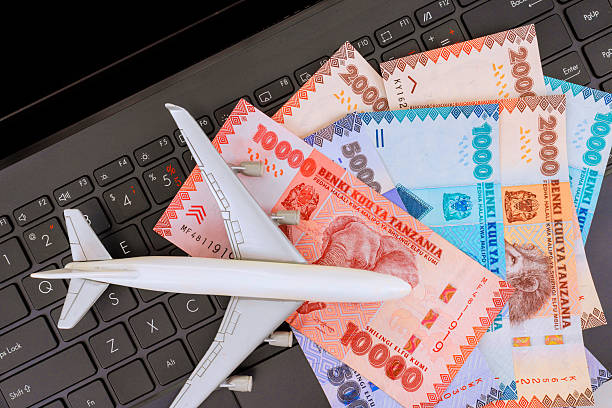
Two-Day Kilimanjaro Acclimatization Package In Moshi: Your Essential
This comprehensive guide details the Two-Day Kilimanjaro Acclimatization Package in Moshi, offering essential preparation for climbers. Discover how this package enhances your ascent safety...
View package details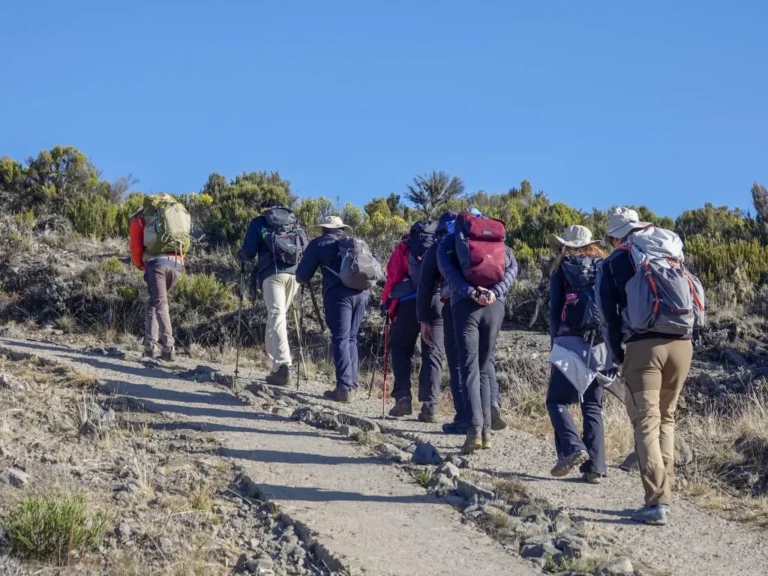
Kilimanjaro Pre-Climb Shopping Tour In Moshi 2026-2027
Kilimanjaro Pre-Climb Shopping Tour in Moshi is explained with current 2026-2027 planning, price, itinerary and booking information.
View package details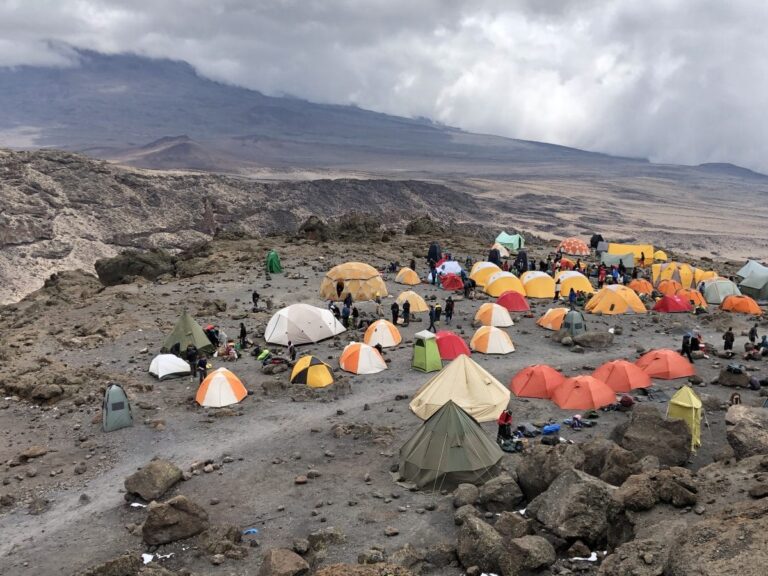
Kilimanjaro Climb With Luggage Storage In Moshi: Your Essential Guide
Organizing a Kilimanjaro climb involves many details, and ensuring your luggage is safely stored in Moshi while you're on the mountain is a key concern for many trekkers. Top Guide...
View package details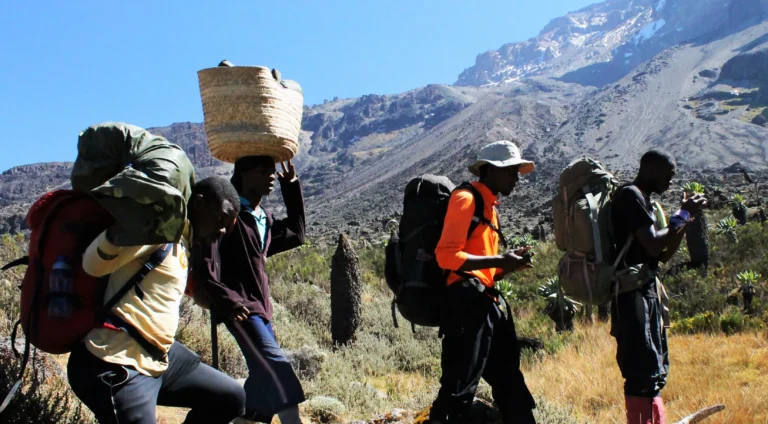
Kilimanjaro Hotel Late Check-Out After The Climb: Options And Tips 2026-2027
Planning your Kilimanjaro climb involves more than just the ascent. Understanding your post-climb needs, like a late hotel check-out in Moshi or Arusha, is crucial for a comfortable...
View package details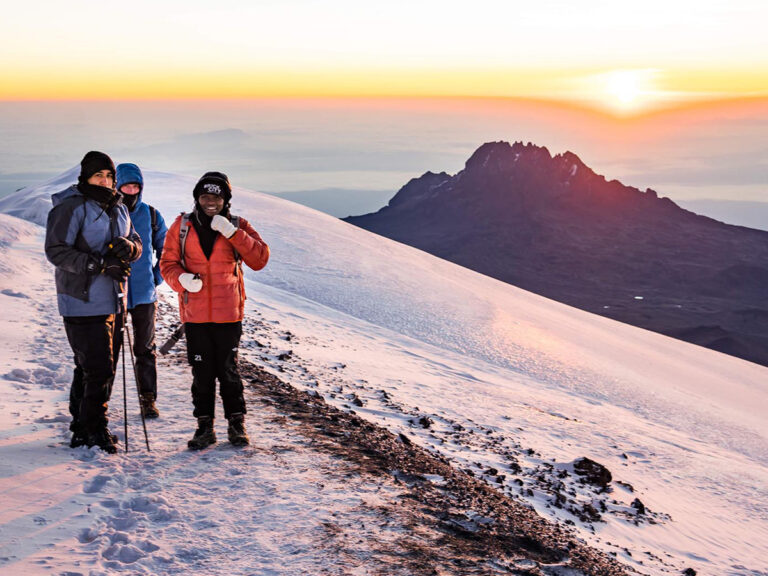
Kilimanjaro Departure-Day Airport Transfer: Your Top Guide Adventures
Your essential guide to Kilimanjaro departure-day airport transfers, ensuring a stress-free journey from Moshi or Arusha to Kilimanjaro International Airport (JRO) with Top Guide...
View package details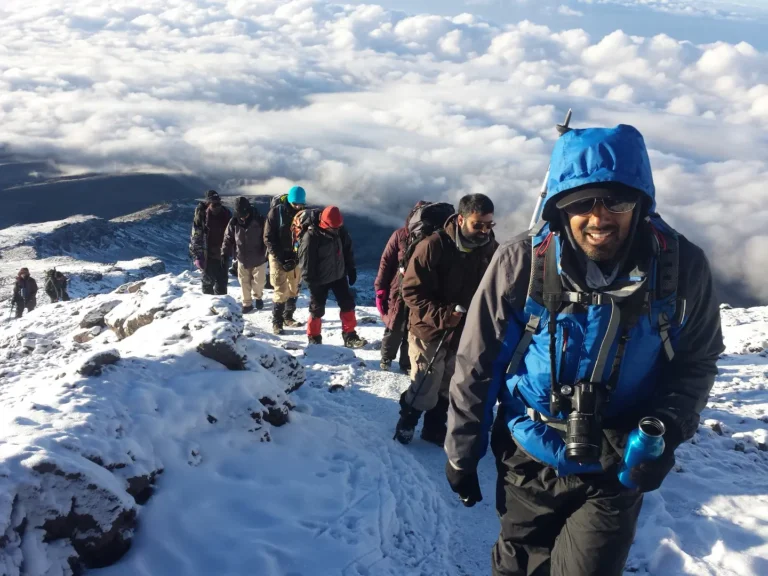
How Many Nights Should You Stay Before Kilimanjaro Climb? 2026-2027
The crucial question of how many nights to stay before climbing Kilimanjaro directly impacts your acclimatization and overall success. Experts recommend a minimum of 2-3 nights in Moshi or...
View package details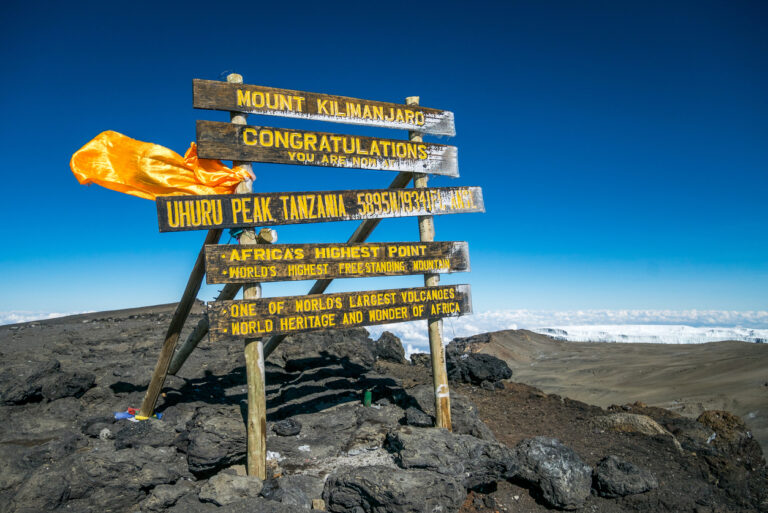
Kilimanjaro Acclimatization And Gear-Rental Package 2026-2027
Kilimanjaro Acclimatization and Gear-Rental Package is explained with current 2026-2027 planning, price, itinerary and booking information.
View package details
Kilimanjaro Climb With Emergency Gear Replacement Guide
Understand the critical role of emergency gear replacement for your Kilimanjaro climb. This guide covers essential gear, contingency planning, and how Top Guide Adventures supports climbers...
View package details
Kilimanjaro Gear Inspection Before Departure Guide
A thorough Kilimanjaro gear inspection before your departure is crucial for a safe and successful climb. This guide details everything you need to check, from clothing layers to essential...
View package detailsWhere To Store Safari Luggage During Kilimanjaro Climb: Expert Guide 2026-2027
Planning a Kilimanjaro climb and a safari in Tanzania? Learn the best strategies for storing your safari luggage and extra gear securely and conveniently during your trek. Top Guide...
View package details
Kilimanjaro Pre-Climb Gear Check And Briefing: Your Essential Guide 2026-2027
Prepare thoroughly for your Kilimanjaro ascent with Top Guide Adventures. This comprehensive guide covers everything you need for your pre-climb gear check and briefing, ensuring you're...
View package detailsNo related package matches those filters. Clear one or more filters to see the other topic-matched options.



