
A thorough Kilimanjaro gear inspection before departure is critical for safety, comfort, and success on your climb. This involves systematically checking that all your clothing layers, trekking equipment, and personal items are in good condition, suitable for the diverse mountain environment, and packed correctly. For 2026 and 2027 climbs, ensuring your gear is up-to-date and functional minimizes the risk of altitude sickness, hypothermia, and other issues, allowing you to focus on the incredible experience of reaching Uhuru Peak.
Why a Rigorous Kilimanjaro Gear Inspection is Non-Negotiable
Climbing Mount Kilimanjaro is a significant undertaking, demanding not only physical and mental fortitude but also meticulously prepared equipment. The mountain presents a spectrum of climates, from the warm, humid foothills to the freezing, windswept summit zone. Without proper gear, or with gear that isn’t in optimal condition, your expedition can quickly turn from an adventure into a struggle, potentially leading to health risks or even an early descent.
A comprehensive Kilimanjaro gear inspection before departure serves multiple vital purposes:
- Safety: Your life depends on your gear performing when you need it most. A faulty headlamp, worn-out boots, or insufficient insulation can lead to serious accidents or health issues.
- Comfort: Being cold, wet, or blistered detracts immensely from the experience. The right gear, properly inspected, ensures you remain as comfortable as possible, allowing you to enjoy the journey.
- Performance: Well-fitting, appropriate gear aids your movement and energy conservation. Poorly chosen or maintained equipment can make the climb significantly harder.
- Cost-Effectiveness: Catching issues before you leave saves you from expensive last-minute purchases or replacements on the mountain, where prices are inflated and selection is limited.
- Peace of Mind: Knowing your equipment is reliable allows you to focus on the climb, the stunning scenery, and your personal achievement.
For those planning their Kilimanjaro adventure in 2026 or 2027, establishing a routine of checking your gear well in advance is paramount. This isn’t a task to be rushed in the days before your flight.
The Ultimate Kilimanjaro Gear Checklist: A Deep Dive
Your Kilimanjaro gear can be broadly categorized into several key areas. Each requires specific attention during your inspection.
1. Footwear: The Foundation of Your Climb
Your feet are your most crucial tools on Kilimanjaro. Neglecting them can lead to debilitating pain and blisters, forcing you to turn back. A rigorous Kilimanjaro gear inspection must start here.
Hiking Boots:
- Condition: Check for any signs of wear and tear: cracked leather, worn-out soles, loose stitching, or damaged eyelets. The waterproofing should be intact.
- Waterproofing: Test them. Fill them with water (if they are old and you suspect leaks) or spray them thoroughly with water. Let them dry. If they are still wet inside, they need re-treatment or replacement. For 2026-2027 climbs, ensure you’ve tested your boots in wet conditions at home.
- Fit: Crucially, ensure they fit perfectly with your intended hiking socks. Try them on with thick wool socks. There should be enough room to wiggle your toes, but not so much that your foot slides around. Your heel should not lift excessively when walking.
- Break-in Period: New boots must be broken in. Wear them on multiple hikes, including some with significant elevation changes, weeks or months before your departure.
Camp Shoes/Sandals:
- Functionality: These are for wearing around camp after a day’s trek, allowing your feet to breathe and recover. Ensure they are comfortable and easy to slip on/off.
- Durability: Even for camp use, ensure they are sturdy enough not to break easily.
Socks:
- Material: You need several pairs of high-quality wool or synthetic hiking socks (not cotton). Cotton socks absorb moisture and lead to blisters.
- Quantity: Pack at least 5-7 pairs for a 7-8 day climb.
- Condition: Check for holes, thinning areas, or worn-out elastic. Ensure they are the right height for your boots.
- Liner Socks: Consider thin liner socks (synthetic or silk) to wear under your main hiking socks. They wick moisture and reduce friction, further preventing blisters. Inspect these for any damage.
2. Clothing: Layering is Key
Kilimanjaro’s climate zones demand a versatile layering system. Your Kilimanjaro gear inspection for clothing should focus on the condition and suitability of each layer.
Base Layers (Thermal Underwear):
- Material: Merino wool or synthetic (polyester, polypropylene). Avoid cotton.
- Quantity: Two sets (long-sleeved top and long johns) are usually sufficient.
- Condition: Check for holes, stretching, or loss of elasticity. Ensure they are clean and free from odors. For 2026-2027, consider investing in good quality merino wool for superior warmth and odor resistance.
Mid Layers (Insulation):
- Fleece Jacket/Pullover: A medium-weight fleece is ideal. Check zippers, seams, and overall integrity.
- Insulated Jacket: A down or synthetic puffy jacket is essential for summit night and cold evenings. Inspect for rips, ensuring the insulation is evenly distributed and not matted. Check zippers and fastenings.
Outer Layer (Shell):
- Waterproof & Breathable Jacket: This is your primary defense against rain and wind. Check the waterproof coating (e.g., Gore-Tex) for delamination or damage. Test zippers and hood adjustments. Ensure it has pit zips for ventilation.
- Waterproof Trousers: Full-length side zippers are highly recommended for ease of putting them on/off over boots. Check seams and waterproofing.
Trekking Trousers/Shorts:
- Material: Quick-drying synthetic materials. Avoid denim.
- Quantity: Two pairs of trousers are usually enough. Consider one pair that converts to shorts, or one pair of trousers and one pair of hiking shorts for the lower, warmer altitudes.
- Condition: Check zippers, seams, and belt loops. Ensure they are comfortable and allow for a full range of motion.
Shirts:
- Material: Moisture-wicking synthetic or merino wool.
- Quantity: 3-4 shirts. A mix of short and long-sleeved is practical.
- Condition: Check for holes or stretched collars.
Headwear:
- Sun Hat: Wide-brimmed for sun protection. Check for damage and ensure it fits securely.
- Warm Hat (Beanie): Wool or fleece, covering the ears. Essential for cold nights and summit attempts. Inspect for holes or thinning.
- Balaclava/Neck Gaiter: Protects face and neck from wind and cold. Check for tears or stretched material.
Gloves:
- Liner Gloves: Thin wool or synthetic gloves for dexterity and warmth.
- Warm Insulated Gloves/Mittens: Waterproof and windproof outer shell. Mittens are generally warmer than gloves. Check for rips, insulation integrity, and waterproofing.
3. Backpacks and Duffel Bags
You’ll need two main bags: a daypack for essentials during the trek and a duffel bag for your main gear carried by porters.
Daypack (30-40 Liters):
- Capacity: Large enough for daily essentials: water, snacks, rain gear, extra layer, camera, sunscreen, headlamp.
- Features: Comfortable padded shoulder straps, hip belt, sternum strap. Hydration reservoir compatibility is a plus.
- Condition: Check all zippers, straps, and buckles for damage. Ensure the fabric is intact.
Duffel Bag (80-100 Liters):
- Material: Durable, water-resistant material. Porter-friendly design (no rigid frames).
- Capacity: Must be able to hold all your gear for the entire trek. Check dimensions provided by your tour operator.
- Features: Strong handles and shoulder strap. Lockable zippers are recommended.
- Condition: Inspect for rips, tears, and faulty zippers. Ensure it can withstand being carried by porters.
4. Sleeping Gear
While tour operators often provide sleeping bags, it’s wise to check their condition or consider bringing your own.
Sleeping Bag:
- Temperature Rating: Aim for a bag rated to at least -10°C (15°F) or -20°C (-4°F) for summit night.
- Condition: Check zippers, seams, and insulation loft. If renting, inspect it thoroughly upon arrival or request a specific quality. If buying, ensure it’s a reputable brand.
Sleeping Bag Liner:
- Material: Silk or fleece. Adds warmth and keeps your sleeping bag cleaner.
- Condition: Check for rips or worn seams.
5. Trekking Poles
Trekking poles are highly recommended for stability, reducing joint impact, and aiding balance on steep ascents and descents.
- Material: Lightweight aluminum or carbon fiber.
- Functionality: Check the locking mechanisms. Ensure they hold securely and don’t slip. Test the adjustable length.
- Condition: Inspect for cracks or dents. Ensure the rubber tips are intact and not overly worn. Pack spare tips.
6. Hydration System
Staying hydrated is critical for acclimatization and preventing altitude sickness.
- Water Bottles: At least two 1-liter Nalgene-type bottles or wide-mouthed, durable bottles. Avoid narrow-mouthed bottles that can freeze easily. Check for cracks or leaks.
- Hydration Reservoir (CamelBak): If using one, ensure the bladder and hose are clean and leak-free. Check the bite valve. Insulate the hose to prevent freezing on summit night.
- Water Purification: Water purification tablets or a filter. Check expiry dates on tablets. Ensure filters are clean and functional.
7. Headlamp and Batteries
Essential for navigating in the dark, especially during pre-dawn summit attempts.
- Brightness: A minimum of 100 lumens is recommended.
- Functionality: Test the lamp on all settings (high, low, flashing). Ensure it works reliably.
- Batteries: Bring plenty of spare batteries (e.g., AA or AAA). Check the expiry dates of your spares. Store them in a cool, dry place. For 2026-2027 trips, ensure you have enough spares for the entire duration plus emergencies.
8. Sun Protection
The sun is intense at high altitudes, even on cloudy days.
- Sunscreen: SPF 30 or higher, broad-spectrum. Check expiry date.
- Lip Balm: With SPF. Check expiry date.
- Sunglasses: High UV protection, wraparound style is best. Check for scratches or damage.
- Sun Hat: (Mentioned in headwear).
9. Personal Items and First Aid
This category covers crucial items for personal comfort and health.
First-Aid Kit:
- Contents: Band-aids, antiseptic wipes, gauze pads, medical tape, blister treatment (moleskin, Compeed), pain relievers (ibuprofen, paracetamol), anti-diarrhea medication, antihistamines, any personal prescription medications.
- Condition: Check expiry dates on all medications and ensure packaging is intact.
Toiletries:
- Essentials: Toothbrush, toothpaste, biodegradable soap, small quick-dry towel, hand sanitizer, wet wipes. Keep quantities minimal and lightweight.
- Condition: Ensure containers are securely closed to prevent leaks.
Medications:
- Personal Prescriptions: Bring more than enough for your trip, plus a few extra days. Carry them in their original packaging with a copy of the prescription.
- Altitude Sickness Medication: Diamox (Acetazolamide) if prescribed by your doctor. Understand dosage and potential side effects.
Other Essentials:
- Camera/Phone: Ensure batteries are charged and memory cards have space. Bring a portable power bank. Inspect chargers and cables.
- Book/Journal/Pen: For downtime.
- Snacks: High-energy, easily digestible snacks (energy bars, nuts, dried fruit). Check freshness.
- Plastic Bags/Dry Bags: For organizing and waterproofing gear within your duffel and daypack. Check for holes.
Pre-Departure Gear Check: A Step-by-Step Process
To make your Kilimanjaro gear inspection before departure systematic and effective, follow these steps:
1. Gather Everything:
Lay out ALL your gear in a clear space. This visual inventory helps you spot missing items and assess the quantity of everything.
2. Inspect Each Item Individually:
Go through each category (footwear, clothing, equipment) item by item. Use the detailed checklist above. For clothing, check for holes, stains, and functionality of zippers/fastenings. For equipment, test moving parts, look for cracks, and ensure waterproofing is intact.
3. Test Functionality:
Turn on your headlamp. Test your trekking pole locks. Try on your full pack with some weight. Wear your boots with your hiking socks for an extended period. Ensure your water bottles don’t leak.
4. Check Waterproofing:
Pay special attention to your waterproof jacket, trousers, and boots. A quick spray with water or a light hose down (for boots) can reveal leaks. For jackets and trousers, ensure the DWR (Durable Water Repellent) coating is still effective – water should bead and roll off, not soak in.
5. Verify Quantities:
Cross-reference with your packing list. Do you have enough socks? Enough base layers? Enough batteries?
6. Pack a Trial Run:
Pack your daypack and duffel bag as you intend to on the mountain. This helps you gauge space, organize items logically, and identify any last-minute needs. Ensure the duffel bag is within the weight and size limits specified by your operator.
7. Address Deficiencies Immediately:
If you find any damaged or unsuitable gear, don’t delay. Order replacements or visit a reputable outdoor gear store. For those planning 2026 or 2027 climbs, starting this process at least 2-3 months before departure is ideal.
What to Check Specifically for Kilimanjaro in 2026-2027
While the core gear remains consistent, a few points are particularly relevant for current and future climbs:
- Sustainability: Consider the environmental impact of your gear choices. Opt for durable items that will last, and consider reputable brands known for sustainable practices.
- Technology: Ensure your electronics (camera, phone, power banks) are in good working order. Battery life can be significantly reduced in the cold, so a reliable power bank is essential.
- Rental Gear Quality: If you plan to rent gear in Tanzania (e.g., sleeping bags, warm jackets), inspect it thoroughly upon receipt. Top Guide Adventures can often advise on or facilitate the rental of good quality gear.
- COVID-19 Considerations (if applicable): While travel restrictions have largely eased, it’s always wise to have a small supply of masks and hand sanitizer, and to check the latest health advisories for Tanzania for 2026-2027 travel.
Footwear for 2026-2027: Beyond the Boots
Your hiking boots are paramount, but don’t overlook the supporting cast. For Kilimanjaro gear inspection before departure, consider:
- Sock System: A good system involves a thin liner sock (synthetic or silk) to wick moisture and prevent friction, topped by a medium-weight merino wool sock for insulation and cushioning. Ensure you have at least 5-7 pairs of the merino wool socks and 2-3 pairs of liner socks. Check for any thinning, especially around the heel and toe.
- Blister Prevention/Treatment: Pack ample supplies like Moleskin, Compeed, or specialized blister bandages. Ensure you know how to apply them correctly. A small sewing kit with safety pins can also be useful for minor repairs.
- Camp Footwear: Lightweight, packable camp shoes or sandals are a godsend. They allow your feet to breathe and recover after a long day. Ensure they are easy to slip on and off. Crocs or similar foam clogs are popular choices.
Clothing Layers: The Climate-Changing Wardrobe
Kilimanjaro’s altitude changes dramatically, so your clothing must adapt.
- Base Layers: Merino wool is highly recommended for its warmth, breathability, and odor resistance. Synthetic base layers are also effective and often more affordable. Ensure you have at least two sets of long underwear (top and bottom). Check for any holes or stretched fabric.
- Mid-Layers: A fleece jacket (e.g., Polartec 100 or 200 weight) provides excellent insulation. A down or synthetic insulated jacket (puffy jacket) is crucial for summit night and evenings. Inspect the zippers and ensure the down hasn’t become clumpy or the synthetic fill has lost its loft.
- Outer Shell: A high-quality waterproof and breathable jacket (like Gore-Tex) with a good hood is essential. Test its water repellency and breathability. Pit zips are a must for ventilation. Similarly, waterproof trousers with full-length side zips are invaluable for easy on-and-off over boots. Check all taped seams for integrity.
- Trekking Trousers: Quick-drying, durable synthetic trousers are best. Convertible trousers can offer versatility. Ensure they are comfortable and allow freedom of movement.
- Shirts: A mix of short and long-sleeved moisture-wicking shirts (synthetic or merino). Three to four shirts should suffice.
Headwear and Handwear: Critical for Extreme Cold
The summit of Kilimanjaro can feel like the Arctic. Your extremities need robust protection.
- Warm Hat: A thick wool or fleece beanie that covers your ears is non-negotiable.
- Balaclava/Neck Gaiter: Essential for protecting your face and neck from biting winds. A fleece-lined neck gaiter offers excellent warmth.
- Liner Gloves: Thin, form-fitting gloves (wool or synthetic) allow for dexterity when you need to use your hands for tasks like adjusting gear or taking photos.
- Insulated Gloves/Mittens: Waterproof and windproof. Mittens are warmer than gloves as they keep fingers together. Ensure they are sufficiently insulated for sub-zero temperatures. For 2026-2027 climbs, consider bringing both a pair of warm gloves and a pair of very warm mittens.
The Duffel Bag and Daypack: Your Mobile Home
The bags themselves need to be robust and functional.
- Duffel Bag: Should be around 80-100 liters, durable, and water-resistant. Porters will carry this, so avoid bags with internal frames. Ensure it has strong handles and a sturdy zipper. Check for any rips or tears.
- Daypack: Around 30-40 liters. This is what you carry daily with water, snacks, rain gear, camera, sunscreen, etc. It needs comfortable, padded shoulder straps and a hip belt for stability. Ensure the zippers are smooth and the fabric is sound. Hydration reservoir compatibility is a significant plus.
Sleeping System: Ensuring Restful Nights
While many operators provide sleeping bags, checking is vital.
- Sleeping Bag Rating: For Kilimanjaro, a bag rated to at least -10°C (15°F) is recommended, with -20°C (-4°F) being ideal for summit night.
- Sleeping Bag Liner: A silk or fleece liner adds warmth and keeps your rented sleeping bag cleaner. Check for holes.
- Inflatable Pillow: A small, packable pillow can make a surprising difference to sleep quality. Ensure it holds air.
Trekking Poles: Your Best Friend on Steep Terrain
These are essential for reducing strain on knees and ankles.
- Locking Mechanism: Test the quick-lock system thoroughly. Ensure it holds firmly and doesn’t slip, especially under load.
- Condition: Inspect for any cracks or damage, particularly on carbon fiber poles. Ensure the rubber tips are present and in good condition. Carry spare tips.
Hydration: The Lifeblood of Acclimatization
Proper hydration is critical for acclimatization and preventing altitude sickness.
- Water Bottles: Two 1-liter Nalgene-type bottles are ideal. Wide mouths prevent freezing. Check for leaks.
- Insulation: Consider insulated bottle carriers or wrapping bottles in spare socks to prevent water from freezing on summit night.
- Hydration Reservoir: If using a CamelBak, ensure the hose is insulated to prevent freezing. Regularly clean the reservoir.
- Water Purification: Tablets or a filter. Ensure tablets are not expired and filters are clean.
Headlamp and Power: Illuminating the Dark
Essential for summit night and early morning starts.
- Headlamp: Test all functions and brightness levels. Bring spare batteries (alkaline or lithium – lithium perform better in cold).
- Power Bank: A fully charged power bank is crucial for recharging phones and cameras, especially in cold temperatures where battery life depletes faster.
First Aid and Personal Health: Be Prepared
A comprehensive personal first-aid kit is vital.
- Medications: Include pain relievers, anti-diarrhea medication, antihistamines, and any personal prescriptions. Consult your doctor about altitude sickness medication (like Diamox) and pack sufficient supply.
- Blister Care: Moleskin, Compeed, and antiseptic wipes are essential.
- Hygiene: Hand sanitizer and wet wipes are invaluable for maintaining hygiene on the mountain.
Common Pitfalls in Kilimanjaro Gear Inspection
Even with good intentions, climbers sometimes overlook critical aspects during their Kilimanjaro gear inspection before departure. Be aware of these common mistakes:
- Ignoring the Break-in Period for Boots: This is perhaps the most frequent and painful error. New boots must be worn extensively before the climb.
- Packing Cotton Clothing: Cotton absorbs moisture and dries slowly, leading to chilling and discomfort. Stick to wool and synthetics.
- Underestimating Cold Weather Gear: Summit night is extremely cold. Insufficient insulation in jackets, gloves, or sleeping bags can be dangerous.
- Insufficient Battery Power: Cold drains batteries quickly. Ensure you have plenty of spares for your headlamp and a reliable power bank for electronics.
- Relying on Substandard Equipment: Cheap, low-quality gear is more likely to fail under the demanding conditions of Kilimanjaro. Invest in reputable brands.
- Not Testing Waterproofing: Assuming your jacket or boots are waterproof without testing them can lead to a very wet and miserable experience.
- Forgetting Essential Small Items: Things like headlamp batteries, lip balm with SPF, or blister treatment can be easily overlooked but are critical.
- Overpacking or Underpacking: Finding the right balance is key. Too much weight is exhausting; too little means you lack essentials. Your Kilimanjaro gear inspection should also involve a weight assessment.
When to Conduct Your Kilimanjaro Gear Inspection
The timing of your Kilimanjaro gear inspection before departure is as important as the inspection itself.
- Initial Check: As soon as you book your climb (e.g., for a 2026 or 2027 expedition), start gathering your gear. This gives you ample time to identify what you need to buy or replace.
- Main Inspection: Conduct a thorough, item-by-item inspection at least 2-3 months before your departure date. This allows sufficient time for ordering replacements and breaking in new boots.
- Final Check: A week before you leave, do a final quick check of everything, especially electronics, batteries, and essential medications. Ensure your bags are packed and ready.
Renting vs. Buying Kilimanjaro Gear
For many items, particularly expensive ones used infrequently (like high-altitude jackets or sleeping bags), renting can be a cost-effective option for your 2026-2027 climb. However, crucial items like hiking boots and base layers are best purchased and broken in by you.
Items Often Rented:
- High-altitude sleeping bags
- Warm, insulated parkas
- Trekking poles
Items Best Purchased:
- Hiking boots (must be well-fitted and broken in)
- Socks (wool or synthetic)
- Base layers (merino wool or synthetic)
- Water bottles
- Personal first-aid kit and medications
If you opt to rent, ensure you are renting from a reputable provider. Top Guide Adventures can assist with recommendations or arranging rentals of quality gear in Tanzania. Always inspect rented gear thoroughly upon receipt.
Packing Your Kilimanjaro Gear: Organization Matters
Once your Kilimanjaro gear inspection is complete and everything is in order, smart packing is the next step.
- Duffel Bag: Pack heavier items at the bottom. Use dry bags or plastic bags to compartmentalize your clothing and other gear, protecting it from moisture. Keep items you’ll need quickly (like a rain jacket) accessible.
- Daypack: Pack essentials for the day: water, snacks, sunscreen, hat, gloves, rain gear, camera, headlamp, and personal medications. Keep it organized so you can access items without unpacking everything.
- Personal Items: Keep valuables, documents, and medications in your carry-on luggage, not in the duffel bag.
Final Thoughts on Your Kilimanjaro Gear Preparation for 2026-2027
Your Kilimanjaro gear inspection before departure is a critical phase of your preparation. It’s not just about ticking boxes; it’s about ensuring your safety, comfort, and maximizing your chances of a successful summit experience. By dedicating sufficient time and attention to checking every item, you’ll climb with confidence, knowing you are well-equipped for the journey ahead.
Top Guide Adventures is committed to helping you have an unforgettable and safe Kilimanjaro climb. We provide detailed packing lists and advice tailored to your specific trek. For any questions regarding gear, itineraries for 2026 or 2027, or to discuss your expedition further, please do not hesitate to contact us:
- WhatsApp: +255616946642
- Email: topguideadventures@gmail.com
- Backup Email: info@topguideadventures.com
We look forward to helping you prepare for your incredible Kilimanjaro adventure!
Check Availability for Kilimanjaro Gear Inspection Before Departure Guide
Ready to compare dates, prices, and the best option for your group? Send the package name and travel month so the team can reply with a clear quote, availability, and what is included.
Foods To Avoid Before A Kilimanjaro Climb: Expert Guide For Trekkers 2026-2027
Planning your Kilimanjaro climb for 2026 or 2027? Proper nutrition is key. This guide details essential foods and drinks to avoid before and during your trek to prevent digestive issues and...
View package details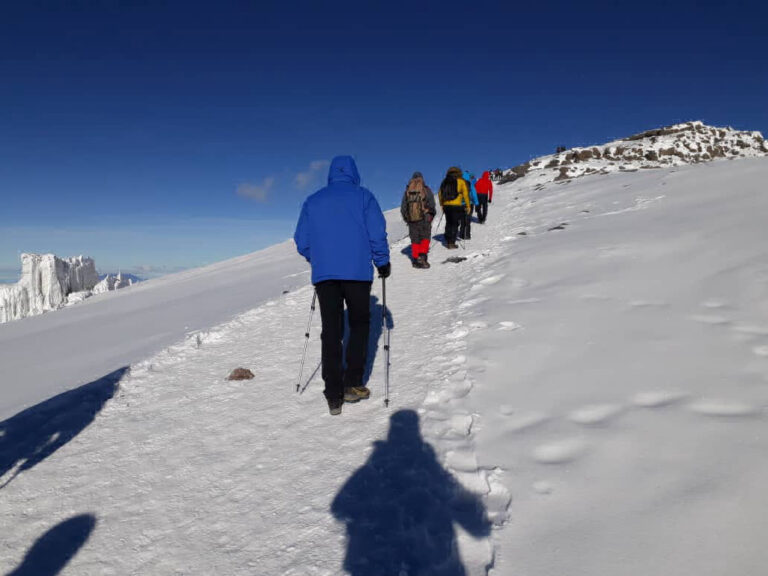
Can You Drink Alcohol Before Climbing Kilimanjaro? 2026-2027
Can You Drink Alcohol before Climbing Kilimanjaro? is explained with current 2026-2027 planning, price, itinerary and booking information.
View package details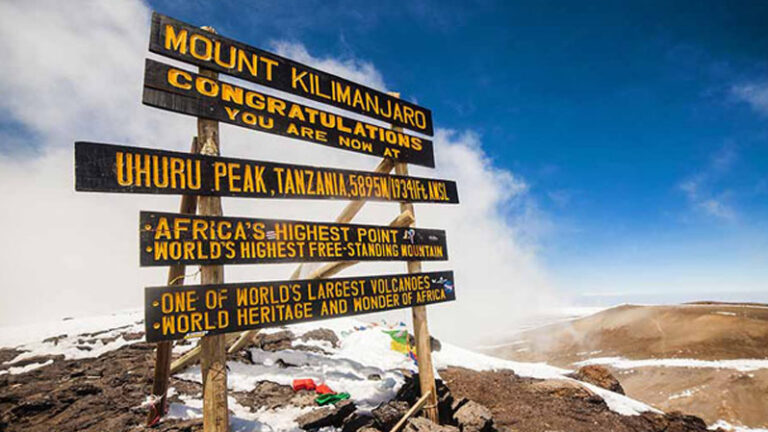
Should You Climb Mount Meru Before Kilimanjaro? 2026-2027
Should You Climb Mount Meru before Kilimanjaro? is explained with current 2026-2027 planning, price, itinerary and booking information.
View package details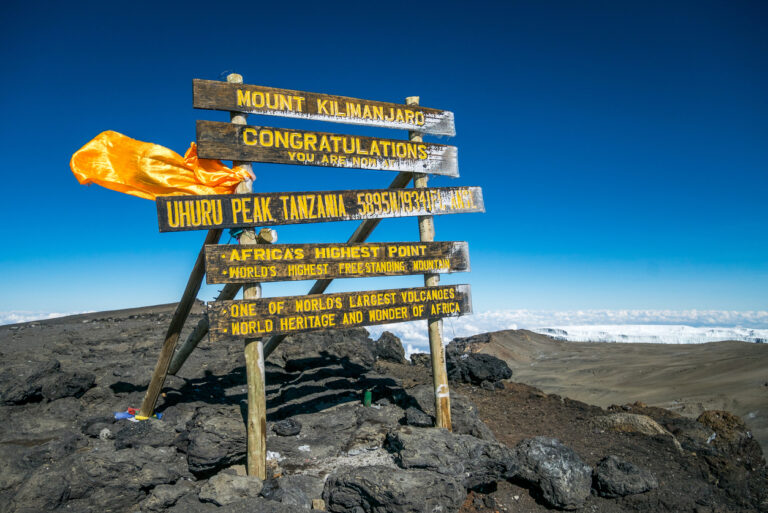
Kilimanjaro Acclimatization And Gear-Rental Package 2026-2027
Kilimanjaro Acclimatization and Gear-Rental Package is explained with current 2026-2027 planning, price, itinerary and booking information.
View package details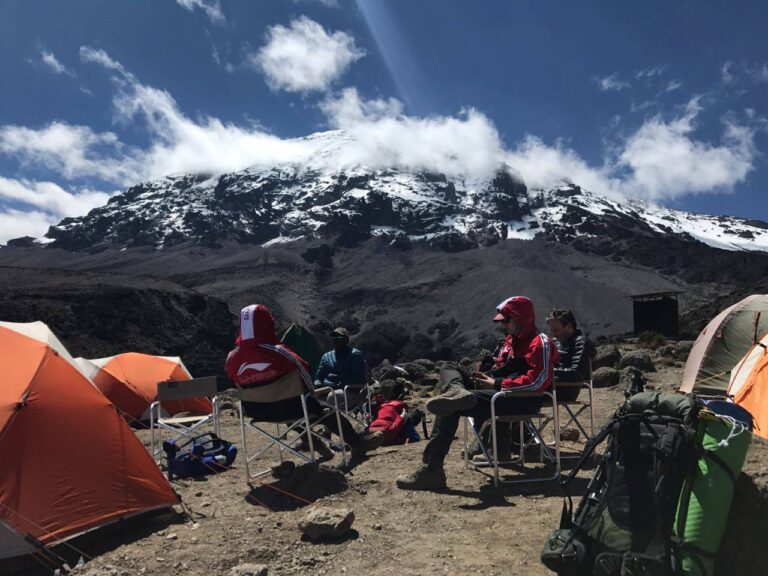
Mount Longido Acclimatization Hike Before Kilimanjaro Climb | Top Guide
Discover why a Mount Longido acclimatization hike is crucial for Kilimanjaro success. Learn about its benefits, routes, and how Top Guide Adventures can integrate it into your 2026-2027...
View package details
Mount Meru Acclimatization Before Kilimanjaro: A Comprehensive Guide 2026-2027
Discover why climbing Mount Meru before your Kilimanjaro trek is a strategic advantage for acclimatization. This guide details routes, benefits, and planning for 2026-2027.
View package details
Kilimanjaro Climb With Emergency Gear Replacement Guide
Understand the critical role of emergency gear replacement for your Kilimanjaro climb. This guide covers essential gear, contingency planning, and how Top Guide Adventures supports climbers...
View package details
Where To Buy Missing Kilimanjaro Gear In Moshi: Your Essential Shopping Guide
Planning to climb Kilimanjaro? Don't stress about forgotten gear. Moshi offers several reliable shops where you can purchase essential items for your trek. This guide details the best...
View package detailsKilimanjaro Departure-Day Airport Transfer: Your Top Guide Adventures
Your essential guide to Kilimanjaro departure-day airport transfers, ensuring a stress-free journey from Moshi or Arusha to Kilimanjaro International Airport (JRO) with Top Guide...
View package details
Kilimanjaro Pre-Climb Gear Check And Briefing: Your Essential Guide 2026-2027
Prepare thoroughly for your Kilimanjaro ascent with Top Guide Adventures. This comprehensive guide covers everything you need for your pre-climb gear check and briefing, ensuring you're...
View package detailsHow Many Nights Should You Stay Before Kilimanjaro Climb? 2026-2027
The crucial question of how many nights to stay before climbing Kilimanjaro directly impacts your acclimatization and overall success. Experts recommend a minimum of 2-3 nights in Moshi or...
View package details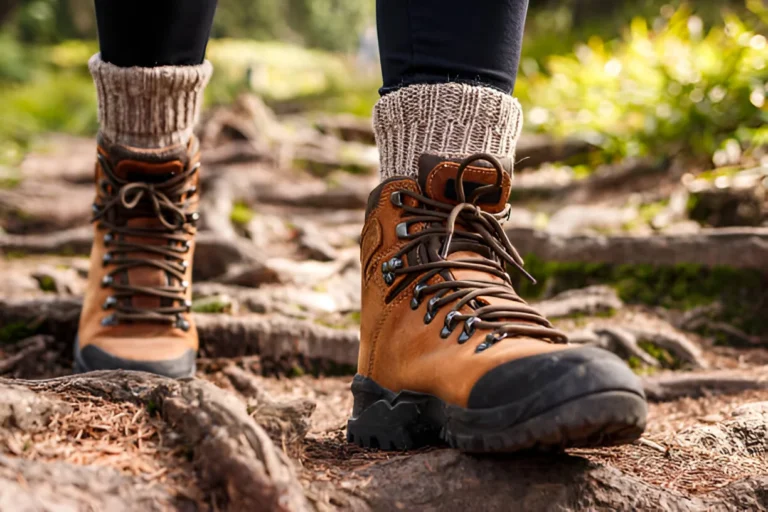
Late-Night Arrival At Kilimanjaro Airport Before Your Climb: Essential
Planning a Kilimanjaro climb with a late-night arrival at Kilimanjaro International Airport (JRO)? This guide covers everything you need to know for a smooth transition from the airport to...
View package detailsNo related package matches those filters. Clear one or more filters to see the other topic-matched options.



