
A Kilimanjaro pre-climb shopping tour in Moshi is essential for acquiring the right trekking gear, ensuring you have quality equipment for your 2026-2027 ascent. These tours, often organized by companies like Top Guide Adventures, guide you to reputable local shops offering a wide range of suitable clothing, footwear, and accessories, helping you avoid counterfeit items and secure necessary items like sturdy boots, warm layers, waterproofs, and specialized sleeping bags, often at competitive prices compared to back home.
Why a Moshi Pre-Climb Shopping Tour is Crucial for Kilimanjaro Trekkers
Climbing Mount Kilimanjaro is a significant undertaking, a journey that demands careful preparation. Beyond booking your trek and arranging flights, one of the most practical and often overlooked aspects of this preparation is ensuring you have the correct gear. This is where a Kilimanjaro pre-climb shopping tour in Moshi becomes invaluable. Moshi, the bustling town at the foot of Africa’s highest peak, is not just a gateway to your adventure; it’s also a hub for trekking equipment. For many international trekkers planning their climb for 2026 or 2027, Moshi presents a unique opportunity to purchase high-quality gear locally, often at more accessible prices than in their home countries, while also receiving expert advice tailored to Kilimanjaro’s specific conditions.
Top Guide Adventures understands that not everyone can bring all their gear from home, or perhaps you want to supplement what you have with items specifically suited for the mountain. Our pre-climb shopping tours are designed to make this process smooth and efficient. We partner with trusted local vendors known for their reliable equipment, ensuring you don’t fall victim to the many counterfeit or low-quality items that can unfortunately appear in tourist areas. This tour is more than just shopping; it’s an orientation to the practical necessities that will significantly impact your comfort and safety on the mountain.
The benefits extend beyond just acquiring items. A guided shopping tour in Moshi allows you to:
- Access Quality Gear: Identify and purchase durable, functional equipment specifically recommended for Kilimanjaro’s varied microclimates.
- Get Expert Advice: Benefit from the knowledge of local guides and shopkeepers who understand the mountain’s demands.
- Save Money: Often find better value for money on essential trekking items compared to Western retail prices.
- Avoid Counterfeits: Be directed to legitimate suppliers, ensuring you buy genuine products.
- Finalize Packing: Purchase last-minute items you might have forgotten or decided you need after arriving.
- Acclimatize Practically: Use the time in Moshi to get accustomed to the local environment and prepare mentally for the climb.
For trekkers planning their Kilimanjaro adventure in 2026 or 2027, incorporating a dedicated shopping tour into your arrival days in Moshi is a smart strategic move. It ensures you are fully equipped, confident, and ready to tackle the magnificent Kilimanjaro.
Essential Gear for Your Kilimanjaro Climb: What to Look For in Moshi
The success and enjoyment of your Kilimanjaro climb hinges significantly on your equipment. Temperatures can range from warm and humid at the base to freezing at the summit, with conditions changing rapidly. A Kilimanjaro pre-climb shopping tour in Moshi will focus on helping you find items that can withstand these extremes. Here’s a breakdown of the critical gear categories and what to prioritize:
1. Footwear: The Foundation of Your Trek
Your feet are your most important asset on Kilimanjaro. Investing in the right footwear is non-negotiable. When shopping in Moshi, look for:
- Sturdy Hiking Boots: Mid-weight, waterproof, and well broken-in hiking boots are paramount. They should offer good ankle support to prevent injuries on uneven terrain. Avoid brand-new boots for the climb; ideally, you should have worn them for several hikes before your trip. If buying new in Moshi, ensure ample time for breaking them in during your acclimatization days. Brands like Salomon, Merrell, Scarpa, or La Sportiva are often recommended.
- Camp Shoes/Sandals: A comfortable pair of lightweight shoes or sandals for use around camp after a long day’s hike. This allows your feet to breathe and rest.
- Socks: Several pairs of moisture-wicking wool or synthetic hiking socks are crucial. Avoid cotton, as it retains moisture and can lead to blisters. Liner socks can also help prevent rubbing.
2. Clothing Layers: Adapting to Kilimanjaro’s Microclimates
Layering is key to managing your body temperature. The goal is to trap heat when cold and allow for ventilation when warm. Your shopping tour should help you find:
- Base Layers: Moisture-wicking thermal underwear (long johns and long-sleeved tops) made from merino wool or synthetic materials. These are worn next to the skin to manage sweat.
- Mid Layers: Fleece jackets or vests provide insulation. Bring a couple of varying weights. A lightweight fleece and a heavier one offer more flexibility.
- Outer Layer (Shell): A waterproof and windproof jacket (hardshell) with a hood. This protects you from rain and wind. It should be breathable to prevent overheating. Look for brands like Gore-Tex or similar technologies.
- Insulated Jacket: A warm, puffy jacket, preferably down or synthetic fill, for extreme cold, especially at higher altitudes and during summit night. A jacket that packs down small is ideal.
- Trekking Trousers: Lightweight, quick-drying, and durable trousers. Convertible trousers (zip-off legs) can be useful. Avoid jeans.
- Waterproof Trousers: Essential for protection against rain and wind. They should be easily pulled on over your trekking trousers.
3. Headwear and Handwear: Protecting Extremities
These often-forgotten items are vital for comfort and preventing frostbite.
- Warm Hat: A fleece or wool hat that covers your ears. Essential for cold nights and summit attempts.
- Sun Hat: A wide-brimmed hat or cap to protect your face from the intense equatorial sun.
- Balaclava or Neck Gaiter: For protecting your face and neck from wind and cold, especially on summit night.
- Gloves: Bring at least two pairs: thin liner gloves (fleece or wool) for dexterity and warmth, and a pair of waterproof, insulated outer gloves or mittens for extreme cold. Mittens are generally warmer than gloves.
4. Sleeping Gear: Comfort in the Cold
While your tour operator often provides sleeping mats and tents, a good sleeping bag is a personal essential.
- Sleeping Bag: A 4-season sleeping bag rated to at least -10°C to -20°C (0°F to -4°F) is recommended. Down is lighter and more compressible but loses insulation when wet; synthetic fill is bulkier but performs better in damp conditions. Many shops in Moshi offer rental options for sleeping bags if you prefer not to buy.
5. Trekking Accessories: The Supporting Cast
These items enhance safety, comfort, and practicality.
- Backpack: A comfortable daypack (25-35 liters) for carrying essentials during the day (water, snacks, extra layers, sunscreen, camera). Ensure it has a good harness and waist strap.
- Duffel Bag: A large, waterproof duffel bag (80-100 liters) for your main gear, which will be carried by porters. Ensure it’s sturdy and easily identifiable.
- Water Bottles/Hydration Reservoir: Carry at least 3 liters of water capacity. Insulated water bottle covers are useful to prevent water from freezing.
- Headlamp: Essential for walking in the dark during the pre-dawn summit push and for use in camp. Bring spare batteries.
- Trekking Poles: Highly recommended for reducing strain on knees and improving stability, especially on descents.
- Sunglasses: High UV protection sunglasses are vital due to the strong sun at altitude.
- Sunscreen and Lip Balm: High SPF (30+) sunscreen and SPF lip balm are crucial.
- Personal First-Aid Kit: Include personal medications, blister treatment, pain relievers, antiseptic wipes, and any other essentials.
- Toiletries: Biodegradable soap, toothbrush, toothpaste, wet wipes, hand sanitizer.
- Camera and Power Bank: To capture memories and keep devices charged.
- Snacks: Energy bars, nuts, dried fruit for that extra boost on the trail.
When on your Kilimanjaro pre-climb shopping tour in Moshi, always ask for advice from the shop staff or your guide about the suitability of items for Kilimanjaro. Top Guide Adventures recommends reputable shops that stock brands known for durability and performance.
Navigating Moshi’s Shopping Scene: Where to Find Quality Gear
Moshi town offers a range of shopping experiences, from bustling local markets to specialized outdoor gear shops. For trekkers preparing for a Kilimanjaro climb in 2026 or 2027, it’s crucial to know where to find reliable equipment. While markets can offer great prices on souvenirs, for essential trekking gear, it’s best to visit established stores that specialize in mountaineering and trekking equipment.
Recommended Gear Shops in Moshi
Top Guide Adventures works with and recommends specific shops in Moshi that consistently provide quality gear and fair pricing. These shops are chosen for their reputable stock, knowledgeable staff, and understanding of what Kilimanjaro demands:
- The Mountain Shop: Often considered one of the best in Moshi for high-quality trekking and mountaineering equipment. They stock reputable international brands and often have knowledgeable staff who can offer tailored advice.
- Local Outdoor Outfitters: Several other smaller, reputable shops can be found. Your Top Guide Adventures representative will be able to direct you to the most reliable ones at the time of your visit. They often carry a mix of well-known brands and locally sourced, durable alternatives.
- Rental Services: For bulky items like sleeping bags or specialized jackets, renting can be a cost-effective option. Many of these recommended shops also offer rental services. This is a great way to ensure you have a suitable item without the commitment of purchasing, especially if you’re unsure about future use.
What to Look For Beyond Brands
While brands are a good indicator, don’t discount well-made local alternatives. When assessing gear in Moshi, consider:
- Material Quality: Check for waterproof ratings, breathability (e.g., Gore-Tex or similar membranes), insulation fill (down vs. synthetic), and fabric durability.
- Construction: Examine seams, zippers, and closures. Are they robust? Do they feel like they will withstand the rigors of the mountain?
- Fit: This is paramount. Try on boots, jackets, and trousers. Ensure there’s room for layering underneath and that nothing pinches or rubs.
- Functionality: Does the jacket have adjustable cuffs and a good hood? Do the trousers have useful pockets?
The Role of Your Guide in Shopping
Your Top Guide Adventures guide or representative is your best resource during a Kilimanjaro pre-climb shopping tour in Moshi. They have firsthand experience with the gear used on the mountain and can:
- Validate Purchases: Advise you on whether an item meets Kilimanjaro’s requirements.
- Negotiate Prices: Help you get a fair price, especially if you’re buying multiple items.
- Identify Quality: Point out subtle differences in quality that you might miss.
- Suggest Rentals: Recommend renting specific items if it makes more sense financially or logistically.
By focusing on these reputable shops and leveraging the expertise of your guide, your shopping experience in Moshi will be productive and set you up for a successful climb in 2026 or 2027.
Rental vs. Purchase: Making the Smart Choice for Kilimanjaro Gear
One of the key decisions during your Kilimanjaro pre-climb shopping tour in Moshi is whether to buy or rent certain pieces of equipment. While buying ensures you have gear you know and trust, renting can be a practical and economical choice for items that are expensive, bulky, or unlikely to be used frequently after your trek.
Items Commonly Rented in Moshi:
- Sleeping Bags: High-quality 4-season sleeping bags are essential but can be a significant purchase. Many trekkers opt to rent these from reputable shops or directly from their tour operator. Top Guide Adventures can arrange for high-quality, temperature-rated sleeping bags to be ready for you.
- Insulated Jackets (Down or Synthetic): While a good fleece is a must-buy, a very warm, expedition-style insulated jacket might be a rental item for some.
- Waterproof Jackets and Trousers: While good quality waterproofs are a sound investment, if your budget is tight or you’re uncertain about your needs, renting can be an option, though buying is generally preferred for critical items.
- Trekking Poles: Many shops offer trekking poles for rent.
Pros and Cons of Renting Gear:
Pros:
- Cost Savings: Significantly cheaper than buying expensive items like a 4-season sleeping bag.
- Reduced Luggage: Avoids carrying bulky items on your flights to Tanzania.
- Access to Quality: Allows you to use top-tier gear without the high purchase price.
- Environmental Friendliness: Promotes a more sustainable approach to gear usage.
Cons:
- Fit and Comfort: Rented items might not fit as perfectly as your own, potentially leading to discomfort or blisters. It’s crucial to try them on.
- Hygiene Concerns: While reputable rental companies maintain high standards, some trekkers prefer their own personal items.
- Availability: During peak trekking seasons (e.g., 2026-2027 high seasons), popular rental items might be in high demand. Booking in advance is advisable.
- Condition: Rented gear might show signs of wear and tear. Always inspect items before accepting them.
Items Recommended for Purchase:
It is generally advised to purchase the following items, as fit and personal preference are critical:
- Hiking Boots: These must be well broken-in and fit perfectly.
- Base Layers and Socks: Personal comfort and hygiene are key.
- Mid Layers (Fleece): Versatile and used extensively.
- Daypack: For comfort and fit on your back.
- Headlamp: A reliable headlamp you know how to operate.
- Gloves and Hats: For warmth and fit.
During your Kilimanjaro pre-climb shopping tour in Moshi, your Top Guide Adventures guide will offer personalized advice on which items are best to buy and which can be effectively rented, helping you optimize your budget and preparedness for your 2026-2027 climb.
Practical Tips for Your Moshi Shopping Tour
A Kilimanjaro pre-climb shopping tour in Moshi is more than just a list of items; it’s an experience that requires a bit of planning and local savvy. Here are some practical tips to make your shopping excursion successful and stress-free:
Timing is Key: When to Schedule Your Tour
Ideally, schedule your shopping tour for your first full day or two in Moshi. This gives you ample time to:
- Acquire Necessities: Purchase any last-minute items you didn’t bring from home.
- Break in Boots: If you buy new hiking boots, you’ll need a day or two to wear them around town or on a short local walk to ensure they are comfortable and don’t cause blisters.
- Exchange Currency: Ensure you have enough Tanzanian Shillings or US Dollars for your purchases.
- Consult Your Guide: Discuss your gear needs with your Top Guide Adventures representative upon arrival.
Budgeting and Payment: What to Expect
Prices for gear in Moshi can vary. While often more affordable than in Western countries, quality items still represent an investment.
- Currency: The Tanzanian Shilling (TZS) is the local currency. US Dollars are also widely accepted, especially for larger purchases, but always check the exchange rate they are using. It’s often best to pay in Shillings if you can.
- Negotiation: In smaller shops or markets, polite bargaining may be possible, especially if you are buying multiple items. However, in established gear shops that cater to trekkers, prices might be more fixed. Your guide can advise on when and how to negotiate.
- Payment Methods: Cash is king, especially for smaller purchases. Some larger shops may accept credit cards, but be aware of potential transaction fees or unreliable card machines. Always have enough cash on hand.
- Budget Allocation: Factor in gear costs when planning your overall trip budget for 2026-2027. High-quality boots, waterproofs, and a warm jacket can range significantly in price.
Dealing with Counterfeit Goods
The market can be flooded with fake branded gear. These items often look the part but are made with inferior materials and construction, failing miserably on the mountain.
- Stick to Reputable Shops: As mentioned, Top Guide Adventures directs clients to trusted vendors.
- Check Labels and Logos: Look for authentic branding. Fakes often have slightly off logos or spelling errors.
- Assess Quality: Feel the fabric, check the zippers, and inspect the stitching. If a price seems too good to be true for a premium brand, it probably is.
- Trust Your Guide’s Recommendation: Your guide’s experience is your best defense against fakes.
Trying Before Buying: The Importance of Fit
Never buy footwear or clothing without trying it on, especially if it’s a critical item like hiking boots.
- Boots: Wear your intended hiking socks. Ensure there’s enough room to wiggle your toes, but not so much that your foot slides around. Check for heel lift. Walk around the shop, go up and down stairs if possible.
- Clothing: Try on layers together to ensure they fit comfortably without restricting movement.
Leveraging Your Guide’s Expertise
Your guide is your most valuable asset during this tour. They are not just there to show you shops but to ensure you get the right gear for your Kilimanjaro climb. Don’t hesitate to ask questions:
- “Is this warm enough for summit night?”
- “Will these boots provide enough ankle support?”
- “Is this waterproof rating sufficient for Kilimanjaro’s weather?”
- “Can you recommend a better alternative for X item?”
A well-executed Kilimanjaro pre-climb shopping tour in Moshi, guided by local expertise from Top Guide Adventures, will equip you perfectly for your 2026-2027 adventure, ensuring comfort, safety, and a higher chance of reaching the summit.
Beyond Gear: Other Essentials to Buy or Arrange in Moshi
While the focus of a Kilimanjaro pre-climb shopping tour in Moshi is undoubtedly on trekking gear, there are other practical items and services you might need to arrange or purchase in town before heading to the mountain. Top Guide Adventures can assist with many of these, ensuring a smooth start to your climb.
1. Medications and Personal First-Aid Supplies
While you should bring your personal prescription medications from home, Moshi has pharmacies where you can purchase common over-the-counter remedies or supplement your first-aid kit.
- Altitude Sickness Medication: If prescribed by your doctor, ensure you have it. Pharmacies in Moshi may stock Diamox (acetazolamide), but it’s always best to consult your physician before your trip.
- Pain Relievers: Paracetamol or ibuprofen.
- Stomach Remedies: Antacids, anti-diarrheal medication.
- Antiseptic Wipes and Bandages: For minor cuts and scrapes.
- Insect Repellent: Although less of an issue at higher altitudes, it can be useful in Moshi and lower camp areas.
Always consult your doctor before taking any medication for altitude sickness.
2. Toiletries and Personal Care Items
While you can bring all your toiletries from home, Moshi offers local options for essentials.
- Biodegradable Soap and Shampoo: Essential for minimizing environmental impact.
- Toothbrush and Toothpaste: Standard travel items.
- Hand Sanitizer: Crucial for hygiene on the mountain.
- Wet Wipes: For quick clean-ups.
- Sunscreen and Lip Balm with SPF: Stock up if you didn’t bring enough.
3. Snacks for the Trail
While your tour operator provides meals, many trekkers like to have extra snacks for energy boosts between meals or during challenging sections.
- Energy Bars and Gels: Easily digestible and packed with energy.
- Nuts and Dried Fruits: A good source of protein and quick energy.
- Chocolate: A morale booster and quick energy source.
You can find a good selection of these in local supermarkets in Moshi.
4. Water Purification Tablets or Filters
While Top Guide Adventures ensures safe drinking water (usually boiled or filtered), carrying your own purification method can be a good backup or for personal preference.
- Water Purification Tablets: Lightweight and easy to use.
- Water Filters: More efficient but can be bulkier and require maintenance.
5. Souvenirs and Local Crafts
Moshi is a great place to pick up authentic Tanzanian souvenirs. While not strictly for the climb, a Kilimanjaro pre-climb shopping tour can easily incorporate a visit to local craft markets.
- Maasai Crafts: Beaded jewelry, carvings, and textiles.
- Wood Carvings: From small decorative items to larger pieces.
- Tanzanite: If you’re looking for precious gemstones, Tanzania is famous for tanzanite. Ensure you buy from reputable dealers.
Always be mindful of your luggage allowance and customs regulations when purchasing souvenirs.
6. Pre-Climb Briefing and Gear Check
A vital service provided by Top Guide Adventures is the pre-climb briefing and gear check. This usually happens upon your arrival in Moshi, before you even start shopping.
- Gear Review: Your guide will go through your packing list and inspect your gear, offering advice on what’s essential, what might be missing, and what might not be suitable.
- Rental Arrangements: Finalize any arrangements for gear rentals you’ve decided upon.
- Route Overview: Discuss the climbing route, daily schedules, and safety procedures.
- Q&A Session: An opportunity to ask any last-minute questions.
By addressing these additional needs during your stay in Moshi, you ensure that by the time you depart for the mountain, you are fully prepared not just with gear, but with all the practicalities that contribute to a safe and enjoyable Kilimanjaro adventure for 2026-2027.
The Top Guide Adventures Advantage: Personalized Support for Your Shopping Needs
Choosing Top Guide Adventures for your Kilimanjaro climb means you’re not just booking a trek; you’re gaining a partner dedicated to ensuring your entire experience, from planning to summiting, is as smooth and successful as possible. Our commitment extends significantly to your preparation in Moshi, particularly concerning your gear acquisition through a Kilimanjaro pre-climb shopping tour.
Personalized Guidance from Experienced Guides
Our guides are not only experts on Kilimanjaro’s trails and conditions but are also deeply familiar with the best local resources in Moshi. They understand the nuances of what works best on the mountain, having seen countless trekkers succeed (and sometimes struggle) with different types of gear.
- Tailored Recommendations: Your guide will provide specific advice based on your individual needs, the season of your climb (e.g., 2026-2027 dry or wet seasons), and your budget.
- Quality Assurance: They will help you distinguish between high-quality, durable gear and inferior imitations, saving you from costly mistakes.
- Rental Coordination: If you choose to rent gear, your guide will facilitate the process, ensuring you get clean, well-maintained equipment.
Access to Trusted Local Vendors
Top Guide Adventures has cultivated strong relationships with reputable outdoor gear shops in Moshi. This ensures that when you are on your shopping tour:
- Guaranteed Quality: You are directed to shops known for stocking genuine, high-performance equipment.
- Fair Pricing: While not always negotiable, prices at our recommended shops are generally fair for the quality offered. Your guide can assist in ensuring you get the best possible value.
- Comprehensive Selection: These shops typically have a wide range of sizes and styles to fit diverse needs.
Pre-Climb Gear Check and Briefing
Before you even step into a shop, Top Guide Adventures conducts a thorough pre-climb briefing and gear check. This session is critical:
- Reviewing Your List: We provide a detailed packing list, and your guide will go through it with you, item by item.
- Identifying Gaps: We help pinpoint what you already have, what you need to buy, and what might be worth renting.
- Practical Advice: Learn how to pack your duffel bag, how to layer effectively, and what essentials to keep in your daypack.
Logistical Support in Moshi
Beyond the shopping tour, Top Guide Adventures ensures your time in Moshi is comfortable and productive. This includes airport transfers, accommodation arrangements, and general support as you acclimatize to Tanzania.
- smooth Arrivals: We meet you at Kilimanjaro International Airport (JRO) and transfer you to your hotel in Moshi.
- Comfortable Accommodation: We can arrange pre-climb accommodation in comfortable hotels or lodges.
- On-Hand Support: Our team is available to assist with any issues or questions that arise during your stay in Moshi.
By integrating the Kilimanjaro pre-climb shopping tour in Moshi into our comprehensive service package, Top Guide Adventures ensures that you are not only well-equipped but also confident and fully prepared for your Kilimanjaro ascent in 2026 or 2027. We handle the complexities so you can focus on the adventure ahead.
Planning Your 2026-2027 Kilimanjaro Climb with Top Guide Adventures
The journey to the roof of Africa is a dream for many, and with meticulous planning, it can become a reality. Top Guide Adventures is your trusted partner in Tanzania, dedicated to providing exceptional experiences with personal attention and unwavering support. If you’re considering a Kilimanjaro climb in the coming years, particularly for 2026 or 2027, our expertise in organizing treks, safaris, and holidays across Tanzania ensures a memorable and successful adventure.
Our services are comprehensive, covering everything from the initial planning stages to the moment you descend from Kilimanjaro. We pride ourselves on offering:
- Tailor-Made Journeys: Whether you’re seeking a challenging climb on a specific route, a serene safari through the Serengeti, or a relaxing holiday in Zanzibar, we craft itineraries to match your desires.
- Expert Guidance: Our team comprises experienced professionals who know Tanzania intimately. From our knowledgeable guides on the mountain to our safari experts, we ensure quality at every step.
- Safety First: The safety and well-being of our clients are paramount. We adhere to strict safety protocols on all our expeditions, including Kilimanjaro climbs.
- Personalized Support: We offer dedicated support, answering all your queries promptly and ensuring you feel confident and prepared. This includes assistance with your Kilimanjaro pre-climb shopping tour in Moshi.
Ready to Plan Your Kilimanjaro Adventure?
The best time to start planning your Kilimanjaro climb for 2026 or 2027 is now. Early planning allows for better availability, especially for peak climbing seasons, and gives you ample time to prepare both physically and logistically. Our team is ready to help you:
- Choose the Right Route: We can guide you through the pros and cons of different Kilimanjaro routes (Machame, Lemosho, Marangu, etc.) based on your fitness, experience, and preferences.
- Select Climbing Dates: Advise on the best times to climb considering weather patterns and crowd levels.
- Understand Gear Requirements: Provide detailed packing lists and support your Kilimanjaro pre-climb shopping tour in Moshi.
- Arrange All Logistics: From airport transfers and accommodation to permits and porter services, we handle the details.
Don’t leave your dream climb to chance. Partner with Top Guide Adventures for an unforgettable Kilimanjaro experience. We are committed to making your journey safe, enjoyable, and successful.
For inquiries or to start planning your Kilimanjaro pre-climb shopping tour in Moshi and your climb for 2026-2027, please reach out to us:
- WhatsApp: +255616946642
- Email: topguideadventures@gmail.com
- Backup Email: info@topguideadventures.com
Visit our website www.topguideadventures.com to explore our offerings and learn more about planning your Tanzanian adventure.
“,
“faq_schema”: [
{
“question”: “What is a Kilimanjaro pre-climb shopping tour in Moshi?”,
“answer”: “A Kilimanjaro pre-climb shopping tour in Moshi is a guided excursion designed to help trekkers purchase essential gear and equipment for their climb. It directs travelers to reputable local shops known for quality trekking supplies, offering advice on what to buy and ensuring clients are well-equipped for the mountain’s conditions.”
},
{
“question”: “Why is it important to shop for gear in Moshi before climbing Kilimanjaro?”,
“answer”: “Shopping in Moshi allows you to acquire gear specifically suited for Kilimanjaro’s climate, often at better prices than at home. It also provides access to local expertise, helps avoid counterfeit products, and ensures you have necessary items like sturdy boots, warm layers, and waterproofs before starting your trek.”
},
{
“question”: “What essential gear should I look for on a Kilimanjaro shopping tour?”,
“answer”: “Key items include sturdy, broken-in hiking boots, moisture-wicking base layers, insulating mid-layers (like fleece), waterproof and windproof outer shells, a warm insulated jacket for summit night, warm hats and gloves, good hiking socks, a comfortable daypack, and a large duffel bag for porters. A 4-season sleeping bag is also crucial.”
},
{
“question”: “Can I rent gear in Moshi for my Kilimanjaro climb?”,
“answer”: “Yes, many shops in Moshi offer rentals for items like sleeping bags, insulated jackets, and trekking poles. Renting can be a cost-effective option for bulky or expensive items you might not use frequently after your climb. Top Guide Adventures can assist with these arrangements.”
},
{
“question”: “Where can I find reliable gear shops in Moshi?”,
“answer”: “Top Guide Adventures recommends specific reputable outdoor gear shops in Moshi known for quality equipment and knowledgeable staff. These shops often carry international brands and can provide advice tailored to Kilimanjaro’s conditions. Your guide will direct you to the best locations.”
},
{
“question”: “How much should I budget for gear purchases in Moshi?”,
“answer”: “The cost varies greatly depending on what you need to buy. Essential items like boots, waterproofs, and a warm jacket can be significant expenses. Budgeting anywhere from $300 to $800+ USD per person for necessary gear purchases is a reasonable estimate, excluding items you might rent.”
},
{
“question”: “Should I buy or rent a sleeping bag for Kilimanjaro?”,
“answer”: “It’s a personal choice. Buying ensures you have a bag that fits perfectly and you’re familiar with, but renting a high-quality 4-season sleeping bag (rated to -10°C to -20°C) is often more economical and practical, especially if you don’t plan to use it often. Top Guide Adventures can arrange rentals.”
},
{
“question”: “What is the best time of year for a Kilimanjaro climb in 2026-2027?”,
“answer”: “The best dry seasons are generally January-March and June-October. These periods offer the clearest skies and more stable weather. The shoulder months can also be good but may bring occasional rain. Top Guide Adventures can advise on the best dates for your specific preferences.”
},
{
“question”: “How does Top Guide Adventures help with the pre-climb shopping tour?”,
“answer”: “Top Guide Adventures provides personalized guidance from experienced guides who know the mountain and local shops. They help identify essential gear, recommend trusted vendors, assist with rental arrangements, and conduct a thorough pre-climb gear check to ensure you’re fully prepared.”
}
]
}
“`
Check Availability for Kilimanjaro Pre-Climb Shopping Tour In Moshi 2026-2027
Ready to compare dates, prices, and the best option for your group? Send the package name and travel month so the team can reply with a clear quote, availability, and what is included.
Kilimanjaro Climb With A Personal Support Assistant: Your Ultimate Guide
Climbing Mount Kilimanjaro with a personal support assistant offers unparalleled safety, comfort, and focus on your summit goals. This guide details what a personal assistant entails, its...
View package details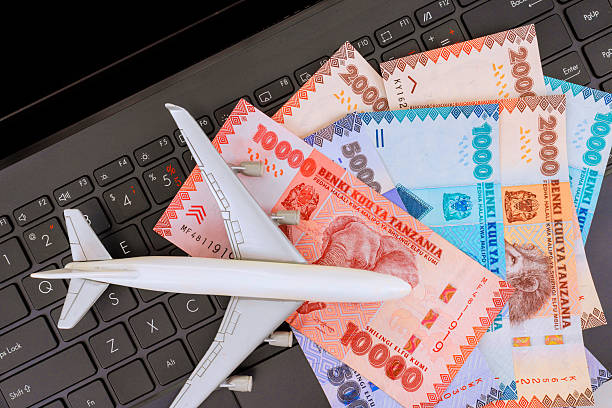
Kilimanjaro Hydration Mistakes Climbers Make And How To Avoid Them 2026-2027
Proper hydration is critical for a successful Kilimanjaro climb. This guide details common hydration mistakes climbers make, from under-drinking to choosing the wrong fluids, and provides...
View package details
Kilimanjaro Summit-Night Mistakes To Avoid: Your Essential Guide For Climbs
Summit night on Kilimanjaro is the most challenging part of the climb. Avoiding common mistakes in acclimatization, gear, hydration, and pacing is crucial for success. This guide details...
View package details
Kilimanjaro Airport Vs Arusha For Climbers: The Definitive Guide 2026-2027
A comprehensive comparison of Kilimanjaro International Airport (JRO) and Arusha Airport (ARK) for trekkers planning a Mount Kilimanjaro climb, detailing pros, cons, and booking advice for...
View package details
Kilimanjaro Climb For Retired Couples: Planning Your Adventure 2026-2027
Planning a Kilimanjaro climb as a retired couple is an achievable and rewarding goal. This guide offers in-depth advice on route selection, physical preparation, essential gear, and the...
View package details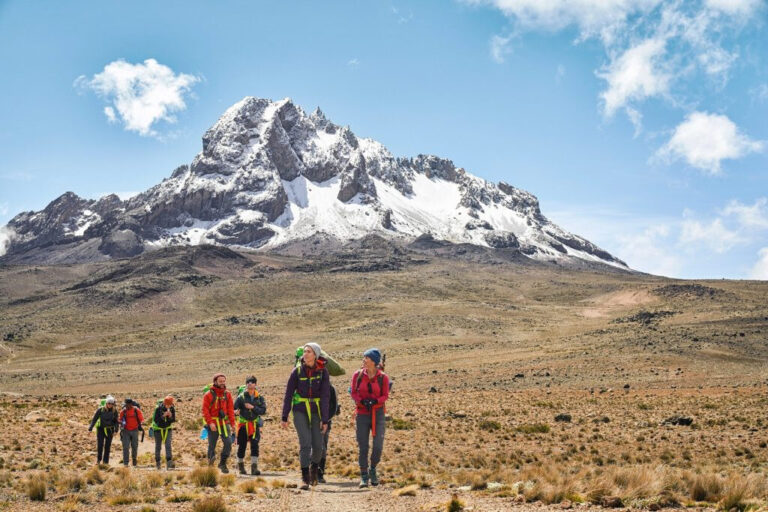
Can A 16-Year-Old Climb Kilimanjaro? Your Essential Guide 2026-2027
Discover if a 16-year-old can summit Kilimanjaro. This comprehensive guide covers age requirements, health, fitness, essential gear, and planning for younger trekkers aiming for Africa's...
View package details
Content For Parents And Young Climbers: Conquering Kilimanjaro Safely
Planning a Kilimanjaro climb with children or as a young climber requires special attention. This guide provides comprehensive content for parents and young adventurers, covering...
View package details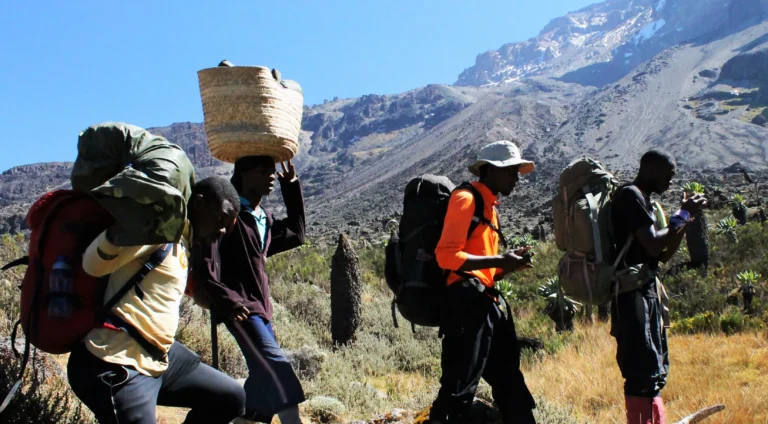
Kilimanjaro Tree-Planting Climbing Package Guide
Combine your dream Kilimanjaro climb with a meaningful conservation effort. Our Kilimanjaro Tree-Planting Climbing Package allows you to ascend Africa's highest peak while actively...
View package details
What Happens If It Rains Throughout Your Kilimanjaro Climb? 2026-2027
What Happens If It Rains throughout Your Kilimanjaro Climb? is explained with current 2026-2027 planning, price, itinerary and booking information.
View package details
Kilimanjaro Early-Bird Climbing Discounts For Adventures 2026-2027
Plan your 2026-2027 Kilimanjaro climb and take advantage of early-bird discounts. Top Guide Adventures offers savings for those who book in advance, ensuring a memorable and affordable...
View package details
Kilimanjaro Private Climb Price For One Person: Your Guide 2026-2027
Planning a solo ascent of Mount Kilimanjaro? This guide details the Kilimanjaro private climb price for one person, covering cost factors, inclusions, and essential planning for 2026-2027.
View package details
Kilimanjaro Wellness Retreat For Non-Climbers: Rejuvenate Near Africas
Experience the serene beauty and restorative power of Tanzania without the arduous climb. Our Kilimanjaro wellness retreats for non-climbers offer a unique blend of relaxation, cultural...
View package detailsNo related package matches those filters. Clear one or more filters to see the other topic-matched options.



