
A May Kilimanjaro low-season climbing package for 2026-2027 offers a compelling blend of fewer crowds and potentially lower costs, with generally good weather patterns preceding the main rainy season. These packages typically include essential services like park fees, experienced guides and porters, accommodation before and after the climb, meals on the mountain, and sometimes airport transfers, with durations varying from 5 to 9 days depending on the chosen route. Top Guide Adventures specializes in creating tailored low-season experiences, ensuring safety and support throughout your ascent of Africa’s highest peak.

Why Consider a May Kilimanjaro Low-Season Climbing Package for 2026-2027?
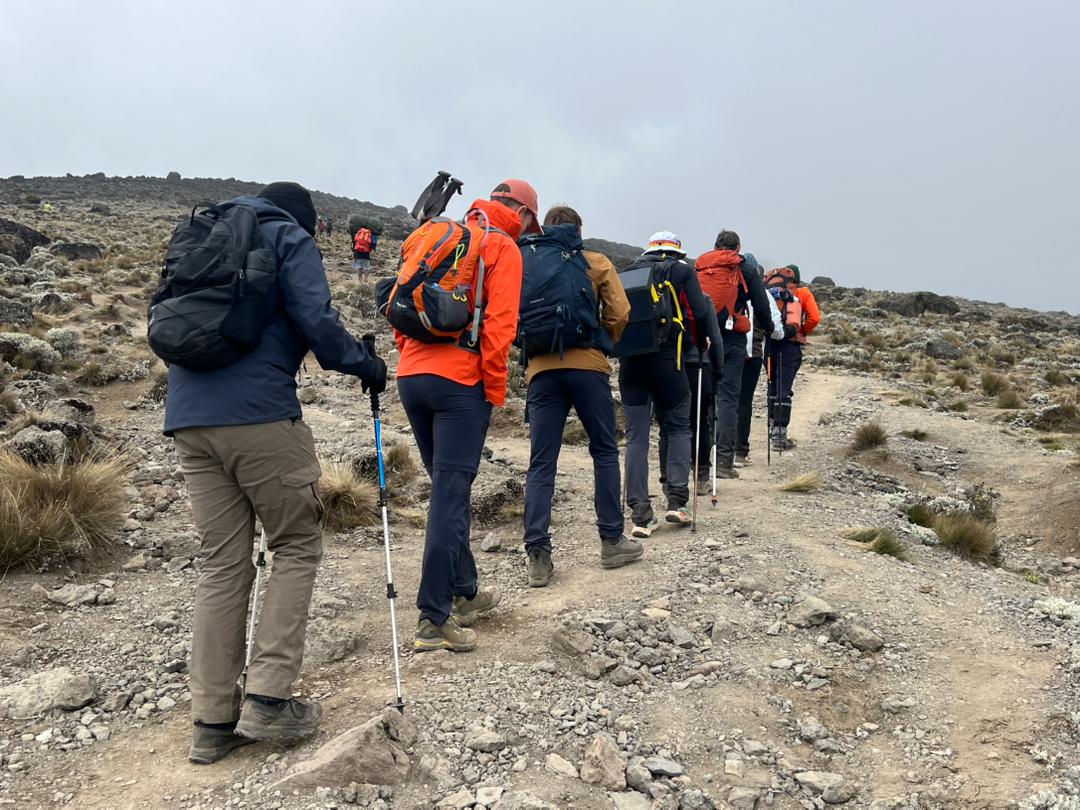
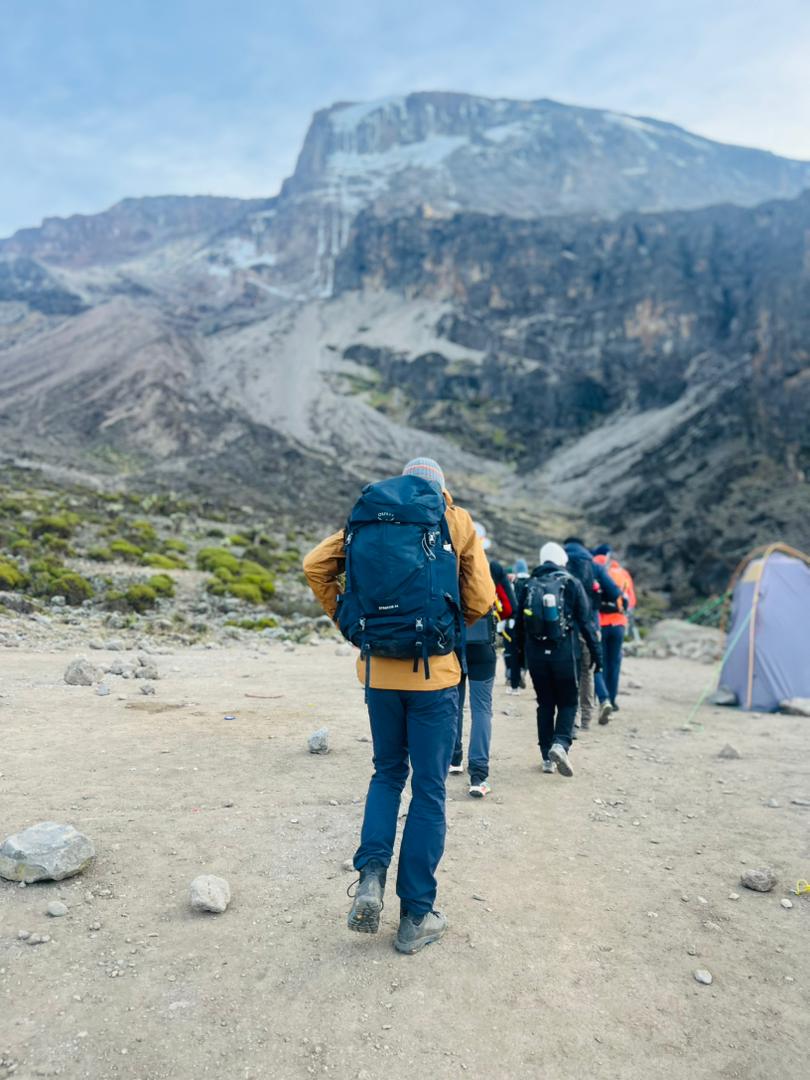
Choosing to climb Kilimanjaro in May positions you squarely within the shoulder season, a period often overlooked but offering significant advantages for trekkers. As the dry season transitions into the wetter months, May presents a unique window where the benefits of fewer fellow climbers often outweigh the slight increase in potential rainfall. For those planning their adventure in 2026 or 2027, a May Kilimanjaro low-season climbing package can be an exceptionally rewarding choice. This period offers a quieter, more personal experience on the mountain, allowing for deeper connection with the stunning landscapes and a more serene ascent towards Uhuru Peak. Beyond the tranquility, May often sees more competitive pricing for climbing packages, making it an attractive option for budget-conscious adventurers without compromising on safety or quality of service.
Top Guide Adventures understands the nuances of climbing Kilimanjaro year-round and has crafted specific offerings to maximize the benefits of the low-season months. Our May Kilimanjaro low-season climbing packages for 2026-2027 are designed to provide exceptional value, combining comprehensive support with the unique advantages of climbing during this transitional period. We focus on ensuring that even with fewer crowds, your experience is rich, safe, and unforgettable. This includes meticulous planning, experienced guides, quality equipment, and a commitment to sustainable tourism practices that respect the mountain environment.
Understanding Kilimanjaro’s Weather in May
Kilimanjaro’s weather is notoriously variable, dictated by its six distinct ecological zones and altitude. May falls within the ‘long rains’ period, but this doesn’t necessarily mean constant downpours. Instead, expect a mix of conditions. The mornings are often clear and sunny, with clouds building up in the afternoon, leading to potential showers. These rains are typically less intense and shorter-lived than the ‘short rains’ of November. Crucially, the vegetation is lush and green, and the air is often exceptionally clear after a rainfall, offering spectacular views.
For a May Kilimanjaro low-season climbing package, understanding these weather patterns is key to preparation. While rain is possible, it’s often interspersed with sunshine. The temperatures remain relatively consistent across the lower and middle altitudes, only dropping significantly at the summit. The key is to be prepared for all eventualities. This means packing high-quality waterproof gear, including a rain jacket, rain pants, and waterproof boots. Layers are also essential, allowing you to adapt to changing temperatures and conditions throughout the day. Despite the ‘rainy’ moniker, many trekkers find May to be a beautiful month, with fewer people and vibrant landscapes.
The Benefits of Climbing in May: Fewer Crowds, More Serenity
One of the most significant draws of a May Kilimanjaro low-season climbing package is the distinct lack of crowds. During the peak seasons (January-March and June-October), the popular routes can feel quite busy, with numerous trekking groups ascending simultaneously. In May, you’re likely to experience a much more solitary journey. This translates to:
- Quieter Trails: Enjoy the solitude and natural beauty without the constant presence of other trekkers.
- Better Campsite Experience: Campsites are less crowded, offering a more peaceful and personal atmosphere.
- Enhanced Wildlife Viewing: While not a safari, the lower slopes can offer sightings of unique flora and fauna, enhanced by the quiet.
- Deeper Connection: The reduced noise and fewer distractions allow for a more profound connection with the mountain’s environment and your own inner journey.
- More Interaction with Guides and Porters: With smaller groups, there’s often more opportunity for meaningful conversations and learning from your support team.
This serene environment is a major plus for trekkers seeking a more introspective and less commercialized experience. For your 2026 or 2027 climb, prioritizing a May package means prioritizing peace and personal space on one of the world’s most iconic mountains.
Cost Considerations for May Climbs
While exact pricing varies based on route, duration, and inclusions, climbing Kilimanjaro in May can sometimes offer more competitive rates. Tour operators may offer slightly reduced prices for their May Kilimanjaro low-season climbing packages for 2026-2027 to attract clients during this shoulder period. This doesn’t mean a compromise in service or safety; rather, it reflects the demand dynamics. Park fees and other government-mandated charges remain constant regardless of the season, but operators might adjust their operational costs or offer promotional deals.
When comparing packages, it’s crucial to understand what is included. A comprehensive package from Top Guide Adventures typically covers:
- Park entrance fees
- Camping fees
- Rescue fees
- Salaries for guides and porters
- All meals on the mountain
- Tents and cooking equipment
- Drinking water
- Transfer from/to the park gate and Moshi/Arusha
- Accommodation in a hotel before and after the climb (usually 2 nights)
Always clarify what is excluded, such as personal gear, tips for the crew, travel insurance, and flights. By choosing a May Kilimanjaro low-season climbing package, you can often secure a high-quality, fully supported trek at a more accessible price point for your 2026-2027 adventure.
Choosing the Right Route for Your May Climb
While all routes are open in May, some are better suited to the potential for rain and lower temperatures. The longer routes generally offer higher success rates due to their gradual acclimatization profiles. Top Guide Adventures recommends the following routes for a May Kilimanjaro low-season climbing package, considering their acclimatization benefits and suitability for varied weather:
The Machame Route: Popularity Meets Acclimatization
The Machame Route, often called the ‘Whiskey Route,’ is one of the most popular choices due to its excellent acclimatization profile and scenic beauty. It’s a 6-day or 7-day trek. The 7-day option is highly recommended for better acclimatization and a higher success rate, especially during the shoulder season. May can bring varied weather, and the Machame’s gradual ascent, including a ‘climb high, sleep low’ strategy on the latter days, is beneficial.
- Duration: 6 or 7 days (7 days recommended for 2026-2027 climbs)
- Difficulty: Moderate to Difficult
- Scenery: Excellent, diverse ecological zones
- Acclimatization: Good, especially on the 7-day itinerary
- Crowds in May: Less crowded than peak season, but still popular.
The Machame route winds through beautiful forests and moorlands, offering stunning views. While rain is possible in May, the forest sections can offer some shelter. The higher alpine desert and arctic zones will be exposed, reinforcing the need for robust rain gear.
The Lemosho Route: Scenery and Success
The Lemosho Route is renowned for its spectacular scenery and high success rates. It’s a longer route, typically 7 or 8 days, which significantly aids acclimatization. Starting in the west, it offers a more remote feel initially, joining the Machame route after a few days. This extended duration is ideal for May climbs in 2026-2027, allowing your body more time to adjust to the altitude.
- Duration: 7 or 8 days (8 days strongly recommended)
- Difficulty: Moderate to Difficult
- Scenery: Arguably the most beautiful, with diverse landscapes
- Acclimatization: Excellent
- Crowds in May: Very few trekkers on the initial days, less crowded overall.
The Lemosho’s gradual ascent, particularly the longer itinerary, provides a significant advantage in May. The extra day allows for better adaptation, crucial when dealing with potentially unpredictable weather. Top Guide Adventures views the 8-day Lemosho as one of the best options for a May Kilimanjaro low-season climbing package.
The Marangu Route: The ‘Coca-Cola’ Trail
The Marangu Route is the oldest and most established route. It’s also the only route that offers accommodation in huts rather than tents, making it a popular choice for those seeking more comfort. It’s a shorter route, typically 5 or 6 days.
- Duration: 5 or 6 days (6 days recommended for better acclimatization)
- Difficulty: Moderate
- Scenery: Good, but less varied than other routes
- Acclimatization: Poorer than longer routes, especially on the 5-day option.
- Crowds in May: Can still be relatively busy due to its popularity and hut accommodation.
While Marangu is an option, its faster ascent profile makes it less ideal for acclimatization, particularly in May when weather can be a factor. The 6-day Marangu is better, but longer routes like Machame or Lemosho are generally preferred for safety and success rates. The hut accommodation, however, offers a dry refuge during potential May showers.
The Rongai Route: Northern Approach, Dry Side
The Rongai Route approaches Kilimanjaro from the north, near the Kenyan border. It’s considered one of the drier routes, making it a potentially good choice for May, although rain can still occur. It’s a longer route, typically 6 or 7 days, offering good acclimatization.
- Duration: 6 or 7 days (7 days recommended)
- Difficulty: Moderate
- Scenery: Good, different perspective from the north
- Acclimatization: Good, especially on the 7-day itinerary
- Crowds in May: Generally less crowded than Marangu or Machame.
The Rongai’s initial days are through drier terrain. While the upper reaches will still experience weather, this route can be a solid choice for a May Kilimanjaro low-season climbing package for 2026-2027 if you’re looking for fewer people and a slightly drier start. Top Guide Adventures often recommends the 7-day Rongai for a balanced experience.
What’s Typically Included in a May Kilimanjaro Low-Season Climbing Package?
When you book a May Kilimanjaro low-season climbing package with a reputable operator like Top Guide Adventures, you can expect a comprehensive service designed for safety, comfort, and success. While specifics can vary, the core inclusions provide everything you need for the mountain experience itself. Understanding these inclusions is vital for comparing different operators and ensuring you’re getting good value for your 2026 or 2027 expedition.
Core Inclusions for Your Kilimanjaro Climb Package:
- Park Fees: All necessary national park, camping, and crater fees. These are significant costs set by the Tanzanian government and are non-negotiable.
- Guides and Porters: Experienced, licensed guides trained in first aid, and a sufficient number of porters to carry your gear and set up camp. We ensure fair treatment and wages for our entire crew.
- Accommodation: Camping equipment (tents, sleeping mats, dining tent, table, chairs) and high-quality sleeping bags. Also includes pre- and post-climb hotel accommodation in Moshi or Arusha.
- Meals: All meals on the mountain – breakfast, lunch, and dinner – prepared by a dedicated cook. Meals are nutritious and designed to provide energy for climbing.
- Water: Boiled and purified drinking water provided daily on the mountain.
- Safety Equipment: Oxygen cylinders (for emergency use), a comprehensive first-aid kit, and communication equipment (e.g., satellite phone for emergencies).
- Transfers: Transportation from Kilimanjaro International Airport (JRO) to your hotel, and from your hotel to the mountain gate, plus transfer back to your hotel or the airport after the climb.
- Briefing: Pre-climb briefing to go over your itinerary, gear, and answer any questions.
Exclusions to Consider
It’s equally important to know what is typically *not* included in a May Kilimanjaro low-season climbing package:
- International Flights: Flights to and from Kilimanjaro International Airport (JRO).
- Visa Fees: Costs associated with obtaining a Tanzanian visa.
- Travel Insurance: Comprehensive travel and medical insurance, including emergency evacuation coverage. This is mandatory.
- Personal Gear: Sleeping bag, hiking boots, clothing, backpack, trekking poles, etc. (Some operators offer rentals).
- Tips for Crew: Gratuities for guides, porters, and cooks. This is a significant part of their income and is customary.
- Personal Expenses: Souvenirs, alcoholic beverages, laundry, and any other personal items.
- Optional Activities: Pre- or post-climb excursions not part of the standard package.
Top Guide Adventures provides a detailed list of inclusions and exclusions with every quote, ensuring transparency for your 2026-2027 Kilimanjaro adventure.
Preparing for Your May Kilimanjaro Climb
A successful Kilimanjaro climb, regardless of the season, hinges on thorough preparation. For a May Kilimanjaro low-season climbing package, this preparation involves physical conditioning, mental readiness, and meticulous gear selection.
Physical Training: Building Endurance and Strength
Kilimanjaro is a demanding trek, and while you don’t need to be a seasoned athlete, a good level of fitness is crucial. Focus your training on activities that build cardiovascular endurance and leg strength.
- Cardiovascular Exercise: Aim for at least 3-4 sessions per week. Activities like hiking (with a backpack), running, cycling, or swimming are excellent. Gradually increase the duration and intensity.
- Hiking: The best preparation is hiking. Try to do at least one long hike (4-6 hours) per week, ideally with some elevation gain and carrying a weighted backpack. This simulates the actual climbing conditions.
- Strength Training: Focus on lower body exercises like squats, lunges, and step-ups. Core strength is also important for stability.
- Stair Climbing: Use stair machines or actual stairs to build leg strength and endurance.
Start your training at least 2-3 months before your climb in 2026 or 2027. Listen to your body and avoid overtraining.
Gear Essentials for May Conditions
Packing the right gear is paramount, especially for May’s variable weather. Layering is the key principle. You’ll need clothing that can be added or removed to manage temperature fluctuations.
Essential Gear List for a May Kilimanjaro Climb:
- Base Layers: Moisture-wicking thermal tops and bottoms (merino wool or synthetic).
- Mid Layers: Fleece jackets or insulated vests for warmth.
- Outer Layer (Shell): Waterproof and windproof jacket (Gore-Tex or similar) and waterproof pants. This is critical for May.
- Insulation Layer: A warm, puffy jacket (down or synthetic) for cold evenings and summit night.
- Trekking Pants: Comfortable, quick-drying hiking pants (avoid jeans).
- Headwear: Warm beanie/woolen hat, sun hat with a brim, and a balaclava or neck gaiter for face protection.
- Gloves: Warm, waterproof outer gloves and thinner liner gloves.
- Footwear: Broken-in, waterproof hiking boots with good ankle support. Several pairs of good quality hiking socks (wool or synthetic). Camp shoes or comfortable trainers for evenings.
- Backpack: A comfortable daypack (30-40 liters) for essentials carried during the day, and a larger duffel bag (80-100 liters) for porters to carry.
- Sleeping Bag: A 4-season sleeping bag rated to at least -10°C (14°F) or -20°C (-4°F).
- Trekking Poles: Highly recommended for stability and reducing knee strain.
- Sun Protection: High SPF sunscreen, sunglasses, lip balm with SPF.
- Hydration: Water bottles or a hydration reservoir (at least 3 liters capacity). Consider an insulated sleeve for the reservoir to prevent freezing.
- Headlamp: With extra batteries.
- Personal Items: Toiletries, personal first-aid kit, camera, power bank, snacks.
Acclimatization Strategies
Proper acclimatization is the single most important factor for summit success. Altitude sickness (Acute Mountain Sickness – AMS) is a serious risk. For your May Kilimanjaro low-season climbing package, adhere to these principles:
- Choose Longer Routes: Opt for 7 or 8-day itineraries (e.g., Machame, Lemosho, Rongai) over shorter 5 or 6-day options.
- Ascend Slowly: Follow the principle of ‘pole pole’ (slowly, slowly). Walk at a pace that allows you to hold a conversation.
- Hydrate: Drink plenty of water (3-4 liters per day). Dehydration exacerbates altitude sickness symptoms.
- Eat Well: Maintain energy levels with regular, nutritious meals.
- Avoid Alcohol and Smoking: These hinder acclimatization.
- Inform Your Guide: Immediately report any symptoms of altitude sickness (headache, nausea, dizziness, fatigue) to your guide. They are trained to assess and manage these conditions.
- Consider Diamox: Consult your doctor about using Acetazolamide (Diamox) as a preventative medication.
Top Guide Adventures prioritizes safety and ensures guides are vigilant about monitoring climbers’ health throughout the ascent.
The Kilimanjaro Experience in May: What to Expect on the Trail
Climbing Kilimanjaro is a journey through diverse ecosystems, and May offers a unique perspective on this incredible landscape. While the weather can be a factor, the overall experience remains profoundly rewarding.
Daily Trekking Life
A typical day on Kilimanjaro involves waking up early, usually around 7 AM. After breakfast, you’ll pack your daypack with essentials and begin trekking. Your main luggage will be carried by porters. Most days involve hiking for 4-7 hours, with breaks for lunch. The guides set a slow, steady pace. Evenings are spent at camp, where the cook prepares dinner. After dinner, you’ll have a briefing for the next day before retiring to your tent.
In May, mornings are often crisp and clear, providing excellent visibility. As the day progresses, clouds may gather, and light showers are possible. The trails can become muddy in places, making waterproof boots and poles essential. The lush greenery, a result of the recent rains, can make the lower forest sections particularly beautiful.
Summit Night: The Ultimate Challenge
Summit night is the most challenging part of the climb. You’ll typically start around midnight, trekking in the dark with headlamps. The goal is to reach Stella Point on the crater rim by sunrise, and then continue to Uhuru Peak, the highest point in Africa (5,895m / 19,341ft). Temperatures on summit night can drop significantly, often well below freezing, and wind chill can make it feel even colder. This is where your warmest layers, including your insulated jacket and a balaclava, become critical.
For a May Kilimanjaro low-season climbing package, summit night weather can be unpredictable. While you might encounter clear skies, be prepared for wind and potential light snow or sleet. The key is to stay warm, hydrated, and keep moving slowly. Your guide will closely monitor your condition. Reaching the summit at sunrise is an unforgettable moment, regardless of the season.
The Descent and Post-Climb Experience
The descent is often quicker than the ascent, but it can be hard on the knees. The routes often use different paths for descent than for ascent (e.g., Mweka route for descent on Machame/Lemosho). You’ll typically descend to a lower, warmer camp before the final trek out of the park. Upon exiting the park gate, you’ll be met by your driver for the transfer back to your hotel in Moshi or Arusha. A celebratory dinner and a good night’s sleep in a real bed are usually the first priorities!
Your May Kilimanjaro low-season climbing package with Top Guide Adventures typically includes a celebratory certificate presentation and a comfortable hotel stay to rest and recuperate before your onward journey or departure in 2026 or 2027.
Safety and Support with Top Guide Adventures
Safety is the paramount concern for any Kilimanjaro climb. Top Guide Adventures is committed to providing the highest standards of safety and support for every trekker, especially during the low-season months of May.
Experienced and Certified Guides
Our guides are not just experienced climbers; they are highly trained professionals. They possess:
- Wilderness First Aid Certification: Essential for managing medical emergencies at altitude.
- Extensive Kilimanjaro Knowledge: Deep understanding of the mountain, its routes, weather patterns, and acclimatization principles.
- Emergency Response Skills: Trained in evacuation procedures and equipped to handle AMS and other altitude-related illnesses.
- Cultural Sensitivity: Excellent communication skills and respect for local traditions.
Your lead guide is responsible for your safety and well-being throughout the trek. They have the final say on critical decisions, including whether a climber can continue or needs to descend.
Emergency Preparedness
Top Guide Adventures equips all our expeditions with:
- Portable Oxygen: For emergency use at high altitudes.
- Comprehensive First-Aid Kits: Stocked with necessary medications and supplies.
- Communication Devices: Satellite phones or walkie-talkies for communication with our base in Moshi, especially in areas with no mobile signal.
- Emergency Evacuation Plan: Established procedures for rapid evacuation if a climber requires immediate medical attention. This often involves coordinating with the Kilimanjaro National Park Rangers and local emergency services.
We ensure our teams are well-prepared to handle unforeseen circumstances, giving you peace of mind during your May Kilimanjaro low-season climbing package for 2026-2027.
Supporting Our Crew
Fair treatment of porters and guides is a core value at Top Guide Adventures. We adhere to the guidelines set by the Kilimanjaro Porters Assistance Project (KPAP) to ensure our crew is well-equipped, adequately fed, and fairly compensated. This not only supports the local community but also ensures our crew is healthy, motivated, and capable of providing you with the best possible support on the mountain.
Booking Your May Kilimanjaro Low-Season Climbing Package for 2026-2027
Ready to experience the magic of Kilimanjaro during its quieter season? Booking your May Kilimanjaro low-season climbing package with Top Guide Adventures is straightforward. We pride ourselves on personalized service, ensuring your expedition is tailored to your needs and expectations.
Why Choose Top Guide Adventures?
As one of Tanzania’s trusted tour companies, we offer:
- Local Expertise: Deep knowledge of Kilimanjaro and Tanzania.
- Personalized Service: Dedicated support from initial inquiry to post-climb follow-up.
- Safety First Approach: Prioritizing your well-being with experienced guides and robust safety protocols.
- Ethical Operations: Committed to fair treatment of our staff and sustainable tourism.
- Tailor-Made Itineraries: Flexibility to customize your climb based on your preferences and fitness level.
- Competitive Value: Offering high-quality experiences at fair prices, especially for low-season packages.
Next Steps for Your 2026-2027 Climb
To get started or to receive a detailed quote for a May Kilimanjaro low-season climbing package, please reach out to us. We are happy to answer all your questions and help you plan the perfect adventure.
You can contact us directly:
- WhatsApp: +255616946642
- Email: topguideadventures@gmail.com
- Backup Email: info@topguideadventures.com
We look forward to helping you achieve your dream of climbing Kilimanjaro. Whether you are planning for 2026 or 2027, a May climb offers a unique and rewarding experience. Let Top Guide Adventures be your trusted partner on this incredible journey.
For more information on group departures and shared tours across Tanzania, you can visit our group departures page. If you are specifically interested in the Machame route, check out our Machame Route group departures.
Follow us on Instagram @top_guide_adventures for inspiration and updates. Read reviews from satisfied clients on TripAdvisor here, and explore more about our services at www.topguideadventures.com.
Check Availability for May Kilimanjaro Low-Season Climbing Package: Your Expert Guide For 2026-2027
Ready to compare dates, prices, and the best option for your group? Send the package name and travel month so the team can reply with a clear quote, availability, and what is included.
November Kilimanjaro Low-Season Climbing Deals 2026-2027
Climb Kilimanjaro in November for budget-friendly deals and fewer crowds. This guide covers routes, weather, packing, and how Top Guide Adventures can make your 2026-2027 low-season trek...
View package details
December Kilimanjaro Peak-Season Prices: Guide 2026-2027
Planning a Kilimanjaro climb in December? This guide breaks down peak-season pricing for 2026-2027, covering route options, inclusions, and what impacts the cost. Discover how to budget...
View package details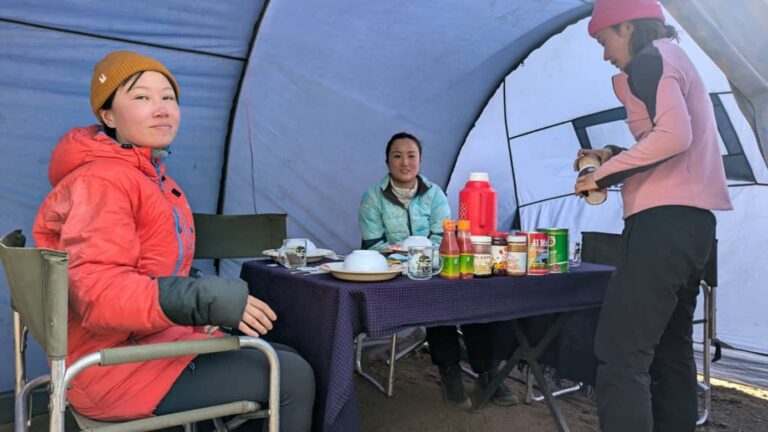
Best Kilimanjaro Route For December : Your Ultimate Climbing Guide 2026-2027
Choosing the best Kilimanjaro route for a December climb requires understanding the unique weather patterns and operational considerations of this popular month. While December marks the...
View package details
December Kilimanjaro Group Departures : Your Ultimate Climbing Guide 2026-2027
Planning a Kilimanjaro climb in December 2026? This comprehensive guide covers everything you need to know about group departures, including route options, weather expectations, packing...
View package details
Kilimanjaro Climbing In December : Your Complete Planning Guide 2026-2027
This guide provides an in-depth look at climbing Mount Kilimanjaro in December 2026, covering everything from weather patterns and best routes to essential gear and booking advice. Prepare...
View package details
November Kilimanjaro Climbing Cost And Discounts For 2026-2027
Planning a Kilimanjaro climb in November 2026 or 2027? This comprehensive guide details the expected costs, factors influencing pricing, and available discounts. Learn how to budget...
View package detailsNovember Kilimanjaro Private Climbing Package: Your Expert Guide For 2026-2027
Secure your November Kilimanjaro private climbing package for 2026-2027 with Top Guide Adventures. This comprehensive guide covers route options, weather expectations, essential...
View package details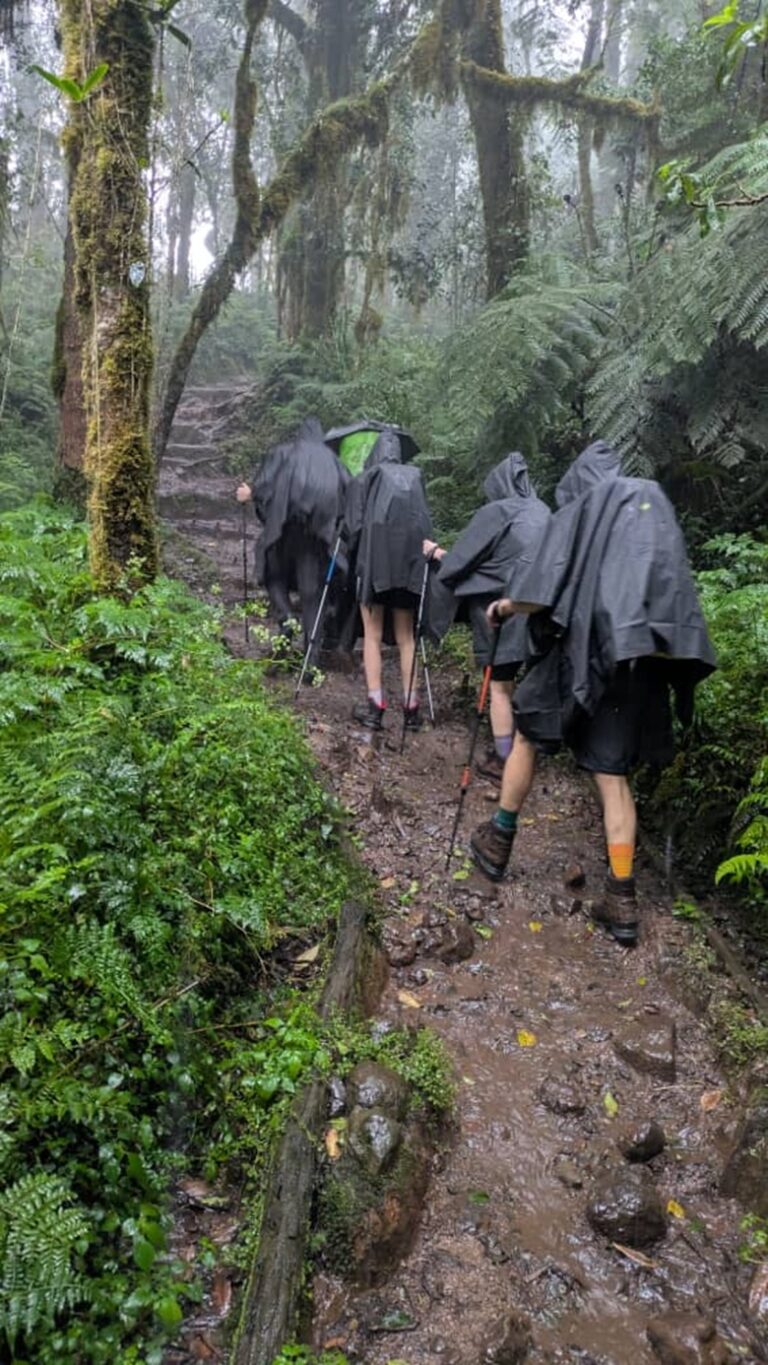
November Kilimanjaro Group Departures : Your Ultimate Climbing Guide 2026-2027
Discover the best November Kilimanjaro group departures for 2027 with Top Guide Adventures. This comprehensive guide covers everything you need to know for your climb, from route selection...
View package details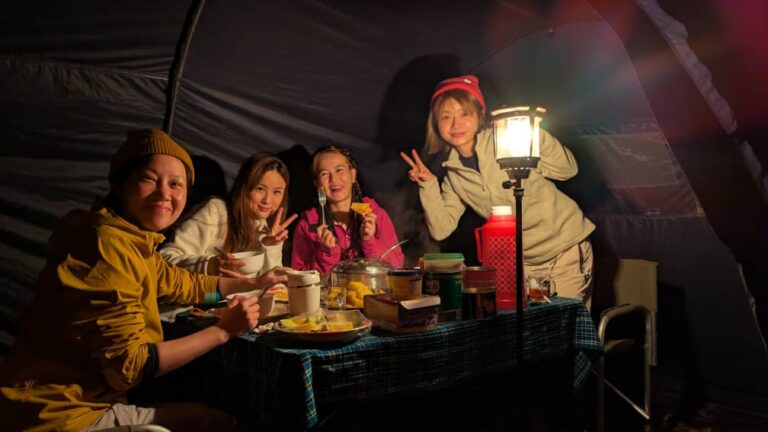
Kilimanjaro Climbing In November : Rain And Route Guide 2026-2027
Discover the nuances of climbing Mount Kilimanjaro in November 2027. This guide details the expected weather, optimal routes to navigate the rainy season, and essential preparation tips to...
View package details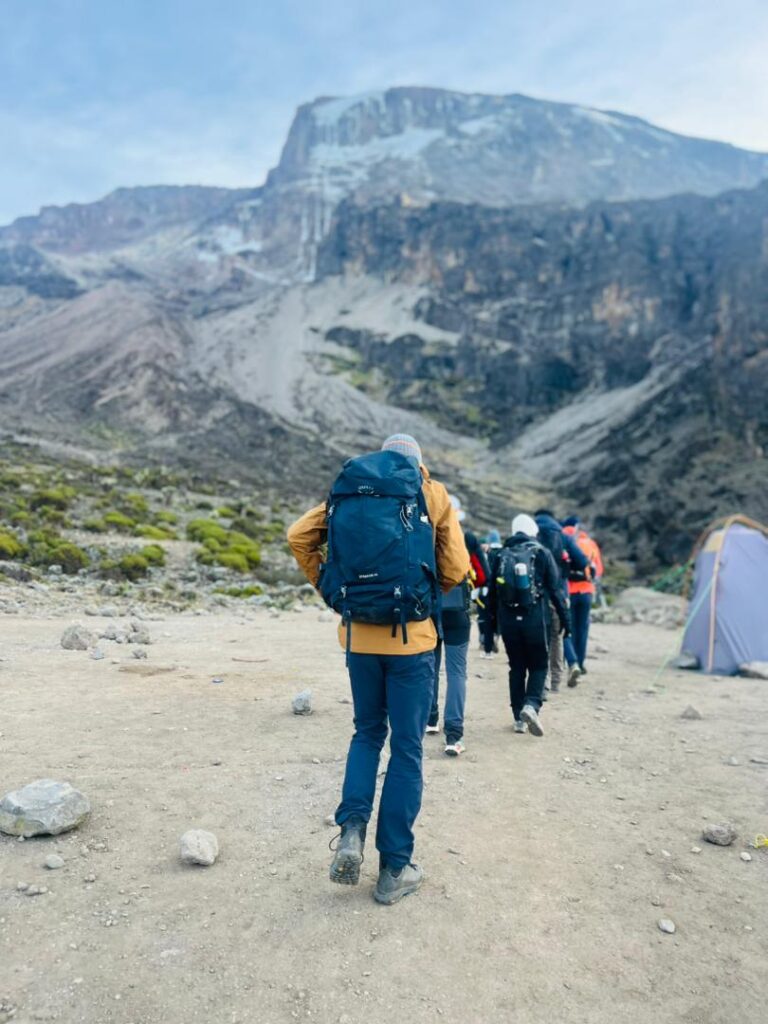
March Kilimanjaro Solo Traveller Group: Your Ultimate Guide For 2026-2027
Planning to climb Kilimanjaro solo in March? This guide connects you with group departures specifically for solo travellers, covering routes, costs, preparation, and what to expect in...
View package details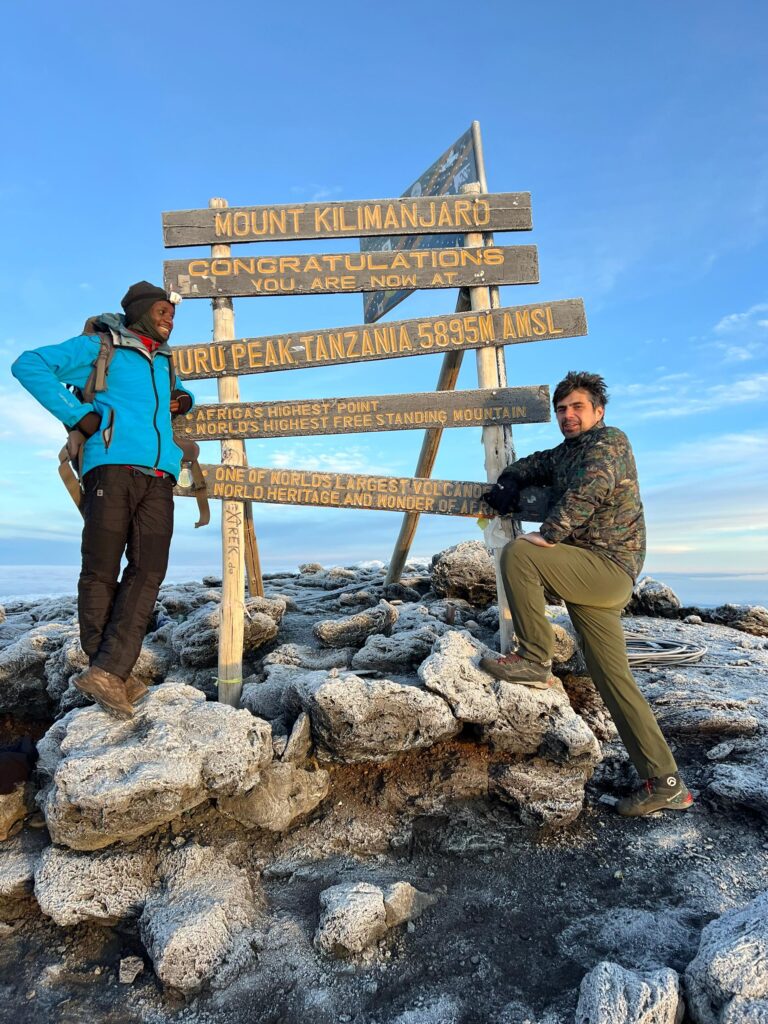
November Kilimanjaro Acclimatization-Focused Trek Guide
Discover essential strategies for a successful November Kilimanjaro climb, emphasizing acclimatization. This guide covers route selection, preparation, and what to expect during the...
View package detailsNovember Kilimanjaro Photography In The Short Rains: Your Ultimate Guide
Discover the unique photographic opportunities of climbing Kilimanjaro in November during the Short Rains. This guide covers optimal light, dramatic skies, vibrant landscapes, and essential...
View package detailsNo related package matches those filters. Clear one or more filters to see the other topic-matched options.



