
To achieve a May Kilimanjaro climb with fewer hikers, focus on selecting less popular routes and booking well in advance for the 2026-2027 seasons, as May typically offers excellent weather and fewer crowds compared to peak months. While Kilimanjaro sees consistent visitor numbers, May falls outside the absolute busiest periods, making it a prime candidate for a more serene experience, especially if you choose routes like the Lemosho or Shira over the more direct Marangu or Machame, and consider climbing during the latter half of the month.

Why Choose May for a Quieter Kilimanjaro Climb?
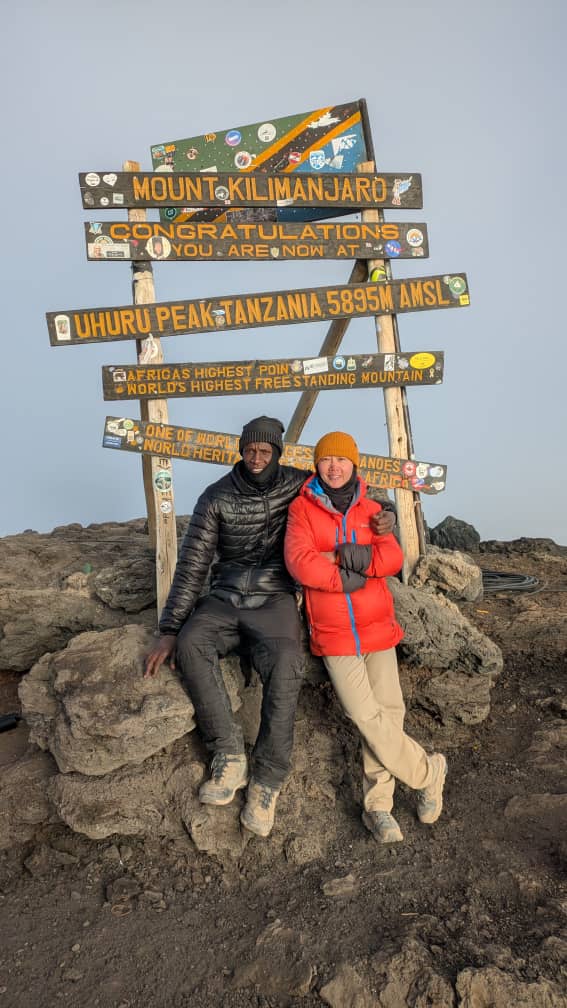
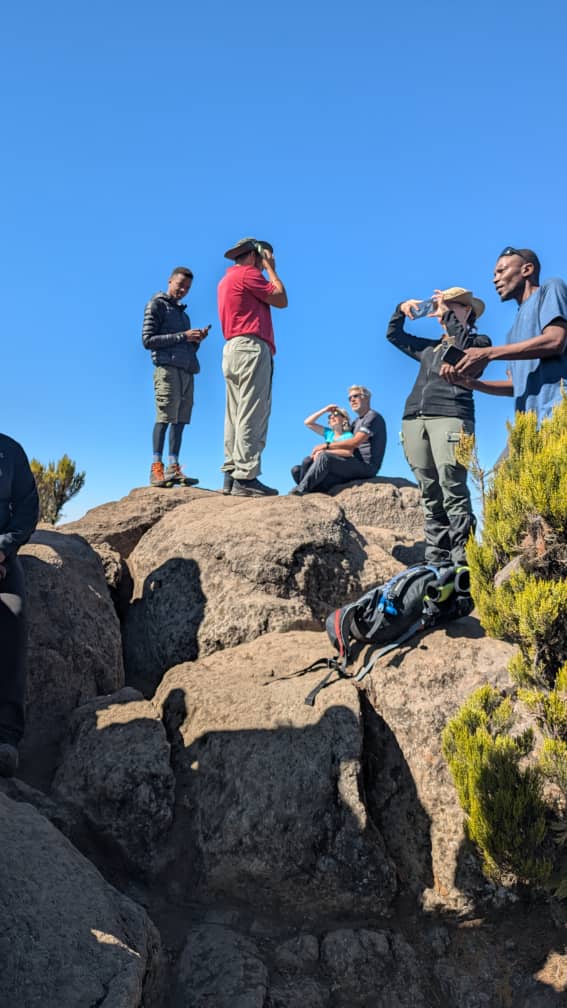
Mount Kilimanjaro, Africa’s highest peak, is a dream destination for trekkers worldwide. While its allure is undeniable, the sheer volume of climbers, particularly during peak seasons, can sometimes detract from the experience. If your goal is to May Kilimanjaro climb with fewer hikers, then May emerges as a strategically excellent choice for your 2026 or 2027 adventure. This month presents a unique sweet spot, balancing favorable climbing conditions with a noticeably reduced presence of fellow trekkers on the mountain’s various routes.
The period from March to May is generally considered the ‘long rainy season’ in Tanzania. However, the rain in May is often less intense and frequent than in April, which is typically the wettest month. This means you can often enjoy clearer views, less muddy trails, and a more comfortable trekking experience. Crucially, because many travelers associate this period with potential rain, the number of trekkers on the mountain tends to decrease significantly. This reduction in numbers is precisely what allows for a more solitary and intimate journey up Kibo, Kilimanjaro’s highest summit.
Choosing May for your ascent means you’re more likely to experience the mountain’s grandeur without the constant company of large groups. This can lead to a more profound connection with nature, increased opportunities for wildlife sightings (though less common at higher altitudes), and a greater sense of personal accomplishment. For those prioritizing peace and a less crowded summit experience, planning a May Kilimanjaro climb with fewer hikers is a smart and rewarding strategy.
Understanding Kilimanjaro’s Climatic Seasons
To truly appreciate why May offers a quieter climb, it’s essential to understand Kilimanjaro’s distinct climatic seasons. The mountain experiences two main dry seasons and two main rainy seasons, each influencing trail conditions and crowd levels.
- Dry Season 1 (January – February): This is a popular period, characterized by warm temperatures and clear skies. Crowds are significant.
- Long Rainy Season (March – May): April is typically the wettest month. However, May often sees a transition with decreasing rainfall, making it a shoulder season. Trails can be wet and muddy, deterring some trekkers, which results in fewer climbers.
- Dry Season 2 (June – October): This is another peak season, offering dry, cool weather and excellent visibility. This period attracts large numbers of hikers.
- Short Rainy Season (November – December): Rainfall increases, though usually less severe than the long rains. This is a low-season period with fewer trekkers.
May falls right at the end of the long rainy season. While there’s still a chance of rain, it’s often intermittent, with sunny spells. The key advantage is that the preceding months (April and early May) have discouraged many potential climbers, meaning that by mid-to-late May, the trails begin to clear out as the weather stabilizes, offering a perfect window for those seeking solitude. For your May Kilimanjaro climb with fewer hikers in 2026 or 2027, understanding this seasonal dynamic is crucial for planning.
Advantages of a May Kilimanjaro Climb
Opting for a May Kilimanjaro climb with fewer hikers offers several distinct advantages beyond just the reduced crowds. These benefits contribute to a more enjoyable, comfortable, and potentially more successful climbing experience.
1. Reduced Trail Congestion
This is the primary driver for seeking a May climb. During peak seasons (June-October and January-February), popular routes like Machame can feel like a highway, with large groups moving in tandem. In May, you’re far more likely to experience moments of solitude on the trail. This means:
- More personal space and a greater sense of being in nature.
- Less noise and distraction, allowing for a more peaceful and reflective journey.
- Increased opportunities to interact with your guides and porters without the pressure of a large group.
- A more relaxed pace, as you’re less likely to be held up by slower groups ahead.
2. Potentially Lower Costs (Shoulder Season Benefits)
While prices for Kilimanjaro climbs are relatively stable due to park fees and operational costs, shoulder season months like May can sometimes offer slight advantages. Some operators might have more flexible pricing or offer better deals on group departures. For travelers planning their 2026 or 2027 expeditions, keeping an eye on operator promotions during May could yield savings. However, the primary cost factor remains the route, duration, and service level, not significantly fluctuating by month.
3. Improved Wildlife Viewing Opportunities (Lower Slopes)
While the higher reaches of Kilimanjaro are above the typical wildlife habitats, the lower slopes, especially on routes like Machame or Lemosho, pass through forests teeming with wildlife. The quieter trails in May can sometimes lead to better chances of spotting colobus monkeys, blue monkeys, and various bird species. Less human activity means animals may be less skittish.
4. Stable Weather Patterns Towards Month-End
While May is technically part of the rainy season, the latter half of the month often sees a significant reduction in rainfall. This transition period means you can benefit from the lower crowds of the rainy season while enjoying increasingly stable and clear weather. Early mornings and late afternoons are often sunny, with rain showers (if they occur) typically happening during the day or overnight. This makes the May Kilimanjaro climb with fewer hikers a practical choice for those who value both quietude and good conditions.
5. Enhanced Sense of Accomplishment
Reaching Uhuru Peak is a monumental achievement. Doing so with fewer people around can amplify this feeling. The quiet summit, the vastness of the caldera under the stars, and the personal connection with the mountain can be more profound when you’re not sharing it with dozens of other climbers at the same time.
Choosing the Right Route for a Quieter May Climb
While May generally sees fewer hikers across all routes, some paths are inherently less crowded than others. To maximize your chances of a May Kilimanjaro climb with fewer hikers, strategic route selection is key. The goal is to avoid the most direct and popular routes that attract the highest volume of trekkers, even in shoulder seasons.
The Machame Route: Popular but Manageable in May
The Machame Route, often called the ‘Whiskey Route’, is arguably the most popular route due to its scenic beauty and high success rate. While it can be busy, its popularity also means it’s well-serviced with campsites and guides. In May, its crowds are significantly thinned compared to peak months. Its popularity means you won’t be entirely alone, but you’ll avoid the intense congestion of the high season. It’s a 6 or 7-day trek, with 7 days offering better acclimatization.
The Lemosho Route: Scenic and Less Traveled
The Lemosho Route is renowned for its stunning scenery and diverse landscapes, starting in the remote west of the mountain. It typically takes 7 or 8 days. Because it’s longer and starts from a more remote point, it naturally attracts fewer climbers than Machame or Marangu. In May, the Lemosho route is an excellent choice for those prioritizing a quieter experience. The extended duration also aids acclimatization, boosting success rates.
The Shira Route: High Altitude Start, Fewer People
Similar to Lemosho, the Shira Route also begins in the west and offers spectacular views. It’s a 7 or 8-day trek. It starts at a higher altitude than Lemosho, which can be a consideration for acclimatization. However, its remote starting point and longer duration mean it’s inherently less crowded. This makes it a strong contender for a May Kilimanjaro climb with fewer hikers, especially if booked for 2026 or 2027.
The Rongai Route: Northern Approach, Unique Experience
The Rongai Route approaches Kilimanjaro from the north, near the Kenyan border. It’s known for being drier, especially during the rainy seasons, as it lies in the mountain’s rain shadow. While not as scenic as Lemosho or Shira in terms of forest diversity, it offers a different perspective and is generally less crowded. It’s often recommended as a 6 or 7-day trek. In May, Rongai can be a good option, particularly if you’re concerned about mud and rain on the southern routes, though it’s typically less busy year-round.
Routes to Potentially Avoid for Solitude in May
- Marangu Route (‘Coca-Cola Route’): This is the oldest and most direct route, often completed in 5 days. It’s popular due to its huts (rather than camping) and shorter duration, making it attractive to budget travelers and those seeking a quicker ascent. Consequently, it can remain relatively busy even in May.
- Machame Route (5-day option): While the 6 or 7-day Machame is manageable, the 5-day option is rushed and has a lower success rate. Its overall popularity means even the shorter versions can feel congested.
For the ultimate May Kilimanjaro climb with fewer hikers, prioritize the 7 or 8-day Lemosho, Shira, or Machame routes. These longer itineraries provide better acclimatization and traverse less-trodden paths, especially in the early stages.
Booking Tip for 2026-2027:
To secure your preferred route and dates for a quieter May Kilimanjaro climb with fewer hikers in 2026 or 2027, it is highly recommended to book at least 6-9 months in advance. Early booking is essential, especially if you are traveling with a private group or have specific date requirements.
Preparing for Your May Kilimanjaro Climb
A successful Kilimanjaro climb, regardless of the month, hinges on thorough preparation. For a May Kilimanjaro climb with fewer hikers, your preparation should focus on physical fitness, appropriate gear, and understanding the specific conditions of May.
Physical Fitness: The Foundation of Success
Kilimanjaro is a demanding trek. Proper physical conditioning is non-negotiable. Focus on:
- Cardiovascular Endurance: Engage in regular aerobic activities like hiking, running, cycling, or swimming for at least 3-4 times a week in the months leading up to your climb.
- Strength Training: Concentrate on leg strength (squats, lunges) and core stability.
- Hiking Practice: The best preparation is hiking itself. Aim for long hikes (4-6 hours) with significant elevation gain, carrying a daypack similar to what you’ll use on the mountain. Practice hiking on varied terrain.
- Acclimatization Training: While you can’t fully simulate high-altitude acclimatization, incorporating some high-intensity interval training can improve your body’s oxygen utilization.
Essential Gear for a May Climb
May weather can be unpredictable. Layering is key. Pack versatile clothing that can be added or removed as conditions change.
Clothing Layers:
- Base Layers: Moisture-wicking thermal tops and bottoms (merino wool or synthetic).
- Mid Layers: Fleece jackets or vests for insulation.
- Outer Layer (Shell): Waterproof and windproof jacket and pants (Gore-Tex or similar).
- Insulation Layer: A warm down or synthetic jacket for summit night and cold evenings.
- Trekking Pants: Quick-drying, comfortable pants (avoid cotton).
- Trekking Shirts: Long-sleeved and short-sleeved moisture-wicking shirts.
Footwear:
- Hiking Boots: Well broken-in, waterproof, mid-to-high ankle support boots.
- Camp Shoes: Comfortable shoes or sandals for evenings.
- Socks: Several pairs of wool or synthetic hiking socks.
Headwear and Handwear:
- Sun Hat: Wide-brimmed for sun protection.
- Warm Hat: Fleece or wool hat covering the ears.
- Gloves: Waterproof outer gloves and liner gloves.
Other Essentials:
- Backpack: A comfortable daypack (30-40 liters) for daily essentials.
- Duffel Bag: Waterproof duffel bag (80-100 liters) for porters to carry your main gear.
- Sleeping Bag: Rated for at least -10°C (14°F) to -20°C (-4°F).
- Headlamp: With extra batteries.
- Water Bottles/Hydration Reservoir: At least 3 liters capacity.
- Trekking Poles: Highly recommended for stability and reducing knee strain.
- Sunscreen and Lip Balm: High SPF.
- Sunglasses: UV protection.
- Personal First-Aid Kit: Including any personal medications, blister treatment, pain relievers.
- Toiletries: Biodegradable soap, toothbrush, toothpaste, wet wipes.
Acclimatization Strategies
Proper acclimatization is the most critical factor for summit success. While May’s fewer crowds don’t directly impact acclimatization, the longer routes it favors (Lemosho, Shira, 7-day Machame) inherently support it.
- Climb High, Sleep Low: This principle involves ascending to a higher altitude during the day and descending to a lower camp to sleep.
- Hydration: Drink plenty of water (3-5 liters per day).
- Pacing: Walk slowly (‘pole pole’). Avoid overexertion.
- Avoid Alcohol and Caffeine: These can dehydrate you and interfere with sleep.
- Medication: Discuss Diamox (acetazolamide) with your doctor. It can aid acclimatization but is not a substitute for proper ascent profiles.
Health and Vaccinations
Consult your doctor or a travel clinic 4-6 weeks before your trip. Recommended vaccinations often include Hepatitis A, Typhoid, Tetanus, and potentially others based on your travel history. Malaria prophylaxis is usually recommended for lower altitudes, including Moshi, the starting point.
Navigating the Weather in May
While May is categorized as part of the rainy season, it’s a month of transition. Understanding the nuances of Kilimanjaro’s weather in May is vital for managing expectations and packing appropriately for your May Kilimanjaro climb with fewer hikers.
Rainfall Patterns
April is typically the wettest month, with heavy, persistent rainfall often occurring. May sees a marked decrease in the intensity and duration of rain. Showers are more likely to be shorter, often occurring in the afternoon or overnight, with clearer, sunnier periods during the mornings and parts of the day. This makes it a much more manageable month than April.
Temperature Fluctuations
Temperatures on Kilimanjaro vary dramatically with altitude and time of day:
- Base Camp (Moshi): Warm and humid, typically 20-30°C (68-86°F).
- Lower Slopes (Forest Zone): Pleasant, around 15-20°C (59-68°F).
- Moorland Zone: Cooler, ranging from 10-15°C (50-59°F).
- Alpine Desert Zone: Significantly colder, 5-10°C (41-50°F).
- Summit (Uhuru Peak): Freezing, often -5°C to -15°C (23°F to 5°F), and can drop much lower with wind chill on summit night.
In May, expect cooler temperatures than in the dry seasons, especially at higher altitudes. The possibility of rain means conditions can feel colder due to dampness and wind. Adequate waterproof gear and warm layers are essential.
Visibility and Views
The cloud cover in May can be variable. While mornings often offer clear skies, clouds can build up during the day, potentially obscuring some of the panoramic views. However, compared to April, May generally provides better visibility. The summit push on summit night (typically starting around midnight) is often done under clear, starry skies before the day’s clouds form. The reduced number of hikers means you’re more likely to have moments of quiet contemplation while enjoying these views.
Wind Conditions
Wind can be a significant factor, especially at higher altitudes and on summit night. It can make the already cold temperatures feel much colder. Ensure your outer layers are windproof and that you have warm headwear and gloves.
Packing for May:
Focus on waterproof and windproof outer layers and warm insulating layers. Good quality gloves and a warm hat are critical. While rain is less likely than in April, being prepared for it is essential for comfort and safety during your May Kilimanjaro climb with fewer hikers.
Is May a Good Month for Kilimanjaro Success Rates?
Success rates on Kilimanjaro are influenced more by acclimatization, fitness, and the chosen route duration than by the specific month of climbing. However, the conditions in May can indirectly support success rates, especially when combined with strategic planning.
Factors Influencing Success Rates
- Acclimatization: Longer routes (7-8 days) significantly increase success rates compared to shorter ones (5-6 days). May’s suitability for longer routes is a plus.
- Physical Fitness: A well-prepared climber has a higher chance of reaching the summit.
- Pacing: ‘Pole pole’ (slowly, slowly) is crucial. Rushing compromises acclimatization.
- Weather: Extreme weather can force a turn-around, but May’s typically less severe conditions (compared to April) mean fewer weather-related summit failures.
- Altitude Sickness (AMS): This is the primary reason climbers fail. Proper acclimatization is the only true preventative measure.
How May Contributes to Success
The fact that May is a shoulder season means:
- Fewer Crowds: Less congestion allows for a more consistent, slower pace (‘pole pole’), which is vital for acclimatization. You’re less likely to be pushed along by faster groups or held up by slower ones.
- Route Choice: May encourages the selection of longer, more scenic routes (like Lemosho or Shira) which offer superior acclimatization profiles and thus higher success rates.
- Manageable Conditions: While rain is possible, it’s often less extreme than in April, meaning fewer days are significantly hampered by weather, allowing consistent progress.
For your May Kilimanjaro climb with fewer hikers in 2026 or 2027, choosing a reputable operator that prioritizes safety, uses longer routes (minimum 7 days recommended), and emphasizes proper acclimatization will be the most significant factors in achieving summit success.
Comparing May to Other Months for Crowd Levels
To truly appreciate the benefit of a May Kilimanjaro climb with fewer hikers, it’s helpful to compare May to other months:
- January-February: Dry, popular, and crowded. Excellent weather but expect many climbers.
- March-April: Transition into the long rains. April is very wet and can be crowded at the start of the month before rains deter most. May sees a significant drop in numbers.
- June: Start of the main dry season. Crowds begin to increase rapidly. Weather is generally good.
- July-August: Peak dry season. Excellent weather, clear skies, but very crowded.
- September: Still dry and popular, though slightly less crowded than July/August.
- October: End of the dry season. Weather remains good, crowds start to decrease towards the end of the month.
- November-December: Start of the short rains. Generally fewer hikers, but weather can be unpredictable.
May sits comfortably between the intense rains of April and the burgeoning crowds of June. It offers a balance: the lingering chance of rain keeps numbers down, while the improving weather provides a good climbing experience. If your priority is a May Kilimanjaro climb with fewer hikers, this month consistently delivers.
Specific Route Crowding in May
Even in May, some routes will naturally feel more crowded than others:
- Machame: Will have more people than Lemosho or Shira, but significantly fewer than in July or August.
- Lemosho/Shira: Likely to feel the quietest in May, offering the most solitude.
- Rongai: Remains relatively quiet year-round and is a good option in May, especially if concerned about wet trails.
- Marangu: Still the most likely to feel busy due to its hut system and shorter duration, though less so than peak season.
Booking Your May Kilimanjaro Climb in 2026-2027
Planning a May Kilimanjaro climb with fewer hikers for 2026 or 2027 requires careful consideration of operators, itineraries, and booking timelines. As a trusted Tanzanian tour company, Top Guide Adventures specializes in crafting memorable and safe Kilimanjaro expeditions.
Choosing a Reputable Operator
Selecting the right tour operator is paramount. Look for companies that:
- Have a strong safety record and experienced guides.
- Prioritize guide and porter welfare (fair wages, proper equipment, adequate food).
- Offer longer itineraries (7-8 days recommended) for better acclimatization.
- Provide detailed packing lists and pre-climb support.
- Have positive reviews and transparent pricing.
Top Guide Adventures is committed to responsible tourism and providing exceptional experiences. We understand the nuances of climbing in different months and can help you plan the perfect May Kilimanjaro climb with fewer hikers.
Itinerary Considerations for May
For a May climb aiming for fewer crowds and higher success rates, we strongly recommend:
- Lemosho Route (8 days): Offers the best balance of scenery, acclimatization, and solitude.
- Shira Route (8 days): Similar benefits to Lemosho, with a higher starting altitude.
- Machame Route (7 days): A popular choice that still offers a rewarding, less crowded experience in May compared to peak months.
Avoid 5-day itineraries, as they compromise acclimatization and increase the risk of altitude sickness, regardless of the month.
Booking Window for 2026-2027
To ensure availability for your preferred route and dates, especially for a May Kilimanjaro climb with fewer hikers, booking 6 to 9 months in advance is advisable for 2026 and 2027. This allows us to secure permits and arrange logistics efficiently. For private climbs or specific date requests, even earlier booking might be necessary.
What’s Typically Included
Most reputable operators, including Top Guide Adventures, will include:
- Park entry fees, camping/hut fees, and rescue fees.
- Professional mountain guides, cooks, and porters.
- All meals during the climb (breakfast, lunch, dinner).
- Tents, cooking equipment, and mess tent.
- Boiled water for drinking.
- Campsite/hut accommodation.
- Transfer from Moshi to the trailhead and back.
What’s Typically Excluded
- Flights to and from Kilimanjaro International Airport (JRO).
- Visa fees.
- Travel insurance (mandatory).
- Personal gear (clothing, sleeping bag, boots, etc.).
- Tips for guides, porters, and cooks (a significant part of their income).
- Personal expenses (souvenirs, extra snacks, alcoholic beverages).
- Optional hotel stays before and after the climb.
Estimated Cost for a May Kilimanjaro Climb (2026-2027):
Costs for a Kilimanjaro climb vary significantly based on the route, duration, operator, and group size (private vs. group). For a reputable operator like Top Guide Adventures offering a 7 or 8-day climb during May, you can expect prices to range from approximately $1,800 to $3,000 USD per person. This typically includes all the inclusions mentioned above, excluding flights, visas, insurance, and tips. Group departures might be at the lower end of this range, while private climbs will be at the higher end. Always request a detailed quote.
Making the Most of Your Solitary Climb
A May Kilimanjaro climb with fewer hikers offers a unique opportunity for a more personal journey. Here’s how to maximize it:
- Connect with Your Team: With fewer people around, you have more quality time to interact with your guides and porters. Learn about their culture, their experiences on the mountain, and share stories.
- Mindful Trekking: Use the quiet moments to practice mindfulness. Appreciate the sounds of nature, the changing landscapes, and the physical sensation of climbing.
- Photography: Less competition for the perfect shot means more opportunities to capture the mountain’s beauty without other hikers in the frame.
- Summit Sunrise: While summit night is challenging, the potential for a solitary view of the sunrise over the African continent from Uhuru Peak is unparalleled.
Potential Challenges in May
While May is a great month for avoiding crowds, it’s essential to be aware of potential challenges:
- Rain: Although decreasing, rain is still possible. Be prepared with waterproof gear. Muddy trails can slow progress.
- Lower Temperatures: Expect cooler conditions than in the dry seasons, especially at higher altitudes.
- Variable Visibility: Cloud cover can sometimes limit views, particularly in the afternoons.
These challenges are manageable with proper preparation and the right mindset. The reward of a quieter, more intimate Kilimanjaro experience in May often outweighs these potential drawbacks for many trekkers planning their 2026 or 2027 adventures.
Ready for Your Quiet Kilimanjaro Adventure?
A May Kilimanjaro climb with fewer hikers is an achievable and highly recommended goal for those seeking a more personal and serene experience on Africa’s rooftop. By choosing longer routes, preparing diligently, and partnering with an experienced operator, you can ensure a safe, successful, and unforgettable journey. Top Guide Adventures is dedicated to making your dream climb a reality. We offer expert guidance, ethical operations, and a commitment to your safety and enjoyment. Let us help you plan your unique May Kilimanjaro climb with fewer hikers for 2026 or 2027. Contact us today to discuss your adventure:
WhatsApp: +255616946642
Email: topguideadventures@gmail.com
Backup Email: info@topguideadventures.com
Visit our website for more information on our Kilimanjaro climbs and Tanzania safari packages. You can also check our Machame Route group departures for potential overlap or alternative planning.
Check Availability for May Kilimanjaro Climb With Fewer Hikers: Your Expert Guide For 2026-2027
Ready to compare dates, prices, and the best option for your group? Send the package name and travel month so the team can reply with a clear quote, availability, and what is included.
Kilimanjaro Climb For Hikers With Limited Mobility: Your Expert Guide
Embarking on a Kilimanjaro climb with limited mobility is achievable with careful planning and the right support. This guide details how to prepare, which routes are more manageable, and...
View package details
Kilimanjaro Climb With A Personal Support Assistant: Your Ultimate Guide
Climbing Mount Kilimanjaro with a personal support assistant offers unparalleled safety, comfort, and focus on your summit goals. This guide details what a personal assistant entails, its...
View package details
Kilimanjaro Hydration Mistakes Climbers Make And How To Avoid Them 2026-2027
Proper hydration is critical for a successful Kilimanjaro climb. This guide details common hydration mistakes climbers make, from under-drinking to choosing the wrong fluids, and provides...
View package details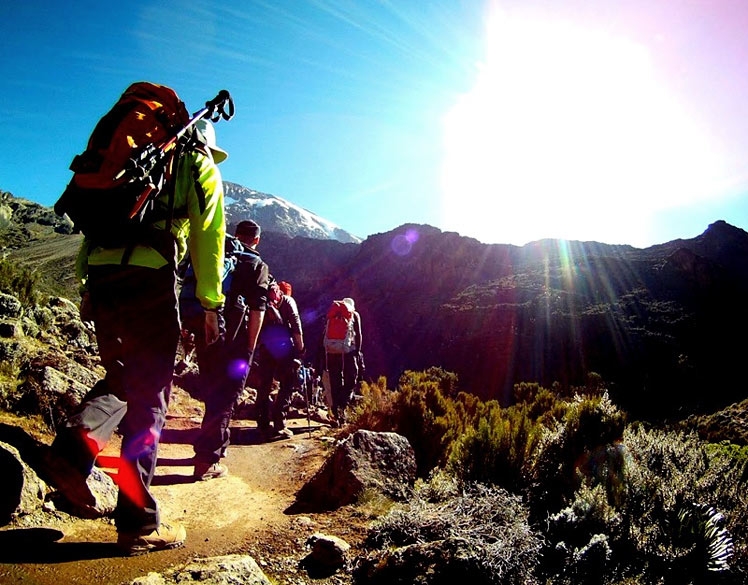
Kilimanjaro Summit-Night Mistakes To Avoid: Your Essential Guide For Climbs
Summit night on Kilimanjaro is the most challenging part of the climb. Avoiding common mistakes in acclimatization, gear, hydration, and pacing is crucial for success. This guide details...
View package details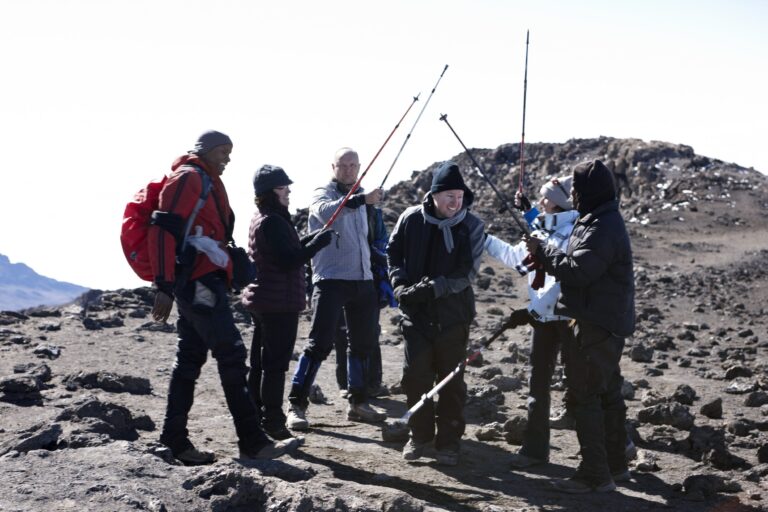
Kilimanjaro Airport Vs Arusha For Climbers: The Definitive Guide 2026-2027
A comprehensive comparison of Kilimanjaro International Airport (JRO) and Arusha Airport (ARK) for trekkers planning a Mount Kilimanjaro climb, detailing pros, cons, and booking advice for...
View package details
Kilimanjaro Climb For Retired Couples: Planning Your Adventure 2026-2027
Planning a Kilimanjaro climb as a retired couple is an achievable and rewarding goal. This guide offers in-depth advice on route selection, physical preparation, essential gear, and the...
View package details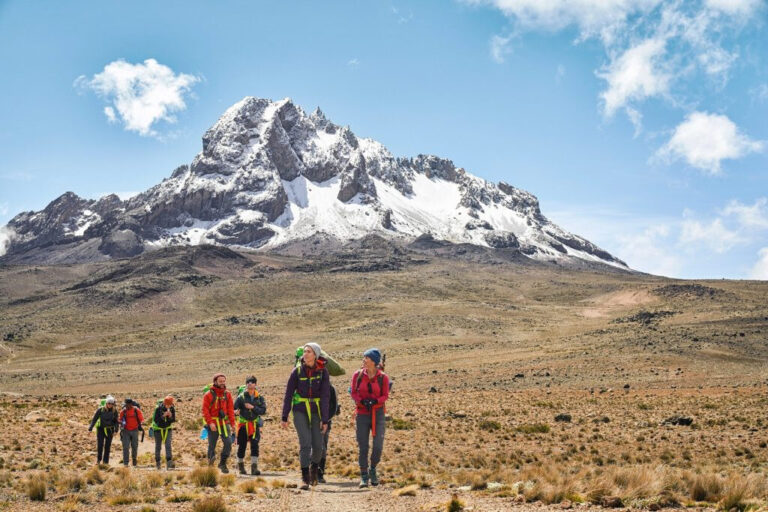
Can A 16-Year-Old Climb Kilimanjaro? Your Essential Guide 2026-2027
Discover if a 16-year-old can summit Kilimanjaro. This comprehensive guide covers age requirements, health, fitness, essential gear, and planning for younger trekkers aiming for Africa's...
View package details
Content For Parents And Young Climbers: Conquering Kilimanjaro Safely
Planning a Kilimanjaro climb with children or as a young climber requires special attention. This guide provides comprehensive content for parents and young adventurers, covering...
View package details
Kilimanjaro Tree-Planting Climbing Package Guide
Combine your dream Kilimanjaro climb with a meaningful conservation effort. Our Kilimanjaro Tree-Planting Climbing Package allows you to ascend Africa's highest peak while actively...
View package details
What Happens If You Miss Your Kilimanjaro Departure? Guide
If you miss your scheduled Kilimanjaro departure, your trek may be cancelled, and you could forfeit your deposit and payments. Rebooking is often possible but incurs additional costs and...
View package details
What Happens If It Rains Throughout Your Kilimanjaro Climb? 2026-2027
What Happens If It Rains throughout Your Kilimanjaro Climb? is explained with current 2026-2027 planning, price, itinerary and booking information.
View package details
Kilimanjaro Early-Bird Climbing Discounts For Adventures 2026-2027
Plan your 2026-2027 Kilimanjaro climb and take advantage of early-bird discounts. Top Guide Adventures offers savings for those who book in advance, ensuring a memorable and affordable...
View package detailsNo related package matches those filters. Clear one or more filters to see the other topic-matched options.



