
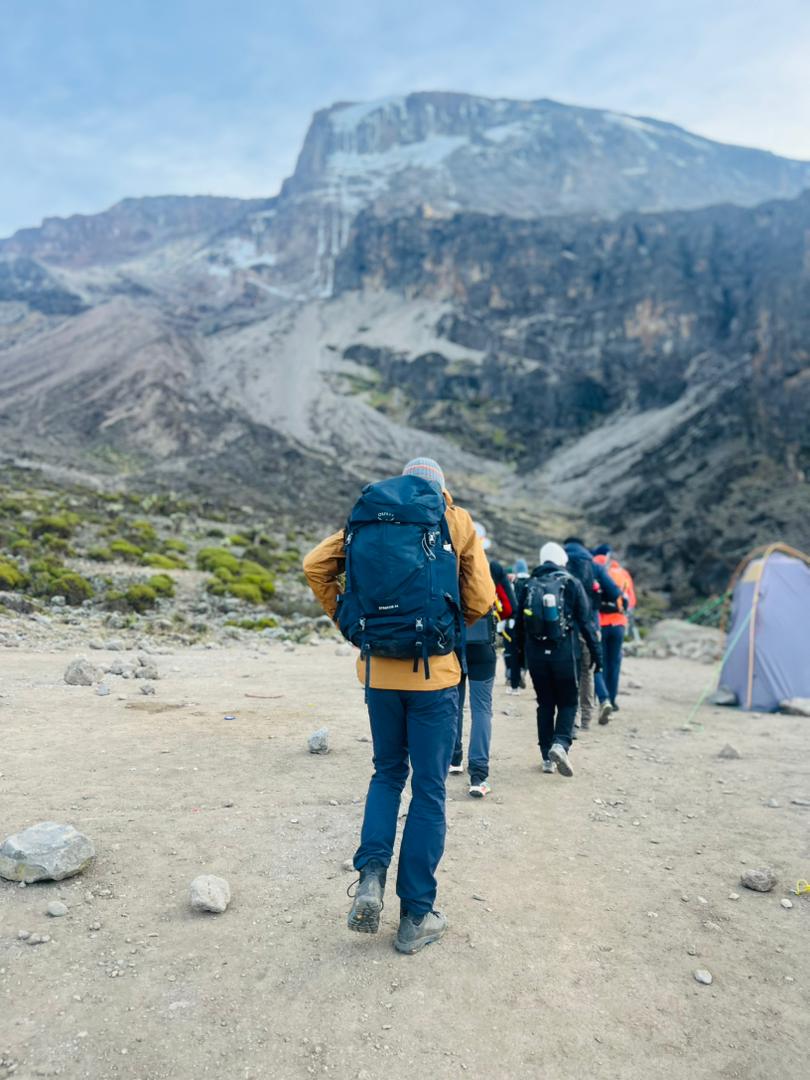
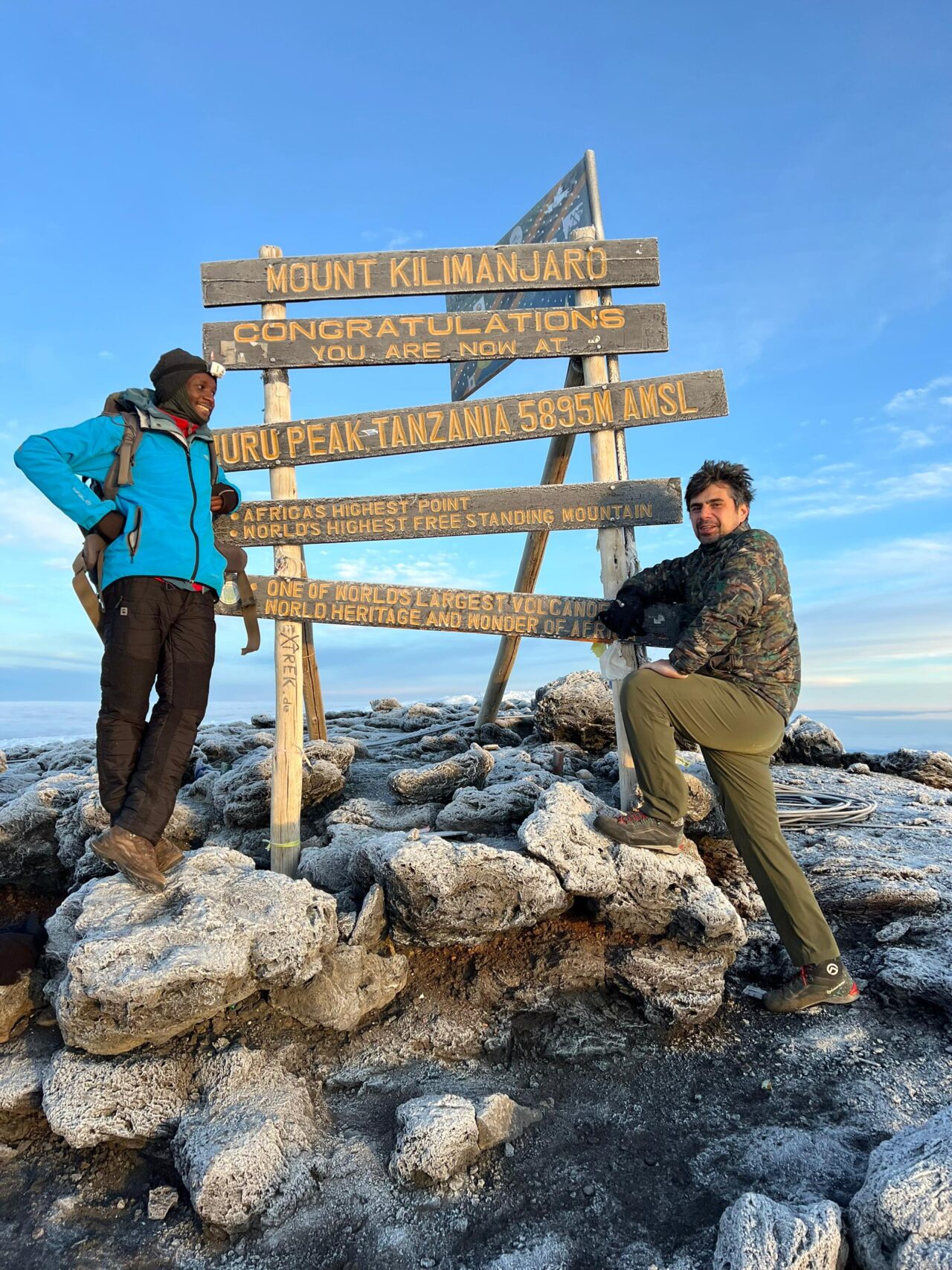
A May Kilimanjaro climb combined with a wildlife safari in Tanzania offers excellent conditions for both experiences, with the shoulder season providing a balance of good weather, fewer crowds, and abundant wildlife, especially in the Serengeti. May typically falls within the dry season, making it a prime month for trekking the mountain and observing animals across the northern circuit parks before the peak dry season in June and July.
Why Choose May for Your Kilimanjaro Climb and Tanzania Safari?
Combining a trek up Mount Kilimanjaro with a wildlife safari across Tanzania is a bucket-list adventure. The month of May presents a particularly attractive window for this dual expedition, bridging the gap between the short rainy season and the peak dry season. This means you can often expect favorable trekking conditions on the mountain and excellent wildlife viewing opportunities across the country’s famous national parks.
At Top Guide Adventures, we specialize in crafting personalized itineraries that seamlessly blend the challenge of Kilimanjaro with the wonder of a Tanzanian safari. Our expertise ensures that your May Kilimanjaro climb and wildlife safari is not just a trip, but a meticulously planned and deeply rewarding experience. We understand the nuances of this specific time of year and how to maximize your enjoyment, from the mountain trails to the savanna plains.
The Weather Advantage in May
May is often considered a transitional month in Tanzania. While the short rains (March-May) might still be present at the beginning of the month, they typically taper off significantly as May progresses. This results in fewer rainy days compared to April, with clearer skies and more sunshine. For Kilimanjaro climbers, this means:
- Improved Visibility: Clearer skies offer more spectacular views of the surrounding landscape and, on summit night, the potential for a impressive sunrise.
- Better Trail Conditions: Reduced rainfall means trails are less muddy and slippery, making the ascent and descent more comfortable and safer.
- Comfortable Temperatures: While the summit remains cold, the lower and middle slopes experience pleasant, mild temperatures during the day, ideal for trekking.
For your Tanzanian safari, the easing rains mean:
- Abundant Wildlife: The receding rains leave behind lush vegetation and full waterholes, attracting a wide array of wildlife. Animals are often concentrated around these water sources, making sightings more predictable.
- Greener Landscapes: The countryside is still vibrant and green from the recent rains, offering a stunning backdrop for your photographic endeavors.
- Fewer Crowds: May is not yet the peak tourist season, meaning you’ll likely encounter fewer vehicles at popular safari destinations, offering a more intimate wildlife viewing experience.
Wildlife in May: What to Expect
The Serengeti National Park is arguably the crown jewel of Tanzanian wildlife destinations, and May is a particularly exciting time to visit. While the Great Migration typically moves into the central and western Serengeti during the earlier rainy season months, by May, large herds are often found in the Serengeti plains, grazing and preparing for their journey north. This means you have an excellent chance of witnessing massive concentrations of wildebeest and zebras, which in turn attracts predators like lions, cheetahs, and hyenas.
Beyond the Serengeti, other Northern Circuit parks also offer fantastic wildlife viewing in May:
- Ngorongoro Conservation Area: The caldera is a year-round wildlife haven. In May, the grasslands are rich, supporting a dense population of animals, including the Big Five (lion, leopard, elephant, rhino, buffalo). The unique ecosystem within the crater ensures incredible viewing opportunities.
- Tarangire National Park: Known for its large elephant herds and iconic baobab trees, Tarangire is often less crowded in May but still offers excellent game viewing. The park’s permanent river attracts wildlife, making it a reliable spot for sightings.
- Lake Manyara National Park: Famous for its tree-climbing lions and large bird population, Lake Manyara is also a rewarding destination in May, with its diverse habitats supporting a variety of animals.
The combination of Kilimanjaro’s majestic presence and the vibrant ecosystems of Tanzania’s national parks makes a May Kilimanjaro climb and wildlife safari an unparalleled adventure for 2026 and 2027.
Choosing Your Kilimanjaro Route for a May Climb
Selecting the right Kilimanjaro route is crucial for acclimatization, success rates, and overall enjoyment. For a May climb, most routes are viable, but some offer distinct advantages. The key factors to consider are route length (which impacts acclimatization) and scenery.
Recommended Routes for May Climbs
While all routes are generally accessible, longer routes provide better acclimatization, significantly increasing your chances of reaching the summit. For a May climb, we highly recommend routes of 7 days or more:
Marangu Route (5 or 6 days)
Often called the “Coca-Cola” route due to its accessibility and dormitory-style accommodation. It’s the oldest and most established route. While shorter options are available, the 6-day itinerary is preferable for better acclimatization. It’s less scenic and has a lower success rate due to rapid ascent.
- Pros: Unique cave and hut accommodation, gradual ascent in the lower sections, relatively straightforward.
- Cons: Lower success rate, less scenic than other routes, can be crowded.
- May Suitability: Possible, but shorter durations are not recommended for success. The 6-day option is better.
Machame Route (6 or 7 days)
Known as the “Whiskey” route, Machame is the most popular route due to its excellent acclimatization profile and scenic beauty. It involves a “climb high, sleep low” strategy, which is highly effective. The 7-day option is strongly recommended for optimal acclimatization and summit success.
- Pros: Excellent acclimatization, high success rates (especially 7-day), stunning scenery, diverse landscapes.
- Cons: Can be steep in places, camping accommodation only.
- May Suitability: Excellent choice for May. The 7-day Machame route is consistently recommended for its balance of challenge, scenery, and success rates.
For specific departure dates and group availability for the Machame route in May 2026 and 2027, please visit our Machame Route Group Departures page.
Lemosho Route (7 or 8 days)
Lemosho is a more remote and arguably the most beautiful route, offering superb acclimatization and stunning views. It starts in the west and crosses the Shira Plateau. The longer duration significantly boosts summit success rates. It’s a fantastic choice for those seeking a more pristine experience.
- Pros: Exceptional scenery, excellent acclimatization, higher success rates, less crowded in the initial days.
- Cons: More expensive due to longer duration and logistics, camping accommodation.
- May Suitability: Highly recommended for May. Its length and gradual ascent profile are ideal for maximizing success in variable May weather.
Northern Circuit Route (9 days)
The longest route, offering the highest success rates and the best acclimatization. It circles the mountain, providing panoramic views and a unique perspective. This route is ideal for those who want the ultimate Kilimanjaro experience and prioritize safety and success.
- Pros: Highest success rate, best acclimatization, most scenic, very few trekkers.
- Cons: Most expensive due to duration, camping accommodation.
- May Suitability: Ideal for May. The extended duration is perfect for ensuring acclimatization and enjoying the mountain in relative peace during this shoulder season month.
Rongai Route (6 or 7 days)
Rongai approaches Kilimanjaro from the north, near the Kenyan border. It’s a good alternative for those concerned about rain, as the northern side tends to be drier. It offers good acclimatization, especially the 7-day option.
- Pros: Drier conditions, good acclimatization, less crowded, wildlife sightings possible in lower sections.
- Cons: Less scenic variety compared to western routes, camping accommodation.
- May Suitability: A strong contender for May. If you’re particularly concerned about residual rain, Rongai offers a drier ascent path.
Acclimatization is Key
Regardless of the route chosen, acclimatization is the single most important factor for a successful summit bid. Longer routes (7 days or more) allow your body to adjust to the altitude gradually, reducing the risk of altitude sickness. For a May Kilimanjaro climb, prioritizing a longer route like Machame (7-day), Lemosho (7 or 8-day), or the Northern Circuit (9-day) is highly advisable for trekkers aiming for a 2026 or 2027 ascent.
Structuring Your May Kilimanjaro Climb and Wildlife Safari Itinerary
The order of your Kilimanjaro climb and safari can significantly impact your experience. Most travelers choose to climb Kilimanjaro first, followed by a safari. This allows you to recover from the trek in the comfort of safari lodges and vehicles, surrounded by wildlife, rather than returning home immediately after a strenuous climb.
Option 1: Climb First, Then Safari (Recommended)
This is the most popular and logistically sound approach for a May Kilimanjaro climb and wildlife safari.
Typical Flow:
- Arrival in Tanzania: Fly into Kilimanjaro International Airport (JRO). Transfer to your hotel in Moshi or Arusha. Acclimatize and prepare for the climb. (1-2 days)
- Kilimanjaro Climb: Ascend Kilimanjaro via your chosen route (e.g., 7-day Machame or Lemosho). (6-9 days)
- Post-Climb Relaxation: Descend Kilimanjaro, transfer back to your hotel. Rest, rehydrate, and celebrate your achievement. (1-2 days)
- Tanzania Safari: Begin your safari adventure, typically covering the Northern Circuit parks. (3-5 days)
- Optional Zanzibar Extension: If time permits, fly to Zanzibar for beach relaxation. (3-5 days)
- Departure: Fly out from JRO or Zanzibar (ZNZ).
Benefits:
- Allows for recovery after the strenuous climb.
- Safari lodges offer comfortable amenities to soothe tired muscles.
- The excitement of the safari provides a wonderful contrast and reward after the physical challenge of Kilimanjaro.
Option 2: Safari First, Then Climb
This option is less common but can work for some travelers.
Typical Flow:
- Arrival in Tanzania: Fly into JRO. Transfer to Arusha/Moshi.
- Tanzania Safari: Explore the Northern Circuit parks. (3-5 days)
- Optional Zanzibar Extension: Visit Zanzibar. (3-5 days)
- Prepare for Climb: Return to Moshi/Arusha, final gear check, rest. (1-2 days)
- Kilimanjaro Climb: Ascend Kilimanjaro. (6-9 days)
- Departure: Fly out from JRO.
Considerations:
- You’ll be physically active on safari before the demanding climb.
- Ensure adequate rest days between the safari and the start of the climb.
- The return from the climb can be physically taxing if you have immediate travel plans.
Duration Recommendations for May 2026-2027
To comfortably undertake both a Kilimanjaro climb and a safari, we recommend a minimum of 10-12 days. However, for a more relaxed pace and to fully appreciate both experiences, a 14-day or longer itinerary is ideal.
- 10-Day Itinerary: 7-day Kilimanjaro climb + 3-day safari.
- 12-Day Itinerary: 7-day Kilimanjaro climb + 5-day safari.
- 14-Day Itinerary: 7-day Kilimanjaro climb + 5-day safari + 2 buffer/travel days.
- 16+ Day Itinerary: Allows for a longer climb (e.g., 8 or 9 days), a more extensive safari (6+ days), and/or a Zanzibar extension.
When planning your May Kilimanjaro climb and wildlife safari for 2026 or 2027, working with an experienced tour operator like Top Guide Adventures ensures all logistics are handled efficiently, allowing you to focus on the adventure.
Safari Itinerary Options for Your May Trip
A typical Northern Circuit safari in Tanzania includes visits to several iconic parks. May’s weather is suitable for exploring all of them.
Classic Northern Circuit Safari (5 Days)
This is a popular choice that provides a fantastic overview of Tanzania’s diverse wildlife and landscapes.
Day 1: Tarangire National Park
After your Kilimanjaro climb and rest, you’ll be picked up from your hotel and driven to Tarangire. Known for its large elephant herds and baobab trees, Tarangire offers excellent game viewing. You’ll spend the afternoon on a game drive.
- Wildlife Focus: Elephants, lions, giraffes, zebras, diverse birdlife.
- Accommodation: Lodge or Tented Camp near Tarangire.
Day 2: Ngorongoro Crater
After breakfast, drive to the Ngorongoro Conservation Area. Descend into the Ngorongoro Crater, a UNESCO World Heritage Site, for a full-day game drive. This unique ecosystem is home to an incredible density of wildlife, including the Big Five.
- Wildlife Focus: Big Five (lion, leopard, elephant, rhino, buffalo), hippos, flamingos, diverse plains game.
- Accommodation: Lodge on the crater rim or nearby Karatu.
Day 3: Serengeti National Park (Central/Seronera)
Drive to the legendary Serengeti National Park, perhaps stopping at Olduvai Gorge (optional). Spend the afternoon exploring the Seronera Valley, known for its resident wildlife and excellent chances of spotting big cats.
- Wildlife Focus: Lions, leopards, cheetahs, wildebeest, zebras, giraffes, hyenas.
- Accommodation: Lodge or Tented Camp in Central Serengeti.
Day 4: Serengeti National Park (Exploration)
Enjoy a full day of game drives in the Serengeti. Depending on wildlife movements and your interests, you can explore different areas of the park, seeking out the Great Migration herds if they are still present in the region, or focusing on predator sightings.
- Wildlife Focus: Continued pursuit of big cats, wildebeest, zebras, elephants, and other plains game.
- Accommodation: Lodge or Tented Camp in Central Serengeti.
Day 5: Lake Manyara National Park & Departure
After a final morning game drive in the Serengeti, drive towards Lake Manyara National Park. Enjoy a game drive within this park, famous for its tree-climbing lions and diverse birdlife. Afterward, you will be transferred back to Arusha or Kilimanjaro International Airport (JRO) for your departure.
- Wildlife Focus: Tree-climbing lions, baboons, flamingos, hippos, diverse birdlife.
- Departure: Transfer to JRO for your flight.
Extended Safari Options (6-7 Days)
For a more in-depth safari experience, consider adding days to explore different regions of the Serengeti or visiting less-visited parks:
- Western Serengeti: If migration herds are in this area in May, it’s worth exploring.
- Northern Serengeti: Explore the Lamai Wedge and Kogatende areas, especially if the migration has started moving north.
- Selous Game Reserve (Southern Tanzania): For a completely different safari experience, focusing on boat safaris and walking safaris. This would require a flight from Arusha or Kilimanjaro.
The flexibility of a May Kilimanjaro climb and wildlife safari allows for tailoring the safari portion to your specific interests, whether it’s focusing on birdwatching, photography, or seeking out particular animals.
Preparing for Your May Kilimanjaro Climb and Safari
Thorough preparation is vital for both the physical and logistical aspects of your adventure. Top Guide Adventures provides comprehensive pre-trip support to ensure you are well-equipped.
Physical Training for Kilimanjaro
Kilimanjaro is a strenuous trek that requires good cardiovascular fitness and stamina. Your training should focus on:
- Cardiovascular Endurance: Engage in activities like hiking, running, cycling, or swimming at least 3-4 times a week.
- Hiking with a Pack: Practice hiking on steep terrain with a weighted backpack (5-10 kg). This simulates the conditions on the mountain. Aim for long hikes (4-6 hours) on weekends.
- Strength Training: Focus on leg strength (squats, lunges) and core strength.
- Altitude Acclimatization Training (If Possible): While difficult to simulate, spending time at higher altitudes if you live nearby can be beneficial.
Start your training at least 2-3 months before your May Kilimanjaro climb. Consistency is key.
Packing Essentials for May
Packing correctly is essential for comfort and safety. Layering is crucial due to the varying temperatures and conditions.
Kilimanjaro Climbing Gear:
- Clothing:
- Moisture-wicking base layers (thermals)
- Mid-layer fleece or down jacket
- Waterproof and windproof outer shell (jacket and pants)
- Insulated, waterproof gloves or mittens
- Warm hat (beanie)
- Sun hat or cap
- Trekking shirts and pants (quick-drying)
- Camp clothes (comfortable and warm)
- Footwear:
- Broken-in hiking boots (waterproof)
- Camp shoes or sandals
- Several pairs of warm hiking socks (wool or synthetic)
- Equipment:
- 4-season sleeping bag (rated to -10°C or lower)
- Duffel bag (waterproof, 80-100 liters) for porters
- Daypack (30-40 liters) for essentials
- Trekking poles (highly recommended)
- Headlamp with extra batteries
- Water bottles or hydration reservoir (at least 3 liters capacity)
- Water purification tablets or filter
- Sunscreen (SPF 30+)
- Lip balm with SPF
- Sunglasses
- Personal first-aid kit
- Toiletries (biodegradable)
- Snacks (energy bars, nuts, dried fruit)
- Camera and extra batteries/power bank
- Passport, visa, and copies
- Travel insurance details
Safari Gear:
- Lightweight, neutral-colored clothing (khaki, green, brown)
- Comfortable walking shoes
- Binoculars (essential for wildlife viewing)
- Camera with zoom lens
- Insect repellent
- Hat and sunglasses
- Light jacket or fleece for cooler evenings/mornings
- Swimsuit (if your lodge has a pool)
Health and Vaccinations
Consult your doctor or a travel clinic well in advance of your trip regarding recommended vaccinations and malaria prevention. Yellow fever vaccination may be required if arriving from or transiting through certain countries. Diamox (acetazolamide) can be prescribed by your doctor to help with altitude sickness prevention.
Travel Insurance
Comprehensive travel insurance is mandatory for all Kilimanjaro climbs. It must cover:
- High-altitude trekking up to 5,895 meters (19,341 feet).
- Emergency medical evacuation (including helicopter rescue).
- Trip cancellation and interruption.
- Lost or delayed baggage.
Ensure your policy details are shared with Top Guide Adventures before your departure.
Costs and Budget Considerations for May 2026-2027
The cost of a May Kilimanjaro climb and wildlife safari package can vary significantly based on the route chosen, duration, accommodation style, and the operator. Top Guide Adventures offers transparent pricing with excellent value for money.
Kilimanjaro Climb Costs
Prices typically range from $1,800 to $3,500+ per person for a standard Kilimanjaro climb package. Factors influencing cost include:
- Route length: Longer routes cost more due to more days of service.
- Number of climbers: Private climbs are more expensive per person than group climbs.
- Inclusions: Quality of equipment provided, number of guides and crew, meals, park fees, accommodation before/after the climb.
- Operator: Local vs. international operators, their reputation, and ethical treatment of staff.
Top Guide Adventures focuses on providing a high-quality experience with experienced guides, a well-supported crew, and quality equipment. Our prices reflect the value of safety, success, and ethical operations.
Tanzania Safari Costs
Safari costs are usually calculated on a per-day basis and depend on:
- Type of vehicle: 4×4 Land Cruiser is standard for optimal viewing.
- Accommodation: Mid-range lodges/tented camps vs. luxury options.
- Number of people: Shared tours are more budget-friendly.
- Parks visited: Some parks have higher entry fees.
A typical 5-day Northern Circuit safari package with Top Guide Adventures, including mid-range accommodation and a private vehicle, might range from $1,200 to $2,500+ per person.
Total Package Pricing for May 2026-2027
A combined May Kilimanjaro climb and wildlife safari package (e.g., 7-day climb + 5-day safari) would typically start from approximately $3,000 to $6,000+ per person. This often excludes international flights, visas, tips, personal items, and travel insurance.
Example Budget Outline (per person):
| Item | Estimated Cost Range (USD) |
|---|---|
| 7-Day Kilimanjaro Climb Package | $2,000 – $3,000 |
| 5-Day Northern Circuit Safari Package | $1,500 – $2,500 |
| Pre/Post Climb Accommodation (2 nights) | $150 – $300 |
| Park Fees (covered in package, but for reference) | Included |
| Tips for Guides & Crew | $300 – $500 (recommended) |
| Visa Fees | $50 – $100 |
| Personal Expenses (souvenirs, drinks) | $100 – $300+ |
| Estimated Total (excluding flights) | $4,100 – $6,700+ |
Note: Prices are indicative for 2026-2027 and subject to change. Contact Top Guide Adventures for a personalized quote.
We encourage you to request a detailed quote from us, specifying your preferred dates and route for your May Kilimanjaro climb and wildlife safari. We are committed to providing competitive pricing without compromising on safety or quality.
Booking Your May Kilimanjaro Climb and Safari with Top Guide Adventures
Choosing the right tour operator is paramount for a successful and memorable adventure. Top Guide Adventures is a trusted Tanzanian company dedicated to providing exceptional service and authentic experiences.
Why Choose Top Guide Adventures?
- Local Expertise: As a local company, we have intimate knowledge of Kilimanjaro, the national parks, and Tanzanian culture.
- Experienced Guides: Our guides are highly trained, certified, and possess extensive experience in high-altitude trekking and wildlife tracking.
- Safety First: We prioritize your safety with well-maintained equipment, comprehensive safety protocols, and a strong emphasis on acclimatization.
- Ethical Operations: We are committed to fair wages and good working conditions for our porters and crew, adhering to Kilimanjaro Porter Assistance Project (KPAP) guidelines.
- Personalized Service: We offer tailor-made itineraries and dedicated support from the moment you inquire until after your return.
- Value for Money: We provide competitive pricing for high-quality services, ensuring you get the best possible experience.
How to Book for 2026-2027
Booking your May Kilimanjaro climb and wildlife safari with us is straightforward:
- Inquiry: Contact us via email or WhatsApp with your desired dates, route preferences, and any specific requirements.
- Personalized Quote: We will provide a detailed itinerary and quote tailored to your needs.
- Consultation: We’re available for calls and detailed discussions to answer all your questions.
- Booking Confirmation: Once you’re happy with the plan, we’ll send a booking form and payment details. A deposit is typically required to secure your dates.
- Pre-Trip Support: We provide comprehensive packing lists, training advice, and logistical information leading up to your trip.
Don’t miss the opportunity to experience Tanzania’s magic in May 2026 or 2027. Whether you dream of standing on the roof of Africa or witnessing the incredible wildlife of the Serengeti, Top Guide Adventures is your partner in making it happen.
Ready to plan your adventure?
WhatsApp us: +255616946642
Email us: topguideadventures@gmail.com
Visit our website: www.topguideadventures.com
Let us help you craft the perfect May Kilimanjaro climb and wildlife safari, creating memories that will last a lifetime. We look forward to welcoming you to Tanzania!
Check Availability for May Kilimanjaro Climb And Wildlife Safari Guide
Ready to compare dates, prices, and the best option for your group? Send the package name and travel month so the team can reply with a clear quote, availability, and what is included.
September Kilimanjaro Climb & Cultural Safari: Your Guide 2026-2027
This comprehensive guide covers everything you need to know for a September Kilimanjaro climb combined with a cultural safari in Tanzania, including optimal routes, packing lists, weather...
View package details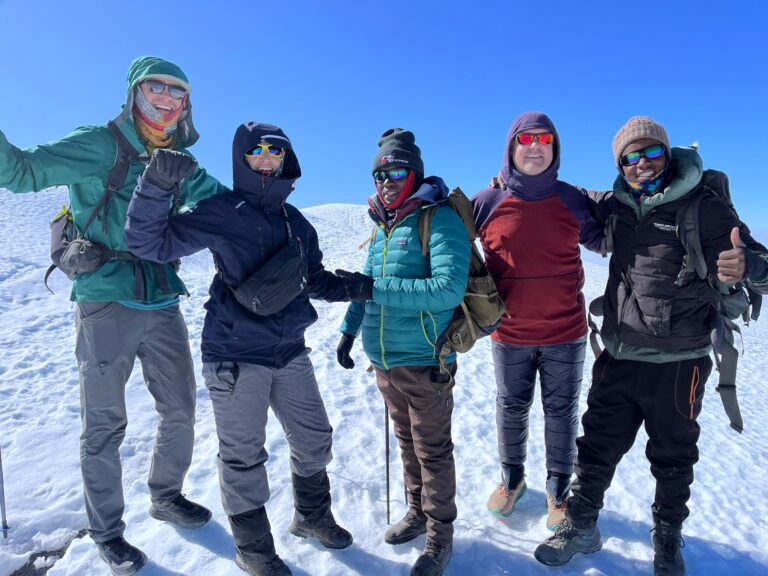
August Kilimanjaro Climb With River-Crossing Safari: Your Ultimate Tanzania
Combine the challenge of climbing Mount Kilimanjaro in August with the thrill of witnessing the Great Migration river crossings on a safari. This guide covers itineraries, routes, packing...
View package details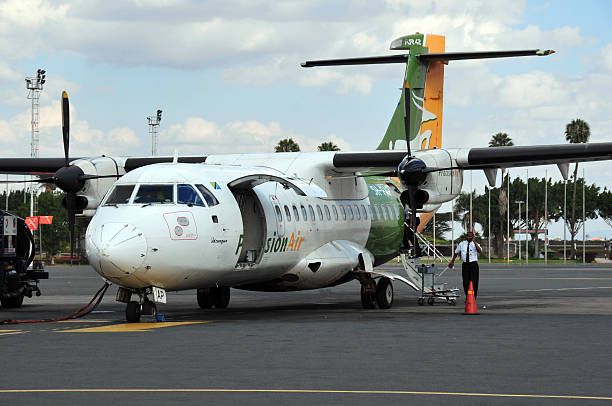
October Kilimanjaro And Tanzania Safari: Your Ultimate Guide 2026-2027
Combining a Kilimanjaro climb with a Tanzania safari in October offers incredible opportunities. This guide details the best routes, wildlife viewing, weather patterns, and essential...
View package details
September Kilimanjaro And Serengeti Migration Safari : Your Ultimate Guide
Combining a Kilimanjaro climb with a Serengeti Migration safari in September offers unparalleled wildlife viewing and trekking opportunities. This guide details the best of both experiences...
View package details
December Kilimanjaro And Safari Holiday: Your Ultimate Guide 2026-2027
Discover the magic of a December Kilimanjaro and Safari holiday in Tanzania. This comprehensive guide covers everything from choosing the right Kilimanjaro route and safari destinations to...
View package details
November Kilimanjaro And Safari Package: Your Ultimate Tanzania Adventure
Explore comprehensive details for a November Kilimanjaro and Safari package in Tanzania, covering the best routes, packing essentials, safari experiences, and planning tips for 2026-2027...
View package details
March Vs April Kilimanjaro Weather Comparison For Climbs 2026-2027
Choosing between March and April for your Kilimanjaro climb involves understanding subtle yet significant weather differences. Both months fall within Kilimanjaro's second-best trekking...
View package details
May Kilimanjaro Climb For Solo Travellers: Your Expert Guide 2026-2027
Discover everything solo travellers need to know about climbing Kilimanjaro in May. This guide covers route selection, essential gear, training, safety, and typical costs for 2026-2027.
View package details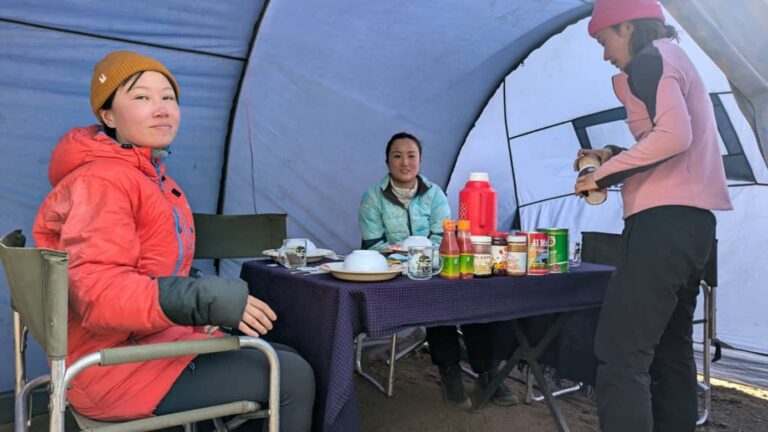
7-Day Rongai Route Kilimanjaro Climb In May: Your Ultimate Guide 2026-2027
Your comprehensive guide to conquering Kilimanjaro via the Rongai Route in May over 7 days. Learn about the itinerary, what to pack, acclimatization, and why May is a great month for this...
View package details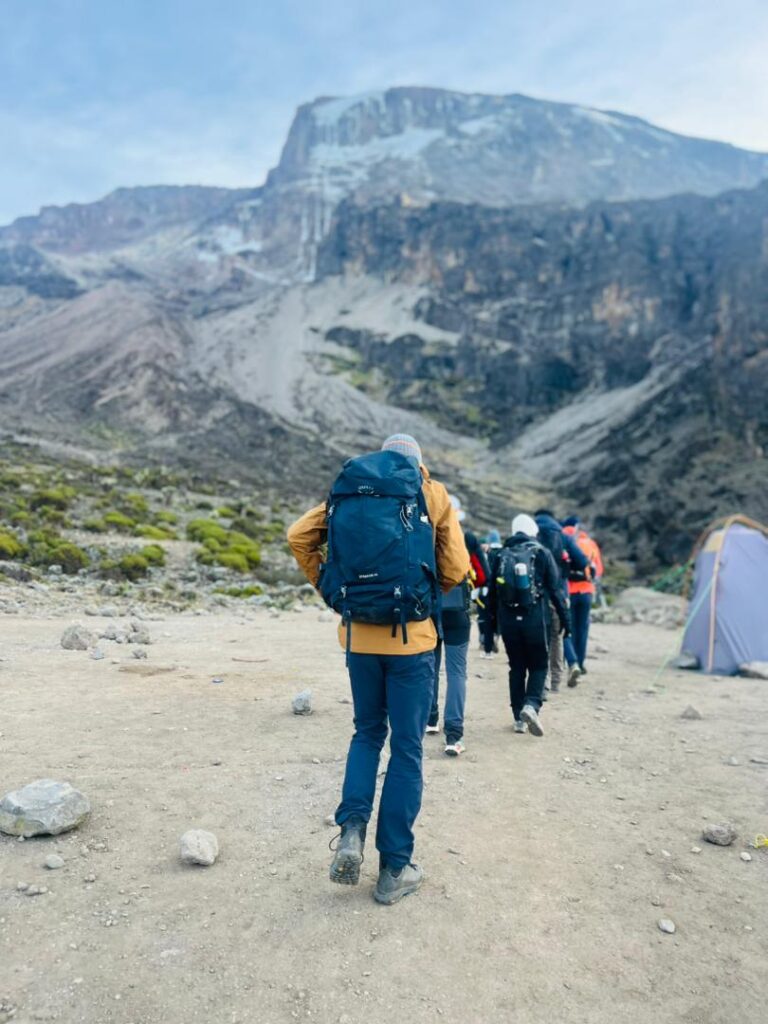
7-Day Rongai Route Kilimanjaro Climb In April: Your Expert Guide For 2026-2027
The 7-Day Rongai Route offers a unique and often drier approach to climbing Kilimanjaro, especially beneficial in April. This guide provides an in-depth look at the itinerary, essential...
View package details
March Kilimanjaro Climb For Couples: Your Ultimate Guide 2026-2027
Planning a Kilimanjaro climb for couples in March? This guide covers everything from ideal routes and weather conditions to essential packing advice and booking considerations for your...
View package detailsDecember Kilimanjaro Last-Minute Holiday Deals For Climbs 2026-2027
Planning a Kilimanjaro climb in December 2026 or 2027? Discover last-minute holiday deals, essential tips for winter ascents, and how Top Guide Adventures can make your dream a reality.
View package detailsNo related package matches those filters. Clear one or more filters to see the other topic-matched options.



