
Climbing Kilimanjaro in May with extra acclimatization is a strategic choice for increasing summit success rates and enhancing the overall trekking experience, especially for those seeking a more comfortable and less rushed ascent. This approach involves selecting longer routes or adding rest days to allow your body more time to adapt to the altitude, making the challenging trek more manageable. For 2026-2027, planning your May climb with extended acclimatization, perhaps on routes like the Lemosho or Machame, offers a rewarding journey through diverse landscapes and a higher likelihood of reaching the summit safely.
Why Consider a May Kilimanjaro Climb with Extra Acclimatization?
The decision to climb Kilimanjaro in May, particularly with a focus on extra acclimatization, is a smart one for many trekkers. May falls within Kilimanjaro’s shoulder season, often characterized by fewer crowds and a pleasant mix of weather. While it can see some rain showers as the wetter season winds down, it’s generally manageable and often leads to lush, green landscapes. The real advantage, however, comes from intentionally building in additional days for your body to adjust to the increasing altitude. This isn’t just about reaching the summit; it’s about doing so safely and enjoyably.
Altitude sickness, or Acute Mountain Sickness (AMS), is the most significant challenge on Kilimanjaro. It affects climbers differently, but the fundamental issue is the reduced oxygen availability at higher elevations. Proper acclimatization is the most effective way to combat AMS. By adding extra days to your itinerary, you give your body more time to produce red blood cells, which carry oxygen, and to adapt to the thinner air. This slower pace reduces the risk of severe AMS symptoms and increases your chances of a successful summit bid. For trekkers planning their expeditions in 2026 or 2027, prioritizing extra acclimatization in May can make a substantial difference.
Understanding Kilimanjaro’s May Weather Patterns
May is typically considered part of Kilimanjaro’s ‘second’ rainy season, often referred to as the ‘long rains’ period in other parts of East Africa. However, Kilimanjaro’s microclimates mean that weather can be highly variable. In May, you can expect a mix of conditions:
- Rainfall: While not as intense as the peak rainy months, May can still bring rain, especially on the lower slopes and mid-altitudes. This often manifests as afternoon showers or overnight rain, leaving mornings clear and crisp.
- Temperatures: Temperatures vary significantly with altitude. Expect warm conditions at the base (around 20-25°C / 68-77°F), cooler temperatures in the montane forest and moorland zones (around 10-15°C / 50-59°F), and freezing temperatures at the summit and alpine desert zones (below 0°C / 32°F).
- Visibility: Clear mornings are common, offering stunning views. Clouds can build up during the day, potentially obscuring vistas, especially in the afternoon.
- Crowds: May is generally less crowded than the peak dry seasons (January-March and June-October). This means a more serene trekking experience.
The key takeaway for a May Kilimanjaro climb with extra acclimatization is that while you might encounter some rain, the benefits of fewer people and potentially greener scenery often outweigh this. With appropriate gear, the rain is manageable, and the slower pace afforded by extra acclimatization days allows you to wait out any weather if necessary.
Choosing the Right Route for May with Extra Acclimatization
Not all Kilimanjaro routes are created equal when it comes to acclimatization. Longer routes naturally offer better acclimatization profiles. For a May climb with added acclimatization days, Top Guide Adventures recommends routes that are inherently longer and allow for a more gradual ascent. These routes also tend to be more scenic and offer higher success rates.
The Lemosho Route (8-9 Days)
The Lemosho Route is widely regarded as one of the most beautiful and successful routes on Kilimanjaro. Its popularity stems from its scenic diversity and excellent acclimatization profile, especially when extended.
- Duration: Typically 7-8 days, but Top Guide Adventures strongly recommends the 8-day or 9-day option for enhanced acclimatization.
- Acclimatization Profile: The 8-day Lemosho route offers a good acclimatization curve. Adding a ninth day, often as a rest and acclimatization day at a lower camp like Barranco, significantly improves the odds of summiting.
- Scenery: It traverses the stunning Shira Plateau, offers incredible views of the western breach, and passes through diverse ecological zones.
- Why it’s great for May: The gradual ascent is ideal for managing altitude. The extra days allow for better recovery between stages, crucial if weather conditions are less predictable in May.
The Machame Route (7-8 Days)
Often called the ‘Whiskey Route’ due to its popularity, the Machame Route is another excellent choice for trekkers seeking good acclimatization. It’s known for its challenging but rewarding trek, particularly the Barranco Wall climb.
- Duration: The standard is 6 days, but the 7-day or 8-day Machame itinerary is highly recommended for better acclimatization.
- Acclimatization Profile: The 7-day version includes a crucial acclimatization day at Karanga Camp. The 8-day version adds an extra day, often at Barafu Camp or an intermediate camp, allowing for more rest before the summit push.
- Scenery: Offers dramatic landscapes, passing through rainforest, moorland, and the alpine desert.
- Why it’s great for May: The ‘climb high, sleep low’ strategy inherent in the longer Machame itineraries is perfect for adapting to altitude. The extra days in May provide buffer time for weather or simply more recovery.
The Rongai Route (7 Days)
While often considered a slightly faster route, the 7-day Rongai can be modified or combined with extra rest days. It approaches Kilimanjaro from the north, offering a different perspective and often drier conditions.
- Duration: Standard is 6 days, but a 7-day itinerary provides better acclimatization. For May, one could consider a 7-day Rongai with an added rest day at a mid-altitude camp.
- Acclimatization Profile: It’s generally less aggressive than Lemosho or Machame. However, the 7-day version is adequate for many, and adding a day can further help.
- Scenery: Less varied than Lemosho, but offers unique views from the north and passes through drier terrain.
- Why it’s great for May: Its drier approach can be beneficial if May rains are persistent. The gradual ascent on the longer versions aids acclimatization.
Top Guide Adventures’ Recommendation for 2026-2027: For a May Kilimanjaro climb with extra acclimatization, we strongly advocate for the 8-day Lemosho or the 8-day Machame route. These itineraries are specifically designed to maximize your body’s adaptation to altitude, significantly increasing your chances of a successful and memorable summit experience.
The Importance of ‘Pole Pole’ (Slowly, Slowly)
The Swahili phrase ‘pole pole’ is more than just a saying on Kilimanjaro; it’s a fundamental principle for success. When you opt for extra acclimatization days, you are essentially embracing ‘pole pole’. This slower pace allows your body to adjust gradually to the decreasing oxygen levels. Rushing the ascent is the fastest way to develop altitude sickness. In May, with potentially more unpredictable weather, taking your time also allows for flexibility. A slower pace means less physical exertion each day, conserving energy for the summit push and making the challenging terrain more manageable.
Benefits of Extra Acclimatization Days
Adding one or two extra days to your Kilimanjaro trek, especially during May, provides tangible benefits:
- Reduced Risk of Altitude Sickness: This is the primary benefit. More time at altitude allows your body to acclimatize more effectively, reducing the likelihood of developing moderate to severe AMS.
- Increased Summit Success Rate: Studies and operator experience consistently show that longer treks have higher success rates. The extra acclimatization is a key factor in this.
- Enhanced Enjoyment: When you’re not battling severe altitude symptoms, you can better appreciate the incredible scenery, the unique flora and fauna, and the overall experience of climbing Africa’s highest peak.
- Greater Physical Comfort: A slower pace means less fatigue each day, allowing for better rest and recovery. This makes the trekking days, especially the summit night, more manageable.
- Flexibility for Weather: In May, having extra days provides a buffer. If a day of heavy rain occurs, you can potentially shift plans slightly or simply have more time to recover without feeling rushed.
- More Scenic Exploration: Longer routes often incorporate more varied terrain and viewpoints, allowing for a deeper appreciation of Kilimanjaro’s diverse ecosystems.
Planning Your May Kilimanjaro Climb: A 2026-2027 Checklist
Successfully planning a Kilimanjaro climb involves several key steps. For a May expedition with extra acclimatization, here’s what you need to consider for your 2026 or 2027 trip:
1. Booking Your Expedition
Timing: While May is a good month, booking well in advance is crucial, especially for specific dates in 2026 and 2027. Popular operators and specific departure dates fill up quickly.
Operator Choice: Select a reputable operator like Top Guide Adventures. We prioritize safety, use experienced guides trained in altitude management and first aid, provide quality equipment, and ensure ethical treatment of porters. For a May Kilimanjaro climb with extra acclimatization, choosing an operator experienced in longer itineraries is vital.
Itinerary Selection: As discussed, opt for longer routes like the 8-day Lemosho or 8-day Machame. Discuss your specific needs for acclimatization with your chosen operator.
2. Physical Preparation
Cardiovascular Fitness: Kilimanjaro is a trekking challenge, not a technical climb, but it requires significant endurance. Focus on hiking, running, cycling, or swimming for several months leading up to your climb.
Strength Training: Incorporate exercises that strengthen your legs, core, and back. This will help you carry your daypack and navigate uneven terrain.
Altitude Simulation (Optional): If you live at sea level and have limited time for training, consider using altitude simulation equipment or attending altitude training centers. However, nothing truly replaces actual time spent at altitude.
3. Gear and Equipment
Layering System: Essential for managing temperature fluctuations. You’ll need base layers (moisture-wicking), mid-layers (insulation like fleece), and an outer layer (waterproof and windproof jacket and pants).
Footwear: Well-broken-in, waterproof hiking boots are non-negotiable. Bring comfortable camp shoes or sandals as well.
Sleeping Gear: A warm sleeping bag (rated to at least -10°C / 14°F) and a sleeping pad are crucial for comfort and warmth.
Accessories: Include a good headlamp, sunglasses, sunscreen, lip balm, a wide-brimmed hat, gloves (liner and waterproof outer), warm socks, a reusable water bottle or hydration system, and trekking poles.
Rain Gear: For May, high-quality waterproof and breathable rain gear is paramount. Don’t skimp here!
4. Health and Vaccinations
Consult Your Doctor: Visit your doctor or a travel clinic 4-6 weeks before your trip. Discuss necessary vaccinations (e.g., Yellow Fever, Hepatitis A & B, Typhoid) and malaria precautions for Tanzania.
Diamox (Acetazolamide): This prescription medication can help prevent or alleviate altitude sickness symptoms. Discuss its use with your doctor.
Personal First-Aid Kit: Include blister treatment, pain relievers, antiseptic wipes, bandages, and any personal medications.
5. Travel Logistics
Flights: Book flights to Kilimanjaro International Airport (JRO). Consider arriving a day or two early to rest before the trek begins.
Visas: Check visa requirements for Tanzania for your nationality. Many nationalities can obtain a visa on arrival or apply online in advance.
Travel Insurance: Ensure your travel insurance covers high-altitude trekking and emergency medical evacuation.
Pre-Climb Checklist for Your May Kilimanjaro Expedition (2026-2027)
- Booked Trek: Confirmed itinerary (e.g., 8-day Lemosho/Machame) with a reputable operator.
- Flights: Secured round-trip flights to JRO.
- Visa: Obtained or ready to obtain Tanzania visa.
- Insurance: Comprehensive travel insurance covering high-altitude trekking and evacuation.
- Medical Consultation: Discussed vaccinations, malaria, and altitude medication (like Diamox) with your doctor.
- Physical Training: Completed a consistent fitness program for at least 3 months.
- Gear Purchased/Rented: All necessary clothing and equipment acquired and tested.
- Passport Validity: Ensuring passport has at least 6 months validity remaining.
- Emergency Contacts: List of important contacts and insurance details.
- Tanzania Shillings: Small amount for tips and incidentals upon arrival.
The Summit Night Experience on Kilimanjaro
The summit night is the most challenging part of any Kilimanjaro climb. It typically begins around midnight from the last high camp (e.g., Barafu Camp on Machame/Lemosho). You’ll ascend through the night, often in cold, windy conditions, aiming to reach Stella Point on the crater rim by sunrise, and then Uhuru Peak (5,895m / 19,341ft) shortly after.
Extra Acclimatization’s Role: The extra days dedicated to acclimatization play a crucial role here. By arriving at Barafu Camp better rested and more adapted to the altitude, you’ll have a significantly better chance of managing the strenuous night ascent. Your body will be more efficient at utilizing the available oxygen, and you’ll be less susceptible to the debilitating effects of AMS, which can strike even experienced climbers if acclimatization is rushed.
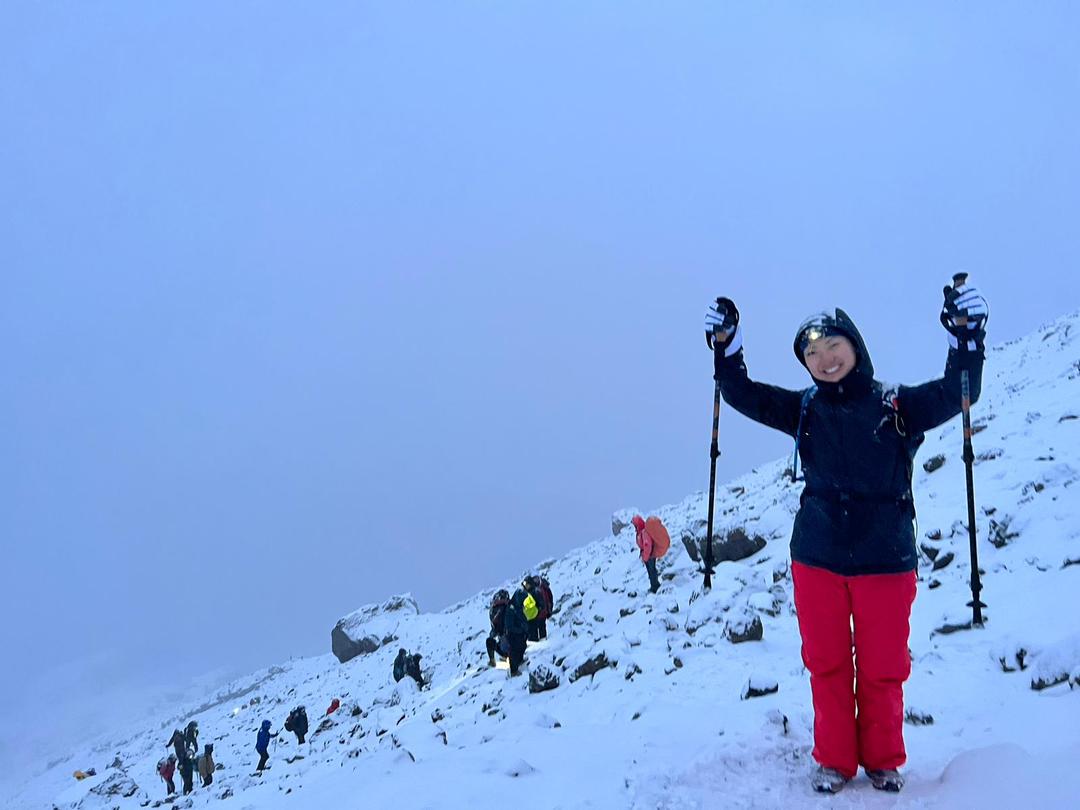
May Conditions: Summit night in May can be very cold, with temperatures often dropping below -10°C (14°F), potentially feeling much colder with wind chill. Snow and ice are common on the upper slopes. Proper layering, including a warm hat, balaclava, thick gloves, and insulated outer gear, is essential. Your guide will monitor you closely throughout the ascent, checking for signs of AMS and assessing your condition.
Descending Kilimanjaro Safely
The descent is often underestimated. While physically less demanding than the ascent, it presents its own challenges:
- Knee and Foot Strain: The steep, scree-covered slopes can be hard on your joints and feet. Trekking poles are invaluable for reducing impact.
- Fatigue: After the summit push, you’ll be exhausted. Maintaining focus during the descent is important to avoid slips and falls.
- Rapid Altitude Change: Descending quickly can sometimes trigger mild AMS symptoms as your body readjusts.
Extra Acclimatization and Descent: While extra acclimatization primarily benefits the ascent, being less depleted from AMS on the summit night means you might have more reserves for the descent. A well-rested body handles the physical stress better. On longer routes, the descent path can also be different, offering new perspectives.
Comparing Routes for May Climbs: Depth vs. Speed
When planning your May Kilimanjaro climb with extra acclimatization, the choice of route becomes critical. It’s a trade-off between the speed of ascent and the depth of acclimatization and scenic immersion. Routes like Marangu and Marangu (often done in 5-6 days) are faster but offer poor acclimatization. For a May climb prioritizing success and experience, speed is sacrificed for safety and enjoyment.
| Route | Standard Days | Recommended Days for Extra Acclimatization (May) | Acclimatization Profile | Scenery | Crowds |
|---|---|---|---|---|---|
| Marangu | 5-6 | 6-7 (Not Ideal) | Poor | Moderate | Moderate to High |
| Machame | 6-7 | 7-8 | Good to Excellent | Excellent | High |
| Lemosho | 7-8 | 8-9 | Excellent | Outstanding | Moderate |
| Rongai | 6-7 | 7-8 | Moderate to Good | Good | Low to Moderate |
| Northern Circuit | 9 | 9-10 | Excellent | Outstanding (Circumnavigation) | Low |
| Umbwe | 6-7 | 7-8 (Very Strenuous) | Poor to Moderate | Steep and Direct | Low |
Analysis for May Climbs:
- Lemosho (8-9 days) and Northern Circuit (9-10 days): These are the gold standards for acclimatization. They offer the most gradual ascent and the highest success rates, making them ideal choices for a May Kilimanjaro climb with extra acclimatization. The Northern Circuit, in particular, is exceptional for its longer duration and unique views.
- Machame (7-8 days): A very strong contender, offering excellent acclimatization and stunning scenery. The 8-day version is highly recommended for May.
- Rongai (7-8 days): A good option if you prefer a drier approach, especially if May’s rains are heavier than usual. The longer itinerary is key.
- Marangu/Umbwe: Generally not recommended for those prioritizing acclimatization and comfort, especially in May.
For 2026-2027, if your budget and time allow, consider the Northern Circuit for the ultimate acclimatization experience, or the 8-day Lemosho or 8-day Machame for a highly successful and scenic climb.
What Top Guide Adventures Includes for Your May Climb
Choosing Top Guide Adventures for your May Kilimanjaro climb with extra acclimatization means you benefit from comprehensive support and inclusions designed for safety and success. Our packages typically include:
- Experienced Guides: Certified guides with extensive knowledge of Kilimanjaro, altitude sickness management, and wilderness first aid. Our guides are trained to assess your condition and make critical decisions for your safety.
- Quality Equipment: High-quality tents, sleeping mats, and cooking gear. We also provide recommendations for personal gear.
- Nutritious Meals: Delicious and energizing meals prepared by our cooks throughout the trek, catering to various dietary needs. Proper nutrition is vital for energy and recovery.
- Porters: Sufficient porters to carry group equipment and your personal duffel bag (typically 15kg limit). We adhere to fair porter treatment policies.
- Park Fees and Permits: All necessary Kilimanjaro National Park entry fees, camping fees, and rescue fees are included.
- Accommodation: Camping accommodation on the mountain. Pre- and post-trek accommodation in Moshi can be arranged.
- Safety Equipment: Including oxygen cylinders and a comprehensive first-aid kit for emergencies.
- Transfers: Airport transfers and transfers to/from the mountain gate.
- Pre-Climb Briefing: A thorough briefing in Moshi before your trek begins.
Exclusions typically include: Flights, visa fees, travel insurance, personal climbing gear (unless specified), tips for guides and porters, personal expenses, and beverages other than water during meals.
When comparing operators for your 2026-2027 May Kilimanjaro climb with extra acclimatization, always clarify what is included. Top Guide Adventures aims for transparency and ensures you have the support needed for a safe and enjoyable journey.
Preparing for the Summit Night in May: Essential Tips
Summit night is the culmination of your efforts. Success hinges on preparation, pacing, and proper gear. For a May climb with extra acclimatization, you should already have a significant advantage.
- Hydration: Drink plenty of water in the days leading up to and during the trek. On summit night, keep sipping water, even if you don’t feel thirsty. Dehydration exacerbates altitude sickness.
- Nutrition: Eat well at every meal. On summit night, carry high-energy snacks like energy bars, nuts, and dried fruit. Your guide will provide hot drinks.
- Sleep: Try to get as much rest as possible at the high camp before the summit push. Even if sleep is difficult due to altitude, resting is beneficial.
- Pacing: Your guide will set a slow, sustainable pace (‘pole pole’). Stick to it. Avoid overexertion.
- Gear Check: Ensure all your gear is working correctly. Headlamp batteries should be fresh. Check that your waterproofs are in good condition.
- Mental Fortitude: Summit night is as much a mental challenge as a physical one. Stay positive, focus on one step at a time, and trust your guides. The extra acclimatization will boost your confidence.
Post-Climb Considerations
After descending Kilimanjaro, you’ll likely feel a mix of exhaustion and elation. Most climbers spend a night or two in Moshi or Arusha to rest and celebrate before heading home or continuing their Tanzanian adventure.
Rest and Recovery: Allow your body time to recover. Drink plenty of fluids and eat well. You might experience some lingering fatigue or mild headaches for a day or two.
Celebrating Your Achievement: Kilimanjaro is a significant accomplishment. Take time to reflect on your journey and the incredible feat you’ve achieved. Consider a relaxing stay in Zanzibar or a short safari to complement your trek.
Tipping: Tipping your guides, porters, and cooks is customary and greatly appreciated. Your operator will provide guidelines on appropriate amounts.
Feedback: Share your experience! Providing feedback helps operators like Top Guide Adventures improve their services for future clients planning their 2026-2027 expeditions.
Booking Your 2026-2027 May Kilimanjaro Climb with Top Guide Adventures
Planning a Kilimanjaro climb, especially with the added consideration of extra acclimatization for a May expedition, requires careful attention to detail. At Top Guide Adventures, we are dedicated to providing you with a safe, rewarding, and unforgettable experience. Our expertise in Kilimanjaro climbs, combined with our commitment to personalized service, makes us the ideal partner for your 2026 or 2027 adventure.
We understand the nuances of altitude, weather, and the importance of choosing the right route and duration. Our longer itineraries, such as the 8-day Lemosho or 8-day Machame, are specifically designed to give you the best possible chance of success by prioritizing acclimatization. We work with you from the initial inquiry to the final descent, ensuring all your questions are answered and your trek is tailored to your needs.
Ready to plan your May Kilimanjaro climb with extra acclimatization for 2026-2027?
Contact us today to discuss your options, get a personalized quote, and start preparing for the climb of a lifetime. Let Top Guide Adventures guide you safely and successfully to the Roof of Africa.
WhatsApp: +255616946642
Email: topguideadventures@gmail.com
Backup Email: info@topguideadventures.com
Explore more about our group departures and shared tours across Tanzania: Tanzania Safari Group Departures.
Discover specific Machame Route group dates: Machame Route Group Departures.
Follow our adventures and see client experiences on Instagram: @top_guide_adventures.
Read reviews from fellow travelers: TripAdvisor Reviews.
Visit our main website for more information on all our services: Top Guide Adventures.
Check Availability for May Kilimanjaro Climb With Extra Acclimatization Guide
Ready to compare dates, prices, and the best option for your group? Send the package name and travel month so the team can reply with a clear quote, availability, and what is included.
September Kilimanjaro Climb With Extra Acclimatization 2026-2027
September Kilimanjaro Climb with Extra Acclimatization is explained with current 2026-2027 planning, price, itinerary and booking information.
View package details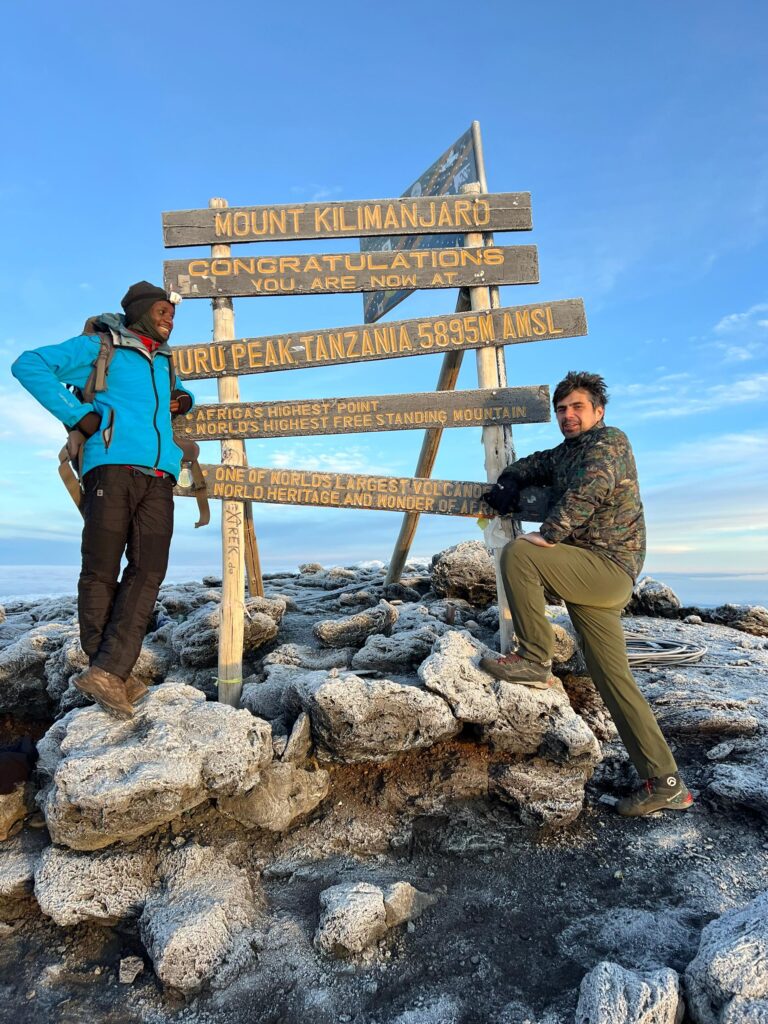
November Kilimanjaro Acclimatization-Focused Trek Guide
Discover essential strategies for a successful November Kilimanjaro climb, emphasizing acclimatization. This guide covers route selection, preparation, and what to expect during the...
View package details
May Kilimanjaro Climb For Solo Travellers: Your Expert Guide 2026-2027
Discover everything solo travellers need to know about climbing Kilimanjaro in May. This guide covers route selection, essential gear, training, safety, and typical costs for 2026-2027.
View package details
7-Day Rongai Route Kilimanjaro Climb In May: Your Ultimate Guide 2026-2027
Your comprehensive guide to conquering Kilimanjaro via the Rongai Route in May over 7 days. Learn about the itinerary, what to pack, acclimatization, and why May is a great month for this...
View package details
7-Day Rongai Route Kilimanjaro Climb In April: Your Expert Guide For 2026-2027
The 7-Day Rongai Route offers a unique and often drier approach to climbing Kilimanjaro, especially beneficial in April. This guide provides an in-depth look at the itinerary, essential...
View package details
March Kilimanjaro Climb For Couples: Your Ultimate Guide 2026-2027
Planning a Kilimanjaro climb for couples in March? This guide covers everything from ideal routes and weather conditions to essential packing advice and booking considerations for your...
View package detailsDecember Kilimanjaro Last-Minute Holiday Deals For Climbs 2026-2027
Planning a Kilimanjaro climb in December 2026 or 2027? Discover last-minute holiday deals, essential tips for winter ascents, and how Top Guide Adventures can make your dream a reality.
View package details
December Kilimanjaro Climb For Solo Travellers 2026-2027
December Kilimanjaro Climb for Solo Travellers is explained with current 2026-2027 planning, price, itinerary and booking information.
View package details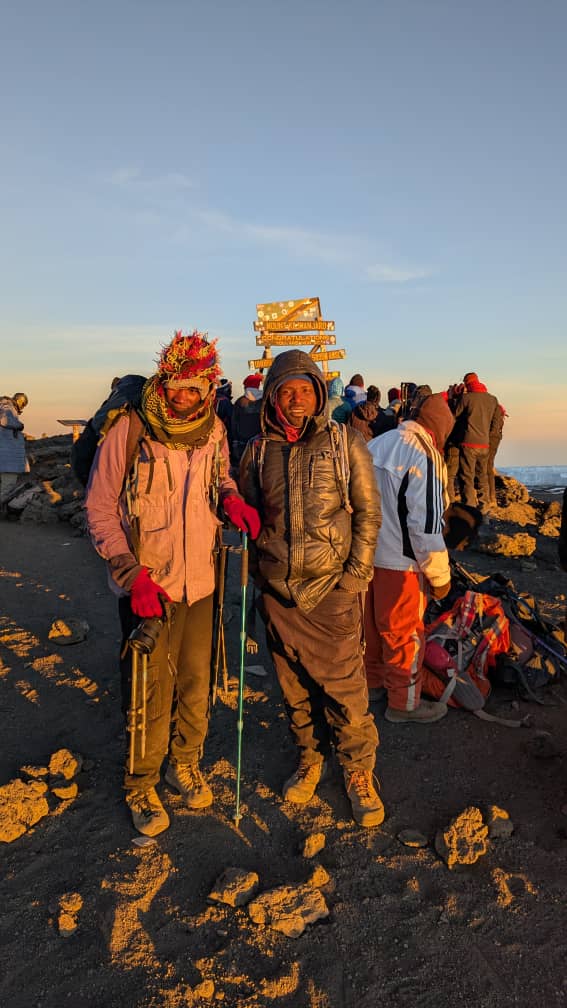
December Kilimanjaro Packing Checklist: Essential Gear For Climbs 2026-2027
Prepare for your December Kilimanjaro climb with our comprehensive packing checklist. This guide covers essential gear, clothing, and tips for conquering Africa's highest peak in the dry...
View package details
Is December A Good Month To Climb Kilimanjaro? Your Guide 2026-2027
December offers a unique window for Kilimanjaro climbs, balancing good weather with fewer crowds. This guide explores its advantages and considerations for 2026-2027.
View package details
6-Day Marangu Route Kilimanjaro Climb In December 2026-2027
Discover everything you need to know for a 6-day Marangu Route Kilimanjaro climb during December 2026-2027. This guide covers weather expectations, essential gear, itinerary details...
View package details8-Day Lemosho Route Kilimanjaro Climb In December | Top Guide Adventures
Discover the magic of an 8-day Lemosho Route Kilimanjaro climb in December. This guide details what to expect regarding weather, acclimatization, and preparation for your 2026-2027...
View package detailsNo related package matches those filters. Clear one or more filters to see the other topic-matched options.



