
A June Kilimanjaro full-moon climb in 2026-2027 offers a spectacular opportunity to witness the sunrise from Africa’s highest peak under the ethereal glow of a full moon, typically making the summit night around the 20th or 21st of June the most sought-after. This timing provides clear skies, moderate temperatures, and excellent visibility, though it’s crucial to book well in advance due to high demand for these specific dates, with popular routes like Machame and Lemosho being excellent choices for this unique experience.


Why Choose a June Kilimanjaro Full-Moon Climb for 2026-2027?
The allure of standing atop Kilimanjaro, the Roof of Africa, is powerful on its own. When you add the mystical ambiance of a full moon illuminating the path and the vast landscape below, the experience becomes truly extraordinary. A June Kilimanjaro full-moon climb is a highly sought-after adventure, and for good reason. June falls within Kilimanjaro’s dry season, offering some of the most favorable climbing conditions of the year. The combination of stable weather, clear skies, and the magic of a full moon creates an unforgettable summit night.
For those planning their ascent in the coming years, specifically 2026 and 2027, understanding the nuances of a full moon climb is essential. It’s not just about picking the right date; it’s about maximizing your chances for success and enjoyment under these special circumstances. This guide will explore why June is an excellent month, how to time your climb with the full moon, what to expect on summit night, and how to prepare for this unique challenge.
Understanding the Magic of a Full Moon Summit
Summiting Kilimanjaro is an achievement that requires physical and mental fortitude. Doing so under the light of a full moon elevates the experience to another level. The moon’s glow can dramatically reduce the need for headlamps on the final ascent, casting an otherworldly light on the rocky terrain and the surrounding volcanic landscape. As you ascend through the night, the moonlit panorama of clouds and distant plains below can be simply impressive. It offers a different perspective, a sense of serene grandeur that is hard to replicate during daylight hours.
The psychological impact of climbing under a full moon is also significant. Many climbers report feeling a profound connection to nature and a heightened sense of wonder. The silence of the night, broken only by the crunch of boots on scree and the rhythmic breathing of fellow climbers, combined with the luminous glow of the moon, creates a deeply spiritual and memorable journey. It transforms the physically demanding final push into a more contemplative and awe-inspiring endeavor.
When is the Full Moon in June 2026 and 2027?
Timing is everything for a June Kilimanjaro full-moon climb. The exact date of the full moon shifts each year. For 2026, the full moon in June occurs on June 21st. For 2027, the full moon will be on June 29th. These dates are critical for planning your ascent, as summit night is typically scheduled to coincide with the brightest phase of the moon, usually the night before or on the full moon itself.
Full Moon Dates for June Climbs:
- June 2026: Full moon on Sunday, June 21st. Summit night would ideally be Saturday, June 20th or Sunday, June 21st.
- June 2027: Full moon on Tuesday, June 29th. Summit night would ideally be Monday, June 28th or Tuesday, June 29th.
It is essential to communicate your preferred dates to your tour operator, like Top Guide Adventures, as early as possible to secure your spot, especially for these prime full moon dates in 2026 and 2027. Popularity means that availability can be limited, and booking 6-12 months in advance is often recommended.
Why June is an Ideal Month for Kilimanjaro
Kilimanjaro experiences distinct wet and dry seasons. June marks the beginning of the longer dry season, which runs through October. This period is characterized by:
- Clear Skies: June generally offers excellent visibility, with minimal cloud cover, providing stunning views throughout the trek and especially from the summit.
- Moderate Temperatures: While the summit remains cold, daytime temperatures on the lower slopes are pleasant, and nights are cold but generally manageable. You can expect temperatures at the summit to range from -5°C to -15°C (23°F to 5°F), with wind chill potentially making it feel much colder.
- Lower Humidity: Compared to the rainy seasons, June brings lower humidity levels, making the trek more comfortable.
- Less Dust: The dry conditions mean less dust on the trails compared to the hottest months.
While June is part of the dry season, it’s important to note that Kilimanjaro’s weather can be unpredictable. You might still encounter occasional rain showers, especially on the lower, wetter slopes, but these are typically short-lived. The higher altitudes will generally be dry and cold.
Choosing the Right Route for Your June Full-Moon Climb
Several routes ascend Kilimanjaro, each offering a different experience, duration, and acclimatization profile. For a June Kilimanjaro full-moon climb, routes that offer good acclimatization and scenic beauty are paramount. The best routes for this specific goal are:
1. Machame Route (Whiskey Route)
The Machame Route is one of the most popular choices, known for its scenic beauty and excellent acclimatization profile. It is often referred to as the ‘Whiskey Route’ in contrast to the Marangu ‘Coca-Cola Route’.
- Duration: Typically 6 or 7 days. A 7-day itinerary is highly recommended for better acclimatization, especially for a full moon climb where summit night is crucial.
- Scenery: Offers diverse landscapes, from rainforest to alpine desert and arctic summit zone. It circles the mountain, providing varied views.
- Acclimatization: Good, especially with a 7-day climb, as it uses the ‘climb high, sleep low’ principle effectively.
- Difficulty: Moderate to challenging, with some steep sections.
- Why it’s good for Full Moon: The 7-day Machame route allows for a more gradual ascent, increasing your chances of acclimatizing well for the demanding summit night. The views throughout the trek are stunning, and the route’s popularity means a good sense of camaraderie.
2. Lemosho Route
The Lemosho Route is considered one of the most beautiful routes, offering a remote and wilder experience, particularly in its initial stages. It merges with the Machame route later on.
- Duration: Typically 7 or 8 days. Longer durations are highly recommended for optimal acclimatization.
- Scenery: Extremely scenic, starting in the rainforest on the western side of Kilimanjaro, offering incredible views of the Shira Plateau and the surrounding plains.
- Acclimatization: Excellent, particularly with 8-day itineraries, which provide ample time for the body to adjust to the altitude.
- Difficulty: Moderate to challenging.
- Why it’s good for Full Moon: The Lemosho route’s longer duration and remote start make it ideal for acclimatization and a more pristine experience. The views leading up to the summit are spectacular, and the gradual ascent aids in preparing for the full moon summit push.
3. Rongai Route
The Rongai Route approaches Kilimanjaro from the north, near the Kenyan border. It is less crowded than Machame and Lemosho and is a good option during the drier months, though it can still be cold in June.
- Duration: Typically 6 or 7 days.
- Scenery: Offers a different perspective, traversing drier, semi-arid landscapes before joining the Marangu route for the final ascent.
- Acclimatization: Fair, but generally considered less optimal than Machame or Lemosho, especially for shorter durations.
- Difficulty: Moderate.
- Why it’s good for Full Moon: If you prefer a less crowded route, Rongai can be a good choice. However, its acclimatization profile might be less ideal for a full moon summit compared to longer Lemosho or Machame options.
For a June Kilimanjaro full-moon climb in 2026 or 2027, Top Guide Adventures strongly recommends the 7-day Machame Route or the 8-day Lemosho Route. These longer itineraries significantly increase your acclimatization capacity, which is crucial for a successful summit bid, especially under the challenging conditions of a night ascent.
Preparing for Your June Kilimanjaro Full-Moon Climb
A successful Kilimanjaro climb, particularly one timed with a full moon, requires meticulous preparation. This includes physical training, mental readiness, and proper gear selection.
Physical Training
Kilimanjaro is a high-altitude trek, not a technical climb, but it demands significant cardiovascular fitness and endurance. Your training should focus on:
- Cardiovascular Endurance: Engage in activities like hiking (with a weighted backpack), running, cycling, or swimming at least 3-4 times a week for several months leading up to your climb.
- Strength Training: Focus on leg strength (squats, lunges) and core stability.
- Hiking Practice: The most crucial part of your training is hiking, preferably on varied terrain and with elevation gain. Simulate climb conditions by hiking for several hours with a backpack weighing 10-15 kg (20-30 lbs). Practice hiking on consecutive days if possible.
- Altitude Simulation: If possible, spend time at higher altitudes before your climb.
Mental Preparation
The mental challenge of Kilimanjaro is as significant as the physical one. Summit night, in particular, can be grueling. Prepare yourself by:
- Understanding the Challenge: Be realistic about the difficulties, including cold, altitude sickness, and fatigue.
- Positive Visualization: Imagine yourself successfully reaching the summit and enjoying the experience.
- Resilience Building: Practice pushing through discomfort during your training hikes.
- Trusting Your Guides: Your guides are experienced professionals. Trust their judgment and follow their instructions implicitly, especially on summit night.
Essential Gear for a June Climb
Packing the right gear is critical for comfort and safety, especially during a June Kilimanjaro full-moon climb. Layering is key to managing temperature fluctuations.
Clothing Layers:
- Base Layers: Moisture-wicking thermal tops and bottoms (merino wool or synthetic).
- Mid Layers: Fleece jackets or vests for insulation.
- Outer Layer (Insulation): A warm, insulated down or synthetic jacket.
- Outer Layer (Shell): Waterproof and windproof jacket and trousers (Gore-Tex or similar).
Headwear & Handwear:
- Warm, waterproof gloves or mittens (bring a spare pair).
- Liner gloves for dexterity.
- Warm wool or fleece hat covering the ears.
- Balaclava or neck gaiter for face protection.
Footwear:
- Broken-in, waterproof hiking boots with good ankle support.
- Comfortable hiking socks (wool or synthetic, several pairs).
- Camp shoes or trainers for evenings.
Headlamp & Batteries:
- A reliable headlamp with fresh batteries is essential. Bring a spare headlamp and extra batteries. The full moon helps, but you’ll still need light for technical sections and around camp.
Other Essentials:
- Backpack: A comfortable daypack (30-40 liters) for essentials during the day, and a larger duffel bag (80-100 liters) for your main gear, carried by porters.
- Sleeping Bag: A 4-season sleeping bag rated for temperatures down to -20°C (-4°F).
- Water Bottles/Hydration System: At least 2-3 liters capacity. Insulated covers are recommended to prevent freezing.
- Sun Protection: High SPF sunscreen, sunglasses, wide-brimmed hat.
- First-Aid Kit: Personal medications, blister treatment, pain relievers, altitude sickness medication (consult your doctor).
- Trekking Poles: Highly recommended for stability and reducing knee strain.
- Camera and Power Bank: For capturing memories.
- Snacks: High-energy snacks like energy bars, nuts, and dried fruit.
Top Guide Adventures can provide a detailed packing list tailored to your specific climb and the season. Proper gear ensures you are prepared for the diverse conditions encountered on a June Kilimanjaro full-moon climb.
What to Expect on Summit Night
Summit night is the most challenging part of the Kilimanjaro climb. It typically begins around midnight to 1 AM, after a few hours of sleep. The goal is to reach Uhuru Peak (5,895m / 19,341 ft) by sunrise.
- The Start: You’ll wake up in the cold darkness, dressed in your warmest layers. A quick, light breakfast is usually provided before you begin the ascent.
- The Ascent: The climb is steep and slow. You’ll be walking in a single file line, following your guide. The path is often rocky scree, making progress slow and demanding.
- The Full Moon’s Role: The moonlight can provide enough illumination to see the trail and your immediate surroundings, reducing reliance on headlamps. This can make the experience feel less claustrophobic and more serene. However, it’s crucial to still have your headlamp ready for sections where visibility is poor or for navigating around camp.
- Altitude Effects: As you gain altitude, symptoms of altitude sickness (headache, nausea, dizziness) may become more pronounced. It’s vital to inform your guide immediately if you feel unwell.
- Temperature: Temperatures can drop significantly, often to -15°C (5°F) or lower, with wind chill making it feel much colder.
- Reaching Stella Point: The first major milestone is Stella Point (5,756m / 18,885 ft) on the crater rim. This is a significant achievement, and from here, it’s approximately a 45-60 minute walk along the crater rim to Uhuru Peak.
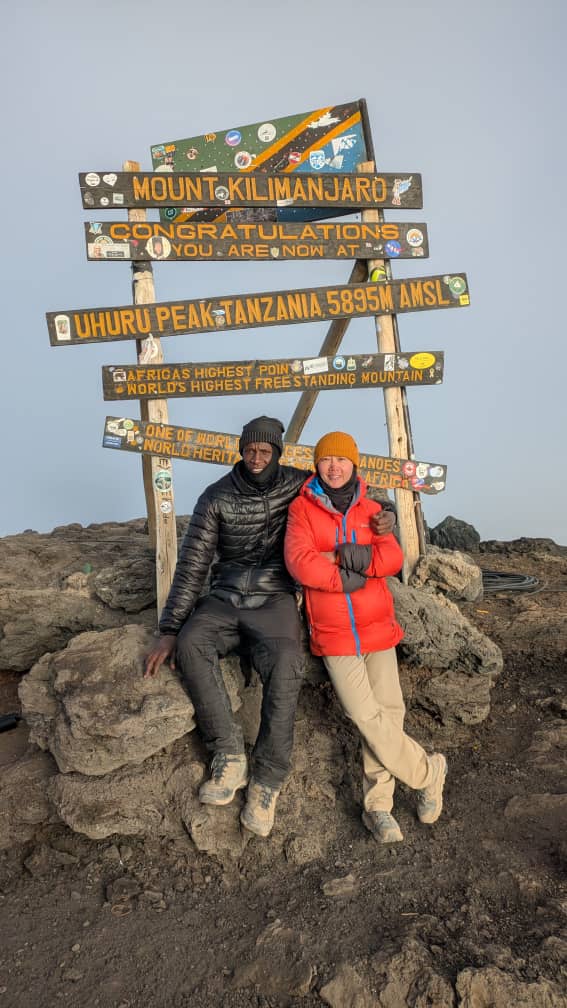
- Uhuru Peak: Reaching the summit is an emotional and triumphant moment. You’ll likely spend a short time here, taking photos and absorbing the incredible views before beginning the descent. The sunrise from the summit is a truly magical sight, amplified by the full moon’s lingering glow.
- The Descent: The descent is often underestimated. It is physically demanding, especially on the knees, and can be slippery. You’ll descend back to Barafu Camp (or Millennium Camp on longer routes) for a well-deserved rest.
A June Kilimanjaro full-moon climb requires peak physical condition and mental resilience. The full moon adds a unique visual element but does not diminish the physical challenge.
Acclimatization Strategies for Full Moon Climbers
Proper acclimatization is the single most important factor for a successful Kilimanjaro climb. Altitude sickness (Acute Mountain Sickness – AMS) is a serious risk and can affect anyone, regardless of fitness level. For a full moon climb, where summit night is planned for a specific date, maximizing acclimatization is even more critical.
- Choose Longer Routes: As mentioned, the 7-day Machame or 8-day Lemosho routes are superior for acclimatization. They allow your body more time to adapt to the decreasing oxygen levels.
- Ascend Slowly: The principle of ‘pole pole’ (slowly, slowly) is vital. Maintain a slow, steady pace, especially on summit night. Your guides will enforce this.
- Hydrate Adequately: Drink plenty of water (3-4 liters per day). Dehydration can exacerbate altitude sickness symptoms.
- Eat Well: Consume high-carbohydrate meals. Your appetite may decrease at altitude, but fueling your body is essential.
- Avoid Alcohol and Smoking: These can impair acclimatization.
- Consider Diamox: Consult your doctor about Acetazolamide (Diamox). It can help speed up acclimatization, but it is not a substitute for proper ascent profiles and should be used under medical guidance.
- Listen to Your Body: Report any symptoms of AMS to your guide immediately. They are trained to assess and manage altitude sickness. If symptoms worsen, descent may be necessary.
For a June Kilimanjaro full-moon climb in 2026-2027, prioritizing acclimatization on a longer route will significantly improve your chances of reaching Uhuru Peak safely and enjoying the experience.
Safety Considerations for Full Moon Climbs
While the full moon adds beauty, it doesn’t negate the inherent risks of climbing Kilimanjaro. Safety must remain the top priority.
- Experienced Guides: Always climb with a reputable tour operator that employs certified, experienced guides. Top Guide Adventures prides itself on its highly trained guides who are skilled in first aid and altitude sickness management.
- Emergency Procedures: Ensure your operator has clear emergency evacuation plans, including access to oxygen and communication systems.
- Pace Management: Your guides will set the pace. Resist the urge to rush, especially on summit night.
- Gear Checks: Ensure all your gear is in good condition, especially your headlamp and warm clothing.
- Hydration and Nutrition: Never underestimate their importance.
- Health Assessment: Get a medical check-up before your trip and discuss any pre-existing conditions with your doctor and your tour operator.
The full moon can create a sense of euphoria, but it’s important to stay grounded and focused on safety protocols throughout your June Kilimanjaro full-moon climb.
Cost of a June Kilimanjaro Full-Moon Climb (2026-2027)
The cost of climbing Kilimanjaro varies significantly based on the route, duration, operator, and inclusions. For a June Kilimanjaro full-moon climb in 2026 or 2027, expect prices to be in the mid to higher range due to the popularity of this period and the need for specific date alignment.
Generally, Kilimanjaro climb costs can range from approximately $1,800 to $4,500+ per person for a standard package. Factors influencing the price include:
- Operator Reputation and Quality: Higher-priced operators often offer better equipment, more experienced guides, better food, higher staff-to-client ratios, and a stronger commitment to ethical treatment of porters.
- Route and Duration: Longer routes like Lemosho (8 days) are more expensive than shorter ones (e.g., Marangu 5 days).
- Inclusions: What is included? Look for packages that cover park fees, rescue fees, camping equipment, meals, purified water, guide and porter salaries, transport, and accommodation before/after the climb. International flights are almost always excluded.
- Group Size: Private climbs are more expensive than group climbs. Sharing a group departure can reduce individual costs.
- Level of Service: Budget operators often cut corners, which can impact safety and comfort. Mid-range and premium operators invest more in resources.
Top Guide Adventures offers competitive pricing for June Kilimanjaro full-moon climbs in 2026 and 2027, focusing on providing excellent value with a strong emphasis on safety, quality equipment, and experienced guiding. We recommend contacting us directly for a personalized quote based on your chosen route and dates.
Factors Affecting Price for a June Full Moon Climb:
- Peak Season Demand: June is a popular month, and specific full moon dates within June are highly sought after, potentially commanding a slight premium.
- Permit Availability: Securing permits for specific dates, especially during peak times, needs to be done well in advance.
- Quality of Support: Reputable companies ensuring proper acclimatization, high guide-to-client ratios, and emergency preparedness will reflect this in their pricing.
When comparing prices, always look at the inclusions and exclusions carefully. Don’t compromise on safety and quality for a lower price. A well-supported climb is crucial for success and enjoyment.
Booking Your June Kilimanjaro Full-Moon Climb with Top Guide Adventures
Planning a June Kilimanjaro full-moon climb requires careful coordination. Top Guide Adventures is dedicated to providing a smooth and memorable experience for every client. We are one of Tanzania’s most trusted tour companies, offering comprehensive travel experiences across the country.
Why Choose Top Guide Adventures for Your 2026-2027 Climb?
- Expertise: We have extensive experience organizing Kilimanjaro climbs, including specialized full moon treks.
- Safety First: Your safety is our paramount concern. We use experienced guides, provide necessary safety equipment (like oxygen), and have robust emergency protocols.
- Quality Equipment: We provide high-quality camping gear, ensuring comfort and warmth.
- Ethical Porter Treatment: We are committed to fair wages and ethical treatment of our porters and guides.
- Personalized Support: From your initial inquiry to your return home, you receive personal attention, care, and dedicated support.
- Tailor-Made Journeys: We can help combine your Kilimanjaro climb with a safari or Zanzibar holiday for a complete Tanzanian adventure.
To book your June Kilimanjaro full-moon climb for 2026 or 2027, or to get a personalized quote:
- Contact us via WhatsApp: +255616946642
- Email us: topguideadventures@gmail.com
- Backup Email: info@topguideadventures.com
We recommend booking at least 6-12 months in advance for full moon dates in June 2026 and 2027 to secure your preferred route and dates. Let us help you plan an extraordinary adventure to the summit of Kilimanjaro under the magical glow of the full moon.
Combining Your Climb with Other Tanzanian Adventures
A trip to Tanzania is often more than just climbing Kilimanjaro. Top Guide Adventures specializes in creating complete travel experiences. Consider extending your adventure:
- Tanzania Safaris: Explore the world-renowned Serengeti National Park, the Ngorongoro Conservation Area, Tarangire National Park, and Lake Manyara. Witness the Great Migration, encounter incredible wildlife, and experience the vast African wilderness. We offer various safari packages, including group departure dates for shared tours, as well as private tailor-made safaris.
- Zanzibar Holidays: Relax on the pristine white-sand beaches of Zanzibar, explore the historic Stone Town, and discover the island’s spice plantations and vibrant culture.
- Cultural Experiences: Engage with local communities, learn about Maasai traditions, and gain a deeper understanding of Tanzanian life.
- Day Trips: If time is limited, we offer various day trips from Arusha or Moshi, such as waterfalls hikes or visits to local markets.
By combining your June Kilimanjaro full-moon climb with a safari or beach holiday, you can create a truly unforgettable Tanzanian journey in 2026 or 2027.
Frequently Asked Questions about June Kilimanjaro Full Moon Climbs
Here are some common questions potential climbers have about undertaking a full moon climb in June:
Q1: Is a full moon climb safe?
A: Yes, a full moon climb is as safe as any other climb, provided you are with a reputable operator like Top Guide Adventures, follow safety protocols, and are well-prepared. The full moon provides light, which can be helpful, but does not change the fundamental safety considerations of altitude, cold, and terrain. Summit night remains challenging.
Q2: How much colder is it during a full moon climb?
A: The phase of the moon does not directly affect temperature. Temperatures on Kilimanjaro are determined by altitude, season, and weather. June is in the dry season, so expect cold temperatures, particularly at night and on summit night, ranging from -5°C to -15°C (23°F to 5°F) at the summit, potentially feeling much colder with wind chill.
Q3: Can I still see stars during a full moon climb?
A: While the full moon is bright, it can wash out fainter stars. However, you will still see many stars, and the moon itself creates a spectacular celestial display. The landscape illuminated by the moon is a unique sight.
Q4: What is the best route for a full moon climb in June 2026 or 2027?
A: For optimal acclimatization and scenery, the 7-day Machame Route or the 8-day Lemosho Route are highly recommended. These longer routes increase your success rate.
Q5: How far in advance should I book a June full moon climb?
A: Due to the high demand for June and specifically full moon dates, it is advisable to book at least 6-12 months in advance for 2026 and 2027 to secure your preferred dates and route.
Q6: What if the weather is bad on summit night?
A: Kilimanjaro’s weather can change rapidly. If conditions are deemed unsafe by the guides (e.g., heavy fog, strong winds, blizzard), the summit attempt may be altered or postponed. Your guide’s decision is final for safety reasons.
Q7: Do I need special gear for a full moon climb?
A: The gear requirements are the same as for any Kilimanjaro climb. Key items include warm, layered clothing, waterproof outer shells, sturdy boots, a good sleeping bag, and a reliable headlamp. The full moon aids visibility, but a headlamp is still essential.
Q8: What is the typical success rate for a June Kilimanjaro full moon climb?
A: Success rates vary depending on the route, duration, operator, and individual climber preparation. Generally, on longer routes (7-8 days) with reputable operators, success rates can be around 85-90%. Proper acclimatization and physical fitness are key.
Conclusion: Experience the Magic of a June Kilimanjaro Full-Moon Climb
A June Kilimanjaro full-moon climb offers a unique and profoundly beautiful way to experience Africa’s highest peak. The combination of the dry season’s favorable conditions and the ethereal glow of the full moon creates an unforgettable summit night. For your 2026 or 2027 adventure, choosing the right route, preparing diligently, and partnering with an experienced and trustworthy tour operator like Top Guide Adventures are paramount to success and safety.
We are committed to providing personalized support, ensuring you have the best possible preparation and trekking experience. From selecting the ideal route like the 7-day Machame or 8-day Lemosho for optimal acclimatization, to guiding you safely to the summit under the moonlight, we handle every detail with care. Don’t miss the chance to witness the sunrise from Uhuru Peak, illuminated by the full moon.
Ready to plan your dream June Kilimanjaro full-moon climb?
Contact Top Guide Adventures today:
- WhatsApp: +255616946642
- Email: topguideadventures@gmail.com
- Backup Email: info@topguideadventures.com
Let us help you create an extraordinary journey. Book early to secure your spot for the magical June Kilimanjaro full-moon climb in 2026 or 2027!
Check Availability for June Kilimanjaro Full-Moon Climb: Your Ultimate Guide For 2026-2027
Ready to compare dates, prices, and the best option for your group? Send the package name and travel month so the team can reply with a clear quote, availability, and what is included.
August Kilimanjaro Full-Moon Climb: Your Ultimate Guide For 2026-2027
An August Kilimanjaro full-moon climb offers spectacular views and cooler trekking conditions. This guide covers everything from the best routes and preparation to the unique magic of...
View package detailsNovember Kilimanjaro Full-Moon Summit Climb 2026-2027
November Kilimanjaro Full-Moon Summit Climb is explained with current 2026-2027 planning, price, itinerary and booking information.
View package details
October Kilimanjaro Full-Moon Expedition: Your Ultimate Guide For 2026-2027
start an unforgettable journey to the Roof of Africa with a Kilimanjaro full-moon expedition in October. This guide covers everything from route selection to essential preparation for your...
View package details
September Kilimanjaro Full-Moon Summit Trek Guide
Discover the magic of a September Kilimanjaro full-moon summit trek. This comprehensive guide covers everything from planning and routes to what to expect during your 2026-2027 lunar...
View package details
July Kilimanjaro Full-Moon Expedition: Your Ultimate Guide For 2026-2027
Climb Mount Kilimanjaro under the magical glow of the full moon in July. This guide covers everything you need to know for a 2026-2027 expedition, from choosing the best route to packing...
View package details
December Kilimanjaro Full-Moon Summit Trek: Your Ultimate Guide 2026-2027
start an unforgettable December Kilimanjaro full-moon summit trek. This guide details routes, preparation, and the unique magic of climbing under a full moon in 2026-2027, with expert...
View package details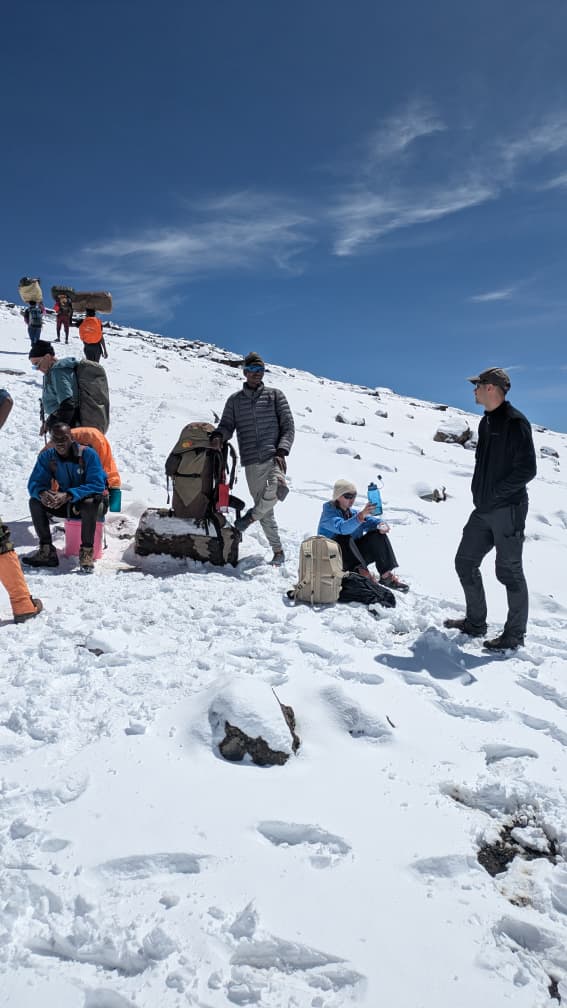
October Kilimanjaro Climb: Fewer Crowds, Great Weather 2026-2027
Planning an October Kilimanjaro climb offers a sweet spot with fewer trekkers and ideal weather conditions. Learn why October is a fantastic month for reaching Uhuru Peak and how to make...
View package details
October Kilimanjaro Waterproof Packing Guide For Climbs 2026-2027
Prepare for your October Kilimanjaro climb with this comprehensive waterproof packing guide. Essential gear and clothing advice for 2026-2027 expeditions.
View package details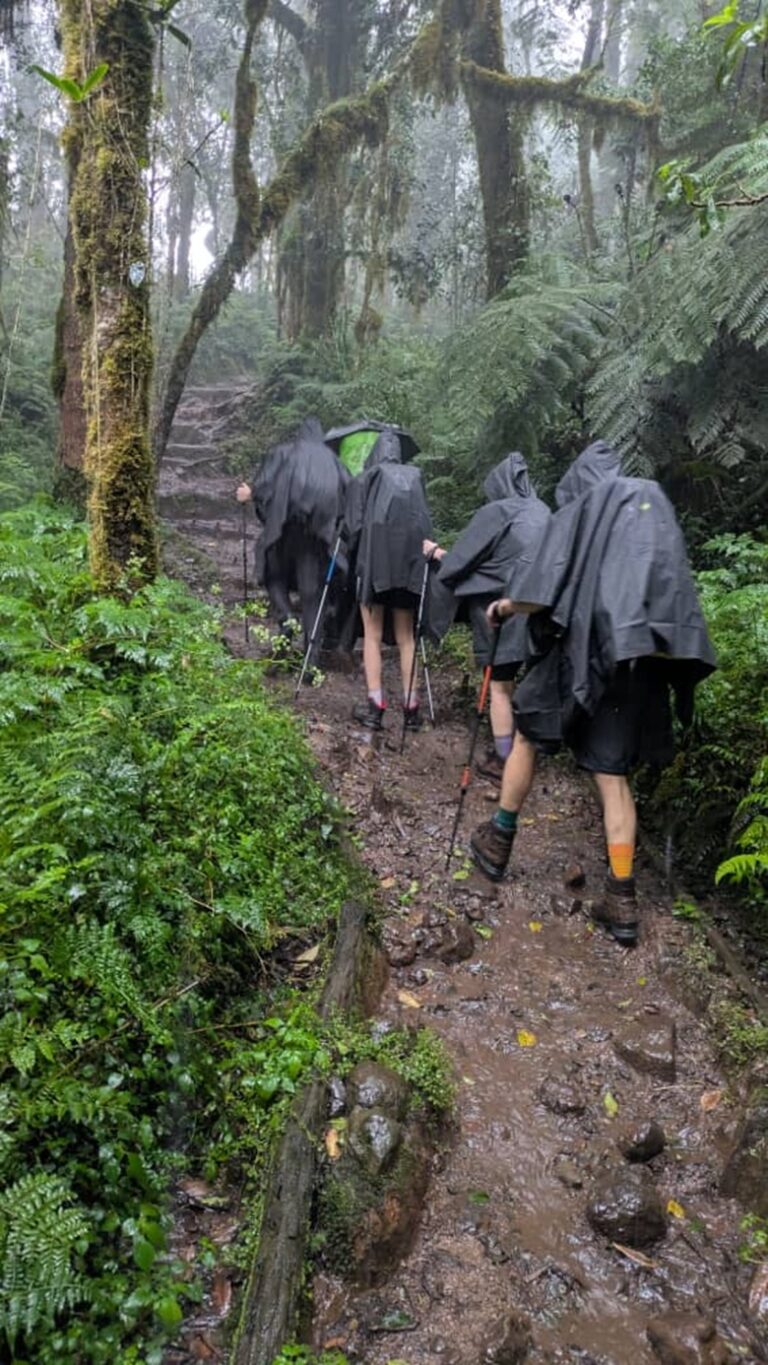
Is October A Good Time To Climb Kilimanjaro? Your Expert Guide For 2026-2027
Discover if October is an ideal month for your Kilimanjaro ascent. This guide covers weather, crowds, costs, and essential planning for your 2026-2027 climb.
View package detailsOctober Kilimanjaro And Zanzibar Package: Climb & Island Bliss 2026-2027
Discover the ultimate October Kilimanjaro and Zanzibar package. This guide details combining a trek up Africa's highest peak with the idyllic beaches of Zanzibar, perfect for 2026-2027...
View package detailsOctober Kilimanjaro Climb For Couples: Your Ultimate Guide 2026-2027
Discover everything couples need to know for a successful Kilimanjaro climb in October. This guide covers the best routes, essential packing, weather insights, and booking tips for...
View package detailsOctober Kilimanjaro Private Climbing Tour: Your Ultimate Guide For 2026-2027
Your comprehensive guide to embarking on a private Kilimanjaro climb in October 2026 or 2027. Discover optimal routes, essential preparations, and why a private tour offers unparalleled...
View package detailsNo related package matches those filters. Clear one or more filters to see the other topic-matched options.



