
The June Kilimanjaro summit temperature typically hovers between -7°C (19°F) and -20°C (-4°F) at Uhuru Peak. While June marks the beginning of the dry season after the ‘long rains’, expect cold, potentially windy conditions, especially during the final ascent. Average temperatures increase as you descend, with lower camps experiencing milder, though still cool, conditions. Planning for these extreme lows at the summit is crucial for a safe and comfortable climb in 2026 and 2027.

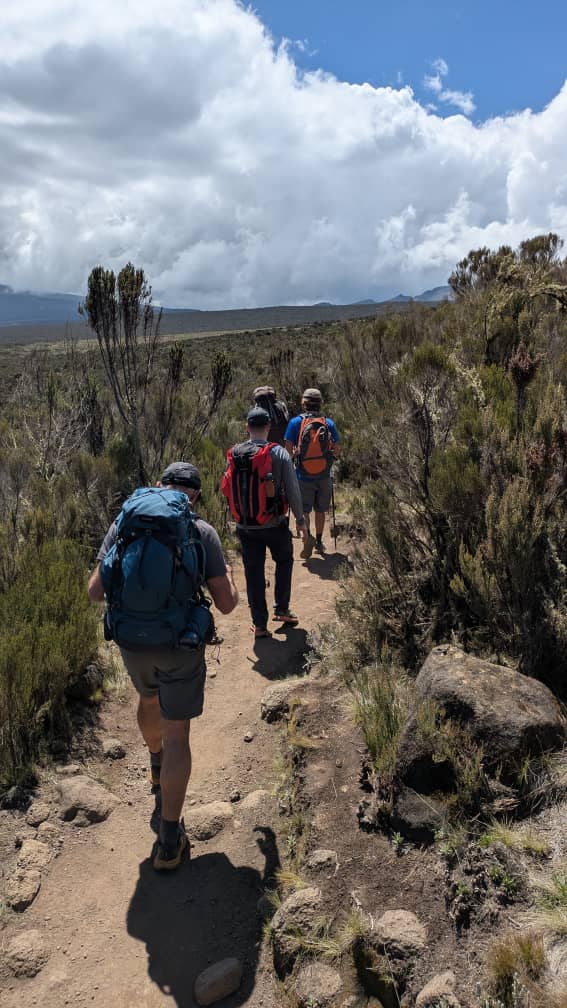
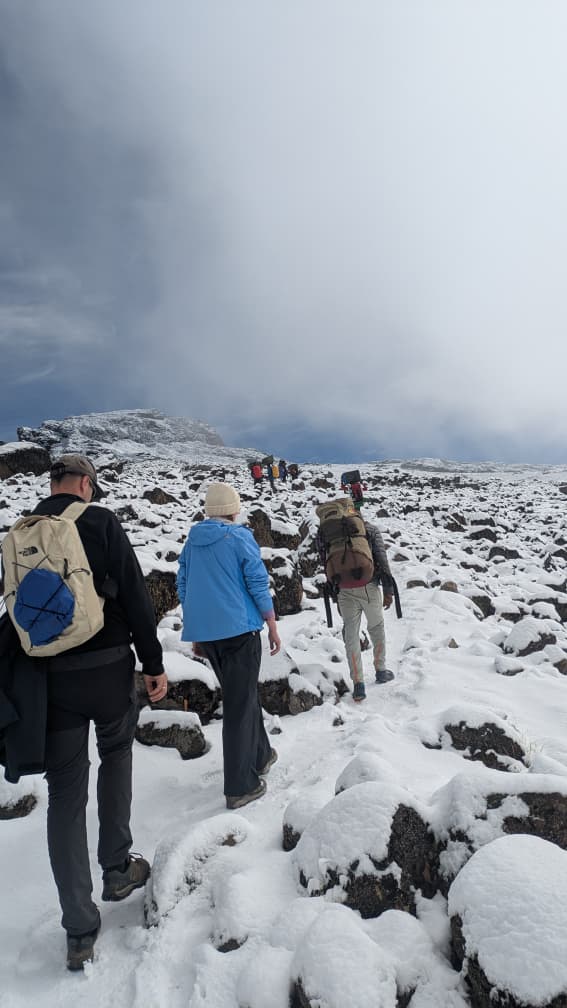
Understanding Kilimanjaro’s Climate in June
Mount Kilimanjaro, standing at an impressive 5,895 meters (19,341 feet), is a world unto itself, featuring distinct ecological zones each with its own microclimate. June is a pivotal month, signaling a transition from the wetter season to a drier period. For trekkers planning their ascent in 2026 or 2027, understanding the nuances of June’s weather is paramount for preparation and safety. While often described as a dry month, June can still present variable conditions, particularly as you gain altitude. The June Kilimanjaro summit temperature is just one piece of a larger climatic puzzle that influences the entire trekking experience.
The mountain’s height and its location near the equator create a unique atmospheric phenomenon. As you ascend, you pass through five distinct climate zones: cultivated land, rainforest, heath, alpine desert, and arctic summit. Each zone experiences different temperature ranges, precipitation levels, and wind speeds. June’s weather patterns are influenced by the receding ‘long rains’ (typically March-May) and the approaching dry season. This means you might encounter lingering moisture at lower altitudes, while the upper reaches begin to experience clearer skies and colder temperatures. The shift makes June a popular, yet challenging, month for climbing.
The Impact of Altitude on June Temperatures
Altitude is the primary driver of temperature change on Kilimanjaro. For every 1,000 meters you ascend, the temperature drops by approximately 6.5°C (11.7°F). This fundamental principle dictates the significant difference in climate between the mountain’s base and its summit. In June, this effect is amplified by the prevailing atmospheric conditions.
- Base Camp/Moshi Area: Temperatures at the base, where most climbers begin and end their journeys, are typically warm and pleasant, averaging around 20-27°C (68-81°F) during the day. Evenings are mild.
- Rainforest Zone (approx. 1,800m – 2,700m): As you enter the rainforest, temperatures begin to cool, ranging from 15-20°C (59-68°F). June can still see considerable humidity and rainfall in this zone as the ‘long rains’ dissipate.
- Heath Zone (approx. 2,700m – 3,500m): The vegetation changes, and temperatures drop further, typically between 10-15°C (50-59°F). This zone is often characterized by mist and cooler, damper conditions.
- Alpine Desert Zone (approx. 3,500m – 4,700m): This is where the landscape becomes stark and barren. Daytime temperatures can range from 5-10°C (41-50°F), but nights plummet significantly, often below freezing point, reaching -5°C (23°F) or lower.
- Arctic Summit Zone (above 4,700m): This is the most extreme environment. The June Kilimanjaro summit temperature at Uhuru Peak is consistently below freezing. Daytime highs rarely exceed -2°C (28°F), and nighttime lows can plunge to -20°C (-4°F) or even colder, especially with wind chill.
Precipitation Patterns in June
June is generally considered part of the dry season on Kilimanjaro, following the ‘long rains’ of March, April, and May. However, “dry” on Kilimanjaro doesn’t mean absent rainfall, especially at lower elevations. The end of the long rains means that residual moisture can still lead to rain showers, particularly in the rainforest zone during the early part of the month. As you climb higher, precipitation tends to decrease, but cloud cover and mist can still be prevalent. The upper slopes and summit are usually drier, but this dryness comes with extreme cold.
For trekkers in 2026-2027, it’s wise to pack for both wet and cold conditions, especially for the lower and middle sections of the mountain. Waterproof gear is essential, not just for rain but also for managing condensation and wind. By mid-June, the skies tend to become clearer, offering more stable weather and better visibility for the stunning vistas Kilimanjaro is famous for. However, clear skies at altitude often mean more direct exposure to the sun during the day and significantly colder temperatures at night.
Specifics of the June Kilimanjaro Summit Temperature
The summit of Kilimanjaro, Uhuru Peak, is an arctic environment. The June Kilimanjaro summit temperature is a critical factor for any climber’s safety and success. At this extreme altitude, the air is thin, and the sun’s rays, while intense during the day, offer little warmth in the frigid atmosphere. Wind chill is a significant contributor to the perceived temperature, making it feel much colder than the thermometer reading.
During the day at the summit in June, temperatures might hover around -7°C to -10°C (19°F to 14°F). However, the crucial part of the climb – the summit night and early morning – will see temperatures drop dramatically. Expect lows of -15°C to -20°C (-4°F to -4°F), and with wind speeds of 30-50 km/h (18-31 mph), the wind chill can make it feel as low as -30°C (-22°F) or even -40°C (-40°F). This is why specialized gear and careful preparation are non-negotiable for a June Kilimanjaro climb.
Summit Night and Early Morning Conditions
The most challenging part of any Kilimanjaro climb is the final ascent to the summit, which typically begins around midnight. This is when the June Kilimanjaro summit temperature is at its absolute lowest. Climbers are trekking through the night, often in darkness, with only headlamps to guide them. The air is extremely cold, dry, and thin, making every step an effort.
The combination of extreme cold, high altitude (leading to reduced oxygen), and physical exertion requires meticulous preparation. Layers of thermal clothing, insulated outerwear, warm gloves and mittens, a balaclava, and a warm hat are essential. Staying hydrated and fueled is also critical, as the cold can make it difficult to eat and drink, yet these are vital for maintaining body heat and energy. The psychological challenge of pushing through extreme cold and fatigue in the dead of night cannot be underestimated.
Daytime Summit Temperatures in June
While summit night is the coldest period, even daytime temperatures at the summit in June remain well below freezing. If a climber were to reach Uhuru Peak during daylight hours (which is less common for most summit attempts, as they aim for sunrise), they would still face harsh conditions. The direct sunlight can feel intense due to the thin atmosphere, but it provides minimal warmth. The ambient June Kilimanjaro summit temperature during the day can be around -7°C (19°F), but this is highly variable and can drop significantly with wind.
The primary concern during daylight at the summit in June is not just the cold but also the intense UV radiation. The thin atmosphere offers little protection, and sunburn can occur rapidly, even in freezing temperatures. Therefore, wearing high-SPF sunscreen, sunglasses, and a hat with a brim is important even when the temperature is frigid.
Comparing June to Other Months
Understanding how June’s climate compares to other months helps put its conditions into perspective. Kilimanjaro has two main dry seasons and two main rainy seasons. June falls into the first dry season, offering distinct advantages and disadvantages compared to peak dry months like January-February or the shoulder months.
June vs. January/February (Peak Dry Season):
- Temperature: January and February are generally warmer overall, with summit temperatures slightly less extreme than in June, though still very cold. June’s summit temperatures can be noticeably colder, especially at night.
- Precipitation: Both periods are dry. January and February often offer clearer skies and slightly less cloud cover. June, being at the tail end of the long rains, might have a slightly higher chance of lingering showers at lower altitudes early in the month.
- Crowds: January and February are peak seasons, meaning more trekkers on the mountain. June, while popular, tends to be less crowded, offering a more serene experience.
June vs. March/April/May (Long Rains):
- Temperature: Temperatures are generally similar, but the ‘long rains’ can make everything feel colder and damper due to increased humidity and cloud cover.
- Precipitation: This is the most significant difference. March-May sees substantial rainfall, especially at lower and mid-altitudes, making trails muddy and visibility poor. June is considerably drier.
- Conditions: The trails are much more challenging and less pleasant during the long rains. June offers a much better trekking experience with improved visibility and trail conditions, despite the cold.
June vs. July/August/September (Second Dry Season):
- Temperature: July and August are often considered the coldest months, with summit temperatures similar to or slightly colder than June. September tends to warm up slightly.
- Precipitation: These months are also dry, often with very clear skies and excellent visibility.
- Crowds: July and August are peak European holiday months, leading to higher crowds. September is also popular. June offers a good balance of dry weather and fewer people.
June vs. October/November/December (Short Rains/Second Rainy Season):
- Temperature: Temperatures are generally milder than in the dry seasons.
- Precipitation: October and November typically see the ‘short rains,’ which are less intense than the long rains but can still impact trekking. December marks the transition back to drier weather.
- Conditions: Trails can be wet and muddy. Visibility may be reduced. June offers a more reliable dry window.
In summary, June presents a compelling option for climbers in 2026-2027 seeking a balance between good weather and fewer crowds. The primary consideration is the cold, especially at the summit. If you can handle the chill, June offers excellent trekking conditions and stunning views.
What to Pack for a June Kilimanjaro Climb
Given the June Kilimanjaro summit temperature and the variability across the mountain’s zones, packing is critical. Your gear needs to keep you warm, dry, and comfortable through a wide range of conditions, from potentially wet rainforests to freezing alpine deserts and arctic summits. Layering is key, allowing you to adjust your clothing to the changing temperatures and your exertion level.
Essential Clothing Layers
- Base Layers: Moisture-wicking thermal tops and bottoms (merino wool or synthetic). Bring at least two sets.
- Mid Layers: Fleece jackets or vests for insulation. A heavier fleece or a down/synthetic insulated jacket for colder days and summit night.
- Outer Shell: Waterproof and windproof jacket and trousers. These are crucial for protection against rain, wind, and snow. Ensure they are breathable.
Summit Gear Specifics
The summit night is the most demanding part of the trek, and your gear needs to be up to the task. For the extreme June Kilimanjaro summit temperature:
- Extreme Cold Jacket: A heavy-duty, down or synthetic insulated jacket is essential for summit night. This is your primary defense against the brutal cold.
- Gloves/Mittens: Waterproof and insulated mittens are generally warmer than gloves. Bring a pair of thinner liner gloves to wear inside, and a spare pair of gloves in case one gets wet.
- Headwear: A warm fleece or wool hat that covers your ears. A balaclava or neck gaiter to protect your face and neck from wind and cold.
- Socks: Several pairs of thick, warm wool or synthetic hiking socks. Avoid cotton.
Footwear
- Hiking Boots: Sturdy, waterproof, broken-in hiking boots with good ankle support. Ensure they are comfortable for long days of trekking.
- Camp Shoes/Sandals: Lightweight footwear for use in camp to give your feet a break.
- Gaiters: To keep mud, dust, and small stones out of your boots.
Other Essential Gear
- Backpack: A comfortable daypack (30-40 liters) for carrying essentials during the day (water, snacks, extra layers, sunscreen, camera).
- Sleeping Bag: A 4-season sleeping bag rated to at least -15°C (5°F) or -20°C (-4°F) is recommended for June.
- Headlamp: A reliable headlamp with extra batteries. Essential for summit night and any pre-dawn starts.
- Water Bottles/Hydration Reservoir: At least 2-3 liters capacity. Insulated covers are recommended to prevent water from freezing.
- Sun Protection: High SPF sunscreen, lip balm with SPF, sunglasses (UV protection), and a wide-brimmed hat or cap.
- Personal First-Aid Kit: Including blister treatment, pain relievers, and any personal medications.
- Trekking Poles: Highly recommended for reducing strain on knees and improving balance, especially on descents.
- Toiletries: Biodegradable soap, toothbrush, toothpaste, wet wipes, hand sanitizer.
When planning for 2026 or 2027, consider renting some of the bulkier items like sleeping bags and heavy jackets from your tour operator if you don’t own them. This can save on packing weight and cost.
Choosing a Route for a June Climb
While the June Kilimanjaro summit temperature is a constant factor, the route you choose significantly impacts your acclimatization, scenery, and overall experience. For a June climb, routes that offer better acclimatization profiles are generally preferred, especially considering the potential for colder conditions.
Popular Routes and Their Suitability for June
- Machame Route: Often called the “Whiskey Route,” it’s known for its scenic beauty and excellent acclimatization profile (it’s a “climb high, sleep low” route). It’s popular in June due to its success rates. Duration: 6-7 days.
- Lemosho Route: Similar to Machame in acclimatization and scenery, Lemosho is longer (7-8 days) and offers a more remote experience, especially in its early stages. This can be a great choice for June, offering more solitude.
- Marangu Route: The “Coca-Cola Route” is the only route with hut accommodation. It has a faster ascent profile, which can lead to poorer acclimatization, and is generally less recommended for success. Duration: 5-6 days. While possible in June, success rates can be lower due to acclimatization challenges.
- Rongai Route: This route approaches from the north and is known for being drier, making it a good option for the rainy seasons, but also viable for June. It tends to be less scenic than western routes. Duration: 6-7 days.
- Northern Circuit: The longest route (9-10 days), offering the best acclimatization and a unique traverse around the mountain’s northern slopes. This offers the highest success rates and a more relaxed pace, ideal for those who want to maximize their chances in potentially challenging June conditions.
- Umbwe Route: The shortest and steepest route, known for its challenging terrain and rapid ascent. It offers poor acclimatization and is generally not recommended, especially for a June climb where conditions can add to the difficulty.
For a June climb in 2026 or 2027, routes like the Machame, Lemosho, or the Northern Circuit are highly recommended due to their superior acclimatization profiles. A longer duration (7 days or more) significantly increases your chances of reaching the summit comfortably, allowing your body more time to adjust to the extreme June Kilimanjaro summit temperature and altitude.
Route Length and Acclimatization
The duration of your trek is directly linked to acclimatization. Shorter treks (5-6 days) rush the process, increasing the risk of altitude sickness. Longer treks (7-9 days or more) allow for a slower ascent, better acclimatization, and a greater chance of success. In June, where summit night can be particularly brutal due to the cold, having extra days to acclimatize is invaluable. It allows your body to better cope with the physiological stress of high altitude and extreme temperatures.
Health and Safety Considerations for June Climbs
Climbing Kilimanjaro is a serious undertaking, and health and safety must be prioritized, especially when considering the specific conditions of June. The June Kilimanjaro summit temperature is just one of several factors that require careful attention.
Altitude Sickness (AMS)
Acute Mountain Sickness (AMS) is the most common hazard. Symptoms include headache, nausea, dizziness, and fatigue. The best prevention is slow ascent and proper acclimatization, which is why longer routes are recommended for June. Recognizing symptoms and informing your guide immediately is crucial. Your guide is trained to assess AMS and make decisions about descent if necessary.
- Prevention: Gradual ascent, hydration, avoiding alcohol and caffeine, and adequate rest.
- Treatment: Rest, descent, and medication like Diamox (acetazolamide), which should be discussed with your doctor before your trip.
Hypothermia
With the cold temperatures, especially at the summit, hypothermia is a significant risk. This occurs when your body loses heat faster than it can produce it. Wearing appropriate layers, staying dry, and eating enough calories are key preventative measures.
- Symptoms: Shivering, confusion, slurred speech, drowsiness, loss of coordination.
- Prevention: Proper layering, waterproof outer gear, avoiding getting wet, and consuming sufficient high-energy foods.
Frostbite
Prolonged exposure to extreme cold, particularly on summit night, can lead to frostbite, affecting extremities like fingers, toes, ears, and nose. This is a serious condition that can cause permanent damage.
- Prevention: Wearing heavily insulated mittens and gloves, balaclavas, warm socks, and keeping moving. Ensuring extremities are well-covered is vital when facing the June Kilimanjaro summit temperature.
Sunburn and Dehydration
Even in cold temperatures, the sun’s UV rays are intense at high altitudes. Dehydration is also a major concern, as the dry air and exertion lead to rapid fluid loss. It’s easy to feel dehydrated in the cold, as you don’t feel as thirsty as you would in hot weather.
- Prevention: Use high SPF sunscreen and lip balm, wear sunglasses and a hat, and drink plenty of water (3-4 liters per day). Consider electrolyte supplements.
Importance of Guides and Porters
Your guides and porters are experienced professionals. Trust their judgment. They are trained to monitor your health, assess conditions, and ensure your safety. They are your lifeline on the mountain, especially during challenging conditions like those encountered in June.
For trekkers planning for 2026 or 2027, thorough medical check-ups and discussing your plans with your doctor are essential steps. Being informed about the risks and how to mitigate them will contribute significantly to a successful and safe climb.
Preparing Your Body for the Climb
Physical preparation is vital for any Kilimanjaro climb, and a June climb, with its colder temperatures and potential for challenging conditions, requires a dedicated fitness regimen. While you don’t need to be an elite athlete, a good level of cardiovascular fitness is essential.
Cardiovascular Fitness
Focus on activities that build endurance, such as hiking (especially with a backpack on hills), running, cycling, or swimming. Aim for at least 3-4 sessions per week in the months leading up to your climb.
- Hiking: This is the most relevant training. Try to do long hikes (4-6 hours) with significant elevation gain, carrying a weighted backpack similar to what you’ll carry on Kilimanjaro.
- Stair Climbing: Excellent for building leg strength and cardiovascular endurance.
Strength Training
Strong legs and core muscles will help you manage the climbs and descents. Focus on exercises like squats, lunges, step-ups, and core strengthening.
Altitude Acclimatization Training
While no training can perfectly replicate high-altitude conditions, getting your body used to longer periods of exertion is beneficial. If possible, spend time at higher altitudes before your trek.
Mental Preparation
Kilimanjaro is as much a mental challenge as a physical one. Summit night, in particular, can be grueling. Visualizing success, breaking down the climb into smaller segments, and developing coping strategies for discomfort and fatigue are important.
For those planning a climb in 2026 or 2027, start your training at least 3-6 months in advance. Listen to your body and adjust your training plan as needed. Consulting a fitness professional can provide personalized guidance.
Booking Your June Kilimanjaro Expedition for 2026-2027
Choosing the right tour operator is crucial for a safe and enjoyable Kilimanjaro experience, especially when planning for a specific month like June. The June Kilimanjaro summit temperature and associated conditions require operators with proven experience and a strong safety record.
What to Look for in a Tour Operator
- Safety Record: A company with a history of successful, safe climbs and well-trained guides.
- Guide Qualifications: Guides should be certified in wilderness first aid and have extensive experience on Kilimanjaro.
- Acclimatization Focus: Reputable operators will recommend longer routes (7+ days) and prioritize acclimatization.
- Equipment Quality: Ensure they provide high-quality tents, food, and potentially gear rentals.
- Group Size: Smaller groups often provide a more personalized experience.
- Ethical Treatment of Staff: Porters should be treated fairly and paid adequately.
Planning for 2026-2027
June is a popular month due to the start of the dry season, so booking in advance for 2026 and 2027 is advisable, especially if you have specific date preferences or want to join a group departure. Early booking allows you to secure your spot and potentially get better deals.
Top Guide Adventures specializes in creating personalized Kilimanjaro climbing experiences. We understand the nuances of climbing during different months, including the specific challenges and benefits of a June ascent. Our experienced team is dedicated to ensuring your safety, comfort, and success, offering expert advice on route selection, gear, and preparation to help you conquer the mountain, even with the cold June Kilimanjaro summit temperature.
We offer a range of itineraries designed for optimal acclimatization and success. Whether you’re looking for a private climb or wish to join a group, we can tailor a journey to your needs. For inquiries about our 2026-2027 expeditions, including detailed itineraries and pricing, please reach out to us:
Connect with Top Guide Adventures:
- WhatsApp: +255616946642
- Email: topguideadventures@gmail.com
- Backup Email: info@topguideadventures.com
Let us help you plan your unforgettable Kilimanjaro adventure for 2026 or 2027. We provide comprehensive support, from initial planning to the summit and beyond.
Understanding Pricing for June Climbs
The cost of a Kilimanjaro climb can vary significantly based on the route, duration, group size, and the operator’s inclusions. For a June climb in 2026-2027, expect pricing to reflect the quality of service, safety standards, and the overall experience provided. While June is not the absolute peak season like July-August, it’s still a highly sought-after period due to its dry conditions.
Key factors influencing price:
- Route Length: Longer routes (7-9 days) are more expensive due to more days of guiding, porterage, food, and park fees. However, they offer better acclimatization and higher success rates.
- Inclusions: Ensure your package includes park fees, accommodation before and after the climb, meals, guides, porters, equipment (tents, cooking gear), and rescue fees. Some operators include airport transfers, group gear, and oxygen for emergencies.
- Operator Type: Local operators like Top Guide Adventures often offer competitive pricing while maintaining high standards of safety and service. International operators may have higher overheads.
- Group Size: Private climbs are more expensive per person than joining a group departure.
When comparing prices for 2026-2027, always look beyond the headline figure. A slightly higher price for a reputable operator with a strong safety record, experienced guides, and fair porter treatment is a worthwhile investment for your well-being and success on the mountain. Always clarify what is included and excluded in the quoted price.
Conclusion: Your June Kilimanjaro Adventure Awaits
Climbing Kilimanjaro in June offers a fantastic opportunity to experience the roof of Africa during a period that balances the receding rains with the onset of dry, clear skies. While the June Kilimanjaro summit temperature can be extremely cold, reaching well below freezing with significant wind chill, proper preparation, the right gear, a well-chosen route, and a reputable tour operator like Top Guide Adventures can ensure a safe, successful, and memorable expedition. Planning for 2026 or 2027 allows ample time to prepare physically and mentally, select the ideal itinerary, and secure your place on this incredible journey. Embrace the challenge, respect the mountain, and prepare for an adventure that will stay with you forever.
“,
“faq_schema”: [
{
“question”: “What is the average temperature at the Kilimanjaro summit in June?”,
“answer”: “The average June Kilimanjaro summit temperature at Uhuru Peak (5,895m) typically ranges from -7°C (19°F) during the day to -20°C (-4°F) at night. Wind chill can make it feel significantly colder, potentially as low as -30°C (-22°F) or below.”
},
{
“question”: “Is June a good month to climb Kilimanjaro?”,
“answer”: “Yes, June is a good month to climb Kilimanjaro. It marks the beginning of the dry season after the ‘long rains’, offering clearer skies and generally good trekking conditions, though it can be cold, especially at the summit. It’s less crowded than peak dry seasons.”
},
{
“question”: “What kind of clothing is needed for a June Kilimanjaro climb?”,
“answer”: “Layering is essential. You’ll need moisture-wicking base layers, insulating mid-layers (fleece, down jacket), and waterproof/windproof outer shells. For summit night, a heavy-duty insulated jacket, warm mittens, a balaclava, and thick wool socks are critical to combat the June Kilimanjaro summit temperature.”
},
{
“question”: “What are the risks of climbing Kilimanjaro in June?”,
“answer”: “The primary risks include altitude sickness (AMS), hypothermia, and frostbite due to the cold temperatures, especially at the summit. Dehydration and sunburn are also risks due to the high altitude and intense sun. Proper acclimatization, gear, and guide support are crucial.”
},
{
“question”: “Which Kilimanjaro route is best for June?”,
“answer”: “Routes with better acclimatization profiles are recommended for June, such as the Machame, Lemosho, or Northern Circuit routes. Longer durations (7+ days) are highly advised to allow the body to adjust to the altitude and temperature extremes.”
},
{
“question”: “How should I prepare physically for a June Kilimanjaro climb?”,
“answer”: “Focus on cardiovascular fitness through hiking, running, or cycling. Include strength training for legs and core. Practice long hikes with a weighted backpack to simulate trek conditions. Mental preparation is also key for the challenges of summit night.”
},
{
“question”: “When should I book my Kilimanjaro climb for June 2026 or 2027?”,
“answer”: “It is advisable to book your June 2026 or 2027 Kilimanjaro climb at least 6-12 months in advance, especially if you prefer specific dates or wish to join a group departure, as June is a popular month.”
}
]
}
“`
Check Availability for June Kilimanjaro Summit Temperature 2026-2027
Ready to compare dates, prices, and the best option for your group? Send the package name and travel month so the team can reply with a clear quote, availability, and what is included.
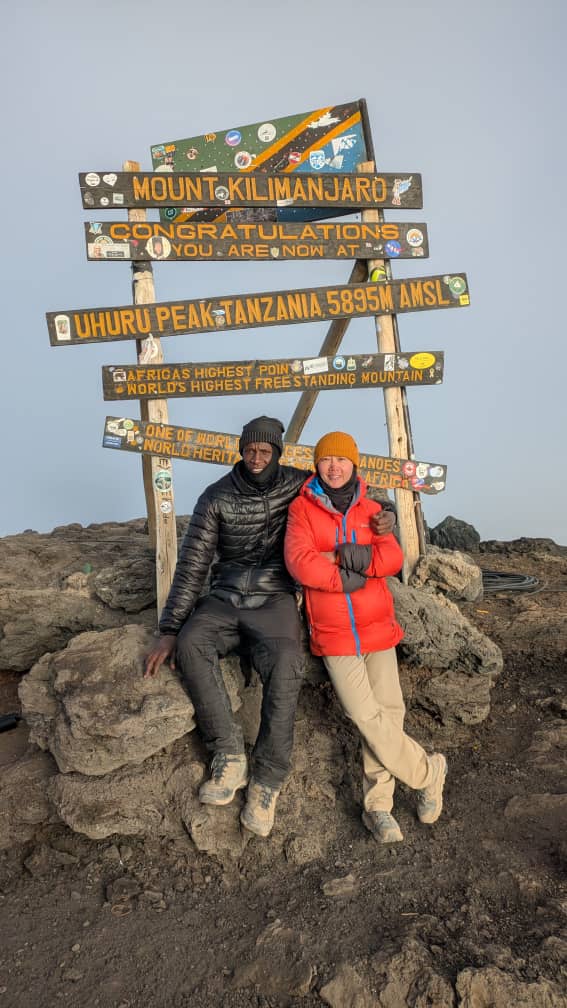
October Kilimanjaro Summit Temperature 2026-2027
October Kilimanjaro Summit Temperature is explained with current 2026-2027 planning, price, itinerary and booking information.
View package details
September Kilimanjaro Summit Night Temperature 2026-2027
September Kilimanjaro Summit Night Temperature is explained with current 2026-2027 planning, price, itinerary and booking information.
View package details
June Kilimanjaro Private Summit Package 2026-2027
June Kilimanjaro Private Summit Package is explained with current 2026-2027 planning, price, itinerary and booking information.
View package details
Late June Kilimanjaro Summit Expeditions: Your Ultimate Guide For 2026-2027
Discover the best conditions and crucial planning tips for a Late June Kilimanjaro summit expedition in 2026 and 2027. This comprehensive guide covers weather, routes, packing, and how to...
View package details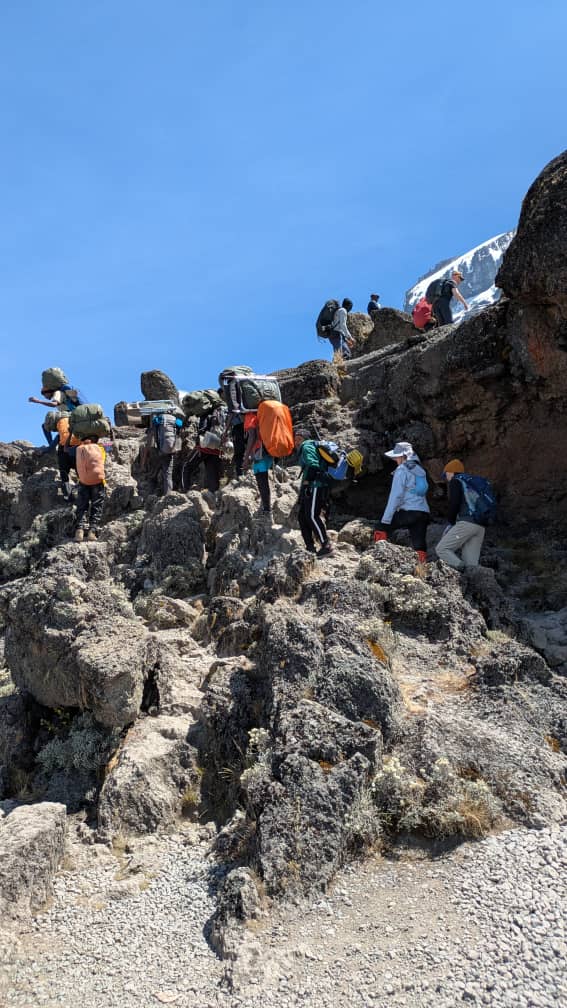
Early June Kilimanjaro Climbing Packages: Your Guide To Summiting In 2026-2027
Planning an early June Kilimanjaro climb in 2026 or 2027? This comprehensive guide from Top Guide Adventures covers everything you need to know, from ideal routes and weather patterns to...
View package details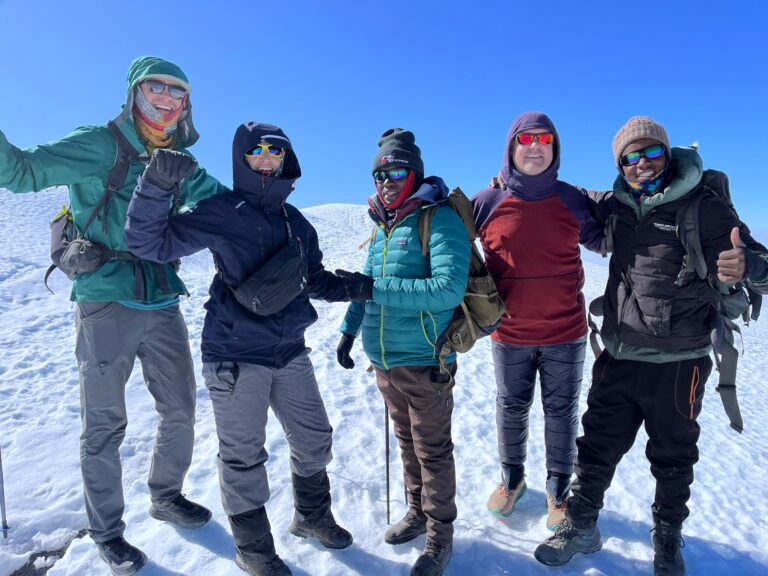
Early October Kilimanjaro Climbing Packages: Your Guide To Summit Success
Planning an early October climb of Kilimanjaro? This guide covers everything you need to know about packages, routes, weather, and preparation for your 2026-2027 adventure.
View package details
September Kilimanjaro Full-Moon Summit Trek Guide
Discover the magic of a September Kilimanjaro full-moon summit trek. This comprehensive guide covers everything from planning and routes to what to expect during your 2026-2027 lunar...
View package details
August Kilimanjaro Luxury Summit Package: Your Ultimate Guide 2026-2027
Plan your August Kilimanjaro climb with a luxury summit package. This comprehensive guide covers the best routes for August, premium inclusions, expected costs for 2026-2027, and expert...
View package detailsKilimanjaro Weather And Temperature In August 2026-2027
Kilimanjaro Weather and Temperature in August is explained with current 2026-2027 planning, price, itinerary and booking information.
View package details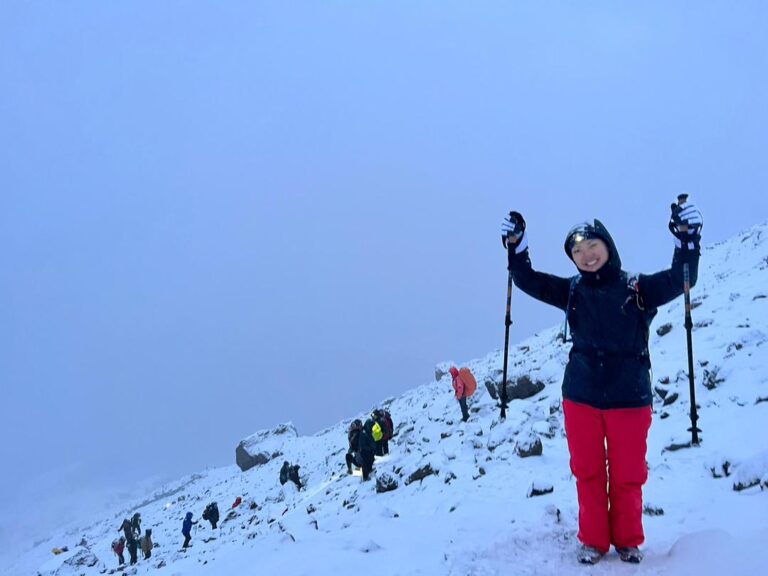
August Kilimanjaro Guaranteed Summit Departures With Top Guide Adventures
Planning a Kilimanjaro climb in August? Top Guide Adventures offers guaranteed summit departures for 2026 and 2027. Learn about the best routes, essential preparations, and what makes...
View package detailsJuly Kilimanjaro Summit Night Clothing Guide
Summiting Kilimanjaro in July means preparing for extreme cold on summit night. This guide details the essential clothing layers and gear needed to stay warm and safe, ensuring your...
View package details
June Kilimanjaro Climb After A Safari: Your Ultimate Guide 2026-2027
Combining a Tanzania safari with a Kilimanjaro climb in June is an unforgettable adventure. This guide covers everything you need to know for a successful 2026-2027 trip, from weather...
View package detailsNo related package matches those filters. Clear one or more filters to see the other topic-matched options.



