
Combining a July Kilimanjaro climb with a Northern Serengeti safari offers an exceptional Tanzanian adventure, characterized by dry weather for trekking and peak migration season for wildlife viewing. This combination typically involves a 5-9 day Kilimanjaro ascent followed by a 3-5 day safari, often focusing on the Northern Serengeti where the Great Migration is typically found in July. Expect clear skies and cooler temperatures on the mountain, and abundant wildlife, including river crossings, on the plains. Planning for 2026-2027 allows for securing preferred dates and guides with Top Guide Adventures, known for personalized service and expert support.
Why July is Prime Time for Kilimanjaro and Serengeti Adventures
Choosing July for your Kilimanjaro climb and Northern Serengeti safari is a strategic decision that pays dividends in terms of experience. Tanzania experiences two main dry seasons, and July falls squarely within the longer, more established dry period. This translates to clearer skies, less humidity, and significantly reduced rainfall, making both the ascent of Kilimanjaro and the safari drives more comfortable and visually rewarding.
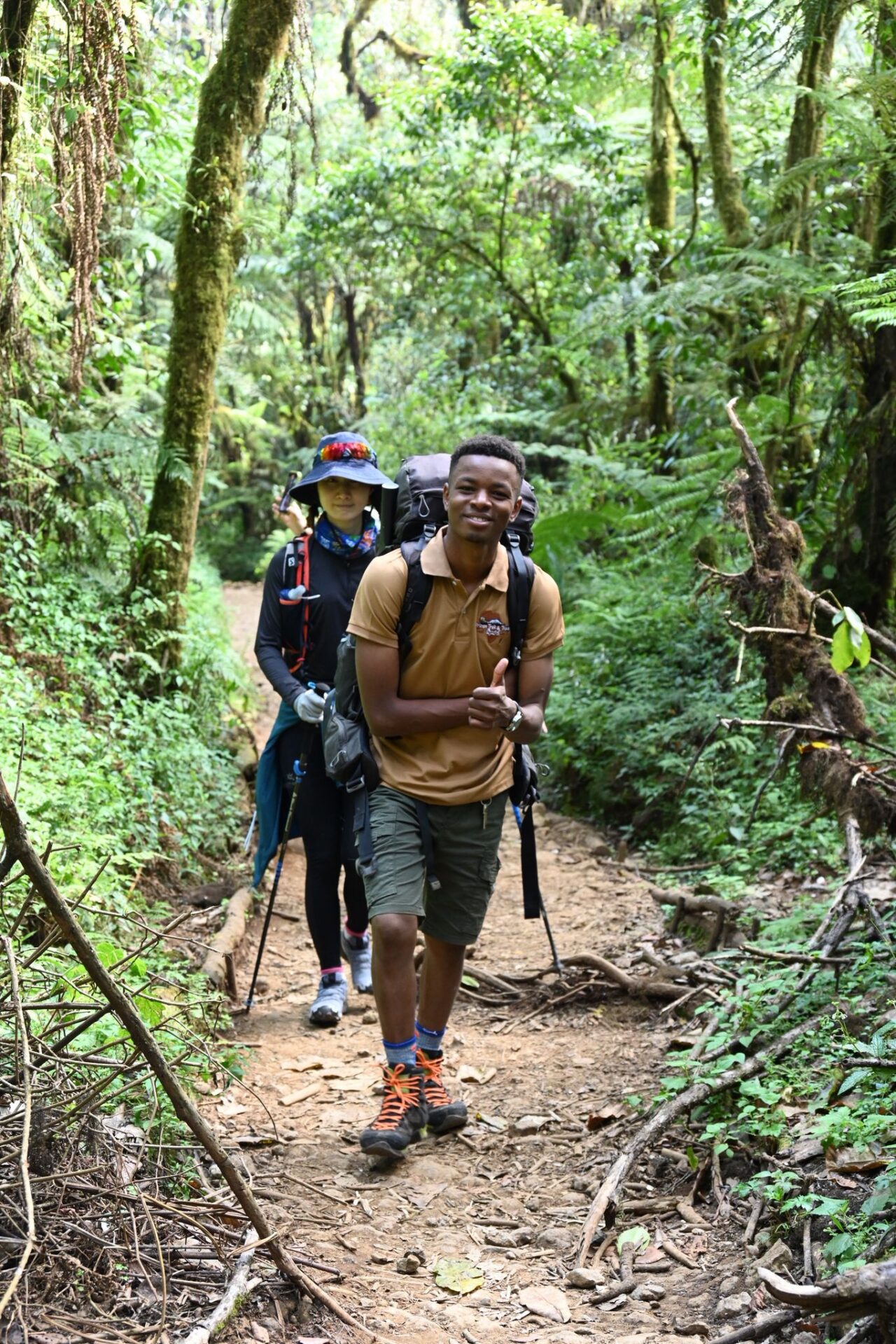
For Kilimanjaro, the dry conditions mean better trail visibility, less slippery paths, and more predictable weather patterns. While still a challenging trek, the reduced chance of rain and fog enhances safety and enjoyment. The temperatures on the mountain in July are cooler, especially at higher altitudes, with daytime highs potentially in the 60s°F (15-20°C) in the lower regions and dropping significantly below freezing at the summit, requiring appropriate gear. The clear nights offer spectacular stargazing opportunities.
The Northern Serengeti in July is synonymous with the Great Migration. This is the period when vast herds of wildebeest and zebras are typically found in the northern reaches of the Serengeti, often congregating near the Mara River. This offers a prime opportunity to witness dramatic river crossings, a highlight for many safari-goers. The dry season also means wildlife congregates around water sources, making sightings more reliable across the park. The landscape, while dry, is still beautiful, and the absence of heavy rains means better accessibility for safari vehicles.
For travelers planning for 2026 and 2027, booking this popular combination well in advance is highly recommended. July is peak season for both Kilimanjaro and the Serengeti, meaning accommodations and permits can fill up quickly. Early booking ensures you secure your preferred dates, climb routes, and safari lodges or camps with Top Guide Adventures.
Crafting Your Kilimanjaro Climb: Route Selection in July
Selecting the right Kilimanjaro route is crucial for a successful and enjoyable climb, especially during the dry season of July. The choice of route impacts difficulty, acclimatization profile, scenery, and success rates. For a July climb, all routes are generally accessible, but their suitability varies based on your priorities.
The Machame Route: A Popular Choice for July Climbs
The Machame Route, often called the “Whiskey Route,” is one of the most popular choices for climbers and is well-suited for July. It is known for its scenic beauty and excellent acclimatization profile, which leads to higher success rates. Typically completed over 6 or 7 days, the Machame route offers a “climb high, sleep low” strategy that aids acclimatization.
- Duration: 6 or 7 days (7 days recommended for better acclimatization).
- Scenery: Diverse, from rainforest to alpine desert and arctic zones.
- Acclimatization: Good, due to its winding ascent.
- Crowds: Can be busy, even in July, due to its popularity.
- Accommodation: Camping.
- Pros for July: Excellent success rates, beautiful views, good acclimatization.
- Cons for July: Can be crowded, requires camping.
Top Guide Adventures offers Machame Route climbs with expert guides and support crews, ensuring you are well-prepared for the conditions in July 2026 or 2027. Visit their Machame Route group departures page for available dates.
The Lemosho Route: Scenery and Success in July
The Lemosho Route is another excellent option for a July climb, renowned for its stunning scenery and remote feel, especially in its early stages. It also offers a superior acclimatization profile, often considered one of the best for summit success. It’s typically offered as a 7 or 8-day trek.
- Duration: 7 or 8 days (8 days is ideal for acclimatization).
- Scenery: Arguably the most beautiful route, starting in the western rainforest.
- Acclimatization: Excellent, with a longer, slower ascent.
- Crowds: Less crowded in the initial days than Machame.
- Accommodation: Camping.
- Pros for July: High success rate, spectacular views, remote start, great acclimatization.
- Cons for July: Longer duration means higher cost, still can get busy later on.
For those prioritizing acclimatization and scenery for their July Kilimanjaro climb, the Lemosho route is a top contender. Top Guide Adventures can tailor Lemosho itineraries for your 2026-2027 adventure.
The Marangu Route: The “Coca-Cola” Trail
The Marangu Route, often called the “Coca-Cola” or “Tourist” route, is the oldest and most established path up Kilimanjaro. It’s distinctive for being the only route that offers dormitory-style hut accommodation instead of camping. It’s typically a 5 or 6-day trek.
- Duration: 5 or 6 days (5 days is very challenging and has low success rates).
- Scenery: Less varied than other routes, as it ascends and descends the same path.
- Acclimatization: Poor, especially on the 5-day option, leading to lower success rates.
- Crowds: Can be very busy, especially the 5-day option.
- Accommodation: Huts.
- Pros for July: Hut accommodation offers more comfort from the elements, potentially easier for those who dislike camping.
- Cons for July: Lower success rates due to poor acclimatization, less scenic, can be crowded.
While Marangu offers huts, for a combined Kilimanjaro and Serengeti trip in July 2026 or 2027, routes like Machame or Lemosho are generally preferred for their higher success rates and better acclimatization, which is vital when preparing for a demanding safari afterward.
Other Routes: Rongai, Northern Circuit, and Umbwe
- Rongai Route: Approaches from the north, offering a different perspective. It’s a good option in drier conditions like July, as it receives less rain. Typically 6 or 7 days.
- Northern Circuit: The longest route (9 days), offering the best acclimatization and highest success rates. It circles the mountain, providing varied views and a more remote experience. Ideal for those with ample time and a desire for comfort and success.
- Umbwe Route: The shortest and steepest route, offering the fastest ascent but the poorest acclimatization. It’s only recommended for experienced, fit hikers who are well-acclimatized. Generally not recommended for a first-time Kilimanjaro climb, especially when combined with a safari.
For a July Kilimanjaro climb, Top Guide Adventures typically recommends the Machame or Lemosho routes for their balance of scenery, acclimatization, and success rates. The Northern Circuit is excellent for those prioritizing success and comfort over duration. When planning your July Kilimanjaro climb with Northern Serengeti safari for 2026 or 2027, discuss these options with your Top Guide Adventures consultant.
Kilimanjaro Packing Essentials for July
July on Kilimanjaro means dealing with potentially cold, dry conditions. Layering is key. Your packing list should include:
- Base Layers: Moisture-wicking thermal tops and bottoms (merino wool or synthetic).
- Mid Layers: Fleece jackets or insulated jackets for warmth.
- Outer Layer: Waterproof and windproof jacket and trousers (Gore-Tex or similar).
- Insulation: A warm down or synthetic insulated jacket for summit night.
- Headwear: Warm beanie hat, sun hat with a brim, balaclava or neck gaiter.
- Handwear: Warm gloves or mittens, and liner gloves.
- Footwear: Broken-in waterproof hiking boots, comfortable camp shoes or trainers, wool hiking socks (multiple pairs).
- Trekking Poles: Essential for stability and reducing knee strain.
- Sleeping Bag: A 4-season bag rated to at least -10°C (0°F).
- Headlamp: With extra batteries.
- Sun Protection: High SPF sunscreen, lip balm with SPF, sunglasses.
- Hydration: Water bottles or hydration reservoir (at least 3 liters capacity). Consider an insulated sleeve to prevent freezing.
- Personal Items: First-aid kit, toiletries, hand sanitizer, camera, power bank.
Top Guide Adventures provides a comprehensive packing list upon booking your July Kilimanjaro climb for 2026 or 2027.
The Northern Serengeti Safari Experience in July
July is a highlight for Serengeti safaris, primarily due to the presence of the Great Migration. The northern sector of the Serengeti, including areas around the Mara River, becomes the focal point. This is where the dramatic river crossings, a bucket-list wildlife event, are most likely to occur.
The Great Migration in the Northern Serengeti
By July, the massive herds of wildebeest and zebras, having completed their calving season in the south and traversed the central plains, typically begin their journey northwards. They are driven by the instinct to find fresh grazing and water, and the Mara River presents a significant obstacle. The sheer numbers are staggering, with millions of animals making this perilous journey.
Witnessing a river crossing is an intense and unforgettable experience. Herds gather nervously on the riverbanks, probing for a safe place to cross. Predators like crocodiles lie in wait in the murky waters, and lions and hyenas often patrol the banks, ready to pick off the weak or stragglers. The spectacle is raw, powerful, and a profound reminder of nature’s cycles.
Even if you don’t witness a dramatic crossing, the sight of the vast herds spread across the plains is awe-inspiring. The concentration of herbivores also attracts a high density of predators – lions, leopards, cheetahs, hyenas, and wild dogs are often seen hunting or resting in the vicinity. This makes July an exceptional time for predator sightings.
Key Wildlife Viewing Areas in the Northern Serengeti
While the entire Northern Serengeti is active in July, certain areas are particularly renowned:
- Mara River: The epicenter of wildebeest crossings. Areas like Kogatende and Lamai Wedge are prime spots.
- Grumeti River: While the main crossing action is at the Mara, the Grumeti River can also offer impressive sights, though typically earlier in the season.
- Kogatende: Known for its open plains that support large numbers of wildebeest and zebras, and thus their predators.
- Lamai Triangle: A scenic area where the Mara River bends, offering opportunities for both crossings and general game viewing.
Top Guide Adventures specializes in crafting safari itineraries that maximize your chances of witnessing these incredible phenomena during your Northern Serengeti safari as part of your July Kilimanjaro climb package for 2026-2027.
Safari Accommodation Options in the Northern Serengeti
Accommodation in the Northern Serengeti ranges from luxury lodges to tented camps, offering different levels of comfort and immersion. For the best experience during the migration season, staying in mobile or permanent tented camps closer to the action is highly recommended.
- Luxury Lodges: Offer high-end amenities, swimming pools, fine dining, and often stunning views. Examples include Singita Mara River Tented Camp or Sayari Camp.
- Tented Camps (Mid-Range to Luxury): Provide a more intimate safari experience. Permanent camps offer more robust facilities, while mobile camps are strategically moved to follow the migration. These offer comfortable canvas tents with en-suite bathrooms.
- Budget Camps: More basic facilities, often with shared bathrooms, but still offering a genuine safari feel.
Choosing the right accommodation is vital for your comfort after a day of game drives and for positioning yourself optimally to witness the migration. Top Guide Adventures works with a range of partners to suit different preferences and budgets for your July Northern Serengeti safari in 2026 or 2027.
What to Pack for Your Serengeti Safari
Safari packing differs from Kilimanjaro packing, focusing on comfort, sun protection, and discreet colors:
- Clothing: Lightweight, breathable clothing in neutral colors (khaki, beige, olive green). Avoid black and blue, which can attract tsetse flies, and white, which gets dirty easily. Include long-sleeved shirts and trousers for sun and insect protection.
- Outerwear: A light jacket or fleece for cooler mornings and evenings.
- Footwear: Comfortable walking shoes or trainers. You won’t be doing much walking outside the vehicle.
- Sun Protection: Wide-brimmed hat, sunglasses, high SPF sunscreen.
- Insect Repellent: Especially important for evenings.
- Binoculars: Essential for spotting wildlife at a distance.
- Camera: With extra batteries and memory cards. A zoom lens is highly recommended.
- Personal Items: Small backpack, reusable water bottle, personal medications.
Sample Itinerary: 7-Day Kilimanjaro Climb & 4-Day Northern Serengeti Safari
This sample itinerary provides a framework for a combined July Kilimanjaro climb with Northern Serengeti safari, designed for 2026-2027 travel. It balances the physical demands of the trek with the wildlife viewing opportunities.
Day 1-7: Kilimanjaro Climb (Machame Route Example)
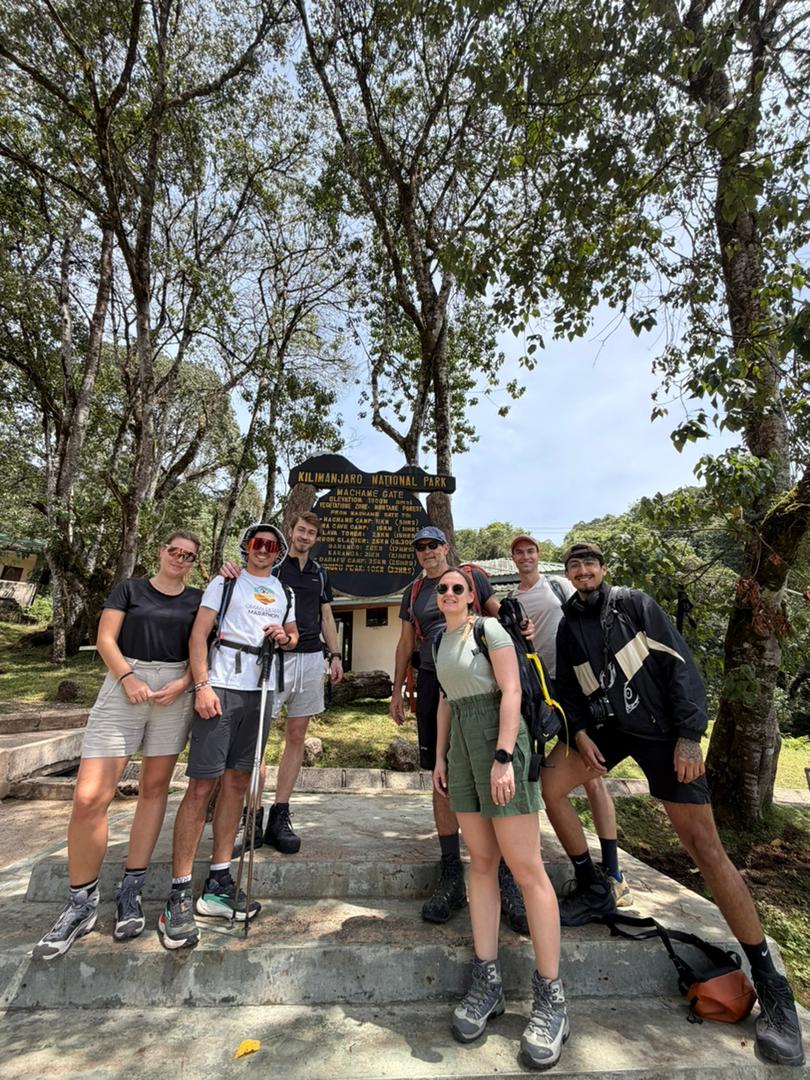
- Day 1: Machame Gate (1,800m) to Machame Camp (3,050m). Trek through rainforest.
- Day 2: Machame Camp to Shira 2 Camp (3,850m). Cross moorland.
- Day 3: Shira 2 Camp to Barranco Camp (3,950m). Scenic day with Lava Tower.
- Day 4: Barranco Camp to Karanga Camp (4,000m). The Barranco Wall scramble.
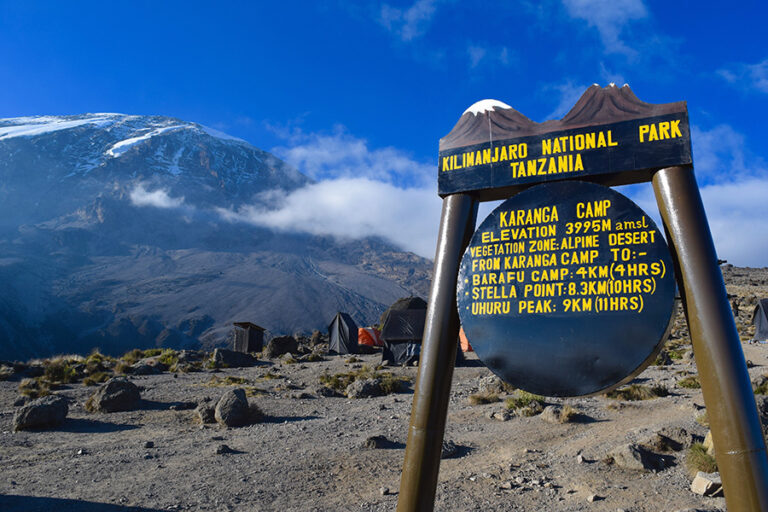
- Day 5: Karanga Camp to Barafu Camp (4,650m). Approach the alpine desert.
- Day 6: Barafu Camp to Summit (Uhuru Peak, 5,895m) then to Mweka Camp (3,100m). Summit night and descent.
- Day 7: Mweka Camp to Mweka Gate (1,600m). Final descent and transfer to Arusha.
Note: This is a 7-day Machame climb. Other routes and durations are available.
Day 8: Arusha to Northern Serengeti (Kogatende/Lamai)
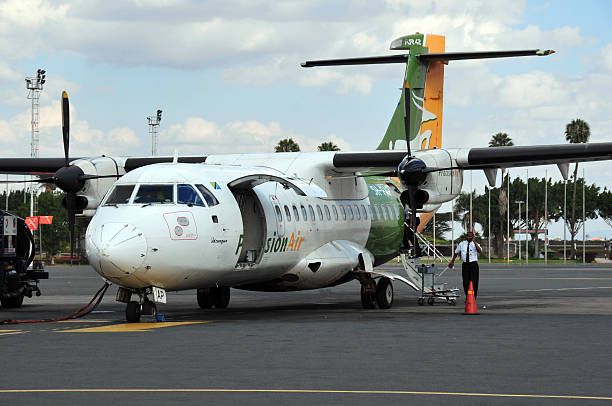
After breakfast in Arusha, you’ll be transferred to Arusha Airport (ARK) for a scenic flight to Kogatende Airstrip in the Northern Serengeti. Upon arrival, you’ll be met by your safari guide and begin your game drive en route to your lodge or camp. Depending on the season and migration location, you might have your first glimpse of the vast herds.
Day 9: Full Day Game Drive in Northern Serengeti
Explore the Kogatende or Lamai Wedge area, focusing on the Mara River and surrounding plains. This is prime territory for witnessing potential river crossings of wildebeest and zebras. Your guide will track the herds and look for predator activity, including lions, leopards, and cheetahs. Enjoy a bush breakfast and lunch.
Day 10: Full Day Game Drive in Northern Serengeti
Continue your exploration of the Northern Serengeti. Depending on the migration’s movement, you might focus on different sections of the Mara River or explore other game-rich areas. Your guide will adapt the itinerary to maximize wildlife viewing opportunities. Enjoy a final sundowner in the Serengeti as you reflect on the incredible sights.
Day 11: Morning Game Drive & Departure
Enjoy a final morning game drive in the Serengeti, perhaps searching for any wildlife you may have missed. After breakfast, you will be transferred back to Kogatende Airstrip for your flight back to Arusha. From Arusha, you can connect to your onward international flight or spend an extra night.
This itinerary offers a robust combination, but Top Guide Adventures can customize durations and routes for your July Kilimanjaro climb with Northern Serengeti safari in 2026-2027. For instance, a 6-day Kilimanjaro climb would allow for an extra day on safari.
Understanding the Costs for July 2026-2027
The cost of a combined Kilimanjaro climb and Northern Serengeti safari in July is influenced by several factors, including the duration of each activity, the chosen Kilimanjaro route, the level of accommodation on safari, and the number of people in your group.
Kilimanjaro Climb Costs
Kilimanjaro climb costs are generally structured per person and include:
- Park entrance fees, camping/hut fees, rescue fees.
- Salaries for guides, cooks, and porters.
- All meals during the climb.
- Tents, cooking equipment, and group camping gear.
- Boiled water, tea, coffee.
- Transfers to and from the mountain gate.
Price Ranges (per person, estimate for 2026-2027):
- 6-day climbs: $1,800 – $2,500+
- 7-day climbs: $2,000 – $2,800+
- 8-day climbs (e.g., Lemosho, Northern Circuit): $2,200 – $3,200+
These prices can vary significantly based on the operator’s quality, group size (private vs. group), and the inclusion of extras like sleeping bag rental or bottled oxygen.
Northern Serengeti Safari Costs
Safari costs are typically calculated per person per day and include:
- Park entrance fees for Serengeti National Park.
- Accommodation (lodge or tented camp).
- All meals and drinking water during the safari.
- A 4×4 safari vehicle with a professional driver-guide.
- Fuel for the vehicle.
- Internal flights (e.g., Arusha to Kogatende).
Price Ranges (per person, per day, estimate for 2026-2027):
- Budget/Mid-Range Camps: $300 – $500+ per day.
- Luxury Lodges/Camps: $600 – $1,200+ per day.
The internal flights to the Northern Serengeti (Kogatende) can add approximately $300-$450 per person round trip.
Estimated Total Cost for Combined Trip
A typical July Kilimanjaro climb with Northern Serengeti safari (e.g., 7-day climb + 4-day safari) for 2026 or 2027 could range from approximately $3,800 to $7,000+ per person, depending heavily on the chosen route, accommodation standards, and group size.
Factors Affecting Price:
- Private vs. Group Climb: Private climbs are more expensive. Top Guide Adventures offers excellent group departure dates for 2026-2027 which can be more economical.
- Accommodation Level: Luxury lodges and camps significantly increase safari costs.
- Route Choice: Longer routes like the Northern Circuit are more expensive due to more days and higher park fees.
- Duration: Longer climbs or safaris naturally increase the overall cost.
- Inclusions: Some operators include items like sleeping bags or gratuities, while others do not. Always check what’s included.
Top Guide Adventures provides detailed, all-inclusive quotes tailored to your specific preferences for your July Kilimanjaro climb and Northern Serengeti safari. Requesting a personalized quote for 2026 or 2027 is the best way to get an accurate cost.
Top Guide Adventures Quote Considerations for July 2026-2027
When you request a quote from Top Guide Adventures for your July Kilimanjaro climb with Northern Serengeti safari, be prepared to discuss:
- Preferred Kilimanjaro route and duration (e.g., 7-day Machame).
- Number of days for your Northern Serengeti safari (e.g., 4 days).
- Preferred safari accommodation style (budget, mid-range, luxury).
- Number of people in your group (private or joining a group).
- Any specific interests or requirements.
This information helps them tailor the perfect itinerary and provide an accurate, competitive quote for your 2026-2027 adventure.
Booking Your July Adventure: What to Expect
Booking a combined Kilimanjaro climb and Serengeti safari requires careful planning. Top Guide Adventures simplifies this process with personalized service and expert advice.
The Booking Process with Top Guide Adventures
- Inquiry: Contact Top Guide Adventures via email (topguideadventures@gmail.com or info@topguideadventures.com) or WhatsApp (+255616946642) with your desired travel dates (e.g., July 2026 or July 2027), preferred activities (Kilimanjaro climb, Northern Serengeti safari), and any specific requests.
- Consultation & Quote: A travel specialist will discuss your options, recommend suitable routes and safari itineraries, and provide a detailed, personalized quote.
- Itinerary Confirmation: Once you are happy with the quote and itinerary, you will confirm your booking.
- Deposit: A deposit is typically required to secure your booking and dates. This allows Top Guide Adventures to book permits, guides, accommodations, and internal flights.
- Pre-Trip Information: You will receive comprehensive pre-trip information, including packing lists, training advice for Kilimanjaro, and visa/vaccination guidance.
- Final Payment: The balance is usually due a few weeks before your departure date.
- Arrival in Tanzania: Your adventure begins! You’ll be met at the airport and transferred to your hotel, with your guide and team ready to support you.
Visa and Health Requirements for 2026-2027
- Visas: Most nationalities require a tourist visa for Tanzania. This can often be obtained online in advance (e-Visa) or upon arrival at Kilimanjaro International Airport (JRO). Check the latest requirements for your nationality well before your trip.
- Vaccinations: Yellow Fever vaccination is often required if arriving from or transiting through a country with a risk of Yellow Fever. Consult your doctor or a travel clinic for recommended vaccinations (e.g., Hepatitis A, Typhoid) and malaria prophylaxis.
- Travel Insurance: Comprehensive travel insurance is essential. It should cover trip cancellation, medical emergencies, and importantly, high-altitude trekking and helicopter evacuation for Kilimanjaro.
Travel Insurance Considerations
For a July Kilimanjaro climb with Northern Serengeti safari, ensuring your travel insurance covers all aspects is paramount. Specifically:
- High Altitude Coverage: Make sure your policy covers trekking up to 5,895 meters (Uhuru Peak).
- Evacuation: Coverage for emergency medical evacuation, including helicopter rescue from Kilimanjaro, is critical.
- Trip Cancellation/Interruption: Protects your investment if unforeseen circumstances prevent you from traveling or completing your trip.
- Medical Expenses: Covers any medical treatment needed during your trip.
Top Guide Adventures can provide guidance on the type of insurance you should look for when booking your 2026-2027 adventure.
Preparing for Your Kilimanjaro Climb and Safari
Successful preparation is key to enjoying both the physical challenge of Kilimanjaro and the wildlife immersion of the Serengeti.
Physical Training for Kilimanjaro
Kilimanjaro is a demanding trek that requires good cardiovascular fitness and leg strength. Start training at least 2-3 months before your climb:
- Cardio: Engage in regular aerobic activities like running, cycling, swimming, or brisk walking for at least 3-4 times a week.
- Hiking: The most crucial training is hiking with a weighted backpack. Aim for long hikes (4-6 hours) on weekends, ideally with elevation gain.
- Strength Training: Focus on leg exercises (squats, lunges) and core strength.
- Stamina: Practice hiking for extended periods to build endurance.
The goal is to make walking for hours feel comfortable. Altitude is the biggest challenge, but good physical condition helps your body cope better and allows you to focus on acclimatization.
Mental Preparation
The mental aspect of climbing Kilimanjaro is as important as the physical. Be prepared for:
- Long days: Summit night can be 10-12 hours of trekking.
- Challenging conditions: Cold, wind, and fatigue are common.
- Patience: “Pole pole” (slowly, slowly) is the mantra.
- Positive Attitude: Believing in yourself and your team is vital.
The reward of reaching Uhuru Peak, and the subsequent safari, makes the effort worthwhile.
Acclimatization on Kilimanjaro
Proper acclimatization is paramount for summit success and avoiding altitude sickness. Key principles include:
- Ascend Slowly: Choose longer routes (7-8 days) that allow for gradual ascent.
- Hydrate: Drink plenty of water (3-4 liters per day).
- Eat Well: Maintain energy levels with regular meals.
- Avoid Alcohol and Smoking: These hinder acclimatization.
- Listen to Your Body: Report any symptoms of altitude sickness to your guide immediately.
Top Guide Adventures’ guides are trained to monitor climbers for signs of altitude sickness and manage the ascent accordingly, prioritizing your safety on your July Kilimanjaro climb.
Combining Your Adventures: Logistics and Considerations
Successfully combining a Kilimanjaro climb and a Northern Serengeti safari involves careful logistical planning, especially regarding transfers and timing.
Transfers and Flights
Top Guide Adventures handles all necessary transfers:
- Airport Transfers: Pick-up from Kilimanjaro International Airport (JRO) or Arusha Airport (ARK) and transfer to your hotel in Arusha.
- Arusha to Kilimanjaro Gate: Private road transfer from your Arusha hotel to the starting point of your chosen Kilimanjaro route.
- Kilimanjaro Gate to Arusha: Transfer back to Arusha after your descent.
- Arusha to Serengeti: A domestic flight from Arusha Airport (ARK) to Kogatende Airstrip (Northern Serengeti). This is the most efficient way to reach the Northern Serengeti in July, saving considerable driving time.
- Serengeti Airstrip to Lodge/Camp: Your safari guide will meet you at the airstrip for a game drive en route to your accommodation.
- Serengeti to Arusha: A return flight from Kogatende Airstrip to Arusha Airport (ARK).
Booking these internal flights well in advance is crucial, especially for peak season travel in July 2026 and 2027.
Timing Your Trip
A typical combined trip might look like this:
- Day 1: Arrive in Arusha, overnight.
- Day 2-8: 7-day Kilimanjaro climb.
- Day 8: Transfer to Arusha, overnight.
- Day 9-12: 4-day Northern Serengeti Safari.
- Day 12: Fly back to Arusha, depart or overnight.
This allows for a day of rest between the climb and the safari, which is highly recommended. You can adjust the duration of the climb (e.g., 6 or 8 days) and the safari (e.g., 3 or 5 days) based on your preferences and available time.
Why Choose Top Guide Adventures for Your 2026-2027 Journey?
Top Guide Adventures stands out as one of Tanzania’s trusted tour companies, offering:
- Personalized Service: Dedicated support and attention tailored to each client.
- Expert Guides: Experienced and certified guides for both Kilimanjaro and safari.
- Safety First: Prioritizing climber and traveler safety with well-trained crews and emergency protocols.
- Quality Equipment: High-quality camping gear and safari vehicles.
- Local Expertise: Deep knowledge of Tanzania’s landscapes, wildlife, and culture.
- Tailor-Made Journeys: Ability to customize itineraries to fit your exact needs and interests.
Whether you are planning your July Kilimanjaro climb with Northern Serengeti safari for 2026 or 2027, Top Guide Adventures is committed to providing an unforgettable and smooth travel experience. Their dedication to client care ensures peace of mind throughout your adventure.
For inquiries and bookings, reach out to Top Guide Adventures:
WhatsApp: +255616946642
Email: topguideadventures@gmail.com
Backup Email: info@topguideadventures.com
Website: www.topguideadventures.com
Explore their Tanzania safaris and group departure dates here: Tanzania Safari Group Departures.
Follow them on Instagram for stunning visuals: @top_guide_adventures.
Read client testimonials on TripAdvisor: Top Guide Adventures Reviews.
Check Availability for July Kilimanjaro Climb With Northern Serengeti Safari In 2026-2027
Ready to compare dates, prices, and the best option for your group? Send the package name and travel month so the team can reply with a clear quote, availability, and what is included.
Kilimanjaro Safari Package For Non-Climbing Companions: Options & Experiences
For those accompanying climbers to Kilimanjaro but not ascending the peak, specialized safari packages offer a fantastic way to experience Tanzania's renowned wildlife and landscapes. These...
View package details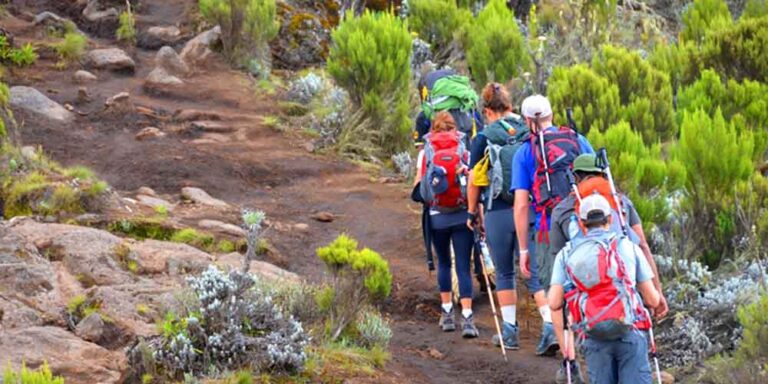
What Happens To The Rest Of Group During An Evacuation On A Tanzania Safari
When an individual requires evacuation during a group safari or Kilimanjaro climb in Tanzania, comprehensive safety protocols are in place for the remaining participants, ensuring their...
View package details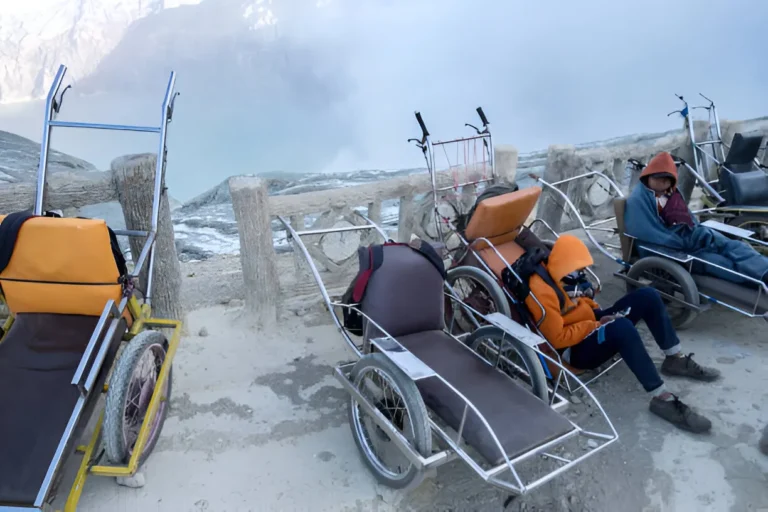
Kilimanjaro Climb With A Personal Support Assistant: Your Ultimate Guide
Climbing Mount Kilimanjaro with a personal support assistant offers unparalleled safety, comfort, and focus on your summit goals. This guide details what a personal assistant entails, its...
View package details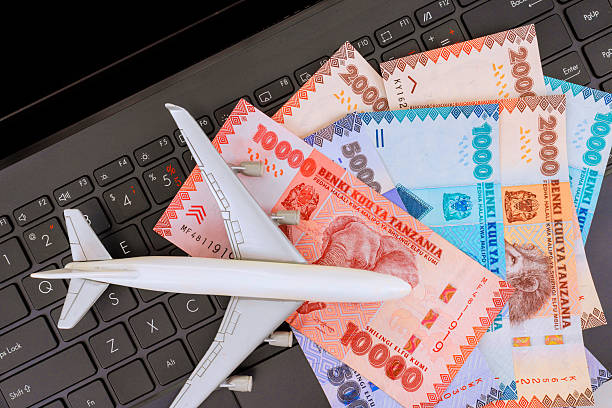
Kilimanjaro Hydration Mistakes Climbers Make And How To Avoid Them 2026-2027
Proper hydration is critical for a successful Kilimanjaro climb. This guide details common hydration mistakes climbers make, from under-drinking to choosing the wrong fluids, and provides...
View package details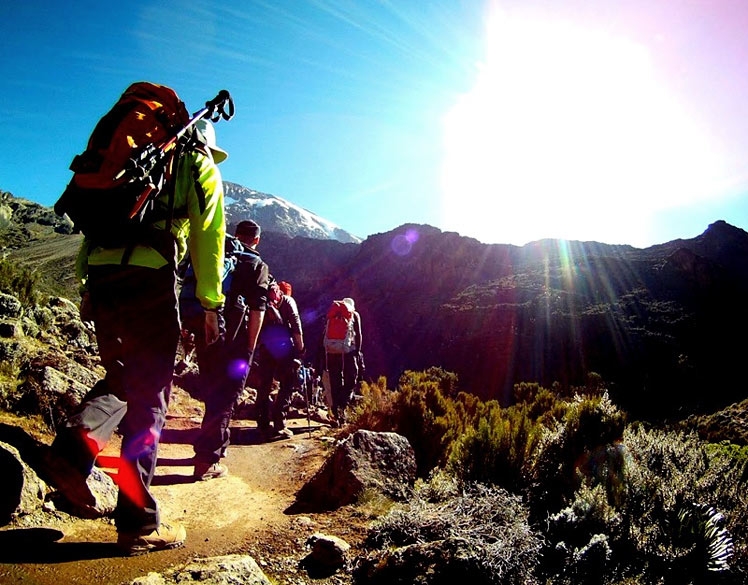
Kilimanjaro Summit-Night Mistakes To Avoid: Your Essential Guide For Climbs
Summit night on Kilimanjaro is the most challenging part of the climb. Avoiding common mistakes in acclimatization, gear, hydration, and pacing is crucial for success. This guide details...
View package details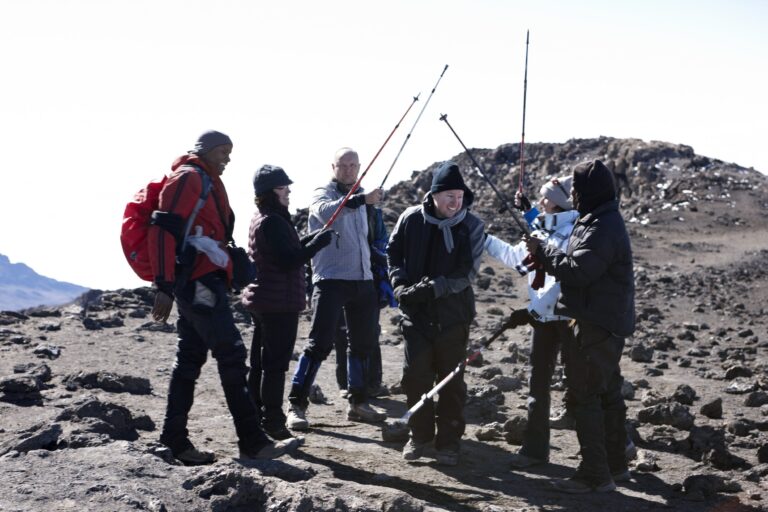
Kilimanjaro Airport Vs Arusha For Climbers: The Definitive Guide 2026-2027
A comprehensive comparison of Kilimanjaro International Airport (JRO) and Arusha Airport (ARK) for trekkers planning a Mount Kilimanjaro climb, detailing pros, cons, and booking advice for...
View package details
Kilimanjaro Climb For Retired Couples: Planning Your Adventure 2026-2027
Planning a Kilimanjaro climb as a retired couple is an achievable and rewarding goal. This guide offers in-depth advice on route selection, physical preparation, essential gear, and the...
View package details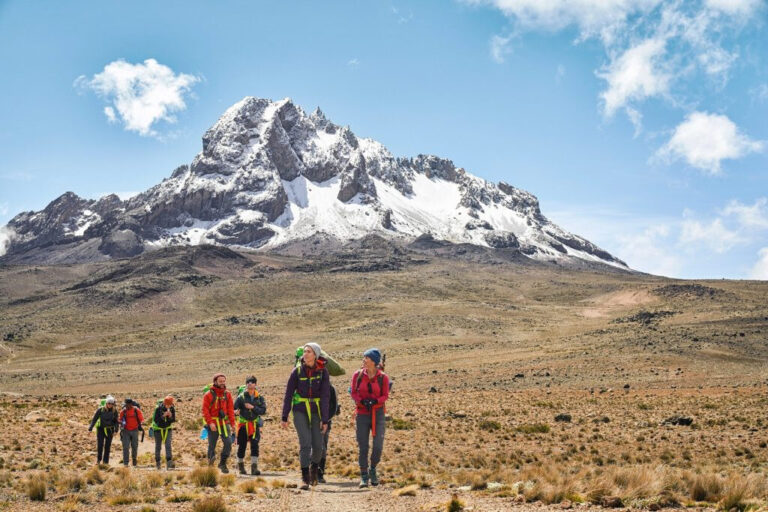
Can A 16-Year-Old Climb Kilimanjaro? Your Essential Guide 2026-2027
Discover if a 16-year-old can summit Kilimanjaro. This comprehensive guide covers age requirements, health, fitness, essential gear, and planning for younger trekkers aiming for Africa's...
View package details
Content For Parents And Young Climbers: Conquering Kilimanjaro Safely
Planning a Kilimanjaro climb with children or as a young climber requires special attention. This guide provides comprehensive content for parents and young adventurers, covering...
View package details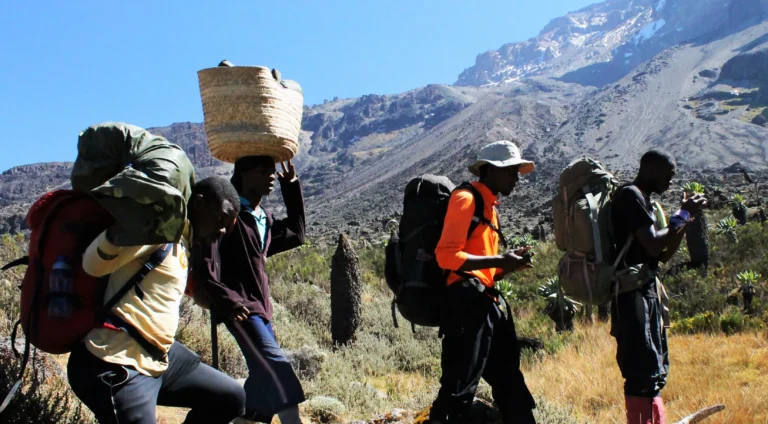
Kilimanjaro Tree-Planting Climbing Package Guide
Combine your dream Kilimanjaro climb with a meaningful conservation effort. Our Kilimanjaro Tree-Planting Climbing Package allows you to ascend Africa's highest peak while actively...
View package details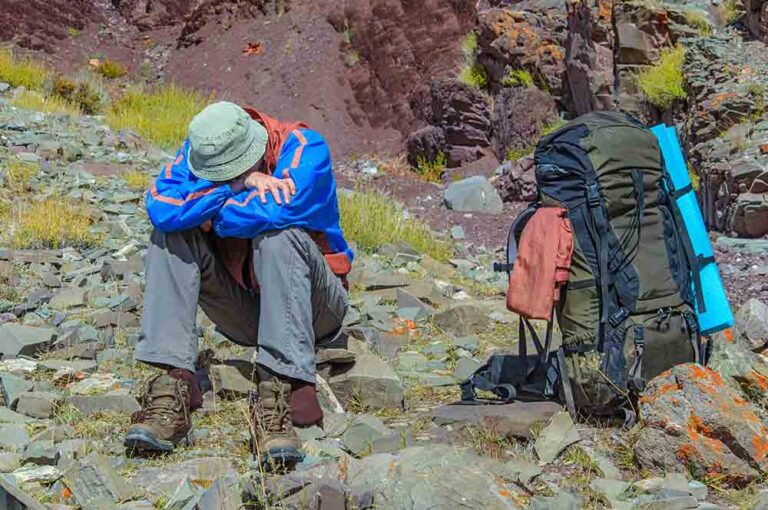
What Happens If It Rains Throughout Your Kilimanjaro Climb? 2026-2027
What Happens If It Rains throughout Your Kilimanjaro Climb? is explained with current 2026-2027 planning, price, itinerary and booking information.
View package details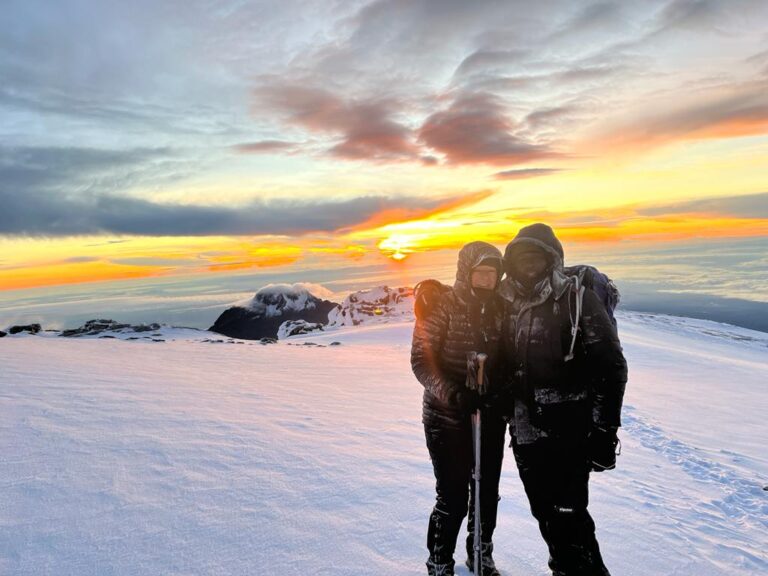
Kilimanjaro Early-Bird Climbing Discounts For Adventures 2026-2027
Plan your 2026-2027 Kilimanjaro climb and take advantage of early-bird discounts. Top Guide Adventures offers savings for those who book in advance, ensuring a memorable and affordable...
View package detailsNo related package matches those filters. Clear one or more filters to see the other topic-matched options.



