
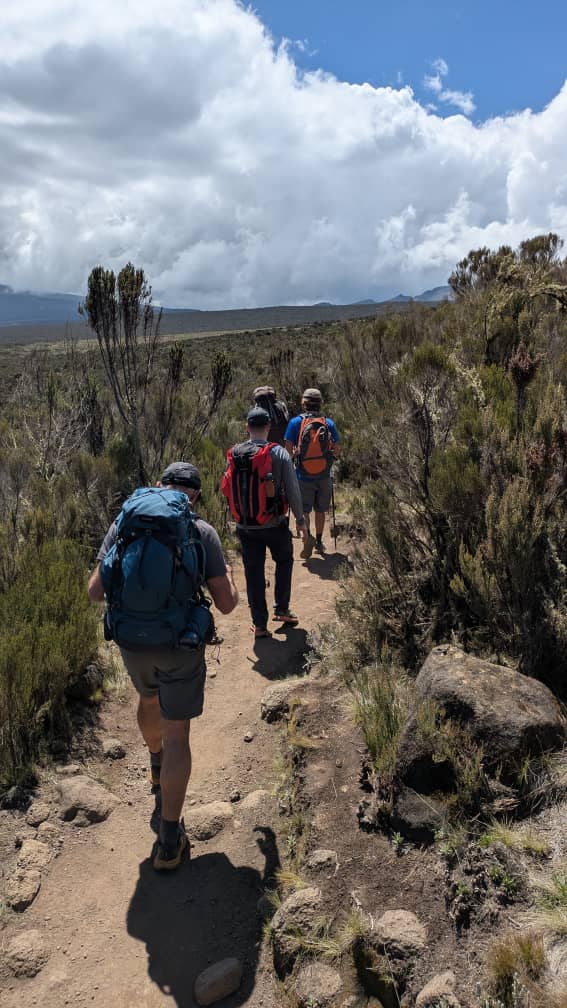
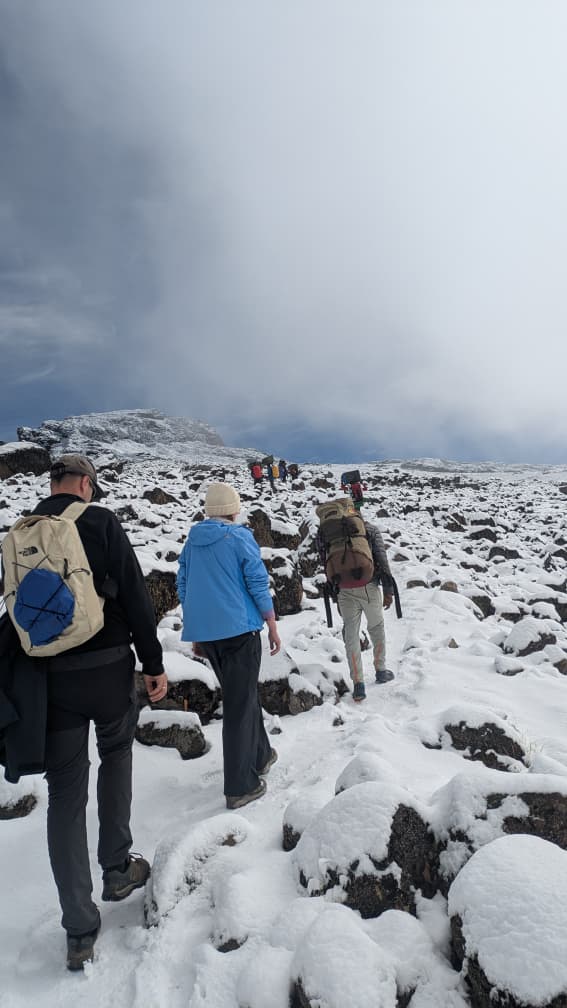
An August Kilimanjaro Photography Expedition is ideal for capturing stunning summit vistas and diverse landscapes due to typically dry weather, clear skies, and excellent visibility. This period offers cooler temperatures, making the climb more comfortable, and fewer crowds than the peak seasons, allowing for more focused photography. For 2026-2027, planning an August expedition means securing permits and guides in advance, with popular routes like Machame and Lemosho offering the best photographic opportunities.

Why an August Kilimanjaro Photography Expedition is Uniquely Rewarding
Mount Kilimanjaro, Africa’s highest peak, is a dream destination for trekkers and photographers alike. An August Kilimanjaro Photography Expedition combines the challenge of summiting a majestic mountain with the art of capturing its unparalleled beauty. August falls within Kilimanjaro’s second dry season, which generally runs from June to October. This period is celebrated for its stable weather patterns, offering some of the clearest skies of the year. For photographers, this translates into crisp air, reduced haze, and spectacular panoramic views stretching across the plains of Tanzania and into Kenya.
The advantage of an August climb for photography is significant. Unlike the rainy seasons, where cloud cover can obscure views and make photography difficult, August provides consistent sunshine. This allows for vibrant landscape shots, dramatic sunrise and sunset opportunities from various vantage points on the mountain, and clear views of the volcanic cones and glacial remnants at the summit. Furthermore, the cooler temperatures during August make the physical exertion of the climb more manageable, enabling you to focus more energy on your photographic pursuits rather than just enduring the elements.
Beyond the weather, August offers a slightly less crowded experience compared to the absolute peak months of July or January. While Kilimanjaro is always a popular destination, undertaking your August Kilimanjaro Photography Expedition means you might encounter fewer fellow trekkers, leading to more tranquil moments for setting up your shots and enjoying the solitude of the mountain. This is particularly beneficial for capturing the essence of the mountain without constant human presence in your frame.
Choosing the Right Route for Your August Kilimanjaro Photography Expedition
The route you select for your August Kilimanjaro Photography Expedition directly impacts your acclimatization, the scenery you’ll encounter, and thus, your photographic potential. Each path offers distinct landscapes, from lush rainforests to alpine deserts and glacial zones.
The Machame Route: A Photographer’s Favorite
Often lauded as one of the most scenic routes, the Machame Route (also known as the ‘Whiskey Route’) is a popular choice for many, including photographers. Its ‘climb high, sleep low’ strategy aids in acclimatization, which is crucial for both physical well-being and the ability to enjoy photography. The trail winds through diverse ecological zones, offering spectacular views of the Shira Plateau, the Barranco Wall, and Kibo’s crater rim. The dramatic landscapes and varied terrain provide abundant photographic opportunities.
Key photographic highlights on Machame:
- Lush montane forests at the lower elevations.
- The vast, open plains of the Shira Plateau.
- The imposing Barranco Wall, offering challenging but rewarding climbs and dramatic perspectives.
- Sunrise views from Stella Point or Uhuru Peak.
- Glacial formations near the summit.
A typical Machame expedition lasts 6 or 7 days. For an August Kilimanjaro Photography Expedition, the 7-day option is highly recommended to improve acclimatization and allow more time to appreciate and photograph the surroundings. This route’s popularity means it’s well-supported, with reliable operators like Top Guide Adventures offering excellent services for 2026 and 2027 expeditions.
The Lemosho Route: Wilderness and Grand Vistas
The Lemosho Route is considered by many to be the most beautiful route on Kilimanjaro. It starts in the remote western side of the mountain and offers a true wilderness experience before merging with the Machame route. Its longer duration (7-8 days) significantly increases summit success rates and provides ample time for acclimatization and photography.
Photographic advantages of Lemosho:
- Incredible panoramic views from the start, particularly across the Shira Plateau.
- Less crowded in the initial days, offering a more intimate connection with the mountain.
- Diverse scenery, from dense forest to volcanic rock and alpine zones.
- Excellent acclimatization profile, allowing trekkers to feel stronger and more present for photography.
If your priority for an August Kilimanjaro Photography Expedition is capturing unspoiled landscapes and enjoying a less-trafficked trail in its early stages, Lemosho is an outstanding choice. Planning for 2026 or 2027 allows ample time to book this popular route.
The Marangu Route: The ‘Coca-Cola’ Trail
The Marangu Route is the oldest and most established path up Kilimanjaro. It’s known for its gentler gradient and the unique opportunity to sleep in dormitory-style huts rather than tents. While often considered less scenic than Machame or Lemosho, it offers a different photographic experience and is a viable option for those seeking comfort or a shorter trek (5-6 days).
Photography considerations for Marangu:
- Faster ascent means potentially poorer acclimatization, which can affect energy for photography.
- Views can be more distant due to the trail’s path.
- The hut accommodation offers a unique angle for documenting the trek experience itself.
While an August Kilimanjaro Photography Expedition can be done via Marangu, it’s generally recommended for trekkers whose primary goal is reaching the summit with more comfort, rather than maximizing diverse landscape photography. The 6-day option offers better acclimatization and more time on the mountain.
Other Routes: Rongai and Northern Circuit
Rongai Route: This route approaches Kilimanjaro from the north, offering a different perspective and often drier conditions, which can be a plus even in August. It’s a good option for those seeking a less crowded trek and a chance to see wildlife in the lower reaches.
Northern Circuit: The longest route (9 days), the Northern Circuit circles the mountain, offering the best acclimatization and the most comprehensive views. It provides a slower pace, allowing photographers ample time to capture the full grandeur of Kilimanjaro from all sides. This is an excellent, albeit longer, choice for a dedicated August Kilimanjaro Photography Expedition in 2026-2027.
Recommendation for Photographers
For an August Kilimanjaro Photography Expedition, the Lemosho or Northern Circuit routes are highly recommended for their scenic beauty and superior acclimatization profiles, allowing more time and energy for photography. The Machame route is also an excellent, popular choice. Consider 7-day or longer itineraries for the best experience.
Essential Photography Gear for Your August Expedition
Your gear is paramount for capturing high-quality images during your August Kilimanjaro Photography Expedition. The mountain’s environment presents unique challenges, from fluctuating temperatures to potential moisture and altitude.
Camera Body and Lenses
DSLR or Mirrorless Camera: These offer the best image quality and flexibility. Consider a weather-sealed body for protection against dust and light moisture. For August, while dry, conditions can still change.
Lens Selection:
- Wide-angle lens (e.g., 16-35mm on full-frame): Essential for capturing expansive landscapes, sunrises, sunsets, and the vastness of Kilimanjaro’s caldera and surrounding plains.
- Mid-range zoom lens (e.g., 24-70mm): Versatile for general landscape shots, portraits of fellow trekkers, and details within the scenery.
- Telephoto lens (e.g., 70-200mm): Useful for compressing landscapes, isolating distant peaks, and capturing wildlife if you’re lucky enough to spot any on the lower slopes.
Prime lenses can offer superior image quality and low-light performance, but zoom lenses provide more versatility on the go.
Accessories for Optimal Shooting
- Tripod: A lightweight, sturdy tripod is crucial for low-light conditions (sunrise/sunset, starry nights), long exposures, and sharp landscape shots. Look for one with good stability against wind.
- Extra Batteries: Cold temperatures significantly drain battery life. Bring at least two or three fully charged spare batteries. Keep them warm in an inside pocket.
- Memory Cards: Pack plenty of high-capacity memory cards. You’ll be taking a lot of photos. Consider bringing more than you think you’ll need.
- Remote Shutter Release or Intervalometer: Minimizes camera shake for long exposures and allows you to take photos without touching the camera, useful for timed shots or when wearing gloves.
- Lens Cleaning Kit: Microfiber cloths, a lens brush, and lens cleaning solution are essential for keeping your optics free of dust and smudges.
- Camera Bag/Backpack: A comfortable, durable backpack with good padding is vital. Consider one with easy access to your camera for quick shots. Waterproof covers are highly recommended.
Protection and Power
- Camera Rain Cover/Sleeve: Even in the dry season, unexpected drizzles or mist can occur, especially at higher altitudes.
- Dry Bags: Excellent for protecting your camera gear from moisture inside your main backpack.
- Power Bank/Solar Charger: For recharging batteries and other electronics. While lodges have power, on the mountain, power is limited or non-existent. Ensure your power bank is rated for cold temperatures.
Photography Gear Tip for August
Focus on versatility and protection. A good zoom lens, extra batteries kept warm, and a robust camera bag with a rain cover will serve your August Kilimanjaro Photography Expedition well. Don’t forget a lightweight tripod for those magical summit sunrises!
Mastering Photography on Kilimanjaro: Tips for August Trekkers
Capturing the essence of Kilimanjaro requires more than just good gear; it demands an understanding of the environment, light, and the unique challenges of high-altitude trekking.
Timing is Everything: Sunrises, Sunsets, and Light
August offers generally clear conditions, making light management crucial. The best light for landscape photography is typically during the ‘golden hours’ – shortly after sunrise and before sunset. These times provide soft, warm light that accentuates textures and colors.
- Sunrise at the Summit: Reaching Uhuru Peak for sunrise is a bucket-list experience and a photographer’s dream. Be prepared for extreme cold (potentially -10°C to -20°C or colder with wind chill) and darkness. Use a tripod and a fast lens, or a high ISO setting. Focus on the silhouette of the cross, the glaciers, and the emerging sun painting the sky.
- Sunset Views: As you ascend, find vantage points to capture the sun setting over the plains below. This offers dramatic color palettes and long shadows that add depth to your images.
- Midday Light: Harsh midday sun can create strong contrasts and blown-out highlights. Use a polarizing filter to deepen blue skies and reduce glare, or shoot in the shade or focus on details where contrast is less of an issue.
Composition and Subject Matter
Kilimanjaro offers a rich variety of subjects:
- Expansive Landscapes: Utilize wide-angle lenses to convey the scale of the mountain and the surrounding scenery. Look for leading lines (trails, rock formations) to guide the viewer’s eye.
- Portraits: Capture the human element – the determination of fellow trekkers, the expertise of your guides, and the vibrant cultural dress of the porters.
- Details: Don’t overlook the small wonders – the unique flora and fauna in the lower forests, the texture of volcanic rock, the patterns of ice and snow at higher altitudes, and the star-filled night sky.
- The Summit: Focus on the iconic signs, the remaining glaciers, and the crater itself. The feeling of accomplishment is as much a part of the story as the view.
Acclimatization and Photography
Altitude sickness can severely impact your ability to enjoy and perform photography. Prioritize acclimatization:
- Pace Yourself: ‘Pole pole’ (slowly, slowly) is the mantra. Don’t rush. This gives you time to rest, observe, and take photos.
- Hydration: Drink plenty of water. Staying hydrated helps combat altitude sickness and keeps you feeling better, which translates to more energy for shooting.
- Listen to Your Body: If you feel unwell, rest. Pushing yourself can lead to severe altitude sickness, ending your expedition and your photographic opportunities.
Camera Settings and Techniques
- Aperture Priority (Av/A): Useful for controlling depth of field, especially for landscapes where you want everything in focus (use f/8 to f/16).
- Shutter Priority (Tv/S): Good for freezing motion (e.g., during a challenging climb) or creating motion blur (e.g., clouds).
- Manual Mode (M): Gives you full control, essential for sunrise/sunset shots or challenging lighting.
- ISO: Use the lowest ISO possible for best quality, but don’t be afraid to increase it in low light (e.g., for starry nights or pre-dawn summit attempts) if your camera handles it well.
- White Balance: Auto white balance usually works well, but experimenting with presets (Daylight, Cloudy, Shade) can enhance mood.
August Photography Strategy
Be patient. Allow acclimatization to take priority over photography. Capture the journey, not just the summit. August’s clear skies are perfect for dramatic wide-angle landscapes and sharp details.
August Weather on Kilimanjaro: What to Expect for Photography
Understanding the weather is critical for planning your August Kilimanjaro Photography Expedition and packing appropriately. August is firmly within Kilimanjaro’s second dry season, generally considered one of the best times to climb.
Temperature Ranges
Temperatures on Kilimanjaro vary dramatically with altitude and time of day:
- Base (Moshi/Arusha): Warm and humid, typically 20-30°C (68-86°F).
- Rainforest Zone (approx. 1800-2800m): Cooler, can be 15-20°C (59-68°F) during the day, dropping to around 10-15°C (50-59°F) at night.
- Moorland & Alpine Desert Zones (approx. 2800-4500m): Significantly cooler. Daytime temperatures might range from 5-15°C (41-59°F), but nights can drop below freezing, often -5°C to 0°C (23-32°F).
- Arctic Zone (above 4500m, Summit): Extreme cold. Daytime can be 0-5°C (32-41°F), but summit night temperatures can plummet to -10°C, -15°C, or even -20°C (-4°F to -4°F) with wind chill.
Precipitation and Skies
August is characterized by low rainfall. You can expect:
- Dry Conditions: Most days will be sunny and dry, especially on the northern and eastern slopes.
- Clear Skies: Visibility is typically excellent, offering impressive panoramic views. This is perfect for photography, allowing you to see distant landscapes and the curvature of the earth from the summit.
- Frost and Ice: Nights and early mornings can bring frost, and ice formations may be present at higher altitudes, adding unique photographic elements.
- Occasional Clouds: While generally clear, clouds can still form, particularly in the afternoons. However, they usually dissipate quickly, and heavy rain is uncommon.
Wind
Wind can be a significant factor, especially at higher altitudes and on the exposed summit. Wind chill can make already cold temperatures feel much colder. This is important for protecting your camera gear and for your own comfort while shooting.
August Weather for Photographers
Expect cool to cold temperatures, especially at night and on summit day. The primary advantage is the high probability of clear skies and excellent visibility, ideal for landscape photography. Pack layers to adapt to the temperature swings and be prepared for wind, especially near the summit.
Health, Safety, and Acclimatization for Your Expedition
Your well-being is paramount for a successful August Kilimanjaro Photography Expedition. Altitude sickness and the physical demands of the climb require careful preparation and management.
Understanding Altitude Sickness (AMS)
Altitude sickness, or Acute Mountain Sickness (AMS), is caused by ascending too quickly. Symptoms can include headaches, nausea, dizziness, fatigue, and shortness of breath. It affects everyone differently, regardless of fitness level.
- Prevention: The best prevention is gradual ascent and proper acclimatization. Choosing a longer route (7-9 days) significantly reduces risk.
- Pacing: Walk ‘pole pole’ (slowly, slowly).
- Hydration: Drink 3-4 liters of water per day.
- Avoid Alcohol and Smoking: These can exacerbate symptoms.
- Medication: Consult your doctor about Diamox (acetazolamide), which can aid acclimatization.
- Recognize Symptoms: If you experience symptoms, inform your guide immediately. Do not ascend further if symptoms worsen. Descending even a few hundred meters can provide relief.
The Role of Your Guides and Support Crew
Your guides are highly trained in first aid and altitude sickness management. They monitor your health daily and make crucial decisions regarding your ascent.
- Communication: Be open and honest with your guide about how you are feeling.
- Monitoring: Guides will check your vital signs and general condition.
- Emergency Procedures: They are equipped to handle emergencies and have evacuation plans in place.
Physical Preparation
While you don’t need to be an elite athlete, good physical fitness is essential. Focus on cardiovascular endurance and leg strength.
- Cardio: Regular activities like running, cycling, swimming, or hiking for 3-4 months prior.
- Strength Training: Focus on legs (squats, lunges) and core strength.
- Hiking Practice: The best preparation is hiking with a weighted backpack, ideally on varied terrain, to simulate mountain conditions.
Packing Essentials for August
Layering is key for managing temperature changes. For an August Kilimanjaro Photography Expedition, consider:
- Base Layers: Moisture-wicking thermals (merino wool or synthetic).
- Mid Layers: Fleece or down jacket for insulation.
- Outer Layer: Waterproof and windproof jacket and trousers (Gore-Tex or similar).
- Insulation: A warm down jacket is essential for evenings and summit night.
- Headwear: Warm hat, sun hat, balaclava or buff for cold and wind.
- Gloves: Warm, waterproof gloves and liner gloves.
- Footwear: Broken-in hiking boots, comfortable camp shoes, warm socks (wool).
- Sun Protection: High SPF sunscreen, lip balm, sunglasses (essential for snow glare).
- Hydration System: Water bottles or hydration reservoir (ensure the tube won’t freeze).
Health & Safety Checklist
- Consult your doctor about altitude sickness medication.
- Start physical training 3-4 months before your expedition.
- Pack according to the layering system.
- Ensure you have reliable sunglasses and sun protection.
- Be prepared to communicate openly with your guide about your health.
Documenting the Journey: Beyond the Summit Photos
While the summit is the ultimate goal, a truly memorable August Kilimanjaro Photography Expedition captures the entire journey. The changing landscapes, the camaraderie, and the unique cultural interactions are as valuable as the final panorama.
Capturing the Ecological Zones
Kilimanjaro boasts five distinct ecological zones, each offering unique photographic subjects:
- Cultivation Zone: Coffee and banana plantations near the base.
- Rainforest Zone: Dense, misty forests with unique flora, often home to monkeys and birds. Capture the ethereal atmosphere, shafts of light through the canopy, and vibrant greens.
- Moorland Zone: Dominated by giant heathers, senecios, and lobelias. Focus on the unique plant forms and the expansive views opening up.
- Alpine Desert Zone: Stark, rocky, and arid. Capture the textures of volcanic rock, the vastness, and the dramatic weather patterns.
- Arctic Zone: Glaciers, snowfields, and the summit crater. Focus on the stark beauty, the ice formations, and the sense of achievement.
The Human Element: People and Culture
Your expedition is a human endeavor. Documenting the people involved adds depth to your narrative:
- Fellow Trekkers: Capture candid moments of shared effort, support, and celebration.
- Guides and Porters: These individuals are the backbone of the expedition. Photograph them respectfully, perhaps asking permission first. Their smiles, their strength, and their knowledge are part of the Kilimanjaro story.
- Camp Life: The tents, the cooking, the camaraderie around the mess tent – these details bring the experience to life.
Night Photography Opportunities
August’s clear skies are perfect for astrophotography. Away from light pollution, the stars are incredibly bright.
- Milky Way: If you have a suitable lens and tripod, the Milky Way can be spectacular.
- Star Trails: Use a long exposure to capture the movement of stars.
- Camp Under the Stars: Capture the silhouette of Kilimanjaro against a starry sky.
Post-Expedition Editing and Storytelling
Your photography doesn’t end when you descend. Post-processing is key to bringing out the best in your images.
- Software: Adobe Lightroom and Photoshop are industry standards.
- Techniques: Adjust exposure, contrast, white balance, and sharpness. Use local adjustments to enhance specific areas.
- Storytelling: Select your best images to create a narrative of your August Kilimanjaro Photography Expedition, from the first steps in the rainforest to the triumphant summit.
Beyond the Summit Shot
Remember that Kilimanjaro is a journey. Capture the diverse landscapes, the people, and the atmosphere. Your photographic story will be richer for it.
Planning Your 2026-2027 August Kilimanjaro Photography Expedition with Top Guide Adventures
Choosing the right tour operator is crucial for a safe, enjoyable, and photogenic August Kilimanjaro Photography Expedition. Top Guide Adventures is a trusted Tanzanian company committed to providing exceptional experiences.
Why Choose Top Guide Adventures?
- Experienced Guides: Our guides are certified, highly experienced in mountain rescue, first aid, and possess extensive knowledge of Kilimanjaro’s flora, fauna, and geology.
- Safety First: We prioritize your safety with well-maintained equipment, thorough pre-expedition briefings, and robust emergency protocols.
- Quality Equipment: We provide high-quality tents, sleeping bags, and cooking gear, ensuring comfort and reliability.
- Ethical Treatment of Staff: We ensure our porters and guides are treated fairly, paid well, and equipped properly, contributing to a positive team spirit that benefits your expedition.
- Personalized Support: From your initial inquiry to your final descent, you receive dedicated support and personal attention.
- Customizable Itineraries: We can tailor your expedition, including extensions for photography in the Serengeti or Zanzibar, to create your perfect Tanzanian adventure.
Booking Your 2026 or 2027 Expedition
August is a popular month, so early booking for your August Kilimanjaro Photography Expedition in 2026 or 2027 is highly recommended. This ensures availability, especially for specific routes and dates.
- Permits: Kilimanjaro National Park requires permits, which we secure on your behalf. Booking in advance guarantees these.
- Guide and Porter Availability: Our best guides and porters are often booked well in advance, particularly for peak season dates.
- Logistics: Securing flights, accommodation before and after the climb, and internal transfers is smoother when planned ahead.
Expedition Packages and Inclusions
Top Guide Adventures offers comprehensive packages for your August Kilimanjaro Photography Expedition. While specific inclusions vary by package, they typically cover:
- Park entrance fees and camping/hut fees.
- Experienced, licensed mountain guides.
- Porters and cook.
- All meals on the mountain (breakfast, lunch, dinner).
- Boiled and purified drinking water.
- Tents, sleeping mats, and cooking equipment.
- Transfer from/to Kilimanjaro International Airport (JRO) and Moshi/Arusha.
- Temporary rescue team.
- Government taxes.
Exclusions typically include:
- Flights to/from Tanzania.
- Visa fees.
- Travel insurance (mandatory).
- Personal climbing gear (rentals available).
- Tips for guides, porters, and cook (budget around $250-$350 per trekker).
- Personal expenses (e.g., souvenirs, alcoholic beverages).
- Optional hot shower fees.
- Lunches and dinners in town before/after the climb.
Costs for an August Kilimanjaro Photography Expedition in 2026-2027
The cost of an August Kilimanjaro Photography Expedition can vary significantly based on the route chosen, the duration of the trek, the operator’s quality, and the level of service provided. Generally, longer routes with better acclimatization profiles (like Lemosho or Northern Circuit) are more expensive due to additional park fees and days.
For a reputable operator like Top Guide Adventures, you can expect prices for a standard 7-day climb to range from $2,000 to $3,500 USD per person. Shorter climbs (5-6 days) might be slightly less, while longer treks (8-9 days) will be at the higher end or exceed this range. These figures are estimates for 2026-2027, and exact quotes are provided upon inquiry.
Estimated Cost Range (USD per person) for 2026-2027 August Expeditions:
- 6-Day Climb: $2,000 – $2,800
- 7-Day Climb: $2,200 – $3,200
- 8-Day Climb: $2,500 – $3,500
- 9-Day Climb (Northern Circuit): $2,800 – $4,000+
Note: These are indicative prices. For a precise quote tailored to your specific needs and chosen route for your August Kilimanjaro Photography Expedition in 2026 or 2027, please contact us directly.
Ready to Capture Kilimanjaro?
Your August Kilimanjaro Photography Expedition awaits. Whether you’re aiming to capture the dramatic summit sunrise, the unique flora of the rainforest, or the vast starry skies, August offers excellent conditions. Top Guide Adventures is here to ensure your journey is safe, comfortable, and filled with incredible photographic moments.
Contact us today to discuss your dream expedition for 2026 or 2027. Let’s plan your adventure!
WhatsApp: +255616946642
Email: topguideadventures@gmail.com
Backup Email: info@topguideadventures.com
Check Availability for August Kilimanjaro Photography Expedition: Your Ultimate Guide For 2026-2027
Ready to compare dates, prices, and the best option for your group? Send the package name and travel month so the team can reply with a clear quote, availability, and what is included.
Adaptive Kilimanjaro Climbing Expeditions 2026-2027
Adaptive Kilimanjaro Climbing Expeditions is explained with current 2026-2027 planning, price, itinerary and booking information.
View package details
Kilimanjaro Christmas And New Year Expedition : Your Ultimate Guide 2026-2027
Climb Mount Kilimanjaro during the festive season! This comprehensive guide covers everything you need to know about a Kilimanjaro Christmas and New Year expedition for 2026-2027, from...
View package details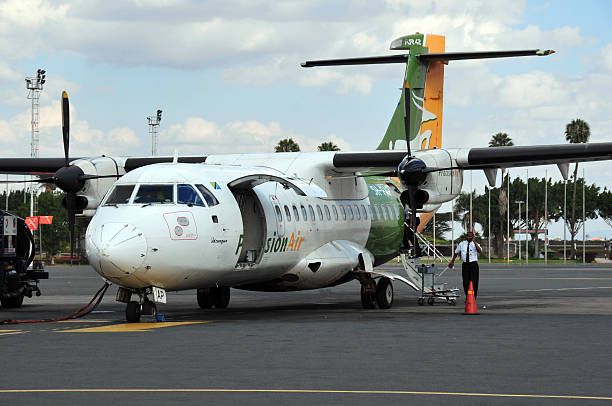
Kilimanjaro Valentine’s Couple Expedition: Your Ultimate Guide 2026-2027
start a unique Kilimanjaro Valentine’s Couple Expedition in 2026 or 2027. This guide covers everything couples need to know, from choosing the best route for romance and success to packing...
View package details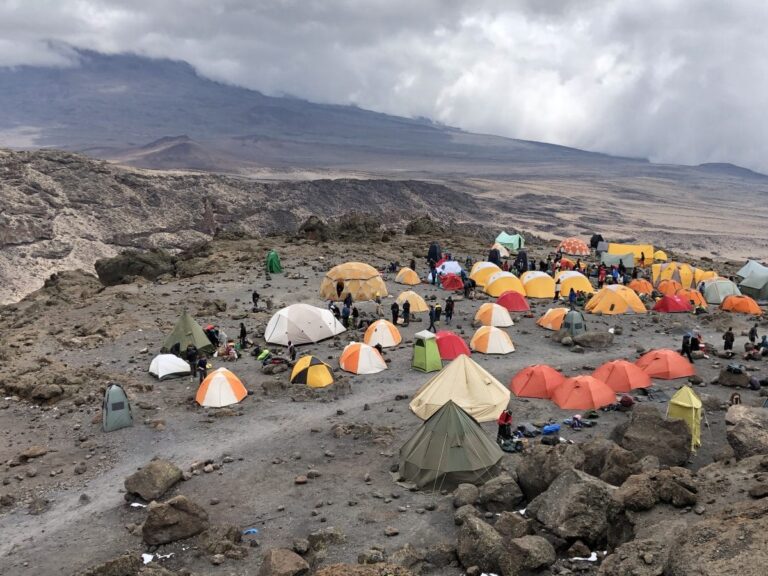
Kilimanjaro Veterans Group Expeditions For 2026-2027
Discover the unique opportunities for veterans to climb Mount Kilimanjaro together through specially organized group expeditions. Learn about the benefits, best routes, and planning...
View package details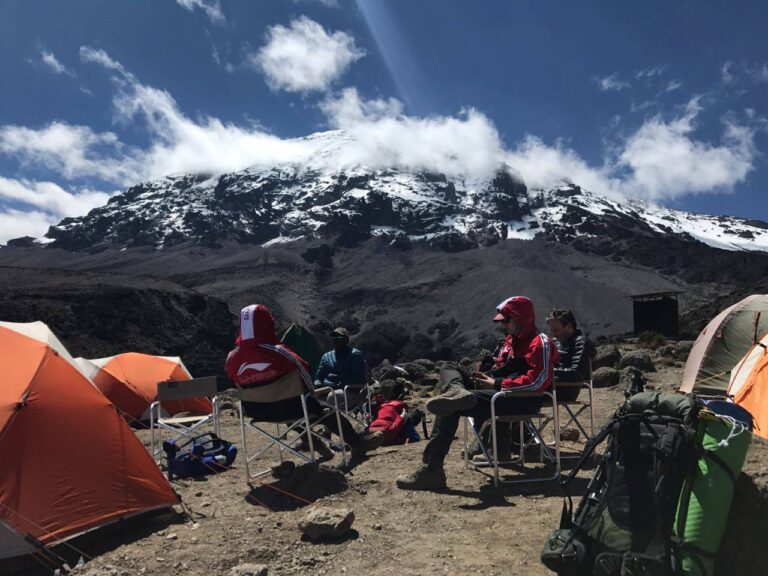
Spanish Group Departures For Kilimanjaro: Dates, Costs & Planning 2026-2027
Discover upcoming Spanish group departures for Kilimanjaro climbs, offering a cost-effective and social way to conquer Africa's highest peak. This guide details 2026-2027 dates, route...
View package details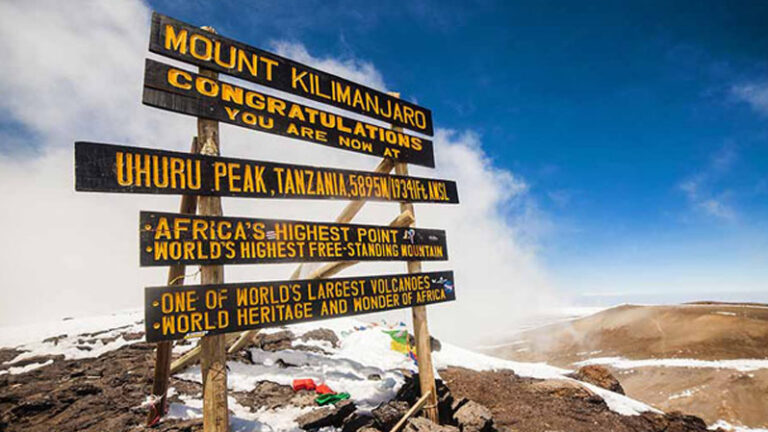
French Group Departures For Kilimanjaro: Your Guide 2026-2027
Discover essential information for French speakers planning a Kilimanjaro climb via group departures in 2026-2027. This comprehensive guide covers routes, preparation, costs, and booking...
View package details
German Group Departures For Kilimanjaro: Your Guide 2026-2027
Planning a Kilimanjaro climb with fellow German speakers? Discover curated group departures for 2026-2027, focusing on safety, success, and cultural connection. Top Guide Adventures...
View package details
Private Kilimanjaro Interpreter And Guide Package: Your Ultimate Summit
Discover the benefits of a Private Kilimanjaro Interpreter and Guide Package for your trek. Ensure safety, cultural understanding, and a smoother journey to the Roof of Africa with expert...
View package details
Multilingual Kilimanjaro Group Climbing Tour 2026-2027
Multilingual Kilimanjaro Group Climbing Tour is explained with current 2026-2027 planning, price, itinerary and booking information.
View package details
Kilimanjaro Climb With A Swahili-Speaking Guide: Your Essential Top Adventures
Ascend Mount Kilimanjaro with Top Guide Adventures, led by experienced Swahili-speaking guides. This comprehensive guide covers everything you need to know for a successful climb in...
View package details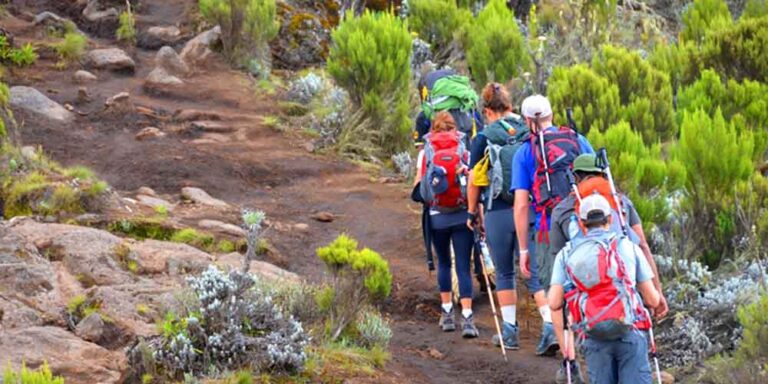
Kilimanjaro Climb With A Hindi-Speaking Guide 2026-2027
Kilimanjaro Climb with a Hindi-Speaking Guide is explained with current 2026-2027 planning, price, itinerary and booking information.
View package details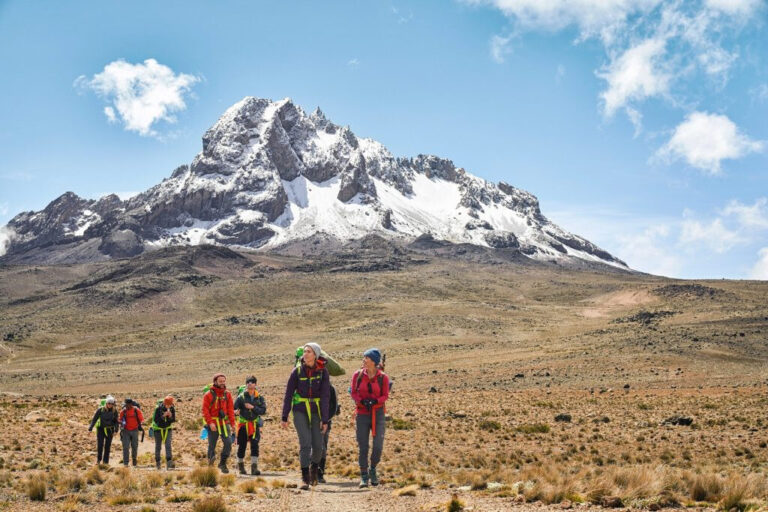
Kilimanjaro Climb With A Hebrew-Speaking Guide: Your Adventure 2026-2027
Discover how to arrange a Kilimanjaro climb with a Hebrew-speaking guide, ensuring a comfortable and culturally connected experience for Israeli hikers planning their 2026-2027 adventure...
View package detailsNo related package matches those filters. Clear one or more filters to see the other topic-matched options.



