
Yes, it is possible for it to rain on Kilimanjaro in October, as it marks the transition from the shorter dry season to the longer rainy season. While not guaranteed to rain every day, you should expect mixed weather conditions, including sunshine, clouds, and potential rainfall, particularly at lower and middle elevations. Higher altitudes may see snow or sleet.
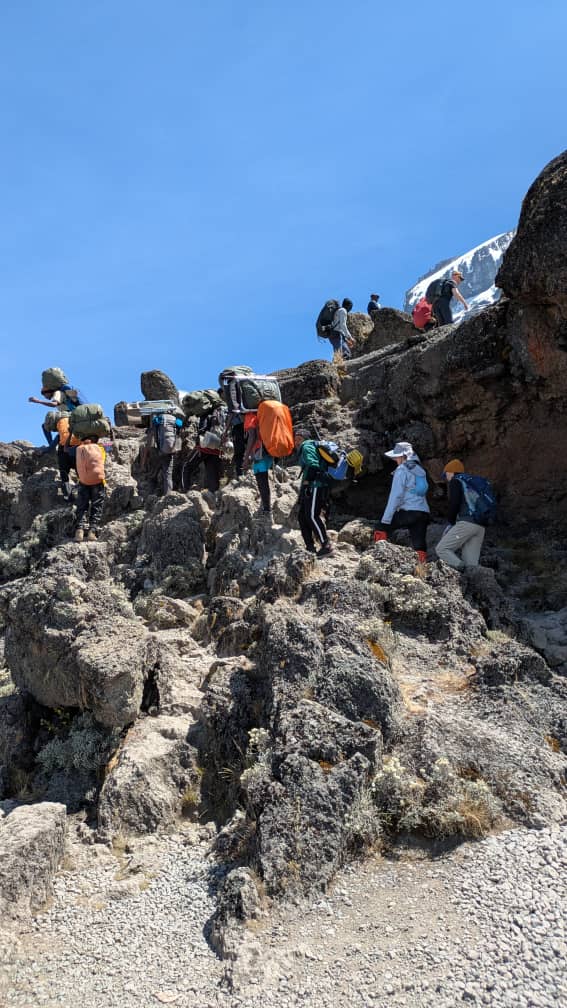
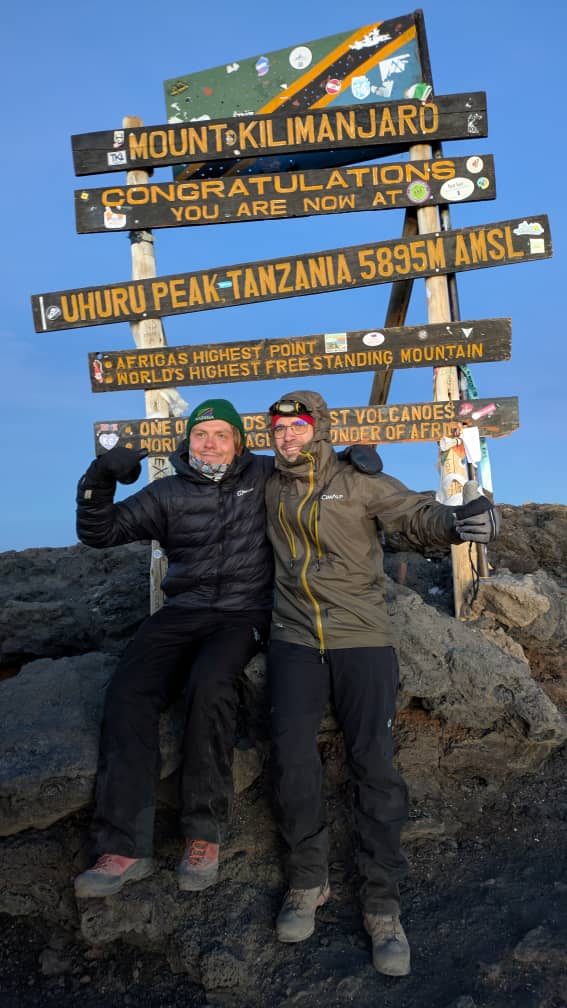

Understanding Kilimanjaro’s October Weather for Your 2026-2027 Climb
When planning a trek up Mount Kilimanjaro, understanding the weather is paramount to a successful and enjoyable experience. October falls into a transitional period on the mountain, situated between the short dry season (July to October) and the long rainy season (November to March). This means that while you might encounter periods of clear skies and good visibility, you also need to be prepared for precipitation. For trekkers aiming for a Kilimanjaro climb in October 2026 or 2027, this transitional weather is a key factor to consider when packing and planning your itinerary.
The meteorological patterns on Kilimanjaro are complex, influenced by its immense size and proximity to the equator. The mountain experiences distinct wet and dry seasons, but these are not absolute. Even during the dry seasons, brief showers can occur, and during the rainy seasons, there are often dry spells. October, in particular, is known for its variability. You could experience glorious sunny days perfect for summit bids, followed by periods of rain, especially on the lower slopes. As you ascend, the temperature drops significantly, and precipitation can turn from rain to sleet or snow.
For those booking their adventure with Top Guide Adventures, understanding these nuances ensures you are well-prepared. We recommend checking the specific forecasts closer to your 2026 or 2027 October Kilimanjaro trek dates, but always packing for a range of conditions is the best strategy. This guide will break down what you can realistically expect regarding rain, temperature, and overall conditions on Kilimanjaro during October, helping you make informed decisions for your climb.
Kilimanjaro’s Climate Zones and October Weather Patterns
Mount Kilimanjaro is a UNESCO World Heritage site and Africa’s highest peak, standing at 5,895 meters (19,341 feet). Its colossal height creates a series of distinct microclimates, moving through five major ecological zones as one ascends: Cultivation Zone, Rainforest Zone, Heath Zone, Moorland Zone, and the Arctic Zone at the summit. The weather patterns, and crucially, the likelihood of rain in October, vary significantly across these zones.
The Cultivation and Rainforest Zones (800m – 2,700m)
These are the lowest zones and are typically the most affected by rainfall. In October, these areas are often lush and green, benefiting from the moisture. You can expect frequent, sometimes heavy, downpours, especially in the afternoons. This is the zone where you’ll spend your first day or two of the trek. The rain here is usually warm and tropical, though it can be persistent. The rainforest zone, in particular, is known for its high humidity and dense vegetation, which thrives in these conditions. Visibility can be reduced during rain showers, and trails can become muddy and slippery. This is a crucial area to consider when asking, ‘Does it rain on Kilimanjaro in October?’ because the answer is most definitively ‘yes’ here.
The Heath and Moorland Zones (2,700m – 4,300m)
As you climb higher into the Heath and Moorland zones, the vegetation changes, becoming more sparse and shrub-like. The temperatures begin to drop noticeably. In October, rainfall is still common, but it might be less frequent or intense than in the rainforest. You’re more likely to encounter mist, fog, and clouds rolling in, which can obscure views. While rain can still occur, it might be interspersed with periods of sunshine. The conditions can feel cooler and more exposed here. The possibility of rain continues to be a significant factor for trekkers in these zones during October.
The Arctic Zone (Above 4,300m)
The summit region, including the crater rim and Uhuru Peak, experiences conditions akin to an Arctic environment. Temperatures here are consistently below freezing, and precipitation typically falls as snow or ice. While October is transitioning out of the drier season, the higher altitudes are always cold. Snowfall is common year-round at these elevations, though the amount can vary. During October, climbers might encounter fresh snowfall alongside icy conditions, even if the lower slopes are experiencing rain. The extreme cold and potential for snow mean that summit attempts require careful preparation regardless of the season, but understanding that October can bring a mix of rain lower down and snow higher up is vital.
For your Kilimanjaro adventure in October 2026 or 2027, it’s essential to pack layers that can handle both tropical rain and freezing temperatures. Your guide team from Top Guide Adventures will monitor conditions closely, but personal preparedness is key.
Average Rainfall and Temperature in October on Kilimanjaro
To provide a more concrete answer to ‘Does it rain on Kilimanjaro in October?’, let’s look at the general weather statistics. While precise daily forecasts are impossible to predict months in advance, average rainfall and temperature data give us a good indication of what to expect.
Rainfall Averages
October is generally considered a month with moderate rainfall. It sits between the short dry season (June-October) and the long wet season (November-March). Some sources might list it as part of the short dry season, but it’s more accurately a transition month. You can expect rainfall on approximately 7-12 days during October. The intensity can vary, with some days seeing brief, heavy showers, particularly in the afternoons, while others might have prolonged drizzle or mist. The higher you climb, the less likely you are to experience typical ‘rain’ and more likely to encounter sleet or snow.
For comparison, the peak dry months of January and February might see rain on only 2-4 days. The wettest months, April and May, can see rain on 15-20 days. Therefore, October offers a middle ground, but leaning towards the wetter side as the month progresses.
Temperature Ranges
Temperatures on Kilimanjaro vary dramatically with altitude and time of day. Here’s a general idea for October:
- Base/Lower Slopes (Cultivation/Rainforest Zone): Daytime temperatures can range from 20°C to 27°C (68°F to 81°F). Nights can be cooler, around 10°C to 15°C (50°F to 59°F). The humidity can make it feel warmer.
- Middle Altitudes (Heath/Moorland Zone): Daytime temperatures typically range from 10°C to 20°C (50°F to 68°F). Nights can drop significantly, often between 0°C to 10°C (32°F to 50°F).
- Higher Altitudes (Arctic Zone): Daytime temperatures are usually around 0°C to 10°C (32°F to 50°F). Nights are consistently below freezing, often ranging from -5°C to -15°C (23°F to 5°F). On summit night, temperatures can plummet to -20°C (-4°F) or even lower with wind chill.
These figures highlight that even if you’re asking ‘Does it rain on Kilimanjaro in October?’, you must also prepare for cold, especially as you gain elevation. The combination of rain (or snow/sleet) and cold temperatures requires careful layering and appropriate gear for your 2026-2027 Kilimanjaro trek.
Key Takeaway for October Climbers
October on Kilimanjaro presents a mixed bag of weather. Expect a higher chance of rain, especially on lower slopes, and cold temperatures at altitude. It’s a month where preparedness for diverse conditions is more critical than during the peak dry seasons.
Route Considerations for October Climbs
The route you choose for your Kilimanjaro climb can subtly influence your experience of the weather, particularly concerning rainfall in October. While all routes ascend through similar ecological zones and are therefore subject to the mountain’s overarching climate, some might offer slightly different exposure or shelter.
Machame Route
Often considered one of the most scenic routes, the Machame route winds through the rainforest for a significant portion. This means that early in your trek, you are very likely to encounter the rain that characterizes the lower altitudes in October. The route is known for its ‘climb high, sleep low’ strategy, which can expose trekkers to varying conditions. Its popularity means it can be busy, but for a Kilimanjaro climb in October 2026 or 2027, it remains a top choice due to its high success rate and beautiful scenery. You’ll need to be prepared for muddy trails in the rainforest section.
Lemosho Route
The Lemosho route also traverses the rainforest extensively. Similar to Machame, expect rain in the lower sections during October. Lemosho is known for its longer duration, which generally leads to higher acclimatization and success rates. The extra days can also provide more opportunities for weather to change, potentially offering windows of clear weather between showers.
Marangu Route
The Marangu route, often called the ‘Coca-Cola’ route, is the only one with hut accommodations. It ascends gradually, and its western side can sometimes be slightly drier than the southern or western approaches. However, in October, the difference is minimal, and rain is still very possible in the rainforest zone. The shorter duration of the standard Marangu routes (5 days) means less time for acclimatization, which is a critical factor regardless of the weather.
Rongai Route
The Rongai route approaches Kilimanjaro from the north, near the Kenyan border. This side of the mountain is generally considered drier than the southern routes. Therefore, if you are particularly concerned about rain in October, Rongai might offer a slightly better chance of encountering drier conditions, especially in the initial days. However, it’s important to remember that even the ‘drier’ side is not immune to precipitation, and as you gain altitude, the weather becomes more unpredictable and often wetter (or snowier) across all routes.
Northern Circuit and Shira Routes
These longer routes offer excellent acclimatization. The Northern Circuit, in particular, circumnavigates the mountain, offering varied perspectives. While they also pass through the rainforest, their longer duration (9-10 days) increases the likelihood of experiencing a range of weather conditions, potentially including both rain and clearer spells. For a Kilimanjaro trek in October 2026, these longer routes can be advantageous for managing the transitional weather.
Regardless of the route, the question ‘Does it rain on Kilimanjaro in October?’ should prompt you to pack for rain. Choosing a longer route can also provide a buffer against unpredictable weather by allowing for better acclimatization and more time to wait for favorable conditions on summit night.
What to Pack for an October Kilimanjaro Climb
Packing correctly is crucial for any Kilimanjaro climb, but especially so in a transitional month like October. Being prepared for rain, wind, and significant temperature drops is essential. Top Guide Adventures emphasizes that inadequate gear can turn a dream climb into a miserable ordeal. Here’s a breakdown of essential items, focusing on suitability for October conditions:
Clothing Essentials
- Base Layers: Moisture-wicking thermal tops and bottoms (merino wool or synthetic). Pack at least two sets.
- Mid Layers: Fleece jackets or vests for insulation. Bring 2-3 different weights.
- Outer Layer (Waterproof & Windproof): A high-quality, breathable waterproof and windproof jacket (Gore-Tex or similar) and waterproof trousers. This is non-negotiable for October.
- Insulated Jacket: A warm down or synthetic insulated jacket for colder evenings and summit attempts.
- Trekking Trousers: Quick-drying, comfortable hiking trousers (avoid jeans). Consider one pair of convertible trousers.
- Shirts: Several moisture-wicking short and long-sleeved shirts.
- Socks: Plenty of warm, moisture-wicking hiking socks (wool blend). Pack at least 5-7 pairs. Also, bring liner socks to prevent blisters.
- Underwear: Moisture-wicking underwear.
Headwear and Handwear
- Warm Hat: A fleece or wool hat that covers your ears.
- Sun Hat: A wide-brimmed hat for sun protection during the day.
- Balaclava/Buff: For protecting your face and neck from wind and cold, especially on summit night. Crucial for October’s variable conditions.
- Gloves: Several pairs. Lightweight liner gloves, waterproof and insulated outer gloves or mittens. Your hands can get very cold, especially if it’s raining or snowing.
Footwear
- Hiking Boots: Sturdy, waterproof, broken-in hiking boots with good ankle support.
- Camp Shoes: Comfortable shoes or sandals for wearing around camp after a day’s hike.
- Gaiters: Waterproof gaiters to keep mud, scree, and water out of your boots. Very useful in October.
Trekking Gear
- Backpack: A comfortable daypack (30-40 liters) for carrying essentials during the day’s hike.
- Duffel Bag: A large, waterproof duffel bag (80-100 liters) for your main gear, carried by porters.
- Sleeping Bag: A 4-season (-15°C to -20°C comfort rating) sleeping bag. Essential for the cold nights and summit.
- Trekking Poles: Highly recommended for stability and reducing strain on knees, especially on descents and slippery terrain common in October.
- Water Bottles/Hydration Reservoir: At least 2-3 liters capacity. Ensure bottles are insulated or can be kept warm to prevent freezing.
- Headlamp: With extra batteries. Essential for navigating in the dark, especially during early morning starts or summit night.
Other Essentials
- Sunscreen: High SPF.
- Lip Balm: With SPF.
- Sunglasses: With UV protection.
- Personal First-Aid Kit: Including blister treatment, pain relievers, antiseptic wipes, and any personal medications.
- Toiletries: Biodegradable soap, toothbrush, toothpaste, wet wipes (essential for hygiene).
- Insect Repellent: Especially for the rainforest zone.
- Camera: With extra batteries and memory cards.
- Power Bank: For charging electronics.
- Snacks: High-energy snacks (energy bars, nuts, dried fruit).
- Water Purification Tablets/Filter: As a backup.
- Passport, Visa, and Copies: Keep secure.
- Cash: For tips and personal expenses.
For your Kilimanjaro trip in October 2026, prioritize waterproof outer layers and warm insulation. The possibility of rain means your waterproofs will be working hard, and the cold requires robust thermal gear.
Pros and Cons of Climbing Kilimanjaro in October
Every month on Kilimanjaro has its advantages and disadvantages. October, being a shoulder month, presents a unique set of trade-offs. Understanding these can help you decide if it’s the right time for your 2026-2027 Kilimanjaro expedition.
Pros of Climbing in October
- Fewer Crowds: While not the absolute quietest month, October generally sees fewer trekkers compared to the peak dry seasons (January-February and June-August). This can mean a more serene experience on the trails and potentially more availability for specific dates.
- Lush Scenery: The moisture from the preceding wet season and the incoming rains means the vegetation, especially in the rainforest zone, is vibrant and green. This can make for beautiful photographic opportunities.
- Moderate Temperatures (at lower altitudes): While it can be cold at the summit, the lower and middle sections of the mountain often have pleasant daytime temperatures, especially when the sun is out between showers.
- Potential for Clear Skies: Despite being a transitional month, October can still offer periods of excellent visibility and stunning sunrises and sunsets. You might catch some of the best weather of the year if you’re lucky.
- Good Value: Sometimes, shoulder seasons can offer slightly better value on packages, though this is not always the case. Booking with a reputable company like Top Guide Adventures ensures quality regardless of the season.
Cons of Climbing in October
- Rainfall: This is the primary concern. As established, October can indeed see rain, particularly on the lower and middle slopes. This can lead to muddy trails, reduced visibility, and a need for constant use of waterproof gear. The answer to ‘Does it rain on Kilimanjaro in October?’ is yes, and you must be prepared.
- Variable Weather: The transitional nature means weather can change rapidly. You might experience sunshine, clouds, rain, mist, and even sleet or snow (at higher altitudes) all within a single day.
- Challenging Summit Conditions: Summit night is always demanding, but if rain or sleet is present at the higher elevations, it can make the already difficult ascent even more challenging and colder.
- Muddy Trails: The rain can make trails slippery and muddy, increasing the risk of slips and falls and making hiking more physically demanding.
For a Kilimanjaro climb in October 2026, weighing these pros and cons is essential. If you are well-prepared for the potential for rain and cold, the benefits of fewer crowds and beautiful scenery can make it a rewarding choice.
Tips for a Successful October Kilimanjaro Climb
Successfully climbing Kilimanjaro in October hinges on preparation and mindset. Given the possibility of rain and variable conditions, adopting a proactive approach is key. Here are some essential tips for trekkers aiming for the summit during this transitional month:
Embrace the Layering System
This is the golden rule of trekking. With temperatures fluctuating wildly and precipitation possible, your ability to adapt by adding or removing layers is vital. Start your day with a base layer, add a fleece for warmth, and have your waterproof shell ready to deploy at a moment’s notice. Don’t underestimate the need for warm insulation for evenings and summit pushes, even if the day started warm.
Prioritize Waterproof Gear
Your waterproof jacket and trousers are your primary defense against rain. Ensure they are truly waterproof (not just water-resistant) and breathable. Test them before you leave. Waterproof gaiters are also invaluable for keeping lower legs and boots dry and preventing mud from entering.
Stay Hydrated and Nourished
Dehydration can exacerbate altitude sickness symptoms. Even if it’s raining or cold, continue to drink plenty of water. Aim for 3-5 liters per day. Similarly, maintain your energy levels with regular snacks and meals. High-energy foods are crucial for keeping your body warm and providing fuel for the strenuous climb. Your guides will ensure you are offered meals, but carrying your favorite high-energy snacks is always a good idea.
Protect Yourself from the Cold
Beyond warm layers, pay attention to extremities. A warm hat, waterproof gloves, and warm socks are critical. Consider bringing hand warmers for summit night. Your sleeping bag should be rated for sub-zero temperatures, and a sleeping bag liner can add extra warmth.
Be Mentally Prepared for Rain
If you ask, ‘Does it rain on Kilimanjaro in October?’, the honest answer is ‘yes, often’. Accept that rain is a possibility, perhaps even a probability on some days. A positive attitude and a focus on the goal can help you push through uncomfortable conditions. Remember that the rain often makes the rainforest incredibly beautiful.
Choose the Right Route and Operator
Opting for a longer route (e.g., 8 or 9 days) provides better acclimatization, which is crucial for success regardless of the weather. Partnering with an experienced and reputable operator like Top Guide Adventures is paramount. Our guides are trained to monitor weather, assess conditions, and make informed decisions to ensure your safety and maximize your chances of reaching the summit. We understand the specific challenges of climbing Kilimanjaro in October and prepare our clients accordingly.
Listen to Your Body and Guides
Altitude sickness is a real risk. Pay close attention to any symptoms and communicate them immediately to your guide. Don’t push yourself too hard, especially if the weather is poor. Your guides are experts and will make the final call on whether it’s safe to continue, especially on summit night.
Pack Smartly
Use dry bags within your duffel bag and daypack to keep essential items like spare clothes, electronics, and your sleeping bag dry. Double-check your packing list to ensure you haven’t missed any critical items, especially those related to rain and cold protection.
By following these tips, you can significantly increase your chances of a successful and memorable Kilimanjaro climb in October 2027, even with the potential for challenging weather.
Kilimanjaro’s Weather: A Month-by-Month Overview (Including October)
To put October’s weather into context, let’s briefly look at Kilimanjaro’s climate throughout the year. This comparison helps solidify the understanding of ‘Does it rain on Kilimanjaro in October?’ and why it’s considered a transitional month.
- January – February (Peak Dry Season): Generally considered the best months. Clear skies, low humidity, and minimal rainfall are common. Temperatures are warm at the base and cold at the summit. This is a popular time, so expect crowds.
- March – May (Long Rainy Season): The wettest period. Heavy rainfall is frequent, often accompanied by mist and cloud, especially at higher elevations. Trails can be very muddy. Snowfall is more likely at the summit. Climbing is possible but significantly more challenging.
- June – October (Short Dry Season): This season is split. June and July can still see some lingering rain from the long wet season. August, September, and early October are typically dry and offer good visibility. However, as October progresses, it transitions towards the next wet season.
- November – December (Short Rainy Season): This is the transition from the short dry season into the long rainy season. Rainfall increases throughout November and into December. You can expect mixed weather, similar to October but perhaps with a slightly higher chance of consistent rain as the month progresses.
This overview clearly places October as a month of change. It’s not as reliably dry as August or September, nor as consistently wet as April or May. This means that while you might get lucky with clear days, the probability of encountering rain, especially in the latter half of the month, is significant. For those planning a Kilimanjaro trek in October 2026 or 2027, this understanding is vital for packing and managing expectations.
Comparing October to Other Months for Kilimanjaro Climbs
When deciding the best time to climb Kilimanjaro, comparing October to other months is essential. Your choice will depend on your priorities regarding weather, crowds, and potentially cost.
October vs. Peak Dry Season (Jan-Feb, Aug-Sep)
Weather: The peak dry season offers the most stable and favorable weather. You’ll experience significantly less rain, clearer skies, and better visibility. October, on the other hand, carries a notable risk of rain, particularly on the lower slopes, and more variable conditions overall. If guaranteed dry weather is your absolute priority, the peak dry season is superior.
Crowds: October generally has fewer trekkers than the peak dry months. If you prefer a less crowded mountain experience, October is advantageous. However, even in peak season, the mountain is large enough that you won’t feel overwhelmingly crowded on most routes.
Success Rates: While acclimatization and fitness are the primary drivers of success, favorable weather in the dry season can make the climb more comfortable and potentially easier, indirectly aiding success. October’s variable weather could present additional challenges.
October vs. Wet Season (Apr-May, Nov)
Weather: The long rainy season (April-May) is the wettest period, with heavy rains and persistent clouds. November also sees increasing rainfall. October is transitional; it can be wet, but often not as persistently or heavily as April-May. You might find more windows of good weather in October compared to the heart of the wet season.
Trails: Trails in the wet season are often very muddy and slippery, posing significant challenges. October trails can also be muddy, especially in the rainforest, but might be less consistently waterlogged than during the peak wet months.
Scenery: Both October and the wet season months offer lush, green landscapes. However, heavy cloud cover during the wet season can obscure views, whereas October might still offer stunning vistas between showers.
October vs. Shoulder Shoulder Months (June, Dec)
June: Often starts with some lingering rain from May but becomes drier as the month progresses. It’s a good transition month with fewer crowds than peak season.
December: Marks the beginning of the short rainy season. Rainfall increases throughout the month. Weather can be unpredictable, similar to October, but often leaning towards wetter conditions as the month advances.
For anyone considering a Kilimanjaro climb in October 2026 or 2027, it sits in a sweet spot for potentially fewer crowds and reasonable temperatures, but requires a strong acceptance and preparation for rain. If avoiding rain is your utmost priority, aim for August, September, January, or February. If you don’t mind potential rain and want fewer people, October is a viable option.
Making the Decision: Is October Right for Your Kilimanjaro Climb?
The question ‘Does it rain on Kilimanjaro in October?’ is best answered with a qualified ‘yes’. This means the decision to climb in October depends heavily on your personal preferences and priorities as a trekker.
Consider climbing in October if:
- You prioritize fewer crowds on the mountain.
- You are well-prepared to handle rain and variable weather, with appropriate waterproof gear and a positive attitude.
- You appreciate lush, green landscapes, even if accompanied by occasional showers.
- You are flexible with your itinerary and understand that summit weather can be unpredictable.
- You are booking a longer trek (8+ days) for better acclimatization, which helps mitigate weather-related challenges.
You might prefer another month if:
- Your absolute top priority is the driest possible weather with the clearest skies.
- You are uncomfortable with the possibility of hiking in rain or dealing with muddy conditions.
- You are looking for the easiest possible conditions, as the dry seasons generally offer more comfortable trekking.
For trekkers booking with Top Guide Adventures for October 2026 or 2027, we provide detailed pre-departure information and ensure our guides are equipped to manage the specific conditions of this month. Our goal is to make your climb as safe and successful as possible, regardless of the weather. We can help you choose the best route and prepare your gear list to account for October’s transitional climate.
Booking Your October Kilimanjaro Adventure with Top Guide Adventures
Choosing the right tour operator is as crucial as choosing the right month to climb Kilimanjaro. At Top Guide Adventures, we specialize in providing safe, memorable, and well-supported Kilimanjaro expeditions. If you’re considering a Kilimanjaro climb in October 2026 or 2027, here’s why we are your best choice:
- Experienced Guides: Our guides are highly trained, certified, and possess extensive knowledge of Kilimanjaro’s routes, climate, and altitude-related issues. They are adept at monitoring weather patterns and ensuring climber safety, especially during transitional months like October.
- Quality Equipment: We provide high-quality tents, sleeping mats, and ensure our porters and cooks are well-equipped. We also advise our clients extensively on personal gear, including the essential waterproofs and warm layers needed for October.
- Safety First: We carry comprehensive medical kits, including portable oxygen, and have established emergency protocols. Our guides are trained in first aid and can recognize and manage symptoms of altitude sickness effectively.
- Sustainable Trekking: We are committed to responsible tourism, respecting the mountain environment and supporting local communities.
- Personalized Service: From your initial inquiry to your return from the mountain, you’ll receive dedicated support. We answer all your questions, including detailed ones about ‘Does it rain on Kilimanjaro in October?’ and help tailor your trip.
- Transparent Pricing: We offer clear and competitive pricing with no hidden costs. Our packages are designed to provide excellent value while maintaining the highest standards of safety and service.
We understand that planning a Kilimanjaro climb is a significant undertaking. Whether you are looking at October 2026 or October 2027, we are here to guide you every step of the way. Don’t hesitate to reach out with any questions about weather, routes, gear, or anything else related to your climb.
Contact us today to start planning your unforgettable Kilimanjaro adventure:
WhatsApp: +255616946642
Email: topguideadventures@gmail.com
Backup Email: info@topguideadventures.com
Let Top Guide Adventures help you conquer Kilimanjaro, even in the beautiful, transitional weather of October!
Check Availability for Does It Rain On Kilimanjaro In October? Your Guide 2026-2027
Ready to compare dates, prices, and the best option for your group? Send the package name and travel month so the team can reply with a clear quote, availability, and what is included.
October Vs November Kilimanjaro Rainfall Guide 2026-2027
October vs November Kilimanjaro Rainfall Guide is explained with current 2026-2027 planning, price, itinerary and booking information.
View package details
September Vs October Kilimanjaro Weather Comparison 2026-2027
September vs October Kilimanjaro Weather Comparison is explained with current 2026-2027 planning, price, itinerary and booking information.
View package details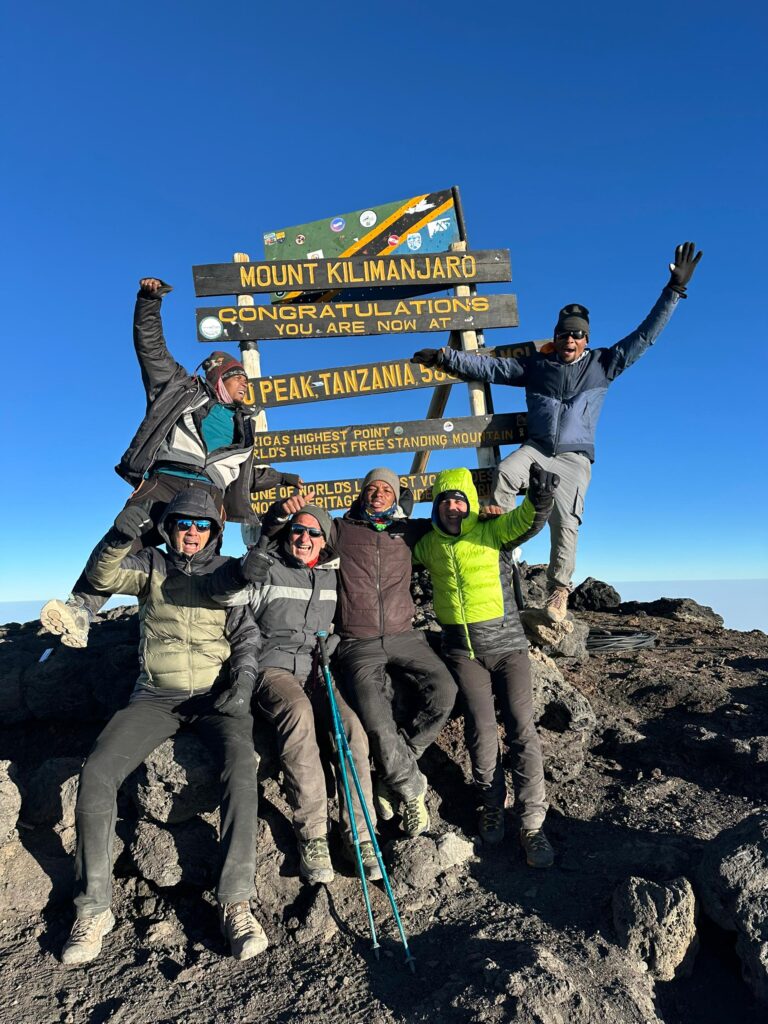
October Kilimanjaro Flexible Private Departure: Your Ultimate Guide 2026-2027
Secure your October Kilimanjaro flexible private departure with Top Guide Adventures. This comprehensive guide covers everything from route selection and best practices for your 2026-2027...
View package details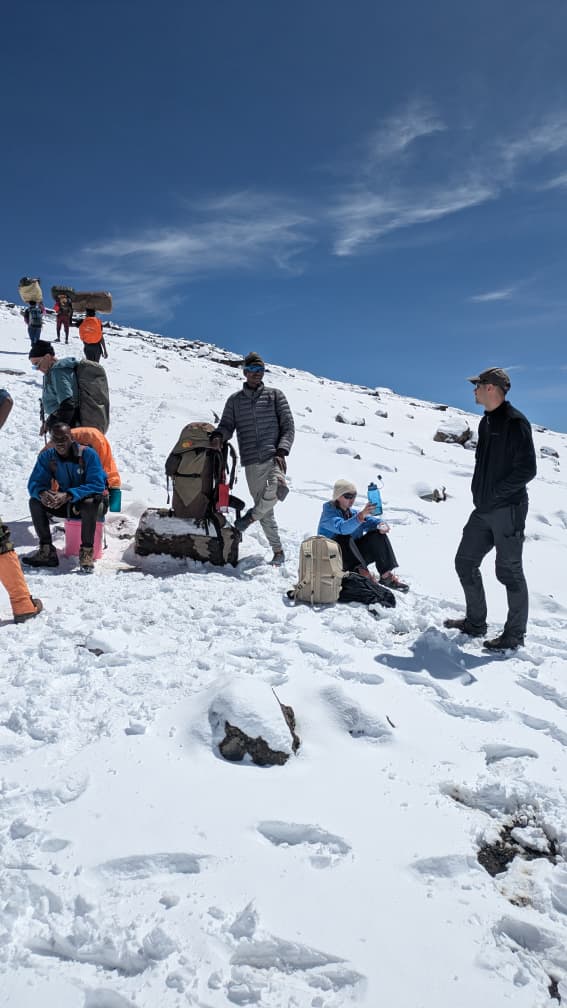
October Kilimanjaro Climb: Fewer Crowds, Great Weather 2026-2027
Planning an October Kilimanjaro climb offers a sweet spot with fewer trekkers and ideal weather conditions. Learn why October is a fantastic month for reaching Uhuru Peak and how to make...
View package details
October Kilimanjaro Luxury Camping Package: Your Ultimate Adventure 2026-2027
Secure your spot on a 2026 or 2027 October Kilimanjaro luxury camping adventure with Top Guide Adventures. This package offers premium service, expert guidance, and a comfortable climb.
View package details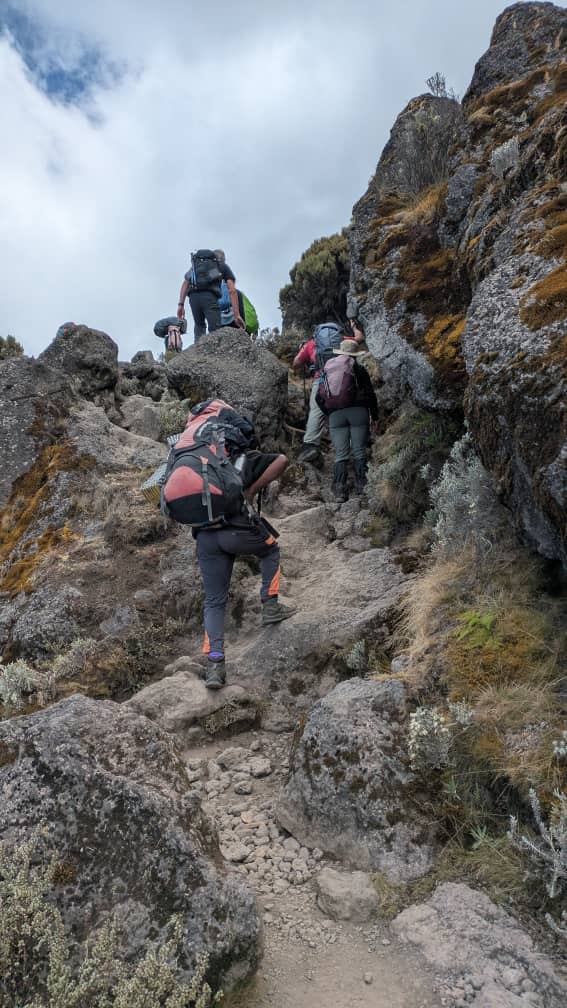
October Kilimanjaro Photography Trek: Your Ultimate Guide 2026-2027
An October Kilimanjaro Photography Trek offers clear skies and fewer crowds, ideal for capturing impressive summit views. This guide details the best routes, essential photography gear, and...
View package details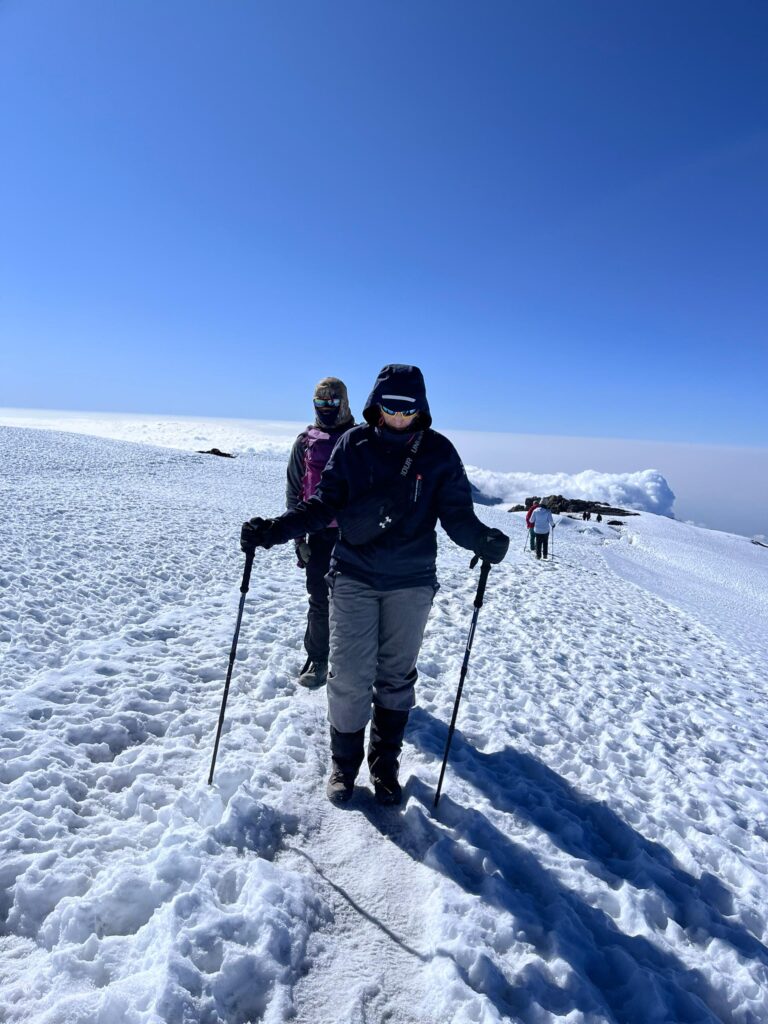
October Kilimanjaro Shoulder-Season Deals 2026-2027
October Kilimanjaro Shoulder-Season Deals is explained with current 2026-2027 planning, price, itinerary and booking information.
View package details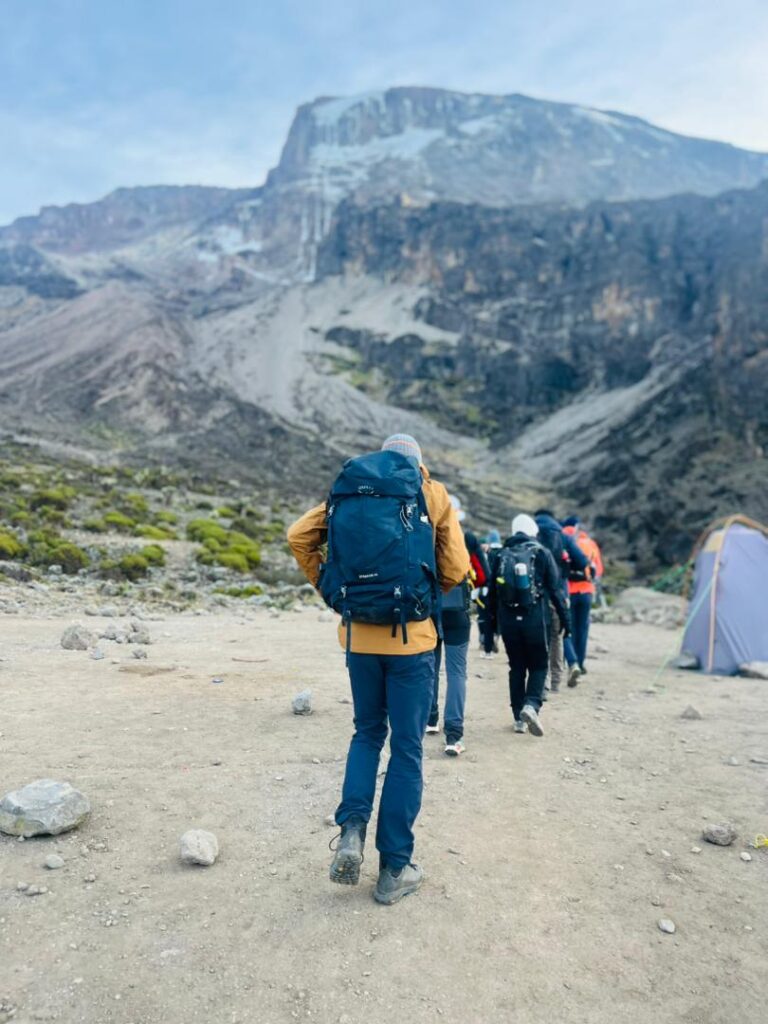
October Kilimanjaro Trail Conditions: Your Expert Guide For 2026-2027
Planning a Kilimanjaro climb in October? This guide details the trail conditions, weather patterns, crowds, and essential preparations for your 2026-2027 adventure.
View package details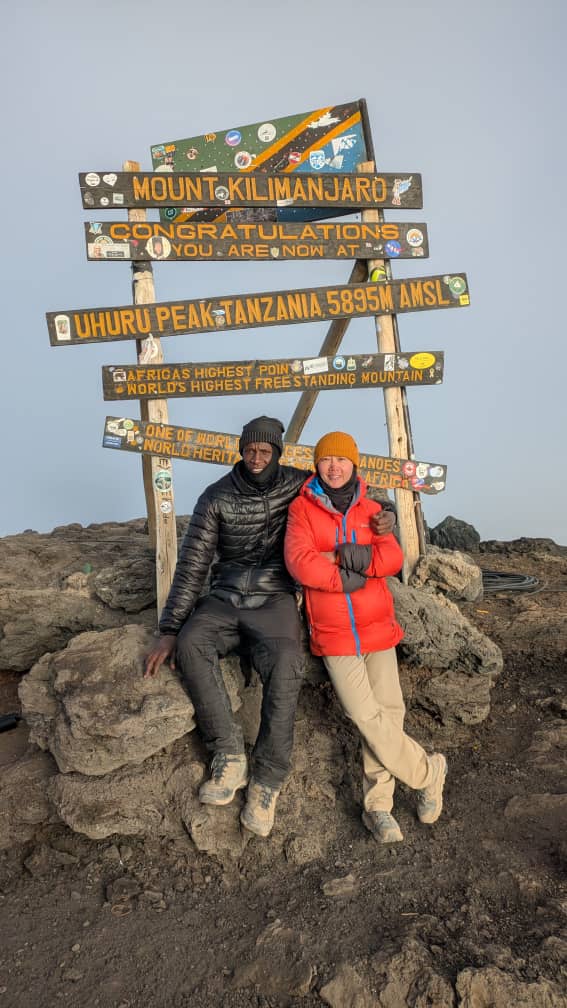
October Kilimanjaro Summit Temperature 2026-2027
October Kilimanjaro Summit Temperature is explained with current 2026-2027 planning, price, itinerary and booking information.
View package detailsOctober Kilimanjaro Waterproof Packing Guide For Climbs 2026-2027
Prepare for your October Kilimanjaro climb with this comprehensive waterproof packing guide. Essential gear and clothing advice for 2026-2027 expeditions.
View package details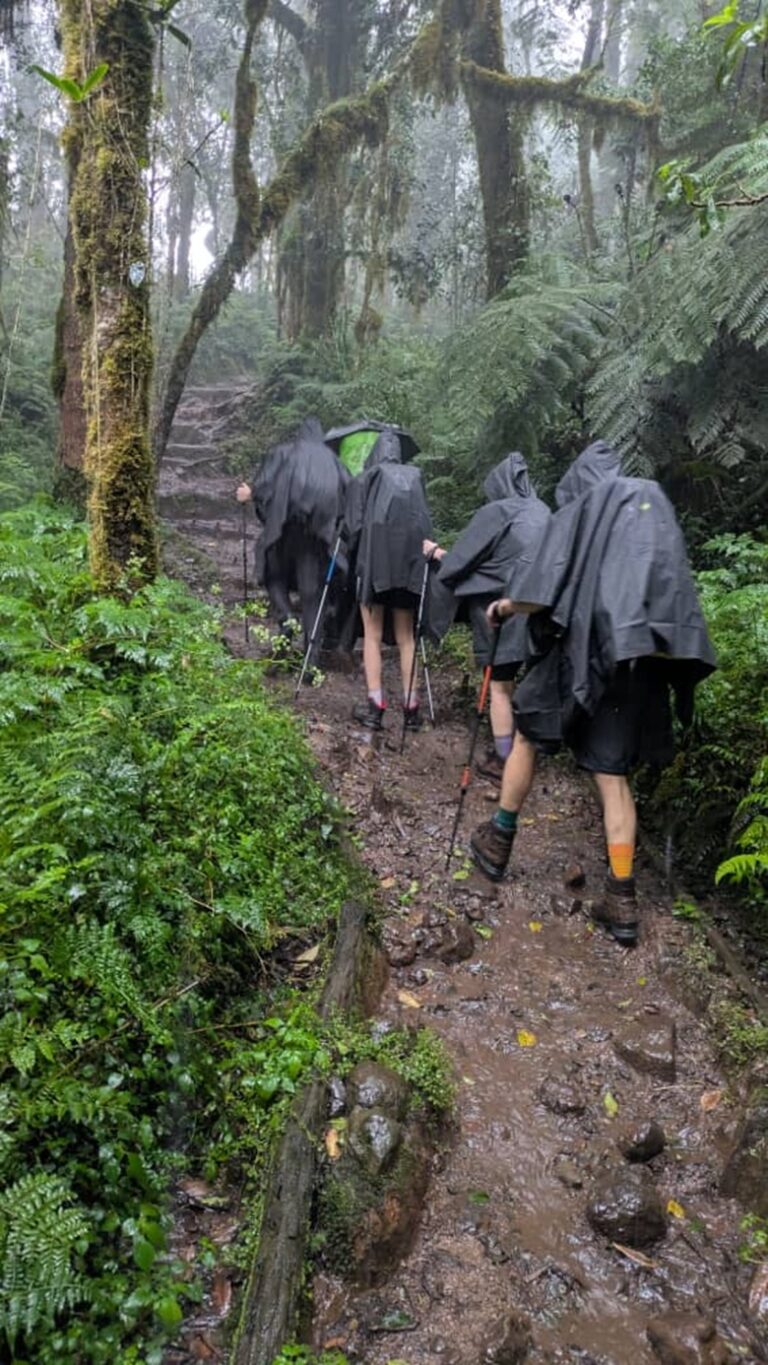
Is October A Good Time To Climb Kilimanjaro? Your Expert Guide For 2026-2027
Discover if October is an ideal month for your Kilimanjaro ascent. This guide covers weather, crowds, costs, and essential planning for your 2026-2027 climb.
View package details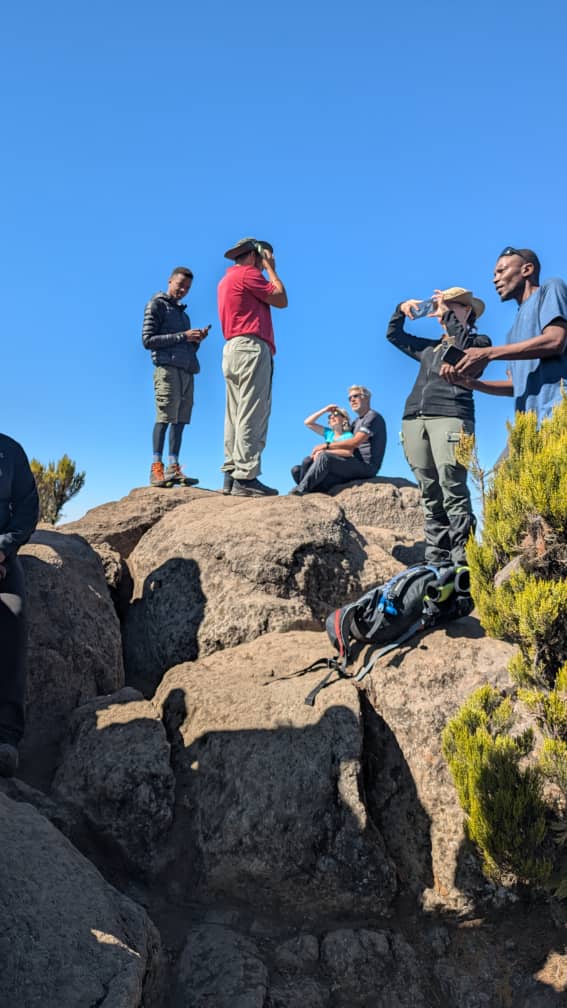
October Kilimanjaro Prices And Availability 2026-2027
October Kilimanjaro Prices and Availability is explained with current 2026-2027 planning, price, itinerary and booking information.
View package detailsNo related package matches those filters. Clear one or more filters to see the other topic-matched options.



