
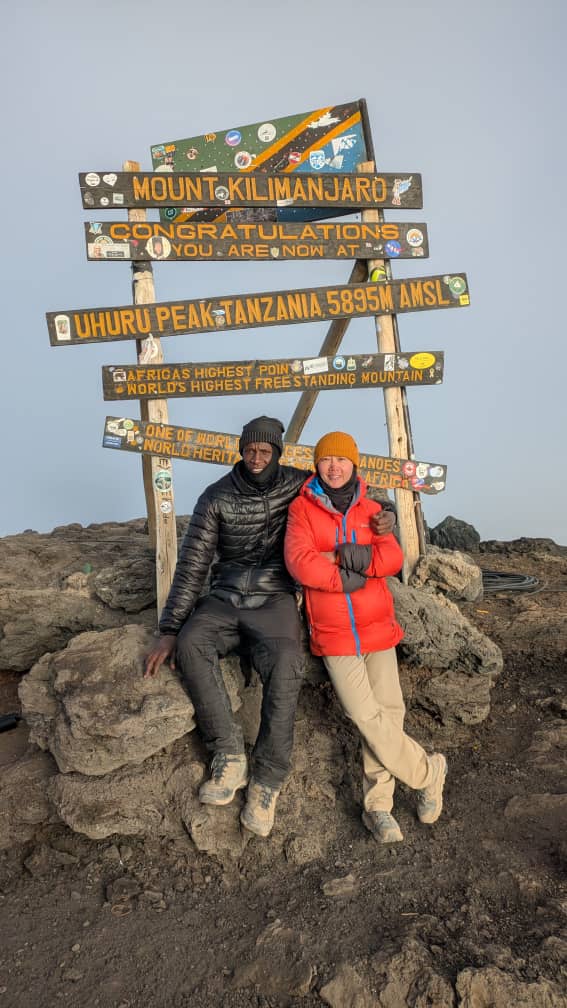
The October Kilimanjaro summit temperature typically ranges from -10°C to -25°C (14°F to -13°F), with wind chill significantly increasing the perceived cold. While this is during the second dry season, expect clear skies for much of the day but very cold nights and mornings at higher altitudes, especially near the summit, Stella Point, and Uhuru Peak. Prepare for a significant temperature drop as you ascend, and be ready for fluctuating conditions.

Understanding October’s Climate on Kilimanjaro
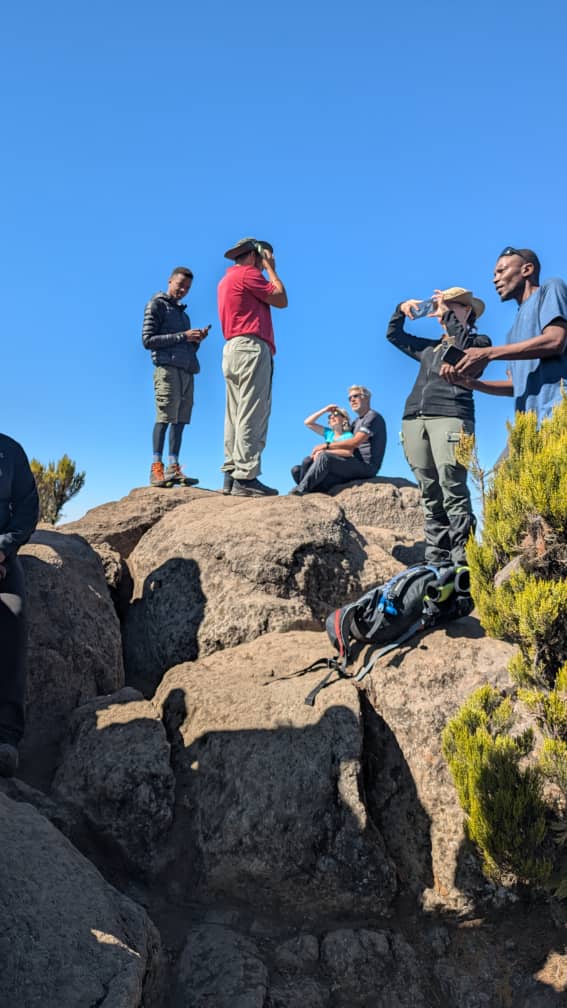
Kilimanjaro’s weather is notoriously unpredictable, a characteristic amplified by its status as the world’s highest free-standing mountain. However, October falls within one of the two primary dry seasons, making it a popular choice for trekkers. This period generally offers more stable weather compared to the rainy months, but this doesn’t mean comfort. The key to a successful October Kilimanjaro climb lies in understanding the specific temperature profiles and weather phenomena you’re likely to encounter across the different climate zones and, crucially, at the summit.
The Two Dry Seasons: A Comparative Look
Kilimanjaro experiences two distinct dry seasons, each with its own advantages and disadvantages. The first runs from June to October, and the second from December to March. October is the tail end of the first dry season. This means you generally benefit from reduced rainfall, allowing for clearer views and more consistent trekking conditions on the lower slopes. However, as the season wanes, there’s a slightly increased chance of residual showers compared to the heart of the season (July-September). Conversely, the second dry season (December-March) is known for its colder temperatures, especially in January and February, but often with very clear skies.
October’s Unique Position in the Climbing Calendar
October presents a fascinating meteorological transition. It’s a month where the prevailing dry conditions begin to give way to the more unpredictable weather that often characterizes the shoulder seasons. For trekkers aiming for the summit, this means a few critical considerations:
- Temperature Fluctuations: While daylight hours on the lower and middle slopes might feel pleasant, the temperature plummets dramatically as you gain altitude, particularly during the pre-dawn summit attempt.
- Wind Chill: October can be windy, especially at higher elevations. This wind is a significant factor in how cold you feel, often making the actual air temperature seem much colder.
- Precipitation: While generally dry, brief rain showers or even early snow flurries are possible, especially on the upper slopes and near the crater rim.
Kilimanjaro’s Altitudinal Climate Zones in October
Kilimanjaro is a mountain of five distinct climate zones, each with its own characteristic temperature and conditions. Understanding these zones is crucial for packing and preparing for the October climb. The summit temperature is only one part of the equation; the journey to it involves traversing these varied environments.
Zone 1: Cultivation Zone (800m – 1800m)
During October, this zone is typically warm and humid, with temperatures often ranging from 20°C to 30°C (68°F to 86°F) during the day. You’ll likely experience sunshine and possibly some light morning mist. This is where your trek begins, and it will feel like a pleasant tropical climate.
Zone 2: Rainforest Zone (1800m – 2800m)
As you ascend into the rainforest, temperatures cool down, typically between 15°C and 25°C (59°F and 77°F). October can still bring some rainfall here, though less than in the wet seasons. Expect high humidity, dense vegetation, and potentially muddy trails. The air is moist and cooler than the lower slopes.
Zone 3: Heather and Moorland Zone (2800m – 4000m)
This zone marks a significant shift. Temperatures drop considerably, ranging from 10°C to 20°C (50°F to 68°F) during the day. Nights can get close to freezing, especially towards the upper end of this zone. You’ll notice the vegetation becoming sparser, replaced by hardy heather, grasses, and giant senecios. The air is drier, and the sun can be intense during the day, but shade is minimal.
Zone 4: Alpine Desert Zone (4000m – 4800m)
October here presents a stark, arid landscape. Daytime temperatures might hover around 5°C to 15°C (41°F to 59°F), but the sun’s intensity is still strong. As soon as the sun sets, temperatures plummet rapidly, often falling below freezing, into the range of 0°C to -10°C (32°F to 14°F). Frost is common, and you’ll feel the effects of the thinning air.
Zone 5: Arctic Zone (4800m – 5895m)
This is the zone of the summit. Here, the October Kilimanjaro summit temperature is consistently below freezing. During the challenging pre-dawn summit push, expect temperatures from -10°C to -25°C (14°F to -13°F). With wind chill, this can feel even colder, potentially dropping to -30°C (-22°F) or below. The air is extremely dry and thin, and the landscape is barren rock, ice, and snow.
Summit Night: The Coldest Part of Your October Climb
The most critical part of your Kilimanjaro trek in October is the summit night. This usually begins around midnight or 1 AM from the last camp (e.g., Kibo Hut or Barafu Camp). The goal is to reach Uhuru Peak by sunrise. This requires ascending through the Arctic Zone, where the extreme cold is a major factor.
Why Summit Night is So Cold in October
- Altitude: You are at your highest point, where temperatures naturally drop significantly.
- Time of Day: The ascent is made in the dark, before the sun has had a chance to warm the atmosphere.
- Lack of Shelter: The terrain is exposed, offering no protection from the elements.
- Wind: Even on a clear October night, winds can be fierce at this altitude, creating substantial wind chill.
- Physical Exertion: While your body generates heat, the extreme cold can make it hard to maintain core temperature, especially if you are moving slowly or take breaks.
Factors Affecting Summit Temperature on October Nights
While we provide typical ranges, several factors can influence the exact October Kilimanjaro summit temperature on any given night:
- Weather Systems: Although October is dry, transient weather systems can bring colder air masses or stronger winds.
- Moonlight: A full moon can provide some ambient light, making the trek feel slightly less oppressive, but it does not significantly raise the temperature.
- Your Pace and Group: A faster pace might generate more body heat, but can also lead to fatigue. A slower, steady pace is generally recommended.
Packing for October Kilimanjaro: Essential Gear for Cold
Given the extreme temperatures at the summit and the variable conditions across the zones, packing correctly for an October Kilimanjaro climb is paramount. Layering is key. You need to be prepared for everything from warm, sunny conditions on lower slopes to sub-zero temperatures and high winds at the peak.
Layering System for October Treks
- Base Layers: Moisture-wicking thermal tops and bottoms (merino wool or synthetic). Bring at least two sets.
- Mid Layers: Fleece jackets or insulated vests. These provide crucial warmth.
- Outer Layer (Insulation): A heavy down or synthetic insulated jacket. This is your primary defense against the cold at altitude and on summit night. Look for something rated for sub-zero temperatures.
- Outer Layer (Shell): Waterproof and windproof jacket and trousers. Essential for protection against rain, snow, and wind, especially at the summit.
Head, Hands, and Feet: Critical for Warmth
- Headwear: A warm, insulated hat that covers your ears is non-negotiable. A balaclava or neck gaiter (buff) is also essential for protecting your face and neck from wind and cold.
- Gloves: You’ll need multiple pairs. Thin liner gloves for dexterity, and heavy, waterproof, insulated mittens or gloves for summit night. Hand warmers can be a lifesaver.
- Socks: Several pairs of warm, wool or synthetic hiking socks. Bring liner socks to prevent blisters.
- Footwear: Waterproof, insulated hiking boots are crucial. Ensure they are well broken-in. Gaiters are highly recommended to keep scree and snow out of your boots.
Other Essential Gear for October Climbs
- Sleeping Bag: A 4-season sleeping bag rated to at least -15°C to -20°C (5°F to -4°F) is recommended for October.
- Headlamp: A reliable headlamp with extra batteries is vital for summit night and any pre-dawn starts.
- Sunglasses: High-quality sunglasses with UV protection are needed due to the intense sun at altitude.
- Sunscreen and Lip Balm: High SPF sunscreen and SPF lip balm are essential, even when it’s cold.
- Water Bottles/Hydration System: Insulated water bottle covers are a must to prevent water from freezing.
- Trekking Poles: Highly recommended for stability and reducing strain on your knees, especially on descents.
Route Considerations for an October Kilimanjaro Climb
While the October Kilimanjaro summit temperature is a primary concern, the route you choose also significantly impacts your experience. Different routes have varying acclimatization profiles, scenery, and difficulty levels. For October, routes that offer good acclimatization are generally preferred to maximize your chances of success and minimize the risks associated with altitude sickness.
Popular Routes and Their October Suitability
- Machame Route: Known for its scenic beauty and excellent acclimatization profile (“climb high, sleep low”). It’s a popular choice in October. The trail can be steep in places, especially on summit day.
- Lemosho Route: Similar to Machame in its acclimatization benefits and scenery, often considered slightly more remote and pristine. It’s also a strong contender for an October climb.
- Marangu Route: The “Coca-Cola” route, famous for its hut accommodation. It has a faster ascent profile, which is less ideal for acclimatization. While possible in October, it’s generally recommended for those with prior high-altitude experience or limited time.
- Northern Circuit: The longest route, offering the best acclimatization and highest success rates. If you have ample time (9-10 days) and want to maximize your chances in October, this is an excellent, albeit more expensive, option.
- Rongai Route: Approaches Kilimanjaro from the north, drier side. It can be a good option in October, especially if there’s a chance of residual rain from the west, as the north side might be drier.
Acclimatization and Success Rates in October
Success rates on Kilimanjaro are heavily influenced by acclimatization. Routes like the Northern Circuit, Lemosho, and Machame are designed to give your body more time to adjust to the increasing altitude. In October, with generally stable weather, good acclimatization becomes even more critical to combat the physiological stress of the climb and the cold temperatures encountered during the summit push.
Hydration and Nutrition: Fueling Your October Climb
Staying properly hydrated and nourished is vital for any Kilimanjaro climb, but especially so in October when the dry air at higher altitudes can lead to dehydration and the cold requires your body to work harder.
Hydration Strategies
The thin, dry air of Kilimanjaro can be deceptive. You lose moisture through respiration and sweat, even when it doesn’t feel particularly hot. Aim to drink at least 3-4 liters of water per day, increasing this on summit night. Insulated water bottles or hydration packs with insulated tubes are essential to prevent water from freezing. Avoid caffeine and alcohol, which can contribute to dehydration.
Nutrition for Energy and Warmth
Your body needs fuel to generate heat and sustain energy levels. High-carbohydrate meals are ideal. Your guides will provide three meals a day, often consisting of soups, stews, pasta, rice, and local vegetables. For snacks, carry high-energy items that are easy to eat and don’t freeze easily:
- Energy bars
- Nuts and dried fruit
- Chocolate
- Gels or chews
On summit night, having easy-to-access snacks is crucial, as stopping for long periods to eat can lead to rapid heat loss. Many climbers find it easier to sip on electrolyte-rich drinks or nibble on small, high-energy items while on the move.
Health and Safety Considerations for October Trekkers
Climbing Kilimanjaro is a serious undertaking, and October’s conditions add specific considerations for health and safety, particularly concerning altitude sickness and the cold.
Altitude Sickness (Acute Mountain Sickness – AMS)
AMS is the most common risk. Symptoms include headache, nausea, dizziness, and fatigue. The best prevention is slow ascent and good acclimatization, which is why choosing the right route in October is important. Your guides are trained to monitor you for signs of AMS and will make decisions based on your well-being. It’s crucial to communicate any symptoms you experience honestly.
Hypothermia and Frostbite
The extreme cold at the summit in October poses a risk of hypothermia (a dangerous drop in body temperature) and frostbite (freezing of skin and underlying tissues). Proper layering, including waterproof and windproof outer shells, insulated jackets, hats, gloves, and warm boots, is your first line of defense. Staying dry is critical, as wet clothing loses its insulating properties rapidly.
Pre-existing Medical Conditions
Consult your doctor before planning your October Kilimanjaro climb, especially if you have any pre-existing medical conditions such as heart problems, respiratory issues, or diabetes. They can advise on the suitability of high-altitude trekking and any necessary precautions.
Comparing October to Other Months: Is It the Right Time for You?
Deciding when to climb Kilimanjaro involves weighing various factors, including weather, crowds, and cost. October offers a specific balance that might be ideal for some trekkers.
October vs. Peak Dry Season (July-September)
- Weather: July-September generally offers the most stable, dry weather with lower chances of rain. October, while still dry, has a slightly higher chance of precipitation, especially on lower slopes.
- Temperature: Summit temperatures are similar, but July-September might offer slightly milder nights at lower altitudes.
- Crowds: July-September is peak season, meaning more trekkers on the mountain. October sees fewer crowds, offering a more serene experience.
October vs. Second Dry Season (December-March)
- Weather: Both are dry seasons. December can be pleasant, but January and February can be colder than October, especially on the summit. March can see the start of the long rains.
- Temperature: Summit temperatures in January-February can be slightly colder than October.
- Crowds: December can be busy around the holidays, but January and February are generally less crowded than the first dry season.
Should You Climb in October 2026 or 2027?
For trekkers prioritizing fewer crowds and generally good, dry conditions with a good chance of clear summit views, October is an excellent choice for 2026 and 2027. If absolute certainty of dry weather is your top priority, July-September might be marginally better, but you’ll face more people. If you’re seeking the absolute coldest conditions, January-February might be considered, but October offers a good balance of cold at the summit and potentially more manageable temperatures on lower slopes.
Booking Your October Kilimanjaro Adventure with Top Guide Adventures
Planning a Kilimanjaro climb is a significant undertaking, and choosing the right tour operator is crucial for a safe and memorable experience. Top Guide Adventures specializes in creating complete travel experiences across Tanzania, with personal attention and dedicated support for every client.
Why Choose Top Guide Adventures for Your October Climb?
We understand the nuances of climbing Kilimanjaro in different seasons. For your October 2026 or 2027 expedition, we offer:
- Experienced Guides: Our guides are highly trained, certified, and possess extensive knowledge of Kilimanjaro’s routes, weather patterns, and safety protocols.
- Quality Equipment: We provide high-quality camping gear and ensure our support staff are well-equipped.
- Safety First: Your safety is our top priority. We carry comprehensive medical kits, supplementary oxygen, and have established emergency procedures.
- Tailored Itineraries: We can help you select the best route for your fitness level and preferences, ensuring optimal acclimatization for your October climb.
- Comprehensive Support: From initial inquiries to your return from the mountain, our team provides dedicated support, answering all your questions about the October Kilimanjaro summit temperature, packing, and logistics.
Planning Your 2026-2027 Kilimanjaro Climb
Booking your Kilimanjaro climb for October 2026 or 2027 should be done well in advance, especially if you have specific dates in mind. Early booking ensures availability, particularly for popular routes and specific departure dates. We recommend starting your planning at least 6-12 months ahead.
To discuss your October Kilimanjaro summit temperature queries, learn more about our routes, or to get a personalized quote for your 2026 or 2027 climb, please reach out to us. We are committed to making your Kilimanjaro dream a reality.
Get in Touch for Your October Kilimanjaro Adventure
Ready to conquer Kilimanjaro in October? Contact Top Guide Adventures today for expert advice and a tailor-made itinerary. Let us help you prepare for the October Kilimanjaro summit temperature and ensure a successful trek.
WhatsApp: +255616946642
Email: topguideadventures@gmail.com
Backup Email: info@topguideadventures.com
Visit our website for more information on Tanzania safaris and Kilimanjaro climbs.
Frequently Asked Questions About October Kilimanjaro Climbs
Here are some common questions climbers have about trekking Kilimanjaro in October, particularly concerning the summit temperature and conditions.
What is the average October Kilimanjaro summit temperature?
The average October Kilimanjaro summit temperature is between -10°C and -25°C (14°F to -13°F). This can feel much colder due to wind chill, potentially dropping to -30°C (-22°F) or lower during the pre-dawn summit attempt.
Is October a good month to climb Kilimanjaro?
Yes, October is generally considered a good month to climb Kilimanjaro. It falls within the second dry season, offering relatively clear skies and good trekking conditions on lower and mid-slopes. It’s also less crowded than the peak months of July-September.
What kind of weather can I expect on Kilimanjaro in October?
You can expect a mix of conditions. Lower slopes will be warm and potentially humid. As you ascend, temperatures will drop, and the air will become drier. While generally dry, there’s a possibility of brief rain showers, especially on the lower rainforest sections. The summit will be extremely cold and windy.
How cold is it at the summit on Kilimanjaro in October?
It is very cold at the summit in October. Expect temperatures well below freezing, typically ranging from -10°C to -25°C (14°F to -13°F). The wind chill factor is significant and can make it feel substantially colder.
What should I pack for a Kilimanjaro climb in October?
Packing for October requires preparation for extreme cold. Essential items include: thermal base layers, fleece mid-layers, a heavy down or synthetic insulated jacket, waterproof and windproof outer shells, warm hat, balaclava, insulated gloves/mittens, warm socks, and insulated hiking boots. Layering is key.
Will water freeze on Kilimanjaro in October?
Yes, water can freeze on Kilimanjaro in October, especially at higher altitudes and during the summit night. It is essential to use insulated water bottles or hydration packs with insulated tubes and to keep them close to your body when possible. Your guides will also help manage water supplies.
Are there crowds on Kilimanjaro in October?
October is generally less crowded than the peak dry season months of July, August, and September. You will encounter other trekkers, but it will feel less congested, offering a more peaceful climbing experience.
What is the success rate for climbing Kilimanjaro in October?
Success rates vary by route and individual preparation. However, with proper acclimatization, good gear, and choosing a suitable route (like Machame, Lemosho, or Northern Circuit), success rates for October climbs are generally good, comparable to other dry season months. The extreme cold on summit night is a significant factor to prepare for.
Should I book my 2026 or 2027 October climb now?
It is highly recommended to book your 2026 or 2027 October climb well in advance. This ensures availability of preferred routes, dates, and better pricing. Booking 6-12 months ahead is advisable for popular periods.
”
}
“`
Check Availability for October Kilimanjaro Summit Temperature 2026-2027
Ready to compare dates, prices, and the best option for your group? Send the package name and travel month so the team can reply with a clear quote, availability, and what is included.
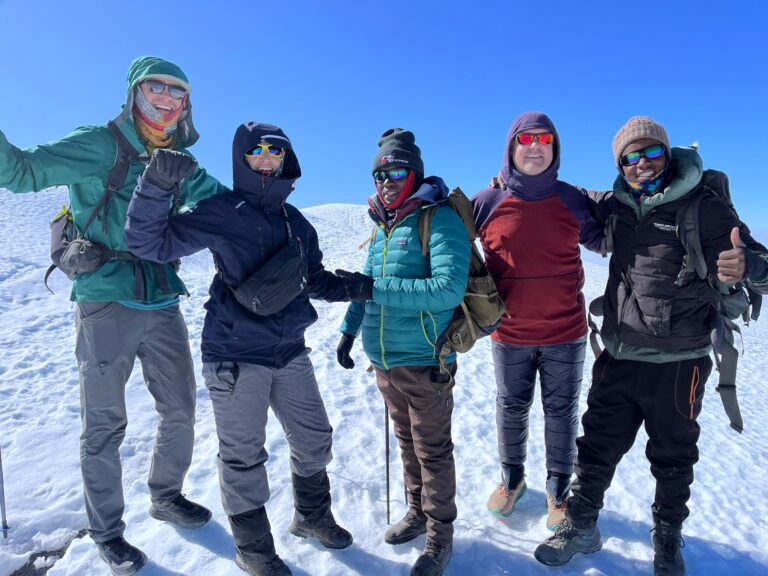
Early October Kilimanjaro Climbing Packages: Your Guide To Summit Success
Planning an early October climb of Kilimanjaro? This guide covers everything you need to know about packages, routes, weather, and preparation for your 2026-2027 adventure.
View package details
September Kilimanjaro Summit Night Temperature 2026-2027
September Kilimanjaro Summit Night Temperature is explained with current 2026-2027 planning, price, itinerary and booking information.
View package details
December Kilimanjaro Summit Temperature: What To Expect In 2026-2027
Planning a Kilimanjaro climb in December? Understand the extreme cold at the summit, essential gear, and how to prepare for the challenging conditions expected in 2026-2027.
View package details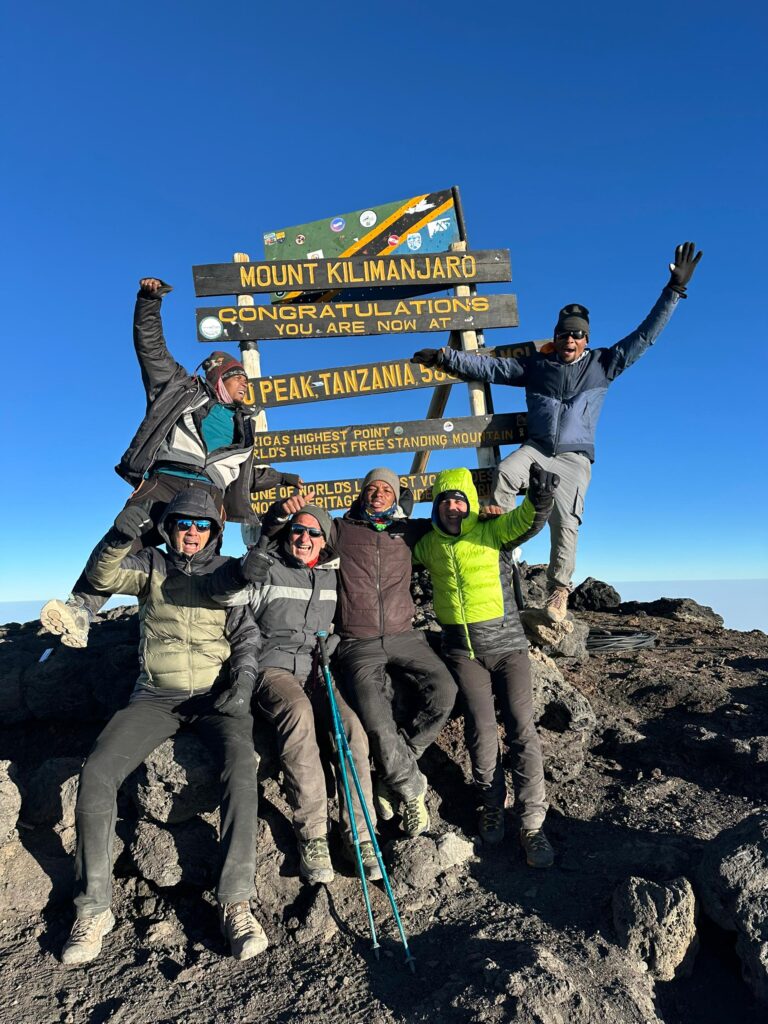
October Kilimanjaro Flexible Private Departure: Your Ultimate Guide 2026-2027
Secure your October Kilimanjaro flexible private departure with Top Guide Adventures. This comprehensive guide covers everything from route selection and best practices for your 2026-2027...
View package details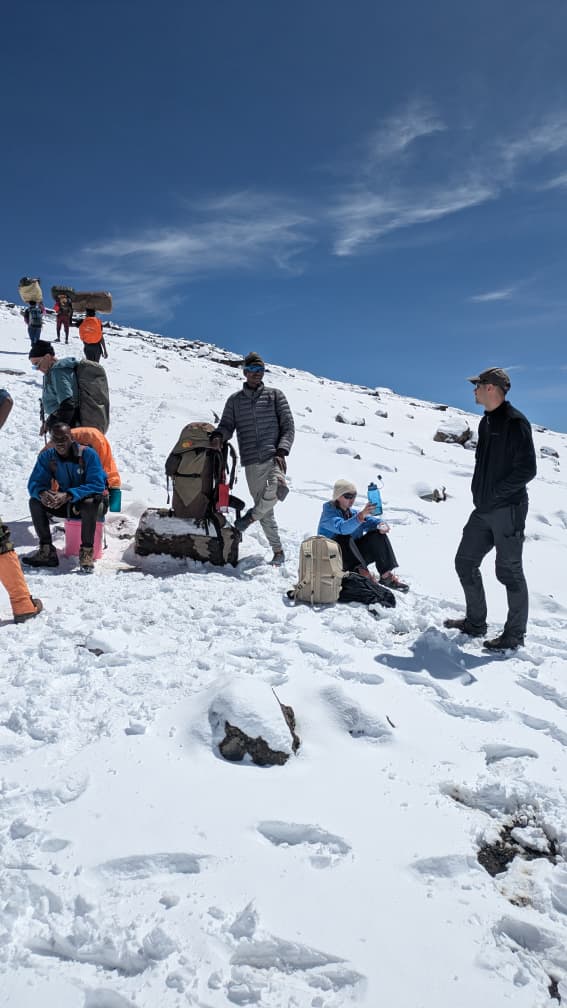
October Kilimanjaro Climb: Fewer Crowds, Great Weather 2026-2027
Planning an October Kilimanjaro climb offers a sweet spot with fewer trekkers and ideal weather conditions. Learn why October is a fantastic month for reaching Uhuru Peak and how to make...
View package details
October Kilimanjaro Luxury Camping Package: Your Ultimate Adventure 2026-2027
Secure your spot on a 2026 or 2027 October Kilimanjaro luxury camping adventure with Top Guide Adventures. This package offers premium service, expert guidance, and a comfortable climb.
View package details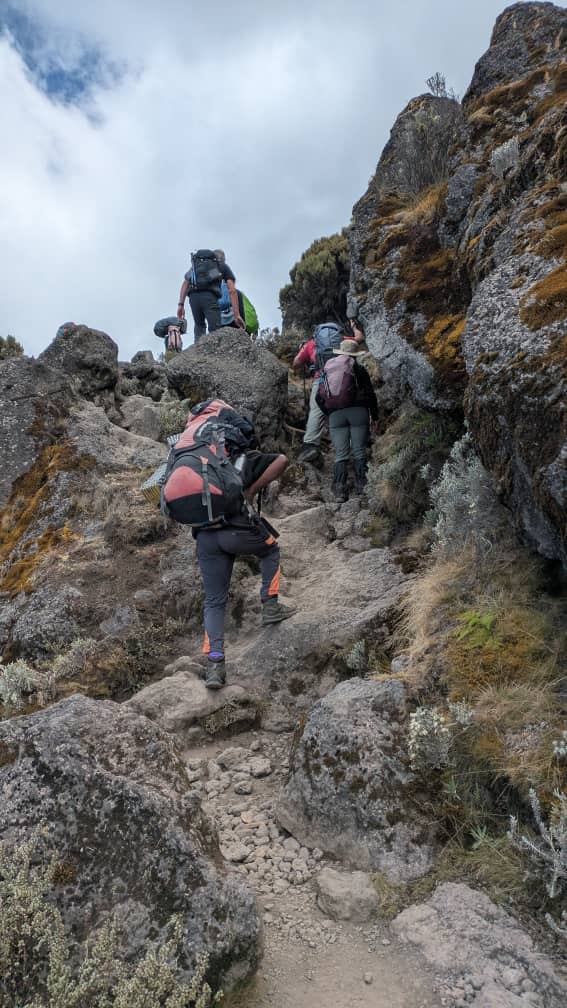
October Kilimanjaro Photography Trek: Your Ultimate Guide 2026-2027
An October Kilimanjaro Photography Trek offers clear skies and fewer crowds, ideal for capturing impressive summit views. This guide details the best routes, essential photography gear, and...
View package details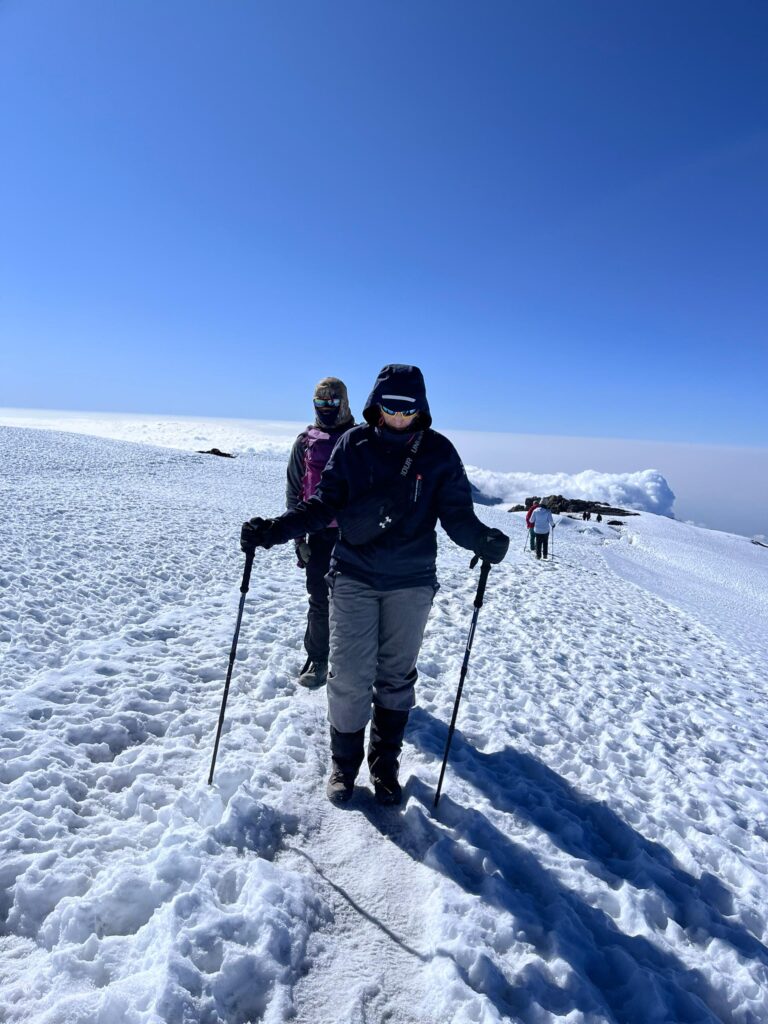
October Kilimanjaro Shoulder-Season Deals 2026-2027
October Kilimanjaro Shoulder-Season Deals is explained with current 2026-2027 planning, price, itinerary and booking information.
View package details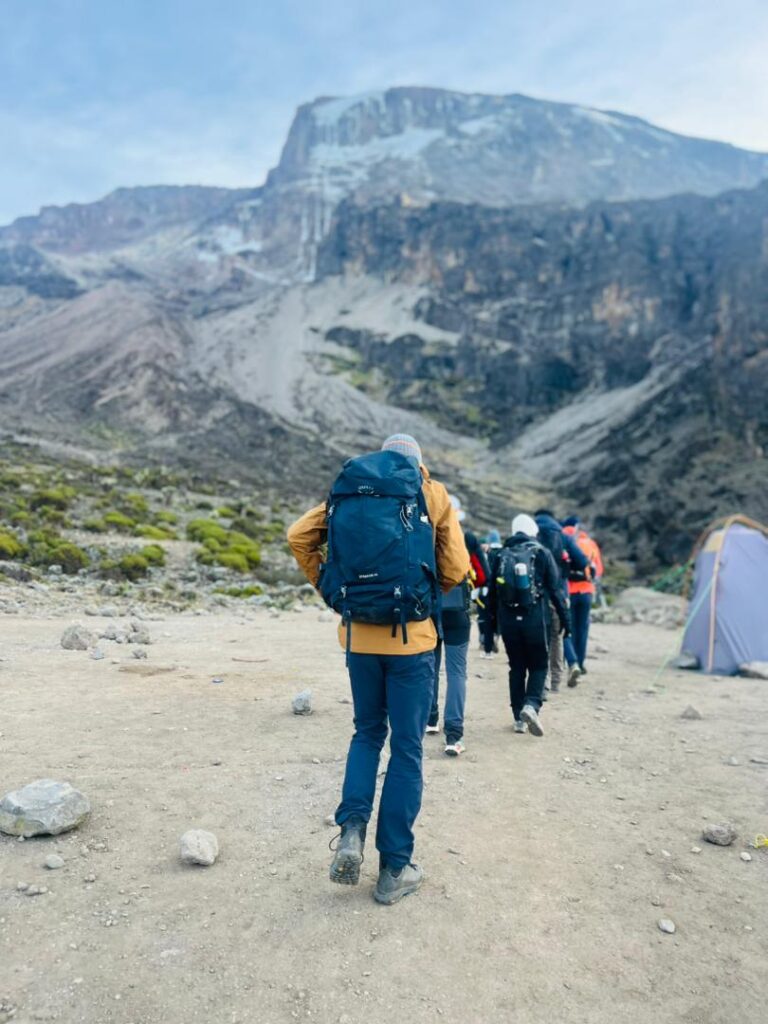
October Kilimanjaro Trail Conditions: Your Expert Guide For 2026-2027
Planning a Kilimanjaro climb in October? This guide details the trail conditions, weather patterns, crowds, and essential preparations for your 2026-2027 adventure.
View package detailsOctober Kilimanjaro Waterproof Packing Guide For Climbs 2026-2027
Prepare for your October Kilimanjaro climb with this comprehensive waterproof packing guide. Essential gear and clothing advice for 2026-2027 expeditions.
View package details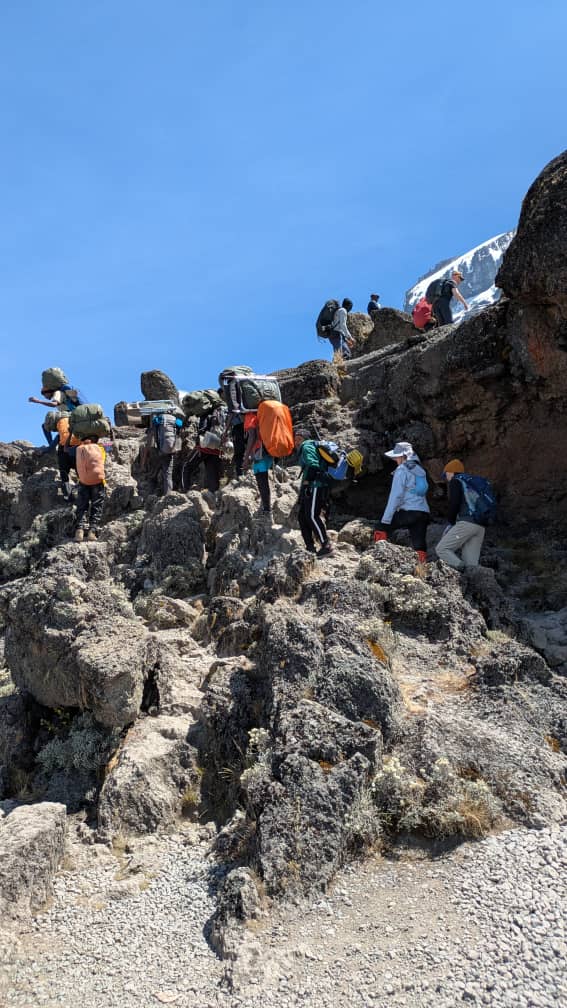
Does It Rain On Kilimanjaro In October? Your Guide 2026-2027
Planning a Kilimanjaro climb in October? Understand the weather patterns, including rainfall, to prepare effectively. This guide offers insights for your 2026-2027 adventure.
View package details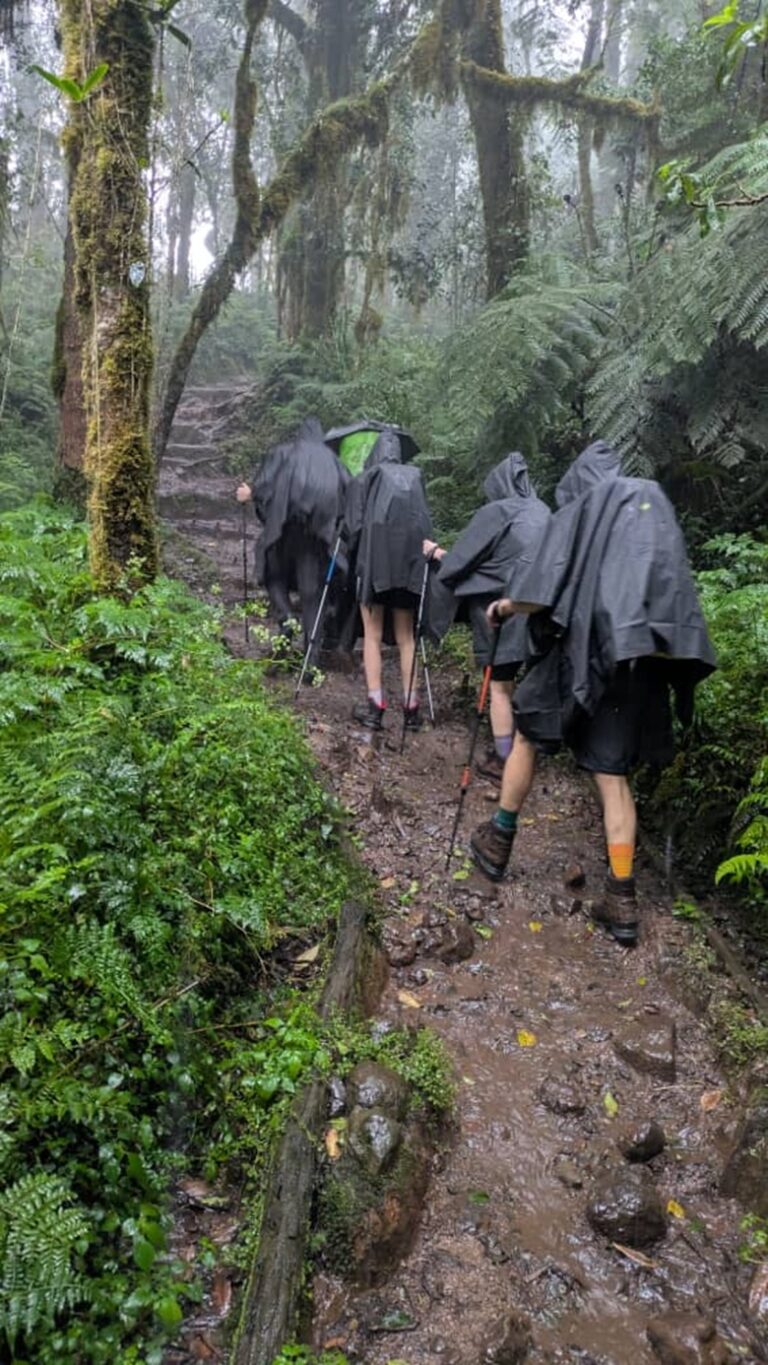
Is October A Good Time To Climb Kilimanjaro? Your Expert Guide For 2026-2027
Discover if October is an ideal month for your Kilimanjaro ascent. This guide covers weather, crowds, costs, and essential planning for your 2026-2027 climb.
View package detailsNo related package matches those filters. Clear one or more filters to see the other topic-matched options.



