
An 8-day Lemosho Route Kilimanjaro climb in November offers excellent acclimatization and fewer crowds, with generally stable weather transitioning from the short rainy season. This extended duration on the Lemosho route significantly boosts your chances of reaching Uhuru Peak by allowing for a slower, more comfortable ascent, making it ideal for trekkers in 2026 and 2027. Top Guide Adventures provides comprehensive support, experienced guides, and essential gear for this challenging yet rewarding journey.

Why Choose the 8-Day Lemosho Route for Your November Kilimanjaro Climb?
The 8-day Lemosho Route is widely considered one of the most scenic and rewarding paths up Mount Kilimanjaro. Its longer duration is specifically designed to promote better acclimatization, which is crucial for summit success. When you combine this strategic route with the unique conditions of November, you create an exceptional window for a Kilimanjaro expedition. At Top Guide Adventures, we focus on providing personalized experiences, ensuring every climber has the best possible chance to achieve their summit goals.
November on Kilimanjaro sits between the short rainy season and the main dry season. While there’s a possibility of some rain, especially in the lower rainforest zones, it’s typically characterized by brief showers followed by clear skies, particularly in the afternoons. Higher up the mountain, precipitation often turns into snow. The advantage of climbing during this shoulder month is the reduced number of trekkers compared to the peak dry seasons of January-February and June-September. This means more solitude on the trails, a more intimate connection with the mountain’s diverse ecosystems, and often clearer views.
The 8-day itinerary on the Lemosho Route is particularly beneficial in November. It provides an additional day for acclimatization compared to shorter Lemosho variations, allowing your body to adjust more gradually to the increasing altitude. This slower pace is vital for preventing altitude sickness and ensuring you have the energy reserves needed for the demanding summit night. For trekkers planning their climb in November 2026 or November 2027, the 8-day Lemosho offers a balanced approach: stunning scenery, good acclimatization, manageable crowds, and a high probability of success.
Understanding the Lemosho Route’s Advantages
The Lemosho Route is celebrated for its natural beauty and gradual ascent profile. It begins on the western side of Kilimanjaro, near the border with Kenya, and traverses the mountain from west to east. This approach allows for an extended period of acclimatization as you gradually make your way across different ecological zones.
- Scenic Beauty: The Lemosho Route is renowned for its impressive views. You’ll trek through lush rainforests, alpine meadows, and dramatic volcanic deserts, with constant opportunities for stunning photographic moments. The initial days on the western side offer particularly spectacular panoramas.
- Acclimatization Profile: The 8-day itinerary follows the classic “climb high, sleep low” principle effectively. This means you ascend to higher altitudes during the day and descend to lower camps for the night, which is a proven method for helping your body adapt to the thinning air.
- Lower Crowds: Compared to more popular routes like Marangu or Machame, Lemosho typically sees fewer trekkers, especially outside the absolute peak seasons. This provides a more peaceful and personal climbing experience.
- High Success Rate: The longer duration and excellent acclimatization profile of the 8-day Lemosho Route contribute significantly to its high summit success rates.
November Weather on Kilimanjaro: What to Expect
November on Kilimanjaro is a transitional month. It marks the end of the short rainy season (October-November) and the beginning of the dry season that extends into February. Understanding these nuances is key to preparing for your 8-day Lemosho Route Kilimanjaro climb in November.
Rainfall Patterns
The lower slopes, particularly the rainforest zone, can still experience rainfall in early November. These showers are usually brief, often occurring in the afternoon or evening, and are followed by periods of sunshine. The rain helps keep the vegetation lush and vibrant. As the month progresses, the frequency and intensity of rain tend to decrease.
Temperature Fluctuations
Temperatures vary dramatically with altitude and time of day. Expect mild, humid conditions in the rainforest (around 20-25°C or 68-77°F), cooler temperatures in the moorland and alpine desert zones (0-10°C or 32-50°F), and freezing temperatures on the summit and in the arctic zone (-5 to -15°C or 23-5°F, potentially colder with wind chill).
Wind Conditions
Wind can be a significant factor, especially at higher altitudes and on summit night. While November is not typically as windy as some other months, exposed sections can still feel harsh. Proper windproof gear is essential.
Visibility and Skies
While the rainy season can bring cloud cover, especially in the lower altitudes, November often offers periods of clear skies, particularly in the mornings. As the month progresses towards the dry season, visibility tends to improve. Snow is common at the summit, even when it’s raining lower down.
Key Takeaway for November Climbers: While not the absolute driest month, November offers a unique blend of fewer crowds, lush scenery, and manageable weather, especially when combined with the 8-day Lemosho Route’s acclimatization benefits. Being prepared for occasional rain at lower elevations and cold temperatures at higher elevations is crucial.
The 8-Day Lemosho Route Itinerary: A Detailed Look
The 8-day Lemosho Route is structured to maximize acclimatization and scenic enjoyment. Here’s a typical itinerary that Top Guide Adventures follows, designed for your 8-day Lemosho Route Kilimanjaro climb in November 2026 or November 2027.
Day 1: Machame Gate (1,800m/5,905ft) to Machame Camp (3,050m/10,007ft)
Trekking Time: 5-7 hours
Distance: Approximately 11 km / 7 miles
Zone: Rainforest
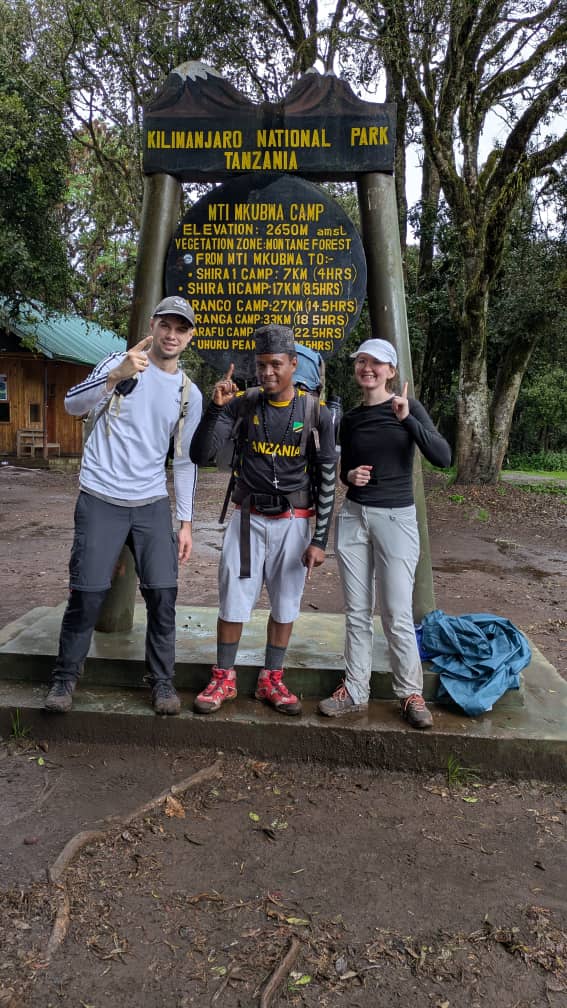
Your adventure begins at Machame Gate, where you’ll complete registration and meet your guides and porters. The trek starts with a steady ascent through the dense rainforest. The path can be muddy in November, so sturdy waterproof boots are essential. You’ll hear the sounds of the forest and might spot Colobus monkeys. The camp is situated on the edge of the forest, offering a comfortable introduction to Kilimanjaro camping.
Day 2: Machame Camp (3,050m/10,007ft) to Shira 2 Camp (3,850m/12,631ft)
Trekking Time: 4-6 hours
Distance: Approximately 5 km / 3 miles
Zone: Rainforest to Moorland
Today’s trek takes you out of the rainforest and into the moorland zone. The trail involves some steep ascents and descents, including crossing a deep ravine. You’ll enjoy increasingly open views as you gain altitude. Shira 2 Camp is located on a plateau with stunning views of the Shira Massif and Kibo peak in the distance. The air is noticeably thinner here.
Day 3: Shira 2 Camp (3,850m/12,631ft) to Lava Tower (4,600m/15,092ft) then to Barranco Camp (3,950m/12,959ft)
Trekking Time: 6-8 hours
Distance: Approximately 10 km / 6 miles
Zone: Moorland to Alpine Desert
This is a key acclimatization day. You’ll trek east towards the Lava Tower, a prominent volcanic plug. This day involves significant altitude gain, reaching 4,600 meters, before descending to Barranco Camp. This “climb high, sleep low” strategy is vital for acclimatization. The landscape becomes more barren and rugged. Barranco Camp is located at the base of the spectacular Barranco Wall.
Day 4: Barranco Camp (3,950m/12,959ft) to Karanga Camp (4,000m/13,123ft)
Trekking Time: 4-5 hours
Distance: Approximately 5 km / 3 miles
Zone: Alpine Desert
Today involves conquering the famous Barranco Wall. It’s a scramble, but not technical climbing, requiring careful hand and foot placement. Your guides will assist you. The views from the top of the wall are incredible. After the Wall, the trail continues through a rocky alpine desert landscape, leading to Karanga Camp. Karanga Camp offers a unique setting within a bowl-shaped valley.
Day 5: Karanga Camp (4,000m/13,123ft) to Barafu Camp (4,650m/15,256ft)
Trekking Time: 3-5 hours
Distance: Approximately 4 km / 2.5 miles
Zone: Alpine Desert
This is a shorter trekking day, but it involves a significant altitude gain to reach Barafu Camp, the base camp for the summit push. The landscape is increasingly barren and exposed. Barafu Camp is situated on a rocky ridge. You’ll have an early dinner and an early bedtime as you prepare for the challenging summit night. Rest is paramount.
Day 6: Summit Night! Barafu Camp (4,650m/15,256ft) to Uhuru Peak (5,895m/19,341ft) and down to Mweka Camp (3,100m/10,170ft)
Trekking Time: 10-15 hours (summit and descent)
Distance: Approximately 15 km / 9 miles (total)
Zone: Alpine Desert to Arctic Zone and back
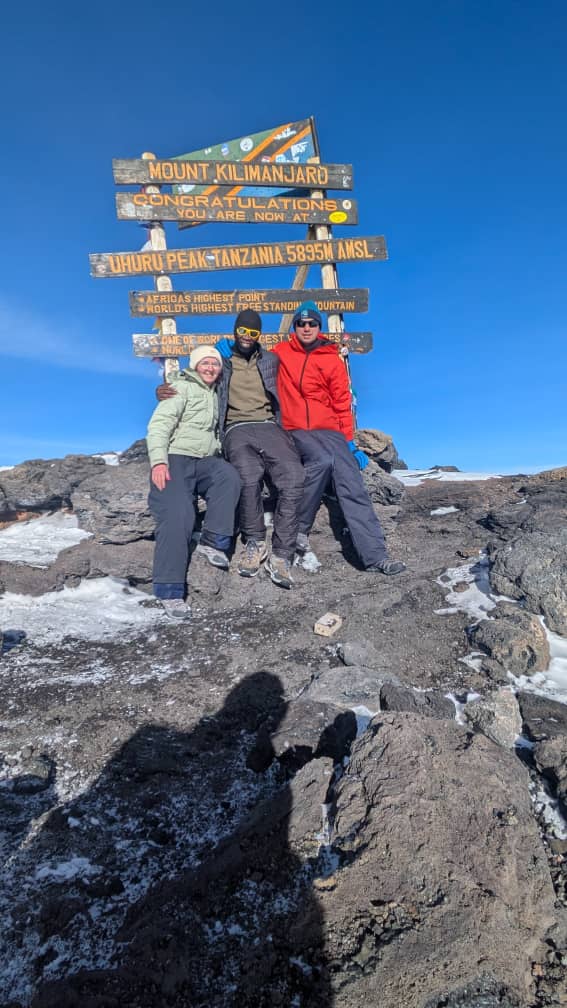
This is the most demanding day. You’ll start trekking around midnight, ascending steeply towards Stella Point (5,739m/18,832ft) via the scree slopes. The final push to Uhuru Peak (5,895m/19,341ft), the Roof of Africa, is along the crater rim, offering stunning views of the glaciers and sunrise. After celebrating at the summit, you’ll descend directly to Mweka Camp, passing Barafu Camp without stopping. This descent is long and tiring but offers a sense of accomplishment.
Day 7: Mweka Camp (3,100m/10,170ft) to Mweka Gate (1,640m/5,380ft)
Trekking Time: 3-5 hours
Distance: Approximately 10 km / 6 miles
Zone: Forest
After breakfast, you’ll complete the descent through the remaining rainforest. You’ll reach Mweka Gate, where you’ll be met by our team for your transfer back to your hotel in Moshi. This is a day for celebrating your incredible achievement!
Day 8: Buffer Day / Rest Day
This extra day is built into the 8-day itinerary as a buffer. It can be used in several ways: to provide an additional acclimatization day if needed, to allow for a more relaxed pace on any particular day, or simply to ensure you have a full rest day before your departure or onward travel. For many, this extra day significantly reduces the risk of altitude sickness and enhances the overall experience of the 8-day Lemosho Route Kilimanjaro climb in November.
Why 8 Days is Optimal for Lemosho in November
While shorter versions of the Lemosho Route exist, the 8-day itinerary provides the crucial extra day that significantly increases acclimatization and, consequently, summit success rates. This is especially true for climbs in months like November, where weather can be slightly less predictable than in the peak dry seasons, and the body might need a little more time to adapt.
The additional day typically allows for a more relaxed pace on the ascent, more time to enjoy the scenery, and crucially, an extra day for your body to adjust to the altitude. This reduces the risk of Acute Mountain Sickness (AMS) and allows you to conserve energy for the demanding summit push. For trekkers planning their 8-day Lemosho Route Kilimanjaro climb in November 2026 or November 2027, this extended itinerary is highly recommended by Top Guide Adventures.
Essential Gear for Your November Kilimanjaro Climb
Packing correctly is vital for comfort and safety on Kilimanjaro, especially in November. Layering is key to managing the changing temperatures and weather conditions. Here’s a comprehensive packing list:
Clothing Layers
- Base Layers: Moisture-wicking thermal tops and bottoms (synthetic or merino wool). Bring at least two sets.
- Mid Layers: Fleece jackets or synthetic insulated jackets for warmth.
- Outer Layer (Insulation): A warm down or synthetic insulated jacket for evenings and summit night.
- Outer Layer (Shell): Waterproof and windproof jacket and trousers (Gore-Tex or similar). Essential for rain and wind protection.
Trekking Gear
- Hiking Boots: Waterproof, broken-in hiking boots with good ankle support. Crucial for muddy trails and rocky ascents.
- Camp Shoes: Comfortable shoes or sandals for relaxing at camp.
- Socks: Several pairs of warm wool or synthetic hiking socks.
- Trekking Trousers: Lightweight, quick-drying trousers (avoid jeans). Consider waterproof overtrousers.
- Shorts: For warmer days in the lower rainforest (optional).
- Headwear: Warm woolen hat or beanie, and a sun hat with a brim.
- Gloves: Warm waterproof gloves or mittens, and thinner liner gloves.
Sleeping Gear
- Sleeping Bag: Rated to at least -10°C to -20°C (0°F to -4°F). November nights can be very cold.
- Sleeping Bag Liner: Adds warmth and keeps your sleeping bag clean.
Other Essentials
- Backpack: A comfortable daypack (30-40 liters) for essentials you need during the day.
- Duffel Bag: A large, waterproof duffel bag (80-100 liters) for your main gear, carried by porters.
- Water Bottles/Hydration Reservoir: At least 2-3 liters capacity. Consider a hydration reservoir with an insulated tube to prevent freezing.
- Headlamp: With extra batteries. Essential for summit night and camp use.
- Sunscreen: High SPF.
- Lip Balm: With SPF.
- Sunglasses: UV protection.
- Toiletries: Biodegradable soap, toothbrush, toothpaste, wet wipes, hand sanitizer.
- Personal First-Aid Kit: Including any personal medications, blister treatment, pain relievers, and altitude sickness medication (consult your doctor).
- Trekking Poles: Highly recommended for reducing strain on knees, especially during descents.
- Camera: With extra batteries and memory cards.
- Power Bank: For charging electronics.
- Snacks: Energy bars, nuts, dried fruit (though meals are provided).
- Passport and Visa: Keep copies separate.
- Travel Insurance Details: Essential.
Note for November: Pack extra waterproofs and be prepared for potentially muddy trails in the rainforest. Ensure your sleeping bag is warm enough for freezing summit night temperatures.
Health and Safety on Kilimanjaro
Your health and safety are paramount. Top Guide Adventures prioritizes these aspects on every 8-day Lemosho Route Kilimanjaro climb in November.
Altitude Sickness (AMS)
The primary risk on Kilimanjaro is Acute Mountain Sickness (AMS). Symptoms include headache, nausea, dizziness, and fatigue. The best prevention is slow ascent and proper acclimatization, which the 8-day Lemosho Route facilitates. Our guides are trained to recognize and manage AMS. They will monitor your condition daily. If symptoms worsen, descent is the only cure.
Pre-Climb Medical Check-up
Consult your doctor well in advance of your trip. Discuss your plans, get advice on altitude sickness medication (like Diamox), and ensure you are physically fit for the trek. Your doctor can provide a personalized health assessment for your climb in November 2026 or November 2027.
Hydration and Nutrition
Drink plenty of water throughout the day (3-4 liters minimum). Dehydration exacerbates altitude sickness. We provide nutritious, balanced meals at every camp to fuel your ascent. Listen to your body and eat what you can, even if your appetite decreases at altitude.
Emergency Procedures
Top Guide Adventures maintains strict safety protocols. Our guides carry comprehensive first-aid kits and oxygen cylinders. We have communication systems in place for emergencies. In case of severe AMS, immediate descent is initiated, and evacuation can be arranged if necessary.
Choosing a Tour Operator: Top Guide Adventures
Selecting the right tour operator is as important as choosing the right route. Top Guide Adventures is committed to providing safe, responsible, and unforgettable Kilimanjaro climbing experiences. When you book your 8-day Lemosho Route Kilimanjaro climb in November with us, you benefit from:
- Experienced & Certified Guides: Our guides are highly trained in wilderness first aid, mountain rescue, and Kilimanjaro’s unique environment.
- Quality Equipment: We provide high-quality tents, sleeping mats, and cooking equipment. You can also rent essential gear like sleeping bags and warm jackets.
- Fair Porter Treatment: We adhere to ethical trekking practices, ensuring our porters are well-treated, well-fed, and properly equipped. This is a cornerstone of our operations.
- Comprehensive Support: From initial inquiry to your return to the hotel, we offer personal attention, clear communication, and dedicated support.
- High Success Rates: Our focus on acclimatization, experienced guides, and quality service contributes to our excellent summit success rates.
We understand the nuances of climbing Kilimanjaro in different months, including the specific conditions of November. Our team is ready to help you plan your perfect 8-day Lemosho Route Kilimanjaro climb in November 2026 or November 2027.
Cost Considerations for Your November Climb
The cost of an 8-day Lemosho Route climb can vary depending on the tour operator and the inclusions. Top Guide Adventures offers competitive pricing with a strong emphasis on safety, quality, and ethical practices. Our packages are designed to be comprehensive, covering most essential aspects of your climb.
Typical Inclusions
A reputable operator like Top Guide Adventures will typically include:
- Park fees (Kilimanjaro National Park, Conservation Fees)
- All campsite fees
- Professional mountain guides (licensed)
- Assistant guides
- Porters
- Cook
- All meals on the mountain (breakfast, lunch, dinner)
- Boiled water on the mountain
- Accommodation in Moshi before and after the climb (often included, check specifics)
- Airport transfers
- Portable toilet
- Emergency oxygen and comprehensive first-aid kit
- Government taxes
What’s Usually Not Included
- International flights
- Visa fees
- Travel insurance (mandatory)
- Tips for guides, porters, and cook (a significant part of crew wages)
- Personal climbing gear (can often be rented)
- Lunches and drinks in town before/after the climb
- Personal expenses (souvenirs, laundry)
- Optional climbs like Kilimanjaro Marangu route
Pricing for 2026-2027
For an 8-day Lemosho Route Kilimanjaro climb in November with Top Guide Adventures, you can expect pricing to be in the range of $2,000 – $3,000 USD per person for a private climb, depending on the group size and specific inclusions. Group departures or shared climbs might offer slightly lower rates. We recommend contacting us directly for a detailed, personalized quote for your November 2026 or November 2027 expedition.
Why this price range? This reflects the cost of quality equipment, experienced and well-paid crew, park fees, safety measures (like oxygen), and the overall logistical complexity of operating on Kilimanjaro. Cutting costs too drastically often means compromising on safety, crew welfare, or the quality of your experience.
Contact Us for a Custom Quote:
Email: topguideadventures@gmail.com
Backup Email: info@topguideadventures.com
WhatsApp: +255616946642
Tips for Maximizing Your Success on the 8-Day Lemosho in November
Beyond choosing the right route and operator, several personal strategies can significantly enhance your chances of summiting and enjoying your 8-day Lemosho Route Kilimanjaro climb in November.
Physical Preparation
Start training at least 2-3 months before your climb. Focus on cardiovascular fitness (hiking, running, cycling) and strength training, particularly for your legs and core. Practice hiking with a weighted backpack on hilly terrain.
Mental Preparation
Kilimanjaro is a mental challenge as much as a physical one. Understand that there will be tough moments, especially on summit night. Visualize success, stay positive, and trust your guides. The 8-day Lemosho route provides a mental buffer with its more relaxed pace.
Acclimatization Techniques
Listen to your body. Don’t push too hard on ascent days. Stay well-hydrated. Avoid alcohol and caffeine, which can contribute to dehydration. Inform your guide immediately if you experience any symptoms of altitude sickness.
Packing Smart
As detailed earlier, layering is essential. Ensure your gear is waterproof and warm enough for potential November conditions. Test your headlamp and ensure your batteries are fresh.
Embrace the Experience
Kilimanjaro is more than just the summit. Enjoy the diverse landscapes, the camaraderie with your fellow climbers and crew, and the unique ecosystems. The Lemosho Route offers unparalleled beauty, especially in the quieter month of November.
Comparing November with Other Months
While November is a great choice, understanding how it compares to other months can solidify your decision for the 8-day Lemosho Route Kilimanjaro climb in November.
- Dry Seasons (Jan-Feb, Jun-Sep): These months offer the most stable weather with clear skies and less chance of rain. However, they are also the busiest and most expensive.
- Shoulder Seasons (Mar-May, Oct-Nov): These months can have mixed weather. March-May is the long rainy season, often experiencing heavy rain. October-November is the short rainy season, typically with lighter, intermittent showers, especially at lower altitudes.
November’s Edge: Fewer crowds than peak dry seasons, lush scenery due to recent rains, and a good balance between potential for rain and clear skies. The 8-day Lemosho route’s acclimatization is a significant advantage in any weather.
Frequently Asked Questions about the 8-Day Lemosho Route in November
Is November a good month to climb Kilimanjaro via the Lemosho Route?
Yes, November is generally a good month. It falls between the short rainy season and the main dry season. While you might encounter some rain showers, particularly in the rainforest zone, these are often brief. The advantage is significantly fewer crowds compared to peak months, and the mountain is beautifully green. The 8-day Lemosho Route’s excellent acclimatization profile makes it suitable for this transitional weather.
What is the typical weather like on the 8-day Lemosho Route in November?
Weather varies greatly with altitude. Lower sections (rainforest) can be warm, humid, and potentially wet. Mid-altitudes (moorland, alpine desert) will be cooler, with potential for rain or even light snow. Summit night and the arctic zone will be very cold, with temperatures well below freezing, often accompanied by wind.
What is the success rate for the 8-day Lemosho Route in November?
The 8-day Lemosho Route has one of the highest success rates among Kilimanjaro routes, often exceeding 85-90%. This is largely due to its gradual ascent and excellent acclimatization profile. While November weather can present challenges, the extended duration significantly aids acclimatization, contributing to a high success rate for trekkers with proper preparation.
What gear is essential for a November climb?
Crucial gear includes waterproof and windproof outer layers (jacket and trousers), warm layers (fleece, down jacket), waterproof hiking boots, warm hat and gloves, and a sleeping bag rated to at least -10°C (0°F). Layering is key to managing the temperature and weather variations. Ensure you have good quality rain gear.
Do I need to book my 8-day Lemosho Route climb for November 2026 or 2027 far in advance?
While November is not a peak season, it’s advisable to book your 8-day Lemosho Route Kilimanjaro climb in November 2026 or November 2027 at least 6-9 months in advance. This allows ample time for planning, securing permits, and preparing physically and mentally. Early booking also ensures you get your preferred dates and tour operator.
Your Kilimanjaro Adventure Starts Here
The 8-day Lemosho Route Kilimanjaro climb in November offers a truly exceptional experience. It combines one of the most beautiful and effective routes with the unique advantages of climbing during this transitional month. With Top Guide Adventures, you are choosing a partner dedicated to your safety, success, and enjoyment. We meticulously plan every detail, from experienced guides and quality equipment to ethical crew treatment and comprehensive support.
Whether you are planning for November 2026 or looking ahead to November 2027, our team is ready to help you make your Kilimanjaro dream a reality. We pride ourselves on offering personalized service and expert advice to ensure your climb is as smooth and rewarding as possible.
Ready to take the next step? Contact our adventure specialists today for a personalized quote, to discuss your specific needs, or to simply learn more about the incredible journey that awaits you on the Roof of Africa.
Get in Touch:
WhatsApp: +255616946642
Email: topguideadventures@gmail.com
Backup Email: info@topguideadventures.com
Let Top Guide Adventures be your trusted partner for an unforgettable 8-day Lemosho Route Kilimanjaro climb in November.
Check Availability for 8-Day Lemosho Route Kilimanjaro Climb In November | Top Guide Adventures
Ready to compare dates, prices, and the best option for your group? Send the package name and travel month so the team can reply with a clear quote, availability, and what is included.

8-Day Lemosho Route Kilimanjaro Climb In December | Top Guide Adventures
Discover the magic of an 8-day Lemosho Route Kilimanjaro climb in December. This guide details what to expect regarding weather, acclimatization, and preparation for your 2026-2027...
View package details
7-Day Machame Route Kilimanjaro Climb In November 2026-2027
start a 7-day Machame Route Kilimanjaro climb in November. This guide details the itinerary, weather, what to pack, costs, and why November is a great month for this challenging yet...
View package details
7-Day Rongai Route Kilimanjaro Climb In November 2026-2027
A detailed 2026-2027 guide to 7-Day Rongai Route Kilimanjaro Climb in November, with clear planning and booking information for travelers.
View package details
7-Day Rongai Route Kilimanjaro Climb In May: Your Ultimate Guide 2026-2027
Your comprehensive guide to conquering Kilimanjaro via the Rongai Route in May over 7 days. Learn about the itinerary, what to pack, acclimatization, and why May is a great month for this...
View package details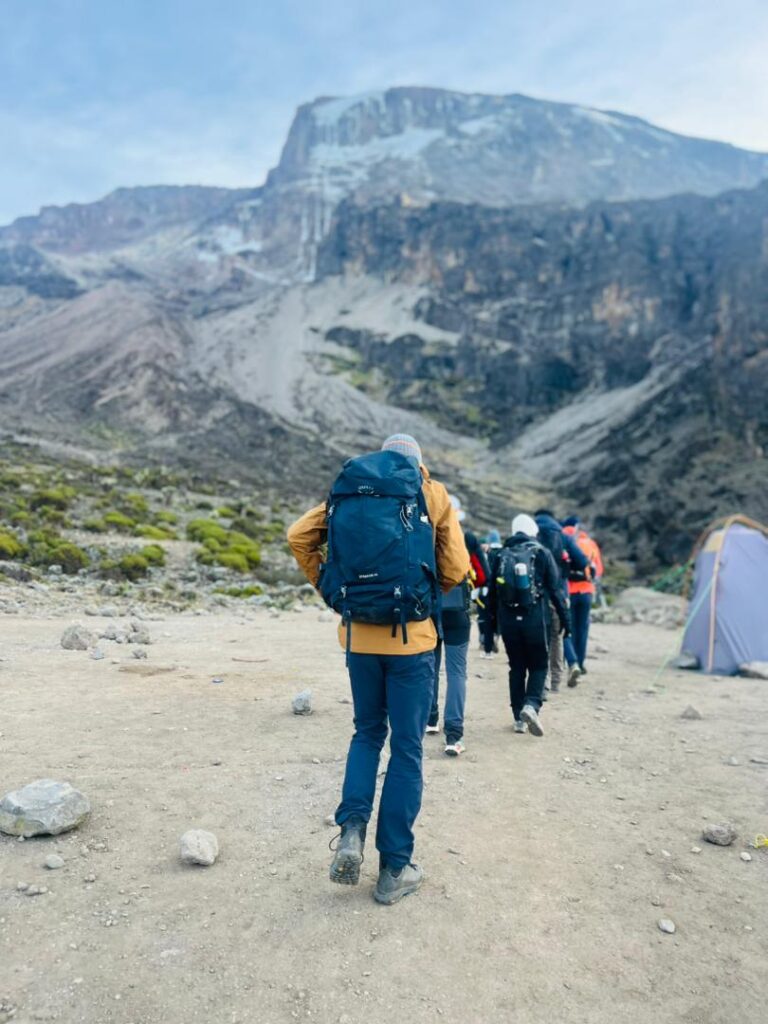
7-Day Rongai Route Kilimanjaro Climb In April: Your Expert Guide For 2026-2027
The 7-Day Rongai Route offers a unique and often drier approach to climbing Kilimanjaro, especially beneficial in April. This guide provides an in-depth look at the itinerary, essential...
View package details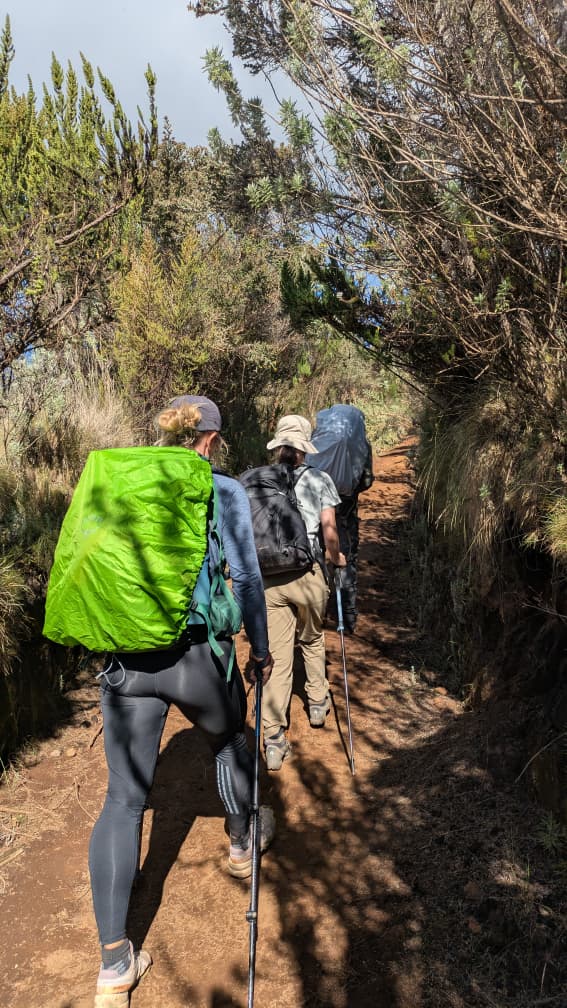
8-Day Lemosho Route Kilimanjaro Climb In January | Top Guide Adventures
An in-depth guide to the 8-day Lemosho Route Kilimanjaro climb during January, detailing the itinerary, weather, costs, and preparation needed for a successful trek in 2026-2027. Expert...
View package details
Your 7-Day Machame Route Kilimanjaro Climb In December : Expert Guide
A comprehensive guide to undertaking a 7-day Machame Route Kilimanjaro climb during December. Learn about the conditions, best practices, and what to expect for your 2026-2027 adventure.
View package details8-Day Lemosho Route Kilimanjaro Climb In October : Your Expert Guide 2026-2027
An in-depth guide to climbing Kilimanjaro via the 8-day Lemosho Route in October, detailing weather, itinerary, preparation, and what to expect in 2026-2027. Perfect for trekkers seeking...
View package details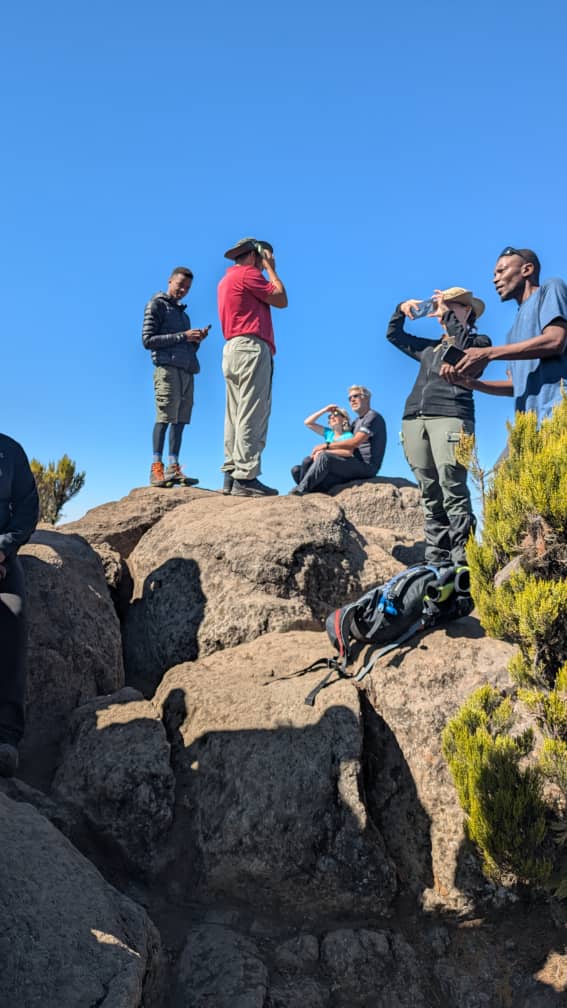
7-Day Rongai Route Kilimanjaro Climb In October : Your Expert Guide 2026-2027
Your comprehensive guide to the 7-Day Rongai Route Kilimanjaro climb in October, detailing itineraries, what to expect, and essential preparation for 2026-2027 climbs.
View package details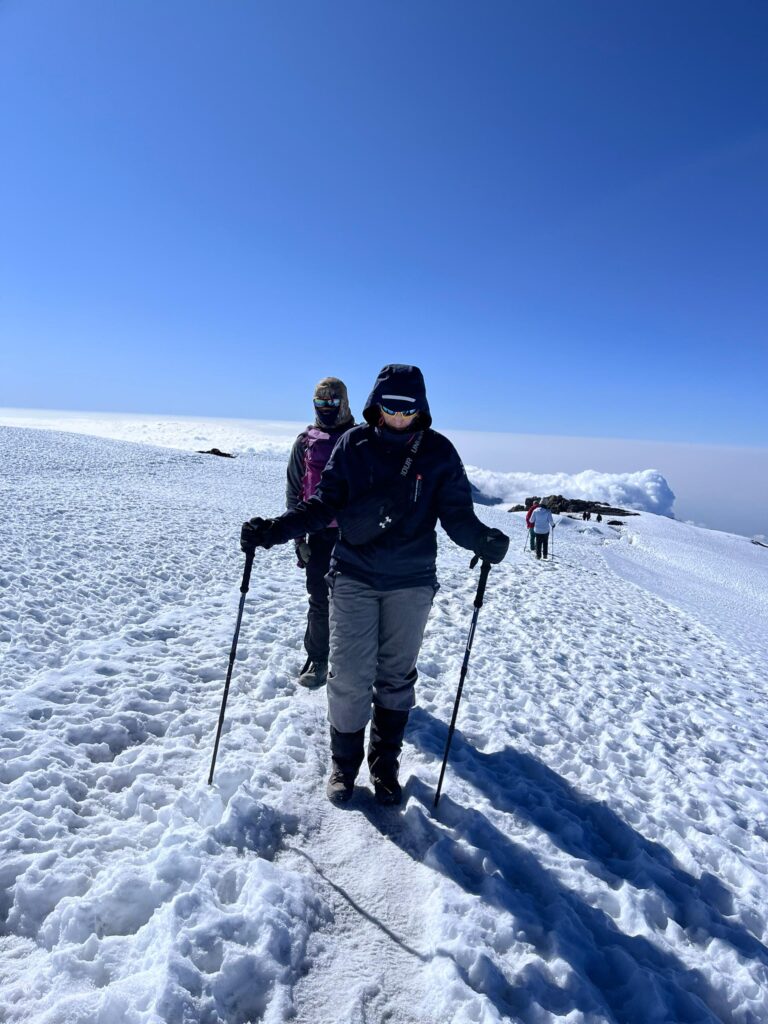
7-Day Machame Route Kilimanjaro Climb In October : Your Ultimate Guide
Discover everything you need to know for a 7-day Machame Route Kilimanjaro climb in October, including weather, packing, itinerary, and preparation for your 2026-2027 adventure.
View package details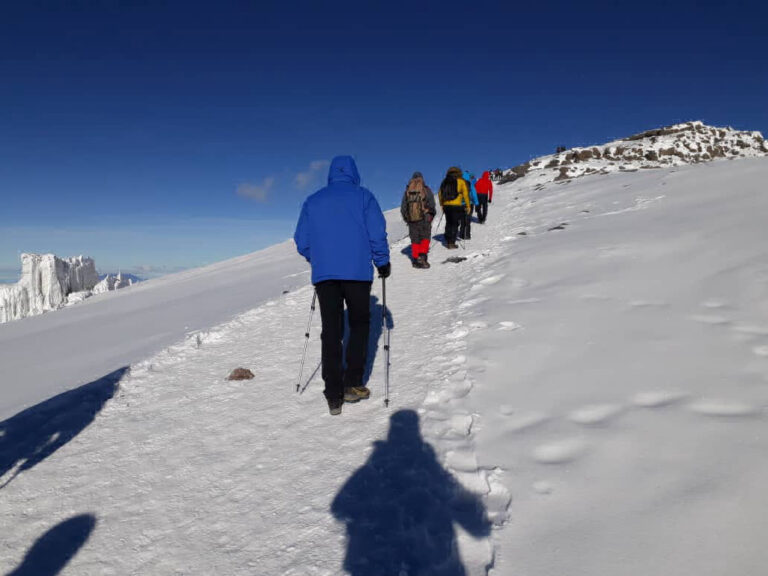
November Vs December Kilimanjaro Climbing Conditions Guide
Choosing between November and December for your Kilimanjaro climb? This guide details the distinct conditions, weather patterns, crowd levels, and cost considerations for each month...
View package details6-Day Marangu Route Kilimanjaro Climb In December 2026-2027
Discover everything you need to know for a 6-day Marangu Route Kilimanjaro climb during December 2026-2027. This guide covers weather expectations, essential gear, itinerary details...
View package detailsNo related package matches those filters. Clear one or more filters to see the other topic-matched options.



