
A 7-day Machame Route Kilimanjaro climb in November offers excellent conditions for trekkers, blending the end of the short rainy season with the start of the dry season, resulting in fewer crowds and potentially clearer skies than peak months. This duration provides a good balance between acclimatization and challenge, making it a popular choice for those seeking a successful summit. Expect cooler temperatures as you ascend, with potential for rain early in the month, gradually giving way to drier, clearer days as November progresses into December, ideal for planning your 2026 or 2027 adventure.
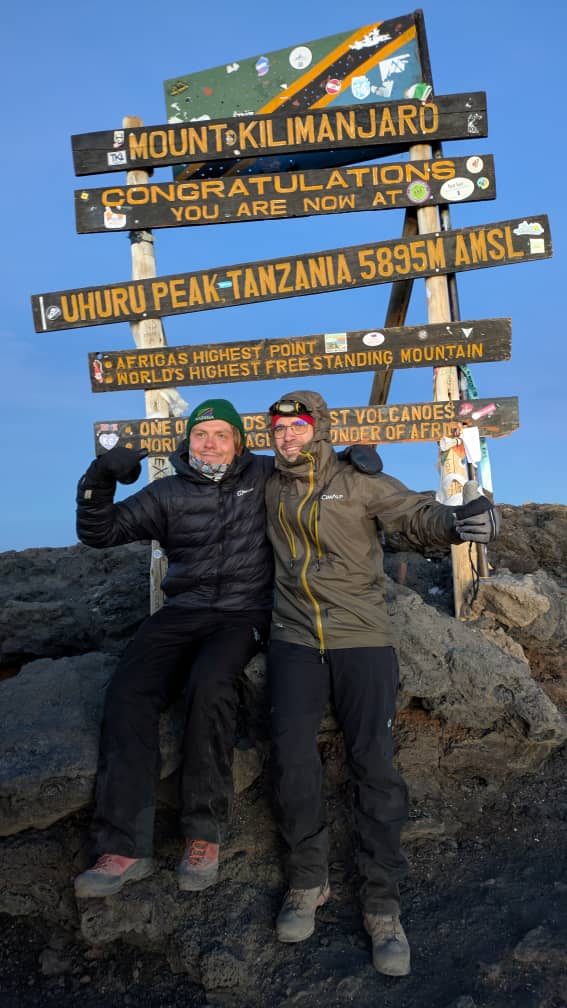


Understanding the 7-Day Machame Route in November
The 7-day Machame Route Kilimanjaro climb in November presents a compelling option for adventurers aiming for Africa’s rooftop. This specific itinerary, known for its scenic beauty and gradual ascent profile, is often favored for its higher success rates compared to shorter routes. November falls within a transitional period on Kilimanjaro, moving from the shorter rainy season towards the main dry season. This means trekkers might encounter a mix of weather, but generally, the latter half of November offers more stable and clear conditions, making it a strategic time to plan for 2026 or 2027 expeditions.
Top Guide Adventures specializes in tailoring these climbs to ensure maximum safety and enjoyment. Our expert guides are well-versed in the nuances of the Machame Route, especially during transitional months like November. We understand that a 7-day schedule on this route is a popular choice as it allows for adequate acclimatization, which is crucial for summit success. This duration is often considered the sweet spot for balancing acclimatization, a steady pace, and the overall trekking experience.
When considering a 7-day Machame Route Kilimanjaro climb in November for 2026 or 2027, it’s important to appreciate the unique characteristics of this month. While not as consistently dry as the peak seasons of January-March or June-October, November offers distinct advantages. The landscape is often vibrant and green following the preceding rains, and the reduced number of trekkers means a more personal and less crowded experience on the mountain. This makes it an attractive period for those who prefer a quieter ascent.
Why Choose November for Your Machame Route Climb?
November on Kilimanjaro is often overlooked in favor of the more established dry seasons, but it holds significant appeal. The weather patterns are typically characterized by the tail end of the short rains (October-November) transitioning into the dry season. This means you might experience some rainfall, particularly in the earlier part of the month, but this often comes in short, predictable bursts, usually in the afternoon or evening, leaving mornings and nights relatively clear. As November progresses, the chances of extended dry periods increase significantly.
Key advantages of climbing Kilimanjaro via the Machame Route in November include:
- Fewer Crowds: Compared to the peak dry seasons, November sees a noticeable decrease in the number of trekkers. This offers a more intimate experience with nature and a greater sense of solitude on the trails.
- Vibrant Scenery: The short rains often leave the mountain’s lower slopes lush and green, offering beautiful, verdant landscapes that are particularly stunning in the early stages of the trek.
- Potential for Clearer Skies Later in the Month: As November transitions into December, the weather typically stabilizes, offering excellent visibility for summit sunrises and panoramic views from the crater rim.
- Cost Considerations: While prices remain relatively consistent, some operators might offer slightly more competitive packages during shoulder seasons, though quality of service and safety should always be the primary concern. Top Guide Adventures ensures competitive pricing without compromising on safety or experience for your 2026-2027 trips.
Planning a 7-day Machame Route Kilimanjaro climb in November for 2026 or 2027 requires an understanding of these weather nuances. Our team at Top Guide Adventures will provide you with detailed pre-trip information to ensure you are prepared for all eventualities, maximizing your chances of a successful and enjoyable summit bid.
The 7-Day Machame Route Itinerary: A Detailed Look
The Machame Route, often called the “Whiskey Route,” is renowned for its scenic beauty and higher success rate due to its excellent acclimatization profile. The 7-day itinerary is particularly well-suited for this route, offering a more relaxed pace and better adaptation to altitude. For your 7-day Machame Route Kilimanjaro climb in November, here’s a typical day-by-day breakdown:
Day 1: Machame Gate (1,800m/5,905ft) to Machame Camp (3,050m/10,007ft)
- Trek Duration: 5-7 hours
- Distance: Approximately 11 km (6.8 miles)
- Habitat: Rainforest
- Description: The journey begins after a scenic drive to Machame Gate. Here, you’ll complete registration and meet your crew. The initial trek is through a dense rainforest, often characterized by a misty, humid environment. The path can be muddy in November, so sturdy, waterproof hiking boots are essential. You’ll gain significant altitude today, arriving at Machame Camp, which is located within the montane forest zone. Your guides will set up camp, and you’ll have your first meal on the mountain.
Day 2: Machame Camp (3,050m/10,007ft) to Shira 2 Camp (3,850m/12,631ft)
- Trek Duration: 4-6 hours
- Distance: Approximately 5 km (3.1 miles)
- Habitat: Moorland
- Description: Today’s trek takes you out of the rainforest and into the moorland zone. The terrain becomes more open, with heather and giant groundsels dominating the landscape. The ascent is steady, and you’ll likely experience cooler temperatures. Shira 2 Camp is situated on a high, flat moorland plateau with stunning views of the Shira Massif. This higher camp aids in acclimatization for your 7-day Machame Route Kilimanjaro climb in November.
Day 3: Shira 2 Camp (3,850m/12,631ft) to Lava Tower (4,600m/15,092ft) to Barranco Camp (3,950m/12,959ft)
- Trek Duration: 6-8 hours
- Distance: Approximately 10 km (6.2 miles)
- Habitat: Alpine Desert
- Description: This is a crucial day for acclimatization, involving a “climb high, sleep low” strategy. You’ll ascend steadily towards Lava Tower, a prominent volcanic rock formation. The landscape is now alpine desert, stark and beautiful. After lunch at Lava Tower, you’ll descend to Barranco Camp. This descent is vital for allowing your body to adjust to the altitude. Barranco Camp is known for its dramatic setting at the base of the Great Barranco Wall.
Day 4: Barranco Camp (3,950m/12,959ft) to Karanga Camp (4,000m/13,123ft)
- Trek Duration: 3-5 hours
- Distance: Approximately 5 km (3.1 miles)
- Habitat: Alpine Desert
- Description: The day begins with the challenging but rewarding scramble up the Great Barranco Wall. This is a highlight for many, offering spectacular views. Once at the top, the terrain flattens out, and you’ll traverse across the Karanga Valley. Karanga Camp is situated in a picturesque valley with views of Kilimanjaro’s Kibo peak. The shorter trekking time allows for rest and further acclimatization.
Day 5: Karanga Camp (4,000m/13,123ft) to Barafu Camp (4,650m/15,256ft)
- Trek Duration: 3-5 hours
- Distance: Approximately 4 km (2.5 miles)
- Habitat: Alpine Desert
- Description: Today involves a steady ascent towards Barafu Camp, the base camp for the summit push. The landscape becomes increasingly barren and rocky. Barafu Camp is exposed and often windy. You’ll have an early dinner and rest, preparing for the challenging summit night. The altitude here is significant, and it’s crucial to stay hydrated and conserve energy. This stage of the 7-day Machame Route Kilimanjaro climb in November is critical for success.
Day 6: Barafu Camp (4,650m/15,256ft) to Summit (Uhuru Peak, 5,895m/19,341ft) and descend to Mweka Camp (3,100m/10,171ft)
- Trek Duration: 10-15 hours (total)
- Distance: Approximately 15 km (9.3 miles) round trip to summit
- Habitat: Arctic
- Description: This is the most demanding day. You’ll start your ascent around midnight, trekking through the night towards Stella Point on the crater rim. The final push to Uhuru Peak, the true summit, is along the crater rim. The air is thin, and temperatures are well below freezing. Reaching Uhuru Peak is an incredible achievement. The descent is long and arduous, back to Barafu Camp for a short rest before continuing down to Mweka Camp, located in the lower rainforest zone.
Day 7: Mweka Camp (3,100m/10,171ft) to Mweka Gate (1,500m/4,921ft)
- Trek Duration: 3-5 hours
- Distance: Approximately 10 km (6.2 miles)
- Habitat: Rainforest
- Description: After breakfast, you’ll complete the final descent through the rainforest to Mweka Gate. Here, you’ll receive your summit certificates. The contrast in temperature and environment from the summit to the gate is dramatic. You’ll then be transferred back to your hotel in Moshi or Arusha, where you can rest and celebrate your accomplishment.
This 7-day itinerary is designed for optimal acclimatization, significantly increasing the chances of a successful summit on your 7-day Machame Route Kilimanjaro climb in November. For 2026 and 2027 bookings, Top Guide Adventures ensures this structure is meticulously followed with experienced guides.
November Weather on Kilimanjaro: What to Expect
Understanding the weather is crucial for any Kilimanjaro trek, and November on the 7-day Machame Route Kilimanjaro climb in November presents a unique climate. As mentioned, it’s a transitional month, bridging the short rainy season with the dry season.
Early November: Lingering Rains
In the first half of November, you might still experience the influence of the short rains. This typically means:
- Afternoon Showers: Rain is most common in the afternoons and evenings. These showers can range from light drizzles to heavier downpours.
- Misty Conditions: The lower rainforest zone can be quite misty and humid.
- Muddy Trails: Trails can become muddy and slippery, especially on the lower slopes. Good waterproof gear and sturdy boots are non-negotiable.
- Clear Mornings: Despite potential afternoon rain, mornings often start clear, offering good visibility.
Late November: Transition to Dry Season
As the month progresses towards December, the weather patterns typically shift towards the dry season:
- Decreased Rainfall: The frequency and intensity of rain showers decrease significantly.
- Clearer Skies: Expect more consistently clear skies, offering better views of the surrounding landscape and the summit.
- Colder Temperatures: As the dry season sets in and you gain altitude, temperatures will drop, especially on summit night.
- Frost Possible: On the higher slopes and during summit night, frost is common, and temperatures can plummet well below freezing.
Temperature Ranges:
* Base (Moshi/Arusha): 20°C – 30°C (68°F – 86°F)
* Rainforest Zone (Day): 15°C – 20°C (59°F – 68°F)
* Rainforest Zone (Night): 10°C – 15°C (50°F – 59°F)
* Moorland/Alpine Desert Zone (Day): 5°C – 15°C (41°F – 59°F)
* Moorland/Alpine Desert Zone (Night): 0°C – 10°C (32°F – 50°F)
* Summit/Arctic Zone (Night/Summit Day): -5°C to -20°C (23°F to -4°F), potentially colder with wind chill.
For your 7-day Machame Route Kilimanjaro climb in November 2026 or 2027, Top Guide Adventures advises packing layers suitable for a wide range of temperatures and conditions. Our guides are experienced in navigating Kilimanjaro’s weather and will ensure your safety and comfort throughout the climb.
Packing Essentials for Your November Climb
Proper gear is paramount for a successful and comfortable Kilimanjaro climb, especially during a transitional month like November. Layering is key to managing changing temperatures and weather conditions. For your 7-day Machame Route Kilimanjaro climb in November, consider the following essential items:
Clothing Layers:
- Base Layers: Moisture-wicking thermal tops and bottoms (synthetic or merino wool). Pack 2-3 sets.
- Mid Layers: Fleece jackets or vests for insulation. A heavier fleece is recommended for higher altitudes.
- Outer Layer (Hardshell): Waterproof and windproof jacket and trousers. Essential for rain and wind protection.
- Insulated Jacket: A warm down or synthetic insulated jacket for cold evenings and summit night.
- Trekking Trousers: Comfortable, quick-drying hiking trousers (avoid jeans). 2 pairs recommended.
- Trekking Shirts: Moisture-wicking short and long-sleeved shirts.
- Underwear: Moisture-wicking.
Headwear and Handwear:
- Warm Hat: Fleece or wool hat that covers your ears.
- Sun Hat: Wide-brimmed hat for sun protection.
- Balaclava/Buff: For face protection against wind and cold, especially on summit night.
- Gloves: Lightweight liner gloves, waterproof/warm outer gloves, and potentially mittens for summit night.
Footwear:
- Hiking Boots: Waterproof, broken-in hiking boots with good ankle support. Crucial for muddy and rocky terrain.
- Camp Shoes: Comfortable shoes (e.g., trainers or sandals) for wearing around camp.
- Socks: Several pairs of warm wool or synthetic hiking socks. Liner socks can help prevent blisters.
Sleeping Gear:
- Sleeping Bag: Rated for at least -10°C to -20°C (0°F to -4°F). Down is lighter but synthetic is better if it gets wet.
- Sleeping Bag Liner: Adds warmth and keeps your bag cleaner.
Trekking Equipment:
- Backpack: A comfortable daypack (30-40 liters) for carrying essentials during the trek (water, snacks, rain gear, camera).
- Duffel Bag: A large, waterproof duffel bag (80-100 liters) for your main gear, carried by porters.
- Trekking Poles: Highly recommended for stability and reducing strain on knees, especially during descents.
- Water Bottles/Hydration Reservoir: At least 3 liters capacity. Ensure bottles are insulated or use a hydration pack with an insulated tube to prevent freezing on summit night.
- Headlamp: With extra batteries. Essential for navigating camp at night and for summit night.
Other Essentials:
- Sunscreen: High SPF.
- Lip Balm: With SPF.
- Sunglasses: UV protection.
- Personal First-Aid Kit: Include blister treatment, pain relievers, and any personal medications.
- Toiletries: Biodegradable soap, toothbrush, toothpaste, wet wipes.
- Snacks: High-energy snacks (nuts, energy bars, dried fruit).
- Camera: With extra batteries and memory cards.
- Power Bank: To charge electronic devices.
- Passport and Visa: Keep in a waterproof bag.
- Travel Insurance Details.
Top Guide Adventures provides a comprehensive packing list upon booking your 7-day Machame Route Kilimanjaro climb in November 2026 or 2027. We can also arrange gear rental for items like sleeping bags and warm jackets if needed. Consulting with our team ensures you are fully equipped for the adventure ahead.
Acclimatization and Altitude Sickness on the Machame Route
Altitude sickness (Acute Mountain Sickness – AMS) is a significant concern for anyone climbing Kilimanjaro. The Machame Route’s 7-day itinerary is specifically designed to mitigate this risk through gradual ascent and the “climb high, sleep low” principle. For a 7-day Machame Route Kilimanjaro climb in November, understanding acclimatization is key.
How the 7-Day Machame Route Aids Acclimatization:
- Gradual Ascent: The route progresses steadily, allowing your body time to adjust to decreasing oxygen levels.
- Higher Sleep Zones: Compared to some other routes, the Machame Route generally involves sleeping at higher altitudes, which can be beneficial if the pace is right.
- “Climb High, Sleep Low”: Day 3 is a prime example, where you ascend to Lava Tower (4,600m) and then descend to sleep at Barranco Camp (3,950m). This is a critical acclimatization strategy.
- Adequate Duration: Seven days provides more time for your body to adapt compared to shorter 5 or 6-day itineraries, especially on a challenging route like Machame.
Recognizing Symptoms of Altitude Sickness:
It’s vital to be aware of the symptoms, which can mimic a hangover or the flu. Common signs include:
- Headache
- Nausea and vomiting
- Dizziness or lightheadedness
- Fatigue and weakness
- Loss of appetite
- Difficulty sleeping
More severe forms, like High Altitude Cerebral Edema (HACE) and High Altitude Pulmonary Edema (HAPE), are medical emergencies and require immediate descent.
Strategies for Prevention and Management:
- Ascend Slowly: The 7-day Machame Route inherently supports this.
- Stay Hydrated: Drink plenty of water (3-4 liters per day). Avoid alcohol and caffeine, which can dehydrate you.
- Eat Well: Consume high-carbohydrate meals. Your appetite may decrease at altitude, but try to eat.
- Avoid Overexertion: Walk at a slow, steady pace, often referred to as “pole pole” (slowly, slowly).
- Communicate with Your Guide: This is the most important strategy. Inform your guide immediately of any symptoms, no matter how minor. Our guides are trained to assess altitude sickness and make critical decisions for your safety.
- Medication: Diamox (acetazolamide) is often prescribed to aid acclimatization. Consult your doctor about whether it’s suitable for you before your 7-day Machame Route Kilimanjaro climb in November 2026 or 2027.
Top Guide Adventures prioritizes your safety above all else. Our guides are certified in Wilderness First Aid and are experienced in managing altitude-related issues. We ensure that every trekker on a 7-day Machame Route Kilimanjaro climb in November is monitored closely.
Costs and Inclusions for a 7-Day Machame Route Climb
Understanding the cost is a crucial part of planning any expedition. The price for a 7-day Machame Route Kilimanjaro climb in November can vary based on the tour operator, group size, and the level of service provided. At Top Guide Adventures, we offer transparent pricing for our 2026 and 2027 expeditions.
Typical Cost Factors:
* Operator Type: Local operators like Top Guide Adventures often provide excellent value and deeply understand the mountain and local logistics. International operators may be more expensive.
* Group Size: Private climbs are more expensive per person than joining a group departure.
* Inclusions: What’s included (meals, accommodation before/after, park fees, crew wages, equipment) significantly impacts the price.
* Quality of Service: Higher quality food, better equipment, and more experienced guides generally command higher prices.
What is Typically Included in a 7-Day Machame Route Climb:
While specific packages differ, a comprehensive climb with a reputable operator like Top Guide Adventures for your 7-day Machame Route Kilimanjaro climb in November usually includes:
- Park Fees: All entrance fees for Kilimanjaro National Park.
- Crew Wages: Salaries for guides, assistant guides, cooks, and porters.
- Camping Equipment: Tents (sleeping tents, mess tent, toilet tent), sleeping pads.
- Food: All meals on the mountain (breakfast, lunch, dinner, snacks).
- Water: Purified drinking water.
- Accommodation: Camping fees.
- Climbing Permit: For the summit.
- Transfers: Round-trip transfers from Moshi/Arusha to the trailhead and back.
- Guides: Certified, experienced guides and assistant guides.
What is Typically Excluded:
- Flights: International airfare to Kilimanjaro International Airport (JRO).
- Visas: For Tanzania.
- Travel Insurance: Mandatory for all trekkers.
- Personal Gear: Sleeping bag, warm clothing, hiking boots, backpack, etc. (rental options available).
- Tips: For guides, porters, and cooks (a significant portion of the crew’s income).
- Lunches/Dinners in Arusha/Moshi: Before and after the climb, unless specified.
- Soft Drinks & Alcoholic Beverages.
- Optional: Gratuity for porters and guides.
Estimated Cost Range for 2026-2027:
For a 7-day Machame Route Kilimanjaro climb in November with a reputable local operator like Top Guide Adventures, you can expect prices to range from approximately $1,500 to $2,500 USD per person for a group trek. Private treks will be higher. This range reflects quality service, experienced guides, and comprehensive inclusions.
It’s crucial to compare itineraries and inclusions carefully rather than just looking at the price. Top Guide Adventures offers competitive pricing for 2026 and 2027 climbs, ensuring you receive excellent value and a safe, memorable experience.
For a personalized quote for your 7-day Machame Route Kilimanjaro climb in November, please contact us directly.
Preparing for Your 7-Day Machame Route Climb
Success on Kilimanjaro, especially on the 7-day Machame Route Kilimanjaro climb in November, hinges on thorough preparation. This involves physical training, mental readiness, and practical planning.
Physical Training:
Kilimanjaro is a demanding trek, not a technical climb, but the altitude and sustained effort require good physical condition. Focus on:
- Cardiovascular Fitness: Activities like hiking, running, cycling, or swimming build endurance. Aim for 3-4 sessions per week.
- Strength Training: Focus on leg strength (squats, lunges) and core strength.
- Hiking Practice: The most important training is hiking with a weighted backpack. Simulate the conditions you’ll face on Kilimanjaro, including steep ascents and descents. Aim for long hikes (4-6 hours) on weekends.
- Altitude Simulation (Optional): If possible, spend time at higher altitudes before your climb.
Mental Preparation:
Climbing Kilimanjaro is as much a mental challenge as a physical one. The summit night is long and arduous. Prepare yourself mentally by:
- Setting Realistic Expectations: Understand the challenges, including altitude, cold, and fatigue.
- Visualizing Success: Imagine yourself reaching the summit and enjoying the accomplishment.
- Developing a Positive Attitude: Stay motivated and focus on one step at a time.
- Trusting Your Guides: Our guides are experienced professionals who will support you throughout the journey.
Practical Planning:
* Book in Advance: Especially for 2026 and 2027, booking your 7-day Machame Route Kilimanjaro climb in November well in advance is recommended to secure your preferred dates and ensure availability. Top Guide Adventures can assist with this.
* Visas and Vaccinations: Check visa requirements for Tanzania and consult your doctor about recommended vaccinations and malaria precautions.
* Travel Insurance: Ensure your insurance covers high-altitude trekking and emergency evacuation.
* Flights: Book your flights to Kilimanjaro International Airport (JRO).
* Gear Check: Ensure all your gear is in good condition and fits properly. Consider renting items you don’t own.
* Pre-Climb Briefing: Attend any pre-climb briefings offered by your tour operator. Top Guide Adventures provides detailed briefings to ensure you are fully prepared.
By combining physical and mental preparation with careful planning, you can significantly enhance your experience and chances of success on your 7-day Machame Route Kilimanjaro climb in November.
Comparing the 7-Day Machame Route to Other Options in November
While the 7-day Machame Route Kilimanjaro climb in November is an excellent choice, it’s useful to compare it with other routes and durations, especially considering the November weather. For 2026 and 2027 planning, understanding these differences helps in making the best decision.
Machame Route (7-Day) vs. Machame Route (6-Day):
* 7-Day Machame: Offers superior acclimatization by adding an extra day at Karanga Camp or allowing for a more relaxed pace on previous days. This generally leads to higher success rates and a more enjoyable experience. This is our recommended option for November.
* 6-Day Machame: Faster pace, skips Karanga Camp and goes directly from Barranco to Barafu. While cheaper and quicker, it significantly increases the risk of altitude sickness due to compromised acclimatization.
Machame Route (7-Day) vs. Lemosho Route (7 or 8-Day):
* Lemosho Route: Generally considered more scenic than Machame, especially in its initial stages through the rainforest. It also offers excellent acclimatization, particularly the 8-day version. Lemosho often joins the Machame route higher up.
* November Considerations: Both routes are good in November. Lemosho’s extra scenic beauty might be more appreciated in clearer November conditions. However, the 7-day Machame provides a very strong balance of acclimatization and scenery.
Machame Route (7-Day) vs. Marangu Route (5 or 6-Day):
* Marangu Route: Known as the “Coca-Cola” route, it’s the only one with hut accommodation. It’s also the shortest and often considered the easiest in terms of physical difficulty, but its direct ascent profile leads to very low success rates for summiting.
* November Considerations: The lower success rate of Marangu makes it less ideal for November, especially if you’re prioritizing reaching the summit. The 7-day Machame offers a much better chance of success.
Machame Route (7-Day) vs. Rongai Route (6 or 7-Day):
* Rongai Route: Approaches Kilimanjaro from the north, in Kenya. It’s generally drier than the southern routes, making it a good option for the rainy seasons. However, its scenery is less varied than Machame or Lemosho.
* November Considerations: Rongai’s drier nature might seem appealing for November. However, the 7-day Machame Route, particularly in the latter half of November, offers excellent acclimatization and a more classic Kilimanjaro experience with varied scenery. Top Guide Adventures often recommends Machame for its balance.
For a 7-day Machame Route Kilimanjaro climb in November 2026 or 2027, you are choosing a route known for its high success rates and stunning varied landscapes. It offers a better acclimatization profile than shorter routes and is generally preferred over Marangu for summit success. While Rongai might be drier, Machame’s diverse ecosystems and proven acclimatization make it a top choice for many, including us at Top Guide Adventures.
Booking Your 2026-2027 Kilimanjaro Climb with Top Guide Adventures
Choosing the right tour operator is as important as choosing the right route and timing. Top Guide Adventures is a trusted local company dedicated to providing exceptional Kilimanjaro climbing experiences. When you book your 7-day Machame Route Kilimanjaro climb in November with us for 2026 or 2027, you benefit from our expertise, commitment to safety, and personalized service.
Why Choose Top Guide Adventures?
- Local Expertise: We are based in Tanzania, offering authentic insights and deep knowledge of Kilimanjaro and its surrounding areas.
- Experienced Guides: Our guides are highly trained, certified, and possess extensive experience on Kilimanjaro, including navigating its conditions in November.
- Safety First: Your safety is our top priority. We adhere to strict safety protocols, carry comprehensive first-aid kits, and ensure our guides are equipped to handle emergencies.
- Quality Service: We provide high-quality equipment, delicious and nutritious meals on the mountain, and excellent customer care from booking to post-climb.
- Ethical Porter Treatment: We are committed to fair wages and ethical treatment of our porters, ensuring they are well-equipped and respected.
- Customizable Itineraries: While we offer standard itineraries, we can tailor climbs to your specific needs and preferences.
Next Steps for Your November 2026/2027 Climb:
Planning your dream 7-day Machame Route Kilimanjaro climb in November is straightforward with Top Guide Adventures:
- Contact Us: Reach out to us with your desired dates for November 2026 or 2027. We can discuss group departures or private climb options.
- WhatsApp: +255616946642
- Email: topguideadventures@gmail.com
- Backup Email: info@topguideadventures.com
- Get a Quote: We will provide you with a detailed itinerary and a transparent quote based on your requirements.
- Booking: Once you’re ready, we’ll guide you through the booking process, including deposit and required documentation.
- Pre-Trip Support: We offer comprehensive pre-trip advice, including packing lists, training recommendations, and visa/vaccination guidance.
- The Adventure: Arrive in Tanzania, meet your team, and start an unforgettable 7-day Machame Route Kilimanjaro climb in November!
Don’t miss the opportunity to experience Kilimanjaro’s majesty during the unique conditions of November. We look forward to helping you achieve your summit dreams in 2026 and 2027.
Check Availability for 7-Day Machame Route Kilimanjaro Climb In November 2026-2027
Ready to compare dates, prices, and the best option for your group? Send the package name and travel month so the team can reply with a clear quote, availability, and what is included.

Your 7-Day Machame Route Kilimanjaro Climb In December : Expert Guide
A comprehensive guide to undertaking a 7-day Machame Route Kilimanjaro climb during December. Learn about the conditions, best practices, and what to expect for your 2026-2027 adventure.
View package details
8-Day Lemosho Route Kilimanjaro Climb In November | Top Guide Adventures
The 8-day Lemosho Route offers a high success rate and stunning scenery for your Kilimanjaro climb in November. This guide covers everything from weather to packing for your 2026-2027...
View package details
7-Day Rongai Route Kilimanjaro Climb In November 2026-2027
A detailed 2026-2027 guide to 7-Day Rongai Route Kilimanjaro Climb in November, with clear planning and booking information for travelers.
View package details7-Day Rongai Route Kilimanjaro Climb In May: Your Ultimate Guide 2026-2027
Your comprehensive guide to conquering Kilimanjaro via the Rongai Route in May over 7 days. Learn about the itinerary, what to pack, acclimatization, and why May is a great month for this...
View package details
7-Day Rongai Route Kilimanjaro Climb In April: Your Expert Guide For 2026-2027
The 7-Day Rongai Route offers a unique and often drier approach to climbing Kilimanjaro, especially beneficial in April. This guide provides an in-depth look at the itinerary, essential...
View package details8-Day Lemosho Route Kilimanjaro Climb In December | Top Guide Adventures
Discover the magic of an 8-day Lemosho Route Kilimanjaro climb in December. This guide details what to expect regarding weather, acclimatization, and preparation for your 2026-2027...
View package details
7-Day Machame Route Kilimanjaro Climb In October : Your Ultimate Guide
Discover everything you need to know for a 7-day Machame Route Kilimanjaro climb in October, including weather, packing, itinerary, and preparation for your 2026-2027 adventure.
View package details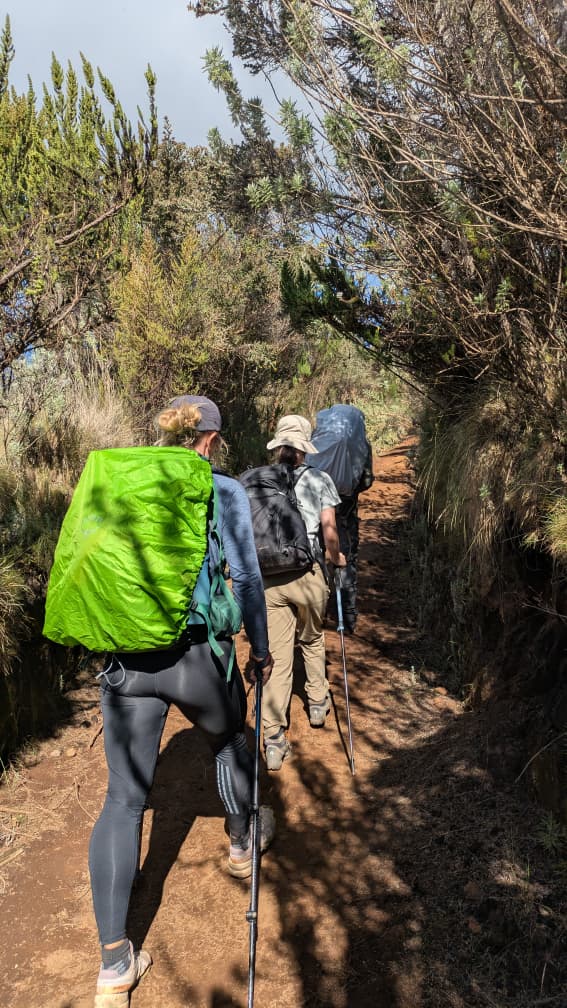
8-Day Lemosho Route Kilimanjaro Climb In January | Top Guide Adventures
An in-depth guide to the 8-day Lemosho Route Kilimanjaro climb during January, detailing the itinerary, weather, costs, and preparation needed for a successful trek in 2026-2027. Expert...
View package details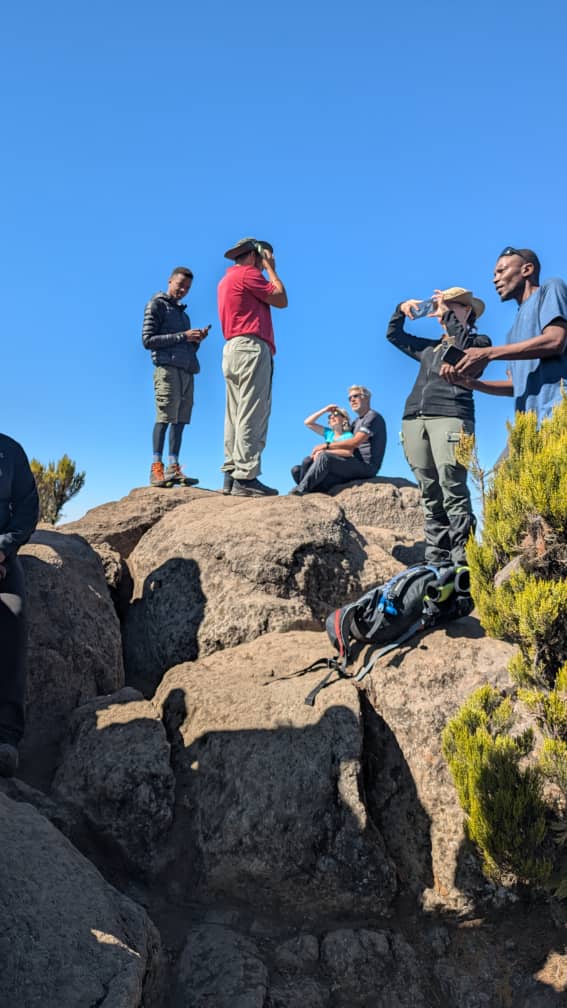
7-Day Rongai Route Kilimanjaro Climb In October : Your Expert Guide 2026-2027
Your comprehensive guide to the 7-Day Rongai Route Kilimanjaro climb in October, detailing itineraries, what to expect, and essential preparation for 2026-2027 climbs.
View package details8-Day Lemosho Route Kilimanjaro Climb In October : Your Expert Guide 2026-2027
An in-depth guide to climbing Kilimanjaro via the 8-day Lemosho Route in October, detailing weather, itinerary, preparation, and what to expect in 2026-2027. Perfect for trekkers seeking...
View package details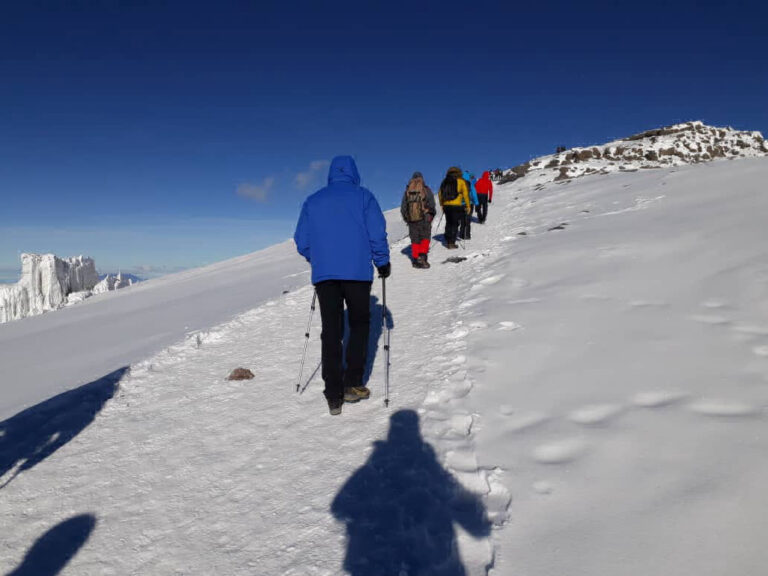
November Vs December Kilimanjaro Climbing Conditions Guide
Choosing between November and December for your Kilimanjaro climb? This guide details the distinct conditions, weather patterns, crowd levels, and cost considerations for each month...
View package details6-Day Marangu Route Kilimanjaro Climb In December 2026-2027
Discover everything you need to know for a 6-day Marangu Route Kilimanjaro climb during December 2026-2027. This guide covers weather expectations, essential gear, itinerary details...
View package detailsNo related package matches those filters. Clear one or more filters to see the other topic-matched options.



