
A November Kilimanjaro climb with flexible dates for 2026-2027 is an excellent choice, offering a balance of fewer crowds, relatively stable weather patterns transitioning from the short rainy season to drier conditions, and the opportunity to select your preferred start date across various popular routes like the Machame, Lemosho, or Marangu. Top Guide Adventures specializes in tailoring these climbs to your schedule, ensuring a personalized and well-supported mountain experience.
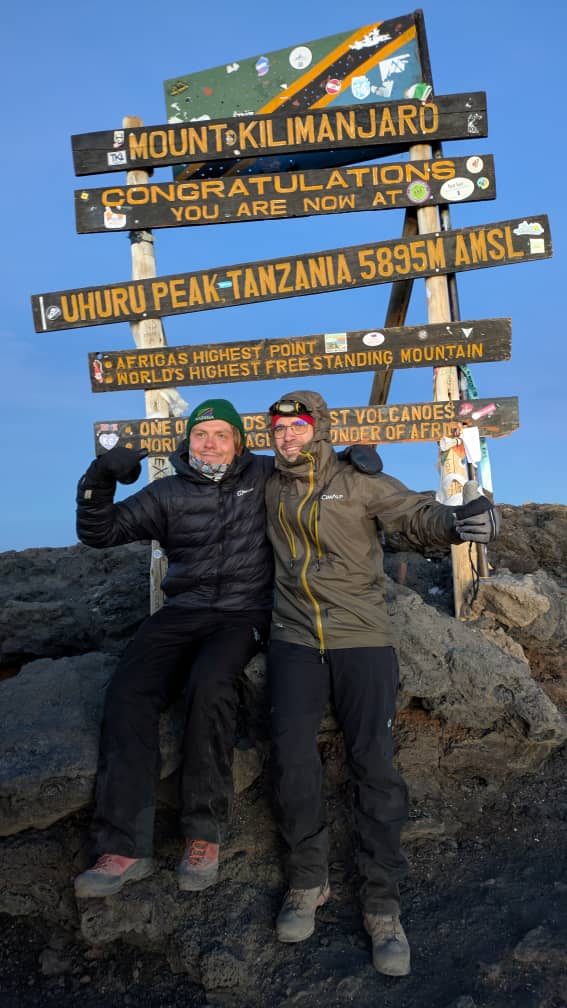


Choosing Your November Kilimanjaro Climb: Flexibility is Key
Mount Kilimanjaro, the Roof of Africa, beckons adventurers from around the globe. While many consider the peak climbing seasons, a November Kilimanjaro climb with flexible dates presents a compelling alternative for discerning trekkers looking for a more personal and potentially less crowded experience. For those planning their expedition in the coming years, specifically for 2026 and 2027, understanding the nuances of November climbing and the benefits of flexible scheduling is paramount. Top Guide Adventures understands that life doesn’t always fit a rigid calendar, and we pride ourselves on offering flexible departure dates to accommodate your personal or group availability.
The appeal of November lies in its position as a shoulder month. It sits between the typical short rainy season (November to mid-December) and the peak dry season (late December to February). This transitional period often means fewer trekkers on the mountain compared to the high seasons, allowing for a more serene journey. Furthermore, the landscapes are vibrant, having benefited from recent rains, and the temperatures, while cooler at higher altitudes, are generally manageable. When you opt for a November Kilimanjaro climb with flexible dates, you gain the advantage of tailoring your adventure precisely to your timeline, whether you’re coordinating with friends, family, or simply finding the best personal window for this epic challenge.
Why November for Your Kilimanjaro Expedition?
Selecting the right month for your Kilimanjaro ascent is a critical decision that impacts your experience, from weather conditions to crowd levels. November stands out for several reasons:
- Reduced Crowds: While not as quiet as the true off-season, November generally sees fewer trekkers than the popular dry months of January-February and June-October. This means more space on the trails, at campsites, and a greater sense of solitude as you approach the summit.
- Transitioning Weather: November marks the shift from the short rainy season to drier conditions. While there’s a possibility of rain, especially earlier in the month, it’s often in the form of brief showers rather than prolonged downpours. This can lead to lush, green mountain scenery. The latter half of November often experiences clearer skies and more stable weather.
- Lush Scenery: The preceding rains often leave the lower slopes and montane forests incredibly verdant and alive. This can make for a visually stunning trek, with vibrant flora and fauna visible.
- Potential for Great Views: As the weather stabilizes towards the end of the month, opportunities for clear views of the summit and surrounding landscapes increase significantly.
- Flexibility in Planning: For those who need to plan around work, family commitments, or other travel, the flexibility offered for November departures in 2026 and 2027 by operators like Top Guide Adventures is invaluable. You can often choose a specific start date that works best for you, rather than being confined to fixed group departure dates.
When considering a November Kilimanjaro climb with flexible dates, it’s wise to consult with your tour operator about the specific weather outlook for your chosen departure window within the month. Early November might carry a slightly higher risk of rain than late November, but the trade-off is often fewer people on the mountain.
Flexible Dates: Maximizing Your November Kilimanjaro Climb
The concept of flexible dates for a Kilimanjaro climb is central to making your adventure accessible and enjoyable. It means that instead of booking onto a pre-set group departure, your climb is scheduled around your chosen start date. This is particularly beneficial for a November Kilimanjaro climb, as it allows you to:
- Coordinate Group Travel: If you are climbing with friends, family, or colleagues, flexible dates make it much easier to align everyone’s schedules for a shared 2026 or 2027 expedition.
- Optimize Personal Schedules: Life is busy. Flexible scheduling ensures you can pick a November date that minimizes disruption to your work, family, or other personal commitments.
- Potentially Secure Better Airfare: By having flexibility, you can sometimes find better deals on international flights to Kilimanjaro International Airport (JRO) by adjusting your travel dates slightly.
- Align with Other Travel Plans: If your Kilimanjaro climb is part of a larger trip to Tanzania or East Africa, flexible dates allow for smooth integration with safaris, Zanzibar holidays, or other experiences.
Top Guide Adventures is committed to providing this essential flexibility. When you inquire about a November Kilimanjaro climb with flexible dates, our team works with you to pinpoint the ideal start day in 2026 or 2027 that suits your needs. This personalized approach ensures your journey begins on the right foot, stress-free and perfectly timed.
Popular Kilimanjaro Routes for a November Climb
While most of Kilimanjaro’s established routes are viable in November, some are particularly well-suited due to their scenery, acclimatization profiles, and overall experience. When planning your November Kilimanjaro climb with flexible dates, consider these options:
Machame Route
Often called the “Whiskey Route,” the Machame Route is one of the most popular choices. It’s known for its scenic beauty and excellent acclimatization profile, boasting high success rates. The route traverses the southern circuit and offers varied landscapes, from rainforest to alpine desert. Its popularity means there are usually other climbers, but November’s reduced numbers can make it feel more intimate.
- Duration: Typically 6 or 7 days. A 7-day itinerary is highly recommended for better acclimatization.
- Scenery: Excellent, with diverse vegetation zones and dramatic views.
- Acclimatization: Good, especially on the 7-day version.
- Pros for November: High success rates, beautiful scenery, manageable crowds even in a shoulder month.
- Cons for November: Can still be busy early in the week, potential for rain showers.
Lemosho Route
The Lemosho Route is celebrated for its stunning scenery and remote feel, especially in its early stages through the Lemosho Glades. It offers a longer, more gradual ascent, which significantly aids acclimatization. This route joins the Machame route on day 3.
- Duration: Typically 7 or 8 days. An 8-day climb is ideal for acclimatization.
- Scenery: Arguably the most scenic route, with panoramic views.
- Acclimatization: Excellent due to its length and gradual ascent.
- Pros for November: Longer duration aids acclimatization, fewer people on the initial days, stunning initial scenery.
- Cons for November: Higher cost due to longer duration and logistics, potential for rain in the forest section.
Marangu Route
Known as the “Coca-Cola Route,” the Marangu Route is the oldest and only route that offers hut accommodation instead of camping. It ascends from the east and is the shortest route, but this can compromise acclimatization.
- Duration: Typically 5 or 6 days. A 6-day option is recommended for better success chances.
- Scenery: Good, though less varied than Machame or Lemosho as it ascends and descends the same path.
- Acclimatization: Poorer due to its rapid ascent.
- Pros for November: Hut accommodation offers comfort, potentially lower cost, quicker ascent for those with limited time.
- Cons for November: Lower success rates due to rapid ascent, can be busier as it’s a popular choice for shorter trips, higher chance of rain on the approach.
Northern Circuit
The Northern Circuit is the longest route on Kilimanjaro, offering the best acclimatization profile and highest success rates. It circles the mountain for a full 360 degrees, providing a comprehensive experience of Kilimanjaro’s diverse ecosystems.
- Duration: Typically 9 or 10 days.
- Scenery: Outstanding, with unique views from the northern slopes.
- Acclimatization: The best of all routes.
- Pros for November: Highest success rates, excellent acclimatization, very few people, spectacular views.
- Cons for November: Longest duration means higher cost, requires more time commitment.
For a November Kilimanjaro climb with flexible dates, the Machame and Lemosho routes are often the most recommended due to their balance of scenery, acclimatization, and success rates. The Northern Circuit is ideal for those prioritizing acclimatization and solitude above all else. When booking your 2026 or 2027 climb, discuss these options with Top Guide Adventures to find the perfect fit for your fitness level, time constraints, and preferences.
Expert Tip for November Climbers:
While November can offer good weather, always be prepared for rain, especially on the lower slopes. Waterproof gear is essential. The latter half of November typically sees more stable, drier conditions, making it a prime time for those seeking a balance between good weather and fewer crowds.
Preparing for Your November Kilimanjaro Climb
A successful Kilimanjaro climb hinges on thorough preparation. This is especially true for a November Kilimanjaro climb with flexible dates, as you’ll want to maximize your chances of reaching the summit regardless of the month’s specific weather patterns.
Physical Training
Kilimanjaro is a strenuous trek, not a technical climb, but it demands significant cardiovascular fitness and stamina. Your training should focus on:
- Cardiovascular Endurance: Engage in activities like hiking (with a backpack), running, cycling, or swimming for at least 3-4 times a week for several months leading up to your climb.
- Strength Training: Focus on leg strength (squats, lunges) and core strength.
- Hiking Practice: The most crucial training is hiking. Aim for long hikes (4-6 hours) on weekends, ideally with hills and carrying a weighted backpack, simulating mountain conditions.
- Altitude Acclimatization: While you can’t fully simulate Kilimanjaro’s altitude at home, regular hiking at higher elevations if available can be beneficial.
Gear and Packing
Proper gear is non-negotiable for a Kilimanjaro climb, especially in November when conditions can be variable. Layering is key.
Essential Gear for November:
- Base Layers: Moisture-wicking thermal underwear (merino wool or synthetic).
- Mid Layers: Fleece jackets or insulated jackets for warmth.
- Outer Layer: Waterproof and windproof jacket and trousers (Gore-Tex or similar).
- Insulated Jacket: A warm down or synthetic insulated jacket for summit night.
- Footwear: Broken-in, waterproof hiking boots.
- Socks: Several pairs of wool or synthetic hiking socks.
- Headwear: Warm hat covering the ears, sun hat, and a balaclava or neck gaiter for summit night.
- Gloves: Warm, waterproof gloves or mittens, and thinner liner gloves.
- Trekking Poles: Highly recommended for stability and reducing knee strain.
- Headlamp: With extra batteries, essential for summit night.
- Sunglasses: High UV protection.
- Sunscreen and Lip Balm: High SPF.
- Water Bottles/Hydration Reservoir: Insulated to prevent freezing.
- Duffel Bag: Waterproof, for your main gear carried by porters.
- Daypack: For essentials you carry yourself (water, snacks, camera, rain gear).
- Sleeping Bag: Rated to at least -10°C (0°F).
- Personal Items: Toiletries, personal medication, camera, power bank.
Altitude Sickness (Acute Mountain Sickness – AMS)
AMS is the most significant risk on Kilimanjaro. Prevention and recognition are vital. Symptoms include headache, nausea, dizziness, and fatigue. The best prevention is a slow ascent, proper hydration, and avoiding overexertion. Choosing a longer route (like 7+ days) for your November Kilimanjaro climb significantly reduces AMS risk. Your guides are trained to monitor you for AMS and will make decisions based on your health.
Travel Insurance
Ensure your travel insurance covers high-altitude trekking up to 6,000 meters (19,341 feet) and includes emergency medical evacuation. This is crucial for any Kilimanjaro climb, regardless of the month.
Vaccinations and Health Advice
Consult your doctor or a travel clinic well in advance of your trip for recommended vaccinations and malaria prophylaxis. While Kilimanjaro itself is malaria-free due to altitude, you might need precautions for lower-lying areas before or after your climb.
What to Expect on a November Kilimanjaro Climb
Understanding the day-to-day experience of a November Kilimanjaro climb will help you prepare mentally and physically.
Daily Itinerary Structure
Regardless of the route, a typical day on Kilimanjaro follows a similar pattern:
- Morning: Wake up early, enjoy breakfast, pack your daypack, and prepare for the day’s trek.
- Trekking: Hike for several hours, usually from morning until mid-afternoon. Breaks are frequent for snacks, water, and photos. Guides often encourage a “pole pole” (slowly, slowly) pace.
- Lunch: A packed lunch is typically enjoyed en route or upon arrival at the campsite/hut.
- Afternoon: Arrive at the day’s campsite or hut. You’ll receive hot drinks and snacks. Your tent will be set up (if camping), and your duffel bag will be brought to your tent.
- Evening: Relax, hydrate, and have dinner. Guides will brief you on the next day’s trek. Early bedtime is recommended.
Weather Conditions in November
As mentioned, November is a transitional month. Expect:
- Lower Slopes (Rainforest): Warm and humid, with a higher chance of rain showers.
- Middle Zones (Moorland & Alpine Desert): Cooler temperatures, potentially windy, with intermittent rain or hail possible.
- Summit Zone (Arctic): Very cold, with temperatures often dropping well below freezing, especially on summit night. Wind chill can make it feel significantly colder. Snow is possible, but typically not deep accumulations unless a rare weather event occurs.
The key is to be prepared for all conditions. Layering your clothing will allow you to adapt to the changing temperatures and weather throughout the day.
Summit Night
Summit night is the most challenging part of the climb. It usually begins around midnight from the last camp (e.g., Barafu Camp on Machame/Lemosho, Kibo Huts on Marangu). You’ll trek in the dark, in the cold, often against strong winds, for 6-8 hours to reach Stella Point or Gilman’s Point, and then continue for another hour to Uhuru Peak, the true summit (5,895m / 19,341ft).
The conditions on summit night in November can be harsh. It will be very cold, potentially with icy winds. Success depends heavily on physical preparation, mental fortitude, and adequate gear. The sunrise from the summit is an unforgettable reward.
Guides and Support Crew
Your support team is crucial. On Kilimanjaro, you will be accompanied by experienced guides, assistant guides, a cook, and porters. Top Guide Adventures ensures that our crews are well-trained, professional, and well-equipped. They are responsible for your safety, well-being, and the logistics of the trek. Communication with your guides about how you are feeling is vital, especially regarding any signs of altitude sickness.
Choosing Your Tour Operator for a November Climb
Selecting the right tour operator is as important as choosing the right route and month. For a November Kilimanjaro climb with flexible dates, consider these factors:
- Reputation and Experience: Look for established companies with a proven track record and positive reviews. Top Guide Adventures is a trusted Tanzanian company with years of experience.
- Safety Record: Prioritize operators with a strong emphasis on safety, including well-trained guides, adequate emergency procedures, and a commitment to not pushing climbers beyond their limits.
- Flexibility: As the keyword suggests, flexibility in dates is key. Ensure the operator can accommodate your preferred start date in 2026 or 2027.
- Inclusions and Exclusions: Understand what is included in the price (e.g., park fees, meals, accommodation, transfers, crew wages) and what is not (e.g., tips, personal gear, international flights).
- Group Size: Smaller groups often offer a more personalized experience.
- Crew Welfare: Ethical operators ensure their guides and porters are treated fairly, paid adequately, and provided with good equipment. This can indirectly impact your experience.
When you connect with Top Guide Adventures about your November Kilimanjaro climb with flexible dates, we will provide a detailed itinerary and a clear breakdown of inclusions. Our commitment is to offer a safe, memorable, and well-supported climb tailored to your schedule for 2026 or 2027.
Pricing for November Kilimanjaro Climbs
The cost of a Kilimanjaro climb varies significantly based on the route, duration, group size, and the operator’s inclusions. For a November Kilimanjaro climb with flexible dates, you can expect pricing to be competitive, often falling slightly below peak season rates. Generally:
- Price Range: A typical 6-day climb might range from $1,500 to $2,500 USD per person for mid-range operators. Longer routes like Lemosho or Northern Circuit (7-9 days) can range from $1,800 to $3,000+ USD per person.
- Factors Influencing Cost: Route length, quality of accommodation (huts vs. camping), group size (private vs. shared), and the level of service provided by the operator.
- Top Guide Adventures: We offer transparent pricing for our November Kilimanjaro climbs in 2026-2027. For a personalized quote based on your chosen route and dates, please contact us directly.
Important Note: Always inquire about what’s included. Ensure park fees, rescue fees, all meals on the mountain, experienced guides, porters, and cooks are covered. Tips for the crew are usually an additional cost.
Comparing November with Other Months
While November offers unique advantages, it’s helpful to compare it with other times of the year for your November Kilimanjaro climb with flexible dates planning for 2026 or 2027.
| Month | Weather Summary | Crowd Levels | Pros | Cons |
|---|---|---|---|---|
| January-February | Dry, clear skies, cold at altitude. | High | Best weather, highest success rates. | Most crowded, higher prices. |
| March-May | Long rainy season. Frequent, heavy rain. | Low | Fewest crowds, lush scenery. | High chance of rain and fog, lower success rates. |
| June-October | Dry season. Cool and pleasant. | High (esp. July-Sept) | Reliable weather, good visibility. | Busy, especially during school holidays. |
| November | Short rainy season transition. Mix of sun & showers. | Moderate | Fewer crowds than dry season, vibrant landscapes, flexible dates readily available. | Potential for rain, especially early Nov. |
| December | Starts dry, can get wetter towards end of month. | Moderate to High (esp. late Dec) | Good weather early Dec, festive atmosphere late Dec. | Transition month, can get rainy. |
Choosing November for your November Kilimanjaro climb with flexible dates means you’re opting for a compromise: slightly higher chance of rain than the peak dry season, but significantly fewer people and greater flexibility in scheduling your 2026 or 2027 adventure.
Booking Your November Kilimanjaro Climb with Top Guide Adventures
Ready to plan your unforgettable November Kilimanjaro climb with flexible dates for 2026 or 2027? Top Guide Adventures is here to make it happen. We are a locally owned and operated company dedicated to providing exceptional service, ensuring your safety, and delivering an authentic Tanzanian experience.
Our team specializes in crafting personalized Kilimanjaro treks. When you choose us, you benefit from:
- Expert Local Knowledge: We know Kilimanjaro intimately.
- Flexible Scheduling: We work around your preferred start dates in November.
- Professional & Experienced Crew: Our guides and porters are highly trained and committed to your success and safety.
- Comprehensive Support: From initial inquiry to your return flight, we provide dedicated support.
- Ethical Operations: We prioritize the welfare of our staff.
To get started or to discuss your specific requirements for a November Kilimanjaro climb, please reach out to us:
- WhatsApp: +255616946642
- Email: topguideadventures@gmail.com
- Backup Email: info@topguideadventures.com
We look forward to helping you achieve your dream of conquering Kilimanjaro in November 2026 or 2027!
Frequently Asked Questions about November Kilimanjaro Climbs
Here are some common questions regarding climbing Kilimanjaro in November, especially with flexible date options.
Is November a good month to climb Kilimanjaro?
Yes, November is generally a good month. It falls during the transition from the short rainy season to the dry season. While there’s a possibility of rain showers, it’s often less intense than the main rainy season (March-May). Many trekkers find November offers a good balance of manageable weather, vibrant scenery, and fewer crowds compared to the peak dry months. For those prioritizing flexibility in their 2026 or 2027 climb, November is an excellent choice.
What is the weather like on Kilimanjaro in November?
The weather in November is variable. Lower elevations can be warm and humid with rain. Mid-altitudes might experience cooler temperatures with intermittent rain or wind. The summit zone will be very cold, with temperatures well below freezing, especially on summit night. Snow is possible but not guaranteed. The latter half of November tends to be drier and more stable than the beginning of the month.
Are there fewer crowds on Kilimanjaro in November?
Yes, generally there are fewer crowds on Kilimanjaro in November compared to the peak dry seasons (July-October and December-February). This makes it an ideal month for those who prefer a quieter trekking experience and appreciate the availability of flexible dates.
Which route is best for a November climb?
For a November Kilimanjaro climb, routes with better acclimatization profiles are recommended. The Machame Route (7 days), Lemosho Route (8 days), and especially the Northern Circuit (9-10 days) are excellent choices. These longer routes increase your acclimatization, thereby improving your chances of reaching the summit and enhancing your overall experience, particularly if weather conditions are mixed.
What is the success rate for November climbs?
Success rates on Kilimanjaro vary by route, duration, and operator. Generally, longer routes (7+ days) have higher success rates. While November is a shoulder month, well-prepared climbers on longer routes with reputable operators like Top Guide Adventures can still achieve high success rates. The key is proper acclimatization, physical fitness, and adequate gear. A November Kilimanjaro climb with a 7-day or longer itinerary provides a strong foundation for summit success in 2026 or 2027.
What gear is essential for a November climb?
Essential gear includes waterproof and windproof outer layers, warm mid-layers (fleece, down jacket), thermal base layers, sturdy waterproof hiking boots, warm hat and gloves, trekking poles, and a good quality sleeping bag rated to at least -10°C (0°F). Layering is crucial to adapt to the wide range of temperatures and potential precipitation. Preparation for cold and wet conditions is key for a November Kilimanjaro climb.
Can I book a private November climb with flexible dates?
Absolutely. Top Guide Adventures specializes in creating private treks. If you’re looking for a November Kilimanjaro climb with flexible dates for yourself or your group in 2026 or 2027, we can tailor an itinerary specifically to your preferred start date and needs. Contact us to discuss your private climb.
How do I book a flexible date climb?
Booking a flexible date climb is straightforward. Contact Top Guide Adventures via WhatsApp or email. Let us know you’re interested in a November Kilimanjaro climb, your preferred duration and route, and your desired start date window for 2026 or 2027. We will then confirm availability and provide you with a detailed itinerary and quote. Our team is ready to assist you with every step.
Check Availability for November Kilimanjaro Climb With Flexible Dates: Your Guide 2026-2027
Ready to compare dates, prices, and the best option for your group? Send the package name and travel month so the team can reply with a clear quote, availability, and what is included.
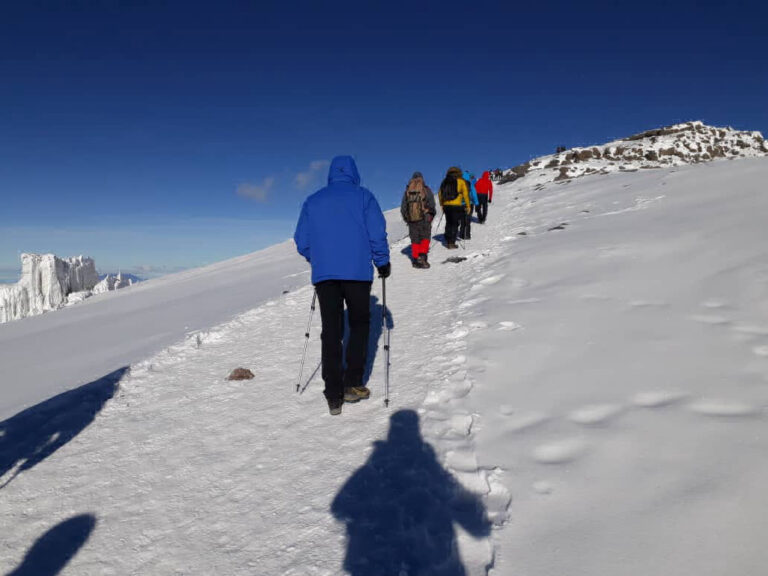
November Vs December Kilimanjaro Climbing Conditions Guide
Choosing between November and December for your Kilimanjaro climb? This guide details the distinct conditions, weather patterns, crowd levels, and cost considerations for each month...
View package details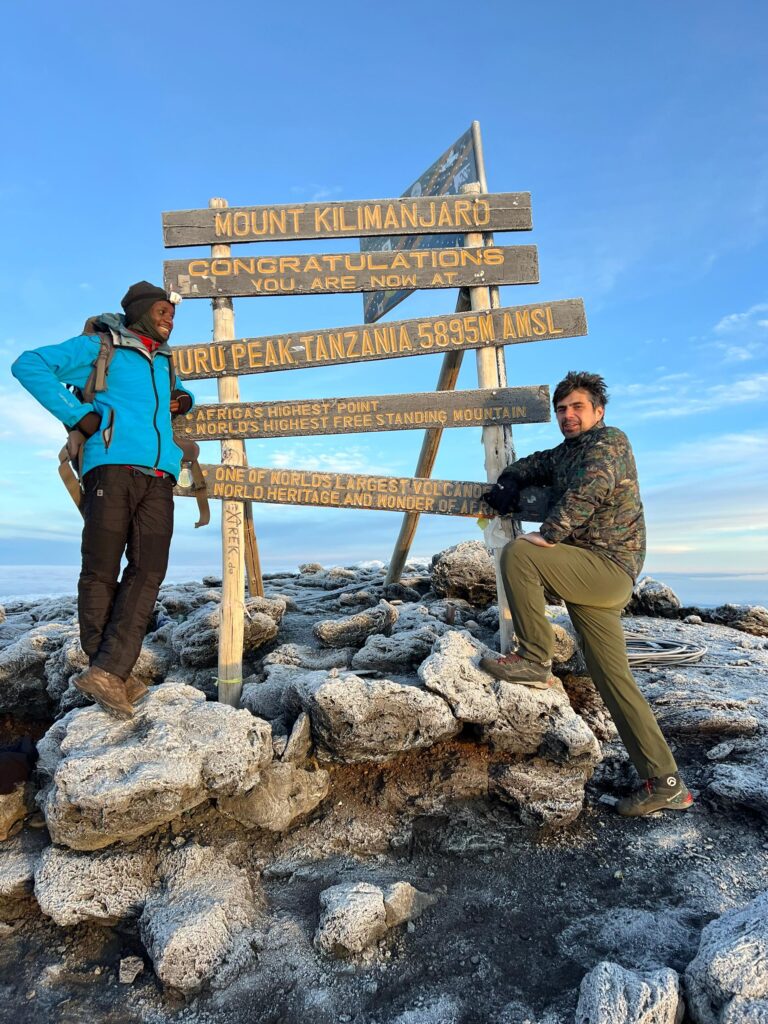
November Kilimanjaro Waterproof Gear List For Climbs 2026-2027
Planning a Kilimanjaro climb in November? This comprehensive waterproof gear list ensures you stay dry and comfortable. Essential items include waterproof jackets, trousers, gaiters, boots...
View package details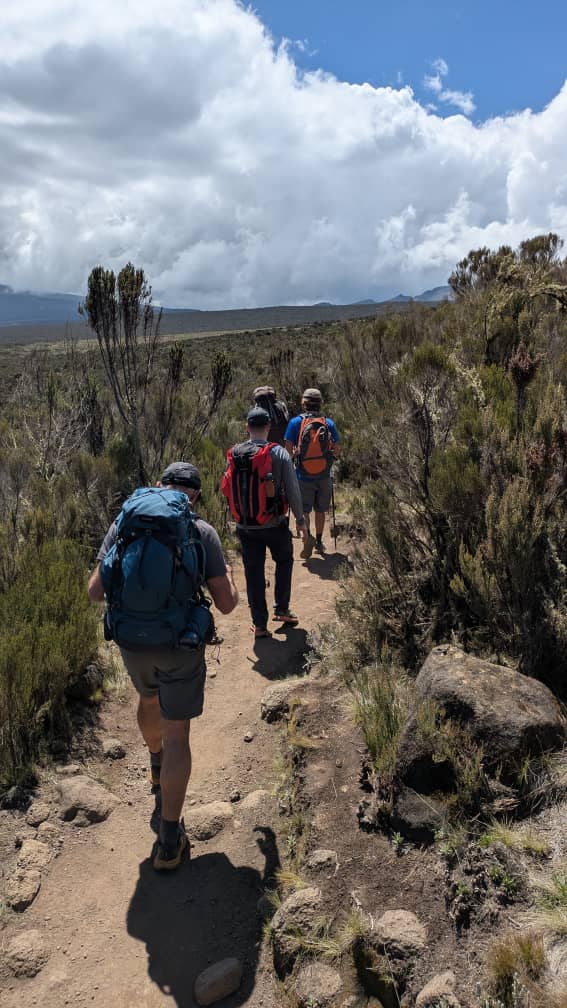
Can You Climb Kilimanjaro In November? 2026-2027
Can You Climb Kilimanjaro in November? is explained with current 2026-2027 planning, price, itinerary and booking information.
View package details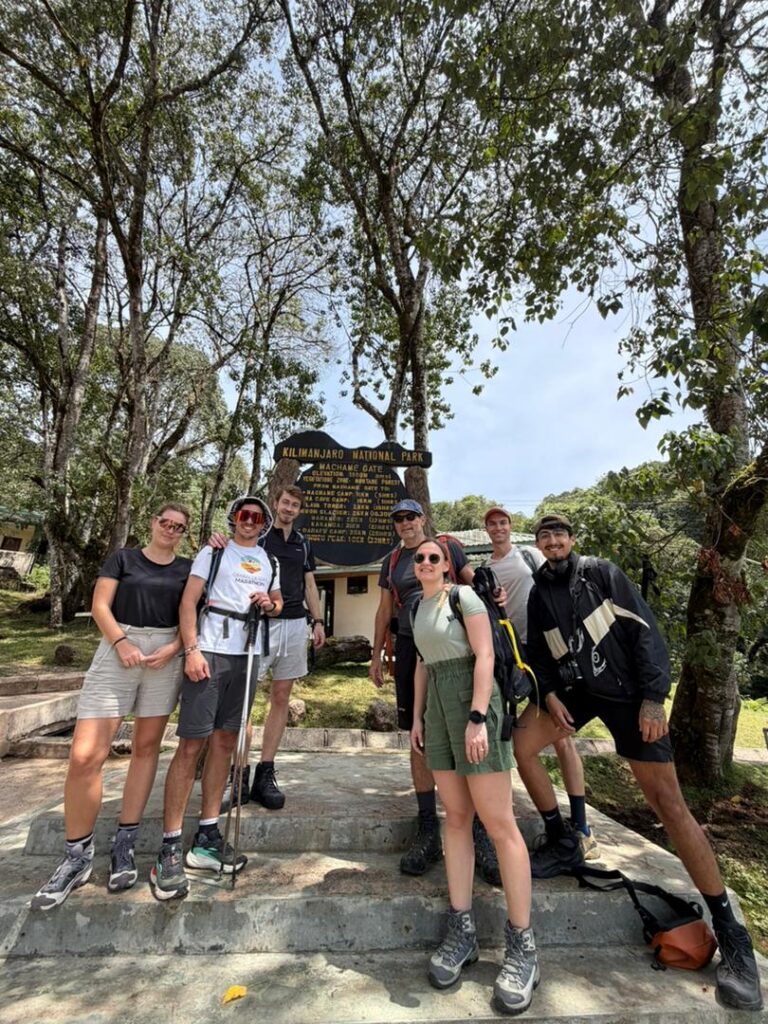
November Kilimanjaro Climbing Cost And Discounts For 2026-2027
Planning a Kilimanjaro climb in November 2026 or 2027? This comprehensive guide details the expected costs, factors influencing pricing, and available discounts. Learn how to budget...
View package details
November Kilimanjaro Private Couple Climb: Your Ultimate Guide 2026-2027
Climbing Kilimanjaro as a couple in November offers unique advantages. This guide details everything you need to know for a private climb in 2026-2027, from route selection to summit...
View package details
November Kilimanjaro Climb: Fewer Crowds, Great Success Rates With Top Guide
Climbing Kilimanjaro in November offers a unique advantage: significantly fewer trekkers on the mountain compared to peak seasons. This allows for a more serene and personal experience. Top...
View package details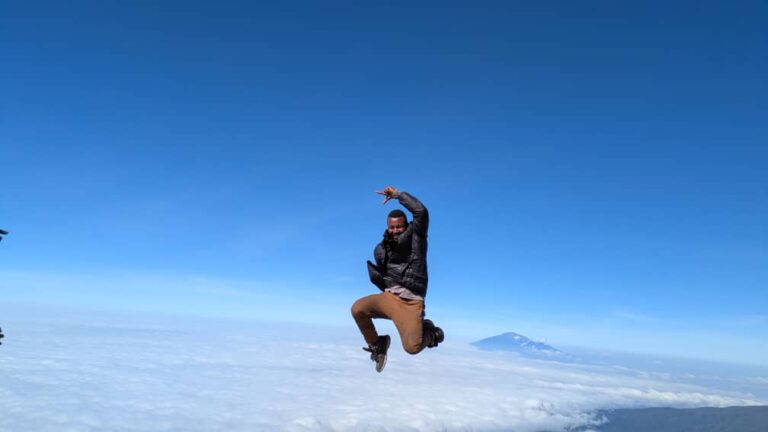
November Kilimanjaro Low-Season Climbing Deals 2026-2027
Climb Kilimanjaro in November for budget-friendly deals and fewer crowds. This guide covers routes, weather, packing, and how Top Guide Adventures can make your 2026-2027 low-season trek...
View package details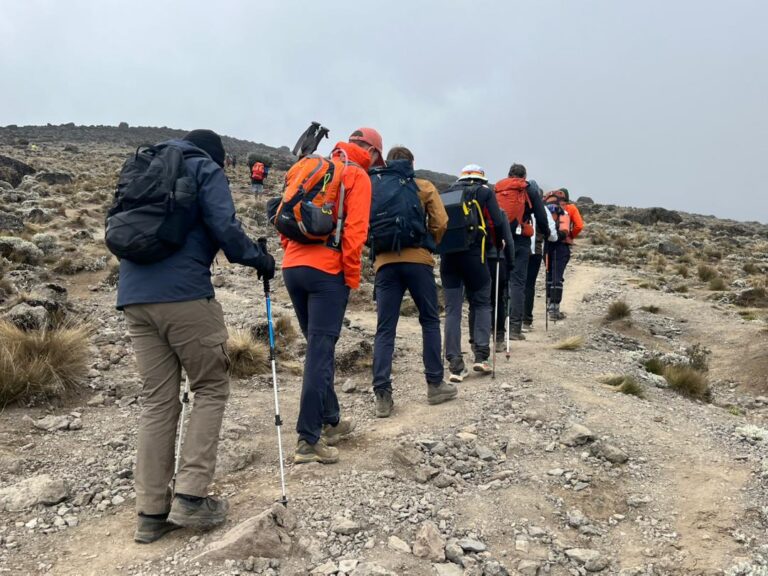
November Kilimanjaro Full-Moon Summit Climb 2026-2027
November Kilimanjaro Full-Moon Summit Climb is explained with current 2026-2027 planning, price, itinerary and booking information.
View package details7-Day Machame Route Kilimanjaro Climb In November 2026-2027
start a 7-day Machame Route Kilimanjaro climb in November. This guide details the itinerary, weather, what to pack, costs, and why November is a great month for this challenging yet...
View package details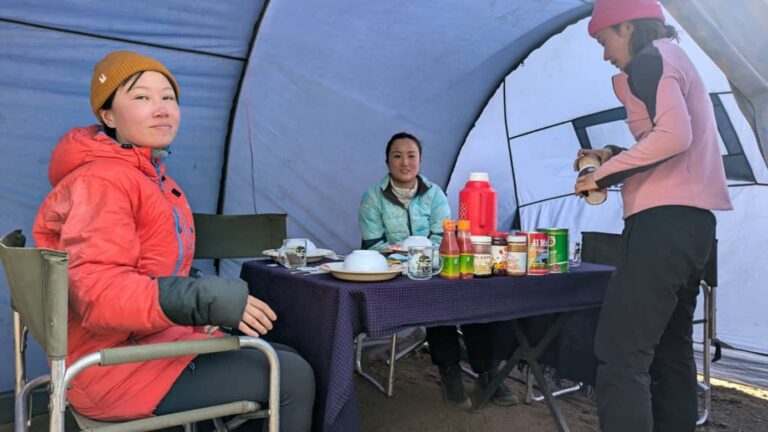
8-Day Lemosho Route Kilimanjaro Climb In November | Top Guide Adventures
The 8-day Lemosho Route offers a high success rate and stunning scenery for your Kilimanjaro climb in November. This guide covers everything from weather to packing for your 2026-2027...
View package details
7-Day Rongai Route Kilimanjaro Climb In November 2026-2027
A detailed 2026-2027 guide to 7-Day Rongai Route Kilimanjaro Climb in November, with clear planning and booking information for travelers.
View package details
November Kilimanjaro Private Climbing Package: Your Expert Guide For 2026-2027
Secure your November Kilimanjaro private climbing package for 2026-2027 with Top Guide Adventures. This comprehensive guide covers route options, weather expectations, essential...
View package detailsNo related package matches those filters. Clear one or more filters to see the other topic-matched options.



