
The fastest known ascent and descent of Mount Kilimanjaro was achieved by Karl Egloff on August 20, 2014, completing the round trip in an astonishing 6 hours and 42 minutes. This record-breaking feat involved starting from the Uhuru Peak and descending via the Barafu route, showcasing an extraordinary level of human endurance and physical conditioning.
Understanding the Karl Egloff Kilimanjaro Record
The name Karl Egloff is synonymous with extreme endurance and pushing the boundaries of human capability on Mount Kilimanjaro. His record for the fastest ascent and descent is not just a statistic; it represents a monumental achievement in mountaineering and ultra-endurance sports. On August 20, 2014, Egloff, a Swiss-Ecuadorian athlete, set a benchmark that has yet to be surpassed, covering the demanding terrain from Uhuru Peak (the summit of Kilimanjaro) back to the Mweka Gate in an incredible 6 hours and 42 minutes. This is a stark contrast to the typical 5-9 days required for most climbers to reach the summit and return, highlighting the immense difference in approach, preparation, and physical capacity.
Egloff’s record is particularly notable because it encompasses both the climb up to the summit and the subsequent descent. While many speed records focus on just the ascent, the fastest Kilimanjaro ascent and descent combined is a true test of stamina, agility, and mental fortitude. The mountain’s varied terrain, from glacial ice at the summit to scree slopes and forest trails lower down, presents unique challenges for a rapid descent. Egloff’s accomplishment is a testament to meticulous planning, specialized training, and an unparalleled understanding of his own body’s limits.
For context, a typical Kilimanjaro climb involves acclimatization days built into the itinerary to help climbers adjust to the altitude. This gradual ascent is crucial for preventing altitude sickness and ensuring a safe summit attempt. Egloff, however, approached the mountain with a completely different strategy, one that prioritized speed over the traditional acclimatization process. This is not a method recommended for the vast majority of climbers, who undertake Kilimanjaro treks for the experience of the climb and the challenge, rather than for speed records. Understanding Egloff’s record provides a fascinating glimpse into the extreme end of mountaineering, but it is essential to differentiate it from standard trekking practices.
The Route and Logistics of Egloff’s Record Attempt
Karl Egloff’s record-breaking ascent and descent were not undertaken via a standard trekking route. To achieve such a speed, the logistics and route choice are critical. Egloff started his attempt from Uhuru Peak, the highest point on Kilimanjaro, and descended via the Barafu route, aiming for the Mweka Gate. This route is part of the popular Machame and Mweka routes, known for their scenic beauty but also their challenging terrain, especially during descent.
The ascent portion of Egloff’s feat is less documented in terms of its specific start point for the *record*, as the record is for the round trip from summit to gate. However, to reach Uhuru Peak from the base in a speed record context, athletes typically utilize routes that allow for the quickest approach, often involving a very rapid ascent from Barafu Camp or even higher starting points, bypassing much of the traditional trekking path. The descent, which is a significant part of the overall record, involves navigating steep scree slopes and rocky paths. The Barafu route, in particular, is known for its challenging descent, where loose rocks can make for a difficult and potentially dangerous experience at high speeds.
The logistics involved in such an attempt are complex and require a support team. While Egloff was essentially running and scrambling down, he likely had support personnel ensuring safety, providing hydration, and potentially clearing the path if necessary. The record is typically defined as self-supported in terms of climbing aid, but basic support for safety and logistics is often a given for such extreme endeavors. The Mweka Gate is the typical exit point for the Mweka and some other routes, signifying the end of the mountain journey.
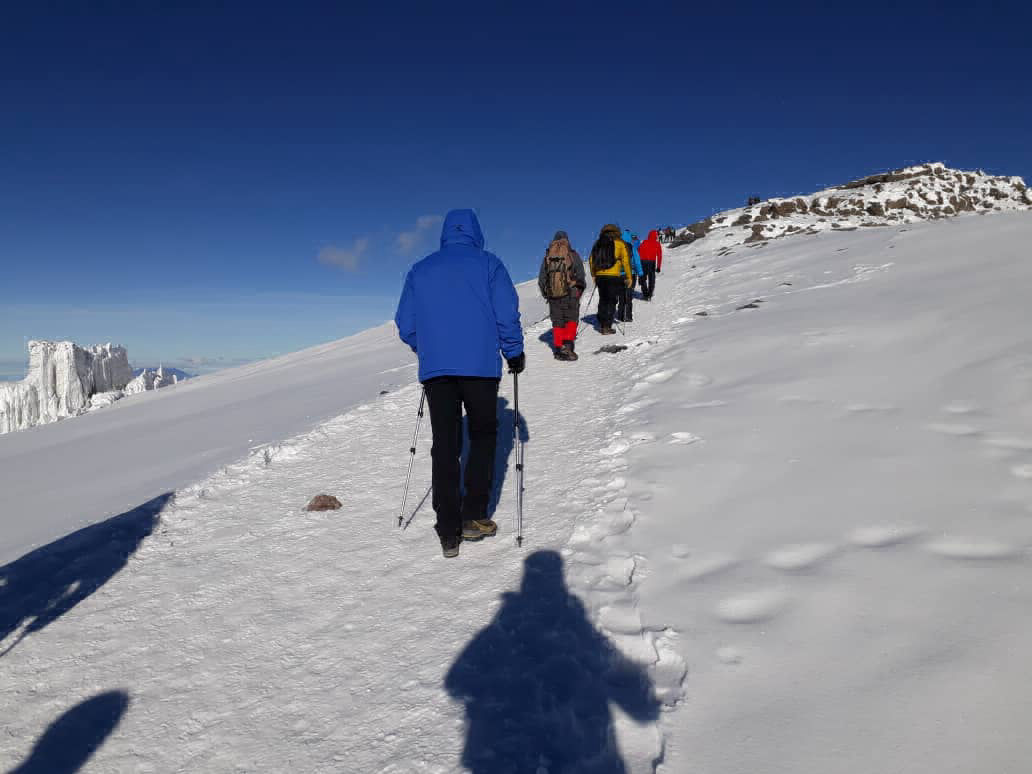
The conditions on Kilimanjaro can change rapidly. Egloff’s record attempt would have required precise weather forecasting and a window of opportunity with stable conditions. The summit area is often covered in ice and snow, and wind can be a significant factor. Descending at such high speeds in these conditions demands exceptional skill and risk assessment. The route is not just about distance; it’s about the technicality and steepness of the terrain, which can drastically affect speed and safety.
Training and Physical Demands for the Fastest Kilimanjaro Ascent and Descent
Achieving the fastest Kilimanjaro ascent and descent requires a level of physical conditioning far beyond that of a typical trekker. Karl Egloff’s record is a product of years of dedicated training, focusing on ultra-endurance, cardiovascular strength, leg power, and mental resilience. The demands are immense:
- Ultra-Endurance Cardiovascular Fitness: Egloff’s background as an ultra-marathon runner and extreme athlete is key. This level of fitness allows the body to sustain high-intensity effort for extended periods, crucial for both the rapid ascent and the punishing descent.
- Leg Strength and Power: Climbing Kilimanjaro involves significant elevation gain, and descending puts immense stress on the quads, hamstrings, and calf muscles. Training would include plyometrics, heavy squats, lunges, and hill sprints to build the necessary power and endurance in the legs.
- Agility and Balance: Descending steep, often loose scree slopes at speed requires excellent agility and balance to avoid falls and injuries. Drills focusing on proprioception and dynamic stability would be essential.
- Altitude Acclimatization (Specialized): While standard treks focus on slow acclimatization, elite athletes like Egloff often have specific protocols to prepare their bodies for high altitudes. This might involve training at altitude, using altitude simulation tents, or employing specific breathing techniques. However, for a speed record, the time spent at altitude is minimized, meaning the body must cope with a rapid ascent and descent without extensive acclimatization. This is where genetic predisposition and advanced physiological adaptation play a role.
- Mental Fortitude: The psychological challenge of pushing one’s body to such limits, especially during the grueling descent, is immense. Egloff would have trained his mind to endure pain, fatigue, and discomfort, maintaining focus and determination throughout the entire effort.
- Nutrition and Hydration Strategy: For such an intense, short-duration effort, a precise fueling strategy is vital. This involves consuming the right types and amounts of carbohydrates and fluids to maintain energy levels and prevent dehydration, even during rapid movement.
Egloff’s training regimen would have been highly specialized, combining elements of trail running, mountaineering, and strength conditioning. It’s not simply about being fit; it’s about being fit for a very specific, extreme challenge on a high-altitude mountain. The ability to run and scramble downhill at speed, while simultaneously managing the effects of altitude and fatigue, is what sets this record apart.
Comparing Egloff’s Speed Record to Typical Kilimanjaro Climbs
The difference between Karl Egloff’s record and a standard Kilimanjaro trek is profound, illustrating the diverse ways one can experience the mountain. Understanding this comparison is crucial for anyone planning a climb.
Typical Kilimanjaro Trek vs. Egloff’s Speed Record
| Aspect | Typical Kilimanjaro Trek (5-9 Days) | Karl Egloff’s Record (6h 42m Round Trip) |
|---|---|---|
| Duration | 5 to 9 days for ascent and descent | 6 hours and 42 minutes (summit to gate) |
| Objective | Reach the summit, experience the mountain environment, personal challenge | Set a speed record for ascent and descent |
| Acclimatization | Gradual ascent over multiple days to adapt to altitude | Minimal to none; relies on extreme fitness and rapid adaptation |
| Physical Demand | High endurance, sustained effort over days | Extreme ultra-endurance, high-intensity bursts, explosive power for descent |
| Route | Various routes (Machame, Marangu, Lemosho, etc.), typically 70-100 km round trip | Specific, efficient route (Uhuru Peak to Barafu descent to Mweka Gate), optimized for speed |
| Support | Porters, guides, cooks, essential for carrying gear and ensuring safety | Minimal support crew for safety and logistics; athlete carries minimal or no gear |
| Risk Profile | Moderate risk of altitude sickness, weather-related issues | Extremely high risk due to speed, terrain, and minimal acclimatization; risk of injury is significantly amplified |
| Experience | Enjoying scenery, diverse ecosystems, cultural interactions, sense of accomplishment | Pure physical and mental challenge, pushing human limits |
The typical Kilimanjaro trek is designed to be a challenging but achievable adventure for people of varying fitness levels, with a strong emphasis on safety and acclimatization. The journey itself, passing through rainforest, moorland, alpine desert, and arctic zones, is a significant part of the experience. Climbers carry or have carried for them, camping equipment, food, and personal gear, making for a multi-day expedition. Guides and porters are essential, not only for carrying loads but also for monitoring climber health and ensuring a safe ascent and descent.
In contrast, Egloff’s record attempt is an extreme sport event. It bypasses the experiential aspects of a traditional trek, focusing solely on the physical and mental challenge of covering the mountain’s vertical and horizontal distance as quickly as possible. It requires a completely different mindset, training regimen, and risk tolerance. While both involve reaching the summit of Kilimanjaro, the journey and the preparation are worlds apart.
Can a Standard Trekker Achieve a Fast Ascent/Descent?
For the vast majority of individuals planning a Kilimanjaro climb, aiming for a speed record like Karl Egloff’s is not only impractical but also highly inadvisable and dangerous. The primary reasons are:
- Altitude Sickness: The main danger on Kilimanjaro is Acute Mountain Sickness (AMS). Proper acclimatization, which involves ascending slowly over several days, is the most effective way to mitigate this risk. A rapid ascent and descent like Egloff’s bypasses this crucial process, dramatically increasing the likelihood of severe altitude sickness, which can be life-threatening.
- Physical Conditioning: Egloff is an elite ultra-endurance athlete. His training and physical capacity are the result of years of dedicated, specialized work. Most trekkers have a good level of fitness but not the extreme conditioning required for such a feat.
- Technical Skill: Descending steep, loose terrain at high speed requires significant technical skill in running and scrambling, as well as excellent balance and agility. This is not something that can be learned or perfected in a short period.
- Safety: Standard treks prioritize safety with experienced guides who monitor climbers constantly. A speed attempt inherently involves taking on greater risks, often with minimal support, making any mishap far more serious.
While it’s possible for a fit individual to complete a Kilimanjaro trek faster than average (perhaps completing a standard route in 5 days instead of 7), this is still vastly different from a speed record. Such a faster trek would still involve proper acclimatization and safety protocols. For instance, completing the Machame route in 5 days is possible for well-prepared individuals, but this is still a multi-day expedition.
If you are considering a Kilimanjaro climb in 2026 or 2027, the focus should be on a safe and enjoyable experience. This means choosing a reputable tour operator, selecting an appropriate route for your fitness level, and allowing sufficient time for acclimatization. Companies like Top Guide Adventures specialize in creating personalized itineraries that prioritize safety and success for every climber, ensuring you have the best possible experience on the mountain.
Routes to Consider for a More Typical Kilimanjaro Experience (2026-2027)
While Karl Egloff’s record is an extraordinary outlier, most people climb Kilimanjaro for the adventure, the scenery, and the personal achievement. Choosing the right route is fundamental to a successful and enjoyable climb. For trekkers planning their adventure in 2026 or 2027, here are some popular routes, each offering a unique experience:
Machame Route
Often called the “Whiskey Route,” the Machame Route is one of the most popular choices due to its high success rates, beautiful scenery, and good acclimatization profile. It’s a challenging trek but offers stunning views and diverse landscapes as it winds its way up Kilimanjaro. A typical itinerary is 6 or 7 days, though 5-day options exist for very fit trekkers. The 6-day option is generally recommended by operators like Top Guide Adventures for better acclimatization and a more relaxed pace.
Lemosho Route
The Lemosho Route is considered by many to be the most scenic route, offering superb panoramic views, especially in the initial days. It starts in the west and crosses the Shira Plateau. It’s longer, typically 7 or 8 days, which significantly increases acclimatization and success rates. This route is ideal for those who want to maximize their chances of summiting and enjoy the wilderness experience.
Marangu Route
Known as the “Coca-Cola Route,” Marangu is the oldest and most direct route. It’s the only route that offers dormitory-style accommodation in huts rather than camping. While it’s popular for its comfort and shorter duration (typically 5 or 6 days), its rapid ascent profile means lower acclimatization and success rates compared to longer routes.
Northern Circuit
This is the longest route on Kilimanjaro, typically taking 9 days. It circles the mountain, offering incredible views and excellent acclimatization. The Northern Circuit has the highest success rates and is ideal for those seeking a more relaxed pace and a comprehensive Kilimanjaro experience.
Umbwe Route
The shortest and steepest route, Umbwe is for experienced and very fit hikers looking for a serious challenge. It has a rapid ascent and therefore a higher risk of altitude sickness and lower success rates. It’s rarely recommended for first-time Kilimanjaro climbers.
When planning for 2026 or 2027, consider your fitness level, available time, and desired experience. Top Guide Adventures can help you select the best route and duration to ensure a safe and memorable climb. We offer various itineraries, including those for the Machame, Lemosho, and Northern Circuit routes, tailored to individual needs.
The Role of Guides and Support Teams
For any Kilimanjaro climb, especially for those not attempting speed records, the role of guides and support teams cannot be overstated. These professionals are the backbone of a safe and successful trek. For standard treks, whether you choose a 5-day Marangu climb or a 9-day Northern Circuit expedition, you will be accompanied by a team of experienced guides, cooks, and porters.
Guides: Kilimanjaro guides are highly trained in mountaineering, first aid, and altitude sickness management. They are responsible for:
- Leading the group and setting a safe pace.
- Monitoring the health and well-being of each climber.
- Making critical decisions regarding the ascent, especially concerning altitude sickness.
- Providing information about the flora, fauna, and geology of the mountain.
- Ensuring adherence to park regulations and environmental best practices.
Porters: Porters carry the bulk of the equipment, including tents, sleeping bags, food, and cooking supplies. They are essential for making the trek feasible and comfortable. Their strength and efficiency are vital for the smooth operation of the expedition.
Cooks: On camping routes, cooks prepare nutritious and varied meals to keep climbers energized. Good food is crucial for maintaining morale and physical strength throughout the trek.
For speed attempts like Karl Egloff’s, the support structure is different, often focusing on logistics, safety monitoring, and perhaps providing emergency support rather than carrying gear. However, for standard treks in 2026 and 2027, a robust and experienced support team from a reputable operator like Top Guide Adventures is non-negotiable for a safe and successful climb. We pride ourselves on our highly professional and dedicated teams who ensure every client has the best possible experience.
Planning Your Kilimanjaro Climb for 2026-2027
Embarking on a Kilimanjaro climb is a significant undertaking, and thorough planning is key to a successful and enjoyable expedition, especially when looking ahead to 2026 or 2027. Here’s a guide to help you prepare:
Key Planning Steps for Kilimanjaro Climbs (2026-2027)
- Choose Your Operator: Select a reputable tour company with a proven safety record and experienced guides. Top Guide Adventures is a trusted choice in Tanzania, offering personalized service and dedicated support.
- Select Your Route and Duration: Consider your fitness level, experience, and desired pace. Longer routes (7-9 days) offer better acclimatization and higher success rates.
- Determine the Best Time to Climb: The dry seasons are generally from January to March and June to October. These months offer the most stable weather conditions. Avoid the rainy seasons (April-May and November).
- Physical Training: Begin a consistent training program at least 3-6 months in advance. Focus on cardiovascular fitness, leg strength, and hiking with a weighted backpack.
- Altitude Preparation: While you can’t fully simulate Kilimanjaro’s altitude, consider training at higher elevations if possible or using altitude simulation devices. Focus on learning the symptoms of AMS and how to manage them.
- Gear and Equipment: Invest in high-quality gear, including waterproof and windproof outer layers, warm mid-layers, thermal base layers, sturdy hiking boots, and a good sleeping bag. Your operator should provide a detailed packing list.
- Vaccinations and Health: Consult your doctor about necessary vaccinations (e.g., Yellow Fever, Typhoid) and malaria prophylaxis. Pack a personal first-aid kit.
- Travel Insurance: Ensure your insurance covers high-altitude trekking and emergency evacuation.
- Visa and Passport: Check visa requirements for Tanzania and ensure your passport is valid for at least six months beyond your intended stay.
- Book in Advance: For peak seasons in 2026 and 2027, booking well in advance is recommended, especially if you have specific date preferences or require a private climb.
Working with an experienced operator like Top Guide Adventures simplifies much of this process. We assist with itinerary planning, provide comprehensive pre-climb information, and ensure all logistical aspects are covered, allowing you to focus on your training and preparation for the incredible journey ahead. Our team is available to discuss your plans for 2026 or 2027 climbs via WhatsApp at +255616946642 or email at topguideadventures@gmail.com.
The Future of Speed Records on Kilimanjaro
While Karl Egloff’s record stands as a remarkable achievement, the world of ultra-endurance sports is constantly evolving. It’s possible that in the coming years, particularly looking towards 2026-2027 and beyond, we might see new attempts to break this record. However, any such attempt would require an athlete of exceptional caliber, meticulous planning, and perhaps even favorable environmental conditions.
Factors that could influence future speed record attempts include:
- Advancements in Training and Nutrition: Continued research into sports science may yield new training methodologies and nutritional strategies that further enhance human performance.
- Technological Innovations: While specific gear is often restricted in speed record definitions, innovations in lightweight materials or performance-enhancing apparel could play a role, though typically rules focus on keeping it as pure as possible.
- Route Optimization: Explorations of the mountain might reveal even more efficient or faster lines, although the established routes are generally well-defined for safety and park regulations.
- Environmental Conditions: A record attempt often relies on a perfect weather window – minimal wind, dry conditions, and clear visibility.
It is important to reiterate that speed records on Kilimanjaro are for elite athletes only. They carry significant risks and are not representative of the standard climbing experience. For most adventurers planning a trip in 2026 or 2027, the goal is to safely reach the summit and enjoy the incredible journey, rather than to race against the clock.
Choosing Top Guide Adventures for Your Kilimanjaro Expedition
When planning your Kilimanjaro adventure for 2026 or 2027, selecting the right tour operator is paramount. At Top Guide Adventures, we are committed to providing an exceptional and safe trekking experience. We are one of Tanzania’s most trusted tour companies, dedicated to offering complete travel experiences with personal attention, care, and dedicated support for every client.
Our services include:
- Expertly guided Kilimanjaro climbs on various routes.
- Tailor-made itineraries to suit your preferences and fitness level.
- Experienced and certified guides trained in first aid and altitude management.
- High-quality camping equipment and nutritious meals.
- Comprehensive pre-climb support and advice.
- Commitment to sustainable tourism practices.
We understand that climbing Kilimanjaro is a dream for many, and we strive to make that dream a reality in the safest and most enjoyable way possible. Whether you are looking for a challenging trek or a more relaxed pace, our team is ready to assist you. We encourage you to reach out to us to discuss your plans for 2026 or 2027 climbs.
Contact us today:
- WhatsApp: +255616946642
- Email: topguideadventures@gmail.com
- Backup Email: info@topguideadventures.com
Let Top Guide Adventures be your partner in conquering Kilimanjaro. We look forward to helping you achieve your summit goals in 2026 and 2027!
Check Availability for Fastest Kilimanjaro Ascent And Descent: Karl Egloffs Record How To Train
Ready to compare dates, prices, and the best option for your group? Send the package name and travel month so the team can reply with a clear quote, availability, and what is included.
What Does Kilimanjaro Rainforest Look Like? A Trekkers Visual Guide 2026-2027
The Kilimanjaro rainforest is a vibrant, humid zone of dense vegetation, towering trees, and diverse plant life found on the mountain's lower slopes. It's the first major ecosystem trekkers...
View package details
Kilimanjaro Climb With A Personal Support Assistant: Your Ultimate Guide
Climbing Mount Kilimanjaro with a personal support assistant offers unparalleled safety, comfort, and focus on your summit goals. This guide details what a personal assistant entails, its...
View package details
How To Know Whether You Are Ready For Kilimanjaro: A Comprehensive Guide
Climbing Mount Kilimanjaro is a significant undertaking. This guide helps you evaluate your physical, mental, and logistical readiness to ensure a safe and successful trek in 2026 or 2027...
View package details
Kilimanjaro Hydration Mistakes Climbers Make And How To Avoid Them 2026-2027
Proper hydration is critical for a successful Kilimanjaro climb. This guide details common hydration mistakes climbers make, from under-drinking to choosing the wrong fluids, and provides...
View package details
Kilimanjaro Altitude-Sickness Mistakes 2026-2027
Kilimanjaro Altitude-Sickness Mistakes is explained with current 2026-2027 planning, price, itinerary and booking information.
View package detailsKilimanjaro Summit-Night Mistakes To Avoid: Your Essential Guide For Climbs
Summit night on Kilimanjaro is the most challenging part of the climb. Avoiding common mistakes in acclimatization, gear, hydration, and pacing is crucial for success. This guide details...
View package details
Kilimanjaro Training Mistakes That Reduce Summit Success 2026-2027
Kilimanjaro Training Mistakes that Reduce Summit Success is explained with current 2026-2027 planning, price, itinerary and booking information.
View package details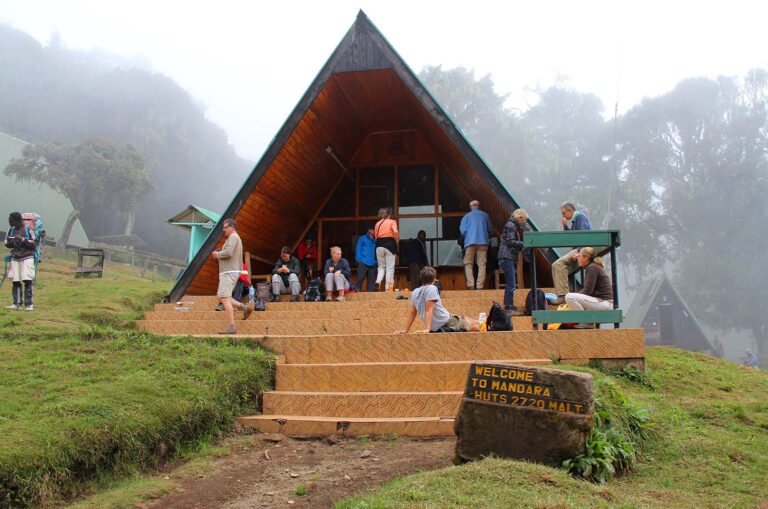
Kilimanjaro Personal Porter Vs Standard Support 2026-2027
Kilimanjaro Personal Porter vs Standard Porter Support is explained with current 2026-2027 planning, price, itinerary and booking information.
View package details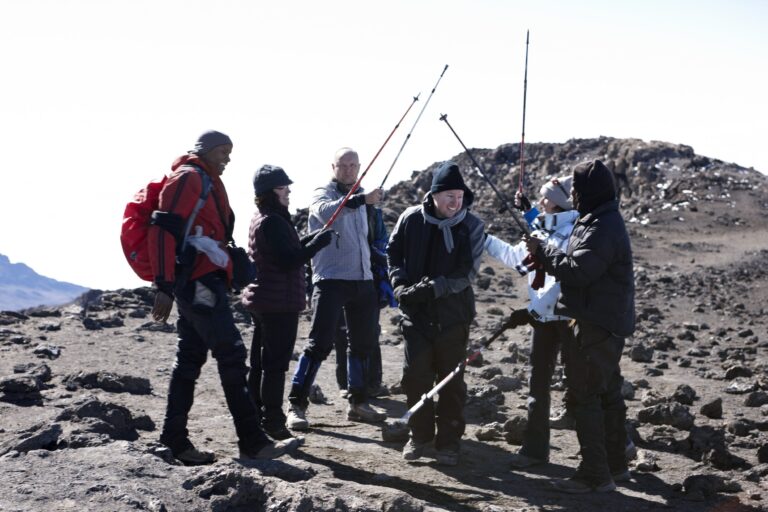
Kilimanjaro Airport Vs Arusha For Climbers: The Definitive Guide 2026-2027
A comprehensive comparison of Kilimanjaro International Airport (JRO) and Arusha Airport (ARK) for trekkers planning a Mount Kilimanjaro climb, detailing pros, cons, and booking advice for...
View package details
Kilimanjaro Climb For Retired Couples: Planning Your Adventure 2026-2027
Planning a Kilimanjaro climb as a retired couple is an achievable and rewarding goal. This guide offers in-depth advice on route selection, physical preparation, essential gear, and the...
View package details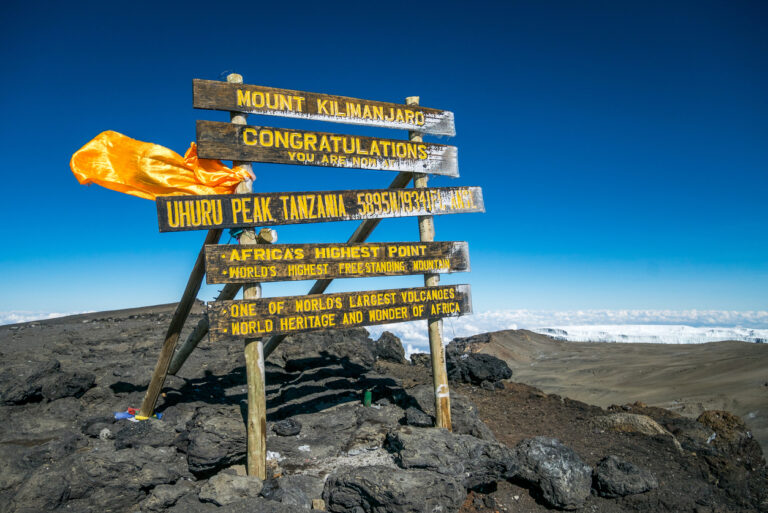
Kilimanjaro Training Plan For Climbers Over 60 2026-2027
Kilimanjaro Training Plan for Climbers over 60 is explained with current 2026-2027 planning, price, itinerary and booking information.
View package details
Can A 16-Year-Old Climb Kilimanjaro? Your Essential Guide 2026-2027
Discover if a 16-year-old can summit Kilimanjaro. This comprehensive guide covers age requirements, health, fitness, essential gear, and planning for younger trekkers aiming for Africa's...
View package detailsNo related package matches those filters. Clear one or more filters to see the other topic-matched options.



