
Both February and March offer excellent conditions for climbing Mount Kilimanjaro, falling within the generally dry season, but March often presents slightly warmer temperatures and potentially more clouds as it transitions towards the wetter season, while February typically boasts clearer skies and colder summit conditions. For 2026-2027, February generally sees fewer trekkers than March, which is a popular month due to its excellent preceding weather. Both months are viable for a successful climb, with February often favored by those seeking fewer people and potentially clearer views, and March by those who prefer slightly milder temperatures on the ascent, though with a slightly increased chance of precipitation towards the end of the month.
Understanding Kilimanjaro’s Climate Patterns: February vs. March
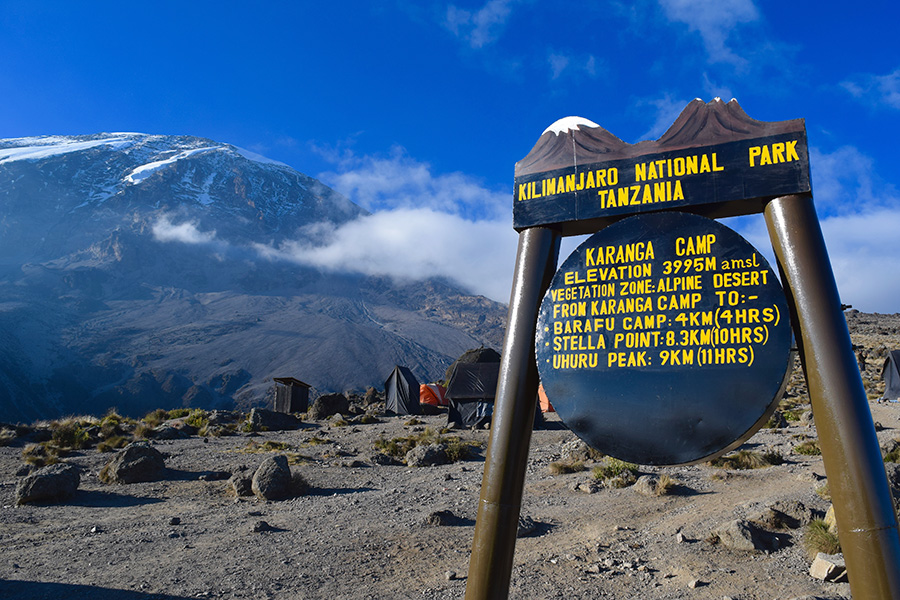
Mount Kilimanjaro, standing proudly in Tanzania, experiences distinct climatic seasons that significantly influence the trekking experience. While the mountain is climbable year-round, certain months offer more favorable conditions than others. The period from January to March is considered the second dry season, and this is where our comparison between February vs March Kilimanjaro climbing conditions truly comes into focus. Both months are part of this favorable window, but they are not identical. Understanding these nuances is crucial for planning a successful and enjoyable ascent for your 2026-2027 adventure.
The primary difference lies in the subtle shift as the dry season begins to yield to the longer rainy season that typically starts in April. February is often seen as the tail end of the most stable, dry, and clear period, while March marks the transition, offering a blend of the last of the dry season’s benefits with the very first hints of increased moisture and cloud cover. This means that while both months are good, the specific experience can vary.
February on Kilimanjaro: The Cold, Clear Choice
February is often lauded for its exceptionally clear skies and dry conditions. This month falls squarely within Kilimanjaro’s summer, which might seem counterintuitive given its proximity to the equator and the mountain’s snow-capped peak. However, on Kilimanjaro, summer (December-March) generally means warmer ambient temperatures at lower altitudes and less precipitation than the winter months (June-August). February, in particular, is renowned for its low humidity and minimal rainfall, making it an excellent time for visibility.
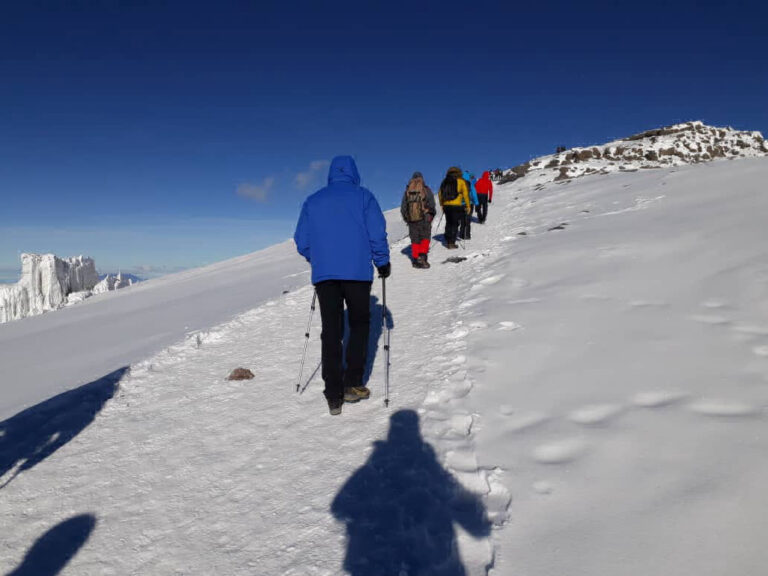
The downside to February’s clarity and dryness is the cold, especially at higher altitudes and the summit. With fewer clouds to trap heat, temperatures can plummet significantly. Summit night, which often occurs in the early morning hours, can be particularly brutal, with temperatures at Uhuru Peak (5,895m / 19,341ft) frequently dropping to -10°C to -20°C (14°F to -4°F), and sometimes even colder with wind chill. Trekkers need to be exceptionally well-prepared with appropriate gear for extreme cold.
Visibility is typically at its best in February. The dry air means that distant landscapes are sharp, and the views from various stages of the climb, including across the plains of Tanzania, are often spectacular. This clarity extends to the summit itself, offering unparalleled panoramas of the surrounding volcanic cones and the curvature of the Earth. For photographers and those who prioritize unobstructed views, February is a prime month.
March on Kilimanjaro: The Mild Transition
March continues to benefit from the dry season’s advantages, but it also begins to show signs of the approaching rainy season. This means that while still largely dry, there’s a slightly increased chance of encountering clouds, particularly in the afternoons, and a possibility of light showers, especially towards the latter half of the month. The trade-off for this slight increase in moisture is often a moderation of the extreme cold experienced in February.
Temperatures in March tend to be a few degrees warmer than in February, making the climb, particularly the summit night, more bearable for some. While still very cold at the summit, the extreme lows of February might be slightly less common. This can make a significant difference for trekkers who are more sensitive to cold or who are less experienced with extreme winter conditions. The average summit night temperature in March might hover around -7°C to -17°C (19°F to 1°F), still requiring serious cold-weather gear but potentially less extreme than February.
Visibility in March is generally still very good, though perhaps not quite as consistently crystalline as in February. You can expect stunning views for most of your trek. However, there’s a higher probability of cloud build-up, especially on the lower slopes and in the afternoons, which can occasionally obscure distant views. Towards the end of March, the chance of encountering rain or even snow showers increases, though these are typically not prolonged downpours like those experienced during the main rainy seasons.
Crowd Levels: February vs. March
The number of trekkers on Kilimanjaro is a significant factor for many when planning their climb. Crowd levels can affect the pace of the trek, the availability of accommodation at campsites, and the overall atmosphere on the mountain. Both February and March are generally considered part of the high season or shoulder season for Kilimanjaro, meaning you will encounter other trekkers.
February: The Quieter High Season
February is often one of the quieter months within the generally popular dry season. While it’s not deserted, the number of trekkers is typically lower than in January or March. This can be attributed to a few factors, including the slightly colder summit temperatures and the fact that it follows the busy Christmas and New Year period. For trekkers who prefer a more serene experience and fewer people on the trails and at campsites, February Kilimanjaro climbs can be very appealing.
Fewer people mean that campsites are less crowded, and you might find yourself with more space. The pace of the group can sometimes be more flexible, and there’s a greater sense of solitude on the mountain. This can enhance the feeling of being on a grand expedition. However, it’s important to note that even in the ‘quieter’ months, Kilimanjaro is a popular mountain, and you will still see other groups on the routes.
March: The Popular Shoulder Month
March, on the other hand, often experiences a surge in popularity. It follows January, which is a peak month, and March itself offers excellent weather conditions that draw many climbers. As the month progresses and the transition to the rainy season begins, people tend to book their climbs within the last reliable window of dry weather. This means that March Kilimanjaro expeditions can be considerably busier than February.
Expect more groups on the trails and at campsites. This can lead to a more lively atmosphere, with more opportunities to interact with fellow trekkers from around the world. However, it also means that campsites can be more crowded, and the pace of the trek might be dictated more by the movement of larger numbers of groups. Booking well in advance for March climbs in 2026 and 2027 is highly recommended to secure your preferred dates and routes.
Route Considerations for February vs. March
While the core conditions of February vs. March remain consistent across all routes, the choice of route can influence your experience, especially concerning crowds and views. All major routes (Marangu, Machame, Lemosho, Shira, Rongai, Northern Circuit, and Umbwe) are open and viable in both February and March.
Popular Routes in February and March
The Machame Route and Lemosho Route remain perennial favorites due to their scenic beauty and high success rates. They are popular in both February and March. However, given March’s higher crowd levels, these routes might feel more congested then. The Marangu Route, known for its hut accommodation, is also a consistent choice, though its lower success rate means it’s often less recommended for first-time climbers.
For those seeking fewer crowds, even within March, considering routes like the Rongai Route (which approaches from the north and is drier) or the Northern Circuit (the longest route, offering the most acclimatization and least crowded experience) might be beneficial. These routes can provide a slightly more secluded experience, even during busier periods.
Route-Specific Conditions
In February, the dry conditions mean that all routes will be relatively easy to traverse, with minimal mud or slippery sections, even on the steeper parts of Machame or Umbwe. The clear air offers expansive views from all vantage points, including the dramatic crater rim views on Lemosho and Northern Circuit.
In March, as the month progresses, there’s a slightly increased chance of encountering muddy sections on the western routes (Machame, Lemosho, Shira, Umbwe) and potentially wetter conditions on the northern side (Rongai) compared to February. However, these are typically manageable with proper waterproof gear. The increased cloud cover in March might mean that the dramatic, expansive views from the higher camps on routes like the Northern Circuit are occasionally obscured by mist or clouds, especially in the afternoons.
Gear and Packing for February vs. March
The gear you need for Kilimanjaro is substantial regardless of the month, but the subtle differences between February and March necessitate some adjustments in your packing list. The fundamental principle is layering for warmth and protection against the elements.
February: Emphasis on Extreme Cold Preparedness
Given February’s potential for extreme cold, particularly on summit night, your packing list should prioritize items that offer maximum insulation. This includes:
- High-quality down jacket: A very warm, expedition-weight down jacket is essential for summit night and potentially for evenings at high-altitude camps.
- Warm base layers: Merino wool or synthetic thermal base layers (top and bottom) are critical. Bring multiple sets.
- Mid-layers: Fleece jackets or insulated synthetic jackets provide crucial warmth between your base and outer layers.
- Waterproof and windproof outer shell: A robust jacket and trousers are vital, not just for rain but for wind protection at high altitudes.
- Extremity protection: Thick wool or synthetic socks (multiple pairs), insulated gloves or mittens (consider liner gloves as well), and a warm hat that covers your ears are non-negotiable. A balaclava or neck gaiter is also highly recommended.
- Sleeping bag: A 4-season sleeping bag rated to at least -15°C to -20°C (5°F to -4°F) is advisable for February.
March: Still Cold, but Slightly More Versatile
While March is still cold and requires serious winter gear, the slightly milder temperatures might allow for a marginally less extreme selection. However, it’s always better to be overprepared than underprepared for Kilimanjaro’s summit. You should still pack most of the items listed for February, but perhaps with a slightly less aggressive rating on some components if you are particularly sensitive to heat.
- Down jacket: Still essential.
- Base layers: High-quality thermals are a must.
- Mid-layers: Fleece and insulated jackets are necessary.
- Waterproof/windproof gear: Absolutely critical, especially with the increased chance of rain in March.
- Extremity protection: Warm gloves, hats, and socks remain vital. You might get away with slightly lighter gloves for lower altitudes during the day.
- Sleeping bag: A bag rated to -10°C to -15°C (14°F to 5°F) might suffice for some, but a warmer bag is still recommended for comfort and safety.
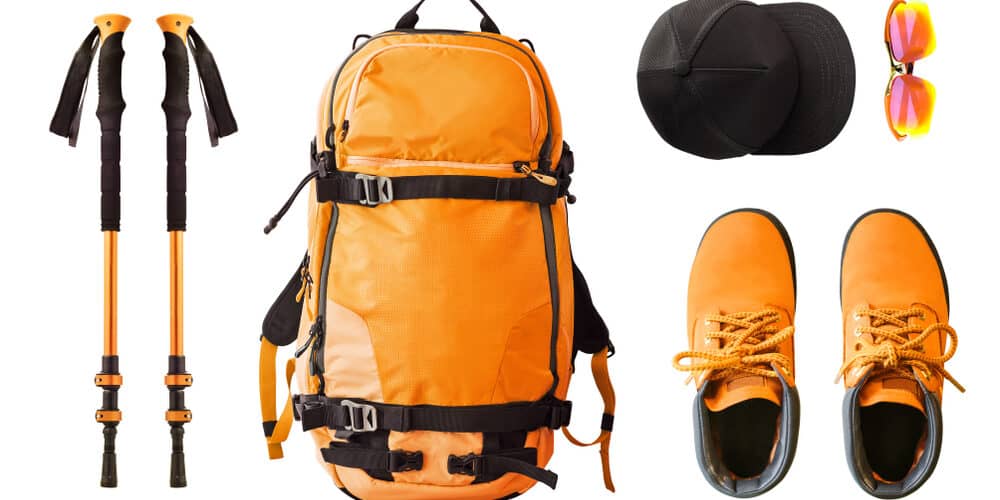
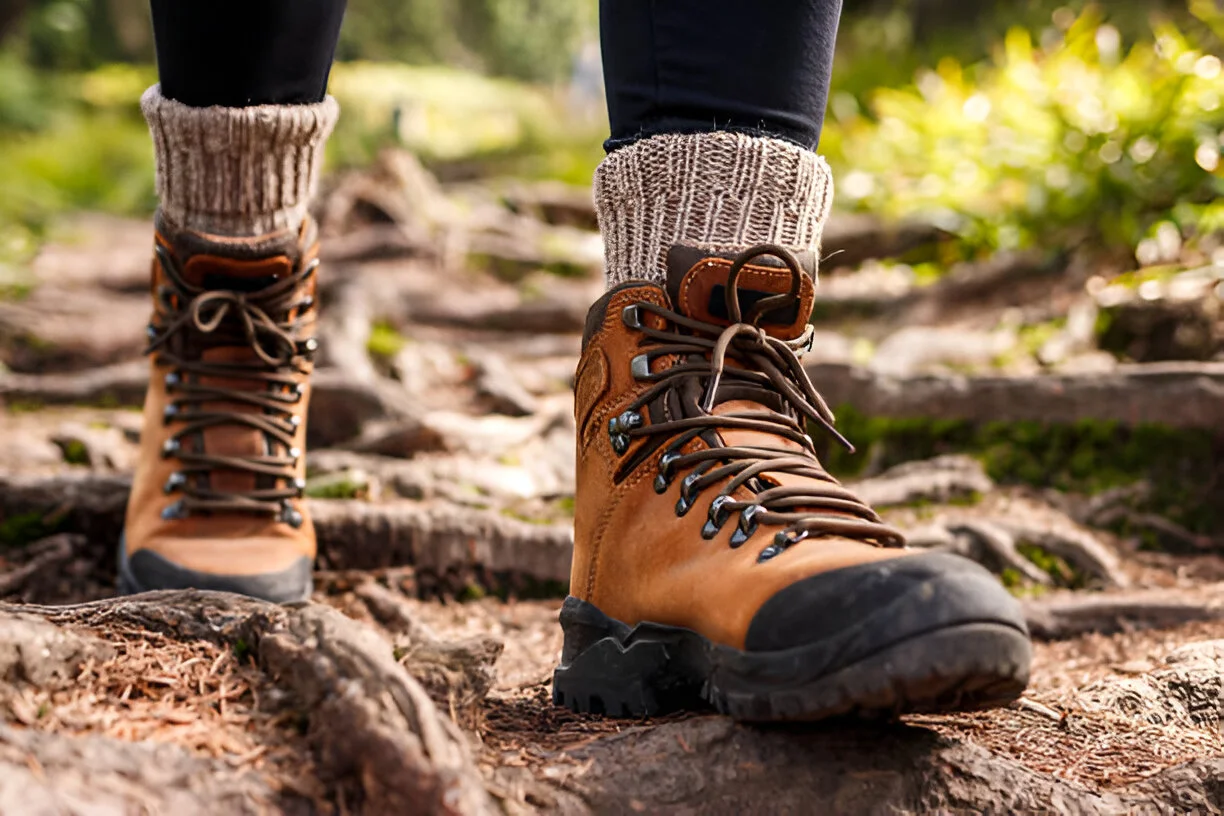
Important Note for Both Months: Regardless of the month, bring good quality trekking boots that are already broken in. Trekking poles are also highly recommended to reduce strain on your knees and improve stability. Don’t forget sunscreen, sunglasses, and lip balm with SPF, as the sun is intense at high altitudes, even when it’s cold.
Health and Acclimatization: February vs. March
Altitude sickness (Acute Mountain Sickness – AMS) is a risk on any Kilimanjaro climb, irrespective of the month. However, the conditions of February vs. March can subtly influence acclimatization.
Acclimatization in February
The clear, dry air of February can sometimes lead to a perception of easier climbing conditions at lower altitudes, potentially encouraging trekkers to push a little harder. However, the cold at higher altitudes requires more energy expenditure, which can also impact acclimatization. The key to successful acclimatization on Kilimanjaro, and therefore a higher chance of reaching the summit, is to climb slowly (“pole pole”), stay hydrated, and ascend gradually. The generally stable weather in February can make it easier to maintain a consistent pace without being forced to stop due to weather.
Acclimatization in March
The slightly warmer temperatures in March might make it feel more comfortable to maintain a slow pace, potentially aiding acclimatization. However, the increased chance of afternoon clouds or light rain could lead to unexpected stops or changes in pace. It’s essential to stick to the “pole pole” mantra and listen to your body. The longer routes, such as the Northern Circuit or Lemosho Route, are always recommended for better acclimatization, regardless of whether you climb in February or March.
Top Guide Adventures emphasizes that proper acclimatization is paramount. Our itineraries are designed with gradual ascents and adequate rest days. For 2026-2027 bookings, we recommend discussing your personal fitness and any past altitude experiences with our guides to ensure the best possible acclimatization strategy.
Costs and Availability: February vs. March for 2026-2027
The cost of a Kilimanjaro climb is influenced by several factors, including the route chosen, the duration of the trek, the operator, and the season. When comparing February vs. March, the differences in cost are usually minimal for the park fees and operational costs, as these are largely fixed by the Tanzanian government and the tour operator’s base rates. However, availability can be a significant factor, especially for popular routes and operators.
Availability in February 2026-2027
As mentioned, February is generally less crowded. This means that availability for February Kilimanjaro climbs is often more flexible. You might find it easier to book a last-minute trip or secure specific dates with your preferred operator. This can be advantageous if your travel plans are somewhat spontaneous.
Availability in March 2026-2027
March, being a popular month within the dry season, tends to book up faster. If you are set on climbing in March 2026 or 2027, it is highly advisable to book several months in advance, especially if you are looking for specific departure dates or wish to join a group tour. Popular operators and routes can fill up quickly.
Cost Considerations
While park fees are standardized, some operators might offer slightly different pricing structures for different months, though this is less common for February vs. March as they are both within a desirable climbing window. The primary cost factor remains the quality of service provided by the tour operator. At Top Guide Adventures, we offer comprehensive packages that include park fees, experienced guides and porters, quality equipment, meals, and accommodation before and after the climb. Our pricing for 2026-2027 remains competitive and transparent, reflecting the quality and safety standards we uphold.
Generally, you can expect:
- Budget Operators: Lower prices, but often compromise on safety, equipment, food, and porter welfare.
- Mid-Range Operators (like Top Guide Adventures): A balance of quality, safety, and value. This is where most climbers find the best experience for their money. Expect prices to range from $2,000 to $3,500 USD per person for standard itineraries (e.g., 7-day Machame).
- Luxury Operators: Higher prices, offering premium services, more personalized attention, and potentially better equipment and facilities.
The choice between February and March will not typically lead to significant price variations from reputable operators. The main driver of cost is the package itself, not the specific month within this window. Always ensure your chosen operator is reputable and prioritizes safety and ethical treatment of staff. You can get a personalized quote for your 2026-2027 Kilimanjaro climb by contacting us.
Pros and Cons: February vs. March Kilimanjaro Climbing
To summarize the comparison of February vs March Kilimanjaro climbing conditions, here’s a breakdown of the advantages and disadvantages of each month:
February: The Pros and Cons
Pros:
- Exceptional Visibility: Generally the clearest skies of the year, offering stunning panoramic views.
- Dry Conditions: Minimal rainfall, making trails less muddy and the overall trek more comfortable.
- Fewer Crowds: A more serene and less congested experience on the mountain.
- Potentially Lower Prices: Some operators might offer slightly better deals due to lower demand, though this is not guaranteed.
Cons:
- Extreme Cold: Summit night can be exceptionally cold, requiring top-tier cold-weather gear and resilience.
- Shorter Days: As it’s summer in the Southern Hemisphere, days are longer than in the dry season’s second half, but the cold makes evenings and nights feel longer.
March: The Pros and Cons
Pros:
- Milder Temperatures: Generally warmer than February, making the climb, especially summit night, more comfortable for some.
- Still Good Conditions: Benefits from the dry season’s generally favorable weather, with good visibility for most of the month.
- Popular Month: A good mix of people, making for a lively atmosphere if you enjoy trekking with others.
Cons:
- Increased Chance of Clouds/Rain: As the month progresses, visibility can decrease, and light precipitation becomes more likely.
- More Crowds: Can be a busier month, especially on popular routes.
- Book Further in Advance: Due to popularity, you need to plan and book earlier for March 2026-2027.
Making Your Decision for 2026-2027
When deciding between February vs March Kilimanjaro climbing for your 2026-2027 adventure, consider your personal preferences and priorities:
- If you prioritize crystal-clear views and minimal crowds above all else, and you are well-prepared for extreme cold: February is likely your best bet. The pristine conditions offer unparalleled photographic opportunities and a sense of solitude.
- If you prefer slightly milder temperatures and don’t mind a few more people on the mountain, while still enjoying generally good weather: March is an excellent choice. It offers a good balance of favorable conditions and a lively trekking atmosphere. Be prepared for the possibility of some cloud cover towards the end of the month.
Both months are excellent choices and fall within Kilimanjaro’s prime climbing season. The decision often comes down to subtle trade-offs. For many, the slightly warmer temperatures of March outweigh the potential for marginal decreases in visibility or increased crowds. However, for those who are very sensitive to cold or are seeking the quietest possible experience during the dry season, February shines.
Regardless of your choice, remember that success on Kilimanjaro is primarily about proper preparation, a good guide company, and careful acclimatization. Top Guide Adventures is committed to providing you with an unforgettable and safe Kilimanjaro experience for 2026-2027. We meticulously plan every aspect of your trek, from gear recommendations to acclimatization strategies, ensuring you are as prepared as possible.
Planning Your 2026-2027 Kilimanjaro Climb with Top Guide Adventures
Choosing the right time to climb Kilimanjaro is a significant part of the planning process, and understanding the subtle differences between months like February and March is key. Whether you opt for the crisp clarity of February or the slightly milder transition of March, Top Guide Adventures is here to guide you every step of the way.
Our team of experienced guides and support staff is dedicated to your safety and enjoyment. We offer a range of itineraries on all major routes, designed to maximize your chances of a successful summit while ensuring a memorable adventure. We believe in transparent pricing, ethical treatment of our crew, and providing high-quality service that makes your Kilimanjaro dream a reality.
For February 2026-2027 climbs or March 2026-2027 expeditions, we encourage you to reach out to us. We can help you select the best route for your fitness and preferences, provide detailed packing lists, and answer any questions you may have about the conditions, costs, or logistics. Planning a Kilimanjaro climb is a significant undertaking, and we are here to make it as smooth and rewarding as possible.
Don’t hesitate to contact us for a personalized quote or to discuss your ideal Kilimanjaro adventure. Your journey to the Roof of Africa starts with a conversation:
- WhatsApp: +255616946642
- Email: topguideadventures@gmail.com
- Backup Email: info@topguideadventures.com
We look forward to helping you conquer Kilimanjaro in February or March 2026-2027!
“,
“faq_schema”: [
{
“question”: “What are the main differences in weather between February and March for Kilimanjaro climbs?”,
“answer”: “February typically offers clearer skies and drier conditions, but with colder temperatures, especially at the summit. March is slightly warmer and still largely dry, but there’s an increased chance of clouds and light precipitation as it transitions towards the rainy season.”
},
{
“question”: “Which month, February or March, is less crowded for climbing Kilimanjaro?”,
“answer”: “February is generally less crowded than March. March is a popular month within the dry season, leading to more trekkers on the mountain.”
},
{
“question”: “Is February or March better for visibility on Kilimanjaro?”,
“answer”: “February usually offers superior visibility due to consistently clear and dry air, providing expansive panoramic views. March visibility is generally very good but can be affected by increased cloud cover, particularly in the afternoons.”
},
{
“question”: “What are the temperature differences for summit night in February vs. March?”,
“answer”: “Summit night temperatures in February can drop to -10°C to -20°C (14°F to -4°F) or colder with wind chill. In March, temperatures are typically a few degrees warmer, perhaps ranging from -7°C to -17°C (19°F to 1°F), though still requiring extreme cold-weather gear.”
},
{
“question”: “Should I book my Kilimanjaro climb for February or March 2026-2027?”,
“answer”: “If you prioritize fewer crowds and the clearest possible views and are prepared for extreme cold, February is ideal. If you prefer slightly milder temperatures and don’t mind more people, March is an excellent choice, offering good conditions with a slightly higher chance of clouds towards the end of the month.”
},
{
“question”: “Does the choice between February and March significantly affect the cost of a Kilimanjaro climb?”,
“answer”: “The cost difference between February and March for Kilimanjaro climbs is usually minimal, as both fall within a desirable climbing window. Costs are primarily determined by the chosen route, trek duration, and the tour operator’s package quality and inclusions, not the specific month within this window.”
},
{
“question”: “Which Kilimanjaro routes are recommended for February and March climbs?”,
“answer”: “All major routes (Machame, Lemosho, Marangu, Rongai, Northern Circuit, etc.) are open and suitable for February and March. For potentially fewer crowds, especially in March, consider the Northern Circuit or Rongai. Longer routes like Lemosho and Northern Circuit are always recommended for better acclimatization.”
}
]
}
“`
Check Availability for February Vs March Kilimanjaro Climbing Conditions 2026-2027
Ready to compare dates, prices, and the best option for your group? Send the package name and travel month so the team can reply with a clear quote, availability, and what is included.
November Vs December Kilimanjaro Climbing Conditions Guide
Choosing between November and December for your Kilimanjaro climb? This guide details the distinct conditions, weather patterns, crowd levels, and cost considerations for each month...
View package details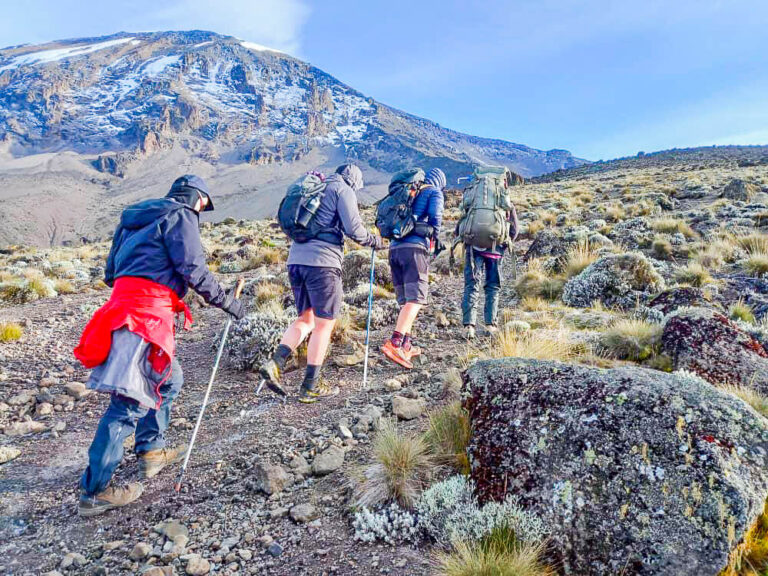
April Vs May Kilimanjaro Rain And Trail Conditions: Your Expert Guide
Deciding between April and May for your Kilimanjaro climb? This in-depth guide compares the rain, trail conditions, crowds, and overall experience for both months in 2026-2027 to help you...
View package details
March Vs April Kilimanjaro Weather Comparison For Climbs 2026-2027
Choosing between March and April for your Kilimanjaro climb involves understanding subtle yet significant weather differences. Both months fall within Kilimanjaro's second-best trekking...
View package details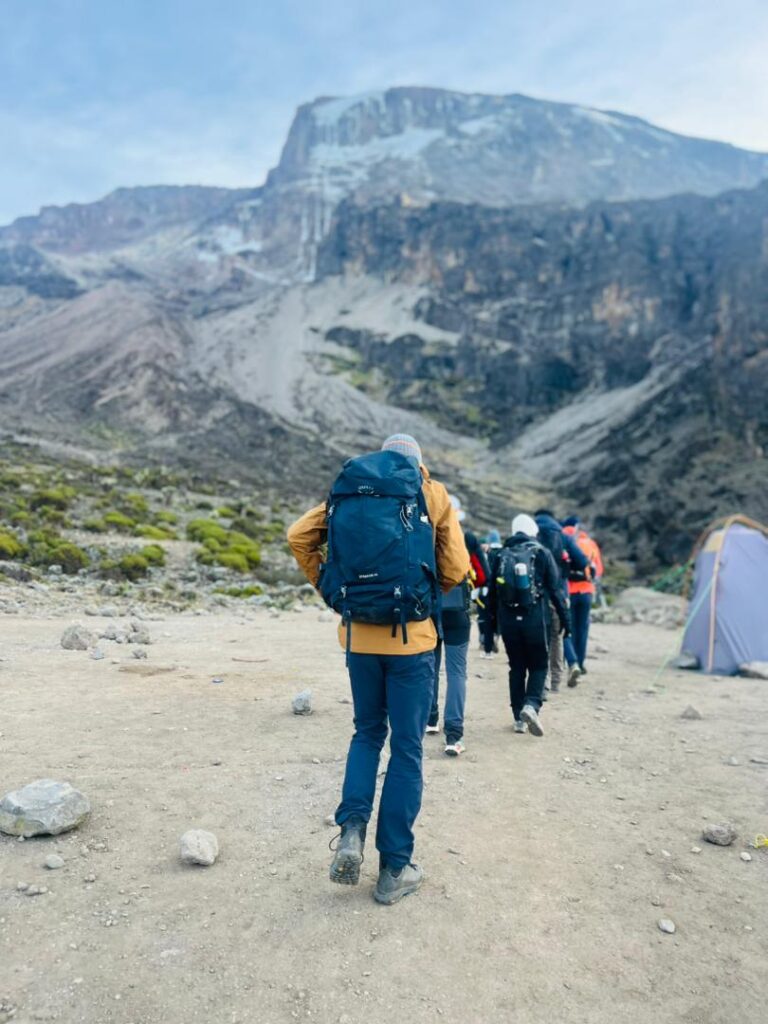
March Kilimanjaro Solo Traveller Group: Your Ultimate Guide For 2026-2027
Planning to climb Kilimanjaro solo in March? This guide connects you with group departures specifically for solo travellers, covering routes, costs, preparation, and what to expect in...
View package details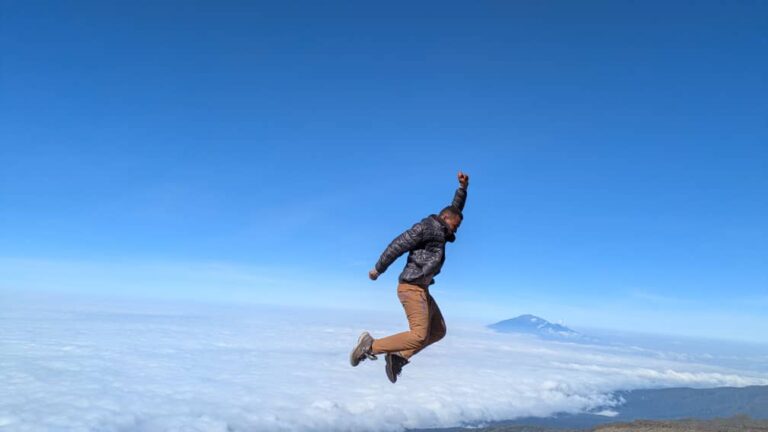
March Kilimanjaro Climb For Couples: Your Ultimate Guide 2026-2027
Planning a Kilimanjaro climb for couples in March? This guide covers everything from ideal routes and weather conditions to essential packing advice and booking considerations for your...
View package details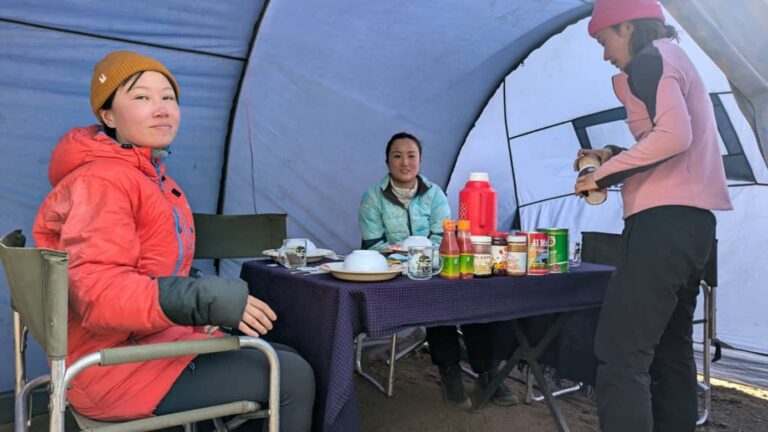
Best Kilimanjaro Route For December : Your Ultimate Climbing Guide 2026-2027
Choosing the best Kilimanjaro route for a December climb requires understanding the unique weather patterns and operational considerations of this popular month. While December marks the...
View package details
December Kilimanjaro Group Departures : Your Ultimate Climbing Guide 2026-2027
Planning a Kilimanjaro climb in December 2026? This comprehensive guide covers everything you need to know about group departures, including route options, weather expectations, packing...
View package detailsKilimanjaro Climbing In December : Your Complete Planning Guide 2026-2027
This guide provides an in-depth look at climbing Mount Kilimanjaro in December 2026, covering everything from weather patterns and best routes to essential gear and booking advice. Prepare...
View package details
November Kilimanjaro Trail Conditions: Your Essential Guide 2026-2027
Climbing Kilimanjaro in November offers a unique experience with cooler temperatures, a higher chance of rain in the early days, and significantly fewer trekkers. This guide details trail...
View package details
November Kilimanjaro Climbing Cost And Discounts For 2026-2027
Planning a Kilimanjaro climb in November 2026 or 2027? This comprehensive guide details the expected costs, factors influencing pricing, and available discounts. Learn how to budget...
View package details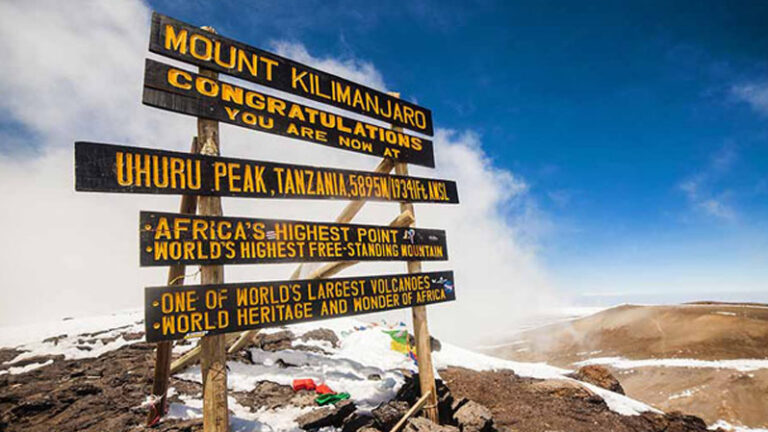
Kilimanjaro Independence Day Climbing Package | Top Guide Adventures 2026-2027
Celebrate Tanzania's Independence Day with an epic climb up Mount Kilimanjaro in 2026 or 2027. Top Guide Adventures offers specially curated packages designed for this significant period...
View package detailsKilimanjaro Friends’ Group Climbing Holiday: Your Ultimate Guide For 2026-2027
Organizing a Kilimanjaro climb for a group of friends is an unforgettable experience. This guide from Top Guide Adventures covers everything you need to know for a successful 2026-2027...
View package detailsNo related package matches those filters. Clear one or more filters to see the other topic-matched options.



