
The best months for a full-moon climb on Kilimanjaro, offering clear skies and optimal weather, are generally January, February, and June through September. These periods align with Kilimanjaro’s dry seasons, increasing your chances of clear nights for moonlit ascents and maximizing the likelihood of seeing the full moon without significant cloud cover. For 2026 and 2027, targeting a full moon within these months will significantly enhance your summit experience, making the challenging trek even more spectacular and memorable.
Choosing Your Kilimanjaro Full-Moon Ascent: A Strategic Guide for 2026-2027
Summiting Mount Kilimanjaro is an extraordinary achievement, a journey that tests physical endurance and mental fortitude. For many, the dream is amplified by the prospect of standing on Africa’s highest peak under the ethereal glow of a full moon. This celestial spectacle transforms the already awe-inspiring landscape into a surreal, otherworldly panorama. But achieving this magical experience requires meticulous planning, especially when synchronizing your climb with the lunar cycle and Kilimanjaro’s notoriously fickle weather. This guide is crafted to help you pinpoint the best Kilimanjaro month for a full-moon climb, focusing on the practicalities for trekkers planning their adventure in 2026 and 2027.
At Top Guide Adventures, we understand that a successful Kilimanjaro climb is a blend of expert guidance, personal preparation, and optimal timing. We help our clients navigate the complexities of route selection, acclimatization, gear, and, crucially, the best times to ascend. For those specifically seeking the magic of a full-moon summit, understanding the interplay between weather patterns and lunar phases is paramount. Let’s break down how to make your full-moon Kilimanjaro dream a reality in the coming years.
Understanding Kilimanjaro’s Climate: The Foundation for a Full-Moon Climb
Kilimanjaro’s climate is characterized by distinct wet and dry seasons, heavily influenced by its massive size and altitude. These seasons are the primary determinant of climbing conditions, affecting visibility, trail conditions, and the overall safety and enjoyment of your trek. For a full-moon climb, clear skies are not just desirable; they are essential for both the astronomical spectacle and the practicalities of navigating the upper reaches of the mountain at night.
The Dry Seasons: Your Best Bet for Lunar Views
Kilimanjaro experiences two main dry seasons, which are the most conducive periods for climbing and, by extension, for full-moon ascents:
- The Long Dry Season (June to October): This is arguably the most popular and reliable period for climbing Kilimanjaro. The weather is typically stable, with abundant sunshine during the day and cold, clear nights. Temperatures are cooler, especially at higher altitudes, and the risk of rain is significantly lower. The dry trails and clear skies make it ideal for both the trek and for appreciating the moonlit landscape.
- The Short Dry Season (January to February): This period offers a secondary window of good weather. It’s generally warmer than the long dry season, with less extreme cold at the summit. While slightly less predictable than the June-October window, January and February often provide excellent conditions for climbing, including clear nights perfect for a full-moon experience.
The Wet Seasons: Challenges for Moonlit Treks
Conversely, the wet seasons present significant challenges for any Kilimanjaro climb, and especially for a full-moon expedition:
- The Long Rains (March to May): This is Kilimanjaro’s wettest period. Heavy rainfall is common, often turning trails into muddy rivers and obscuring views with persistent clouds and fog. Snowfall at the summit is also more frequent. Attempting a full-moon climb during this time is highly inadvisable due to poor visibility and hazardous conditions.
- The Short Rains (November to December): While not as intense as the long rains, these months can still bring unpredictable showers, particularly in the afternoons. Cloud cover can be heavy, reducing the chances of clear night skies needed for a full-moon view. While a full moon might occur, seeing it clearly from the mountain can be difficult.
Aligning Your Climb with the Full Moon: The Lunar Calendar is Key
Once you’ve identified the most favorable dry seasons, the next step is to synchronize your chosen dates with the full moon. A full moon occurs approximately every 29.5 days. Therefore, within the prime climbing months (January, February, June, July, August, September), there will be a full moon. The key is to plan your trek so that your summit attempt, typically occurring on the final night of the climb, coincides with or is very close to the night of the full moon.
Strategic Summit Dates for Full-Moon Climbs in 2026 and 2027
To help you plan, here are the approximate dates of the full moons in the prime climbing months for 2026 and 2027. Remember that a typical Kilimanjaro climb lasts 6-9 days, so you’ll need to book your expedition to start a few days before the full moon date to align your summit push correctly.
Full Moon Dates in 2026 (Prime Climbing Months):
- January 2026: Approximately January 12th. This falls within the short dry season. A 7-day climb starting around January 7th would be ideal.
- February 2026: Approximately February 11th. Also in the short dry season. A 7-day climb starting around February 6th.
- June 2026: Approximately June 22nd. This marks the beginning of the long dry season. A 7-day climb starting around June 17th.
- July 2026: Approximately July 21st. Prime long dry season. A 7-day climb starting around July 16th.
- August 2026: Approximately August 19th. Peak long dry season. A 7-day climb starting around August 14th.
- September 2026: Approximately September 18th. Still within the long dry season, though conditions can start to shift towards the end of the month. A 7-day climb starting around September 13th.
Full Moon Dates in 2027 (Prime Climbing Months):
- January 2027: Approximately January 31st. Short dry season. A 7-day climb starting around January 26th.
- February 2027: Approximately February 28th. Still in the short dry season. A 7-day climb starting around February 23rd.
- June 2027: Approximately June 19th. Beginning of the long dry season. A 7-day climb starting around June 14th.
- July 2027: Approximately July 18th. Prime long dry season. A 7-day climb starting around July 13th.
- August 2027: Approximately August 17th. Peak long dry season. A 7-day climb starting around August 12th.
- September 2027: Approximately September 16th. Still within the long dry season. A 7-day climb starting around September 11th.
Note: These full moon dates are approximate and can vary slightly based on precise astronomical calculations. Always confirm the exact dates closer to your booking.
Route Selection: Enhancing Your Full-Moon Kilimanjaro Experience
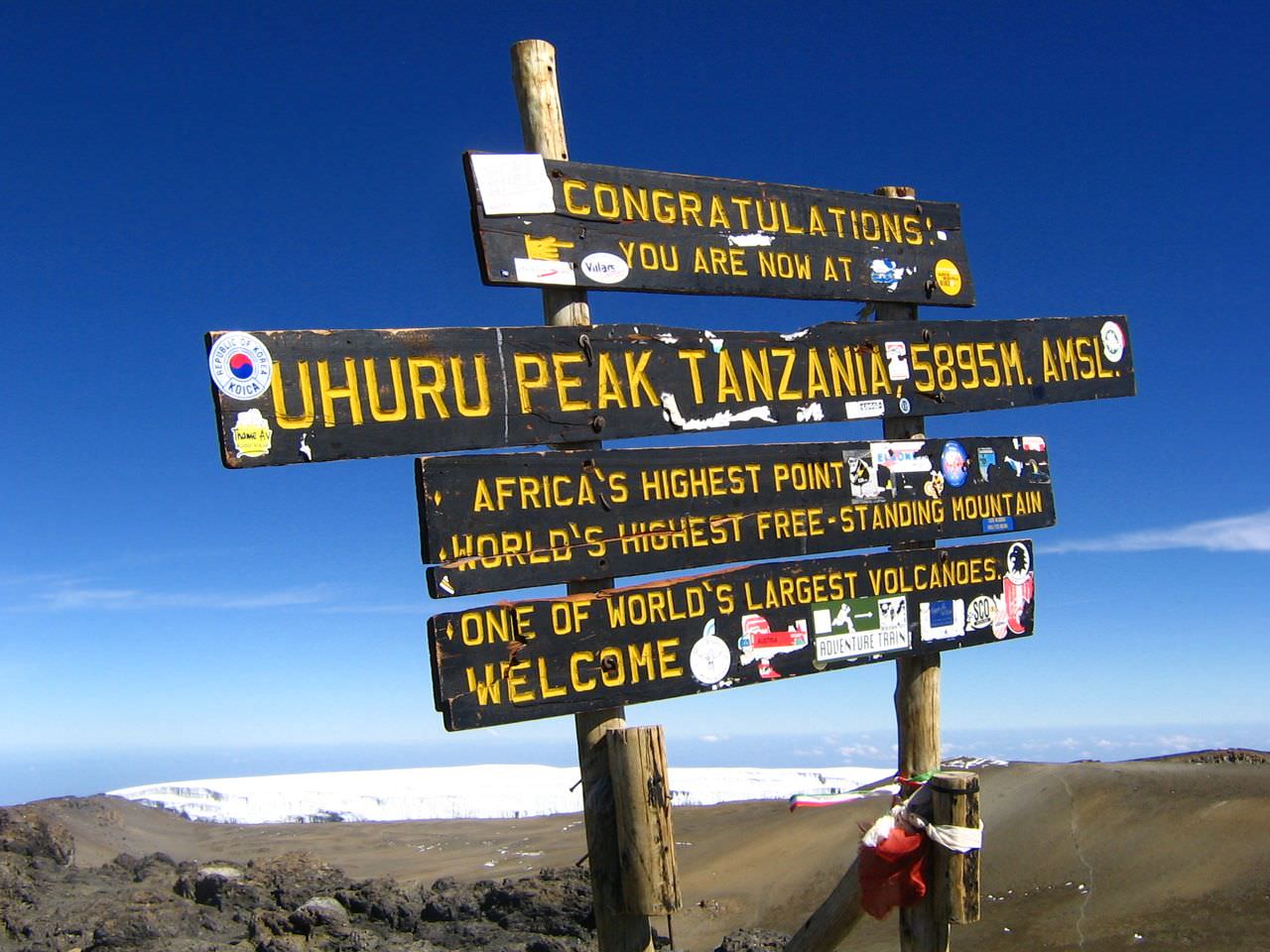
While any of Kilimanjaro’s established routes can be climbed during a full moon, some routes offer better vantage points and acclimatization profiles that can enhance the experience. The primary consideration for a full-moon climb is the summit night itself. Most routes converge on the same final path to the summit, Stella Point or Gilman’s Point, and then proceed to Uhuru Peak. This section is typically tackled overnight.
Recommended Routes for Full-Moon Climbers
- Machame Route: Often called the ‘Whiskey Route’, Machame is popular for its scenic beauty and excellent acclimatization profile. It’s a challenging but rewarding route, and its well-established path to the summit is suitable for a night ascent. The scenery on the way up, especially during the day, is spectacular, preparing you for the lunar views. Explore Machame Route departures.
- Lemosho Route: This is another highly recommended route, particularly for its longer duration (7-8 days), which provides superior acclimatization. The Lemosho route offers stunning vistas and a more remote feel in its initial stages. Its gradual ascent curve is beneficial for adapting to the altitude, making the final summit push more manageable, whether under the moon or sun.
- Northern Circuit: As the longest route (9 days), the Northern Circuit offers the best acclimatization and a more relaxed pace. It circles the mountain’s northern slopes, providing unique perspectives. While it may not offer significantly different summit night views compared to other routes, the enhanced acclimatization can lead to a more comfortable and successful climb, allowing you to better enjoy the full-moon summit.
Considerations for Summit Night Views
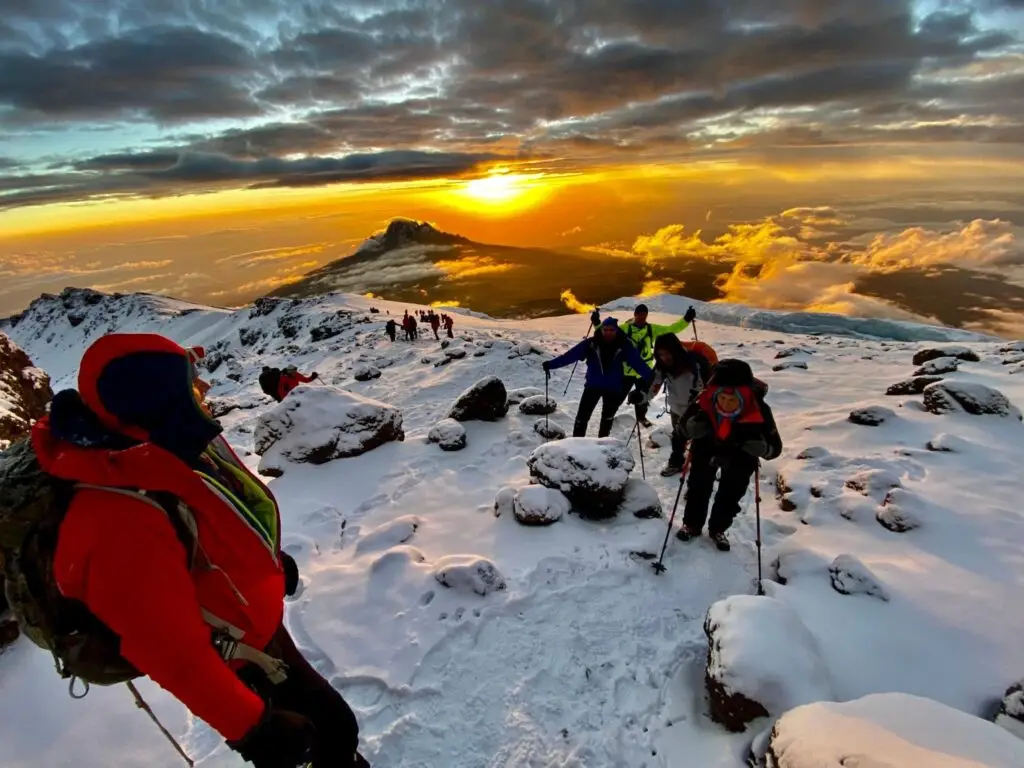
Regardless of the route, the summit night is a strenuous, cold, and dark endeavor. The full moon provides natural illumination, which can be a significant psychological and practical boost. It allows for better visibility of the terrain, potentially reducing the need for headlamps at certain points, and offers an unforgettable backdrop as you ascend through the scree and rock fields towards Uhuru Peak. The vastness of the African plains stretching out below, bathed in moonlight, is a sight few ever witness.
Practical Considerations for a Full-Moon Kilimanjaro Expedition
Beyond choosing the right month and route, several practical aspects are crucial for a successful and enjoyable full-moon Kilimanjaro climb. These include packing, acclimatization, and understanding the unique challenges and benefits of a lunar-lit ascent.
Packing for Cold and Clarity
The summit night is invariably the coldest part of the climb. Temperatures can drop to -20°C (-4°F) or lower, especially with wind chill. While the full moon provides light, it doesn’t offer warmth. Therefore, your packing list must prioritize extreme cold-weather gear:
- Layering System: Base layers (merino wool or synthetic), mid-layers (fleece or down jacket), and an outer shell (waterproof and windproof).
- Extremities: Insulated gloves and mittens, warm hat, balaclava, and thermal socks.
- Footwear: Sturdy, waterproof hiking boots, preferably insulated.
- Headlamp: Essential for navigating in the dark, even with a full moon. A spare set of batteries is crucial.
- Sunglasses and Sunscreen: High altitude sun is intense, even on cooler days.
- Sleeping Bag: A 4-season sleeping bag rated for at least -20°C (-4°F) is recommended.
Acclimatization: The Golden Rule
Altitude sickness (Acute Mountain Sickness – AMS) is the most significant risk on Kilimanjaro. Proper acclimatization is non-negotiable. Longer routes (7-9 days) are generally better for acclimatization than shorter ones (5-6 days). The principle of ‘climb high, sleep low’ is vital. Your body needs time to adjust to the decreasing oxygen levels as you gain altitude. Choosing a longer route in a dry season, even for a full-moon climb, is always the safest approach. A well-acclimatized climber is more likely to reach the summit and enjoy the experience, moonlit or not.
The Psychological Boost of Moonlight
The full moon can offer a significant psychological advantage during the arduous summit night. The natural light can make the environment feel less intimidating and more manageable. Seeing the path ahead, the surrounding peaks, and the vast plains below illuminated by moonlight can be incredibly motivating. It transforms a potentially daunting night trek into a magical, almost surreal journey. Many climbers report that the moonlight makes the experience feel less about struggling in the dark and more about appreciating a unique, celestial event.
Potential Downsides of a Full-Moon Climb
While the benefits are compelling, there are a few potential downsides to consider:
- Increased Crowds: Full moon periods often coincide with peak climbing seasons, especially in the dry months. This means more people on the mountain, particularly on popular routes like Machame. Summit night can become quite congested.
- Stargazing: A bright full moon can wash out fainter stars, diminishing the stargazing experience. If astronomical observation beyond the moon is a priority, consider climbing during a new moon phase or on nights away from the full moon.
- Heat on Lower Slopes: While the summit is cold, the lower slopes can be warmer during the day, even in dry seasons. The full moon’s light might not penetrate dense forest or cloud cover in the initial stages of the trek.
Comparing Full-Moon Climbs Across Different Seasons
While the dry seasons are recommended, let’s briefly consider what a full-moon climb might look like in other periods, purely for comparison and to reinforce why the dry seasons are preferred.
Full Moon in the Long Dry Season (June-October)
- Pros: Highest probability of clear skies, stable weather, good visibility for the full moon and surrounding landscape, cooler temperatures (can be a pro for some, con for others regarding summit night).
- Cons: Can be more crowded, potentially higher prices due to peak season demand.
Full Moon in the Short Dry Season (January-February)
- Pros: Generally fewer crowds than the long dry season, warmer daytime temperatures, still a good chance of clear skies.
- Cons: Slightly less predictable weather than June-October, can be hotter on lower slopes.
Full Moon in the Shoulder Seasons (March, May, November, December)
- Pros: Potentially fewer crowds, lower prices.
- Cons: Increased risk of rain and cloud cover, significantly lower chance of clear views of the moon or landscape. Summit night could be obscured by fog or snow.
For the best Kilimanjaro month for a full-moon climb, the choice clearly favors the dry periods. January, February, June, July, August, and September in 2026 and 2027 stand out as your prime candidates.
Planning Your 2026-2027 Full-Moon Kilimanjaro Adventure with Top Guide Adventures
Choosing Top Guide Adventures means partnering with a local, trusted expert dedicated to making your Kilimanjaro dream a reality. We offer personalized service, ensuring every detail is covered, from route selection and acclimatization schedules to the logistical intricacies of timing your climb with a full moon.
Our Commitment to Your Experience
We understand the unique appeal of a full-moon ascent. Our team will work with you to:
- Identify Optimal Dates: Based on the lunar calendar for 2026 and 2027 and Kilimanjaro’s weather patterns, we’ll help pinpoint the best departure dates for your full-moon summit.
- Select the Right Route: We’ll guide you through route options, considering your fitness, desired acclimatization, and the specific experience you seek under the moonlight.
- Provide Expert Guidance: Our experienced guides are invaluable. They know Kilimanjaro intimately and can manage the complexities of night ascents, ensuring your safety and maximizing your chances of success.
- Ensure Quality Equipment and Support: We provide high-quality camping gear and ensure our support crews (porters and cooks) are well-trained and equipped.
Why Book with Us for Your 2026-2027 Climb?
Top Guide Adventures is one of Tanzania’s most trusted tour companies. We pride ourselves on:
- Personal Attention: Every client receives dedicated support.
- Safety First: Our guides are certified in wilderness first aid, and we carry comprehensive medical kits.
- Ethical Trekking: We are committed to fair treatment of our staff and responsible tourism practices.
- Tailor-Made Journeys: While we offer standard packages, we excel at crafting custom itineraries to meet your specific needs, including coordinating for a full-moon climb.
Consider our group departures for potential cost savings and a shared adventure, or opt for a private climb for ultimate flexibility. We also offer fantastic Tanzania safari experiences that can be combined with your Kilimanjaro trek.
Full-Moon Climb Packages for 2026-2027
Our Kilimanjaro climb packages are designed to offer exceptional value and a high chance of success. While exact pricing depends on the route, duration, and group size, a typical 7-day climb during the dry season (ideal for full-moon ascents) can range from $2,200 to $3,500 USD per person. This generally includes:
- Park fees
- All meals on the mountain
- Experienced, licensed guides and support crew
- Quality camping equipment
- Porters to carry main luggage
- Transfer from/to Kilimanjaro International Airport (JRO)
- Accommodation before and after the climb (optional, can be added)
Please note: International flights, visas, travel insurance, personal gear, tips for the crew, and drinks on the mountain are typically excluded. We recommend booking your full-moon climb at least 6-9 months in advance, especially for 2026 and 2027, to secure your preferred dates and ensure availability.
Frequently Asked Questions about Full-Moon Kilimanjaro Climbs
Here are answers to common questions prospective climbers have about aiming for a full moon on Kilimanjaro:
Can I guarantee a full moon on my summit night?
While we can plan to align your climb with the full moon, guaranteeing the summit night itself coincides perfectly with the full moon depends on the exact duration of your chosen route and your pace. Most climbers aim for the summit night to be on or within a day of the full moon. We work closely with you to set the best possible dates.
Is a full-moon climb more dangerous?
Not inherently. The full moon provides natural light, which can aid navigation and make the experience feel less daunting. However, the inherent risks of high-altitude trekking remain. Safety depends on proper acclimatization, experienced guides, appropriate gear, and good physical condition, regardless of the moon phase.
What is the temperature like during a full-moon climb?
The temperature is dictated by the season and altitude, not the moon phase. During the dry seasons (January-February, June-September), summit night temperatures can range from -5°C to -20°C (23°F to -4°F), potentially colder with wind chill. Adequate cold-weather gear is essential.
How much earlier should I book a full-moon climb?
Due to the popularity of both Kilimanjaro and full moon periods, we strongly advise booking at least 6 to 9 months in advance for 2026 and 2027. This is particularly important for securing your preferred dates, routes, and ensuring the best guides and support crew are available.
Are there specific itineraries for full-moon climbs?
While we don’t have ‘full-moon specific’ itineraries in terms of route, we customize departure dates to align with the lunar cycle. We also ensure that the chosen route and duration provide ample acclimatization, which is crucial for any Kilimanjaro climb, especially one aiming for a specific night like the full moon summit.
What if the weather is bad on the full moon night?
Unfortunately, weather on Kilimanjaro is unpredictable. While the dry seasons offer the best chances for clear skies, cloud cover or storms can still occur. If the weather is poor on the exact full moon night, your guides will assess the conditions and make the best decision for your safety. You might still get glimpses of the moon, or the experience could be different but still memorable.
Conclusion: Maximizing Your Chances for a Magical Full-Moon Kilimanjaro Summit in 2026-2027
Climbing Kilimanjaro under the light of a full moon is an aspiration that combines adventure with natural wonder. The best Kilimanjaro month for a full-moon climb hinges on aligning the dry seasons with the lunar cycle. For 2026 and 2027, the months of January, February, June, July, August, and September offer the highest probability of clear skies and favorable weather conditions essential for both the climb and the celestial spectacle.
By choosing a longer route for better acclimatization, packing appropriate gear for extreme cold, and booking well in advance with a reputable operator like Top Guide Adventures, you significantly enhance your chances of a successful and unforgettable full-moon summit experience. Our team is ready to help you plan every step of this incredible journey. Let us guide you to the Roof of Africa, bathed in moonlight.
Ready to plan your dream full-moon Kilimanjaro climb for 2026 or 2027? Contact us today for a personalized quote and expert advice. Reach out via WhatsApp at +255616946642, email us at topguideadventures@gmail.com, or our backup email info@topguideadventures.com. We look forward to helping you achieve your summit goal!
Check Availability for Best Kilimanjaro Month For Full-Moon Climbs In 2026-2027
Ready to compare dates, prices, and the best option for your group? Send the package name and travel month so the team can reply with a clear quote, availability, and what is included.
Kilimanjaro Full-Moon Birthday Climb: Plan Your Celebration 2026-2027
A Kilimanjaro full-moon birthday climb offers an unparalleled celebration, combining the thrill of summiting Africa's highest peak with the magical ambiance of a lunar glow. This guide...
View package details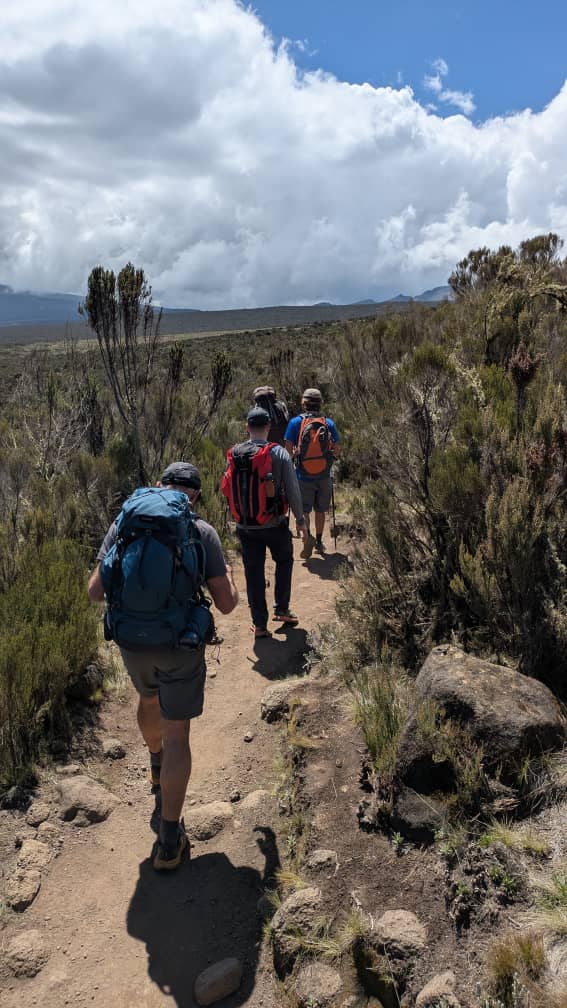
December Kilimanjaro Full-Moon Summit Trek: Your Ultimate Guide 2026-2027
start an unforgettable December Kilimanjaro full-moon summit trek. This guide details routes, preparation, and the unique magic of climbing under a full moon in 2026-2027, with expert...
View package details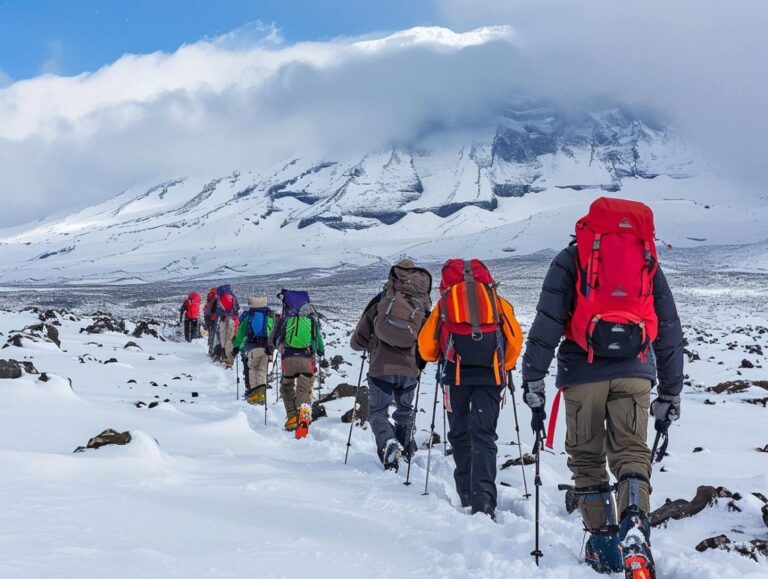
Kilimanjaro Month-By-Month Route Planner: Your Guide 2026-2027
Plan your Kilimanjaro climb with our month-by-month route planner. Covering 2026-2027, we detail weather patterns, route suitability, and expert advice for your successful summit.
View package details
Rainiest Month On Mount Kilimanjaro 2026-2027
Rainiest Month on Mount Kilimanjaro is explained with current 2026-2027 planning, price, itinerary and booking information.
View package details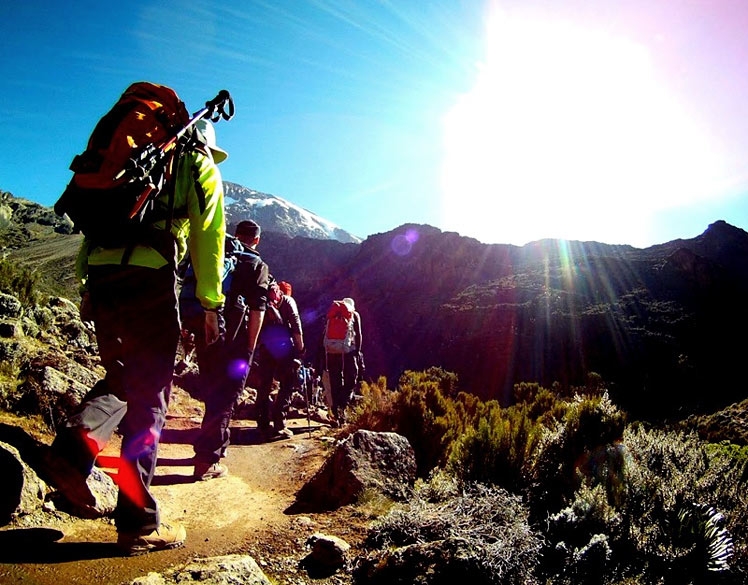
Driest Month To Climb Kilimanjaro: Your Guide For 2026-2027
The driest months for climbing Kilimanjaro are generally January, February, and June through October. These periods offer the clearest skies and lowest rainfall, ideal for a successful and...
View package details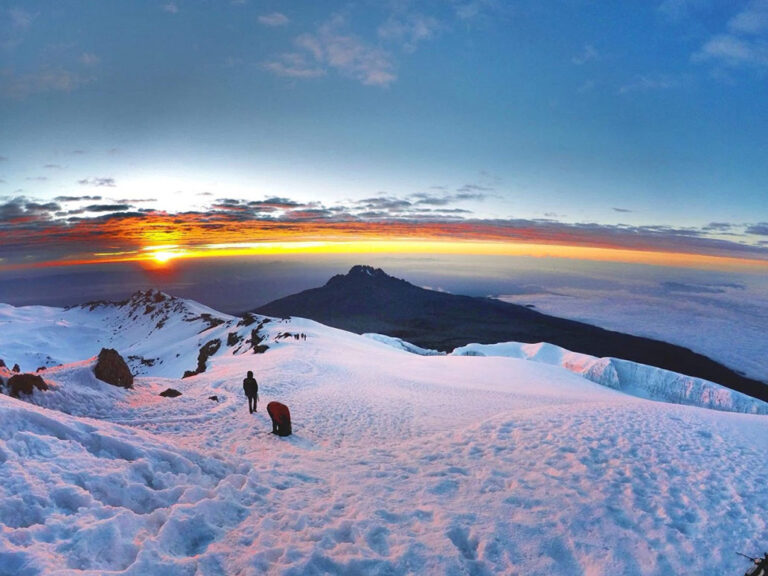
Coldest Month To Climb Kilimanjaro 2026-2027
Coldest Month to Climb Kilimanjaro is explained with current 2026-2027 planning, price, itinerary and booking information.
View package details
Warmest Month To Climb Kilimanjaro 2026-2027
Warmest Month to Climb Kilimanjaro is explained with current 2026-2027 planning, price, itinerary and booking information.
View package details
Quietest Month To Climb Kilimanjaro: Your Guide For 2026-2027
Planning a Kilimanjaro climb and seeking fewer fellow trekkers? This guide reveals the quietest months to ascend Africa's highest peak, focusing on shoulder seasons and off-peak periods for...
View package details
Busiest Month To Climb Kilimanjaro: Peak Seasons & Planning For 2026-2027
Understanding the busiest month to climb Kilimanjaro is crucial for planning a successful trek. This guide details peak seasons, crowd considerations, and optimal times for your 2026-2027...
View package details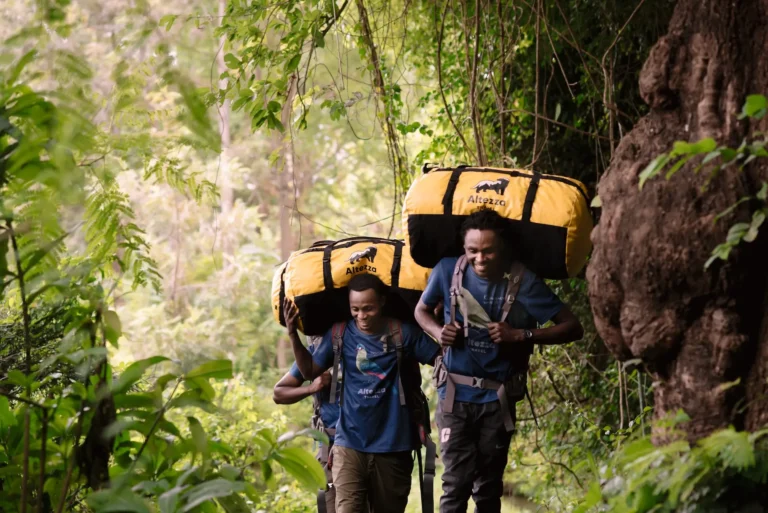
Best Kilimanjaro Month For A Zanzibar Extension: Your Ultimate Guide 2026-2027
Planning a Kilimanjaro climb followed by a Zanzibar beach holiday? This guide helps you choose the best month in 2026-2027 for perfect weather on the mountain and the islands, considering...
View package details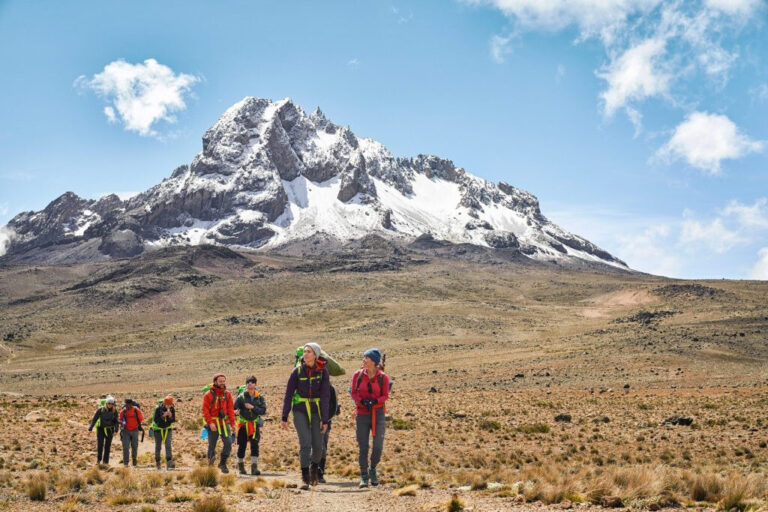
Best Kilimanjaro Month For Safari Extensions In | Top Guide Adventures
Discover the ideal months for combining a Kilimanjaro climb with a safari in Tanzania, focusing on optimal weather conditions, wildlife spectacles, and extension opportunities for...
View package details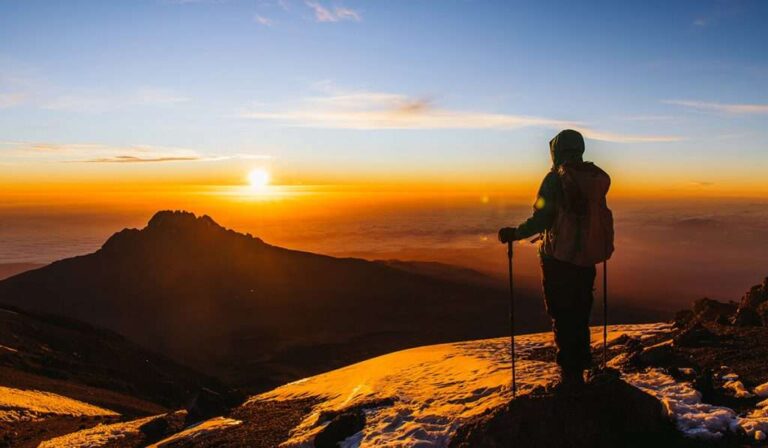
Best Kilimanjaro Month For Solo Travellers: Your Guide 2026-2027
Planning a solo climb of Kilimanjaro? This guide reveals the best months for solo travellers in 2026-2027, focusing on optimal weather, crowd levels, and route availability for an...
View package detailsNo related package matches those filters. Clear one or more filters to see the other topic-matched options.



