
The best months for a Kilimanjaro climb followed by a Zanzibar extension in 2026-2027 are typically January, February, June, July, August, September, and October. These periods offer the most favorable weather conditions for trekking Kilimanjaro, characterized by dry, clear skies and moderate temperatures, while also providing excellent beach weather in Zanzibar with warm sunshine and calm seas. Each of these months has slight variations in crowd levels and specific weather patterns, allowing for personalized planning.
Choosing Your Ideal Kilimanjaro & Zanzibar Combination Month
Combining a trek up Mount Kilimanjaro with a relaxing stay in Zanzibar is a dream itinerary for many adventurers. This iconic duo offers the thrill of conquering Africa’s highest peak followed by the serene beauty of tropical beaches. However, the success of both parts of your journey hinges significantly on timing. The weather on Kilimanjaro can be harsh, and while Zanzibar is generally pleasant year-round, certain months are distinctly better for a truly memorable experience. For travelers planning their trip in 2026 or 2027, understanding the nuances of each month is crucial for selecting the absolute best time to start this incredible adventure.
At Top Guide Adventures, we help clients perfectly synchronize their Kilimanjaro climb with their Zanzibar escape. The key lies in aligning the dry seasons, which are paramount for both safety and enjoyment on the mountain, and ideal for soaking up the sun on the island. This guide will break down the pros and cons of each month, helping you make an informed decision for your 2026-2027 trip.
Understanding Kilimanjaro’s Weather Patterns for Your Climb
Mount Kilimanjaro, standing at 5,895 meters (19,341 feet), experiences distinct weather seasons influenced by its altitude and proximity to the equator. While it’s possible to climb year-round, certain periods offer significantly more comfortable and safer conditions. The mountain has two main dry seasons and two main wet seasons. Understanding these is fundamental to choosing the best Kilimanjaro month for your trek.
The Dry Seasons: Your Best Bet for Kilimanjaro Success
The two dry seasons are when visibility is best, rainfall is minimal, and the trails are less muddy and treacherous. These are the periods most recommended by experienced guides and tour operators.
- Long Dry Season (June to October): This is arguably the most popular and often considered the best time to climb Kilimanjaro. The skies are typically clear, offering stunning panoramic views from the summit. Temperatures are moderate, though it can get quite cold at higher altitudes, especially at night. This season sees more climbers, so trails and campsites can be busier.
- Short Dry Season (January to February): This period also boasts excellent weather, with clear skies and relatively low rainfall. It’s often slightly warmer than the June-October dry season. While still popular, it generally experiences fewer crowds than the peak months of July and August. This is a fantastic window for those seeking good conditions with a bit more solitude.
The Wet Seasons: Challenges and Considerations
The wet seasons bring increased rainfall, fog, and potentially snow at higher elevations. While some hardy trekkers might brave these conditions, they generally make the climb more challenging and less visually rewarding.
- Long Wet Season (March to May): This is the wettest period on Kilimanjaro. Expect heavy rain, especially in the lower rainforest zone, and significant cloud cover. Trails can become very muddy and slippery, increasing the risk of delays or difficulties. Many operators advise against climbing during this time.
- Short Wet Season (November to December): While not as intense as the long wet season, these months still experience intermittent rainfall. The weather can be unpredictable, with a mix of sunny spells and rain showers. Visibility can be compromised, and temperatures might be cooler due to the increased cloud cover.
Zanzibar’s Climate: Sun, Sand, and Sea
Zanzibar, a tropical archipelago off the coast of mainland Tanzania, has a warm, humid climate year-round. However, like Kilimanjaro, it experiences distinct wet and dry periods that significantly impact the beach holiday experience. For the best Zanzibar extension, you’ll want to align your visit with its dry seasons.
The Ideal Zanzibar Months
- The Long Dry Season (June to October): This period aligns perfectly with Kilimanjaro’s main dry season. Zanzibar enjoys warm, sunny days with low humidity and minimal rainfall. The ocean is generally calm, making it ideal for swimming, snorkeling, diving, and other water sports. This is a prime time for beach lovers.
- The Short Dry Season (January to February): Zanzibar is also beautiful during these months. Expect hot, sunny weather with very little rain. The humidity can be higher than in the June-October period, but it’s still a fantastic time for beach activities and exploring the island’s attractions.
Zanzibar’s Rainy Periods
- The Long Rains (March to May): This is Zanzibar’s wettest period. Heavy downpours are common, often occurring in the afternoons. While it doesn’t typically rain all day, the humidity is high, and the weather can be less predictable, potentially disrupting beach plans.
- The Short Rains (November to December): These are usually lighter and shorter than the long rains, often appearing as brief, intense afternoon showers. The weather can be a mix of sunshine and rain, but generally, it’s still warm and humid, and many visitors still enjoy their time, especially if they are flexible.
The Best Month-by-Month Breakdown for Kilimanjaro & Zanzibar (2026-2027)
Now, let’s combine the weather patterns to identify the optimal months for your Kilimanjaro climb followed by a Zanzibar extension in 2026 and 2027. We’ll look at each month, considering both destinations.
January: A Perfect Start to the Year
- Kilimanjaro: Excellent. This falls within the short dry season. Expect clear skies, good visibility, and moderate temperatures. It’s slightly warmer than the June-October period. Crowds are moderate, making it a great choice for those seeking good conditions with fewer people than the peak summer months.
- Zanzibar: Excellent. Hot, sunny, and dry. Ideal for beach activities, swimming, and exploring. Humidity is present but manageable. This is a prime time for a beach extension.
- Combined Experience: January is a top contender for the best Kilimanjaro month for a Zanzibar extension. You get fantastic weather on both the mountain and the island, with fewer crowds than mid-year.
February: Another Excellent Dry Month
- Kilimanjaro: Excellent. Continues the short dry season’s favorable conditions. Clear skies, great views, and dry trails. It’s generally considered one of the best months for climbing.
- Zanzibar: Excellent. Similar to January, offering hot, sunny, and dry weather perfect for a beach holiday.
- Combined Experience: Like January, February is a prime choice for combining Kilimanjaro and Zanzibar in 2026-2027. It offers a superb balance of excellent weather and manageable crowd sizes on both parts of your trip.
March: Transition to the Rains
- Kilimanjaro: Fair to Poor. March marks the beginning of the long wet season. Rainfall increases significantly, especially in the lower rainforest zone. Trails become muddy, and visibility can be poor. Climbing becomes more challenging.
- Zanzibar: Poor to Fair. The long rains begin in March. Expect heavy downpours, high humidity, and overcast skies. While you might still get sunny spells, it’s not ideal for a dedicated beach holiday.
- Combined Experience: March is generally not recommended for a Kilimanjaro and Zanzibar combination due to the onset of heavy rains in both regions, making trekking difficult and beach relaxation less predictable.
April: Peak of the Long Rains
- Kilimanjaro: Poor. This is typically the wettest month. Heavy rain and persistent cloud cover make climbing difficult and potentially dangerous. Trails are extremely muddy.
- Zanzibar: Poor. The heart of the long rainy season. Expect frequent, heavy downpours. While the islands are lush and green, it’s not ideal for sunbathing or water activities.
- Combined Experience: April is one of the worst months to attempt a Kilimanjaro climb and Zanzibar extension. The weather conditions are challenging for both parts of the trip.
May: End of the Long Rains
- Kilimanjaro: Fair to Poor. Rainfall begins to decrease, but it can still be quite wet, especially early in the month. Trails may still be muddy, and visibility can be compromised.
- Zanzibar: Fair to Poor. The long rains start to subside, but humidity remains high, and intermittent heavy showers are still possible. The sea can be rougher.
- Combined Experience: May is still a challenging month for this combination. While it’s better than April, the lingering rains can impact both the climb and the beach holiday.
June: The Start of the Prime Dry Season
- Kilimanjaro: Excellent. June marks the beginning of the long dry season. Skies are usually clear, offering great views. Temperatures are moderate, though nights can be cold. It’s a popular month, so expect company on the trails.
- Zanzibar: Excellent. Zanzibar enters its prime dry season. Warm, sunny days with lower humidity and calm seas. Perfect for all beach and water activities.
- Combined Experience: June is an excellent month for a Kilimanjaro and Zanzibar extension. You get great weather for both experiences, marking the start of the most popular trekking and beach season.
July: Peak Season for Both
- Kilimanjaro: Excellent. This is a peak month for Kilimanjaro climbs. Expect very clear skies, excellent visibility, and dry trails. It can be quite cold at higher altitudes.
- Zanzibar: Excellent. Continues the dry season with perfect beach weather. Warm, sunny, and low humidity.
- Combined Experience: July is a top-tier month for combining Kilimanjaro and Zanzibar. You benefit from the best weather conditions on the mountain and the islands, though it is one of the busiest times, especially for Kilimanjaro. Booking well in advance for 2026-2027 is essential.
August: Another Peak Dry Month
- Kilimanjaro: Excellent. Continues the peak of the long dry season. Similar conditions to July: clear skies, dry trails, and cold nights. It remains a very popular month for climbing.
- Zanzibar: Excellent. Still prime beach weather. Warm, sunny, with minimal rain and comfortable humidity levels.
- Combined Experience: August is another prime month for a Kilimanjaro and Zanzibar adventure, offering superb weather for both activities. Like July, it’s a peak season, so early booking for 2026-2027 is highly recommended.
September: Excellent Conditions with Slightly Fewer Crowds
- Kilimanjaro: Excellent. Still within the long dry season. Weather remains excellent with clear skies and good visibility. Crowds start to thin slightly compared to July and August, offering a bit more tranquility on the mountain.
- Zanzibar: Excellent. The dry season continues beautifully. Warm, sunny, and pleasant. Humidity remains low.
- Combined Experience: September is arguably one of the absolute best months for a Kilimanjaro and Zanzibar extension. You get the fantastic dry weather on both locations, with fewer trekkers on Kilimanjaro than in peak summer, making for a more serene climb and a perfect beach holiday.
October: End of Dry Season, Still Great
- Kilimanjaro: Very Good. This is the last month of the long dry season. Weather is typically still excellent, though there might be an increase in cloudiness towards the end of the month as the short rains approach. Visibility is generally good.
- Zanzibar: Very Good. The dry season is winding down, but weather is usually still very pleasant with plenty of sunshine. Humidity might start to increase slightly.
- Combined Experience: October remains a strong choice for your Kilimanjaro and Zanzibar trip in 2026-2027. You can still enjoy excellent trekking conditions and great beach weather, often with fewer crowds than the preceding months.
November: Transition to the Short Rains
- Kilimanjaro: Fair to Poor. November marks the beginning of the short wet season. Expect intermittent rainfall, especially in the afternoons. Trails can become muddy, and visibility may be reduced.
- Zanzibar: Fair. The short rains typically begin in November. While not as intense as the long rains, expect brief, heavy showers interspersed with sunshine. Humidity is higher. It can still be enjoyable for a beach holiday if you are flexible.
- Combined Experience: November is a mixed bag for this combination. It’s not ideal for Kilimanjaro due to increasing rain, but Zanzibar can still offer pleasant beach days between showers. It’s a shoulder season, potentially offering better prices.
December: End of Year Dry Spells Possible
- Kilimanjaro: Fair. The short rains can continue into early December, but often, a dry spell emerges towards the end of the month, similar to January. Weather can be unpredictable.
- Zanzibar: Good. The short rains usually lessen towards the end of December. You can expect warm, sunny weather with occasional brief showers, especially in the early part of the month. It’s a popular time due to holidays.
- Combined Experience: December can be a viable option, especially late in the month, for a Kilimanjaro and Zanzibar trip. The weather is improving for both, and it coincides with holiday travel. However, expect higher prices and more crowds in Zanzibar due to festive seasons.
Key Takeaway for 2026-2027 Planning
For the best Kilimanjaro month for a Zanzibar extension, prioritize the dry seasons: January, February, June, July, August, September, and October. These months offer the highest probability of clear skies, safe trekking conditions on Kilimanjaro, and ideal beach weather in Zanzibar. September often stands out for its excellent weather and slightly fewer crowds on the mountain.
Factors Beyond Weather: Crowds and Costs
While weather is the primary driver for choosing the best Kilimanjaro month for a Zanzibar extension, other factors play a significant role in planning your 2026-2027 adventure.
Crowd Levels on Kilimanjaro and in Zanzibar
- Peak Season (July, August): These months, along with December and January, see the highest number of trekkers on Kilimanjaro. Trails and campsites will be busiest. Zanzibar also experiences peak tourist numbers, especially during holiday periods like Christmas and New Year.
- Shoulder Seasons (June, September, October, December, January, February): These months offer a good balance. Kilimanjaro still has excellent weather but with fewer trekkers than the absolute peak. Zanzibar is also great, though December can be busy due to holidays.
- Low Season (March, April, May, November): These are the wettest months. Consequently, there are fewer climbers on Kilimanjaro, and tourist numbers in Zanzibar are lower, potentially leading to lower prices. However, the weather challenges make this period less ideal for most travelers.
Cost Considerations for 2026-2027 Trips
Costs can fluctuate based on the season. Generally:
- Peak Season (July, August, December/January holidays): Expect higher prices for flights, accommodations in Zanzibar, and potentially Kilimanjaro climb packages. This is due to high demand.
- Shoulder Seasons (June, September, October, February): Prices might be slightly more moderate than peak season, offering good value for money.
- Low Season (March, April, May, November): This is when you’re most likely to find lower prices for flights and accommodation. However, the reduced cost must be weighed against the higher risk of poor weather impacting your experience.
For 2026-2027 travel, booking your Kilimanjaro climb and Zanzibar accommodation well in advance, especially for peak and shoulder seasons, is crucial. This not only secures your preferred dates but can also help you find better rates.
Kilimanjaro Routes and Their Suitability by Month
While weather is universal across Kilimanjaro, the choice of route can influence your experience, especially during transitional months. Top Guide Adventures offers several routes, each with its own characteristics:
- Marangu Route (Coca-Cola Route): Often preferred by beginners due to its gradual ascent and hut accommodation. It’s accessible year-round but can be busy.
- Machame Route (Whiskey Route): Very popular for its scenic beauty and high success rates. It’s a challenging trek suitable for most months in the dry seasons. Check Machame Route group departures dates for 2026-2027.
- Lemosho Route: Known for its stunning scenery and remoteness. Excellent for dry months, offering a more wild experience.
- Shira Route: Similar to Lemosho, offering dramatic landscapes. Best in dry conditions.
- Rongai Route: Approaches from the north, often experiencing slightly less rain than southern routes, making it a good option for the shoulder months of November and December, though still subject to general weather patterns.
- Northern Circuit: The longest route, offering the highest success rate due to its slow acclimatization profile. Ideal for the prime dry months.
Regardless of the route chosen for your 2026-2027 climb, the dry seasons (January-February and June-October) remain the most recommended periods for optimal conditions.
Zanzibar Activities and Their Seasonal Best
Zanzibar offers more than just beaches. Your chosen month will also influence the enjoyment of various activities:
- Snorkeling & Diving: Best during the dry seasons (June-October and January-February) when visibility is highest and the seas are calmest. Mnemba Atoll is a highlight.
- Spice Tours: Available year-round, though the islands are lush and vibrant after the rains.
- Stone Town Exploration: Pleasant year-round, but more comfortable during the drier, less humid months.
- Dolphin Watching (Kizimkazi): Possible year-round, but sightings can be more consistent when the seas are calmer during the dry spells.
- Kayaking & Paddleboarding: Best in calm waters, which are most common during the dry seasons.
The months recommended for the combined Kilimanjaro-Zanzibar trip (January, February, June-October) align perfectly with the best times for these Zanzibar activities.
Planning Your 2026-2027 Kilimanjaro & Zanzibar Itinerary with Top Guide Adventures
Selecting the best month is the first step. The next is to plan the logistics. Top Guide Adventures specializes in creating smooth travel experiences across Tanzania.
Sample Itinerary Flow: Kilimanjaro Climb then Zanzibar
A common and highly recommended flow is to complete your Kilimanjaro climb first, then fly to Zanzibar for relaxation. This allows you to recover and decompress on the beach after the physical exertion of the trek.
- Arrive in Tanzania (Kilimanjaro International Airport – JRO): Usually 1-2 days before your climb starts for acclimatization and final preparations.
- Kilimanjaro Climb: Typically 6-9 days depending on the route chosen.
- Post-Climb Rest (Moshi/Arusha): 1-2 days to recover, shower, and celebrate your achievement.
- Flight to Zanzibar: From Arusha or Kilimanjaro Airport to Zanzibar (ZNZ).
- Zanzibar Stay: Typically 3-7 days for beach relaxation, cultural exploration, and water activities.
- Departure: From Zanzibar Airport (ZNZ) or fly back to Kilimanjaro/Arusha for international departure.
Choosing the Right Kilimanjaro Route for Your Zanzibar Extension Timing
If you’re targeting a specific month, like September 2027, consider routes that offer better acclimatization for a more comfortable experience, such as the Lemosho or Northern Circuit. If you’re on a tighter schedule and aiming for a January 2027 trip, the Machame or Marangu routes are popular and well-trodden.
Booking Your 2026-2027 Trip
For the best selection of dates, routes, and potentially better pricing, it’s advisable to book your Kilimanjaro climb and Zanzibar extension at least 6-12 months in advance, especially if you are planning for the popular dry seasons of 2026-2027.
Why Choose Top Guide Adventures for Your 2026-2027 Journey?
We are one of Tanzania’s most trusted tour companies, dedicated to providing personalized attention, care, and support for every client. We organize:
- Kilimanjaro Climbs: With experienced guides and a focus on safety and success.
- Zanzibar Holidays: From luxury resorts to charming beach bungalows.
- Tanzania Safaris: Including Serengeti and Ngorongoro tours.
- Tailor-Made Journeys: Across Northern and Southern Tanzania.
We ensure your Kilimanjaro climb and Zanzibar extension are perfectly synchronized for the best possible experience in 2026-2027. Our team is committed to making your Tanzanian adventure unforgettable.
Frequently Asked Questions for Your Kilimanjaro & Zanzibar Trip
Q1: What is the absolute best month to climb Kilimanjaro and then go to Zanzibar?
The absolute best months are typically September and October. September offers fantastic dry weather on Kilimanjaro with fewer crowds than peak summer months, and Zanzibar enjoys beautiful sunny days. October also provides excellent conditions for both, marking the end of the main dry season.
Q2: Can I climb Kilimanjaro in the rainy season and still enjoy Zanzibar?
Climbing Kilimanjaro during the rainy season (March-May, November-December) is challenging due to muddy trails, poor visibility, and increased risk. While Zanzibar can still be pleasant with sunshine between showers in November and December, the long rains (March-May) make it less ideal for beach holidays. It’s generally not recommended to combine a challenging climb with potentially poor weather on the coast.
Q3: How does the weather in January compare to July for this trip?
Both January and July offer excellent dry weather for Kilimanjaro and Zanzibar. January falls within the short dry season, often slightly warmer and with fewer crowds on the mountain than July, which is the peak of the long dry season. July offers very stable, clear conditions on Kilimanjaro but is busier and potentially more expensive. Both are superb choices for 2026-2027.
Q4: Are there any months that are particularly bad for both Kilimanjaro and Zanzibar?
Yes, April and May are generally considered the worst months. April is the peak of the long rains, making Kilimanjaro climbing very difficult and Zanzibar weather unreliable with heavy downpours. May sees the rains starting to subside but can still be quite wet and muddy.
Q5: How far in advance should I book my 2026-2027 Kilimanjaro and Zanzibar trip?
For the best availability, preferred routes, and potentially better pricing, we recommend booking your Kilimanjaro climb and Zanzibar extension at least 6 to 12 months in advance, especially if you are targeting the popular dry seasons (January-February, June-October) for 2026 or 2027.
Q6: What are the approximate costs for a Kilimanjaro climb and Zanzibar extension in 2026-2027?
Costs vary significantly based on the Kilimanjaro route, duration, group size, and accommodation level in Zanzibar. A typical 7-day Kilimanjaro climb package with Top Guide Adventures might range from $1800 to $3000+ per person, excluding gear rental and tips. A 5-day Zanzibar beach holiday can range from $700 to $2000+ per person, depending on hotel choice and inclusions. Flight costs between Kilimanjaro and Zanzibar are additional, usually around $200-$300. For a detailed, personalized quote for 2026-2027, please contact us.
Making Your Choice: The Best Kilimanjaro Month for Your Zanzibar Extension
The decision ultimately rests on your priorities. If perfect weather is paramount for both your Kilimanjaro trek and Zanzibar relaxation, aim for the core dry seasons: January, February, June, July, August, September, and October. For a blend of excellent weather and slightly fewer crowds on the mountain, September often emerges as a standout choice.
Consider the trade-offs: peak season offers the most reliable weather but comes with higher costs and more people. Shoulder seasons can offer good value and fewer crowds, provided you are prepared for a slightly higher chance of unpredictable weather. Low seasons are cheapest but present the most significant weather challenges.
For your 2026-2027 adventure, planning with expert guidance is key. Top Guide Adventures is here to help you navigate these choices, ensuring your combined Kilimanjaro and Zanzibar experience is nothing short of spectacular. We pride ourselves on offering dedicated support, personal attention, and tailor-made journeys across Tanzania.
Ready to plan your dream trip? Whether you’re aiming for a 2026 summit or a 2027 beach escape, let us craft the perfect itinerary for you. Reach out to our expert team today:
- WhatsApp: +255616946642
- Email: topguideadventures@gmail.com
- Backup Email: info@topguideadventures.com
Let’s make your Kilimanjaro climb and Zanzibar extension a reality in 2026 or 2027!
Check Availability for Best Kilimanjaro Month For A Zanzibar Extension: Your Ultimate Guide…
Ready to compare dates, prices, and the best option for your group? Send the package name and travel month so the team can reply with a clear quote, availability, and what is included.
Kilimanjaro Stopover Package Between Safari And Zanzibar 2026-2027
Kilimanjaro Stopover Package between Safari and Zanzibar is explained with current 2026-2027 planning, price, itinerary and booking information.
View package details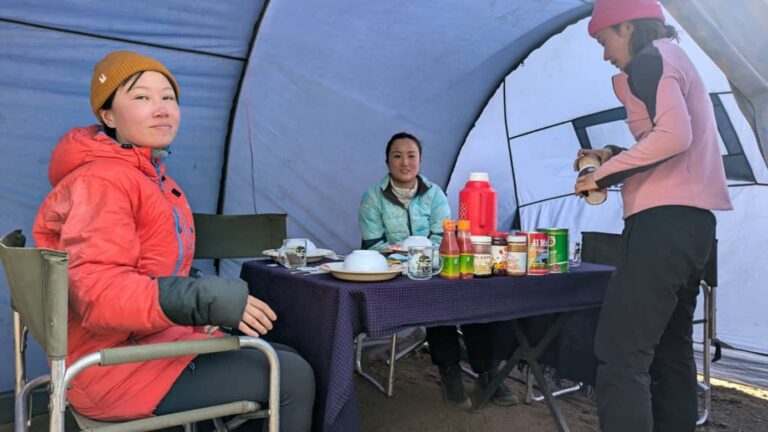
December Kilimanjaro And Zanzibar Christmas Package : Your Ultimate Holiday
Combine the thrill of climbing Mount Kilimanjaro with the relaxation of a Zanzibar Christmas. This guide details packages for December 2026 and 2027, offering adventure and festive cheer.
View package details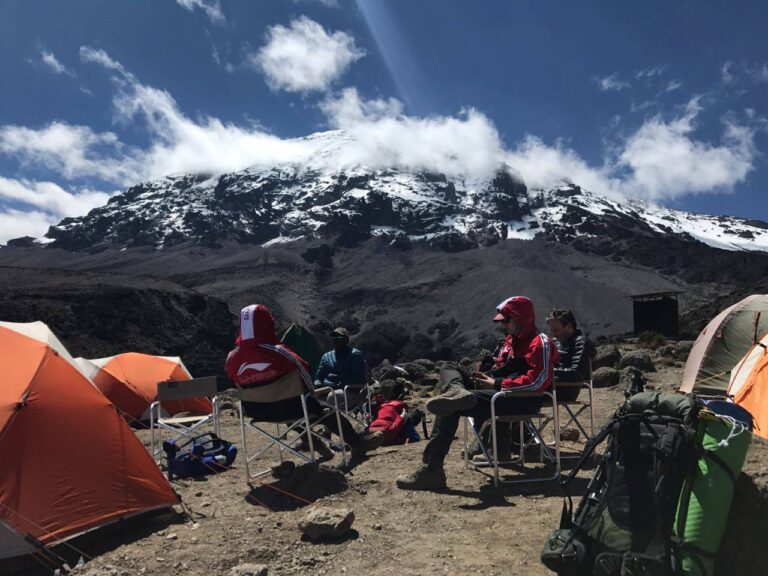
Kilimanjaro Airport Meet-And-Greet Service: Your Smooth Arrival In Tanzania
Top Guide Adventures offers a comprehensive Kilimanjaro Airport meet-and-greet service designed to make your arrival in Tanzania effortless and welcoming. From the moment you step off the...
View package details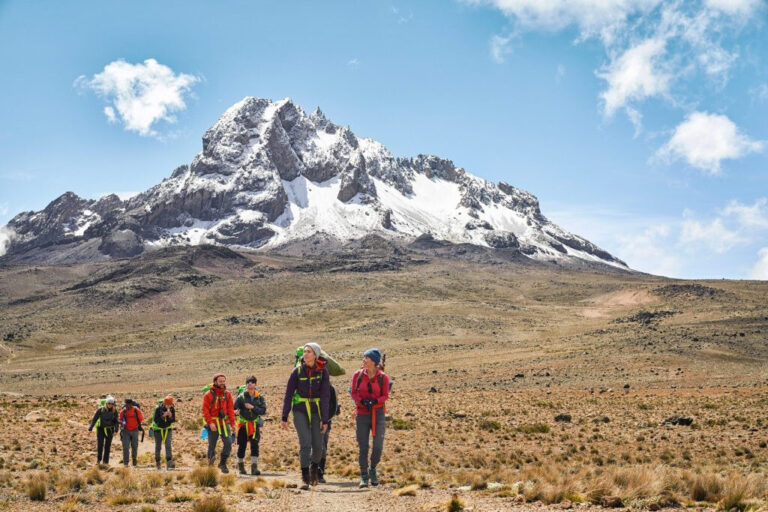
Best Kilimanjaro Month For Safari Extensions In | Top Guide Adventures
Discover the ideal months for combining a Kilimanjaro climb with a safari in Tanzania, focusing on optimal weather conditions, wildlife spectacles, and extension opportunities for...
View package details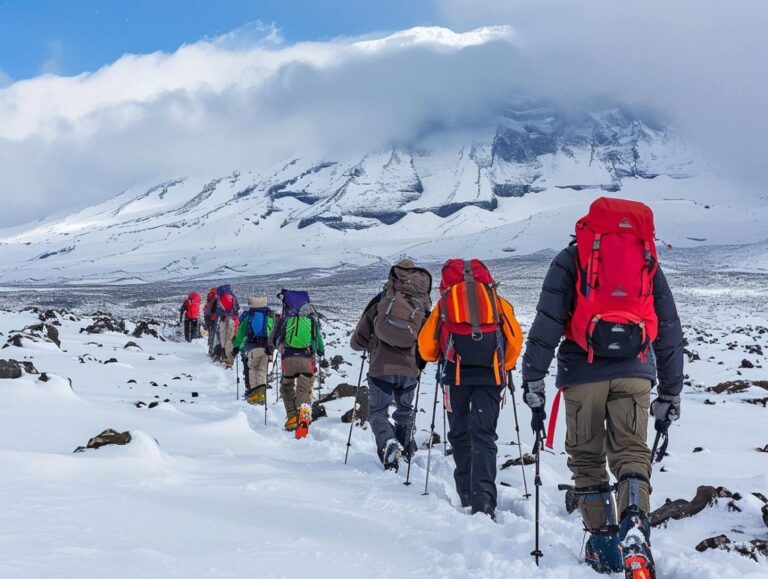
Kilimanjaro Month-By-Month Route Planner: Your Guide 2026-2027
Plan your Kilimanjaro climb with our month-by-month route planner. Covering 2026-2027, we detail weather patterns, route suitability, and expert advice for your successful summit.
View package details
Rainiest Month On Mount Kilimanjaro 2026-2027
Rainiest Month on Mount Kilimanjaro is explained with current 2026-2027 planning, price, itinerary and booking information.
View package details
Driest Month To Climb Kilimanjaro: Your Guide For 2026-2027
The driest months for climbing Kilimanjaro are generally January, February, and June through October. These periods offer the clearest skies and lowest rainfall, ideal for a successful and...
View package details
Coldest Month To Climb Kilimanjaro 2026-2027
Coldest Month to Climb Kilimanjaro is explained with current 2026-2027 planning, price, itinerary and booking information.
View package details
Warmest Month To Climb Kilimanjaro 2026-2027
Warmest Month to Climb Kilimanjaro is explained with current 2026-2027 planning, price, itinerary and booking information.
View package details
Quietest Month To Climb Kilimanjaro: Your Guide For 2026-2027
Planning a Kilimanjaro climb and seeking fewer fellow trekkers? This guide reveals the quietest months to ascend Africa's highest peak, focusing on shoulder seasons and off-peak periods for...
View package details
Busiest Month To Climb Kilimanjaro: Peak Seasons & Planning For 2026-2027
Understanding the busiest month to climb Kilimanjaro is crucial for planning a successful trek. This guide details peak seasons, crowd considerations, and optimal times for your 2026-2027...
View package details
Best Kilimanjaro Month For Solo Travellers: Your Guide 2026-2027
Planning a solo climb of Kilimanjaro? This guide reveals the best months for solo travellers in 2026-2027, focusing on optimal weather, crowd levels, and route availability for an...
View package detailsNo related package matches those filters. Clear one or more filters to see the other topic-matched options.



