
The warmest months to climb Kilimanjaro are generally January, February, and March, followed closely by June, July, August, September, and October. These periods offer the most stable and pleasant weather, with lower rainfall and clearer skies, making them ideal for a successful summit attempt in 2026 and 2027.
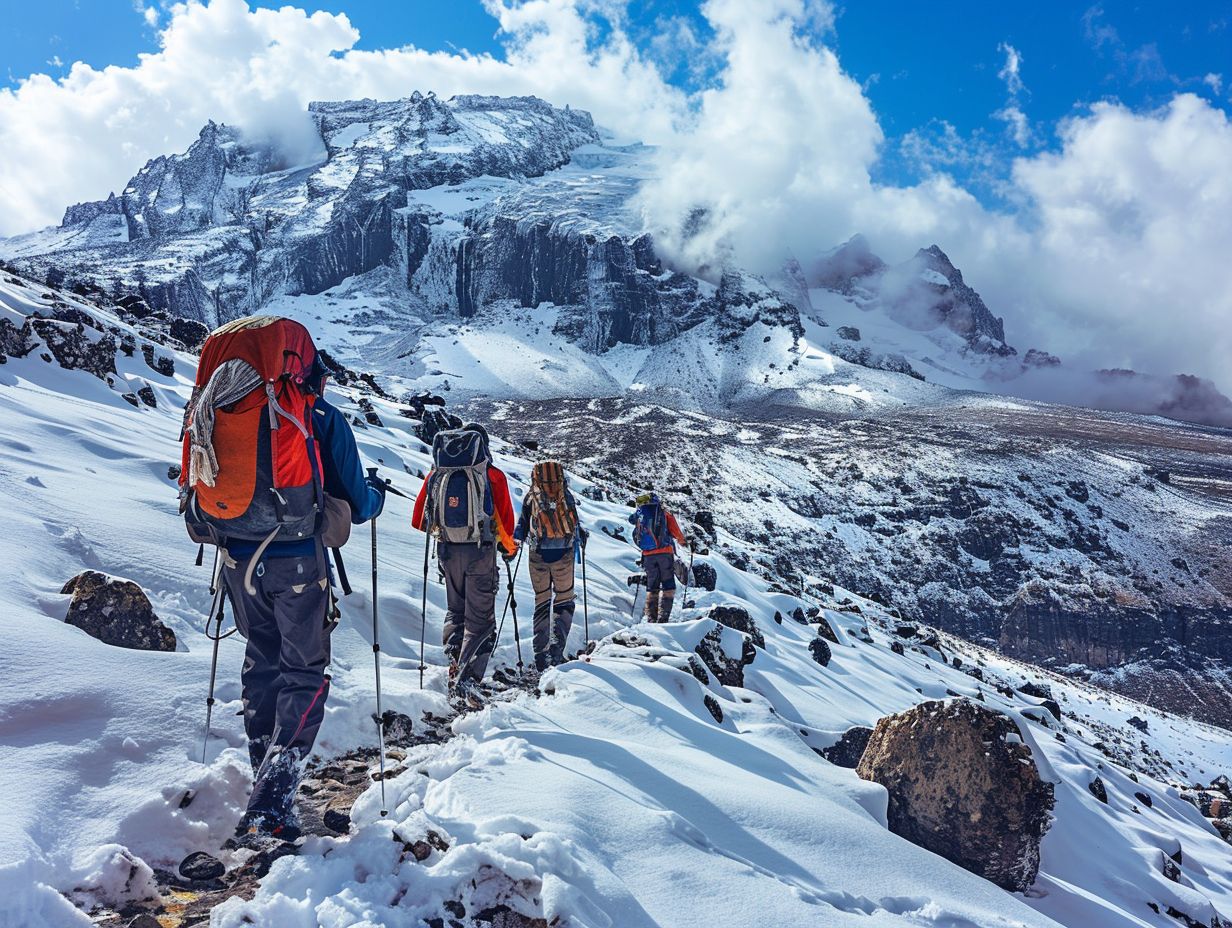
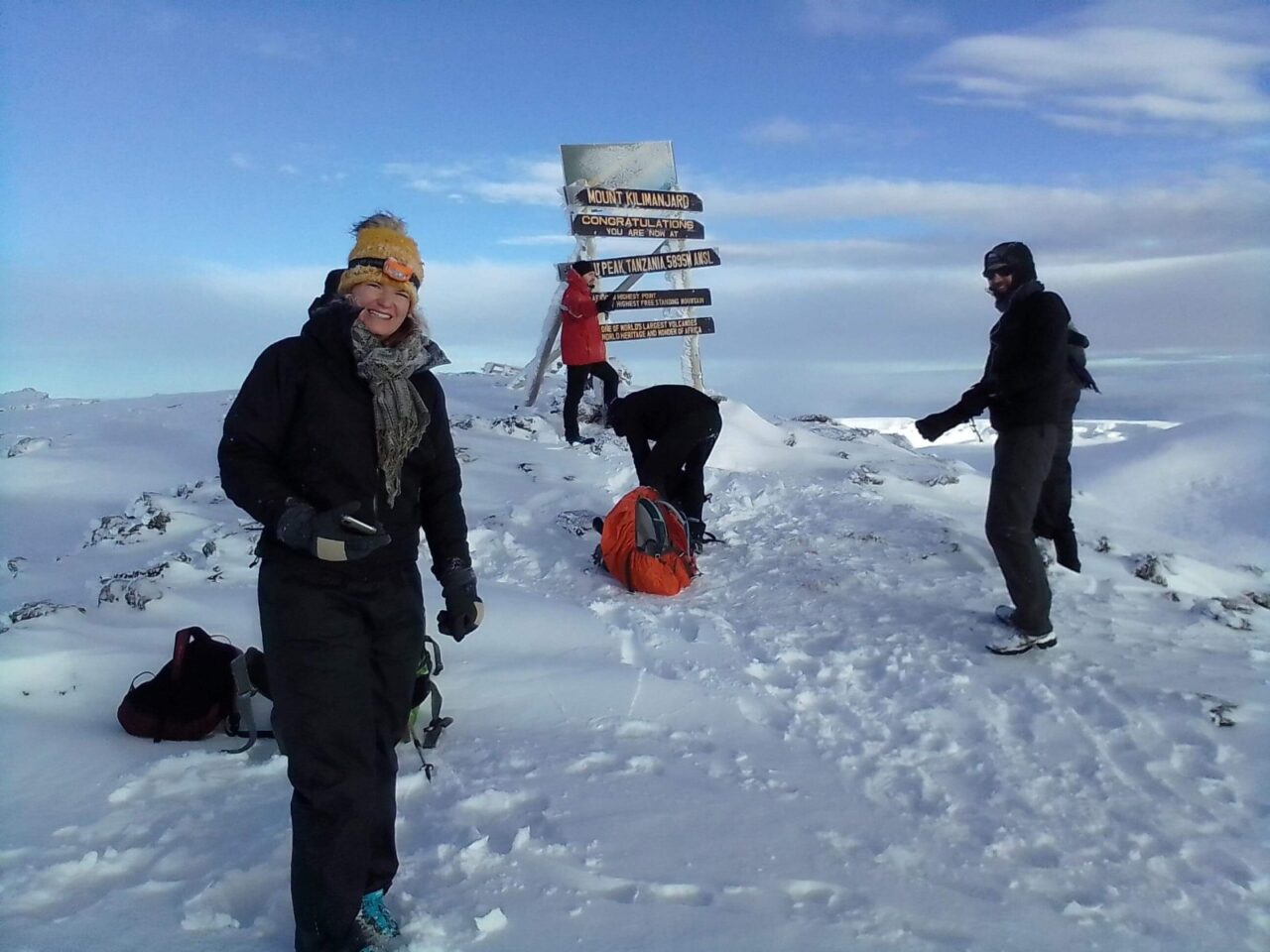
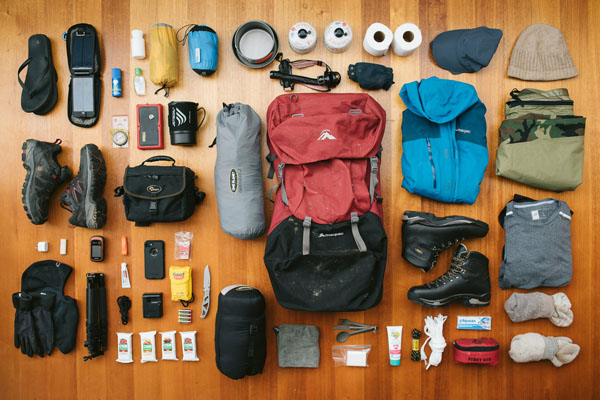
Choosing the Warmest Month for Your Kilimanjaro Climb in 2026-2027
Planning a Kilimanjaro climb is an exciting endeavor, and one of the most critical factors influencing your experience is the weather. While Kilimanjaro is a year-round destination, understanding the nuances of its climate can significantly enhance your chances of a safe and enjoyable trek. When considering the warmest month to climb Kilimanjaro, we look for periods characterized by less rainfall, moderate temperatures, and clearer skies. For adventurers planning their expedition in 2026 or 2027, selecting the right time can make all the difference between a challenging ascent and a triumphant summit. This guide will explore the optimal months, helping you make an informed decision for your unforgettable journey.
Kilimanjaro experiences distinct seasons, each with its own set of advantages and disadvantages for trekkers. The mountain’s altitude means temperatures can fluctuate dramatically, but the general trend for warmth is tied to the rainy seasons. Ironically, the periods with the least rainfall also tend to be the warmest and most stable, offering the best conditions for climbing. We’ll explore these periods in detail, breaking down what you can expect each month.
Understanding Kilimanjaro’s Climate Zones
Before we pinpoint the warmest months, it’s essential to grasp how Kilimanjaro’s altitude creates diverse climate zones. As you ascend, the environment transforms dramatically:
- Cultivation Zone (5,000-6,000 ft / 1,500-1,800 m): This is the base of the mountain, characterized by fertile land where local communities grow crops. Temperatures are warm and humid, similar to the surrounding plains.
- Rainforest Zone (6,000-9,000 ft / 1,800-2,700 m): As you climb higher, you enter dense, lush rainforests. This zone receives significant rainfall throughout the year, though it’s more pronounced during the wet seasons. Temperatures are cooler and more humid than the cultivation zone.
- Moorland Zone (9,000-13,000 ft / 2,700-4,000 m): The rainforest gives way to open moorlands, characterized by heather, grasses, and giant groundsels. Rainfall decreases, and temperatures become significantly cooler, especially at night.
- Alpine Desert Zone (13,000-16,000 ft / 4,000-4,800 m): This zone is arid and desert-like, with sparse vegetation. Temperatures drop sharply, and the air becomes thin. Days can be sunny and relatively warm, but nights are freezing.
- Arctic Zone (Above 16,000 ft / 4,800 m): The summit region is a barren, icy landscape. Temperatures are well below freezing, and conditions are harsh, with strong winds and intense sun exposure during the day.
The “warmest” months, therefore, refer to the periods where the lower and middle zones are pleasant, and the upper zones experience less extreme cold and more predictable conditions. The warmest months generally coincide with the dry seasons.
Kilimanjaro’s Dry Seasons: Your Best Bet for Warmth
Kilimanjaro has two distinct dry seasons and two wet seasons. The dry seasons are the most sought-after times for climbing due to the lower probability of rain and generally clearer skies. These are also typically the warmest periods, especially when compared to the peak of the rainy seasons.
The Long Dry Season: December to March
This is often considered the prime season for climbing Kilimanjaro. It’s characterized by warm temperatures and minimal rainfall, especially in January and February. March starts to see a slight increase in cloud cover and a hint of moisture as the short rains approach.
- December: Temperatures are warm, and rainfall is low. It’s a popular month, especially around the holidays. Expect daytime highs in the lower zones to be in the mid-70s Fahrenheit (around 24°C), dropping significantly at higher altitudes.
- January & February: These are arguably the warmest months to climb Kilimanjaro. Rainfall is at its lowest, and skies are generally clear, offering excellent visibility. The air is crisp, and while summit nights are cold, the daytime trekking is pleasant. Many consider these the ideal months for a Kilimanjaro climb in 2026 and 2027.
- March: Still a good month, though you might start to see an increase in cloudiness and a slight chance of showers, particularly in the afternoons. Temperatures remain warm. By the end of March, the short rains typically begin.
Climbing during the long dry season means you’re more likely to experience sunny days on the lower slopes and clearer views from the higher altitudes. The warmer temperatures make the trek more comfortable, especially during the initial days through the rainforest and moorland.
The Short Dry Season: June to October
This period offers another excellent window for climbing Kilimanjaro, characterized by cool, dry weather. While not as consistently warm as the December-March period, it’s still a prime time for trekking, especially for those who prefer slightly cooler daytime temperatures during the ascent.
- June: The beginning of the short dry season. Rainfall is low, and temperatures are cool but pleasant. The landscape is lush from the preceding rains.
- July, August, & September: These are peak months for Kilimanjaro climbs. The weather is very stable, with minimal rain and clear skies. Temperatures are cool, particularly at higher altitudes. Summit nights will be very cold, but the trekking days are generally comfortable for those who are well-prepared with appropriate gear. Many trekkers prefer this cooler dry season for the reduced humidity and clear vistas. For 2026-2027 planning, these months offer excellent predictability.
- October: Still a good month, but you may notice an increase in cloud cover and a higher chance of showers as the long rains approach. Temperatures remain cool and pleasant for trekking.
While the July-September period is cooler than January-February, the lack of rain and consistent sunshine make it a very popular choice. The clear skies offer some of the most spectacular views of Kilimanjaro and the surrounding plains.
Kilimanjaro’s Wet Seasons: When to Be Cautious
The wet seasons bring increased rainfall, which can make trekking more challenging and visibility lower. While not impossible, climbing during these periods requires more careful planning and preparation.
The Long Rains: April and May
These are the wettest months on Kilimanjaro. Heavy rainfall is common, especially in the rainforest zone, turning trails into muddy paths. Visibility can be poor, and the higher slopes may experience snow and ice. Temperatures are relatively mild due to cloud cover, but the constant rain can make it feel colder and more uncomfortable.
- April: The start of the main rainy season. Expect significant rainfall on most days.
- May: Typically the wettest month. Trails are often very muddy, and cloud cover is heavy.
While fewer people climb during these months, you might find fewer crowds if you choose to go. However, the weather presents significant challenges, and success rates can be lower due to conditions.
The Short Rains: November
November marks the transition from the short dry season to the long rains, with a period of short, often intermittent showers. While not as intense as April and May, you should expect rain, especially in the afternoons. Temperatures are typically warm.
For those seeking the warmest month to climb Kilimanjaro, November is generally not the top choice due to the unpredictable rainfall, though it can still be warm.
Comparing the Warmest Months for Your 2026-2027 Climb
Let’s break down the primary contenders for the warmest month to climb Kilimanjaro, considering factors beyond just temperature, such as rainfall, visibility, and crowds.
January & February: The Peak of Warmth and Dryness
Pros:
- Generally the warmest temperatures, especially at lower and mid-altitudes.
- Lowest rainfall, offering the highest chance of clear trekking days.
- Excellent visibility for stunning summit views and photographic opportunities.
- Less chance of encountering muddy trails compared to other times of the year.
Cons:
- These are popular months, so trails and campsites can be busier. Booking well in advance for 2026 or 2027 is crucial.
- Summit nights will still be extremely cold, requiring proper cold-weather gear.
Best for: Trekkers prioritizing warmth, clear skies, and the highest probability of a successful summit due to favorable weather conditions.
June, July, August, September, October: The Cooler Dry Season
Pros:
- Very low rainfall and stable, dry weather.
- Clear skies offer exceptional views.
- Fewer crowds than the peak season of January/February, especially in June and October.
- Cooler daytime temperatures can be more comfortable for some hikers, reducing the risk of overheating on ascents.
Cons:
- Daytime temperatures are cooler than in Jan/Feb, and summit nights are very cold.
- July, August, and September can still be quite busy, though generally less so than Jan/Feb.
Best for: Trekkers who prefer cooler daytime temperatures, enjoy spectacular clear views, and want to avoid the absolute peak crowds while still benefiting from dry conditions. These months are excellent for a 2026 or 2027 climb if you don’t mind cooler days.
The Shoulder Months: December and March
Pros:
- December: Offers a good balance of warmth and dry weather, often with festive cheer. It’s a popular choice for holiday travel.
- March: Still relatively warm and dry, though with a slightly increased chance of rain towards the end of the month. It’s a good option if January/February are fully booked for your 2026/2027 dates.
Cons:
- December: Can be busy, especially around Christmas and New Year.
- March: The very end of March can see the onset of the short rains, potentially impacting visibility.
Best for: Trekkers looking for a good balance of warmth and favorable conditions, potentially with fewer crowds than the absolute peak months, or those planning around specific holiday periods.
Factors Influencing Your Choice for the Warmest Month
While the dry seasons are generally the warmest and best for climbing, other factors might influence your decision for your warmest month to climb Kilimanjaro expedition in 2026 or 2027:
1. Crowd Levels
If you prefer a quieter experience on the mountain, you might consider the shoulder months of the dry season (early December, late March, early June, late October) or even the edges of the rainy seasons if you’re well-prepared. January, February, July, August, and September are typically the busiest months.
2. Temperature Preferences
If you genuinely dislike cold and prefer warmer trekking days, January and February are your best bet. However, remember that even in the warmest months, the summit at nearly 6,000 meters will be extremely cold. If you find cooler daytime temperatures more comfortable for strenuous hiking, the June-October period might appeal more.
3. Visibility and Views
Clear skies are crucial for enjoying the magnificent views Kilimanjaro offers. Both dry seasons (December-March and June-October) generally provide excellent visibility. The wet seasons (April-May and November) are more prone to cloud cover and rain, obscuring the vistas.
4. Budget and Availability
During peak seasons (January, February, July, August, September), flights and accommodations in Tanzania can be more expensive, and popular routes and dates fill up quickly. If you’re planning for 2026-2027, booking early is always recommended, but you might find slightly better availability or deals during the shoulder months or slightly less popular periods within the dry seasons.
5. Personal Schedule
Ultimately, the best time to climb Kilimanjaro is when you can go. If your schedule only allows for a climb during a shoulder or even a wet season month, it’s still possible with the right preparation and a reputable guide company.
Detailed Monthly Breakdown for 2026-2027
Let’s look at each month in more detail to help you decide on the warmest month to climb Kilimanjaro for your 2026 or 2027 adventure.
December: Festive Warmth
Weather: Generally warm and dry. Rainfall is low, though sporadic showers can occur as the month progresses. Temperatures are pleasant in the lower zones, cooling significantly at altitude. By late December, it’s considered part of the main dry season.
Crowds: Moderate to high, especially around the Christmas and New Year holidays. Many people combine a climb with end-of-year holidays.
Pros: Good warmth, low rainfall, festive atmosphere.
Cons: Can be busy, potential for slightly more rain towards month-end.
January: Prime Warmth and Dryness
Weather: Often the warmest and driest month. Minimal rainfall, clear skies are common. Daytime temperatures are comfortable, though summit nights are frigid.
Crowds: High. This is a peak climbing month.
Pros: Excellent warmth, very low rainfall, superb visibility, high success probability due to good weather.
Cons: Trails and campsites can be crowded. Booking is essential for 2026-2027.
February: Peak Warmth Continues
Weather: Continues the trend of January – very warm and dry. This is considered the absolute best month by many for optimal weather conditions on Kilimanjaro.
Crowds: High. Along with January, this is the busiest period.
Pros: Ideal warmth, minimal rain, excellent visibility, highest chance of summit success.
Cons: Very crowded. Early booking for 2026 or 2027 is mandatory.
March: Warm but Transitioning
Weather: Still warm and generally dry, but there’s an increasing chance of cloud cover and light showers, especially later in the month. The short rains often begin towards the end of March.
Crowds: Moderate to high. Starts busy and may become less so as rain increases.
Pros: Good warmth, still largely dry, potentially fewer crowds than Jan/Feb by the end of the month.
Cons: Increased chance of rain, especially towards the end of the month.
April: The Heart of the Long Rains
Weather: Very wet. Heavy rainfall is common, making trails muddy and slippery. Cloud cover is persistent, reducing visibility. Snowfall is possible at higher altitudes.
Crowds: Low. This is the least popular month due to weather.
Pros: Very few crowds, lush green scenery (briefly).
Cons: High rainfall, muddy trails, poor visibility, significantly lower success rates, potentially uncomfortable.
May: Still Wet, Cooler
Weather: Continues to be very wet, though rainfall might slightly decrease from April. Trails remain muddy. Temperatures can feel cooler due to persistent cloud cover and rain.
Crowds: Low.
Pros: Very few crowds.
Cons: High rainfall, muddy conditions, poor visibility, can be cold and damp.
June: Start of the Short Dry Season
Weather: Dry and cool. Rainfall is minimal. Skies are generally clear, offering good visibility. The landscape is vibrant after the rains.
Crowds: Moderate. The start of a busy period, but less crowded than Jan/Feb.
Pros: Dry conditions, good visibility, pleasant cooler temperatures for trekking, fewer crowds than peak season.
Cons: Cooler temperatures mean colder summit nights. Trails can be slightly muddy in early June.
July & August: Peak of the Cooler Dry Season
Weather: Very dry and cool. Minimal rainfall, clear skies are the norm. Excellent visibility. Summit nights are very cold.
Crowds: High. This is a peak season, especially for international travelers taking advantage of summer holidays.
Pros: Consistently dry, excellent visibility, stable weather, cooler daytime temperatures can be comfortable for hiking.
Cons: Can be crowded. Very cold summit nights. Book well in advance for 2026 or 2027.
September: Dry and Cool Continues
Weather: Continues the dry, cool pattern of July and August. Very little rain and clear skies are expected.
Crowds: High. Still a peak month.
Pros: Excellent dry weather, clear views, comfortable daytime temperatures for hiking.
Cons: Crowded. Cold summit nights. Book early for 2026-2027.
October: Transitioning to Rain
Weather: Still largely dry and cool, but there’s an increasing chance of cloud build-up and light showers as the short rains begin towards the end of the month.
Crowds: Moderate. Crowds begin to thin as the month progresses.
Pros: Good dry weather for most of the month, cooler temperatures, fewer crowds than peak months.
Cons: Increased chance of rain towards month-end, potentially affecting visibility.
November: Start of the Short Rains
Weather: The short rains typically begin in November. Expect intermittent showers, which can become more frequent and heavier as the month progresses. Temperatures are usually warm.
Crowds: Low to moderate. Fewer climbers due to the increased chance of rain.
Pros: Warmer temperatures, fewer crowds, lush scenery.
Cons: Unpredictable rainfall, muddy trails are possible, reduced visibility.
Route Considerations for the Warmest Months
While the best months offer good weather across all routes, some routes might be slightly more or less appealing depending on the season. However, for the warmest month to climb Kilimanjaro, most major routes are suitable.
- Machame Route: Popular year-round due to its scenic beauty and high success rate. It’s well-suited for the dry seasons.
- Lemosho Route: Another excellent scenic route, also suitable for the dry seasons. Its longer duration allows for better acclimatization.
- Marangu Route: Known as the ‘Coca-Cola’ route, it’s the only route with hut accommodation. It’s open year-round but can be busy and has a lower success rate due to faster ascent profiles.
- Northern Circuit: The longest route, offering the best acclimatization and highest success rates. Ideal for any dry season, especially if you want more time to adapt to the altitude.
Regardless of the route you choose for your 2026-2027 climb, Top Guide Adventures ensures comprehensive support and experienced guides to navigate the conditions, even in the warmest months.
Preparing for Kilimanjaro in the Warmest Months
Even during the warmest months, Kilimanjaro’s summit is extremely cold. Proper preparation is key to a successful climb, regardless of the season.
1. Layering Your Clothing
The key to staying comfortable is layering. You’ll need:
- Base Layers: Moisture-wicking synthetic or merino wool tops and bottoms.
- Mid Layers: Fleece jackets or insulated vests for warmth.
- Outer Layer: Waterproof and windproof jacket and trousers.
2. Summit Gear
For summit night, which can be as cold as -20°C (-4°F) with wind chill, you’ll need:
- A heavy-duty down jacket.
- Warm gloves (liners and waterproof outer gloves).
- A warm hat that covers your ears.
- Thermal socks.
- A balaclava or neck gaiter.
3. Footwear
Sturdy, broken-in hiking boots are essential. Waterproof boots are recommended even in dry seasons, as dew and frost can be significant at higher altitudes.
4. Hydration and Sun Protection
Even in the warmest months, the sun at high altitudes is intense. High SPF sunscreen, sunglasses, and a wide-brimmed hat are crucial. Staying hydrated is vital for acclimatization and preventing altitude sickness, so carry water bottles or a hydration pack.
5. Acclimatization
Choose a longer route (7-8 days) if possible, as this significantly increases your chances of success by allowing your body to adjust gradually to the altitude. While January and February are the warmest months to climb Kilimanjaro, proper acclimatization remains paramount.
Why Choose Top Guide Adventures for Your 2026-2027 Kilimanjaro Climb?
Selecting the right tour operator is as important as choosing the right month for your climb. Top Guide Adventures is a trusted Tanzanian company dedicated to providing safe, memorable, and well-supported Kilimanjaro expeditions. We understand the mountain’s challenges and are committed to your success.
Our Commitment to Your Climb:
- Experienced Guides: Our guides are certified, highly experienced, and trained in first aid and altitude sickness management.
- Safety First: We prioritize your safety with regular health checks during the climb, adequate oxygen supplies, and emergency protocols.
- Quality Equipment: We provide high-quality tents, sleeping mats, and cooking equipment to ensure comfort and safety.
- Nutritious Meals: Our chefs prepare delicious and balanced meals to keep you energized throughout your trek.
- Ethical Practices: We are committed to fair wages for our crew and responsible tourism practices.
- Personalized Attention: We offer tailored itineraries and dedicate ourselves to providing personal attention and support to every client.
Whether you are planning for the warmest month to climb Kilimanjaro in 2026 or 2027, or any other time of year, Top Guide Adventures is your partner for an exceptional journey. We handle all the logistics, allowing you to focus on the incredible experience of ascending Africa’s highest peak.
Frequently Asked Questions About the Warmest Month to Climb Kilimanjaro
Here are some common questions potential climbers have regarding the best time to ascend Kilimanjaro, especially concerning warmth and weather.
Is it always cold on Kilimanjaro?
Kilimanjaro has varied climate zones due to its altitude. The lower slopes can be warm and humid, especially in the rainforest. However, as you ascend, temperatures drop significantly. The summit region is always below freezing, and summit nights are extremely cold, regardless of the season. The warmest month to climb Kilimanjaro refers to the most pleasant trekking conditions, not tropical warmth at the summit.
What is the best month to climb Kilimanjaro for clear views?
The dry seasons generally offer the clearest views. These are typically from January to March and June to October. During these periods, rainfall is minimal, and skies are often clear, providing spectacular panoramic views from the higher slopes and the summit.
Will I need warm clothes if I climb in January or February?
Absolutely. While January and February are the warmest months to climb Kilimanjaro in terms of daytime temperatures and low rainfall, the summit itself is at a very high altitude (5,895 meters / 19,341 feet). Summit nights will be extremely cold, often well below freezing, with significant wind chill. Comprehensive cold-weather gear, including a heavy down jacket, warm layers, gloves, and a hat, is essential for summit night and early mornings at higher camps.
Can I climb Kilimanjaro in the rainy season?
Yes, it is possible to climb Kilimanjaro during the rainy seasons (April-May and November). However, it is not recommended for most climbers. Trails can become very muddy and slippery, visibility is often poor due to cloud cover, and the constant rain can make the trek uncomfortable and colder. Success rates tend to be lower during these periods. If you must climb during the wet season, ensure you have excellent waterproof gear and choose a longer route for better acclimatization.
How does altitude affect the temperature on Kilimanjaro?
Temperature decreases with altitude. On Kilimanjaro, you can experience a drop of roughly 6.5°C (11.7°F) for every 1,000 meters (3,280 feet) ascended. So, while the base might be in the mid-20s Celsius (70s Fahrenheit), the summit camp could be below freezing, and the summit itself will be significantly colder.
What are the warmest routes on Kilimanjaro?
No specific route is inherently “warmer” than others. All routes traverse similar climate zones. However, longer routes like the Lemosho, Shira, or Northern Circuit offer better acclimatization, which can make the experience of dealing with the cold at altitude more manageable. The focus should be on choosing a route that suits your fitness and acclimatization needs, rather than a route’s “warmth.” For the warmest month to climb Kilimanjaro, any of the standard routes are viable.
Is it possible to climb Kilimanjaro in December?
Yes, December is a popular and excellent month to climb Kilimanjaro. It marks the beginning of the main dry season and offers warm temperatures with low rainfall. It’s considered one of the best times to climb, alongside January and February. You can expect good weather conditions for your 2026 or 2027 climb if you choose December.
Making Your Final Decision for 2026-2027
When choosing the warmest month to climb Kilimanjaro for your 2026 or 2027 adventure, weigh the benefits of each dry season. January and February offer the highest probability of warm, dry conditions and clear skies, making them top choices for many. However, the cooler dry season from June to October also provides excellent, stable weather with the advantage of fewer crowds during certain periods and more comfortable daytime trekking temperatures for some.
Ultimately, the best time to climb is when you are ready and can commit to the expedition. With Top Guide Adventures, you can be assured of expert guidance and support throughout the year. We help you plan every detail, ensuring your Kilimanjaro climb is a safe, successful, and unforgettable experience. Don’t hesitate to reach out to us to discuss your dream climb for 2026 or 2027.
Ready to plan your Kilimanjaro adventure? Contact Top Guide Adventures today. You can reach us via WhatsApp at +255616946642, email us at topguideadventures@gmail.com, or use our backup email info@topguideadventures.com. Let us help you find the perfect time and route for your climb!
“,
“faq_schema”: [
{
“question”: “What is the warmest month to climb Kilimanjaro?”,
“answer”: “The warmest months to climb Kilimanjaro are typically January, February, and March, followed by the cooler but still dry period from June to October. These dry seasons offer the best combination of warmth, low rainfall, and clear skies for a successful ascent.”
},
{
“question”: “Are January and February the best months for a warm Kilimanjaro climb?”,
“answer”: “Yes, January and February are widely considered the warmest and driest months to climb Kilimanjaro. They offer the lowest chance of rain and generally pleasant temperatures on the lower and middle slopes, though summit nights remain extremely cold.”
},
{
“question”: “Will I need winter gear if I climb in the warmest months?”,
“answer”: “Yes, absolutely. Even during the warmest months like January or February, the summit of Kilimanjaro is extremely cold (well below freezing, especially with wind chill). You will need comprehensive cold-weather gear, including a heavy down jacket, thermal layers, warm gloves, and a hat, for summit night and higher altitudes.”
},
{
“question”: “How do crowds compare in the warmest months versus other times?”,
“answer”: “January and February are peak climbing months and tend to be the busiest. The period from June to September also sees significant numbers of climbers. For fewer crowds while still enjoying good weather, consider the shoulder months like early December, late March, early June, or October.”
},
{
“question”: “What are the chances of rain in the warmest months?”,
“answer”: “In January and February, the chances of rain are very low, often less than 10% of days experiencing significant rainfall. March and October see a slight increase in potential showers as they are transition months, while June through September remain very dry.”
},
{
“question”: “Can I climb Kilimanjaro in the rainy season (April-May)?”,
“answer”: “While possible, climbing during the main rainy season (April-May) is not recommended due to heavy rainfall, muddy trails, poor visibility, and lower success rates. It is significantly less comfortable and more challenging than climbing during the dry seasons.”
}
]
}
“`
Check Availability for Warmest Month To Climb Kilimanjaro 2026-2027
Ready to compare dates, prices, and the best option for your group? Send the package name and travel month so the team can reply with a clear quote, availability, and what is included.
Driest Month To Climb Kilimanjaro: Your Guide For 2026-2027
The driest months for climbing Kilimanjaro are generally January, February, and June through October. These periods offer the clearest skies and lowest rainfall, ideal for a successful and...
View package details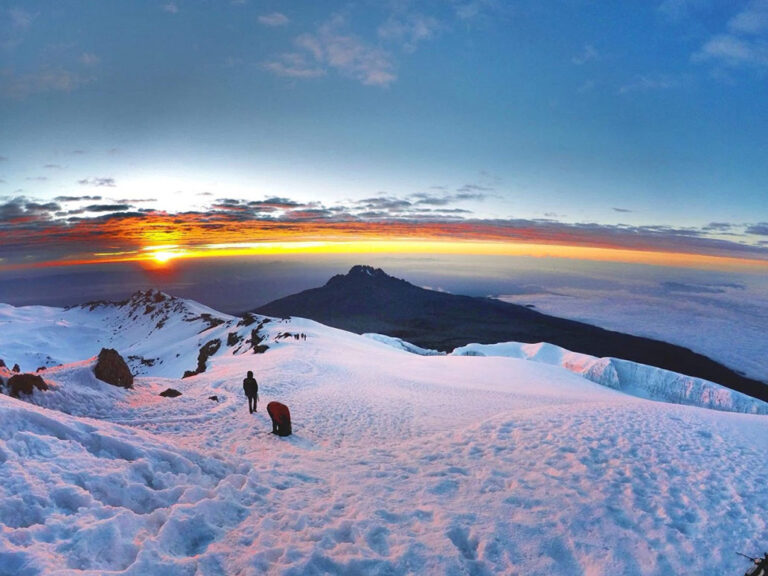
Coldest Month To Climb Kilimanjaro 2026-2027
Coldest Month to Climb Kilimanjaro is explained with current 2026-2027 planning, price, itinerary and booking information.
View package details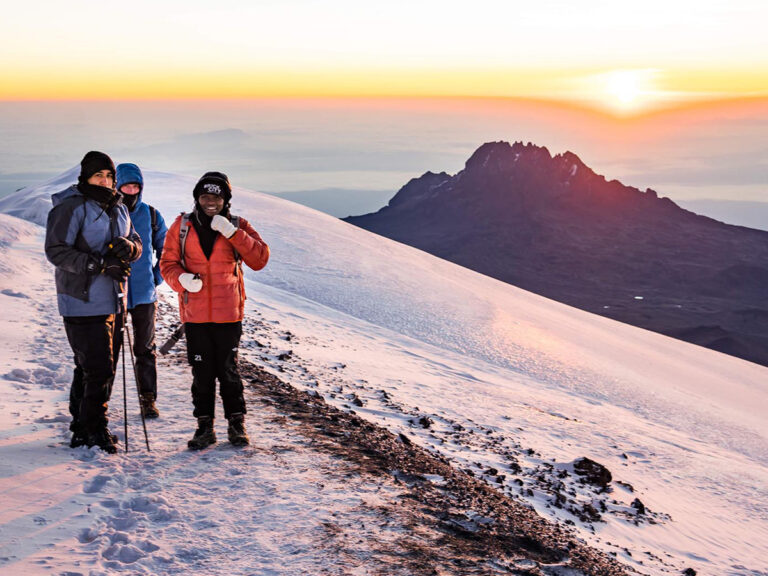
Quietest Month To Climb Kilimanjaro: Your Guide For 2026-2027
Planning a Kilimanjaro climb and seeking fewer fellow trekkers? This guide reveals the quietest months to ascend Africa's highest peak, focusing on shoulder seasons and off-peak periods for...
View package details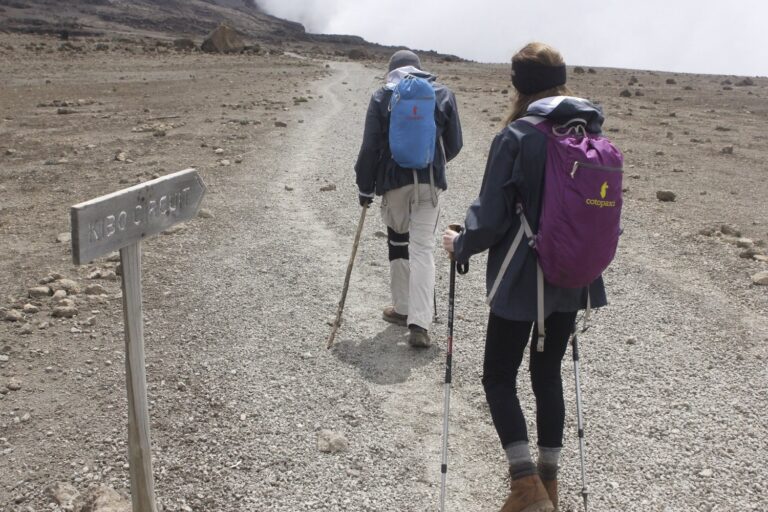
Busiest Month To Climb Kilimanjaro: Peak Seasons & Planning For 2026-2027
Understanding the busiest month to climb Kilimanjaro is crucial for planning a successful trek. This guide details peak seasons, crowd considerations, and optimal times for your 2026-2027...
View package details
Best Kilimanjaro Month For Senior Climbers: Expert Guide 2026-2027
Planning a Kilimanjaro climb as a senior adventurer? Learn which months offer the best conditions for a successful and enjoyable trek in 2026-2027, considering weather, crowds, and your...
View package details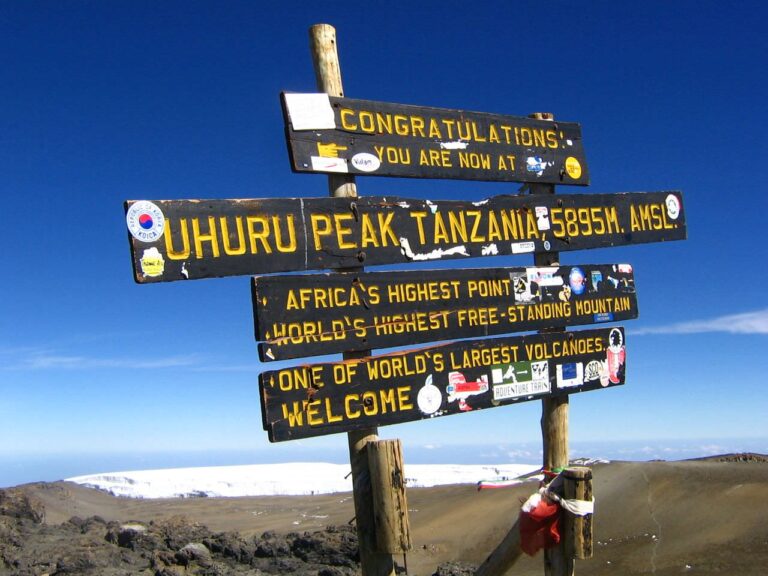
Best Kilimanjaro Month For Full-Moon Climbs In 2026-2027
Planning a Kilimanjaro climb under the glow of a full moon is a dream for many adventurers. This guide details the best months for full-moon ascents in 2026 and 2027, helping you choose the...
View package details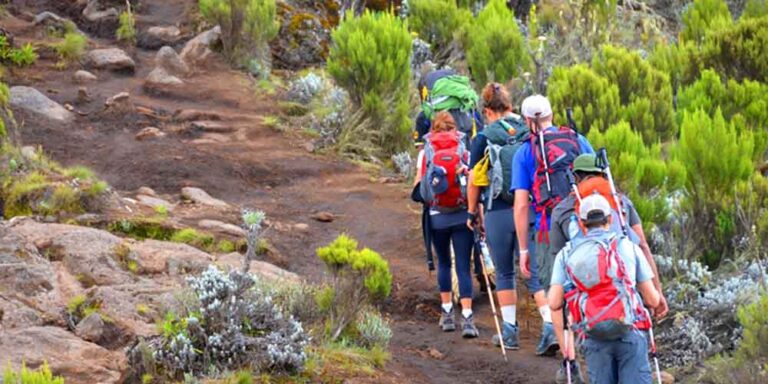
Best Kilimanjaro Month For Fewer Climbers In | Top Guide Adventures 2026-2027
Planning a Kilimanjaro climb in 2026 or 2027 and hoping for a less crowded experience? This guide reveals the best months to ascend Mount Kilimanjaro for fewer fellow trekkers, focusing on...
View package details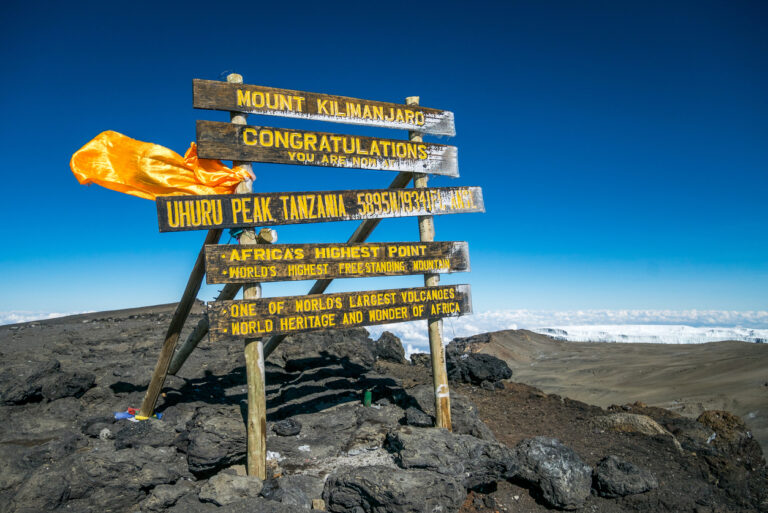
Best Kilimanjaro Month For Low Prices: Saving Money On Your Climb In 2026-2027
Planning a Kilimanjaro climb on a budget? Discover the best months for low prices in 2026-2027, focusing on off-peak seasons and how to maximize savings without compromising your experience.
View package details
January Vs February: Best Month To Climb Kilimanjaro In 2026-2027
Choosing between January and February for your Kilimanjaro climb? This in-depth guide compares the weather, crowds, and overall experience to help you decide the best month for your...
View package details
Is December A Good Month To Climb Kilimanjaro? Your Guide 2026-2027
December offers a unique window for Kilimanjaro climbs, balancing good weather with fewer crowds. This guide explores its advantages and considerations for 2026-2027.
View package detailsKilimanjaro Pre-Climb Hiking Package From Moshi 2026-2027
Kilimanjaro Pre-Climb Hiking Package from Moshi is explained with current 2026-2027 planning, price, itinerary and booking information.
View package details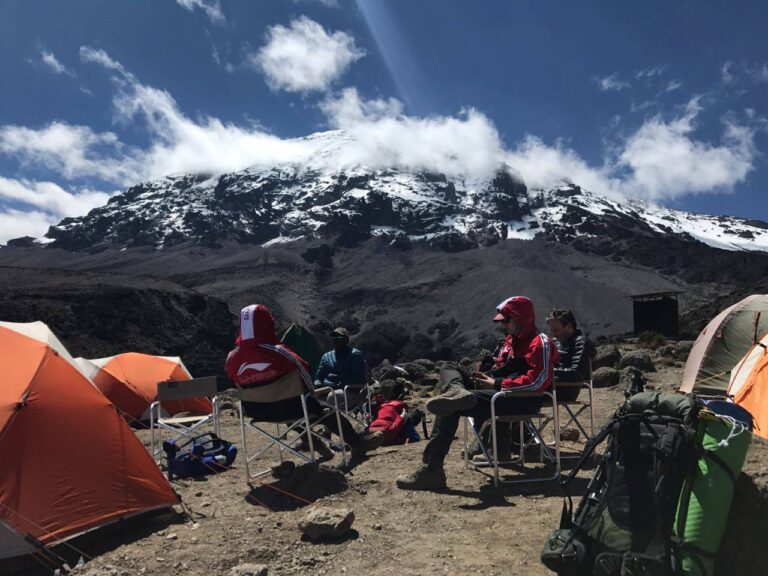
Mount Longido Acclimatization Hike Before Kilimanjaro Climb | Top Guide
Discover why a Mount Longido acclimatization hike is crucial for Kilimanjaro success. Learn about its benefits, routes, and how Top Guide Adventures can integrate it into your 2026-2027...
View package detailsNo related package matches those filters. Clear one or more filters to see the other topic-matched options.



