
The coldest months to climb Kilimanjaro are typically during the dry season, specifically from June to October, with July and August often registering the lowest average temperatures. While these months present colder conditions, they also offer clearer skies and less rainfall, making them a popular choice for many climbers seeking optimal visibility and a more predictable weather window for their 2026-2027 adventure.
Understanding Kilimanjaro’s Climate for the Coldest Months
Mount Kilimanjaro, standing tall as Africa’s highest peak, presents a fascinating climatic paradox. Despite its equatorial location, its summit experiences sub-zero temperatures and snow year-round. For trekkers planning their ascent for 2026 or 2027, understanding the nuances of Kilimanjaro’s climate, especially concerning its coldest periods, is paramount for a successful and enjoyable climb. While many envision a tropical paradise, the reality at higher altitudes is starkly different, demanding careful preparation and realistic expectations.
Kilimanjaro’s weather is primarily influenced by its immense altitude and the distinct wet and dry seasons that characterize East Africa. The mountain itself creates microclimates across its five distinct ecological zones, ranging from the humid rainforest at its base to the arctic conditions at its summit. The coldest months on Kilimanjaro fall within its two dry seasons. The first dry season, from January to March, is generally warmer than the second, longer dry season which runs from June through October. It is within this latter period, particularly from July to August, that climbers will encounter the most consistently frigid temperatures.
When considering the coldest month to climb Kilimanjaro, it’s essential to differentiate between daytime temperatures at lower altitudes and the extreme cold experienced at the summit, especially during the pre-dawn hours of summit night. Even during the warmest months, the summit can be well below freezing. However, during the coldest periods, these temperatures are amplified significantly, requiring specialized gear and a robust acclimatization strategy.
For travelers looking to climb in 2026-2027, choosing the colder months might seem counterintuitive, but it comes with significant advantages. These months typically boast minimal rainfall, leading to clearer skies, reduced cloud cover, and consequently, more spectacular panoramic views of the surrounding landscape. This predictability in weather, despite the cold, is a major draw for many serious trekkers. The routes are often less crowded than during the peak shoulder seasons, offering a more serene and personal climbing experience. However, the trade-off is the significant drop in temperature, demanding a higher level of preparedness for the cold.
The Coldest Months: June, July, August, September, and October
The period from June through October is widely recognized as Kilimanjaro’s longest dry season, and consequently, the coldest. Within this window, July and August often stand out as the absolute coldest months. However, the entire period presents challenging cold conditions, especially as one ascends past the treeline and into the alpine desert and arctic zones.
June: As the shoulder month between the end of the long rainy season and the peak of the dry, cold season, June can be variable. While generally dry, early June might still see lingering moisture. Temperatures begin to drop noticeably, particularly at higher altitudes. This month offers a good balance for those seeking fewer crowds and a good chance of clear skies, but with a definite chill in the air.
July & August: These two months are the heart of the cold, dry season. Expect consistently low temperatures, often plunging well below freezing, especially at night and during the summit push. The skies are typically very clear, offering exceptional visibility. These are prime months for photography and for experiencing the stark beauty of Kilimanjaro’s upper reaches. However, they demand the most rigorous preparation for cold weather, including high-quality thermal gear.
September: While still within the dry season, September can see a slight increase in temperature compared to July and August. It remains a popular month due to the lingering dry conditions and clear skies. The cold is still significant, particularly at night and on summit day, but it might feel marginally less severe than in the preceding months. It’s an excellent option for those who want dry conditions but perhaps slightly more manageable cold.
October: This month marks the transition towards the short rainy season. While the first half of October often retains dry weather and clear skies, the latter half can see increasing cloudiness and a chance of rain. Temperatures remain cold, similar to September. Climbers choosing October should monitor weather forecasts closely as the month progresses.
For those specifically targeting the coldest month to climb Kilimanjaro, aiming for July or August in 2026 or 2027 will guarantee the most consistently frigid conditions. This choice is best suited for experienced trekkers who are well-prepared for extreme cold and prioritize dry, clear weather over warmth.
Temperature Variations by Altitude and Time of Day
It is crucial to understand that ‘cold’ on Kilimanjaro is not a uniform experience. Temperatures fluctuate dramatically based on altitude, time of day, and even the specific route taken. The coldest month’s temperatures are an average, and individual experiences can vary.
Base Camps and Lower Slopes: Even during the coldest months, temperatures at the base of the mountain and in the rainforest zone (around 1,800m – 2,800m) are relatively mild, often ranging from 10°C to 20°C (50°F to 68°F) during the day. Nights will be cooler, potentially dropping to around 5°C to 10°C (41°F to 50°F).
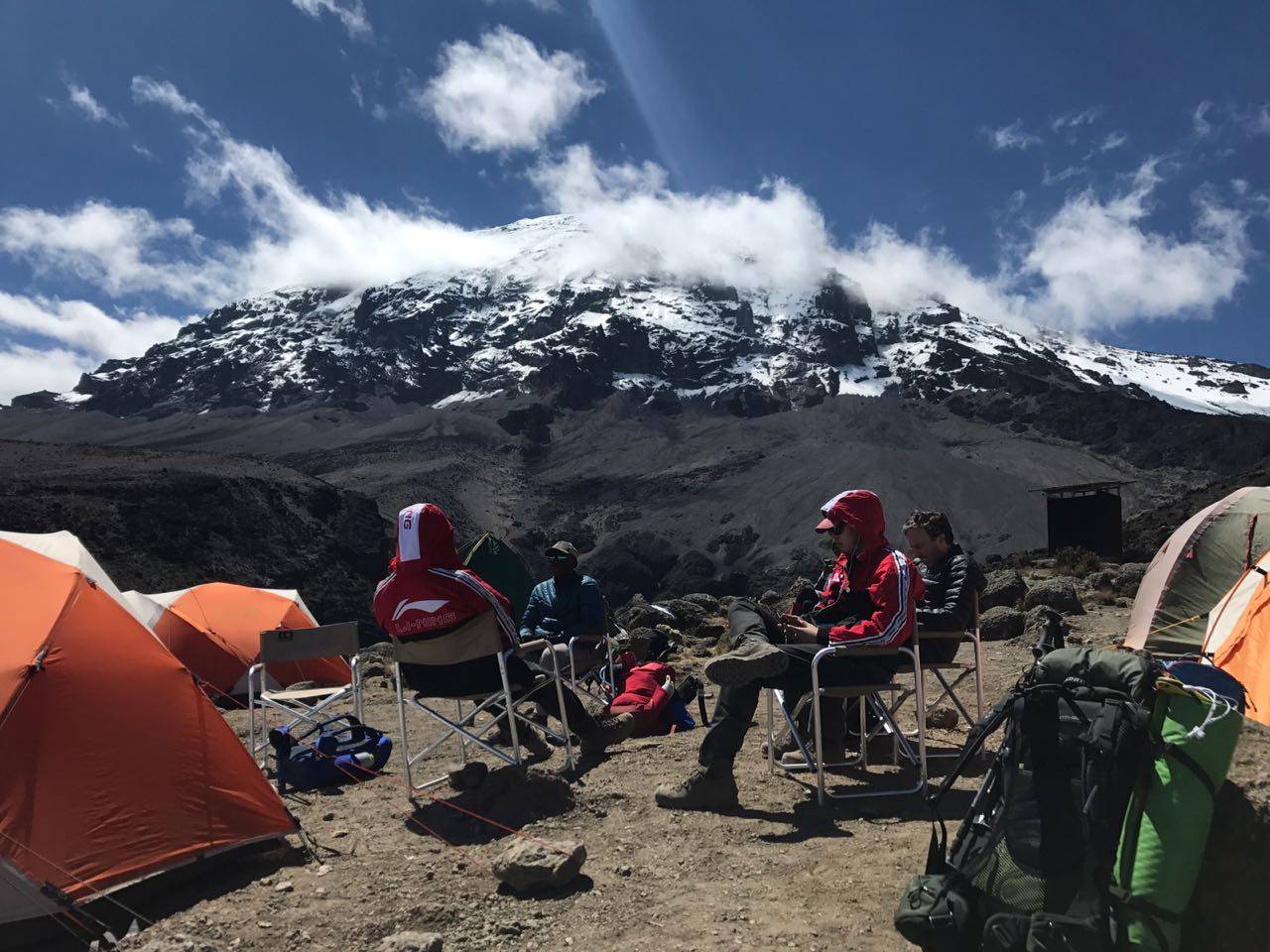
Middle Altitudes (Alpine Desert Zone): As you ascend to zones like the Barranco Camp (around 3,950m), daytime temperatures can hover between 5°C and 15°C (41°F to 59°F). However, nights here are significantly colder, frequently dropping to between -5°C and 5°C (23°F to 41°F). This is where you start to feel the true chill associated with the coldest month to climb Kilimanjaro.
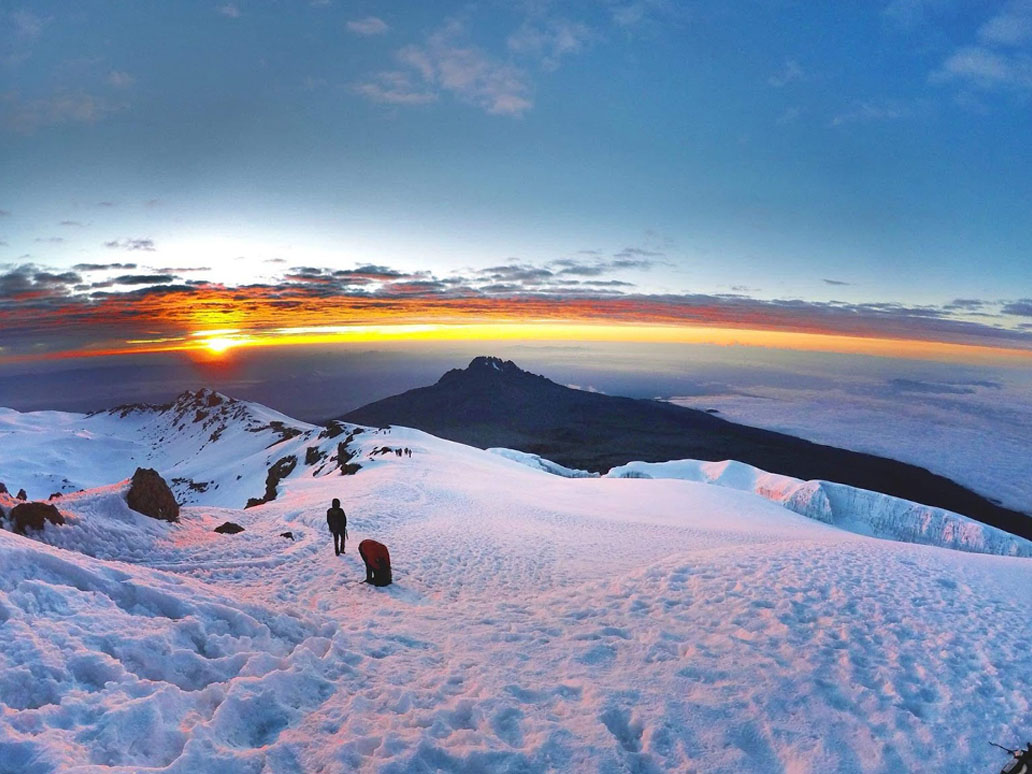
High Altitudes (Arctic Zone) & Summit Night: Above 4,500m, the environment becomes truly arctic. Daytime temperatures might struggle to get above freezing, often hovering around 0°C to 5°C (32°F to 41°F). The real challenge comes during summit night, which typically begins around midnight. Temperatures at Stella Point (5,756m) and Uhuru Peak (5,895m) can plummet to between -10°C and -20°C (14°F to -4°F), and with wind chill, it can feel even colder, potentially reaching -30°C (-22°F). This is why specialized gear is non-negotiable, especially when climbing during the coldest months like July and August for your 2026-2027 expedition.
Time of Day: The coldest part of any day on Kilimanjaro is almost invariably the pre-dawn hours, particularly during the summit ascent. The sun provides little warmth at these extreme altitudes, and the combination of altitude, lack of direct sunlight, and wind makes it incredibly cold. Conversely, the afternoon, if sunny, can offer a brief respite, but this is short-lived as temperatures drop rapidly after sunset.
Pros and Cons of Climbing During the Coldest Months
Choosing to climb Kilimanjaro during its coldest months (June-October) involves a trade-off. Understanding these pros and cons will help you make an informed decision for your 2026-2027 trek.
Advantages of Climbing in the Coldest Months:
- Clear Skies and Excellent Visibility: This is the primary draw. The dry season offers the highest probability of uninterrupted, clear views of the summit, surrounding plains, and even Mount Meru. This makes for a more visually rewarding climb and better photographic opportunities.
- Minimal Rainfall: With very little precipitation, trails are generally in better condition, less muddy, and safer to traverse. This reduces the risk of weather-related delays or difficulties.
- Fewer Crowds: While still popular, the absolute peak season crowds are often seen in the shoulder months. The coldest parts of the dry season (July-August) can be slightly less congested than, say, September or February, offering a more peaceful experience.
- Predictable Weather Window: Although cold, the weather is more stable and predictable than during the rainy seasons. This allows for better planning and reduces the chances of unexpected weather disruptions.
Disadvantages of Climbing in the Coldest Months:
- Extreme Cold: This is the most significant challenge. Summit night temperatures can be brutally cold, requiring top-tier thermal clothing, sleeping bags, and a strong mental fortitude to endure the conditions. Frostbite and hypothermia are real risks if not properly prepared.
- Potential for Ice and Snow: While dry, the higher reaches can still accumulate ice and snow, especially on steeper sections of certain routes (like the Western Breach or parts of Barafu Camp approaches). This can make trekking more challenging and may require the use of microspikes or crampons, particularly on summit day.
- Higher Gear Costs: To combat the extreme cold, climbers will need to invest in or rent high-quality, specialized cold-weather gear, which can add to the overall cost of the expedition.
- Reduced Comfort: Evenings at campsites can be very chilly, making it harder to relax and stay warm when not actively trekking.
For many, the benefit of clear skies and dry conditions outweighs the challenges of the cold. However, it’s essential to be realistic about the temperatures you will encounter, especially if you are planning your coldest month to climb Kilimanjaro adventure in 2026 or 2027.
Route Considerations for the Coldest Months
The route you choose for your Kilimanjaro climb can influence your experience, particularly during the coldest months. While all routes will eventually lead you to the arctic zone, some offer different acclimatization profiles or terrain that might be more or less affected by cold and ice.
Machame Route: This is one of the most popular routes and offers excellent acclimatization due to its “climb high, sleep low” profile. It is generally well-trafficked, meaning the path is often well-trodden, even in icy conditions. Its popularity also means that if microspikes are needed, guides are experienced in managing this. Its success rate is high, making it a solid choice for 2026-2027.
Lemosho Route: Similar to Machame in its acclimatization and success rates, Lemosho is slightly longer and offers more scenic beauty in its initial stages. It also tends to be less crowded. The terrain and cold challenges are comparable to Machame.
Northern Circuit: This is the longest route and offers the best acclimatization of all. While it takes longer, it significantly increases your chances of success. The extended duration allows your body to adapt more gradually to the altitude and cold. It is also less crowded, offering a more exclusive experience during the coldest month to climb Kilimanjaro.
Marangu Route: Known as the “Coca-Cola” route, it’s the only one with hut accommodation. While warmer than camping, the huts do not significantly mitigate the extreme cold at the summit. Its direct ascent profile is not ideal for acclimatization, leading to lower success rates, especially during challenging cold periods.
Rongai Route: This route approaches from the north, often experiencing slightly drier conditions. It’s a good option if you are concerned about rain lingering from the short rainy season. However, during the main dry, cold season, it offers similar temperature challenges to other routes.
The Western Breach: While not a full route itself, the Western Breach (used by Mweka and sometimes Umbwe) is known for its steep, scree-covered slope which can become treacherous with ice and snow during the coldest months. If your chosen route includes this section, extra caution and potentially specialized gear will be necessary for your 2026-2027 climb.
Recommendation for Coldest Months: For the coldest month to climb Kilimanjaro, routes like the Northern Circuit or Lemosho, which offer longer acclimatization periods, are often recommended for maximizing success and comfort despite the cold. Machame remains a strong, reliable choice.
Essential Gear for Cold Weather Climbing
Proper gear is not just recommended; it’s critical for survival and comfort when climbing Kilimanjaro during its coldest months. Investing in or renting high-quality equipment is essential for your 2026-2027 expedition. Here’s a breakdown:
Clothing Layers (The Key to Warmth):
- Base Layers: Moisture-wicking thermal tops and bottoms (merino wool or synthetic). Avoid cotton at all costs.
- Mid Layers: Fleece jackets or vests for insulation. You might need one or two, depending on the temperature.
- Outer Layer (Insulation): A heavy down or synthetic insulated jacket. This is crucial for warmth at the summit and during cold evenings.
- Outer Layer (Shell): Waterproof and windproof jacket and trousers. Essential for protection against wind and any potential precipitation.
Headwear and Handwear:
- Warm Hat: A fleece or wool hat that covers your ears.
- Balaclava or Neck Gaiter: Protects your face and neck from wind and cold.
- Gloves: Several pairs are essential. Thin liner gloves for dexterity, warm fleece or insulated gloves for general use, and waterproof/windproof mittens for summit night.
Footwear:
- Hiking Boots: Well broken-in, waterproof, insulated hiking boots. Ensure they are sturdy and provide good ankle support.
- Socks: Multiple pairs of warm wool or synthetic hiking socks. Bring liner socks as well.
- Camp Shoes/Sandals: Lightweight shoes or sandals to wear around camp, allowing your feet to breathe.
- Gaiters: To prevent snow, mud, and rocks from entering your boots.
Sleeping Gear:
- Sleeping Bag: A 4-season sleeping bag rated to at least -15°C to -20°C (0°F to -4°F) is highly recommended for the coldest months.
- Sleeping Bag Liner: Adds extra warmth and keeps your sleeping bag clean.
- Sleeping Pad: An insulated sleeping pad provides crucial cushioning and insulation from the cold ground.
Other Essential Items:
- Trekking Poles: Help with stability and reduce strain on your knees, especially on descents.
- Headlamp: With extra batteries. Essential for navigating in the dark, especially during summit night.
- Sunglasses: High UV protection, especially important due to snow glare.
- Sunscreen and Lip Balm: High SPF, even in cold weather, the sun is intense at altitude.
- Water Bottles/Hydration Reservoir: Insulated covers are a must to prevent water from freezing.
- Personal First-Aid Kit: With any personal medications.
- Hand and Toe Warmers: Disposable chemical warmers can provide crucial extra heat on summit night.
When booking your 2026-2027 climb, inquire with your tour operator, such as Top Guide Adventures, about gear rental options if you don’t wish to purchase everything. Ensure all rented gear is in excellent condition.
Acclimatization and Health Considerations
Climbing Kilimanjaro, regardless of the month, is a serious undertaking that requires careful attention to acclimatization and health. This is amplified during the coldest months due to the added physiological stress of extreme cold.
Acclimatization is Key: The most common cause of failure to reach the summit is Acute Mountain Sickness (AMS). Proper acclimatization is achieved by ascending slowly, allowing your body time to adapt to the lower oxygen levels at higher altitudes. This is why longer routes like the Northern Circuit or Lemosho are often recommended, especially for those climbing in the coldest month to climb Kilimanjaro.
Symptoms of AMS: Be aware of symptoms such as headache, nausea, dizziness, fatigue, and loss of appetite. If symptoms appear, it’s crucial to communicate them to your guide immediately. The primary treatment is to descend to a lower altitude.
Hydration and Nutrition: Staying well-hydrated is vital for acclimatization. Aim to drink 3-5 liters of fluids per day. High-carbohydrate meals provide the energy needed for the strenuous climb. During cold months, warm drinks and food are not only comforting but also help maintain core body temperature.
Physical Fitness: While you don’t need to be an elite athlete, good cardiovascular fitness is essential. Train by hiking with a weighted backpack, incorporating elevation gain if possible. Focus on endurance rather than speed.
Pre-existing Medical Conditions: Consult your doctor before planning your trip, especially if you have any heart, lung, or other chronic medical conditions. They can advise on the risks and necessary precautions for high-altitude trekking.
Mental Preparedness: The cold and the physical exertion can be mentally taxing. Being prepared for discomfort, long hours of trekking, and the extreme conditions of summit night is crucial. A positive attitude and determination are powerful tools.
Summit Night Strategy: On summit night, moving slowly (‘pole pole’ – slowly, slowly) is paramount. Take small steps, breathe deeply, and focus on reaching the next landmark. Your guide will monitor your condition closely. For your 2026-2027 climb, trust your guide’s expertise implicitly.
Preparing for Cold Weather on Kilimanjaro
Successfully navigating the cold during your Kilimanjaro climb requires more than just good gear; it involves a holistic approach to preparation.
Gear Testing: Before your trip, test all your gear, especially your sleeping bag and layered clothing. Ensure your boots are comfortable and have been worn in. This prevents discovering issues on the mountain.
Layering Practice: Understand how to effectively use your layering system. Practice putting on and taking off layers as you warm up or cool down during hikes at home. This skill is vital on Kilimanjaro to manage your body temperature and prevent sweating, which can lead to chilling.
Sleeping Warm: On cold nights, wear dry thermals to bed. Use your sleeping bag liner. If you find your sleeping bag isn’t warm enough, you can fill your water bottle with hot water (from your guide) and place it in the sleeping bag as a makeshift hot water bottle. Ensure your sleeping pad is properly inflated and positioned between you and the cold ground.
Managing Water: Water bottles can freeze overnight. Store them upside down (the ice forms from the top down) or inside your sleeping bag. For hydration reservoirs, use insulated hoses and blow water back into the reservoir after each sip to prevent the tube from freezing.
Protecting Extremities: Hands and feet are most susceptible to cold. Wear appropriate gloves and socks. On summit night, consider using disposable hand and toe warmers inside your mittens and boots. Keep moving your fingers and toes to maintain circulation.
Eating and Drinking: Consume plenty of calories and fluids. Warm meals and drinks provided by your crew are essential for maintaining energy and core temperature. Don’t skip meals, even if you have a reduced appetite due to altitude.
Night-time Potty Breaks: Getting out of a warm sleeping bag into the freezing cold for a bathroom break is a challenge. Wear your warm layers and insulated jacket even for short trips outside the tent. Having a designated pee bottle inside your tent can save you from multiple cold excursions during the night.
Psychological Preparation: Acknowledge that it will be cold, especially on summit night. Focus on the goal and the incredible achievement. Remind yourself why you are doing this. Positive self-talk and focusing on small milestones can help you push through the difficult moments during your 2026-2027 climb.
When is the Coldest Month to Climb Kilimanjaro in 2026 and 2027?
For travelers specifically seeking the coldest month to climb Kilimanjaro in the upcoming seasons, the period of July and August 2026 and again in July and August 2027 will offer the most consistent and extreme cold temperatures. These months fall squarely within the peak of Kilimanjaro’s longest dry season, which generally runs from June to October.
Planning your trek for these months means you are opting for the period with the lowest average temperatures, particularly at higher altitudes and during summit attempts. While the entire June-October window is considered cold, July and August are typically the most challenging in terms of sub-zero conditions.
Choosing these months for your 2026-2027 expedition provides the best chance for clear, dry weather, which is a significant advantage for visibility and trail conditions. However, it is imperative to be fully prepared with the appropriate cold-weather gear and a solid understanding of how to manage extreme temperatures. Companies like Top Guide Adventures can provide detailed packing lists and advice tailored to these specific conditions.
Making Your Booking with Top Guide Adventures for 2026-2027
When planning your Kilimanjaro adventure, especially if you are targeting the coldest month to climb Kilimanjaro, selecting a reputable and experienced tour operator is crucial. Top Guide Adventures is one of Tanzania’s trusted companies, dedicated to providing complete travel experiences with personal attention, care, and dedicated support for every client.
For your 2026-2027 climb, we offer a range of packages designed to maximize your safety, comfort, and chances of success. Our experienced guides are trained in high-altitude mountaineering and first aid, and our support crews are dedicated to ensuring your well-being throughout the trek.
Why Choose Top Guide Adventures:
- Experienced Local Guides: Our guides are not only knowledgeable about the mountain but also passionate about sharing their culture and ensuring your safety.
- Quality Equipment: We provide high-quality tents, camping equipment, and ensure our porters are well-equipped and treated ethically. We can also assist with gear rental information.
- Tailored Itineraries: We offer various routes and durations to suit your fitness level, budget, and preferences, including options for longer, better-acclimatizing treks ideal for colder months.
- Personalized Support: From your initial inquiry to your return journey, we offer dedicated support, answering all your questions and ensuring a smooth planning process.
We understand that choosing the right time and operator is a significant decision. Whether you aim for the challenging beauty of the coldest month to climb Kilimanjaro or prefer slightly warmer conditions, Top Guide Adventures is here to help you plan an unforgettable journey. We are committed to responsible tourism, prioritizing the safety and satisfaction of our clients while respecting the environment and local communities.
To discuss your 2026-2027 Kilimanjaro climb, inquire about specific dates, or get a personalized quote, please reach out to us. We are happy to answer all your questions and help you prepare for this incredible adventure.
Contact us via WhatsApp +255616946642 or email us at topguideadventures@gmail.com. For alternative inquiries, you can also use info@topguideadventures.com. Let us guide you to the Roof of Africa!
“,
“faq_schema”: [
{
“question”: “What are the coldest months to climb Kilimanjaro?”,
“answer”: “The coldest months to climb Kilimanjaro are generally from June to October, with July and August being the absolute coldest. These months fall within the longest dry season and offer clear skies but require thorough preparation for sub-zero temperatures, especially at the summit.”
},
{
“question”: “What is the average temperature during the coldest months on Kilimanjaro?”,
“answer”: “During the coldest months (July-August), daytime temperatures at higher altitudes can range from 0°C to 5°C (32°F to 41°F). Summit night temperatures, however, can plummet to -10°C to -20°C (14°F to -4°F), potentially feeling much colder with wind chill.”
},
{
“question”: “Are there advantages to climbing Kilimanjaro during its coldest months?”,
“answer”: “Yes, the main advantages are clear skies, excellent visibility for stunning views, minimal rainfall leading to better trail conditions, and generally fewer crowds compared to peak shoulder seasons. This predictability makes it appealing despite the cold.”
},
{
“question”: “What specific gear is essential for climbing Kilimanjaro in the coldest months?”,
“answer”: “Essential gear includes a 4-season sleeping bag (rated to -15°C to -20°C), multiple layers of thermal clothing (base, mid, and insulated outer layers), waterproof shell jacket and pants, warm hat, balaclava, insulated gloves and mittens, warm waterproof hiking boots, wool socks, gaiters, and a reliable headlamp with extra batteries. Hand and toe warmers are also highly recommended.”
},
{
“question”: “Which Kilimanjaro routes are best suited for climbing during the coldest months?”,
“answer”: “Longer routes offering better acclimatization, such as the Northern Circuit or Lemosho Route, are often recommended for the coldest months. They provide more time for your body to adjust to the altitude and cold, increasing your chances of success. The Machame route is also a very popular and reliable choice.”
},
{
“question”: “How should I prepare for the extreme cold on summit night?”,
“answer”: “Prepare by layering your clothing effectively, using your warmest down jacket and windproof shell. Wear your warmest gloves and hat, and consider disposable hand/toe warmers. Stay hydrated and fueled. Move slowly (‘pole pole’) and communicate any discomfort to your guide immediately. Testing your gear beforehand is also critical.”
},
{
“question”: “Can I rent cold-weather gear for my Kilimanjaro climb in 2026-2027?”,
“answer”: “Yes, many tour operators, including Top Guide Adventures, can assist with gear rental information. It’s advisable to rent items like sleeping bags and heavy parkas if you don’t plan to purchase them. Ensure any rented gear is in excellent condition before your climb.”
},
{
“question”: “What are the risks of climbing Kilimanjaro in the coldest months?”,
“answer”: “The primary risks are extreme cold leading to hypothermia and frostbite, especially during summit night. Ice and snow on the trails can make trekking more challenging. Proper gear, acclimatization, and following your guide’s instructions are essential to mitigate these risks.”
}
]
}
“`
Check Availability for Coldest Month To Climb Kilimanjaro 2026-2027
Ready to compare dates, prices, and the best option for your group? Send the package name and travel month so the team can reply with a clear quote, availability, and what is included.
Driest Month To Climb Kilimanjaro: Your Guide For 2026-2027
The driest months for climbing Kilimanjaro are generally January, February, and June through October. These periods offer the clearest skies and lowest rainfall, ideal for a successful and...
View package details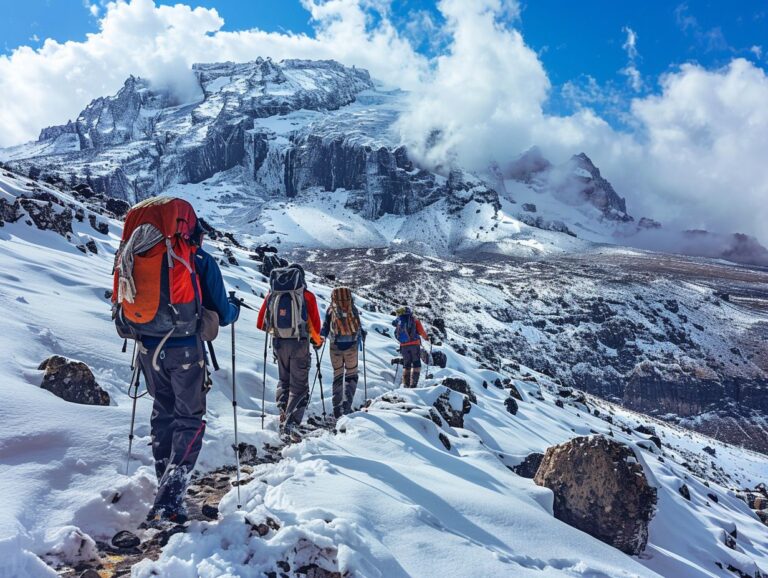
Warmest Month To Climb Kilimanjaro 2026-2027
Warmest Month to Climb Kilimanjaro is explained with current 2026-2027 planning, price, itinerary and booking information.
View package details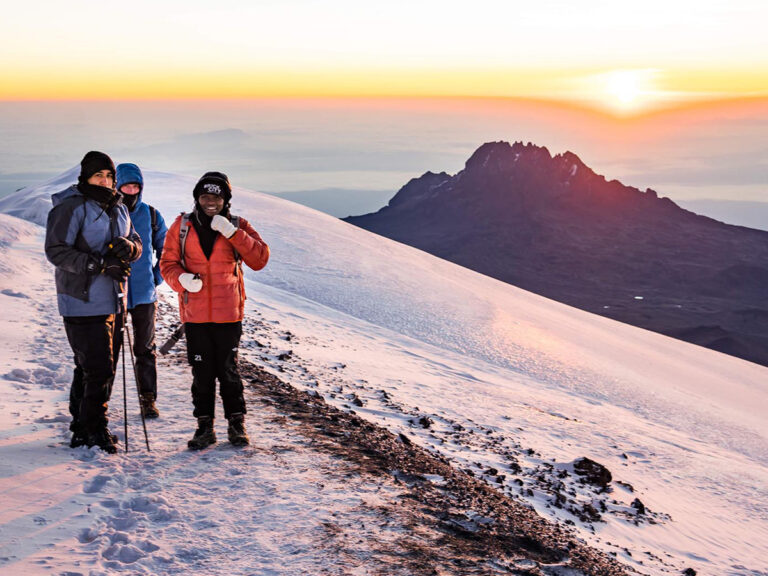
Quietest Month To Climb Kilimanjaro: Your Guide For 2026-2027
Planning a Kilimanjaro climb and seeking fewer fellow trekkers? This guide reveals the quietest months to ascend Africa's highest peak, focusing on shoulder seasons and off-peak periods for...
View package details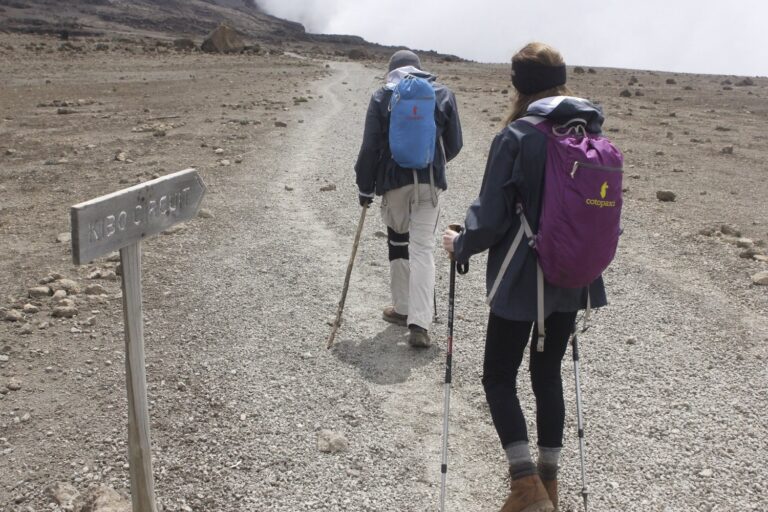
Busiest Month To Climb Kilimanjaro: Peak Seasons & Planning For 2026-2027
Understanding the busiest month to climb Kilimanjaro is crucial for planning a successful trek. This guide details peak seasons, crowd considerations, and optimal times for your 2026-2027...
View package details
Best Kilimanjaro Month For Senior Climbers: Expert Guide 2026-2027
Planning a Kilimanjaro climb as a senior adventurer? Learn which months offer the best conditions for a successful and enjoyable trek in 2026-2027, considering weather, crowds, and your...
View package details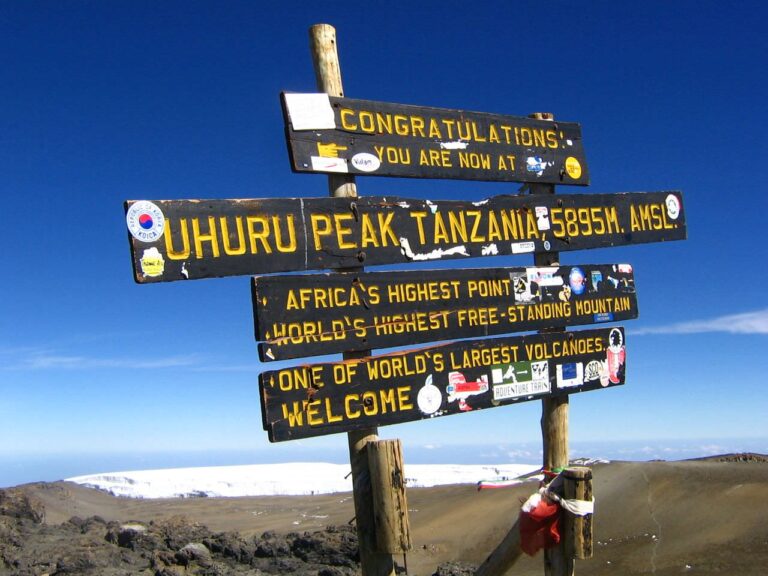
Best Kilimanjaro Month For Full-Moon Climbs In 2026-2027
Planning a Kilimanjaro climb under the glow of a full moon is a dream for many adventurers. This guide details the best months for full-moon ascents in 2026 and 2027, helping you choose the...
View package details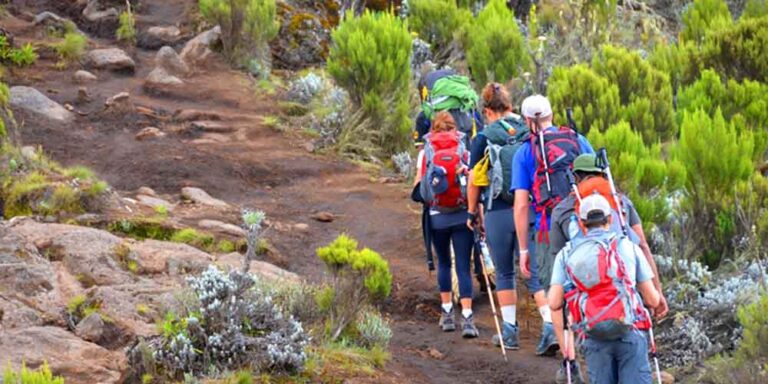
Best Kilimanjaro Month For Fewer Climbers In | Top Guide Adventures 2026-2027
Planning a Kilimanjaro climb in 2026 or 2027 and hoping for a less crowded experience? This guide reveals the best months to ascend Mount Kilimanjaro for fewer fellow trekkers, focusing on...
View package details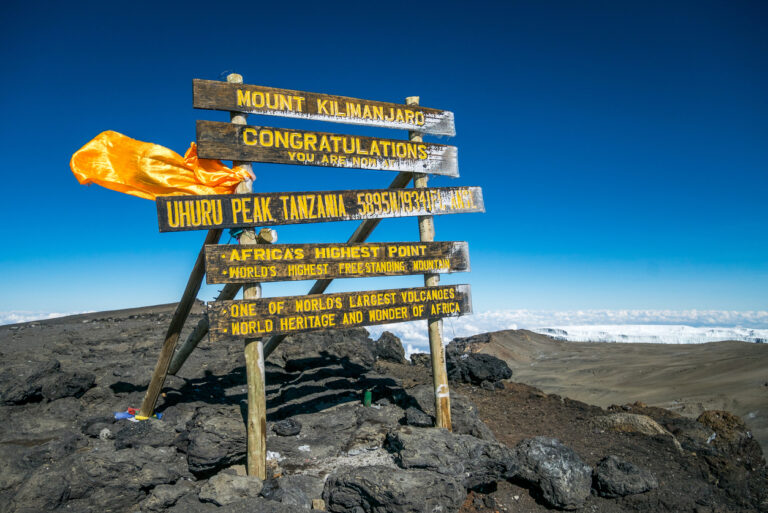
Best Kilimanjaro Month For Low Prices: Saving Money On Your Climb In 2026-2027
Planning a Kilimanjaro climb on a budget? Discover the best months for low prices in 2026-2027, focusing on off-peak seasons and how to maximize savings without compromising your experience.
View package details
January Vs February: Best Month To Climb Kilimanjaro In 2026-2027
Choosing between January and February for your Kilimanjaro climb? This in-depth guide compares the weather, crowds, and overall experience to help you decide the best month for your...
View package details
Is December A Good Month To Climb Kilimanjaro? Your Guide 2026-2027
December offers a unique window for Kilimanjaro climbs, balancing good weather with fewer crowds. This guide explores its advantages and considerations for 2026-2027.
View package detailsKilimanjaro Pre-Climb Hiking Package From Moshi 2026-2027
Kilimanjaro Pre-Climb Hiking Package from Moshi is explained with current 2026-2027 planning, price, itinerary and booking information.
View package details
Mount Longido Acclimatization Hike Before Kilimanjaro Climb | Top Guide
Discover why a Mount Longido acclimatization hike is crucial for Kilimanjaro success. Learn about its benefits, routes, and how Top Guide Adventures can integrate it into your 2026-2027...
View package detailsNo related package matches those filters. Clear one or more filters to see the other topic-matched options.



