
A Kilimanjaro Retirement Celebration Climb in 2026 or 2027 is an extraordinary way to mark the transition into a new life phase, offering a challenging yet profoundly rewarding adventure that culminates at the Roof of Africa. Typically, these climbs involve a 7-day to 9-day trek via routes like Machame or Lemosho, starting from Kilimanjaro National Park’s gates, with comprehensive support from experienced guides and porters, and including meals, accommodation before and after the climb, park fees, and transfers, all orchestrated by dedicated tour operators like Top Guide Adventures to ensure a memorable and successful summit experience.
Why a Kilimanjaro Retirement Celebration Climb is the Ultimate Milestone Achievement
Retirement is more than just an end to a career; it’s the commencement of a new, often more personally fulfilling chapter. For many, this transition calls for a celebration that is as significant and impactful as the career they’ve concluded. What better way to honor decades of hard work and dedication than by conquering Africa’s highest peak, Mount Kilimanjaro? A Kilimanjaro Retirement Celebration Climb is not merely a trek; it’s a symbolic journey, a physical and mental test, and an unforgettable experience that sets a powerful tone for your retirement years. Imagine standing on Uhuru Peak, the highest point in Africa, as the sun rises, reflecting on your past achievements and looking forward to the adventures ahead. This is the essence of a Kilimanjaro retirement adventure.
As you plan for your retirement, perhaps looking at dates in 2026 or 2027, the idea of a Kilimanjaro climb offers a unique blend of challenge, personal growth, and unparalleled natural beauty. It’s a chance to push your boundaries, connect with nature, and create lasting memories. Top Guide Adventures specializes in crafting these meaningful journeys, understanding the unique motivations behind a retirement celebration climb. We ensure every aspect of your expedition, from the initial planning stages to the final descent, is handled with the utmost care and professionalism, allowing you to focus entirely on the experience and your personal achievement.
Choosing the Right Kilimanjaro Route for Your Retirement Celebration
Selecting the correct route is paramount for a successful and enjoyable Kilimanjaro climb, especially when it’s a significant occasion like a retirement celebration. The best routes for this purpose balance acclimatization, scenic beauty, and overall success rates. For a retirement climb, prioritizing gradual ascent and acclimatization is key to ensuring a positive experience and maximizing your chances of reaching the summit comfortably.
The Machame Route: A Popular Choice for Success and Scenery
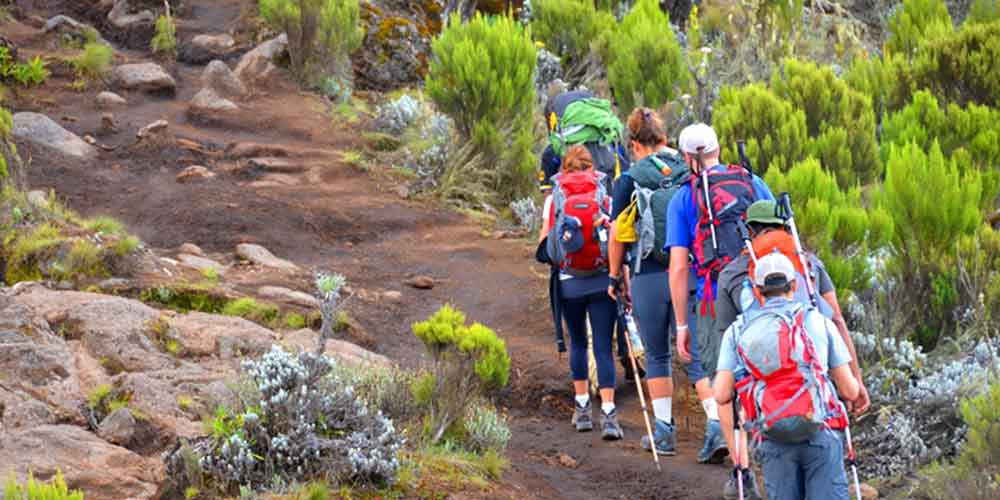
The Machame Route, often called the “Whiskey Route,” is widely considered one of the most scenic and best routes for acclimatization on Kilimanjaro. It offers a gradual ascent through diverse ecosystems, from rainforest to alpine desert. Its popularity stems from its high success rate, largely due to its “climb high, sleep low” profile, which aids acclimatization significantly.
- Duration: Typically 7 days, with an optional 8-day extension for slower pacing and better acclimatization.
- Scenery: Excellent, passing through the Shira Plateau, Barranco Wall, and Karanga Valley.
- Acclimatization: Good, with a 7-day itinerary offering a 50% success rate, and an 8-day option improving this further.
- Difficulty: Moderate to challenging, with a steep summit day.
- Why it’s great for retirement: The extended options and focus on acclimatization make it suitable for those who want to enjoy the journey and increase their chances of summiting without undue haste.
The Lemosho Route: The Scenic Grand Tour
The Lemosho Route is another excellent choice, offering stunning views and a more remote wilderness experience, especially in its early days. It approaches Kilimanjaro from the west, joining the Machame route later on. It’s known for its beauty and good acclimatization profile.
- Duration: Usually 7, 8, or even 9 days. Longer itineraries are highly recommended for better acclimatization and enjoyment.
- Scenery: Arguably the most beautiful route, offering panoramic views and a true sense of wilderness.
- Acclimatization: Very good, especially on longer itineraries (8-9 days), which significantly boost summit success rates.
- Difficulty: Moderate to challenging, with a demanding summit night.
- Why it’s great for retirement: The extended duration and superior acclimatization make it ideal for those who want to savor the experience and prioritize a comfortable climb. A 9-day Lemosho climb is a fantastic option for a retirement celebration in 2026 or 2027.
The Marangu Route: The Coca-Cola Route
While often the shortest and most popular for budget travelers, the Marangu Route is generally not recommended for a celebratory climb like a retirement. Its rapid ascent offers poor acclimatization, leading to lower success rates and a more rushed experience.
- Duration: 5 or 6 days.
- Scenery: Less varied than other routes, and you descend the same way you ascended.
- Acclimatization: Poor.
- Difficulty: Can feel very difficult due to poor acclimatization, despite being less physically demanding in terms of terrain.
- Consideration for retirement: Generally not advised due to low success rates and rushed acclimatization.
Other Routes: Rongai and Northern Circuit
The Rongai Route approaches from the north and is a good option during the rainy seasons, offering a different perspective. The Northern Circuit is the longest route, offering the best acclimatization and highest success rates, circling the mountain for a truly comprehensive experience. For a retirement celebration, the Northern Circuit (9-10 days) or an extended Lemosho or Machame (8-9 days) are usually the top recommendations from Top Guide Adventures for 2026-2027.
Preparing for Your Kilimanjaro Retirement Celebration Climb
A successful Kilimanjaro climb, especially one marking such a significant milestone, requires thorough preparation. This isn’t just about physical fitness; it encompasses mental readiness, proper gear, and understanding the logistical aspects. For a retirement celebration, ensuring you feel confident and well-prepared will enhance the entire experience.
Physical Fitness: Building Stamina and Strength
While Kilimanjaro is not a technical climb, it demands significant physical endurance. The altitude, varying temperatures, and long trekking days require a good level of fitness. Focus on cardiovascular exercises and strength training.
- Cardiovascular Training: Aim for at least 3-4 sessions per week. Activities like hiking (especially with a backpack on hilly terrain), running, cycling, or swimming are excellent. Gradually increase the duration and intensity.
- Strength Training: Focus on leg strength (squats, lunges) and core strength, as these will be crucial for long days of trekking and carrying a daypack.
- Hiking Practice: This is the most important. Hike regularly, ideally on consecutive days, with a weighted backpack to simulate mountain conditions. Practice on inclines and declines.
- Start Early: Begin your training at least 3-6 months before your planned climb in 2026 or 2027.
Mental Preparation: The Power of Mind Over Matter
The mental aspect of climbing Kilimanjaro is often underestimated. Summit night, in particular, can be grueling. Positive self-talk, visualization, and a determined mindset are invaluable.
- Set Realistic Expectations: Understand that there will be challenging moments.
- Visualize Success: Picture yourself reaching the summit and enjoying the feeling of accomplishment.
- Embrace Discomfort: Practice pushing through fatigue during your training hikes.
- Focus on the Journey: Remember why you are doing this – to celebrate your retirement and achieve a personal goal.
Essential Gear for Your Climb
Having the right gear is crucial for comfort, safety, and success. Top Guide Adventures can provide a comprehensive gear list, but here are the essentials:
- Layering System: Base layers (moisture-wicking), mid-layers (fleece or down), and outer layers (waterproof and windproof jacket and pants).
- Footwear: Broken-in, waterproof hiking boots are non-negotiable. Good hiking socks are also vital.
- Headwear: Warm hat, sun hat, and balaclava or neck gaiter.
- Gloves: Warm, waterproof gloves and liner gloves.
- Sleeping Bag: A 4-season sleeping bag rated for extreme cold (-15°C to -20°C or lower).
- Backpack: A comfortable daypack (30-40 liters) and a duffel bag (80-100 liters) for porters.
- Trekking Poles: Highly recommended for stability and reducing knee strain.
- Headlamp: With extra batteries.
- Sun Protection: High SPF sunscreen, sunglasses, and lip balm.
- Hydration: Water bottles or hydration reservoir (ensure it won’t freeze).
Top Guide Adventures can advise on specific gear choices and even offer rentals for some items, ensuring you are fully equipped for your Kilimanjaro Retirement Celebration Climb.
Health and Acclimatization
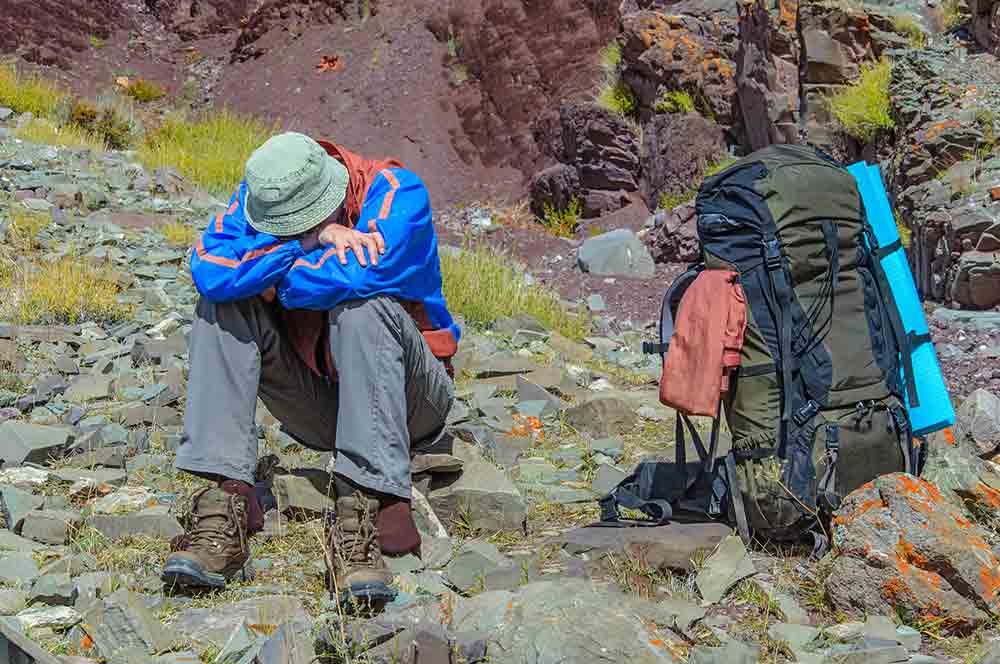
Altitude sickness is the primary challenge on Kilimanjaro. Proper acclimatization is key, and choosing a longer route (7+ days) is the best preventative measure. Consult your doctor about altitude sickness medication (like Diamox) and vaccinations well in advance of your 2026-2027 trip.
- Hydration: Drink plenty of water (3-4 liters per day).
- Pacing: “Pole pole” (slowly, slowly) is the mantra. Avoid overexertion.
- Listen to Your Body: Report any symptoms of altitude sickness to your guide immediately.
- Avoid Alcohol and Smoking: These can exacerbate altitude sickness.
The Kilimanjaro Experience: What to Expect on Your Retirement Climb
Climbing Kilimanjaro is a multi-day journey through distinct ecological zones, each offering a unique landscape and set of challenges. Understanding this progression helps in appreciating the scale of the achievement.
Day by Day Itinerary Example (Machame Route – 7 Days)
While Top Guide Adventures offers customizable itineraries, a standard 7-day Machame climb provides a solid framework:
Day 1: Machame Gate to Machame Camp
Start Point: Machame Gate (1,800m / 5,905 ft)
End Point: Machame Camp (3,050m / 10,007 ft)
Trek: ~11 km / 7 miles, 5-6 hours
Habitat: Rainforest
After registration at the park gate, you begin trekking through the lush rainforest. The trail is steep and muddy in places. You’ll be accompanied by your guide and porters, who carry the bulk of your gear.
Day 2: Machame Camp to Shira 2 Camp
Start Point: Machame Camp (3,050m)
End Point: Shira 2 Camp (3,850m / 12,631 ft)
Trek: ~5 km / 3 miles, 4-5 hours
Habitat: Moorland
The trail continues upwards, emerging from the forest into open moorland. The views of Kibo and Shira Plateau become more expansive. You’ll set up camp at Shira 2.
Day 3: Shira 2 Camp to Barranco Camp
Start Point: Shira 2 Camp (3,850m)
End Point: Barranco Camp (3,950m / 12,959 ft)
Trek: ~10 km / 6 miles, 5-6 hours
Habitat: Alpine Desert
A significant day involving a trek across the Shira Plateau and then descending towards the Great Barranco Valley. The highlight is reaching Barranco Camp, located below the imposing Barranco Wall.
Day 4: Barranco Camp to Karanga Camp
Start Point: Barranco Camp (3,950m)
End Point: Karanga Camp (4,050m / 13,287 ft)
Trek: ~5 km / 3 miles, 3-4 hours
Habitat: Alpine Desert
The day begins with the famous Barranco Wall climb – a scramble that is more exciting than difficult. After cresting the wall, you’ll traverse across to Karanga Camp, situated in a valley.
Day 5: Karanga Camp to Barafu Camp
Start Point: Karanga Camp (4,050m)
End Point: Barafu Camp (4,650m / 15,255 ft)
Trek: ~4 km / 2.5 miles, 3-4 hours
Habitat: Alpine Desert
A shorter day allows for rest and preparation for the summit push. You’ll trek across a barren alpine desert landscape to Barafu Camp, the base camp for the summit attempt.
Day 6: Barafu Camp to Summit (Uhuru Peak) to Mweka Camp
Start Point: Barafu Camp (4,650m)
End Point: Uhuru Peak (5,895m / 19,341 ft), then Mweka Camp (3,100m / 10,170 ft)
Trek: ~5 km / 3 miles ascent, ~12 km / 7 miles descent, 7-8 hours ascent, 5-7 hours descent
Habitat: Arctic
The summit night begins around midnight. You’ll ascend slowly through the night towards Stella Point on the crater rim, then continue to Uhuru Peak. After celebrating at the summit, you’ll descend steeply to Barafu Camp for a short rest before continuing down to Mweka Camp.
Day 7: Mweka Camp to Mweka Gate
Start Point: Mweka Camp (3,100m)
End Point: Mweka Gate (1,650m / 5,413 ft)
Trek: ~10 km / 6 miles, 3-4 hours
Habitat: Rainforest
A final, easier trek through the rainforest to Mweka Gate. You’ll receive your summit certificates and be transferred back to your hotel in Moshi.
The Summit Night: A Test of Will
Summit night is the most challenging part of the climb. Starting in the early hours of the morning (around midnight to 1 am), you’ll ascend in the dark, often in cold temperatures, aiming to reach Stella Point on the crater rim by sunrise, and then continuing to Uhuru Peak. The pace is extremely slow, and mental fortitude is as important as physical strength. Your guides will be with you every step of the way, offering encouragement and support.
Life on the Mountain: Camp Life and Crew
Your Kilimanjaro Retirement Celebration Climb will be supported by a dedicated crew. This typically includes:
- Lead Guide: Experienced in high-altitude trekking and first aid.
- Assistant Guides: To ensure a good guide-to-client ratio.
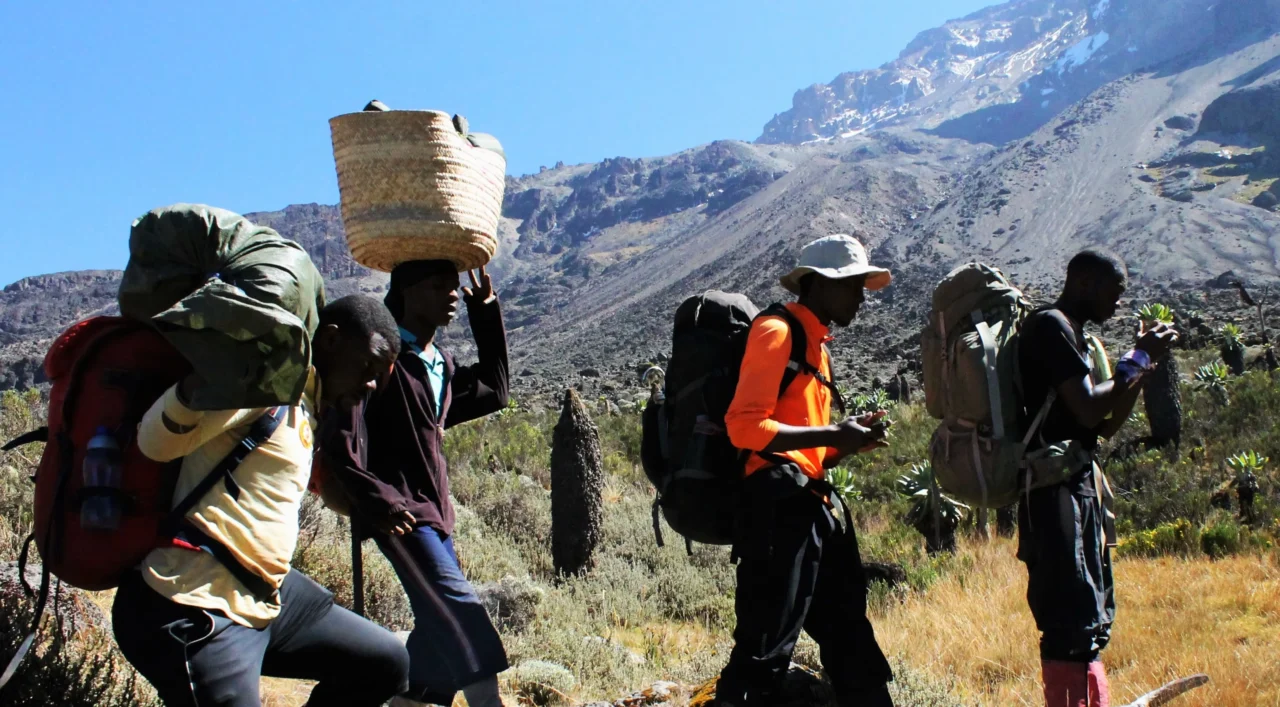
- Porters: Carry all camping equipment, food, and luggage.
- Cook: Prepares nutritious and delicious meals.
Camp life is simple but comfortable. You’ll be provided with tents, sleeping mats, and communal dining tents. Meals are hearty and varied, designed to provide energy for the climb. Evenings are spent discussing the day’s trek, preparing for the next, and enjoying the camaraderie of your group and crew.
Making Your Kilimanjaro Retirement Celebration Memorable
Beyond the physical act of climbing, a retirement celebration on Kilimanjaro offers unique opportunities for reflection and joy. Top Guide Adventures helps you tailor the experience to make it truly special.
Celebrating Milestones on the Mountain
Consider incorporating small, meaningful celebrations during your trek. This could be a special toast at dinner, sharing stories around a campfire (where permitted), or simply taking moments to appreciate the incredible views and your personal journey.
Photography and Videography
Documenting your Kilimanjaro Retirement Celebration Climb is essential. Consider hiring a professional photographer or assigning a skilled friend to capture the moments. High-quality photos and videos will serve as cherished reminders of your achievement in 2026 or 2027.
The Significance of the Summit
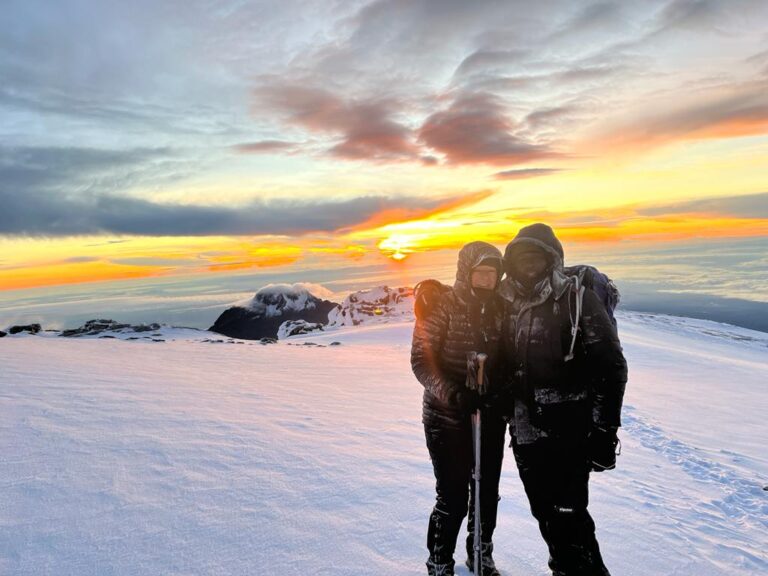
Reaching Uhuru Peak is an emotional and triumphant moment. It’s the culmination of months of planning and training, and a powerful symbol of a new beginning. Take time to absorb the view, reflect on your life’s work, and embrace the freedom and possibilities that retirement offers.
Logistics and Booking Your Kilimanjaro Retirement Climb in 2026-2027
Booking your climb with a reputable operator is crucial for a safe and successful expedition. Top Guide Adventures is committed to providing exceptional service and ensuring your retirement celebration is everything you dreamed of.
Why Choose Top Guide Adventures?
As one of Tanzania’s most trusted tour companies, Top Guide Adventures offers:
- Experienced Guides: Certified, knowledgeable, and safety-focused guides.
- Quality Equipment: Well-maintained tents, sleeping bags, and climbing gear.
- Nutritious Meals: Delicious and energy-rich food prepared by skilled cooks.
- Ethical Treatment of Crew: We ensure fair wages and good working conditions for our porters and guides.
- Personalized Support: Dedicated pre-trip planning and on-mountain assistance.
- High Success Rates: Through careful route selection and adherence to acclimatization principles.
Cost Considerations for Your 2026-2027 Climb
The cost of a Kilimanjaro climb can vary significantly based on the route, duration, quality of service, and number of climbers. For a retirement celebration, investing in a reputable operator like Top Guide Adventures ensures safety and a higher chance of success.
Typical inclusions for a comprehensive package from Top Guide Adventures often include:
- Park entry fees, camping fees, and rescue fees.
- All meals on the mountain.
- Accommodation in Moshi before and after the climb.
- Tents, sleeping mats, tables, chairs, and cooking equipment.
- Porters and guides.
- Ground transportation to and from the mountain gate.
- Bottled water on the mountain.
Exclusions typically are:
- Flights to Kilimanjaro International Airport (JRO).
- Visa fees.
- Travel insurance (mandatory).
- Tips for guides, porters, and cooks (a significant part of their income).
- Personal gear (sleeping bag, clothing, boots).
- Lunches and dinners in town before/after the climb.
- Personal expenses (souvenirs, drinks in town).
For specific pricing and to get a tailored quote for your Kilimanjaro Retirement Celebration Climb in 2026 or 2027, it’s best to contact us directly. Prices for a 7-day climb with a reputable operator like Top Guide Adventures typically range from $2,200 to $3,500 USD per person, depending on the route and inclusions. Longer routes like Lemosho or Northern Circuit will be at the higher end of this range.
Booking Your Expedition
To secure your preferred dates for a Kilimanjaro Retirement Celebration Climb, especially for popular seasons in 2026 and 2027, early booking is recommended. Peak seasons generally fall in January-March and June-October.
Contact Top Guide Adventures today to start planning your unforgettable retirement adventure:
- WhatsApp: +255616946642
- Email: topguideadventures@gmail.com
- Backup Email: info@topguideadventures.com
- Website: www.topguideadventures.com
Let us help you craft the perfect Kilimanjaro Retirement Celebration Climb, a testament to your achievements and a spectacular launch into your retirement journey. Explore our group departure dates for shared adventures or discuss a tailor-made private climb for your special occasion in 2026 or 2027.
Frequently Asked Questions about Kilimanjaro Retirement Celebration Climbs
Planning a major expedition like this can bring up many questions. Here are some of the most common ones:
Is a Kilimanjaro climb suitable for a retirement celebration?
Absolutely. A Kilimanjaro Retirement Celebration Climb is an incredibly fitting way to mark such a significant life milestone. It symbolizes achievement, strength, and the beginning of a new, adventurous chapter. The physical challenge combined with the stunning scenery provides a profound sense of accomplishment and offers a unique perspective on life.
What is the best time of year for a Kilimanjaro climb in 2026-2027?
The best times are during the dry seasons: January to March and June to October. These periods offer clearer skies, less rain, and more stable weather conditions, which are ideal for climbing and for enjoying the views. However, these are also peak seasons, so booking in advance is recommended.
How difficult is the climb for someone in their 60s or 70s?
Age is less of a factor than overall fitness and acclimatization. Many individuals in their 60s and 70s successfully summit Kilimanjaro each year. The key is thorough preparation, choosing a longer route for better acclimatization (like an 8 or 9-day Lemosho or Machame), and listening to your body and guides. Top Guide Adventures ensures that our guides are experienced in supporting climbers of all ages and fitness levels.
What are the risks involved in climbing Kilimanjaro?
The primary risk is altitude sickness (Acute Mountain Sickness – AMS), which can range from mild headaches to severe, life-threatening conditions if not managed. Other risks include hypothermia, frostbite, sprains, and falls. Reputable operators like Top Guide Adventures prioritize safety through proper acclimatization protocols, experienced guides, and emergency procedures. Medical evacuation services are available.
How much should I tip the crew?
Tipping is customary and a significant part of the income for guides, porters, and cooks. A general guideline for a 7-day climb is around $250-$350 USD per climber, distributed among the crew. Your lead guide will provide a recommended tipping breakdown at the end of the climb. Top Guide Adventures ensures fair treatment and wages for their crew, but tips are appreciated for exceptional service.
What is the altitude of Uhuru Peak?
Uhuru Peak, the summit of Kilimanjaro, stands at 5,895 meters (19,341 feet) above sea level. The extreme altitude requires careful acclimatization and can present significant challenges.
Can I book a private Kilimanjaro Retirement Celebration Climb?
Yes, absolutely. Top Guide Adventures specializes in tailor-made journeys. A private climb allows you to set your own pace, choose your preferred route and dates (including for 2026 or 2027), and enjoy the experience with your own group of family or friends, making your retirement celebration even more personal and exclusive.
What happens if I get sick on the mountain?
Your guides are trained to recognize and manage symptoms of altitude sickness and other medical issues. They will monitor you closely. If symptoms become severe, they will recommend descent. Top Guide Adventures carries a full medical kit and can arrange for emergency oxygen and evacuation if necessary. This is why choosing a professional operator is paramount for your safety.
Do I need travel insurance for Kilimanjaro?
Yes, travel insurance is mandatory for all Kilimanjaro climbs booked through Top Guide Adventures. It must cover high-altitude trekking and emergency medical evacuation up to the summit altitude (at least 6,000 meters). Ensure your policy details this coverage.
Begin Your Unforgettable Kilimanjaro Retirement Celebration in 2026-2027
A Kilimanjaro Retirement Celebration Climb is more than just a trip; it’s a profound personal journey that signifies accomplishment, resilience, and the exciting dawn of a new era. It’s a chance to challenge yourself, connect with nature’s grandeur, and create a memory that will resonate throughout your retirement. Whether you envision a solo adventure or a shared experience with loved ones, Top Guide Adventures is dedicated to making your dream a reality.
We understand the unique significance of this climb as a retirement celebration. Our team is committed to providing the highest standards of safety, comfort, and logistical support, ensuring you can focus on the incredible experience of ascending Kilimanjaro. From selecting the perfect route for optimal acclimatization to ensuring you have the best possible gear and a highly experienced crew, we handle every detail.
Don’t let this monumental milestone pass without a celebration that matches its importance. Start planning your Kilimanjaro Retirement Celebration Climb for 2026 or 2027. Contact Top Guide Adventures today, and let’s begin crafting an expedition that will be a powerful and inspiring start to your retirement.
Reach out to us:
WhatsApp: +255616946642
Email: topguideadventures@gmail.com
Website: www.topguideadventures.com
Check Availability for Kilimanjaro Retirement Celebration Climb: Your Ultimate Guide 2026-2027
Ready to compare dates, prices, and the best option for your group? Send the package name and travel month so the team can reply with a clear quote, availability, and what is included.
Kilimanjaro Full-Moon Birthday Climb: Plan Your Celebration 2026-2027
A Kilimanjaro full-moon birthday climb offers an unparalleled celebration, combining the thrill of summiting Africa's highest peak with the magical ambiance of a lunar glow. This guide...
View package details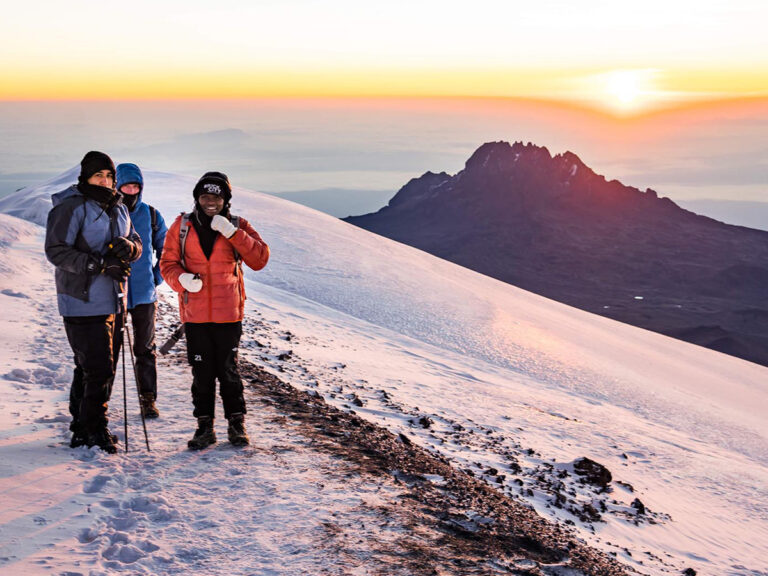
Foods To Avoid Before A Kilimanjaro Climb: Expert Guide For Trekkers 2026-2027
Planning your Kilimanjaro climb for 2026 or 2027? Proper nutrition is key. This guide details essential foods and drinks to avoid before and during your trek to prevent digestive issues and...
View package details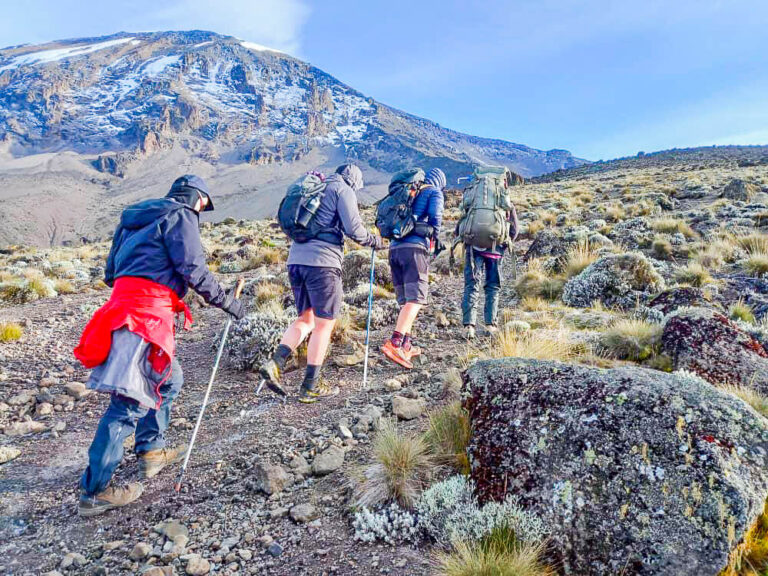
Kilimanjaro Climb With Low-Sugar Meal Planning Guide
Climbing Kilimanjaro requires careful nutritional planning. This guide focuses on low-sugar meal strategies to sustain energy, aid acclimatization, and enhance your trekking experience...
View package details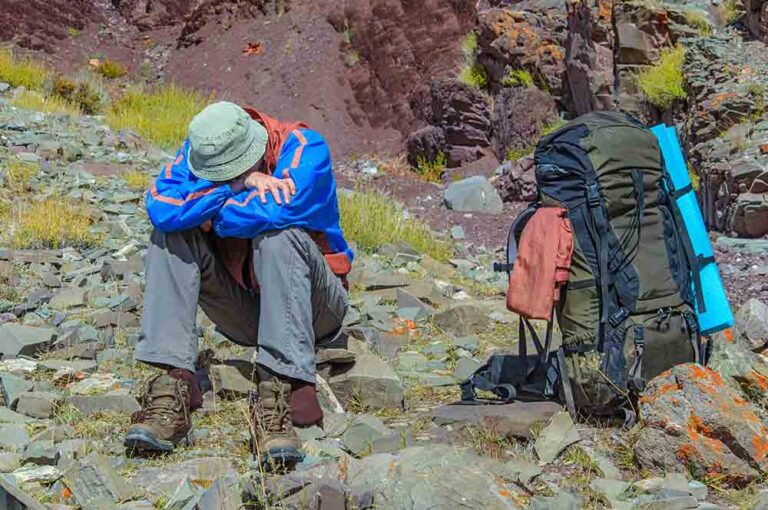
Kilimanjaro Climb With High-Protein Meals: Fueling Your Ascent In 2026-2027
Fueling your Kilimanjaro climb is as critical as choosing the right route. This guide focuses on the power of high-protein meals to sustain energy, aid recovery, and maximize your chances...
View package detailsKilimanjaro Climb With Nut-Free Meal Options Guide
Discover how to plan your Kilimanjaro climb with complete peace of mind regarding nut allergies. Top Guide Adventures specializes in providing safe, delicious, and fully customized nut-free...
View package details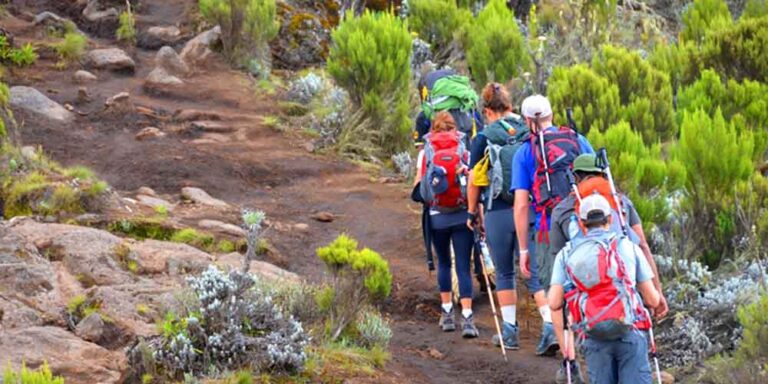
Kilimanjaro Climb With Lactose-Free Meals: Your Complete Guide For 2026-2027
Climbing Mount Kilimanjaro with specific dietary needs, like lactose intolerance, is entirely achievable. This comprehensive guide details how to manage lactose-free meals on your trek...
View package details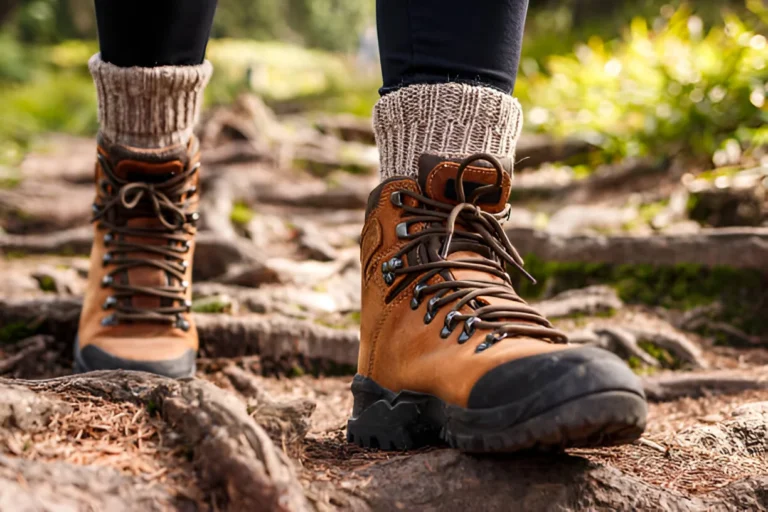
Kilimanjaro Climb For Travellers With Food Allergies 2026-2027
Kilimanjaro Climb for Travellers with Food Allergies is explained with current 2026-2027 planning, price, itinerary and booking information.
View package detailsKilimanjaro Climb With Kosher-Friendly Food Planning In 2026-2027
Successfully summiting Mount Kilimanjaro requires meticulous planning, especially when adhering to specific dietary requirements like Kosher food. This guide provides comprehensive insights...
View package details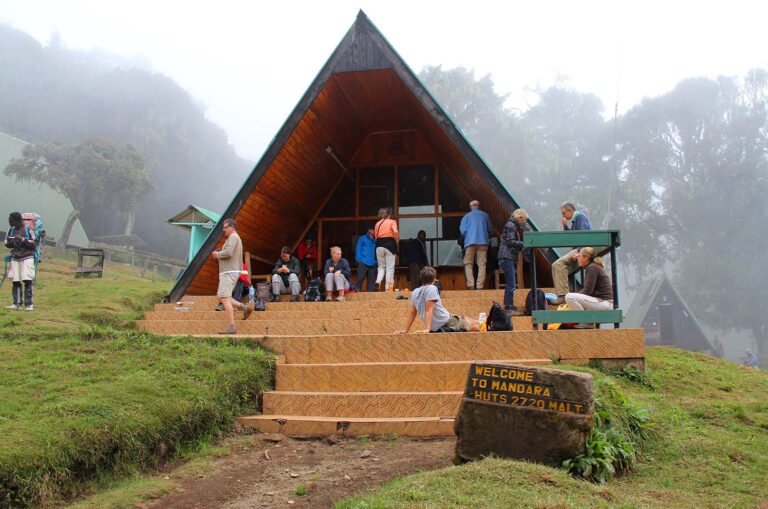
Kilimanjaro Climb With Halal Meals: Your Guide For 2026-2027
Climb Mount Kilimanjaro with confidence, knowing your dietary needs are met. Top Guide Adventures provides specialized Halal meal planning for your 2026-2027 trek, ensuring a safe and...
View package detailsKilimanjaro Climb With Gluten-Free Food: Your Essential Guide For 2026-2027
Climbing Mount Kilimanjaro is an incredible adventure, and dietary needs, like requiring gluten-free food, should not be a barrier. Top Guide Adventures specializes in providing safe...
View package details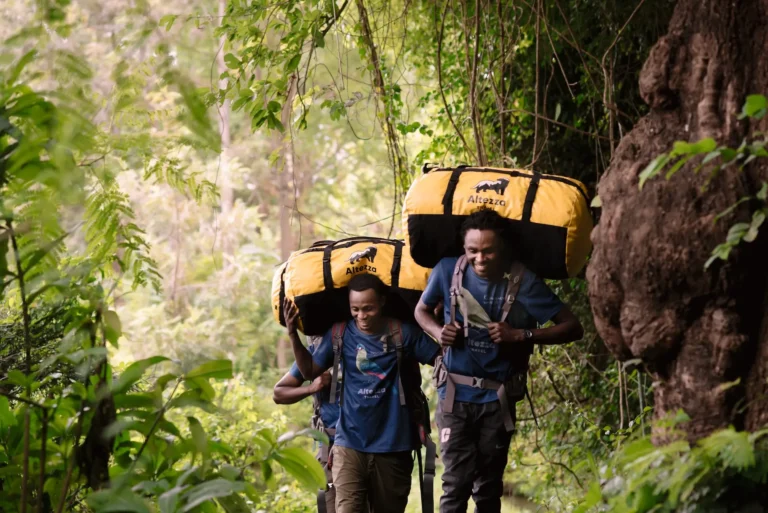
Kilimanjaro Climb With Vegan Mountain Meals: Your Expert Guide For 2026-2027
Embarking on a Kilimanjaro climb is a monumental achievement, and ensuring you have the right nutrition, especially with specific dietary needs like veganism, is crucial for success. Top...
View package details
Kilimanjaro Climbing Package With Vegetarian Meals Guide
Planning a Kilimanjaro climb with specific dietary needs? This guide details Kilimanjaro climbing packages that cater to vegetarians, covering routes, meal preparation, and what to expect...
View package detailsNo related package matches those filters. Clear one or more filters to see the other topic-matched options.



