
Connecting your Kilimanjaro climb with a domestic flight simplifies logistics, typically involving flying into Kilimanjaro International Airport (JRO) and then potentially using internal flights for onward travel within Tanzania if combining with other destinations. This approach is ideal for those looking to maximize time on the mountain and minimize overland travel, offering flexibility for pre- or post-climb safaris or Zanzibar holidays, with planning for 2026 and 2027 readily available.
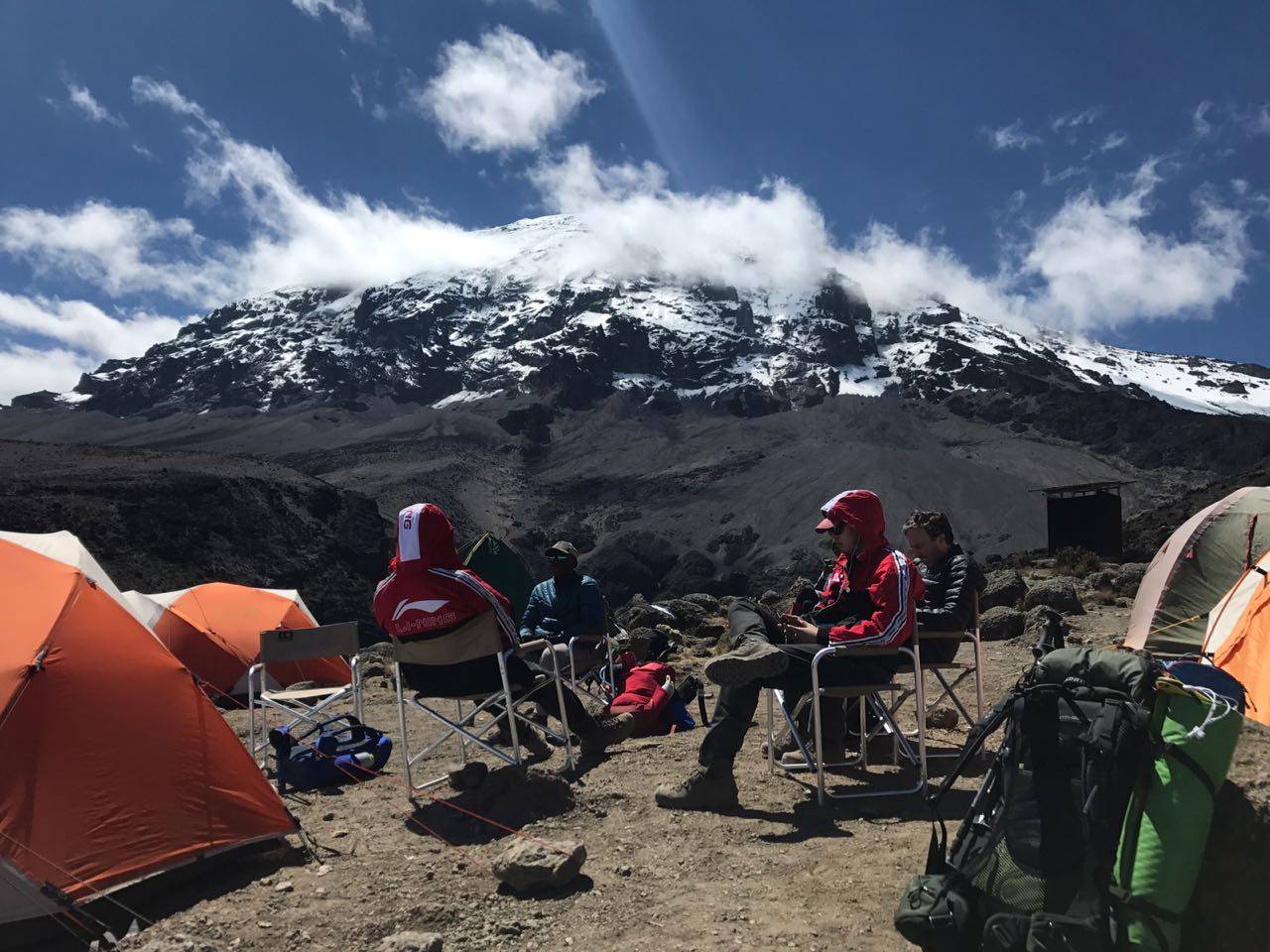
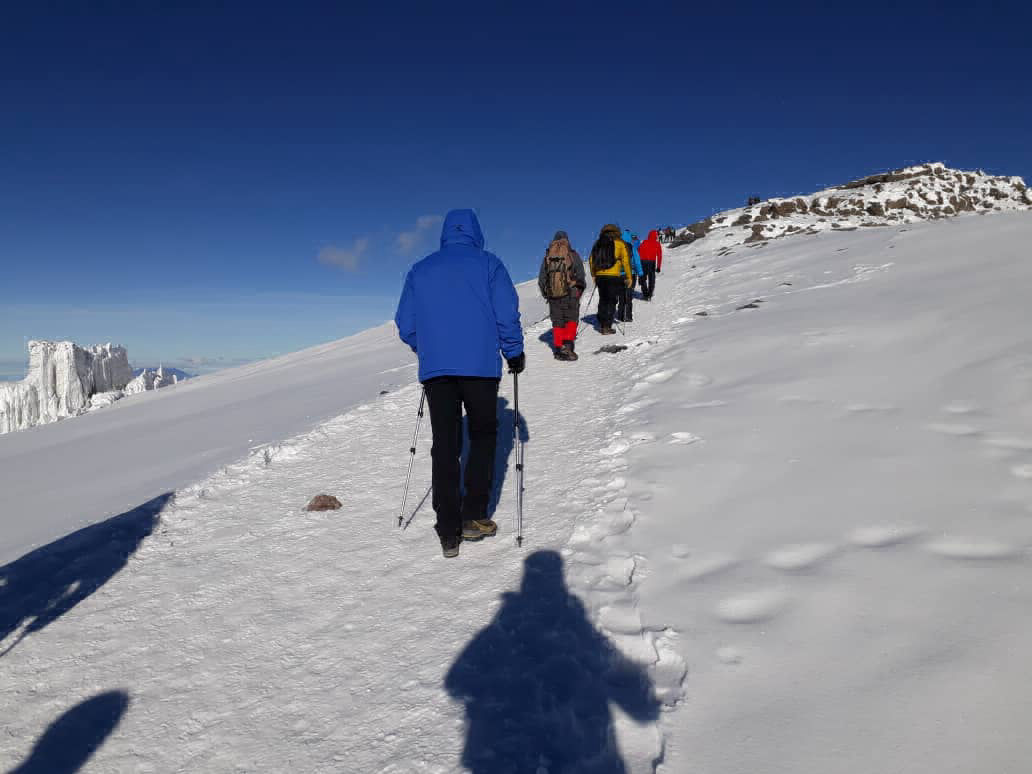
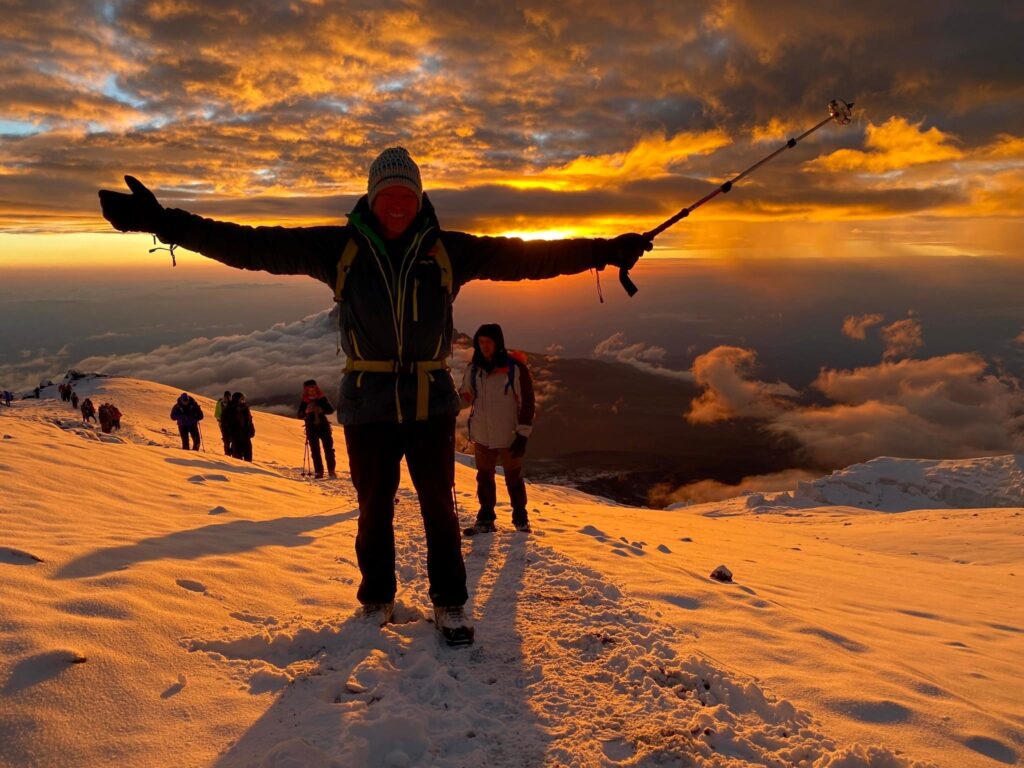
Understanding the Kilimanjaro Climb with Domestic Flight Connection
The allure of summiting Africa’s highest peak, Mount Kilimanjaro, draws adventurers from across the globe. For many, the journey to the mountain’s base is as crucial as the climb itself. When considering a Kilimanjaro climb with a domestic flight connection, you’re essentially looking at a strategic approach to reaching the starting point of your trek efficiently. This often means flying into Kilimanjaro International Airport (JRO), the primary gateway for most climbers. From JRO, you are typically just a short drive away from the towns of Moshi or Arusha, which serve as the main staging grounds for Kilimanjaro expeditions.
While the term “domestic flight connection” might suggest flying within Tanzania to reach Kilimanjaro, the most common scenario is international flights landing directly at JRO. However, the concept extends to those who might be combining their Kilimanjaro climb with other Tanzanian experiences, such as a safari in the Serengeti or a beach holiday in Zanzibar. In such cases, domestic flights within Tanzania become essential for moving between these diverse locations after your initial international arrival.
This guide is designed to provide a comprehensive overview of how to best plan and execute a Kilimanjaro climb, emphasizing the role of flight logistics. We will explore the advantages of this approach, the typical flight paths, how to integrate it with other Tanzanian adventures, and what to expect when planning for trips in 2026 and 2027.
Why Choose a Domestic Flight Strategy for Kilimanjaro?
Opting for a Kilimanjaro climb that incorporates a focus on flight connections, particularly domestic ones for multi-destination trips, offers several compelling advantages:
- Time Efficiency: Domestic flights significantly reduce travel time compared to long overland journeys, especially if you’re connecting from other parts of Tanzania like Zanzibar or the Serengeti. This is invaluable for those with limited vacation time.
- Convenience: For many international travelers, flying directly into JRO is the most straightforward way to begin their Kilimanjaro adventure. For those already in Tanzania, domestic flights offer a hassle-free way to reach the Kilimanjaro region.
- smooth Integration: If your dream is to combine a Kilimanjaro climb with a Tanzanian safari or a Zanzibar beach escape, domestic flights create a smooth transition between these distinct experiences. You can land at JRO, climb Kilimanjaro, and then take a short flight to the Serengeti or Zanzibar, or vice versa.
- Comfort: After the physical exertion of climbing Kilimanjaro, a flight back to a major hub or your next destination can be a more comfortable and quicker option than lengthy bus or car journeys.
- Accessibility: Kilimanjaro International Airport (JRO) is well-served by international airlines, making it accessible from major global hubs. For internal travel, Tanzanian domestic airlines provide regular services to key tourist destinations.
The Primary Gateway: Kilimanjaro International Airport (JRO)
Kilimanjaro International Airport (JRO), also known as Kilimanjaro Airport, is the main entry point for the vast majority of Kilimanjaro climbers. Located between the towns of Arusha and Moshi, it is strategically positioned to serve both regions, which are the primary hubs for organizing climbs.
- International Arrivals: JRO receives direct flights from various international destinations, including Amsterdam, Doha, Nairobi, Istanbul, and Addis Ababa, among others. This makes it relatively easy to reach Tanzania’s northern circuit.
- Proximity to Trekking Hubs: From JRO, it’s approximately a 45-60 minute drive to Arusha and a 75-90 minute drive to Moshi. Most tour operators will arrange airport transfers to your hotel in either of these towns.
- Visa and Immigration: Upon arrival at JRO, you will clear immigration and customs. It is advisable to check the latest visa requirements for Tanzania well in advance of your travel dates, especially when planning for 2026 or 2027. Many nationalities can obtain a visa on arrival, but e-visas are also available.
Connecting Kilimanjaro with Other Tanzanian Wonders: The Role of Domestic Flights
Many travelers choose to combine their Kilimanjaro climb with other iconic Tanzanian experiences. This is where domestic flights truly shine, allowing you to efficiently transition between the mountain, the plains, and the islands.
Kilimanjaro to the Serengeti (and other Northern Circuit Parks)
After descending Kilimanjaro, a safari in the Serengeti National Park is a classic addition. Instead of a very long overland journey, a domestic flight is highly recommended.
- Flight Route: You would typically fly from Kilimanjaro (JRO) or Arusha Airport (ARK) to one of the airstrips within the Serengeti (e.g., Seronera, Grumeti, Kogatende).
- Airlines: Several Tanzanian domestic airlines operate these routes, including Precision Air, Coastal Aviation, and Auric Air.
- Duration: The flight itself is usually around 1 to 1.5 hours.
- Logistics: Your safari operator will coordinate with the airline and arrange for a safari vehicle to meet you at the Serengeti airstrip.
Kilimanjaro to Zanzibar
For a relaxing beach holiday after your strenuous climb, Zanzibar is the perfect destination.
- Flight Route: Flights operate from Kilimanjaro (JRO) or Arusha Airport (ARK) to Zanzibar International Airport (ZNZ).
- Airlines: Similar to Serengeti flights, Precision Air and Coastal Aviation are common carriers.
- Duration: The flight to Zanzibar is typically about 1 to 1.5 hours.
- Logistics: Upon arrival in Zanzibar, you can arrange for transfers to your hotel in Stone Town or one of the island’s many beach resorts.
Other Domestic Connections
Depending on your itinerary, you might also use domestic flights to connect to or from:
- Lake Manyara National Park
- Tarangire National Park
- Selous Game Reserve (Nyerere National Park) (though often reached from Dar es Salaam)
- Ruaha National Park (also often from Dar es Salaam)
These flights are crucial for maximizing your experience in Tanzania, especially when planning for busy travel seasons in 2026 and 2027.
Choosing Your Kilimanjaro Climb Route with Flight Logistics in Mind
The route you choose for your Kilimanjaro climb can influence your overall travel plan, including how you might use domestic flights. While most routes start with overland travel from Moshi or Arusha to the mountain’s base, understanding the duration and difficulty of each route is key.
Popular Kilimanjaro Routes and Their Suitability
Here’s a look at the main routes, keeping in mind that the final leg to JRO is usually by road transfer from your accommodation in Moshi or Arusha:
Marangu Route (Coca-Cola Route)
- Duration: 5-6 days
- Description: The oldest and most established route, known for its hut accommodations. It has a gentler slope but a lower success rate due to its rapid ascent profile.
- Ascent/Descent: Ascends and descends via the same path.
- Logistics Impact: Relatively straightforward logistics from Moshi.
Machame Route (Whiskey Route)
- Duration: 6-7 days
- Description: Arguably the most popular route, offering excellent acclimatization and high success rates. It is a camping route with stunning scenery.
- Ascent/Descent: Ascends via Machame, descends via Mweka.
- Logistics Impact: Standard road transfer from Moshi/Arusha to the Machame gate.
Lemosho Route
- Duration: 7-8 days
- Description: A longer, more scenic route that starts in the west. It offers excellent acclimatization and high success rates. Considered one of the most beautiful routes.
- Ascent/Descent: Ascends via Lemosho, joins Barafu Camp route, descends via Mweka.
- Logistics Impact: Requires a longer road transfer from Arusha to the starting point, but offers a more remote start.
Shira Route
- Duration: 7-8 days
- Description: Similar to Lemosho but starts at a higher altitude, making acclimatization slightly more challenging for some.
- Ascent/Descent: Ascends via Shira, joins Barafu Camp route, descends via Mweka.
- Logistics Impact: Starts at a high altitude, requiring careful acclimatization planning.
Rongai Route
- Duration: 6-7 days
- Description: Approaches Kilimanjaro from the north, offering a different perspective. It’s drier and less crowded, making it a good option during the rainy seasons.
- Ascent/Descent: Ascends and descends via the same path.
- Logistics Impact: Requires a road transfer to the northern side of the mountain, further from Arusha/Moshi.
Northern Circuit
- Duration: 9-10 days
- Description: The longest route, offering the best acclimatization and highest success rates. It circles the mountain, providing panoramic views.
- Ascent/Descent: Ascends via Lemosho, descends via Mweka.
- Logistics Impact: Requires longer transfers due to its start and duration, maximizing the trekking experience.
Umbwe Route
- Duration: 6-7 days
- Description: The most direct and steepest route, known for its challenging ascent and lower success rate. It’s for experienced hikers seeking a tough challenge.
- Ascent/Descent: Ascends and descends via the same path.
- Logistics Impact: Steepest ascent requires excellent physical condition.
The choice of route primarily impacts your trekking duration and acclimatization profile, not necessarily the initial flight connection to JRO. However, the length of your climb might influence whether you add extra days for safaris or relaxation, potentially requiring more domestic flights.
Planning Your Kilimanjaro Climb with Domestic Flights: Key Considerations for 2026-2027
Planning a Kilimanjaro climb, especially when integrating domestic flights, requires meticulous attention to detail. Here are crucial aspects to consider for your 2026 or 2027 adventure:
Best Time to Climb Kilimanjaro
Kilimanjaro can be climbed year-round, but certain periods offer more favorable weather conditions, which can impact flight schedules and overall trekking experience.
- Dry Seasons (Peak Seasons):
- January to March: Generally dry, clear skies, but can be colder. Often considered a prime climbing window.
- June to October: The longest dry season, with cooler temperatures and clear skies. This is another peak season, often coinciding with the Great Migration in the Serengeti.
- Rainy Seasons (Shoulder/Low Seasons):
- April to May: Long rains, with heavy rainfall, fog, and potentially snow at higher altitudes. Trails can be muddy and slippery.
- November to December: Short rains, usually characterized by afternoon showers, but still offering good climbing opportunities. Less crowded and potentially lower prices.
When planning for 2026 and 2027, booking during the dry seasons means higher demand, so early booking is essential. Shoulder seasons can offer a good balance of weather and fewer crowds.
Booking Your Flights: International and Domestic
Securing your flights well in advance is critical, especially for peak seasons in 2026 and 2027.
- International Flights: Book your flights to Kilimanjaro International Airport (JRO) as early as possible, ideally 6-12 months in advance, particularly if you are traveling during peak times. Compare prices across different airlines and consider flexible dates if possible.
- Domestic Flights: If you plan to connect to Zanzibar, the Serengeti, or other destinations, book these internal flights shortly after confirming your Kilimanjaro climb dates. Domestic airlines in Tanzania can fill up quickly, especially during popular travel periods. Check with your tour operator, as they often handle these bookings for you as part of a package.
Choosing a Reputable Tour Operator
Selecting the right tour operator is paramount for a safe and successful Kilimanjaro climb. Look for companies that:
- Are locally based and have extensive experience in Tanzania.
- Prioritize safety with well-trained guides, adequate oxygen supplies, and evacuation plans.
- Offer flexible itineraries that can accommodate domestic flight connections.
- Provide clear inclusions and exclusions in their pricing.
- Have positive reviews and a strong reputation.
Top Guide Adventures is a trusted local operator known for its personalized service and comprehensive Kilimanjaro climb packages. They can assist with all aspects of your trip, including coordinating flight bookings and transfers.
Visa Requirements and Health Precautions
- Visas: Research the current visa requirements for Tanzania for your nationality. You can often apply for a visa online (e-visa) or obtain one on arrival at JRO. Ensure your passport is valid for at least six months beyond your intended stay and has sufficient blank pages.
- Vaccinations and Health: Consult your doctor or a travel clinic 4-6 weeks before your trip regarding recommended vaccinations (e.g., Yellow Fever, Hepatitis A, Typhoid) and malaria prophylaxis. Ensure you have adequate travel insurance that covers high-altitude trekking and emergency medical evacuation.
Packing Essentials for Kilimanjaro and Beyond
Your packing list will depend on whether you’re solely climbing or combining it with safaris or beach holidays. For Kilimanjaro, focus on layering and quality gear.
Kilimanjaro Essentials:
- Clothing: Thermal base layers, fleece mid-layers, waterproof and windproof outer shells, insulated down jacket, hiking trousers, warm hat, gloves, and socks.
- Footwear: Broken-in hiking boots, comfortable camp shoes/sandals.
- Gear: Four-season sleeping bag, trekking poles, headlamp, sunglasses, sunscreen, lip balm, water bottles/hydration system, personal first-aid kit.
- Documents: Passport, visa, flight details, travel insurance information, vaccination certificates.
For Safari/Zanzibar:
- Lighter clothing, swimwear, insect repellent, casual wear, comfortable walking shoes.
- Binoculars (for safari).
- A good book for relaxation.
Understanding the Costs: Kilimanjaro Climb with Flight Connections
The cost of a Kilimanjaro climb with domestic flight connections will vary significantly based on several factors:
- Route Choice: Longer routes generally cost more due to more days on the mountain and increased staff requirements.
- Operator: Prices range from budget operators to luxury providers. Mid-range operators often offer the best balance of quality, safety, and value.
- Group Size: Private climbs are more expensive per person than group climbs.
- Inclusions: Check what is included – park fees, guide and porter salaries, accommodation before/after the climb, meals, equipment, transfers, and whether domestic flights are included in the package.
- Timing: Peak season climbs might be slightly more expensive.
- International Flights: The cost of your international flights to JRO is separate from the climb package.
- Domestic Flights: These costs are added if not included in your package. A typical domestic flight within Tanzania can range from $250 to $500 USD per person, depending on the route and airline.
For a standard 7-day climb on a popular route like Machame or Lemosho with a reputable mid-range operator, expect the climb package itself to range from $1,800 to $3,000+ USD per person. This often includes park fees, guides, porters, food, and accommodation. When adding domestic flights for safaris or Zanzibar, factor in an additional $500 – $1,000+ USD per person for these internal journeys.
When researching options for 2026 and 2027, always request detailed quotes and clarify all inclusions and exclusions.
Sample Itinerary: Kilimanjaro Climb with Domestic Flight Connection to Zanzibar
Here is a sample itinerary demonstrating how a Kilimanjaro climb can be seamlessly integrated with a domestic flight to Zanzibar. This example uses the popular 7-day Machame Route.
Day 1: Arrival at Kilimanjaro International Airport (JRO) & Transfer to Moshi
Arrive at JRO, meet your Top Guide Adventures representative, and transfer to your hotel in Moshi. Briefing about your upcoming climb.
Day 2: Machame Gate to Machame Camp
Drive to Machame Gate, complete registration, and begin trekking through the rainforest to Machame Camp (approx. 7-8 hours).
Day 3: Machame Camp to Shira Camp
Trek across a ridge and up a steep escarpment to Shira Camp (approx. 5-6 hours).
Day 4: Shira Camp to Barranco Camp
A scenic day traversing the Shira Plateau, passing the Lava Tower, and descending to Barranco Camp (approx. 6-7 hours).
Day 5: Barranco Camp to Karanga Camp
Climb the Great Barranco Wall and trek through alpine desert to Karanga Camp (approx. 4-5 hours).
Day 6: Karanga Camp to Barafu Camp
Ascend to Barafu Camp, the base for your summit attempt (approx. 4-5 hours).
Day 7: Summit Day! Barafu Camp to Uhuru Peak & Descent to Mweka Camp
Start pre-dawn for the summit via Stella Point and Uhuru Peak (5,895m). Descend past Barafu Camp to Mweka Camp (approx. 10-12 hours total).
Day 8: Mweka Camp to Mweka Gate & Transfer to Moshi
Descend through the rainforest to Mweka Gate. Receive your climbing certificate and transfer back to your hotel in Moshi.
Day 9: Transfer to Arusha Airport (ARK) & Domestic Flight to Zanzibar
After breakfast, transfer to Arusha Airport (ARK) for your domestic flight to Zanzibar (ZNZ). Upon arrival, you will be met and transferred to your hotel in Stone Town or on the coast.
Day 10-12: Zanzibar Relaxation
Enjoy the beautiful beaches, spice tours, historical Stone Town, and water activities in Zanzibar.
Day 13: Departure from Zanzibar (ZNZ)
Transfer to Zanzibar International Airport (ZNZ) for your onward international flight.
This itinerary highlights the efficiency gained by using a domestic flight to connect Kilimanjaro to Zanzibar, saving considerable travel time compared to overland routes.
Maximizing Your Experience: Combining Kilimanjaro with Safaris and Flights
For those seeking the ultimate Tanzanian adventure, combining a Kilimanjaro climb with a safari is a popular choice. The key is to manage the logistics, and domestic flights are essential for this.
Strategic Itinerary Planning
It’s often recommended to climb Kilimanjaro before embarking on a safari. This is because:
- Acclimatization: Climbing Kilimanjaro can help your body adapt to higher altitudes, which might be beneficial for some safari destinations (though most safari parks are at lower elevations than Kilimanjaro’s summit).
- Physical Readiness: You’ll be at your peak physical condition at the start of your trip.
- Post-Climb Relaxation: A safari offers a more relaxed pace after the intense exertion of the climb.
The Serengeti Connection via Domestic Flight
After descending Kilimanjaro and spending a night or two recovering in Moshi or Arusha, you can take a domestic flight to the Serengeti.
Day 1: Arrival at JRO & Transfer to Moshi
Arrive at Kilimanjaro International Airport (JRO), transfer to Moshi. Pre-climb briefing.
Day 2-8: Kilimanjaro Climb (e.g., Lemosho Route – 7 Days)
Complete your Kilimanjaro ascent and descent, returning to Moshi/Arusha for overnight rest.
Day 9: Transfer to Arusha Airport (ARK) & Flight to Serengeti
Transfer to Arusha Airport (ARK). Take a domestic flight to a Serengeti airstrip (e.g., Seronera). Met by your safari guide and begin your game drive en route to your lodge/camp.
Day 10-11: Serengeti National Park
Full days of game drives in the Serengeti, exploring its vast plains and diverse wildlife.
Day 12: Fly to Zanzibar (Optional) or Arusha
Option 1: Fly from the Serengeti to Zanzibar for a beach extension. Option 2: Fly back to Arusha for your departure or onward travel.
Day 13: Departure
Depart from Zanzibar (ZNZ) or Kilimanjaro (JRO) based on your itinerary.
This integrated approach, leveraging domestic flights, ensures you experience the best of Tanzania without losing precious time to long drives.
Safety and Support: Ensuring a Smooth Kilimanjaro Climb with Flight Connections
Safety is paramount on Kilimanjaro. Reputable operators like Top Guide Adventures prioritize climber well-being through:
- Experienced Guides: Guides are trained in wilderness first aid and altitude sickness management.
- Adequate Porterage: Sufficient porters ensure you don’t carry unnecessary weight, aiding your ascent.
- Emergency Procedures: Clear protocols for dealing with altitude sickness, including oxygen administration and evacuation plans.
- Communication: Guides often carry satellite phones or radios for emergencies.
- Quality Equipment: Provision of good quality tents, sleeping mats, and cooking gear.
When booking flights, ensure you allow ample time for connections, especially when returning from Kilimanjaro to catch an international flight or a domestic flight. Delays can happen, and it’s wise to build in buffer time. For 2026-2027 planning, confirm these buffer times with your tour operator.
Frequently Asked Questions about Kilimanjaro Climbs with Domestic Flight Connections
Can I fly directly into Kilimanjaro International Airport (JRO)?
Yes, JRO is the primary international gateway for Kilimanjaro climbs and receives flights from major hubs like Amsterdam, Doha, Nairobi, and Istanbul.
How do I get from JRO to Moshi or Arusha?
Most tour operators, including Top Guide Adventures, will arrange airport transfers to your hotel in Moshi or Arusha, which are typically 1-2 hours drive from JRO.
When should I book my flights for a 2026 or 2027 Kilimanjaro climb?
It is highly recommended to book international flights 6-12 months in advance, especially for peak seasons. Domestic flights should be booked shortly after confirming your climb dates.
What is the cost of domestic flights within Tanzania?
Domestic flights within Tanzania, such as from Kilimanjaro/Arusha to the Serengeti or Zanzibar, typically range from $250 to $500 USD per person, depending on the route and airline.
Is it better to climb Kilimanjaro before or after a safari?
Most travelers prefer to climb Kilimanjaro before a safari. This allows them to be at their fittest at the start of the trip and enjoy a more relaxed safari experience afterward.
What if my domestic flight is delayed or canceled?
Reputable tour operators have contingency plans. It’s wise to build buffer time into your itinerary. Discuss potential delays and backup plans with your operator when booking for 2026-2027.
Do I need separate travel insurance for domestic flights?
Your comprehensive travel insurance should cover your entire trip, including any domestic travel booked as part of your itinerary. Ensure it specifically covers high-altitude trekking and emergency medical evacuation.
Conclusion: Planning Your Kilimanjaro Climb with smooth Flight Connections
Incorporating domestic flight connections into your Kilimanjaro climb plan is an intelligent strategy for maximizing your time and convenience in Tanzania. Whether you’re flying into Kilimanjaro International Airport (JRO) for the first time or connecting from a safari or Zanzibar, understanding the logistics is key to a successful and memorable adventure. By planning ahead, choosing a reputable operator, and considering the best times to travel for 2026 and 2027, you can create an unforgettable journey to the Roof of Africa.
Top Guide Adventures specializes in crafting tailor-made Kilimanjaro climbing experiences, seamlessly integrating your trek with other Tanzanian highlights. We handle the complexities of logistics, including airport transfers and advice on domestic flight bookings, so you can focus on the climb itself.
Ready to plan your Kilimanjaro adventure with efficient flight connections? Contact us today to discuss your dream itinerary.
WhatsApp: +255616946642
Email: topguideadventures@gmail.com
Backup Email: info@topguideadventures.com
Visit our website for more information on our Kilimanjaro climbs and Tanzanian tours: www.topguideadventures.com. We look forward to helping you conquer Kilimanjaro and explore the wonders of Tanzania in 2026 and 2027!
Check Availability for Kilimanjaro Climb With Domestic Flight Connection: Your Ultimate Guide
Ready to compare dates, prices, and the best option for your group? Send the package name and travel month so the team can reply with a clear quote, availability, and what is included.
Kilimanjaro Climb With A Personal Support Assistant: Your Ultimate Guide
Climbing Mount Kilimanjaro with a personal support assistant offers unparalleled safety, comfort, and focus on your summit goals. This guide details what a personal assistant entails, its...
View package details
Kilimanjaro Hydration Mistakes Climbers Make And How To Avoid Them 2026-2027
Proper hydration is critical for a successful Kilimanjaro climb. This guide details common hydration mistakes climbers make, from under-drinking to choosing the wrong fluids, and provides...
View package details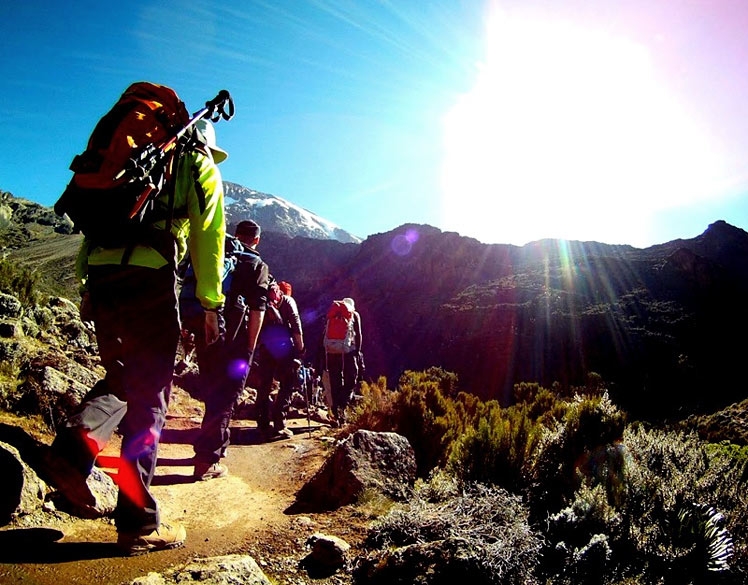
Kilimanjaro Summit-Night Mistakes To Avoid: Your Essential Guide For Climbs
Summit night on Kilimanjaro is the most challenging part of the climb. Avoiding common mistakes in acclimatization, gear, hydration, and pacing is crucial for success. This guide details...
View package details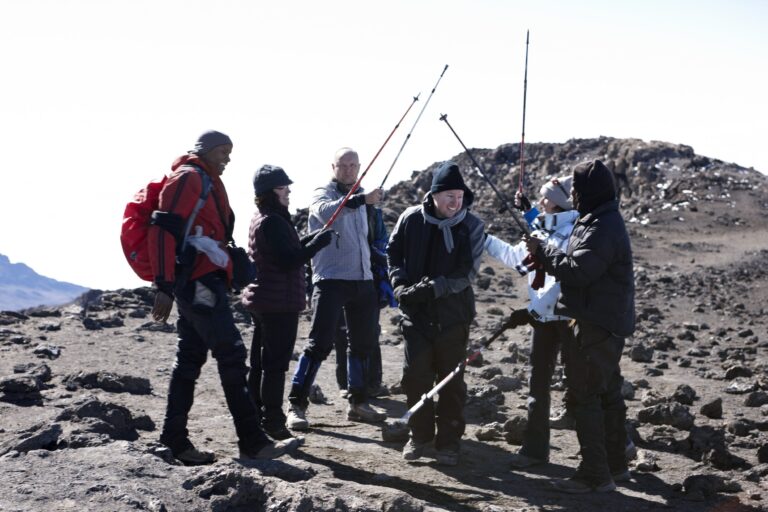
Kilimanjaro Airport Vs Arusha For Climbers: The Definitive Guide 2026-2027
A comprehensive comparison of Kilimanjaro International Airport (JRO) and Arusha Airport (ARK) for trekkers planning a Mount Kilimanjaro climb, detailing pros, cons, and booking advice for...
View package details
Kilimanjaro Climb For Retired Couples: Planning Your Adventure 2026-2027
Planning a Kilimanjaro climb as a retired couple is an achievable and rewarding goal. This guide offers in-depth advice on route selection, physical preparation, essential gear, and the...
View package details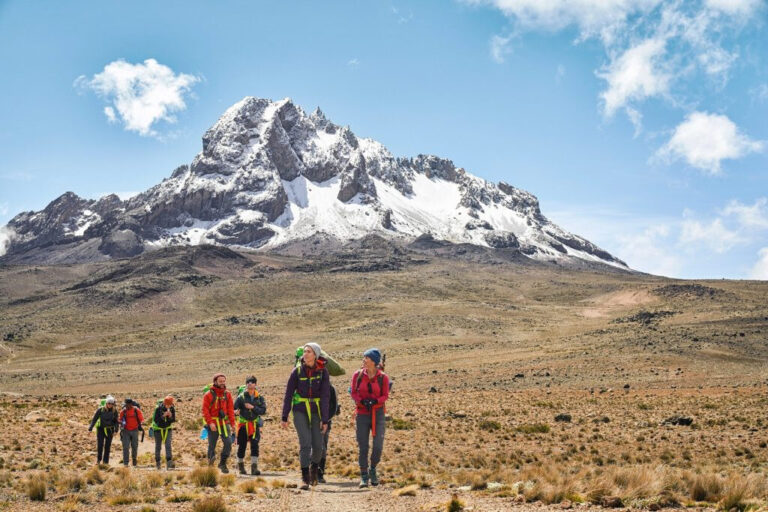
Can A 16-Year-Old Climb Kilimanjaro? Your Essential Guide 2026-2027
Discover if a 16-year-old can summit Kilimanjaro. This comprehensive guide covers age requirements, health, fitness, essential gear, and planning for younger trekkers aiming for Africa's...
View package details
Content For Parents And Young Climbers: Conquering Kilimanjaro Safely
Planning a Kilimanjaro climb with children or as a young climber requires special attention. This guide provides comprehensive content for parents and young adventurers, covering...
View package details
Kilimanjaro Tree-Planting Climbing Package Guide
Combine your dream Kilimanjaro climb with a meaningful conservation effort. Our Kilimanjaro Tree-Planting Climbing Package allows you to ascend Africa's highest peak while actively...
View package detailsHow To Know Whether You Are Ready For Kilimanjaro: A Comprehensive Guide
Climbing Mount Kilimanjaro is a significant undertaking. This guide helps you evaluate your physical, mental, and logistical readiness to ensure a safe and successful trek in 2026 or 2027...
View package detailsHow Tourism Supports Kilimanjaro Communities: A Deep Dive With Top Guide
Explore the vital link between Kilimanjaro tourism and the well-being of local communities. Learn how your trek contributes to sustainable development, economic growth, and cultural...
View package details
What Does The View From Uhuru Peak Look Like? Your Ultimate Kilimanjaro
The view from Uhuru Peak, Kilimanjaro's highest point, is a surreal panorama of stark volcanic rock, glacial ice, and an endless sea of clouds stretching below. At dawn, it offers a...
View package details
Is Kosovo Camp Better Than Barafu On Kilimanjaro? A Detailed Comparison
A comprehensive comparison of Kosovo Camp and Barafu Camp on Mount Kilimanjaro, detailing their pros and cons for climbers in 2026-2027. Understand the key differences to make an informed...
View package detailsNo related package matches those filters. Clear one or more filters to see the other topic-matched options.



